Read This Before You Grow Tomatoes In Pots In Michigan Or You Will Regret These Mistakes
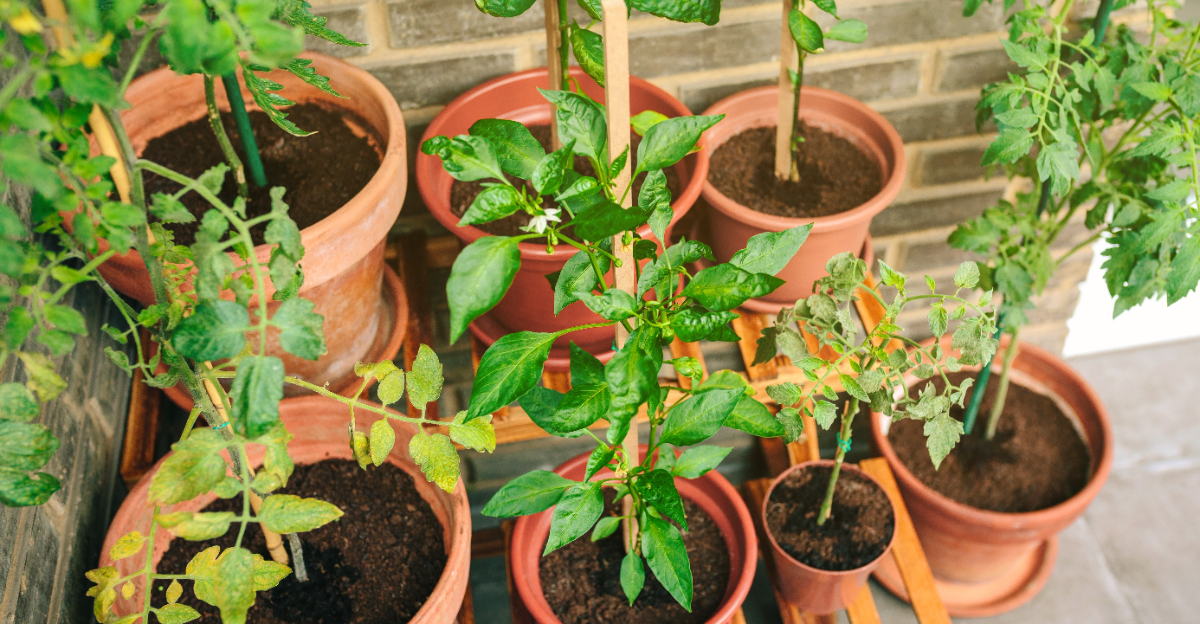
Growing tomatoes in pots sounds straightforward until you’re halfway through summer and the plants are telling you otherwise.
Container gardening has real advantages, especially in Michigan where the season is short and the weather makes in-ground planting a gamble some years.
But pots change the rules in ways that catch a lot of gardeners off guard. Soil dries out faster than you expect.
Roots run out of room earlier than the plant lets on. Heat builds up inside dark containers and stresses the root system on days when the temperature climbs.
None of these problems are hard to solve, but they’re much easier to handle before they start than after the plant is already struggling.
A few decisions made at the beginning of the season, the right container size, the right soil mix, the right watering habits, set the difference between a pot bursting with tomatoes and one that just barely gets by.
1. Using Pots That Are Far Too Small
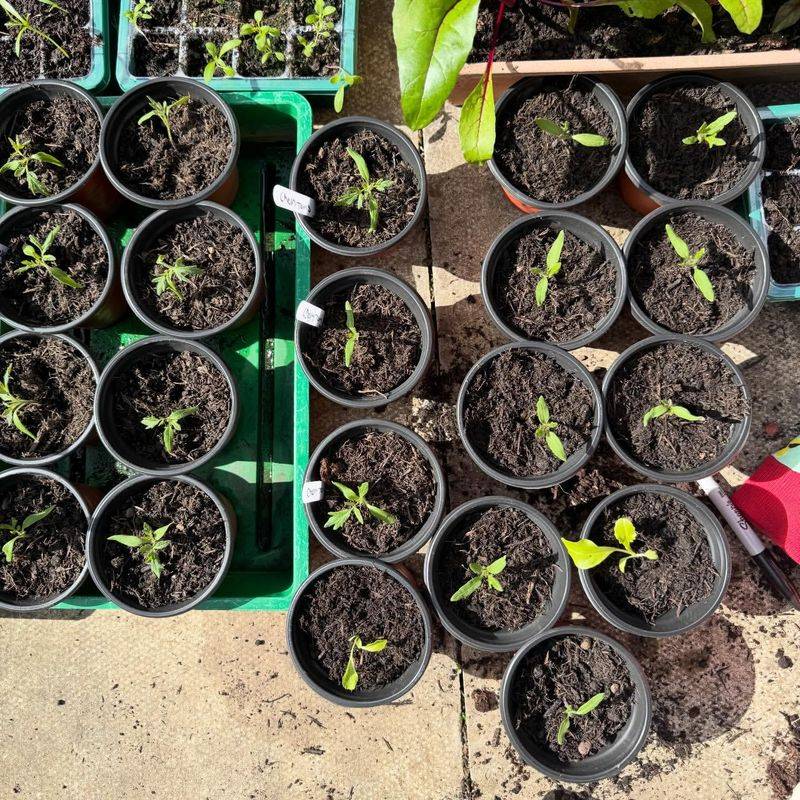
Grab a ruler before you buy your next pot, because size truly matters when it comes to container tomatoes. Most gardeners underestimate just how much root space a tomato plant actually needs to thrive.
A cramped container restricts root development, limits water retention, and makes the plant fight for nutrients right from the start.
Full-size tomato varieties like beefsteak or celebrity need containers that hold at least 15 to 20 gallons. Compact or patio varieties can manage in slightly smaller pots, but anything under five gallons is a recipe for stunted growth.
In Michigan, where summer heat arrives fast and dry winds pick up, small pots dry out within hours on a warm afternoon.
Shallow containers are just as problematic as narrow ones. Tomato roots grow deep, and when they hit the bottom of a shallow pot, they circle and crowd, reducing the plant’s ability to pull up water and nutrients efficiently.
A pot that feels large in the store often looks tiny once a mature tomato plant fills it out by midsummer.
Choose wide, deep containers with plenty of drainage holes. Dark-colored plastic pots are lightweight and affordable, but they absorb heat quickly on sunny Michigan patios.
Fabric grow bags are a popular alternative because they promote air pruning of roots and prevent overheating during the warmest weeks of the season.
2. Planting Too Early In Cold Michigan Weather
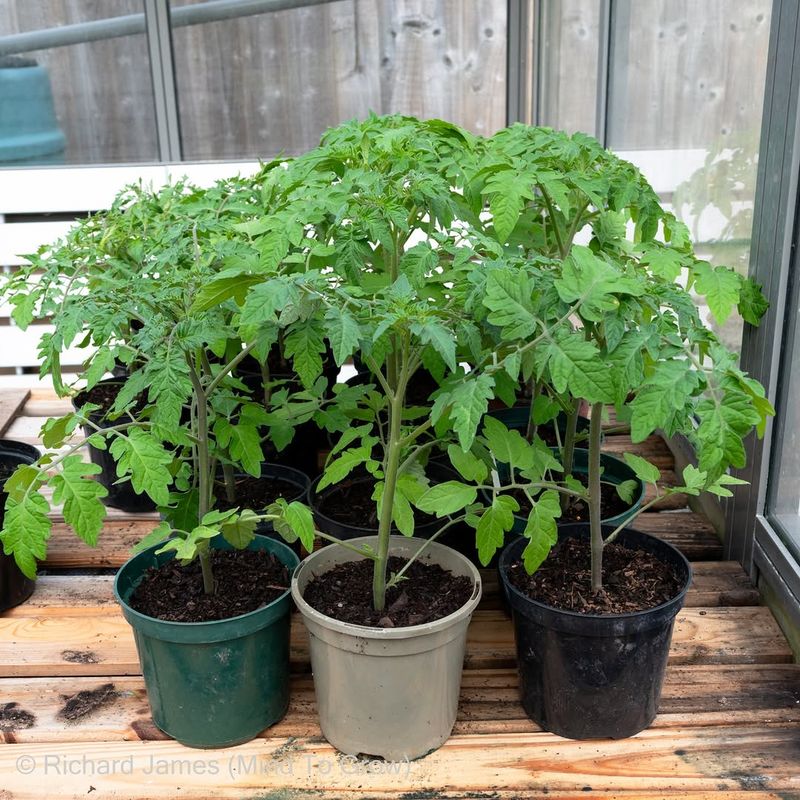
Michigan gardeners are eager every spring, and who could blame them? After long winters, the first warm weekend in April feels like the perfect time to get tomatoes outside.
The problem is that Michigan soil and nighttime temperatures stay dangerously cold well into May, even when afternoon highs feel comfortable.
Tomatoes are warm-season crops that genuinely suffer when root temperatures drop below 55 degrees Fahrenheit. Cold roots shut down nutrient absorption, slow growth, and leave plants looking yellow and sad for weeks.
Even if a seedling survives a cold snap, it often takes much longer to recover than a plant set out at the right time.
The last average frost date in Michigan varies by region. Southern areas around Detroit typically see their last frost around mid-April, while northern regions near Traverse City can see frost well into late May.
Your Michigan Garden Changes Every Week. Your Plan Should Too.
Gardening in Michigan changes quickly throughout the season. Every Friday you’ll receive a simple weekly plan showing exactly what to plant, prune, fertilize, harvest, and protect so you never miss the right timing.
Always check your specific county’s frost date before moving containers outside permanently.
A smart strategy is to harden off seedlings gradually by bringing pots outside during warm afternoons and back inside at night. Do this for one to two weeks before committing to leaving them out.
Soil in containers warms up faster than in-ground soil, so once nights consistently stay above 50 degrees, your potted tomatoes will take off with strong, healthy growth and much better early fruit set.
3. Using Heavy Garden Soil In Your Containers
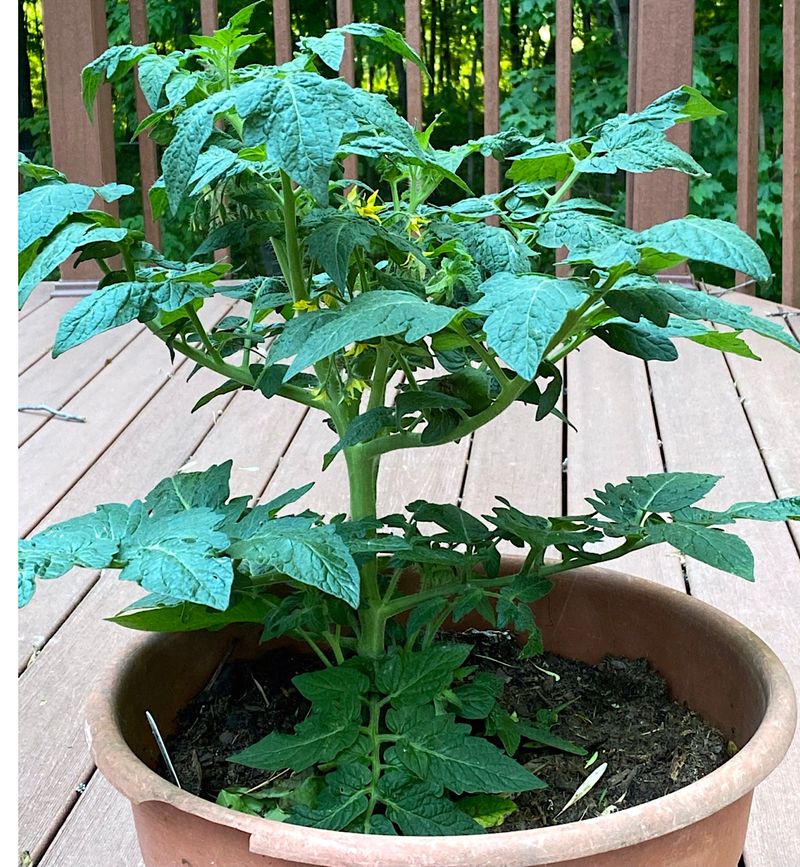
Scooping soil straight from the backyard into a container feels like a smart shortcut, but it backfires quickly. Garden soil is designed for open ground where it has room to breathe, drain, and interact with earthworms and natural organisms.
Inside a container, that same soil compacts into a dense, airless block that suffocates roots.
Poor drainage is the biggest problem. When water cannot flow freely through the pot, roots sit in soggy conditions that invite root rot and fungal problems.
Michigan summers can bring stretches of heavy rain followed by heat, and compacted container soil handles those swings poorly. The plant ends up either waterlogged or bone dry, with very little middle ground.
High-quality potting mix is specifically engineered for container growing. It stays loose and airy even after repeated watering, allows roots to spread easily, and dries at a rate that keeps moisture consistent without drowning the plant.
Look for mixes that include perlite, coconut coir, or compost for the best results.
Adding a slow-release fertilizer to fresh potting mix at planting time gives your tomatoes a steady nutritional foundation. Refresh or replace container mix every season because it breaks down and loses structure over time.
Reusing old, compacted mix without amendment is one of the most overlooked reasons Michigan gardeners struggle with disappointing container tomato yields year after year.
4. Letting Pots Dry Out Completely Between Waterings
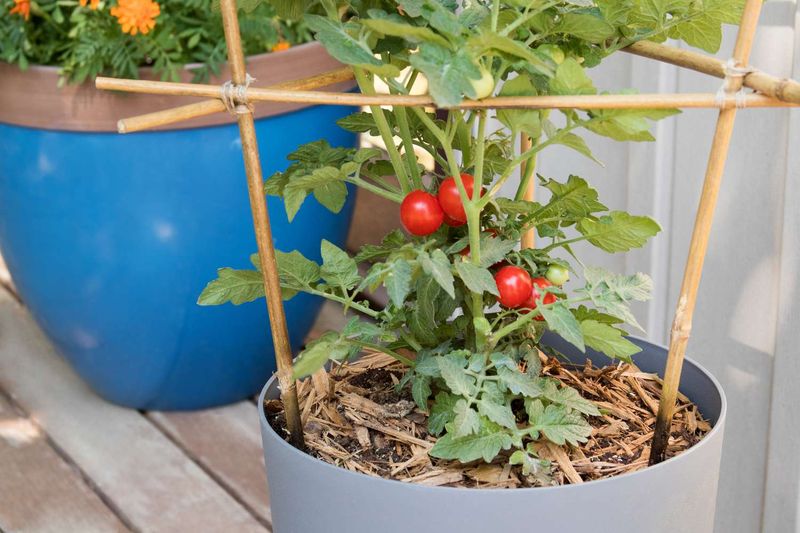
Here is a fact that surprises many first-time container growers: a single missed watering on a hot Michigan afternoon can set your tomato plant back by days. Container plants have no access to groundwater, so they depend entirely on you.
When that soil dries out completely, the plant goes into stress mode fast.
Inconsistent watering is one of the leading causes of blossom end rot, a condition where the bottom of the tomato turns dark and leathery. It looks like a disease, but it is actually a calcium deficiency triggered by moisture stress.
Even if calcium is present in the soil, the plant cannot absorb it without consistent water flow through the roots.
Fruit cracking is another painful consequence of uneven watering. When a plant experiences drought stress and then receives a sudden heavy drink, the tomato skin cannot expand fast enough to keep up with rapid fruit growth.
Cracks split across the surface and ruin what could have been a perfect harvest.
In Michigan, warm winds off the Great Lakes can pull moisture from pots surprisingly fast, even on days that do not feel particularly hot. Checking soil moisture daily during peak summer is essential.
Stick your finger two inches into the soil, and water deeply whenever it feels dry at that depth. Self-watering containers are worth every penny for busy gardeners who cannot always keep up with daily checks.
5. Overfertilizing With Nitrogen And Ignoring Balance
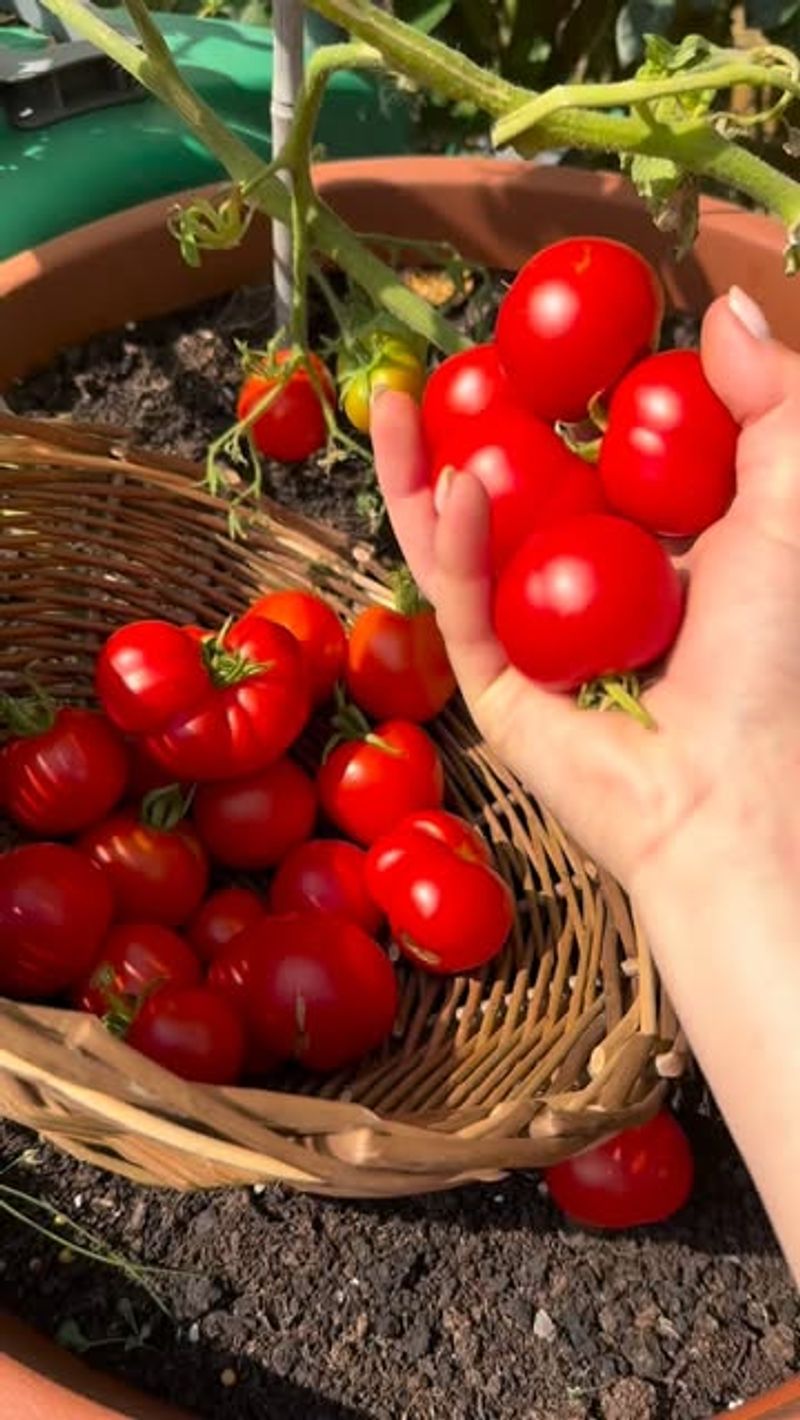
Nitrogen is the nutrient that makes plants grow big, green, and lush, and it is incredibly tempting to pour it on. When tomato leaves look pale or growth seems slow, many Michigan gardeners reach for a nitrogen-heavy fertilizer hoping for fast results.
The plant responds by shooting up tall and bushy, which feels like success until midsummer arrives with almost no fruit.
Too much nitrogen redirects the plant’s energy toward producing foliage rather than flowers and fruit. The result is a gorgeous, leafy plant that barely delivers.
Tomatoes need a balanced approach to fertilizing, especially once they begin flowering. At that stage, phosphorus and potassium matter just as much as nitrogen for supporting strong fruit development.
A balanced slow-release granular fertilizer applied at planting time works well for the first several weeks. Once flowers appear, switch to a tomato-specific liquid fertilizer with a lower nitrogen ratio and higher phosphorus and potassium levels.
Products labeled for fruiting vegetables are formulated specifically for this transition.
Container tomatoes in Michigan also need regular feeding because nutrients wash out of pots with each watering. Unlike in-ground plants that access a larger nutrient reservoir, container plants rely on what you provide.
Feeding every one to two weeks during the growing season keeps production strong. Consistent, balanced nutrition is always more effective than occasional heavy doses of any single nutrient.
6. Growing Large Indeterminate Tomatoes Without Proper Support
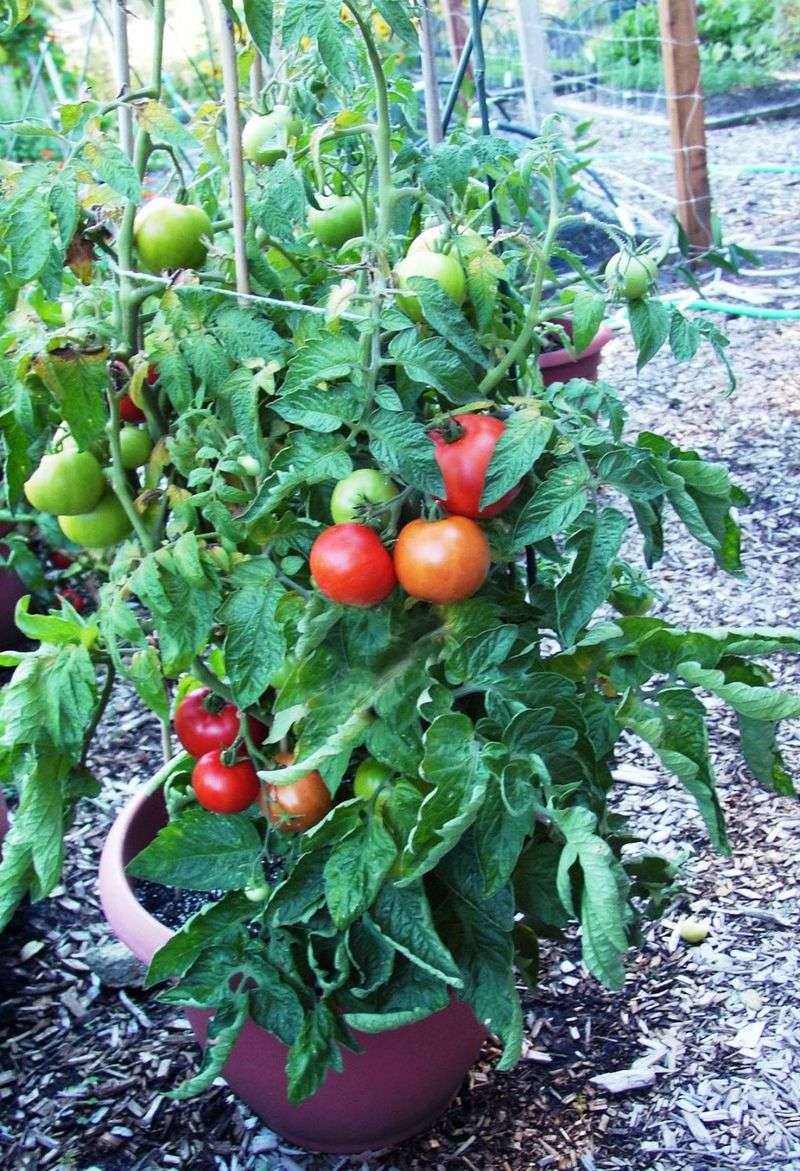
Indeterminate tomato varieties never really stop growing. They keep climbing, branching, and setting fruit all season long, which sounds wonderful until you realize your flimsy wire cage buckled under the weight back in July.
Supporting large tomatoes in containers requires more planning than most people expect, especially in Michigan where summer storms can arrive with strong gusts.
Common wire tomato cages sold at garden centers are designed for small to medium plants. A full-grown indeterminate variety like Big Boy or Brandywine can easily reach six feet or taller and carry several pounds of fruit at once.
That kind of weight snaps cheap cages and sends plants crashing sideways, breaking stems and bruising fruit in the process.
Heavy-duty tomato cages, wooden stakes with ties, or sturdy metal conduit supports are much better options for container growing. Drive stakes deep enough into the pot to anchor them firmly, and tie the main stem loosely at regular intervals as the plant grows.
Avoid tying too tightly because stems need room to expand as they thicken through the season.
Choosing determinate or compact varieties is an easier solution for container gardening in Michigan. Varieties like Patio, Bush Early Girl, or Tumbling Tom stay naturally smaller, require minimal support, and produce excellent crops in containers.
They ripen fruit in a concentrated window, which makes harvesting simple and satisfying without the structural challenges of managing a giant plant.
7. Crowding Pots In Shady Spots Around The Patio
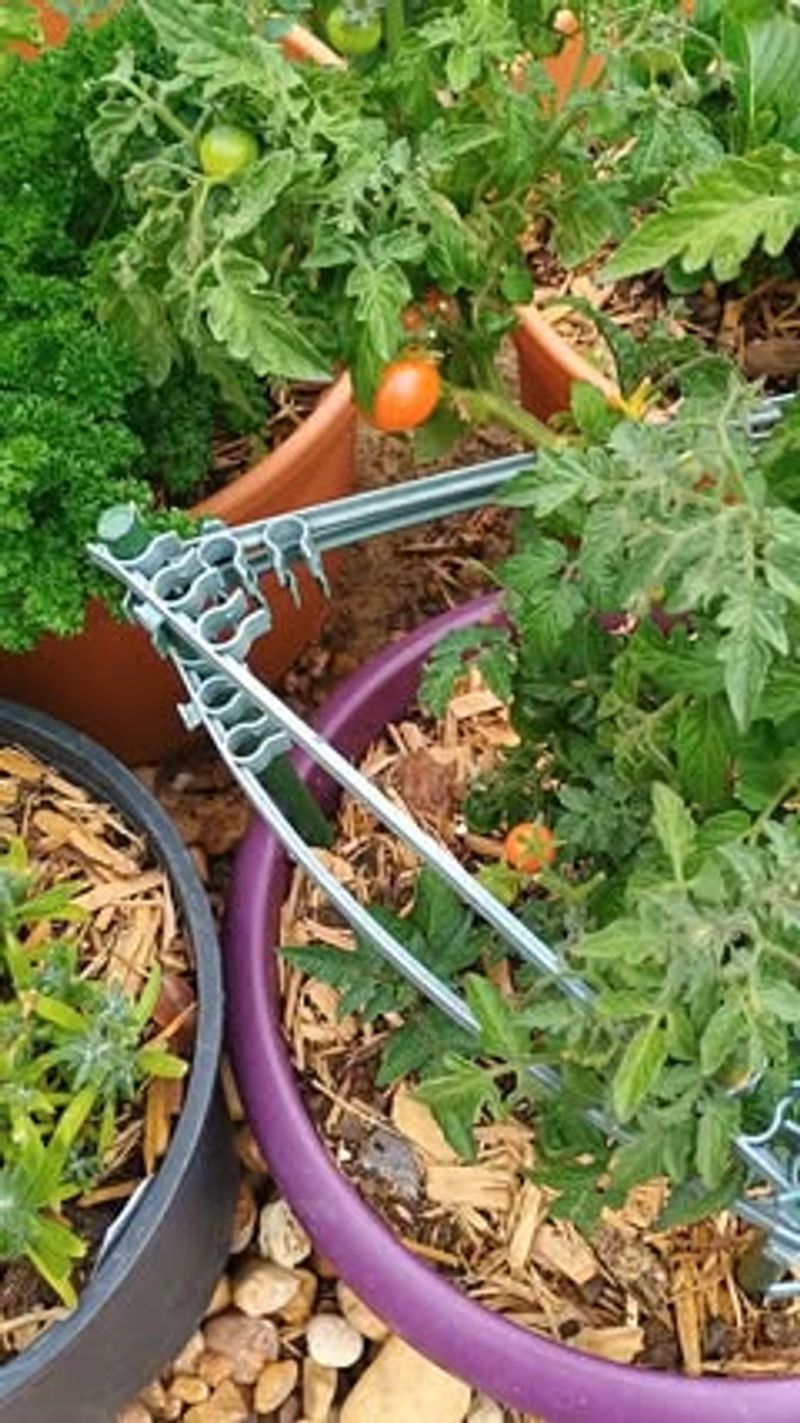
Tomatoes are sun worshippers, plain and simple. They need a minimum of six to eight hours of direct sunlight every single day to flower well, ripen fruit properly, and maintain the energy to fight off disease.
Placing containers in a shady corner because it looks tidy or fits the patio layout is one of the fastest ways to guarantee a weak harvest.
Michigan summers are beautiful but not always long. The growing season between last frost and first fall frost is shorter here than in southern states, which means every sunny day counts.
A tomato plant struggling through partial shade loses precious productive time it simply cannot afford to waste when the season is already tight.
Shaded plants also tend to grow tall and leggy as they stretch toward available light. Stems become thin and weak, unable to support the weight of developing fruit clusters.
Flowers may appear but often drop without setting fruit because the plant lacks the energy to complete the process in low light conditions.
One major advantage of container gardening is mobility. If your current patio spot does not offer enough sun, move the pots.
Rotate containers toward the sunniest areas of your yard throughout the day if needed. A wheeled plant caddy makes repositioning large, heavy pots much easier and is a smart investment for any Michigan container gardener working with limited sunny real estate.
8. Ignoring Airflow Around Your Container Plants
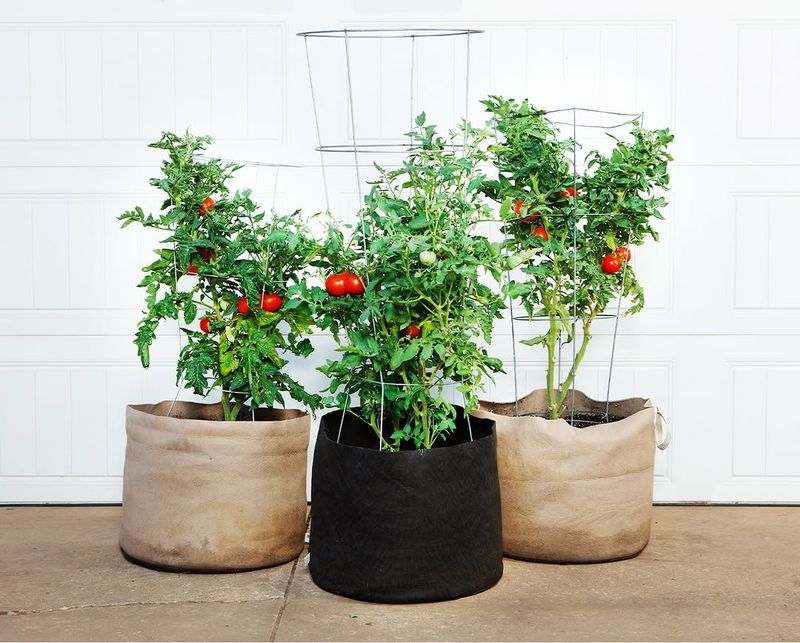
Packing containers close together on a porch or patio looks organized and attractive, but poor airflow around tomato plants creates a humid microclimate that fungal diseases absolutely love.
Michigan summers regularly bring stretches of warm, wet weather, and conditions like early blight, late blight, and septoria leaf spot thrive wherever moisture lingers on leaves and stems.
When air cannot circulate freely between plants, water from rain or overhead watering takes much longer to evaporate from leaf surfaces. That extended moisture is exactly what fungal spores need to germinate and spread.
Once a fungal disease takes hold in a container planting, it moves quickly and can devastate an entire collection of pots within a few weeks.
Spacing containers at least 24 to 36 inches apart gives each plant room to breathe. It also makes it easier to inspect leaves regularly for early signs of trouble, which is one of the best ways to stay ahead of disease pressure.
Catching a problem early means you can remove affected leaves before the issue spreads across the entire plant.
Pruning also plays a big role in improving airflow. Removing suckers and lower leaves that touch the soil reduces the number of entry points for disease.
Watering at the soil level rather than overhead keeps foliage dry and less vulnerable. Combined with proper spacing, these habits make a noticeable difference in how healthy Michigan container tomatoes stay through the humid midsummer stretch.
9. Forgetting That Containers Heat And Cool Much Faster Than Ground Soil
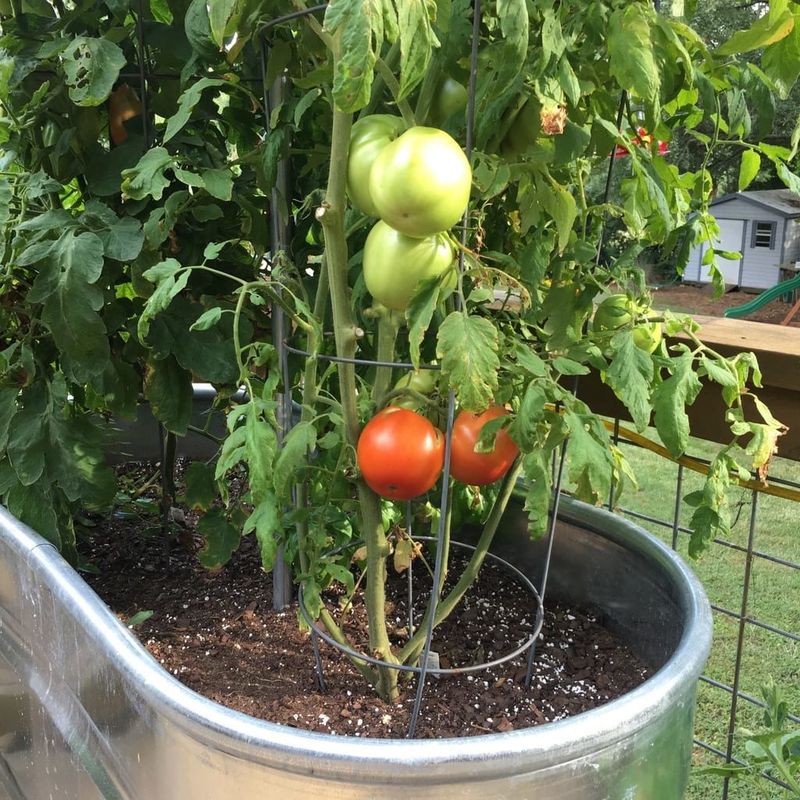
Ground soil acts like a thermal buffer, absorbing heat slowly during the day and releasing it gradually at night. Container soil has no such luxury.
A pot sitting in full afternoon sun on a Michigan patio can reach root-damaging temperatures well above 90 degrees Fahrenheit, even on days when the air temperature feels perfectly comfortable for gardening.
Black plastic containers are especially prone to overheating because dark surfaces absorb and hold solar radiation efficiently. Roots exposed to extreme heat stress shut down water and nutrient uptake, causing wilting even when the soil still has adequate moisture.
The plant looks thirsty no matter how much you water, which leads many gardeners to overwater and create a second set of problems.
On the flip side, Michigan nights can drop surprisingly cool even in July, especially in northern parts of the state. Container roots chill faster than in-ground roots when temperatures fall, which slows growth and delays fruit ripening.
Tomatoes prefer consistent warmth, and the dramatic temperature swings in containers work against that preference.
Several strategies help manage these extremes effectively. Light-colored pots, ceramic containers, or double-walled planters reflect heat and insulate roots much better than black plastic.
Placing pots on wooden decking or a layer of straw rather than hot concrete reduces heat transfer from below. Grouping containers together also provides mutual insulation, as long as you maintain enough spacing between plants for healthy airflow and good sun exposure.