Plant These 12 Perennials In July For Weeks Of Color Through New York Fall
July doesn’t get much respect in gardening circles, but that’s a mistake worth correcting. The ground has spent months soaking up heat, which means roots settle in fast instead of struggling through a cold snap.
Skip the myth that planting season ends with spring. Right now, from Buffalo down to the boroughs of New York, gardeners are quietly getting some of their best results of the year.
Summer-planted perennials skip the sluggish start and push straight into growth mode, rewarding a little patience with weeks of color once autumn rolls in.
Whether you’re working a small patch in New York City or a wide-open backyard upstate, the timing works in your favor more than you’d think.
These hardy perennials thrive on a July start. By October, your garden won’t look rushed. It will look planned.
1. Black-Eyed Susan
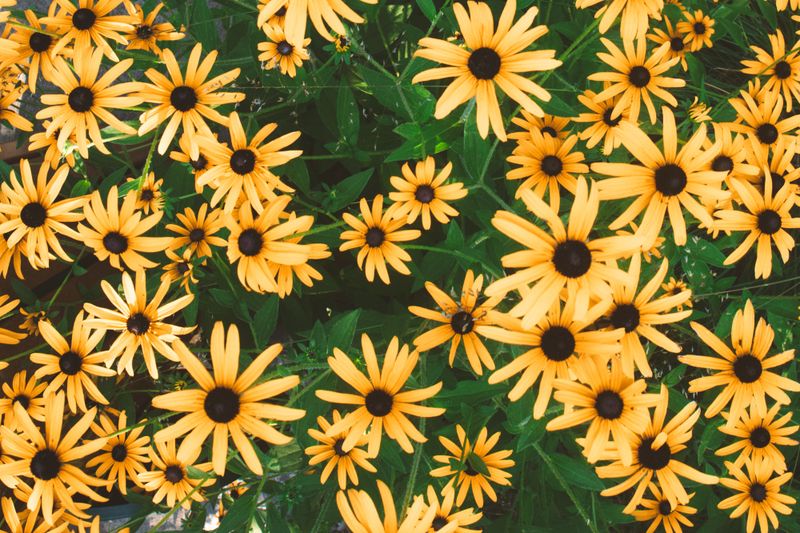
Golden petals and a bold dark center make this flower hard to miss. Black-Eyed Susans have been brightening American gardens for centuries, and they show no signs of slowing down.
Plant them in July and they will reward you fast. These tough bloomers handle heat, drought, and poor soil with minimal care.
They thrive across New York, from sunny suburban yards to open country gardens. Full sun is their happy place, so pick a spot that gets at least six hours daily.
Spacing matters here. Give each plant about 18 inches so air circulates and mildew stays away. Water them well right after planting, then ease off once roots settle in.
By late August, you will have clusters of cheerful yellow blooms that last well into October. Birds love the seed heads, so leave a few standing after the first frost.
These perennials return stronger each year with very little effort. They also spread gently, filling bare spots without taking over like some aggressive plants do. Your fall garden just found its anchor.
2. Coneflower
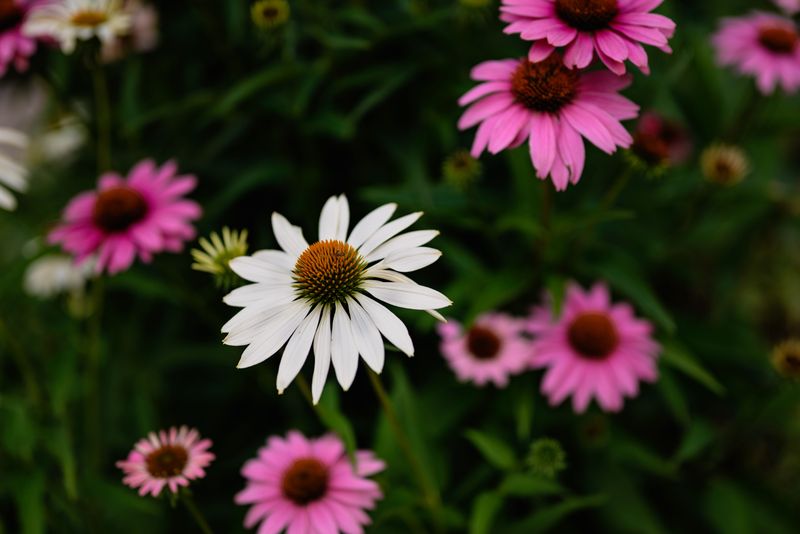
Few flowers have the understated presence of the coneflower. Its spiky center and swept-back petals give it a natural, prairie-style look that feels both rugged and refined.
Echinacea, its botanical name, is beloved by pollinators and gardeners alike. Bees and butterflies flock to it from July straight through the first frost.
Plant coneflowers in July and they will get established before temperatures drop. New York summers give them just enough warmth to build strong roots for years of future blooms.
Choose a sunny location with well-drained soil. These plants struggle in soggy soil, so avoid low spots where water pools after rain.
Purple is the classic color, but modern varieties come in white, orange, red, and yellow. Mixing a few shades creates a stunning late-season display that stops neighbors in their tracks.
Removing spent blooms encourages more flowers, but leaving some seed heads standing feeds goldfinches all autumn long. That trade-off feels pretty good.
Coneflowers are deer-resistant too, which is great news for New York gardeners dealing with hungry wildlife every single season.
3. Sedum (Stonecrop)
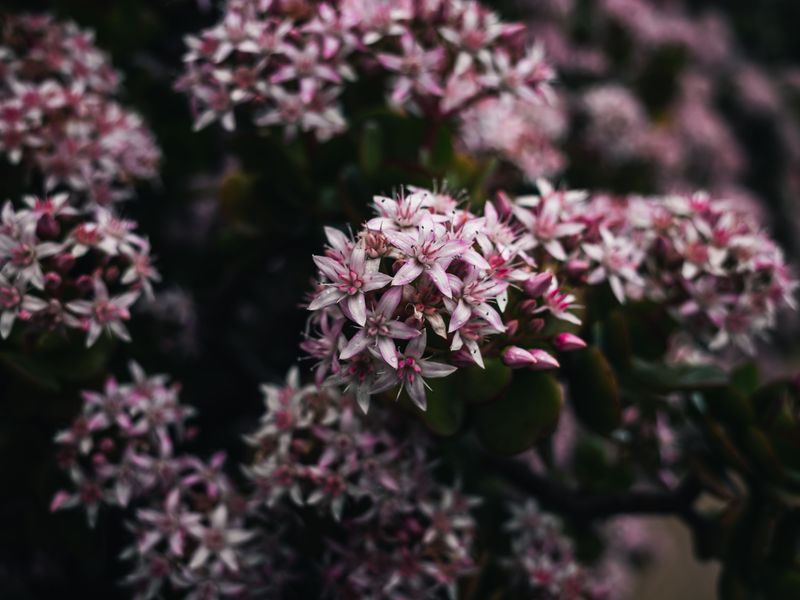
Sedum is the plant that makes other gardeners ask what your secret is. Its thick, fleshy leaves look sculptural all summer, and then fall arrives and it adds strong seasonal interest.
Your New York Garden Changes Every Week. Your Plan Should Too.
Gardening in New York changes quickly throughout the season. Every Friday you’ll receive a simple weekly plan showing exactly what to plant, prune, fertilize, harvest, and protect so you never miss the right timing.
The variety called Autumn Joy is legendary for a reason. Flat-topped flower clusters shift from pale pink to deep rose to rusty copper as the season progresses.
July planting gives sedum plenty of time to anchor itself before cooler weather arrives. It asks for almost nothing in return, just decent drainage and a sunny spot.
This perennial tolerates drought well. Its succulent leaves store water, making it one of the most low-maintenance options for busy gardeners or anyone who occasionally forgets to water.
Sedum works beautifully at the front of a border because it stays compact and tidy. It pairs well with ornamental grasses and taller fall bloomers like asters and goldenrod.
The dried flower heads hold their structure through winter, adding texture to a frosty garden.
Pollinators absolutely adore the late blooms. Planting sedum in July means you get months of visual interest without breaking a sweat.
4. Aster
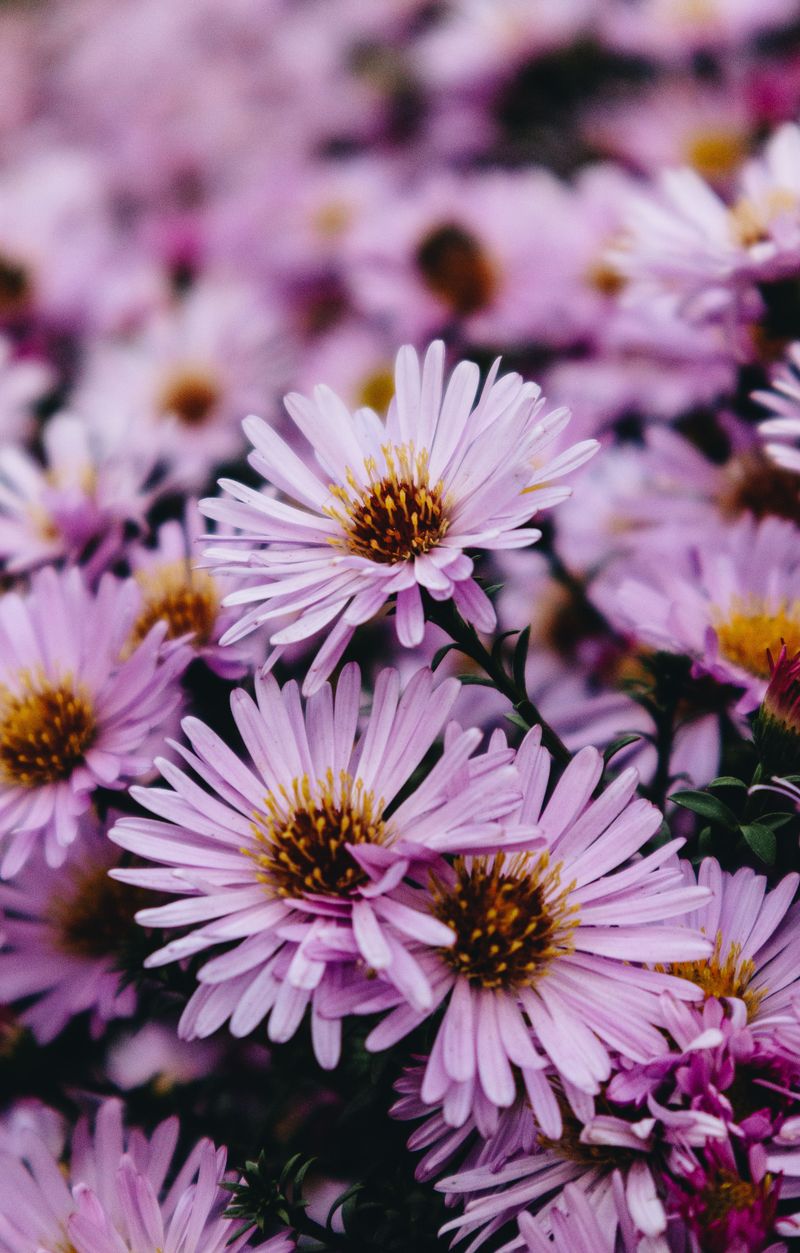
When most flowers have called it quits for the year, asters are just getting started. These daisy-like bloomers are among the most reliable performers of the fall garden, bursting into color just when you need it most.
New York native asters, like New England Aster, are especially well-suited to local growing conditions. They handle cold nights and unpredictable autumn weather without flinching.
July planting lets the roots get established during warm soil months. By September, you will have a plant covered in hundreds of small, vibrant blooms in shades of purple, pink, and white.
Full sun produces the best flowering, though asters tolerate light afternoon shade. Pinching back stems in early summer creates bushier plants with more blooms, but July-planted ones may skip that step.
Monarchs and other migrating butterflies rely on late-blooming flowers like asters for fuel during their long journey south. Planting asters means you are feeding wildlife, not just decorating your yard.
They pair beautifully with goldenrod and ornamental grasses. The contrast of purple and gold is one of fall’s most satisfying color combinations. Your October garden will thank you endlessly.
5. Russian Sage
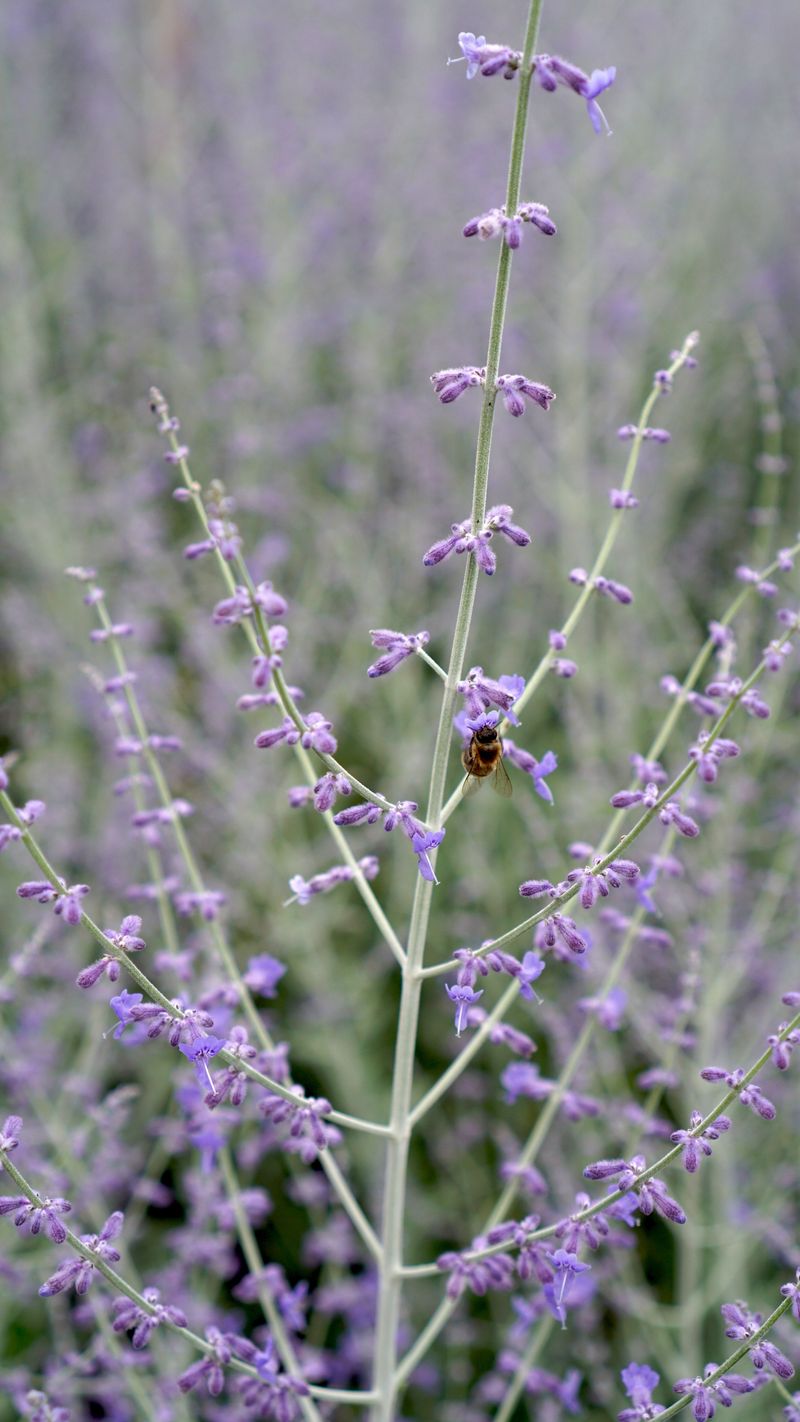
Russian sage has a soft, silvery appearance. Tall, silvery stems topped with hazy clouds of lavender-blue flowers create an airy, delicate effect that stands out in the garden.
Despite the name, it is reliably winter hardy in New York. Once established, it is one of the most cold-hardy and drought-tolerant perennials you can grow in the region.
Plant it in July and let the warm soil work its magic. Roots establish quickly, and you may even catch some late-summer blooms before fall officially kicks in.
Russian sage needs full sun and excellent drainage. Sandy or rocky soil actually suits it better than rich garden beds, which is great news for gardeners dealing with less-than-perfect soil.
The silvery foliage smells faintly of sage when brushed, adding a sensory element beyond just the visuals. Deer tend to avoid it, which is a major bonus in many New York communities.
It pairs spectacularly with ornamental grasses, black-eyed susans, and sedums. The airy blue haze softens bold yellow and orange tones nearby. Few perennials offer this much elegance for this little effort.
6. Coreopsis
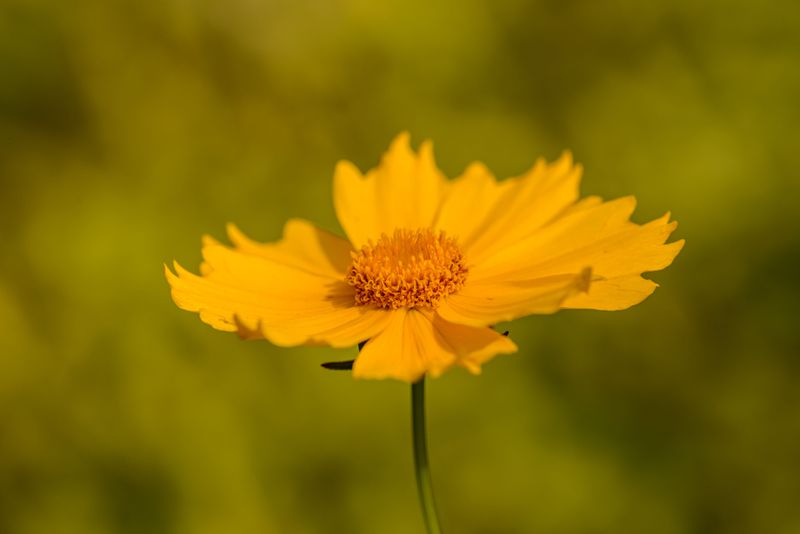
Coreopsis goes by the nickname tickseed, but do not let that put you off. This cheerful yellow perennial is one of the easiest, longest-blooming plants you can add to a fall garden.
Its fine, feathery foliage gives it an airy texture even when it is not in bloom. When flowers open, the effect is like scattered sunlight across your garden beds.
July planting works extremely well for coreopsis because it loves heat. Warm soil encourages fast root development, and blooms often continue well into October across New York.
Full sun is a must. Shaded plants get leggy and produce far fewer flowers, so choose the sunniest spot available for the best results.
Trim regularly to keep flowers coming. Snipping off spent blooms sends energy back to the plant, which responds by pushing out fresh buds almost immediately.
Coreopsis comes in single shades of yellow and gold, plus newer bicolor varieties with red or pink accents. The flowers attract native bees and small butterflies throughout the season.
It is also remarkably drought-tolerant once settled in. Low maintenance and high reward make coreopsis a must-have for any New York fall garden worth admiring.
7. Phlox (Garden Phlox)
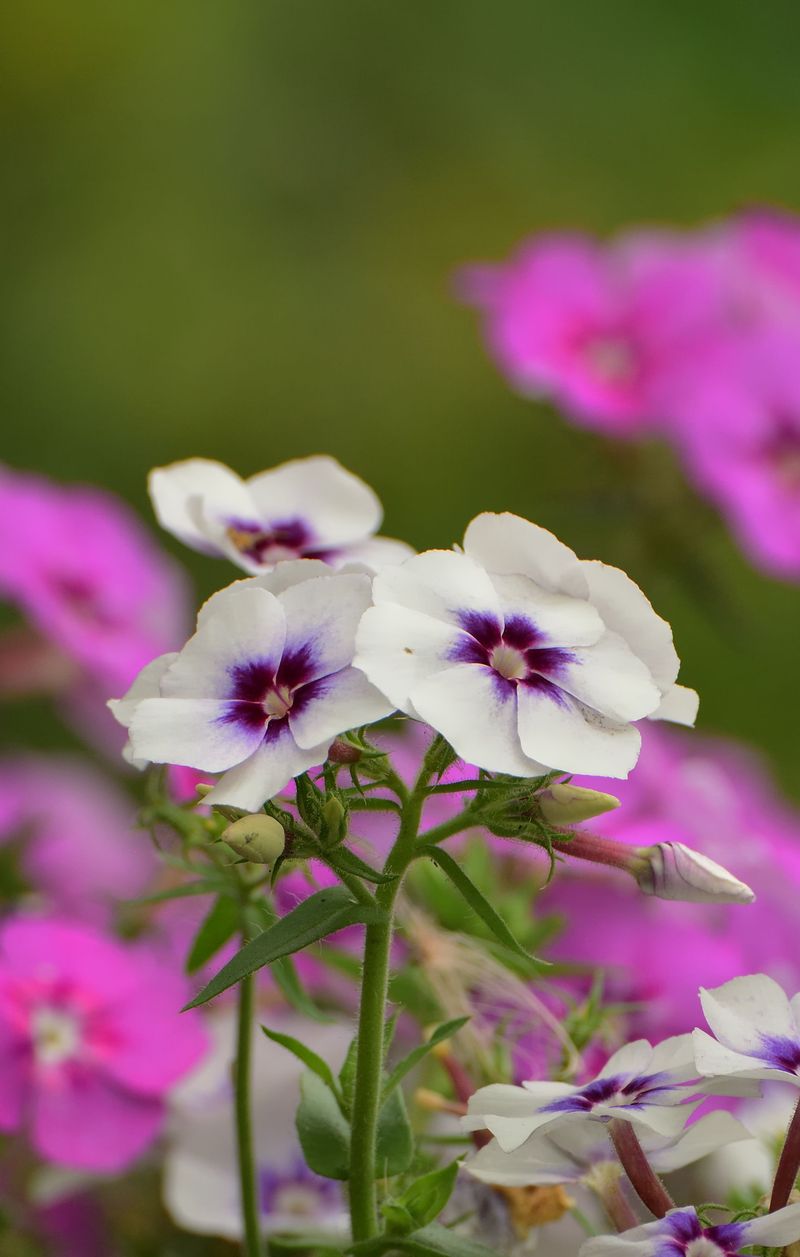
Walk past a patch of garden phlox on a warm August evening and you’ll notice the fragrance immediately. The fragrance alone is worth every bit of effort this plant asks for.
Garden phlox produces big, showy clusters of flowers in shades of pink, white, purple, and red. Blooms arrive in midsummer and keep going strong well into September across New York.
Planting in July means you get established roots before the big fall flush of flowers. Water consistently during the first few weeks to help the plant settle in without stress.
Good air circulation is key with garden phlox. Powdery mildew can be a problem in humid conditions, so space plants at least 18 to 24 inches apart and avoid overhead watering.
Mildew-resistant varieties like David, a stunning white, and Robert Poore, a rich purple, are smart choices for New York gardens. They bloom heavily and hold up well through fall weather.
Butterflies and hummingbirds visit phlox regularly throughout the season. The tall stems, which can reach four feet, add vertical drama to borders. Few perennials smell this good while looking this spectacular.
8. Daylily
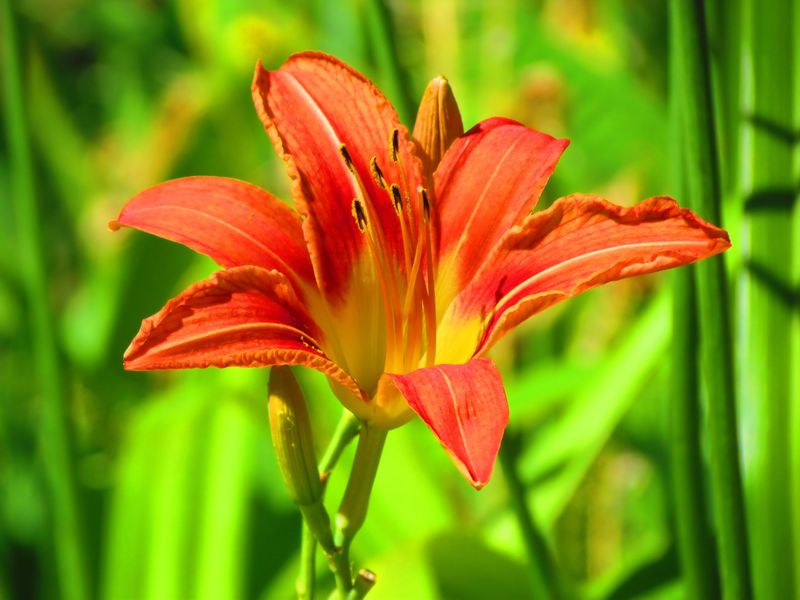
Daylilies are among the most dependable performers in the perennial world. Each bloom only lasts one day, but a single plant produces dozens of buds that keep the show rolling for weeks.
Most daylilies peak in midsummer, but reblooming varieties extend the color season deep into fall. Choosing the right cultivar makes all the difference for a long-lasting New York display.
July is a perfectly fine time to plant daylilies. They establish quickly in warm soil and may even squeeze out a few late blooms before the season ends.
These plants are incredibly adaptable. They tolerate a range of soil types, handle some drought, and tolerate some neglect better than most perennials in the garden.
Full sun produces the most flowers, but daylilies manage reasonably well with four to six hours of light daily. Morning sun with afternoon shade works particularly well in hotter parts of the region.
Reblooming types like Stella de Oro and Happy Returns are reliable performers across New York. They stay compact, flower heavily, and come back stronger every single spring.
Daylilies are low maintenance and reliable. Stick to named cultivars for planting. The wild orange roadside daylily, Hemerocallis fulva, is considered invasive in New York and should be avoided.
9. Shasta Daisy
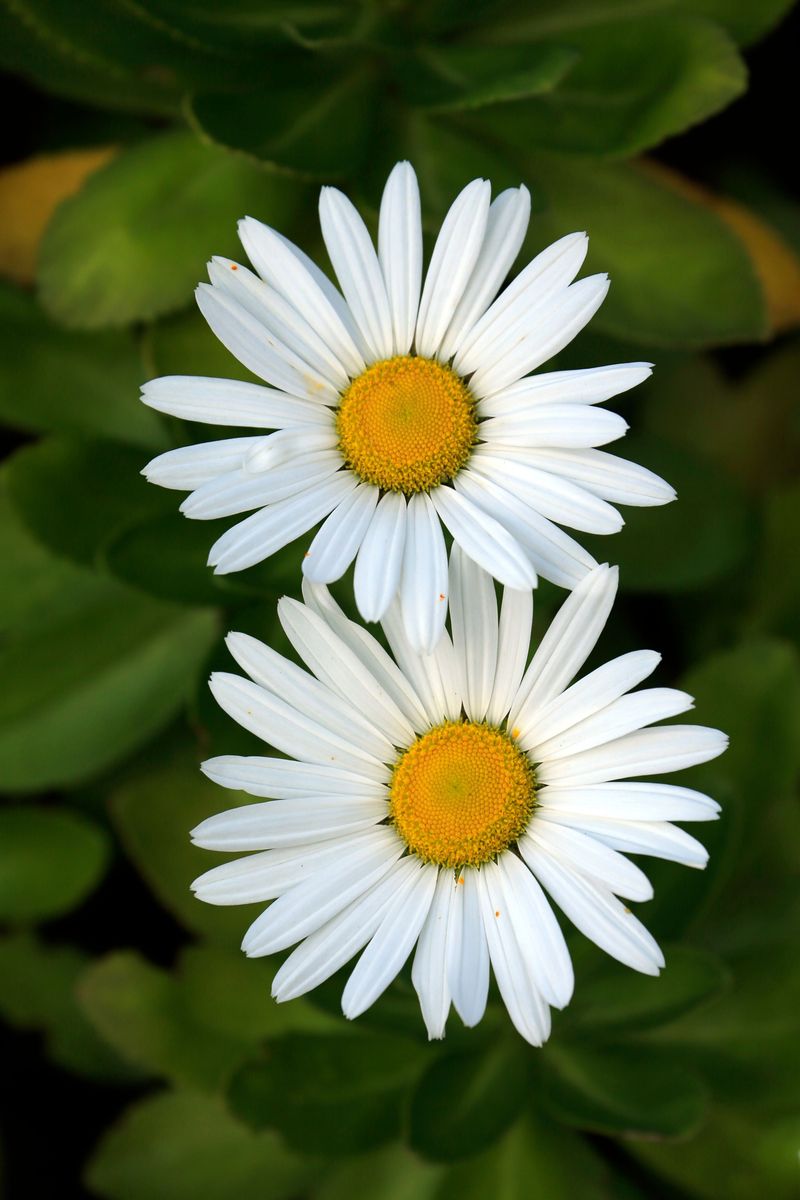
There is something deeply satisfying about a classic white daisy. Shasta daisies have that timeless, clean look that makes any garden feel polished and welcoming at the same time.
These cheerful bloomers put on their best show from midsummer through early fall. A July planting gives them time to root in and join the display before temperatures drop.
Shasta daisies prefer full sun and well-drained soil. Soggy conditions lead to root rot, so raised beds or sloped areas work particularly well for keeping roots healthy through rainy stretches.
Removing spent flowers extends the bloom period significantly. Clip just below the faded flower head and the plant redirects energy into producing fresh buds within days.
Tall varieties like Becky can reach three feet and make excellent cut flowers. Compact types like Snow Lady stay under a foot and work beautifully at the front of a border.
Pollinators love the bright yellow centers, and the flowers last well in a vase, often a full week or more with fresh water. Shasta daisies bring that classic cottage garden energy that never goes out of style.
10. Yarrow
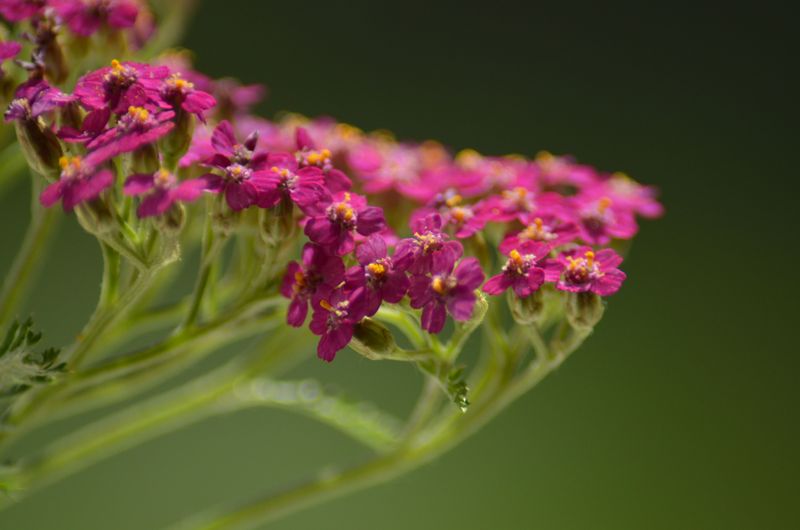
Yarrow has been growing wild across North America for thousands of years, and it brings that same vigorous, easy to grow habit to home gardens. Plant it once and it will reward you for decades.
The flat-topped flower clusters come in shades of yellow, white, red, pink, and peach. They bloom from early summer and often continue well past the first light frost in fall.
July planting suits yarrow perfectly. Warm soil encourages quick establishment, and the plant wastes no time before spreading its roots and settling into its new home.
Full sun and lean, well-drained soil are the keys to success. Rich, amended soil actually makes yarrow floppy and prone to flopping over, so skip the compost for this one.
The feathery, aromatic foliage looks attractive even without flowers. Deer tend to avoid it, and the scent is said to deter certain garden pests, making it a multi-purpose addition to any bed.
Dried yarrow holds its color beautifully, making it popular for arrangements and wreaths. Cut stems at peak bloom, hang upside down in a warm spot, and the color lasts for months. Yarrow earns its place every season.
11. Joe-Pye Weed
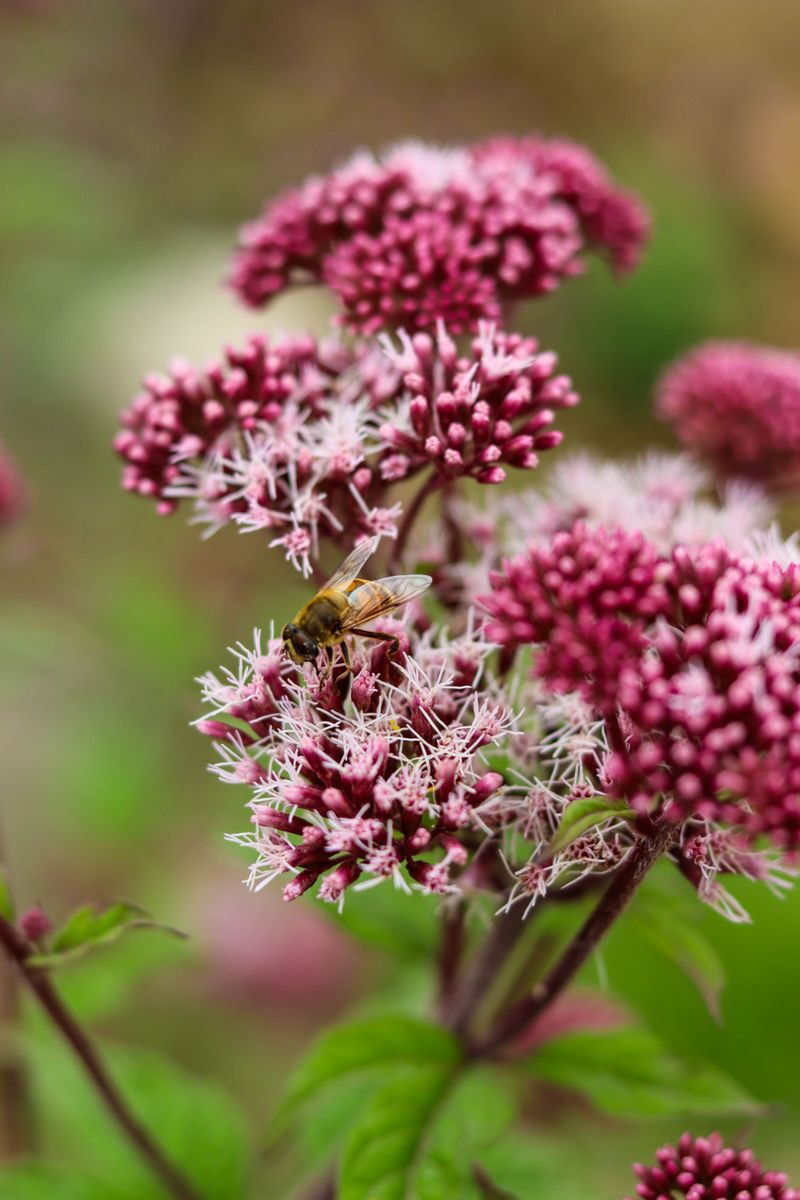
Joe-Pye Weed sounds humble, but this towering native perennial is anything but ordinary. It reaches six to eight feet tall and produces massive clusters of mauve-pink flowers that attract large numbers of pollinators.
Its common name comes from a folk legend about a 19th-century healer, though the historical details are disputed.
Joe-Pye Weed has deep roots in North American plant history. It also has deep roots in the soil, making it incredibly stable and long-lived once established.
Plant it in July in a spot with full to partial sun. It tolerates moist soil better than most perennials, so low areas near rain gardens or pond edges are ideal locations.
The sheer size of this plant makes it a natural privacy screen or back-of-border anchor. Pair it with ornamental grasses and goldenrod for a stunning late-season native plant display.
Monarch butterflies, swallowtails, and bumblebees all visit Joe-Pye Weed heavily during migration season. Planting it means you are creating a real fuel station for wildlife passing through New York each fall.
Compact cultivars like Little Joe stay under four feet, making them manageable for smaller yards. Either way, this native powerhouse delivers dramatic color and serious wildlife value. Big impact, minimal fuss.
12. Goldenrod
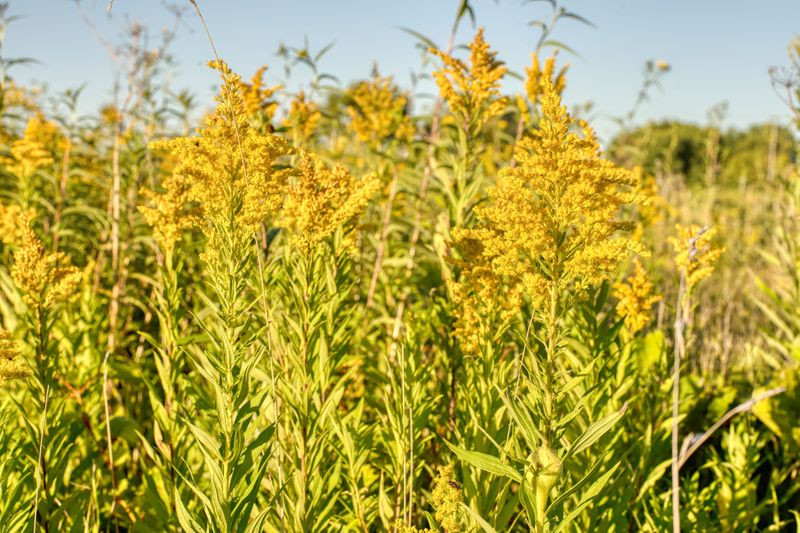
Goldenrod is often wrongly blamed for fall allergies. The real culprit is ragweed, which blooms at the same time but spreads airborne pollen invisibly.
Goldenrod actually keeps its pollen heavy and sticky, designed for insects to carry. That means it is safe for allergy sufferers and absolutely essential for late-season pollinators across New York.
Few sights match a mass of goldenrod in full October bloom. The arching plumes of tiny yellow flowers catch the low autumn sun and practically glow against a blue sky.
Plant it in July in full sun and average soil. Goldenrod actually performs better in lean conditions, where it stays upright and blooms more heavily than in rich, fertilized beds.
Native goldenrod species spread by rhizomes, so give them room or plant in a contained area. Named cultivars like Fireworks and Golden Fleece are better-behaved and stay clumping rather than spreading aggressively.
Goldenrod pairs beautifully with asters, creating that iconic purple and gold fall color combination that looks intentional and stunning. It is the final flourish of the perennial season in New York, and it earns every bit of attention it gets.