8 Things New York Gardeners Should Do When Summer Heat Refuses To Let Up
New York summers don’t ease you in, they arrive fast, stay long, and make your garden pay for it. When the thermometer refuses to drop below 95 for days at a stretch, even the toughest plants start showing signs of trouble.
Leaves curl, soil dries out fast, and containers become especially vulnerable. The real problem is the combination of blazing sun, warm nights with no recovery time, and humidity that makes everything harder on your plants.
New York gardeners deal with conditions that can flip from manageable to damaging almost overnight. A rooftop plot in Brooklyn and a backyard bed in Staten Island will both feel the pressure in different ways, but the response is largely the same.
The plants that make it through a heat stretch like this are the ones with someone paying close attention.
1. Water Early In The Morning Before The Heat Of The Day Sets In
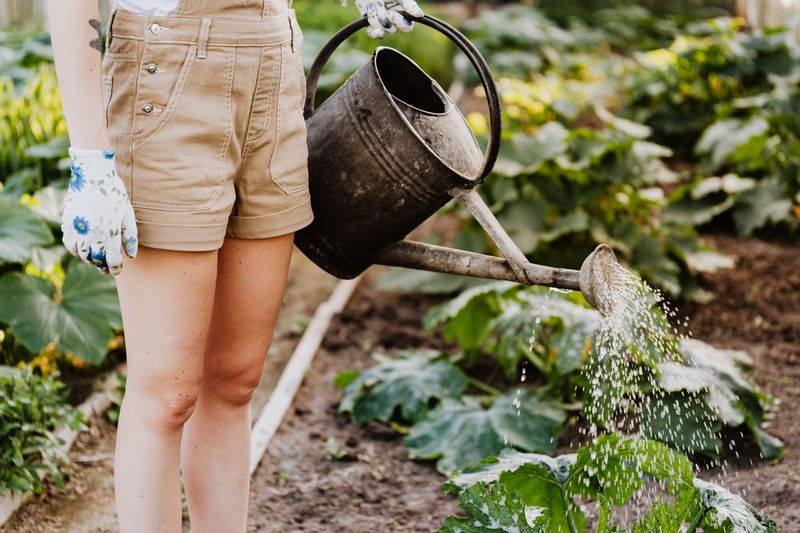
Your garden is thirstiest before the sun even gets going. Watering early in the morning, around 6 or 7 a.m., gives roots a long drink before the heat arrives.
Morning moisture soaks deep into the soil before evaporation kicks in. That means more water actually reaches the roots instead of disappearing into the air.
Watering at midday is far less efficient, as much of the moisture evaporates before it reaches the roots. Surface moisture evaporates quickly under intense midday sun, leaving roots with very little of what you applied.
Evening watering is tempting after a hot day, but it leaves foliage wet overnight. Wet leaves in warm, humid conditions invite fungal diseases that spread fast.
Early watering also gives leaves time to dry naturally before the day heats up. Dry foliage going into peak afternoon heat is much healthier than wet foliage sitting in the sun.
Aim for deep, slow watering rather than a quick sprinkle. Deep watering encourages roots to grow downward, where the soil stays cooler and more consistently moist.
A soaker hose or drip irrigation system makes morning watering incredibly efficient. Water goes straight to the root zone without splashing leaves or wasting a drop.
Consistency matters more than quantity during a heat stretch. Watering deeply every other morning often beats shallow daily watering for keeping plants stable and stress-free.
2. Add A Layer Of Mulch Around Your Plants
Mulch is the unsung hero of hot-weather gardening. A thick layer around your plants does more work than most people realize.
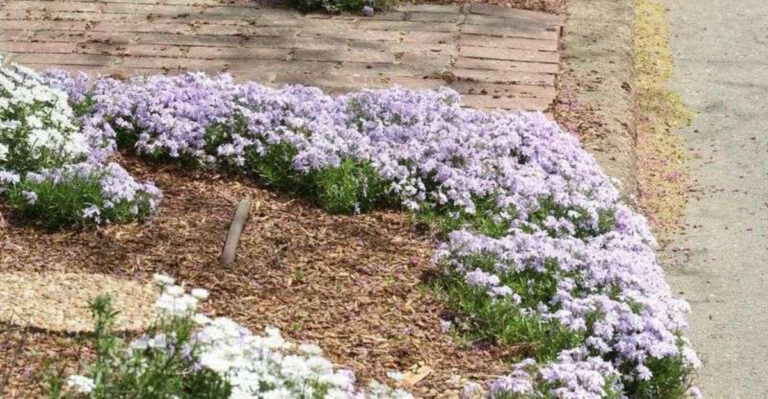
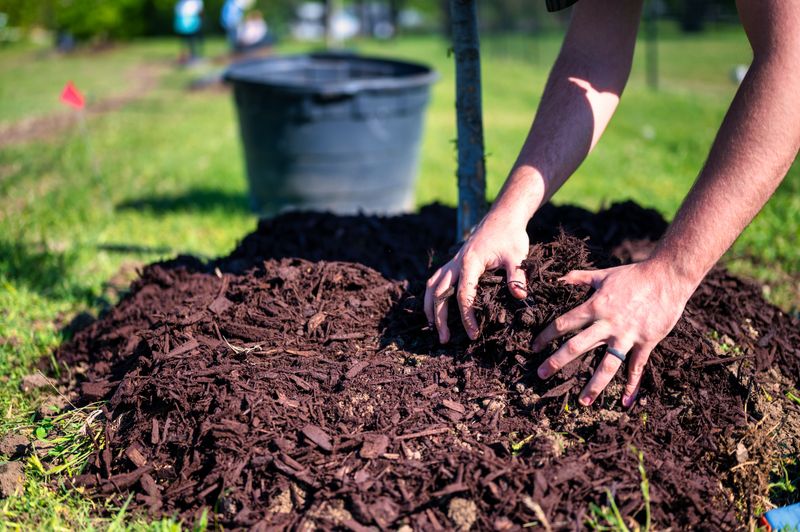
Spread two to three inches of organic mulch around the base of each plant. This insulates the soil, keeping root zones noticeably cooler on scorching afternoons.
Mulch also locks in soil moisture by slowing evaporation dramatically. Mulch can meaningfully reduce how often you need to water by slowing evaporation at the soil surface.
Wood chips, straw, and shredded leaves all work well in a summer garden. Each option breaks down over time, adding organic matter back into the soil.
Keep mulch a few inches away from plant stems to prevent rot. Piling it right against the stem traps moisture and creates a perfect spot for disease and pests.
Your New York Garden Changes Every Week. Your Plan Should Too.
Gardening in New York changes quickly throughout the season. Every Friday you’ll receive a simple weekly plan showing exactly what to plant, prune, fertilize, harvest, and protect so you never miss the right timing.
Bare soil absorbs and holds heat quickly, raising root zone temperatures to levels that stress most garden plants.
Mulch also suppresses weeds, which compete with your plants for water and nutrients. Fewer weeds mean less stress on your garden during an already demanding stretch.
Refreshing your mulch layer mid-summer is a smart move. Over time it compacts and thins, losing its insulating power right when your plants need it most.
Think of mulch as a blanket that keeps the ground cool and calm. It is one of the easiest and most affordable ways to protect your garden from relentless summer heat.
3. Move Potted Plants To A Shaded Spot
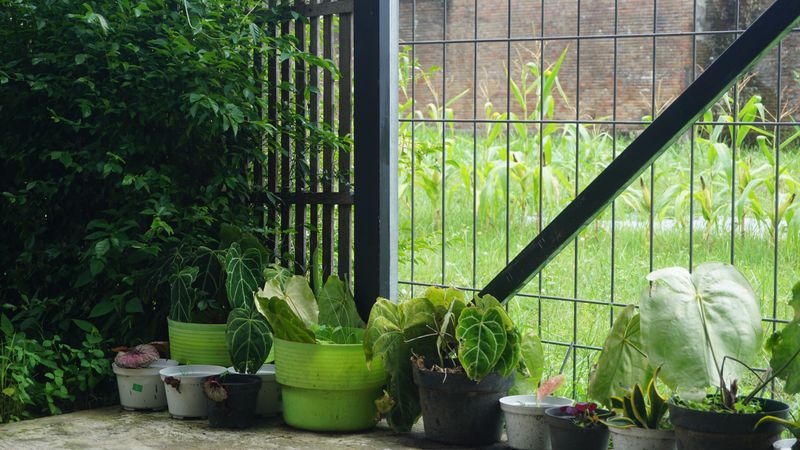
Container plants are the most vulnerable members of your garden during a heat wave. Pots heat up fast, and roots have nowhere to escape the rising temperatures.
Unlike plants in the ground, potted plants sit inside a small volume of soil. That soil can reach dangerous temperatures in just a few hours of direct afternoon sun.
Moving containers to a shaded spot during peak heat hours is a simple and effective fix. Even a few hours of afternoon shade can noticeably reduce heat stress in vulnerable container plants.
East-facing spots are ideal for most container plants in summer. They get gentle morning sun and are protected from the brutal western afternoon heat.
Dark-colored pots absorb more heat than light-colored ones. If you cannot move a plant, wrapping the pot in burlap or a light cloth helps insulate the roots.
Watch for signs that your container plants are struggling with the heat. Wilting even after watering, crispy leaf edges, and dropping leaves all signal a plant in serious distress.
Grouping potted plants together in a shaded area also creates a mini microclimate. Plants close together release moisture through their leaves, which slightly cools the surrounding air.
Re-potting into larger containers before a heat wave is another smart strategy. More soil volume means more insulation and a larger water reservoir for roots to tap into.
A little repositioning now can spare your potted plants significant stress and a slow recovery once temperatures cool.
4. Hold Off On Fertilizing Until Temperatures Drop
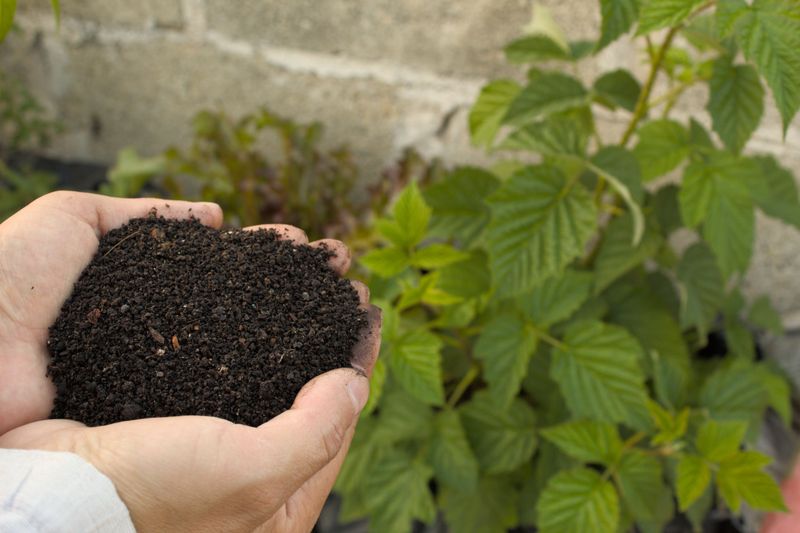
Fertilizing during a heat wave sounds helpful, but it can actually backfire badly. Plants under heat stress typically slow or pause growth, which limits their ability to absorb and use fertilizer effectively.
When you push fertilizer onto a stressed plant, salts in the product build up in the soil. That salt buildup draws moisture away from roots, making heat stress significantly worse.
Think of it like forcing a sick person to run a marathon. The extra energy input does not help when the body is already overwhelmed and struggling to cope.
Nitrogen-heavy fertilizers are especially problematic during hot spells. They trigger a flush of soft, tender new growth that wilts and scorches almost immediately in intense heat.
Most plants naturally slow their growth during extreme temperatures. They go into a kind of protective mode, conserving energy rather than pushing out new leaves and stems.
Feeding a plant that has slowed down does not speed it back up. It only adds chemical stress on top of environmental stress, which is a tough combination to recover from.
Wait until overnight temperatures have dropped consistently before fertilizing again, cooler nights signal that plants are ready to resume normal growth.
A light application of compost tea or worm castings is a gentler option if you feel the urge to feed. These organic options nourish without the salt load of synthetic fertilizers.
Patience pays off here. Holding back now means your plants bounce back stronger and faster once the heat finally breaks.
5. Check Your Plants For Heat Stress Daily
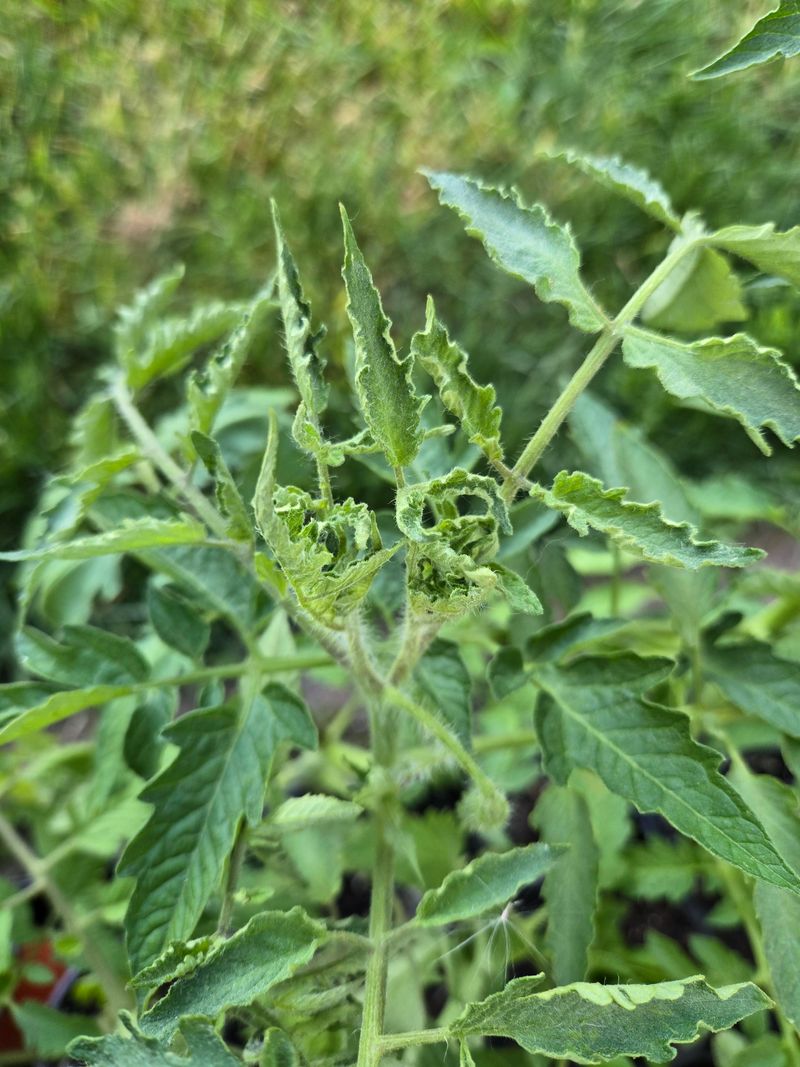
Heat stress sneaks up on a garden faster than you expect. One afternoon of extreme heat can push a healthy plant into visible distress overnight.
Walk your garden every morning and take a close look at your plants. You are looking for wilting, curling leaves, brown edges, and any unusual color changes.
Plants that are still wilting in the morning, after a cooler night, are likely running low on water and worth checking closely. Plants that are still drooping after a cool night are telling you their water supply is critically low.
Leaf curl is another stress signal worth watching closely. Many plants curl their leaves inward to reduce the surface area exposed to harsh sunlight and hot, dry air.
Blossom drop is a frustrating but common sign of heat stress in tomatoes and peppers. When temperatures spike too high, flowers fall off before they can set fruit.
Checking daily lets you catch problems before they spiral out of control. A plant caught early in the stress cycle recovers far more easily than one left to suffer for days.
Keep a simple garden journal during heat waves to track which plants struggle most. That information helps you make smarter placement and variety choices for next summer.
Look under leaves too, since heat and drought stress often invite spider mites and other pests. Stressed plants have weaker defenses and become easy targets for opportunistic insects.
Daily check-ins are not just about damage control. They help you build a real understanding of how your specific garden responds to summer heat over time.
6. Shade Cloth Can Buy Your Garden Some Relief
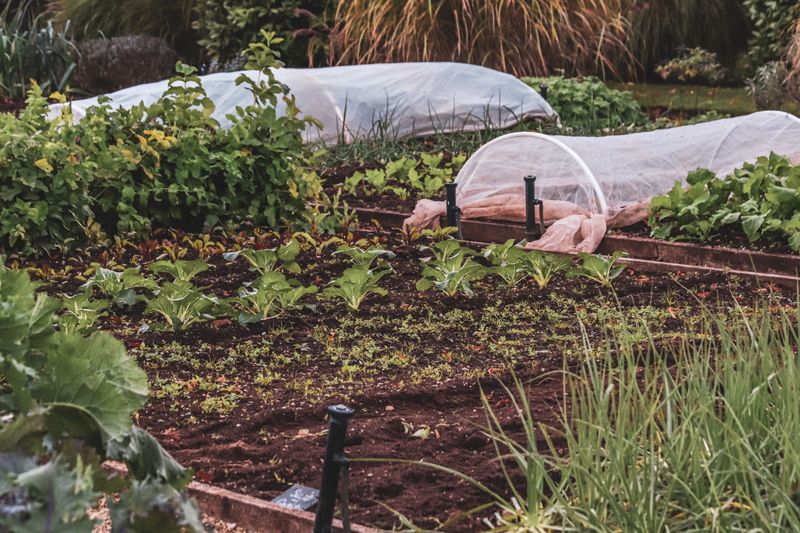
Sometimes the best tool in your summer arsenal is a simple piece of fabric. Shade cloth is an affordable, easy-to-install solution that dramatically reduces heat stress in your garden beds.
It works by filtering a percentage of direct sunlight before it reaches your plants. You can find options that block anywhere from 30 to 70 percent of incoming solar radiation.
A 30 to 40 percent shade cloth is a good starting point for most vegetable gardens. It reduces heat without cutting off too much of the light plants need for photosynthesis.
Shade cloth is especially helpful for leafy greens like lettuce, spinach, and kale. These crops bolt quickly in summer heat, turning bitter and going to seed before you get a chance to harvest.
Draping shade cloth over a simple hoop structure keeps it elevated above the plants. Air circulation is critical, and cloth sitting directly on foliage can trap heat rather than reduce it.
Temporary shade structures can also be built from old bed sheets or burlap in a pinch. The goal is simply to reduce the intensity of afternoon sun hitting your most vulnerable plants.
Shade cloth does not just protect from heat. It also reduces moisture loss from both the soil and the leaves, cutting down on how often you need to water.
Installing it takes less than an hour, and the payoff during a brutal heat stretch is enormous. With consistent use during peak heat, you should notice your plants holding up better and showing less stress over the following days.
7. Skip Pruning And Removing Spent Blooms During A Heat Wave
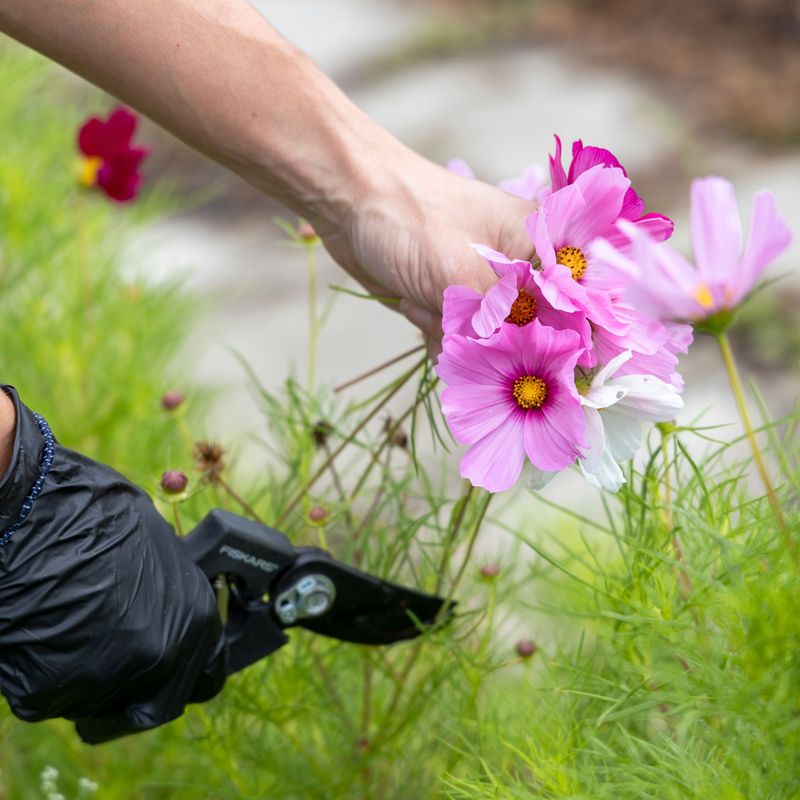
Image Credit: © Jordan Rushton / Pexels
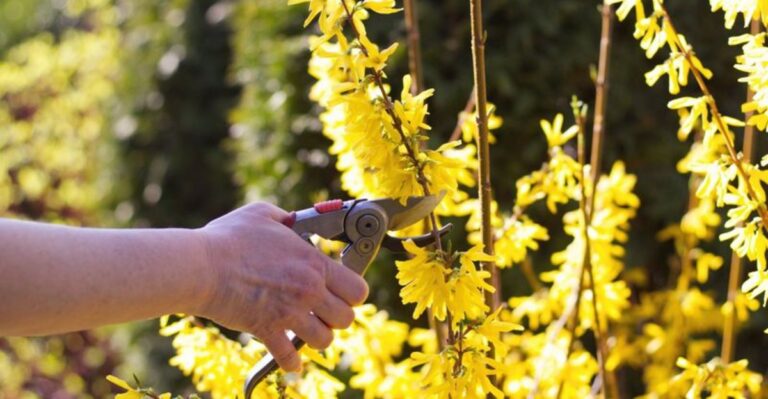
Grabbing your pruning shears during a heat wave feels productive, but it can do real harm. Pruning opens fresh wounds on your plants at the exact moment they are least able to heal.
Every cut you make is a small injury that the plant must divert energy to repair. During extreme heat, that energy is already stretched thin just keeping the plant alive and hydrated.
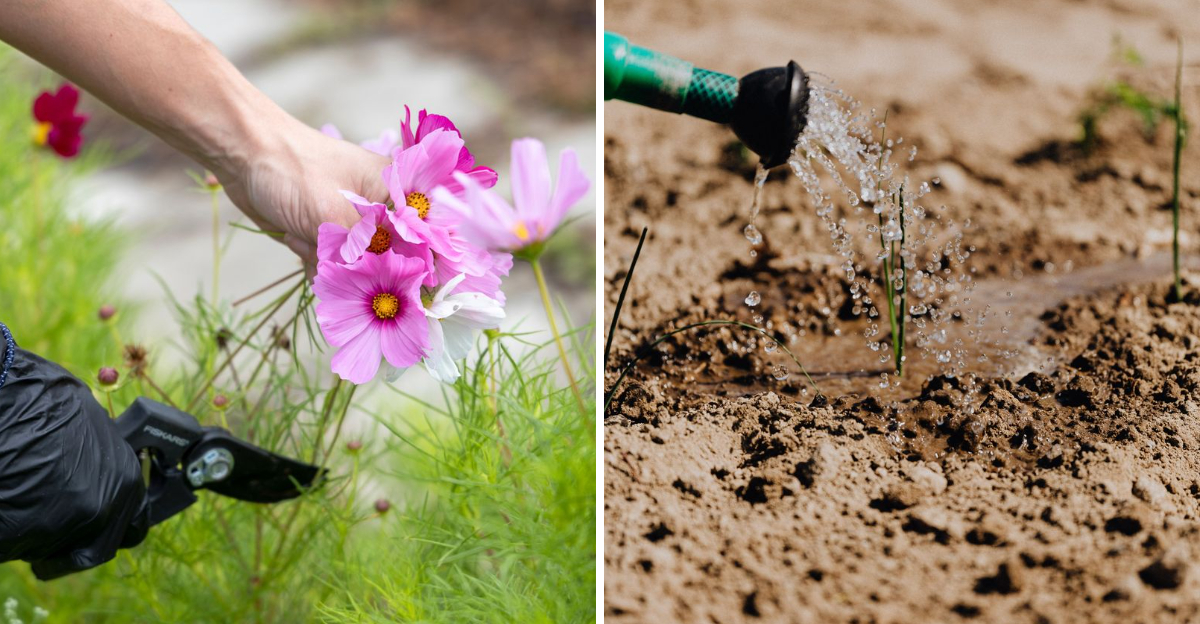
Removing spent blooms seems harmless, but even light grooming adds a small amount of stress at a time when plants have little energy to spare. The small wounds from removing flowers invite pathogens that thrive in warm, humid conditions.
Foliage that looks a little ragged actually serves a purpose during a heat stretch. Those extra leaves provide shade to the soil and stem, reducing the ground temperature around the root zone.
Resist the urge to tidy up your garden beds when temperatures are extreme. A slightly messy garden that survives the heat is far better than a neat one that crashes under stress.
Wait for a stretch of cooler mornings before doing any significant pruning work. Ideally, you want to prune when overnight lows have dropped and the plant has had time to rehydrate.
If you must remove something urgently, do it early in the morning. Cooler morning air gives the plant the best possible conditions for starting the healing process quickly.
Pruning tools should always be clean and sharp before use. A ragged cut from dull blades takes longer to heal and creates a larger entry point for disease organisms.
Letting your garden rest during a heat wave is an act of patience that pays off. Healthy, unpruned plants bounce back faster once the weather finally cools down.
8. Make Sure Your Soil Is Draining Properly
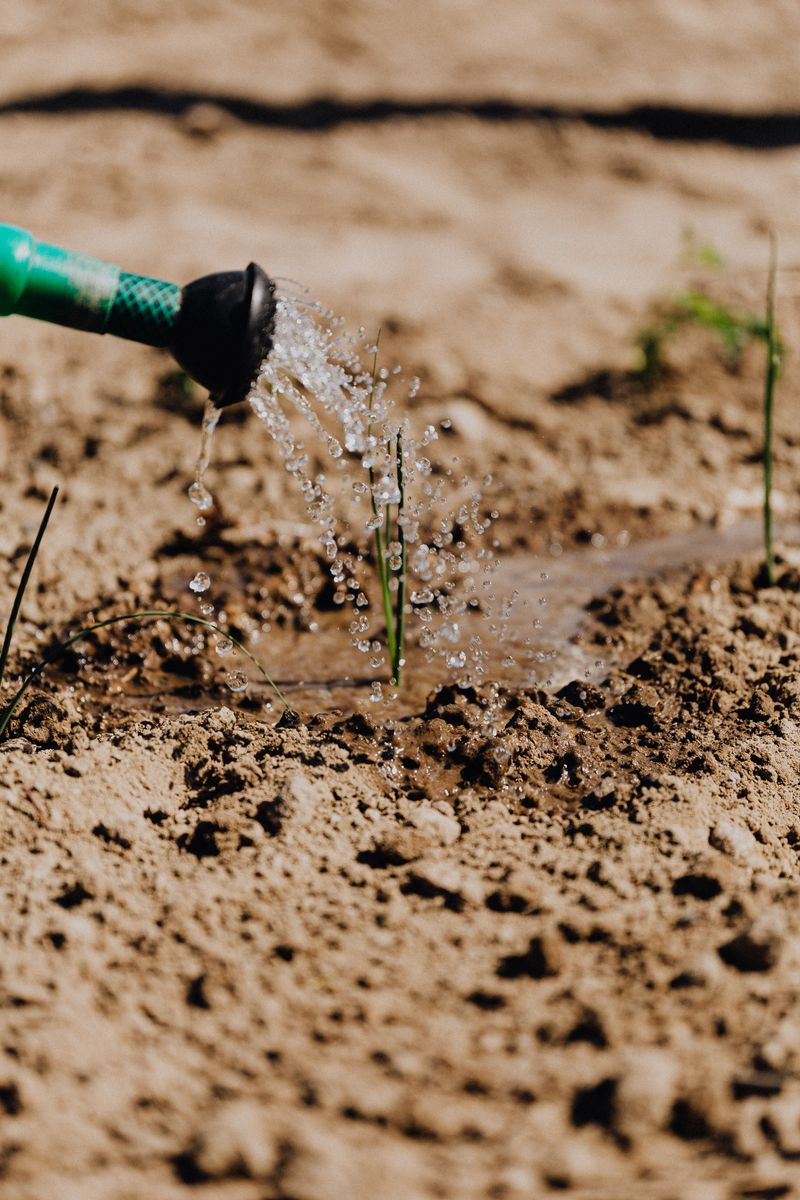
Image Credit: © www.kaboompics.com / Pexels
Good drainage is one of those garden fundamentals that becomes absolutely critical during a heat wave. Poorly draining soil holds water around roots, which creates a suffocating environment even when the air is blazing hot.
Roots need both water and oxygen to function. Waterlogged soil cuts off the oxygen supply, and plants start showing stress symptoms that look exactly like drought damage.
Check your soil by pressing a finger about two inches deep after watering. It should feel moist but not soggy, and water should not pool on the surface for more than a few minutes.
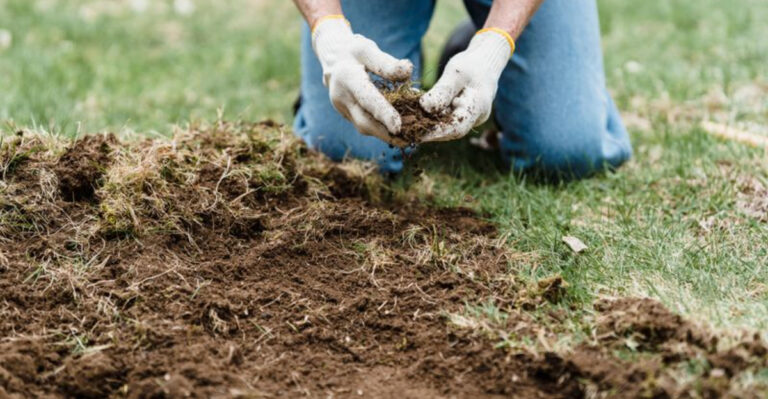
Compacted soil is a common drainage problem in urban gardens and heavy clay soils. Breaking up compaction with a garden fork before peak summer heat arrives makes a noticeable difference in plant health.
Adding compost to your garden beds improves drainage in clay soils and water retention in sandy ones. It is the rare amendment that fixes both problems at once, making it endlessly useful.
Raised beds tend to drain better than in-ground plots, which is one reason they are so popular with urban gardeners. Filling them with a quality mix of compost and topsoil sets you up for success.
Standing water after rain or irrigation is a clear sign you have a drainage issue that needs addressing. That pooling water heats up quickly in the sun and can raise root zone temperatures to damaging levels.
Fixing drainage might feel like a background task, but it is foundational to surviving summer heat. Plants with healthy, well-aerated roots handle temperature extremes far better than those sitting in waterlogged ground.