These Are The Pennsylvania Garlic Mustard Warning Signs Every Gardener Should Recognize
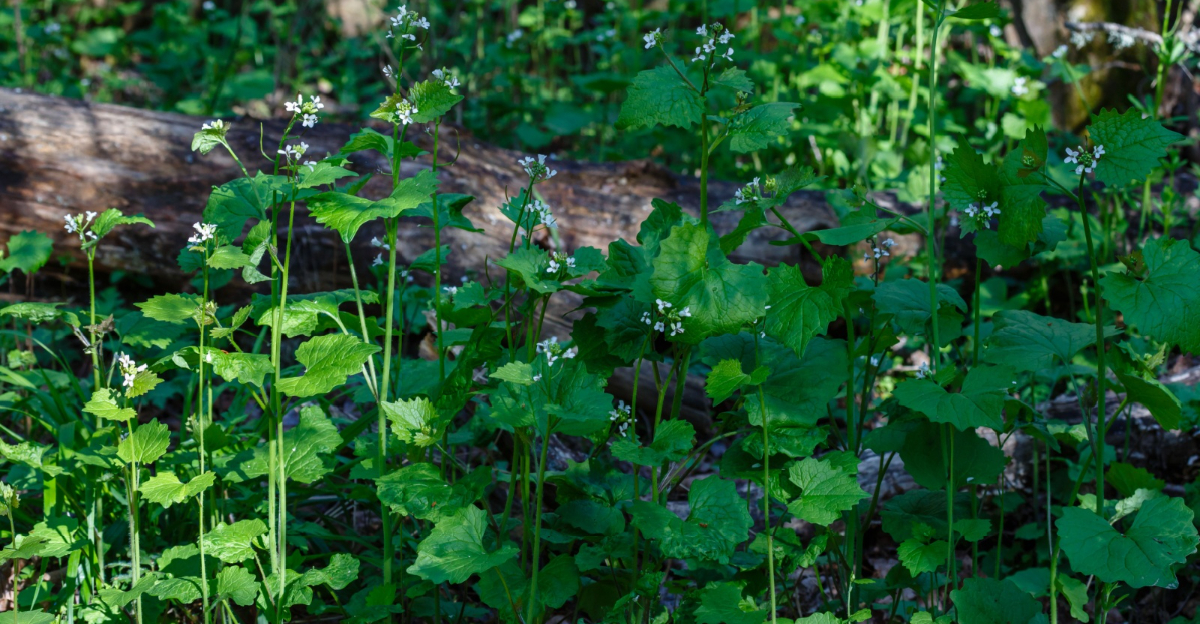
Garlic mustard does not announce itself. It just quietly shows up along a shaded bed edge or woodland corner, blends in well enough to get ignored for a season, and then suddenly there is a lot more of it than anyone noticed.
This is one of the more frustrating qualities of one of Pennsylvania’s most persistent invasive plants, and it has helped garlic mustard spread through woodlands, property edges, and shaded garden spaces across the state with impressive efficiency.
The good news is that catching it early makes a meaningful difference, and garlic mustard is actually pretty identifiable once you know what you are looking for.
It has a two-year lifecycle with distinct looks at each stage, and learning both of them gives Pennsylvania gardeners a real advantage before a small patch turns into a much bigger situation.
1. Low Rosettes Appear Near The Ground
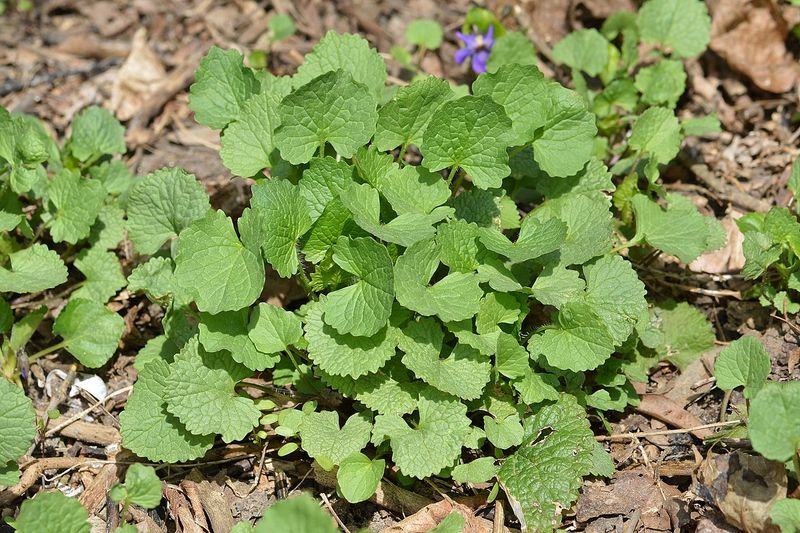
Tucked near tree roots and shaded shrub borders, garlic mustard often begins its life so close to the ground that many Pennsylvania gardeners walk right past it without a second glance.
The first-year plant forms a flat rosette, a cluster of leaves radiating outward from a central point, sitting just above the soil surface.
These rosettes tend to blend in with other spring weeds, making early identification a bit tricky but very worthwhile.
The leaves at this stage are rounded to kidney-shaped with scalloped or toothed edges. They have a slightly wrinkled texture and a darker green color that can stand out against dried leaf litter in late winter or early spring.
In Pennsylvania, these rosettes often appear along woodland paths, near fence lines, and at the edges of shaded garden beds where foot traffic is low and leaf litter builds up naturally.
One useful habit is checking these quieter corners of the yard during early spring cleanup.
Garlic mustard rosettes stay green through mild Pennsylvania winters, which means they can be spotted even before many other plants wake up from dormancy.
Because the plant is a biennial, these first-year rosettes will not flower right away. They spend the season building energy before sending up stems the following year.
Catching them at the rosette stage gives gardeners an earlier opportunity to manage the patch before seeds ever form.
2. Leaves Smell Garlicky When Crushed
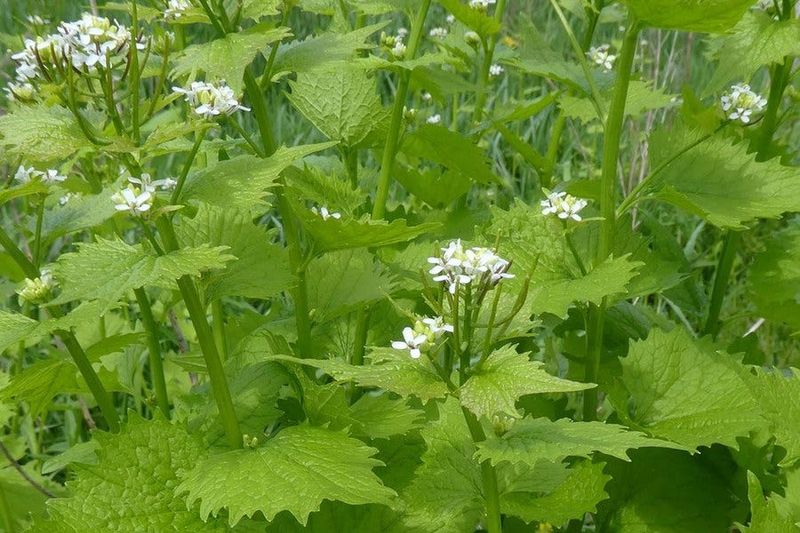
One of the most reliable field clues for identifying garlic mustard does not require a plant guide at all. Simply crush a leaf between your fingers and take a gentle sniff.
The plant releases a distinct garlicky or onion-like odor that is noticeably different from most other common garden weeds found in Pennsylvania yards and woodland edges.
This smell comes from compounds naturally present in the plant and is present in both first-year rosette leaves and second-year stem leaves. The scent tends to be strongest in fresh, young leaves.
If you are unsure whether a low rosette near your garden bed is garlic mustard or another common weed, the smell test is often a helpful next step after looking at the leaf shape and texture.
Your Pennsylvania Garden Changes Every Week. Your Plan Should Too.
Gardening in Pennsylvania changes quickly throughout the season. Every Friday you’ll receive a simple weekly plan showing exactly what to plant, prune, fertilize, harvest, and protect so you never miss the right timing.
Keep in mind that smell alone is not a substitute for careful identification, especially when managing plants near native species you want to protect.
Cross-referencing the scent with other traits like leaf shape, stem structure, and flower appearance will give you a more complete picture.
Still, the garlicky odor is a widely recognized and practical clue that Pennsylvania gardeners, even beginners, can use confidently during a spring walkthrough of shaded beds, rough lawn borders, and woodland-edge plantings.
Once you have smelled it, the scent is surprisingly easy to remember, which makes future identification feel much more straightforward across different areas of the property.
3. Second-Year Stems Rise Above Spring Growth
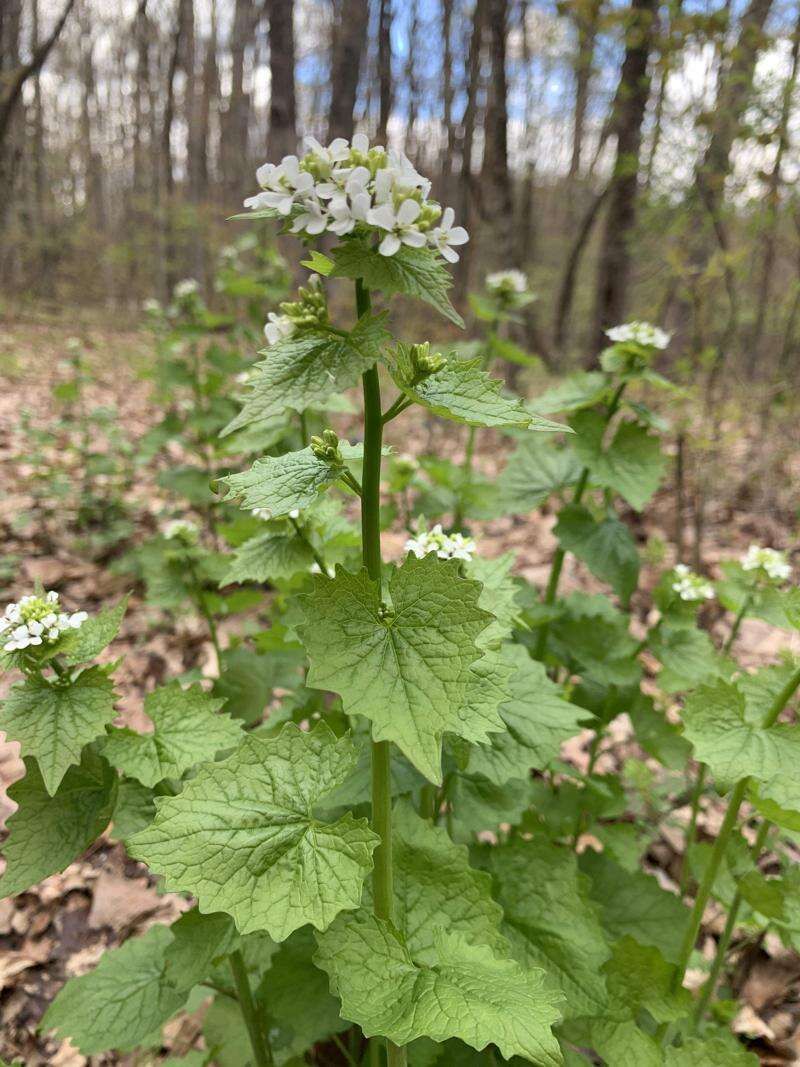
Along shaded garden paths and at the edges of Pennsylvania woodland beds, second-year garlic mustard plants announce themselves with a noticeable upward push in spring.
After spending the previous year as a quiet ground-level rosette, the plant sends up an upright stem that can reach anywhere from one to four feet tall depending on growing conditions.
This sudden height makes the plant much easier to spot among lower-growing spring perennials and ground covers.
The stems are slender, slightly angled, and often have a faint whitish or waxy appearance near the base.
As they grow taller, alternate leaves appear along the stem, shifting from the more rounded shape seen in first-year rosettes to a more triangular or heart-shaped form with sharply toothed edges.
The transition in leaf shape between the two growth stages can be a helpful detail when confirming what you are looking at.
Second-year stems tend to emerge earlier than many native spring plants in Pennsylvania, which means garlic mustard can get a head start on light and space before competing vegetation fills in.
Spotting these stems early in the season, before flower buds fully open and seed pods begin forming, is a practical window for management.
Removing stems before seeds mature can help reduce how many new plants appear the following year, though follow-up checks across the coming seasons are usually needed to make steady progress with an established patch.
4. Small White Four-Petaled Flowers Form At Stem Tips
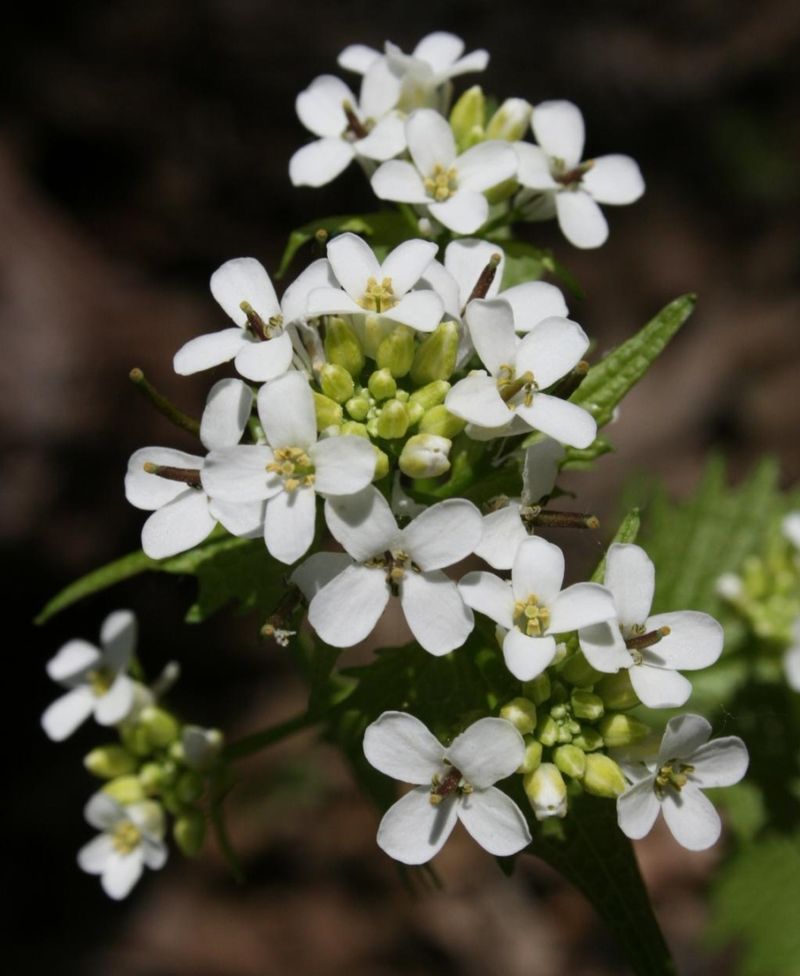
White flowers rising above the leaf litter along a shaded Pennsylvania garden border can look almost cheerful in spring, but when those blooms belong to garlic mustard, they signal that seed production is not far off.
The flowers are small, typically about a quarter inch across, and each one has exactly four white petals arranged in a cross shape.
They cluster together at the tips of stems in a flat-topped or elongated arrangement called a raceme.
Flowering generally happens in spring across Pennsylvania, though exact timing can shift based on local conditions, elevation, and how mild or cool the season has been.
The blooms are modest in size but easy to recognize once you know the four-petaled pattern and the white color.
They tend to appear on second-year plants, meaning the plant has already spent one full growing season preparing for this reproductive stage.
Seeing these flowers in a shaded bed or along a woodland edge is a practical reminder that seed pods will follow soon after.
Each plant can produce a significant number of seeds, which is one reason garlic mustard spreads so readily through Pennsylvania gardens and natural areas.
While the flowers themselves are not harmful to look at or touch, recognizing them as a warning sign rather than an ornamental detail is an important shift in perspective for gardeners.
Catching flowering plants before pods fully develop and release seeds is often considered a useful management timing point.
5. Heart-Shaped Or Triangular Leaves Climb The Stem
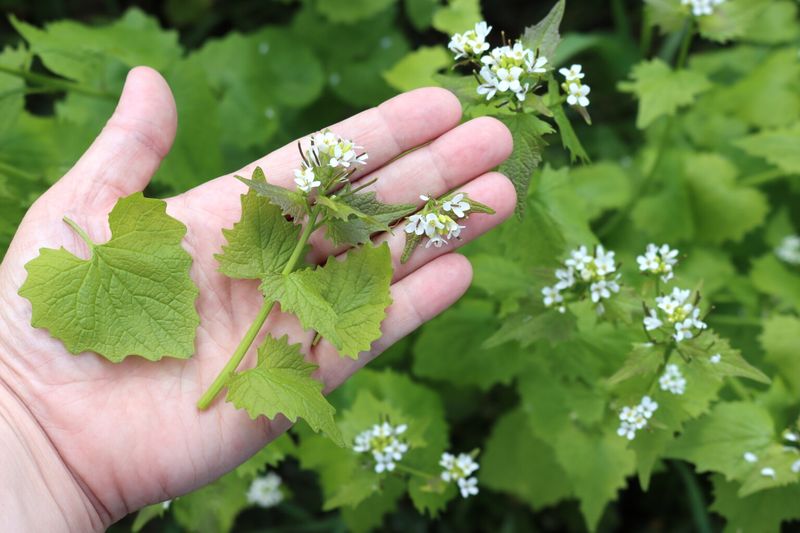
Leaf shape is one of the more reliable visual clues for identifying garlic mustard on second-year plants, and it is something Pennsylvania gardeners can check without any special tools.
As the stem grows taller in spring, the leaves attached along its length shift noticeably in shape compared to the rounded rosette leaves from the previous year.
On second-year stems, the leaves tend to be triangular to heart-shaped, with sharply toothed or serrated edges that give them a jagged outline.
These stem leaves alternate along the stalk rather than growing in pairs directly across from each other. They are attached directly to the stem or with very short leaf stalks, and the leaf surface often has a slightly rough or wrinkled texture.
The combination of the toothed edges, the triangular to heart-shaped form, and the alternate arrangement helps distinguish garlic mustard from other spring plants that might be growing nearby in a shaded Pennsylvania bed.
It helps to look at the full stem rather than just one leaf in isolation. The lower leaves on the stem are often broader and more heart-shaped, while leaves higher up near the flower cluster tend to be smaller and more triangular.
Comparing the leaf shape at different points along the stem, alongside other clues like the garlicky smell and the white four-petaled flowers, builds a clearer overall picture.
Taking a moment to study these details can prevent accidentally removing a native plant that might share a similar growing spot.
6. Thin Green Seed Pods Develop After Flowering
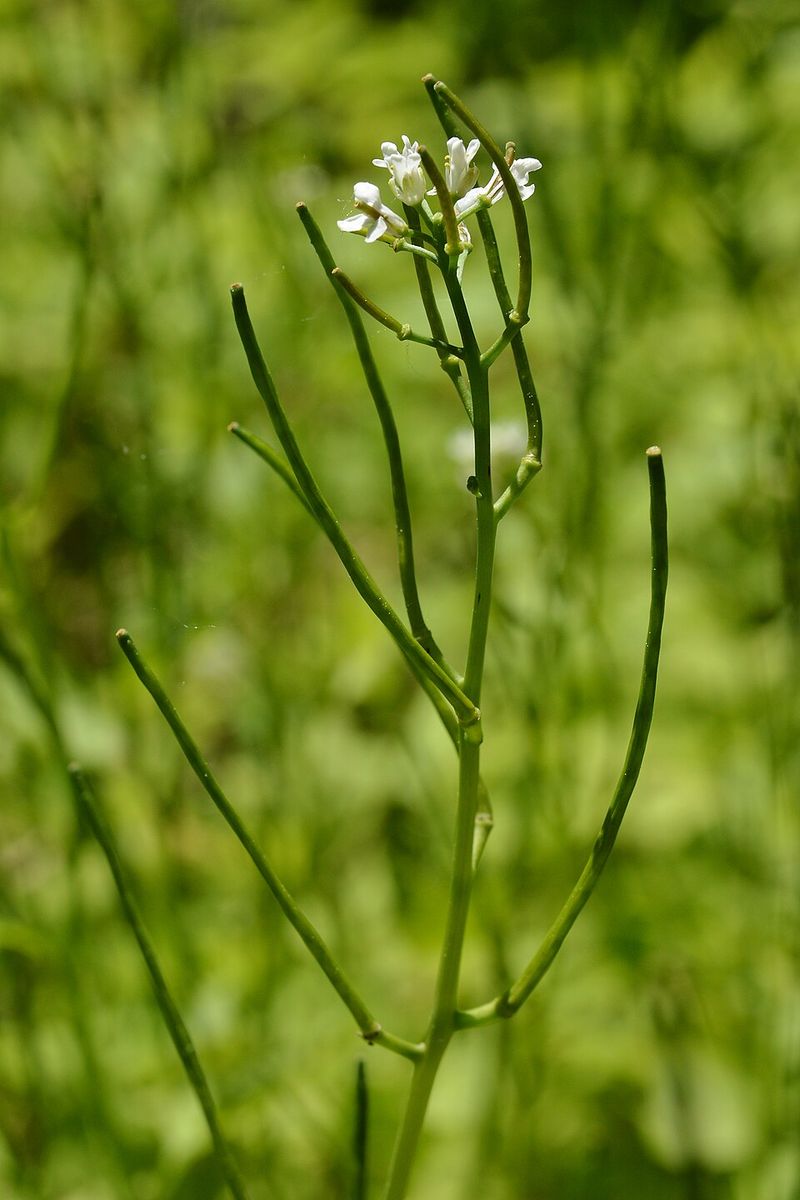
After the small white flowers fade, garlic mustard wastes very little time moving into seed production.
The plant develops long, thin, narrow seed pods called siliques that grow along the upper portion of the stem, often appearing while some flowers are still open near the tip.
In Pennsylvania gardens and woodland borders, these pods can be easy to overlook at first because they are slender and green, blending in with the surrounding stem and foliage.
Each pod is typically one to two and a half inches long and contains a row of small dark seeds inside.
As the pods mature through late spring and into early summer, they shift from green to a tan or straw color before eventually splitting open and releasing their seeds.
A single plant can produce a surprisingly large number of pods, which is part of why garlic mustard spreads so efficiently through shaded Pennsylvania landscapes over time.
Recognizing seed pods at the green stage is particularly useful for gardeners trying to manage an existing patch. Removing plants after flowering but before pods fully ripen and split can reduce how many seeds enter the soil.
However, it is worth noting that garlic mustard seeds can remain viable in the soil for several years, so one season of pod removal is rarely the complete answer.
Consistent seasonal monitoring and follow-up checks through coming years tend to be more effective than a single cleanup effort in any Pennsylvania garden or woodland-edge bed.
7. Patches Spread Along Woodland Edges And Garden Borders
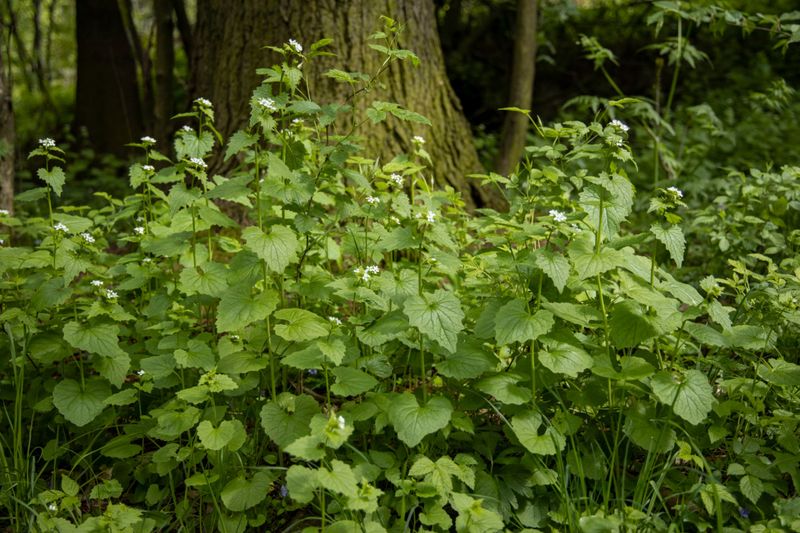
Shaded spots near fence lines, the edges where lawn meets woodland, and the borders of established perennial beds are exactly the kinds of places garlic mustard tends to settle and expand over time.
Rather than appearing as a single isolated plant, it often shows up as a spreading cluster of rosettes and stems that gradually widens each season.
Pennsylvania properties with mature trees, shrubby borders, or natural woodland edges tend to offer the kind of shaded, moist conditions where garlic mustard can move in quietly.
The plant spreads primarily through seed, and because each second-year plant can produce a large number of seeds, a small initial patch can grow noticeably in just a few seasons without regular attention.
Seeds can be carried by foot traffic, animals, water movement, or garden tools, which helps explain why patches sometimes appear in new spots along a garden path or near a frequently used entry point to a wooded area.
Noticing a patch while it is still relatively contained is a helpful early step.
Regularly walking the perimeter of shaded garden beds, checking under shrubs, and inspecting rough lawn edges in early spring gives Pennsylvania gardeners a better chance of spotting new rosettes or second-year stems before they flower and set seed.
Garlic mustard tends to favor disturbed ground and shaded edges, so paying extra attention to these transitional zones around the property can make a real difference in how quickly a patch grows.
8. Dense Growth Begins Crowding Spring Plants
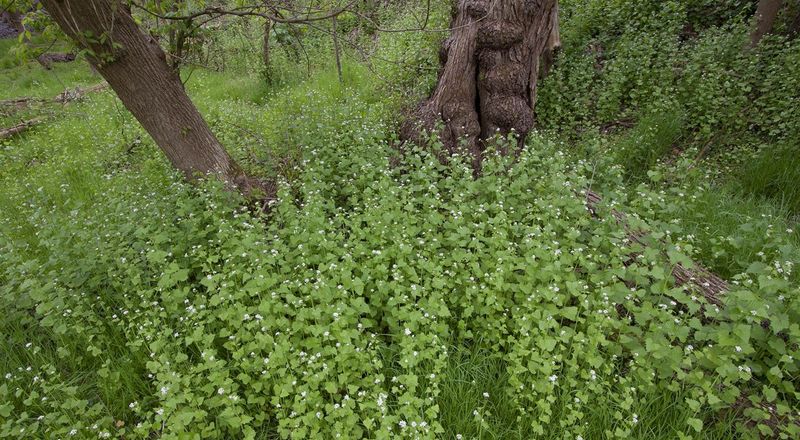
One of the more visible signs that garlic mustard has become established in a Pennsylvania garden is when spring plants that used to fill a shaded bed begin to look crowded or reduced.
Because garlic mustard emerges early and grows quickly, it can occupy space and light before many native spring wildflowers and perennial ground covers have fully leafed out.
Over time, dense patches can make it harder for those plants to thrive in the same area.
Gardeners familiar with their shaded beds often notice this shift gradually. A spot that once had a reliable patch of spring ephemerals or low native ground cover may start looking thinner, while unfamiliar plants with toothed leaves begin filling in around them.
This kind of change in a planting bed is worth investigating, especially in Pennsylvania gardens that include native wildflowers, woodland ferns, or other shade-adapted species that rely on early spring growing conditions.
Dense garlic mustard growth is not a reason to feel discouraged, but it is a practical signal that the plant has had time to establish and that management may take more than one season of effort.
Starting with a thorough walkthrough to map where the densest areas are can help prioritize where to focus attention first.
Working from the outer edges of a patch inward, and returning for follow-up checks later in the season and in following years, tends to be a more realistic and effective approach for most Pennsylvania homeowners.