7 Perennials To Fertilize Now In Pennsylvania For Jaw-Dropping Summer Blooms
A lot of summer flower power is decided long before the first big bloom opens. In Pennsylvania gardens, this is the point in the season when certain perennials are waking up, putting on fresh growth, and getting ready for the show ahead.
If they do not have the support they need now, they often coast into summer looking decent but never quite reaching their full potential. That is where timely fertilizing can make such a noticeable difference.
Done right, it is not about pushing plants too hard or chasing oversized growth. It is about giving bloom-heavy perennials the nutrients they need while they are actively building stems, leaves, buds, and stronger root systems.
That early boost can lead to fuller plants, richer color, and the kind of summer display that actually makes people stop and stare.
For Pennsylvania gardeners, this is one of those small tasks that can pay off in a big way. The right perennials, fed at the right time, often respond with healthier growth and a much more impressive bloom season.
A little attention now can turn an ordinary garden bed into something that feels downright spectacular by midsummer.
1. Garden Phlox (Phlox Paniculata)
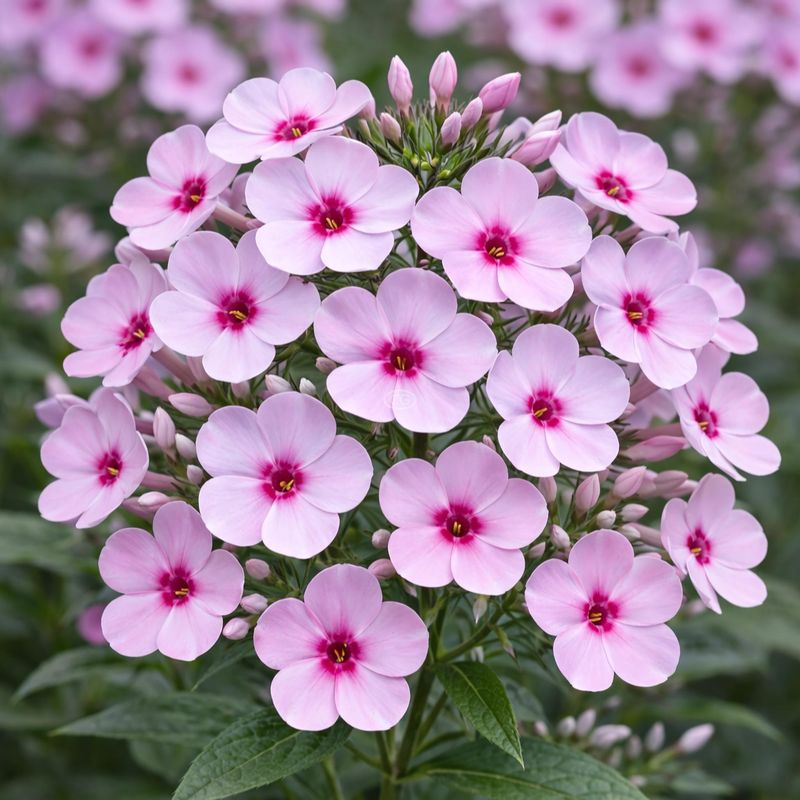
Few summer perennials put on a show quite like Garden Phlox. Those tall, fragrant flower clusters in shades of pink, purple, white, and red are hard to miss.
In Pennsylvania, where summer heat and humidity can be tough on plants, giving Phlox a nutritional boost in early spring sets it up for a season of serious blooming.
Feeding Garden Phlox now encourages fuller, bushier growth before the heat arrives. A balanced slow-release fertilizer, something like a 10-10-10 formula, works really well when mixed lightly into the soil around the base of the plant.
Avoid pushing fertilizer right up against the stems, as this can cause irritation to the roots. One of the biggest perks of fertilizing early is that it promotes larger flower clusters.
Phlox naturally forms tight, dome-shaped blooms, and with good nutrition, those clusters get noticeably bigger and last longer into late summer.
Pennsylvania gardeners love this plant because it keeps performing even as other flowers start to fade.
Garden Phlox also benefits from consistent watering after feeding. Water helps carry nutrients down to the roots, where they do the most good.
Mulching around the base helps retain moisture and keeps the roots cool during hot Pennsylvania summers.
If powdery mildew has been a problem in past seasons, look for mildew-resistant varieties like David or Robert Poore. Healthy, well-fed plants are naturally better at fighting off common issues, making fertilizing one of the smartest moves you can make this spring.
2. Coneflower (Echinacea Purpurea)
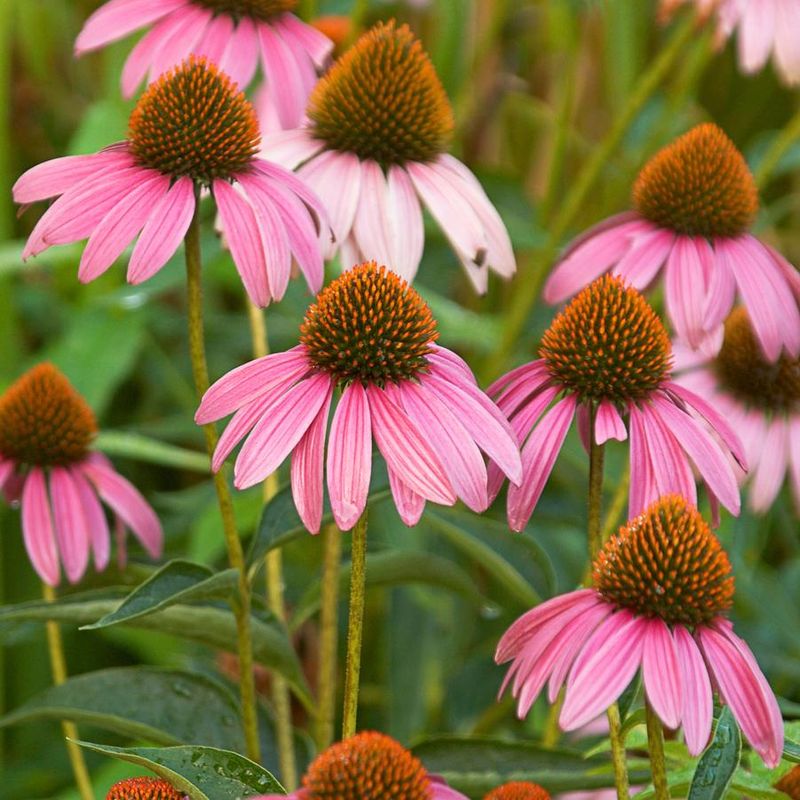
Tough, beautiful, and beloved by pollinators, Coneflower is one of Pennsylvania’s most dependable perennials.
Native to North America, it has adapted well to the climate across the state, from the rolling hills of central Pennsylvania to the warmer areas near Philadelphia. Still, even tough plants appreciate a little help in spring.
Applying a light, balanced fertilizer in early spring gives Coneflower the fuel it needs to push out more flower stems.
Your Pennsylvania Garden Changes Every Week. Your Plan Should Too.
Gardening in Pennsylvania changes quickly throughout the season. Every Friday you’ll receive a simple weekly plan showing exactly what to plant, prune, fertilize, harvest, and protect so you never miss the right timing.
More stems means more blooms, and more blooms means more bees, butterflies, and other beneficial insects visiting your garden all summer long. That is a win for your yard and the local ecosystem.
Coneflower does not need heavy feeding. In fact, too much nitrogen can cause it to produce lots of leafy growth but fewer flowers.
Stick to a balanced or slightly phosphorus-heavy fertilizer to encourage strong root development and flower production. A slow-release granular formula applied once in early spring is usually all this plant needs.
Strong stems are another benefit of proper feeding. Pennsylvania summers can bring heavy rain and wind, and well-nourished Coneflowers stand up to that kind of weather much better than underfed plants.
You will notice the difference when summer storms roll through and your plants stay upright.
After fertilizing, water the area well and let the plant do its thing. Coneflower is low-maintenance by nature, and with just a little early attention, it rewards Pennsylvania gardeners with months of cheerful, daisy-like blooms.
3. Black-Eyed Susan (Rudbeckia Spp.)
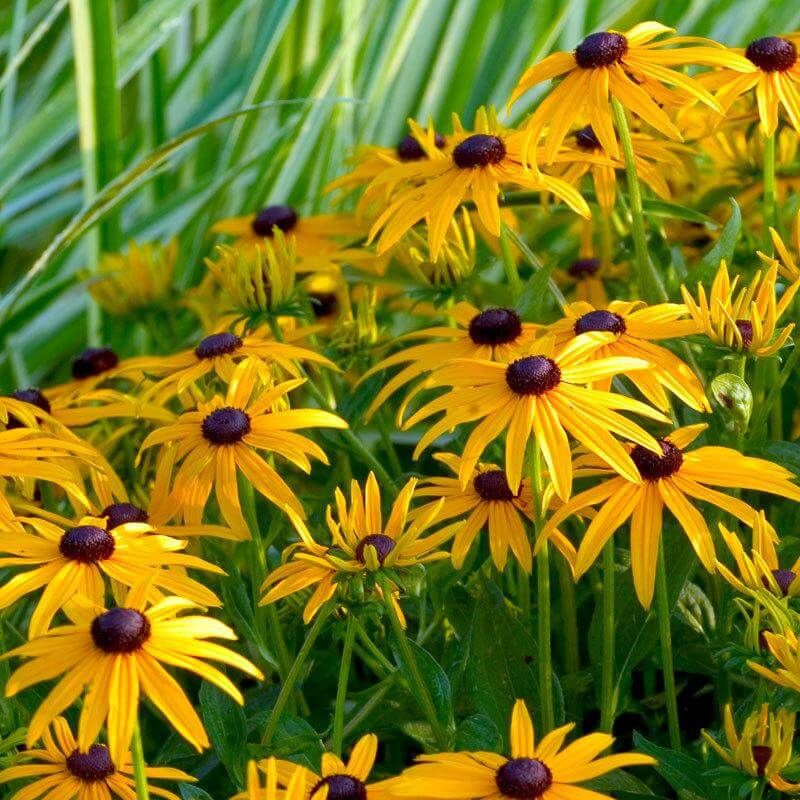
Walk past almost any Pennsylvania garden in July and you are likely to spot the cheerful golden petals of Black-Eyed Susan.
This reliable bloomer is practically a state symbol of summer, lighting up roadsides, meadows, and backyard gardens from one end of Pennsylvania to the other. Feeding it in spring takes that natural beauty up a notch.
Black-Eyed Susan responds well to a balanced fertilizer applied just as new growth emerges in spring. The extra nutrients encourage the plant to produce more flower stems, resulting in a much denser and more colorful display by midsummer.
If you have ever noticed your plants looking a little sparse or leggy, low soil nutrients are often part of the reason.
Keeping plants upright is another reason to fertilize early. Well-fed Black-Eyed Susans develop thicker, sturdier stems that hold flowers high and proud even after summer rainstorms.
In Pennsylvania, where afternoon thunderstorms are common from June through August, that kind of structural strength really matters.
A slow-release granular fertilizer works great for this plant. Apply it around the drip line of the plant rather than right at the base, and water it in well afterward.
Avoid over-fertilizing, since too many nutrients, especially nitrogen, can reduce blooming and lead to floppy growth.
Black-Eyed Susan also has a long flowering season, often blooming from late June all the way through September. With proper spring feeding, Pennsylvania gardeners can enjoy that extended bloom period at its absolute fullest and most vibrant.
4. Daylily (Hemerocallis Spp.)
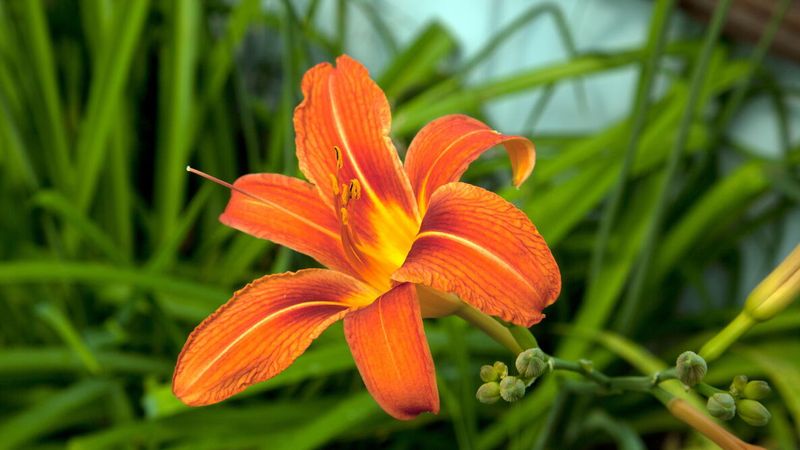
Ask any experienced Pennsylvania gardener which perennial gives the most bloom for the least effort, and daylilies are almost always near the top of the list. These tough, adaptable plants come in hundreds of colors and thrive across all regions of the state.
But spring fertilizing is the secret weapon that turns a decent daylily display into something truly spectacular. Daylilies are heavy bloomers, and heavy bloomers need fuel.
Applying a balanced fertilizer in early spring, right when the fresh green shoots are just starting to push up from the ground, gives the plant what it needs to develop a strong root system and set a large number of buds. More buds equals more blooms, and that is the whole goal.
Root development is especially important for daylilies that went through a harsh Pennsylvania winter.
Cold soil and freeze-thaw cycles can stress root systems, and a spring feeding helps plants bounce back faster and stronger. Think of it as a recovery meal after a long, cold season underground.
Choose a fertilizer with a balanced or slightly higher phosphorus content to support both roots and blooms. Granular slow-release types are convenient and effective. Apply them evenly around the clump, water thoroughly, and let the plant take it from there.
One fun fact about daylilies: each individual flower lasts only one day, but a healthy, well-fed plant will produce so many buds that the display keeps going for weeks.
In Pennsylvania, that can mean color from late June all the way through August with very little extra effort on your part.
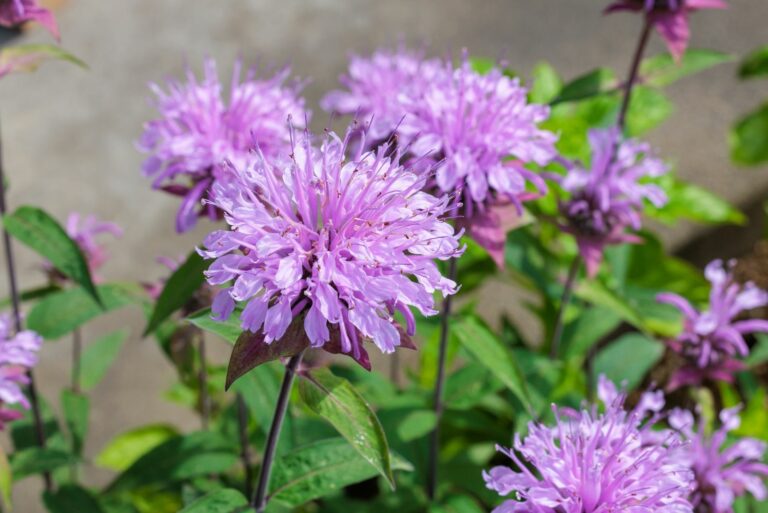
5. Bee Balm (Monarda Didyma)
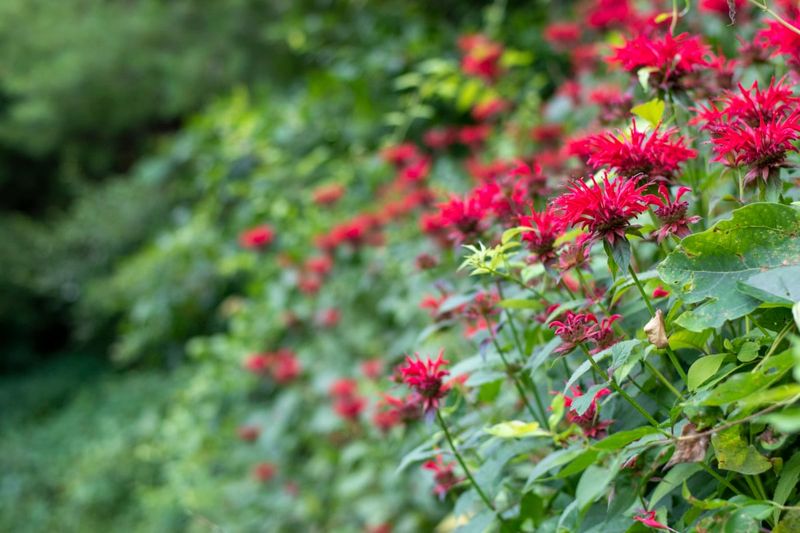
If there is one plant that brings a garden to life with both color and wildlife, it is Bee Balm. Those wild, spiky flower heads in shades of red, pink, purple, and white attract hummingbirds, bees, and butterflies like nothing else.
Pennsylvania gardeners who grow Bee Balm know the joy of watching a garden buzz and flutter all summer long.
Bee Balm is a fast grower, and fast-growing plants burn through nutrients quickly. Fertilizing in early spring keeps up with that demand and helps the plant channel its energy into producing lush, full foliage and vibrant blooms rather than struggling to find nutrients in depleted soil.
A balanced fertilizer applied once as growth begins is usually enough to carry it through the season.
One thing to keep in mind is that Bee Balm spreads enthusiastically. In Pennsylvania’s mild springs and warm summers, a well-fed plant can expand its footprint significantly.
That can be a great thing if you want to fill in a large space, but you may need to divide clumps every few years to keep things tidy.
Powdery mildew is a common issue with Bee Balm, especially during humid Pennsylvania summers.
Healthy, well-nourished plants tend to resist disease better, so fertilizing is not just about blooms but also about overall plant resilience. Good air circulation between plants helps too.
Plant Bee Balm in full sun to partial shade and give it regular moisture. With a spring feeding and consistent care, it will reward you with weeks of bold, eye-catching color that makes every corner of your Pennsylvania garden feel alive.
6. Yarrow (Achillea Millefolium)
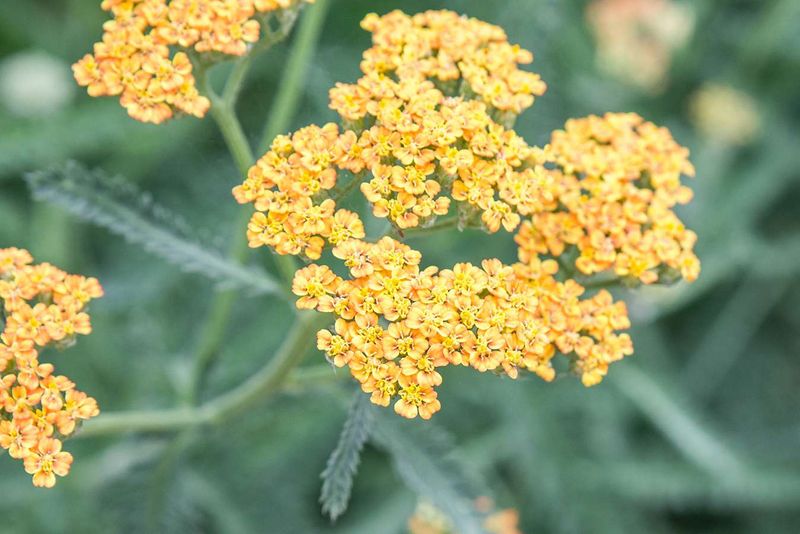
Yarrow is the kind of plant that makes gardening feel easy. It handles drought, tolerates poor soil, and comes back faithfully every spring across Pennsylvania without much fuss at all.
But here is something a lot of gardeners overlook: even easygoing plants benefit from a light nutritional boost in spring, and Yarrow is no exception.
Feeding Yarrow with a light, balanced fertilizer in early spring encourages it to produce more flower heads. Those flat-topped clusters of tiny blooms, which come in yellow, white, pink, and red, are what make Yarrow such a standout in the summer garden.
More flower heads means a longer, more colorful display and more opportunities for pollinators to visit.
Stem strength is another area where fertilizing pays off. Yarrow can get a little floppy when grown in rich or overly fertilized soil, so the key is to keep feeding light.
A single application of slow-release granular fertilizer in early spring is all it takes. Going overboard can actually work against you by causing weak, leggy stems that flop over by midsummer.
Pennsylvania gardeners appreciate Yarrow for its long bloom season, which typically runs from late spring through early fall.
With proper care and a timely spring feeding, the plant produces blooms consistently rather than in just one big flush, keeping your garden looking full and colorful for months.
Yarrow also makes an excellent cut flower, so fertilizing well means you get to enjoy the blooms both in the garden and indoors. Snipping spent flower heads also encourages the plant to keep producing new ones throughout the season.
7. Shasta Daisy (Leucanthemum X Superbum)
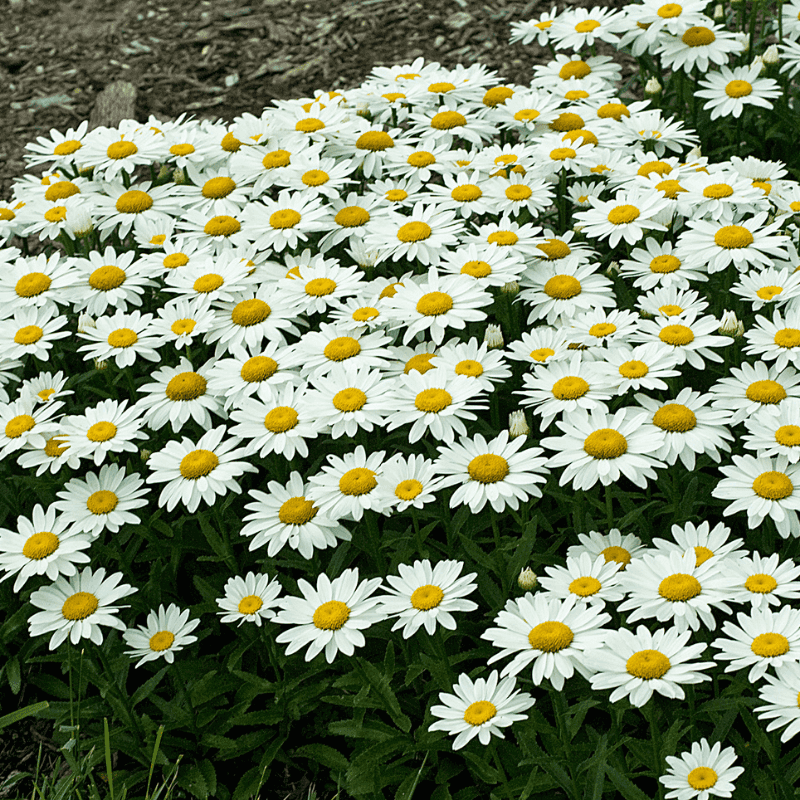
There is something timeless about a field of Shasta Daisies swaying in the summer breeze. With their crisp white petals and sunny yellow centers, they bring a clean, cheerful energy to any Pennsylvania garden.
And when you feed them right in early spring, the results are flowers that are noticeably bigger, brighter, and longer-lasting than those on unfed plants.
Shasta Daisies respond well to a balanced fertilizer applied just as new growth begins pushing up in spring. The extra nutrition fuels bud development, which is the stage that determines how many flowers you will get and how large they will be.
Skipping this step often means smaller flowers and a shorter overall bloom window, which is a missed opportunity for such a stunning plant.
Repeat blooming is one of Shasta Daisy’s best qualities, and fertilizing supports that cycle. After the first flush of blooms fades in early summer, a well-nourished plant has the energy reserves to push out a second round of flowers.
In Pennsylvania, that second wave can carry your garden all the way into September. Deadheading, which means removing spent flowers, works hand in hand with spring fertilizing.
Together, these two simple practices keep the plant focused on producing new buds rather than putting energy into seed production. The result is a plant that looks fresh and full much longer than one that is left on its own.
Plant Shasta Daisies in full sun and well-drained soil for best results. Pennsylvania’s warm summers suit them perfectly, and with a good spring feeding, they will be one of the most reliable and rewarding plants in your garden all season long.