The Georgia Backyard Features That Attract Bats On Summer Nights
Most people never think much about bats until they see one swoop across the yard. It usually happens so fast that you barely have time to react.
A few minutes later, another one appears, then another, and suddenly you realize there are several flying overhead. It can be surprising, especially if you have lived in the same house for years and never noticed them before.
The funny thing is that bats rarely show up without a reason. They are simply following the conditions that make feeding and resting easier after sunset.
A backyard that seems perfectly ordinary to you can offer everything they need to keep coming back.
That is happening in many parts of Georgia during the summer, when warm nights bring more insect activity and more opportunities for bats to hunt.
A closer look at your yard may explain why these nighttime visitors have become regular guests.
1. Water Features Give Bats A Reliable Place To Drink
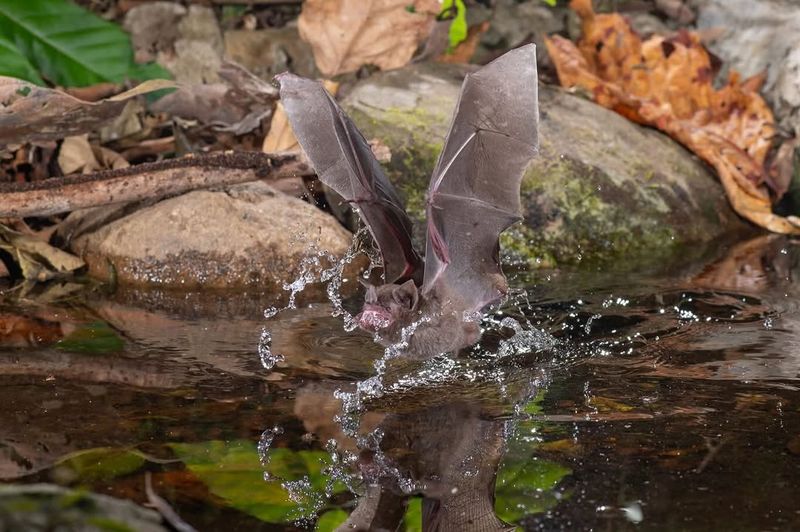
Bats are thirsty fliers. On hot summer nights, they need to drink regularly, and they do it on the wing by skimming across open water surfaces.
A backyard pond, birdbath, or small water garden can become a regular pit stop. Bats prefer water sources that are open, calm, and easy to approach from above.
Deep or narrow containers make it harder for them to swoop in safely.
Shallow birdbaths work well, but larger water features tend to attract more activity. A pond with at least three feet of open airspace above the water gives bats enough room to approach and pull away quickly.
Keeping the water clean matters too. Stagnant, algae-covered water is less appealing and can attract the wrong kinds of insects.
Running water from a small fountain or pump keeps things fresh and adds a gentle sound that makes the feature easier for bats to locate.
Placement counts. Setting your water feature away from dense shrubs and close to an open flight path makes it far more accessible.
Bats will return to reliable water sources night after night once they find one that works for them.
2. Native Trees Offer Safe Daytime Roosting Spots
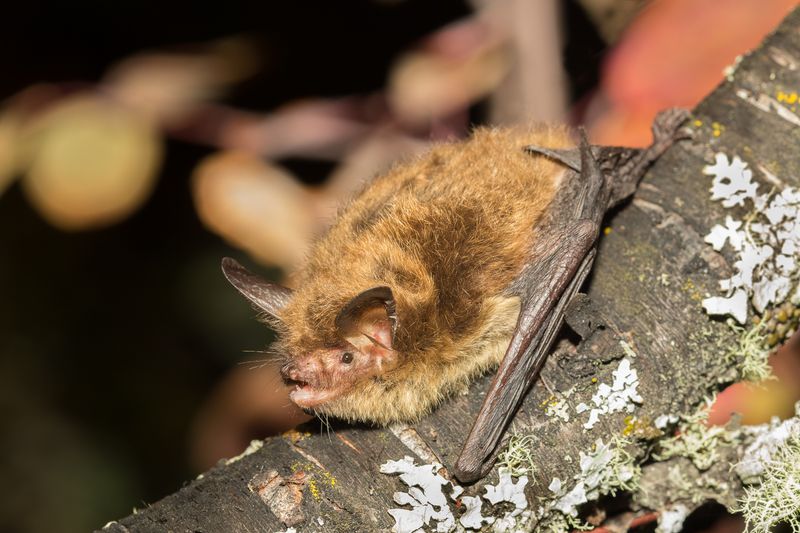
Not every bat sleeps in a cave. Many species roost right in your backyard trees, tucked behind loose bark or wedged into narrow crevices during daylight hours.
Native trees like oaks, hickories, and pecans develop rough, deeply furrowed bark as they age. That texture creates natural hiding spots that bats actively seek out.
Smooth-barked ornamental trees rarely offer the same shelter.
Older native trees with peeling bark are especially valuable. Bats squeeze into the small gap between the bark and the trunk, staying cool and hidden through the day.
A single large oak can shelter multiple bats without any sign visible from the ground.
Planting native trees is a long-term investment. Young trees take years to develop the kind of bark texture bats prefer.
If you already have mature native trees in your yard, protecting them is one of the best things you can do for local bat populations.
Your Georgia Garden Changes Every Week. Your Plan Should Too.
Gardening in Georgia changes quickly throughout the season. Every Friday you’ll receive a simple weekly plan showing exactly what to plant, prune, fertilize, harvest, and protect so you never miss the right timing.
Dense canopy also helps. Bats roosting in trees need shade to stay cool, especially during peak summer heat.
A well-established native tree with a full canopy provides that natural temperature regulation. Removing old or rough-barked trees eliminates roosting habitat that took decades to develop.
3. Night Flying Insects Bring More Feeding Activity
Bugs are the whole reason bats show up. A yard full of night-flying insects is basically an open invitation for bats to come feed.
Mosquitoes, moths, beetles, and midges all fly after dark. Bats use echolocation to track them with remarkable accuracy, catching prey mid-air at impressive speeds.
A yard with standing water, dense vegetation, or outdoor lighting can generate large numbers of these insects.
Compost piles, leaf litter, and moist garden beds all support insect populations that bats feed on. Rotting wood and thick mulch layers attract beetles and other soft-bodied insects that emerge at night.
Bats follow the food, so a yard rich in insect activity naturally draws more feeding flights.
Planting night-blooming flowers adds another layer. Flowers like moonflowers and evening primrose attract moths, which in turn attract bats.
It creates a natural chain that benefits your whole garden ecosystem.
Reducing or eliminating broad pesticide use helps too. Widespread spraying can drastically cut the insect population that bats depend on for food.
Spot-treating specific problem areas is a more balanced approach that keeps insect diversity intact. Bats are efficient enough that a healthy insect population rarely becomes a real nuisance when bats are present.
4. Less Outdoor Lighting Creates Better Feeding Conditions
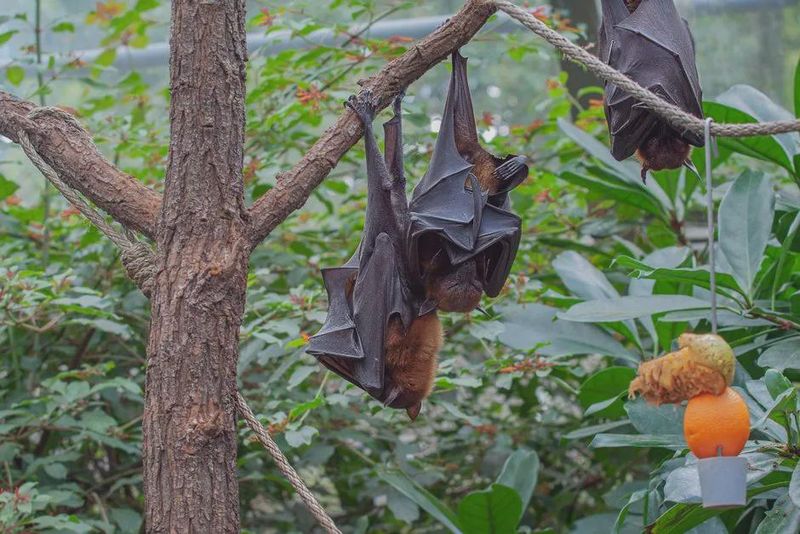
Bright outdoor lights actually work against bat activity. Most bat species prefer to hunt in darker conditions, away from harsh artificial light sources.
Strong floodlights and motion-activated spotlights can disrupt bat flight patterns and push them toward less-lit neighboring yards. Bats are cautious around intense light because it exposes them to predators and can alter their feeding behavior.
Switching to warm-toned, low-output bulbs makes a real difference. Amber or red-spectrum lights are far less disruptive to bats than cool white or blue-toned LEDs.
Keeping light pointed downward and away from open sky also reduces the impact on nighttime wildlife.
Shaded patios and covered seating areas naturally create pockets of darkness that bats feel comfortable flying near. You do not need to sit in complete darkness to enjoy your yard at night.
Strategic, minimal lighting gives you visibility while leaving enough dark airspace for bats to move through comfortably.
Timers and dimmers help too. Cutting outdoor lights earlier in the evening gives bats more usable hunting time.
Yards with consistent dark zones tend to see more regular bat visits than those flooded with light from dusk onward. Small lighting adjustments can noticeably shift bat behavior over just a few nights.
5. Old Trees Can Provide Natural Roosting Cavities
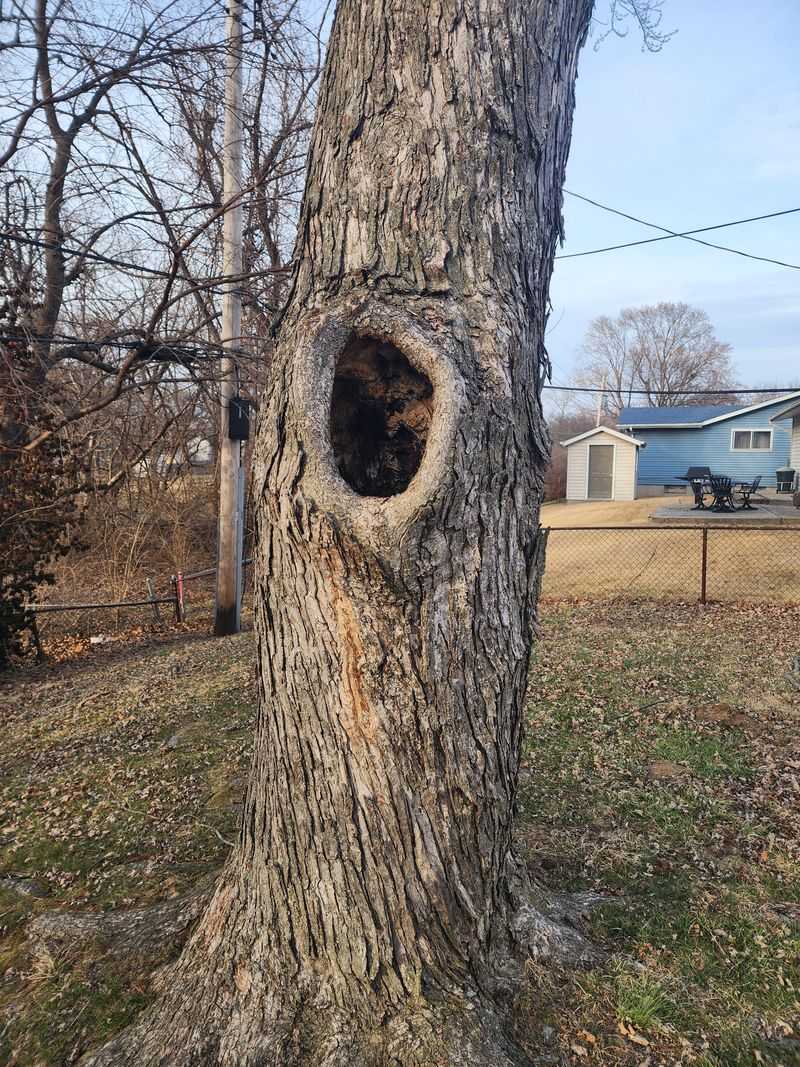
Hollow trees are some of the most valuable bat habitat in any backyard. A tree with a deep cavity offers warmth, darkness, and protection that few artificial structures can fully match.
Cavities form naturally as trees age. Woodpeckers create holes that bats later adopt.
Rotting heartwood hollows out over time, leaving spacious interior chambers. Bats are opportunistic roosters and will move into any cavity that meets their basic needs for temperature stability and security.
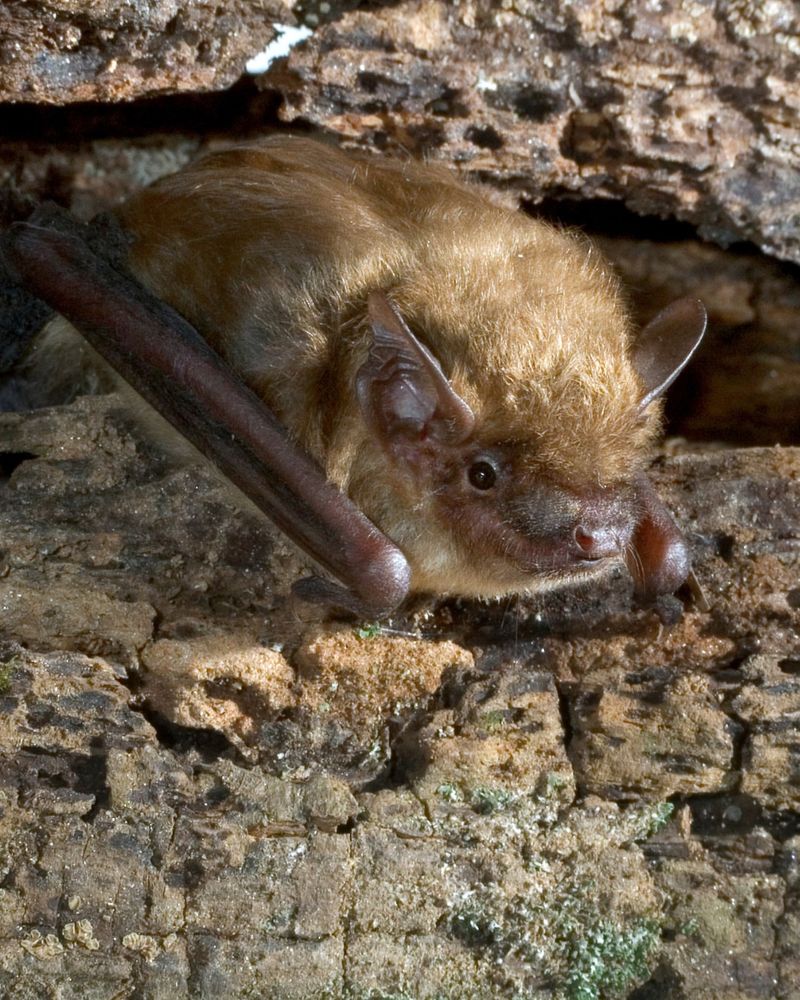
Big Brown Bats and several other bat species found in Georgia regularly use tree cavities as maternity roosts.
Females gather there in summer to raise their young. A single cavity tree can shelter a small colony through the entire warm season.
Leaving standing trees that no longer produce healthy growth in place, when they pose no safety risk, preserves this habitat. Hollow snags are often removed too quickly.
A tree with a natural cavity is far more valuable to local wildlife than a freshly cut stump.
If your yard has an old tree with a visible hollow, observe it at dusk. Watch for bats emerging just after sunset.
A single tree can send out dozens of bats within minutes. That kind of activity shows exactly how much roosting habitat one old tree can quietly support through an entire summer season.
6. Bat Houses May Encourage Long Term Visits
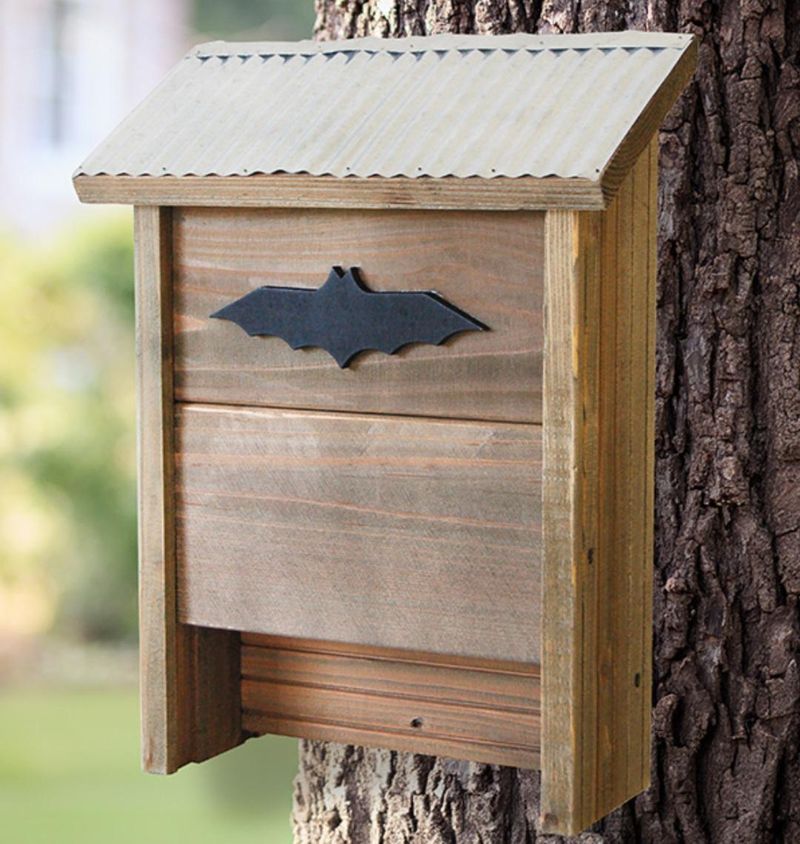
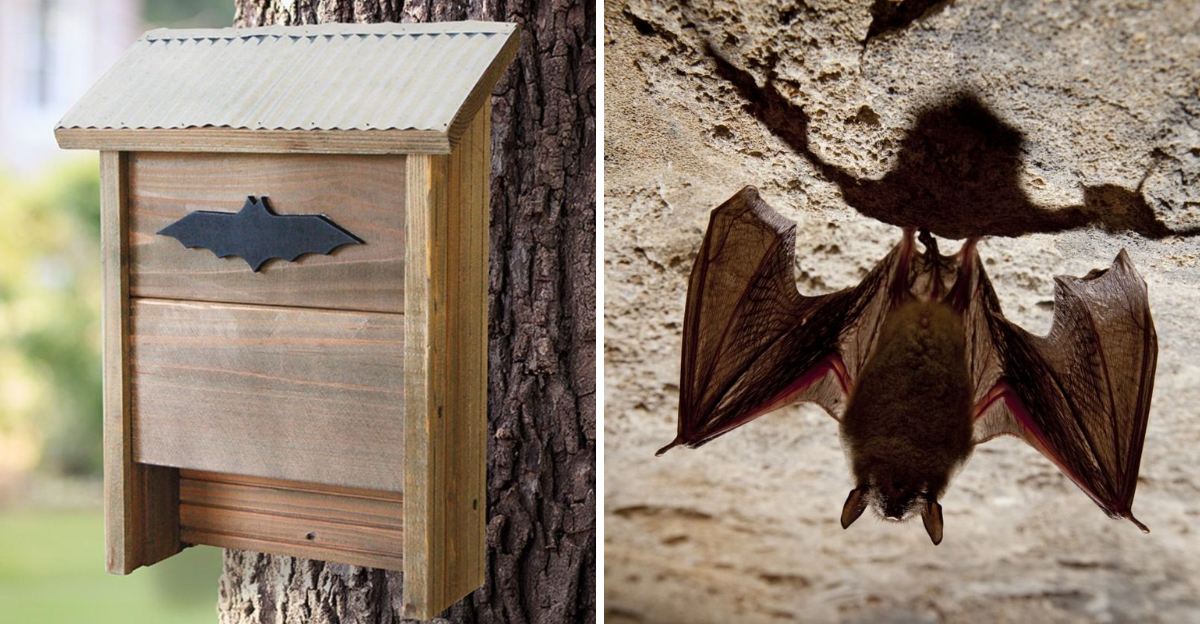
Putting up a bat house is one of the most direct ways to invite bats to stay. It gives them a dedicated shelter that is separate from your home and easy to monitor.
Placement is everything with bat houses. Mount them at least twelve to fifteen feet high on a pole or the side of a building.
South or southeast-facing exposure helps the house warm up quickly in the morning, which bats prefer for roosting.
Wood bat houses with interior grooves or roughened surfaces give bats something to grip. Smooth interiors are often rejected.
Unpainted or dark-painted exteriors absorb heat better, which is especially useful during cooler nights early and late in the season.
Bat houses near water sources see much higher occupancy rates. A bat house within a few hundred feet of a pond or stream is far more likely to attract residents than one placed in a dry, isolated corner of the yard.
Patience is required. Bats may take a full season or two to discover and accept a new house.
Do not move or adjust the house during that waiting period. Once a colony establishes, they return to the same roost year after year.
A well-placed bat house can become a permanent fixture in your yard’s summer nightlife for many years running.
7. Open Flight Paths Help Bats Hunt More Easily
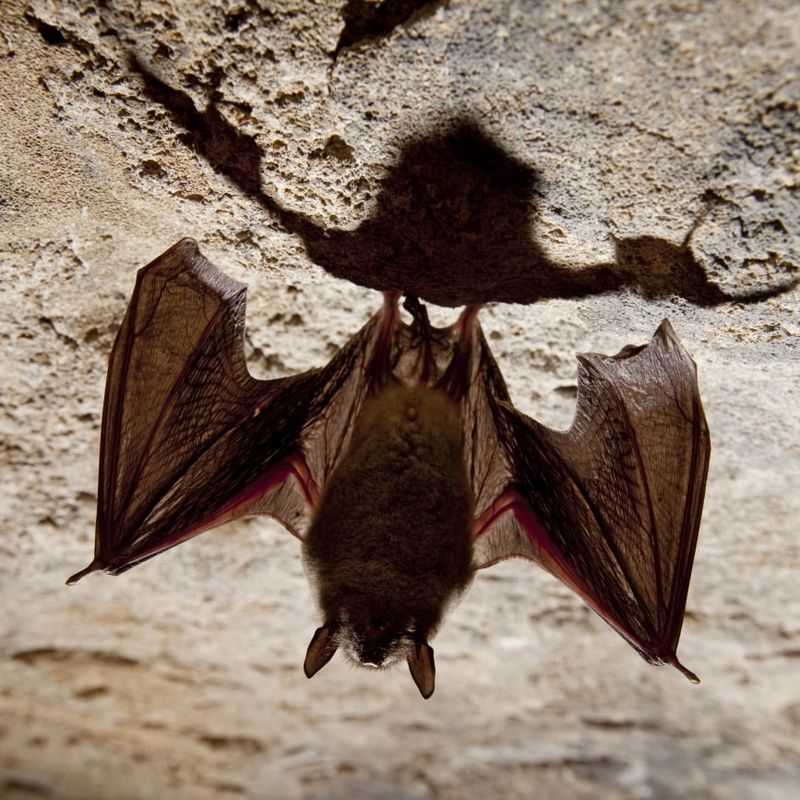
Bats need room to move. Cluttered, overgrown yards with dense shrubs and low-hanging branches make it harder for them to fly at hunting speed.
Open airspace over a lawn or garden bed gives bats a clear corridor to follow. Bats typically hunt along edges, where open space meets tree lines or fence rows.
Keeping those transition zones clear and accessible encourages regular passes through the yard.
Tall grass and dense ground cover can actually block bat activity near the surface. Insects rise from low vegetation, but bats need enough vertical clearance to swoop down and recover quickly.
A well-maintained lawn with some open height above it creates the ideal hunting lane.
Fence lines, garden borders, and the edges of tree canopies all function as natural bat highways. Bats follow predictable routes once they establish them.
Clearing low-hanging branches or trimming back overgrown shrubs along these edges can open up paths that bats will use repeatedly.
Yards with a mix of open lawn and surrounding tree cover tend to attract the most bat activity. Bats like having shelter nearby but need open space to hunt effectively.
Striking that balance does not require major landscaping work. Simple trimming and clearing along key edges can make a measurable difference in how often bats move through your outdoor space on warm summer evenings.