What It Really Means When A Gray Fox Shows Up In Your Arizona Yard
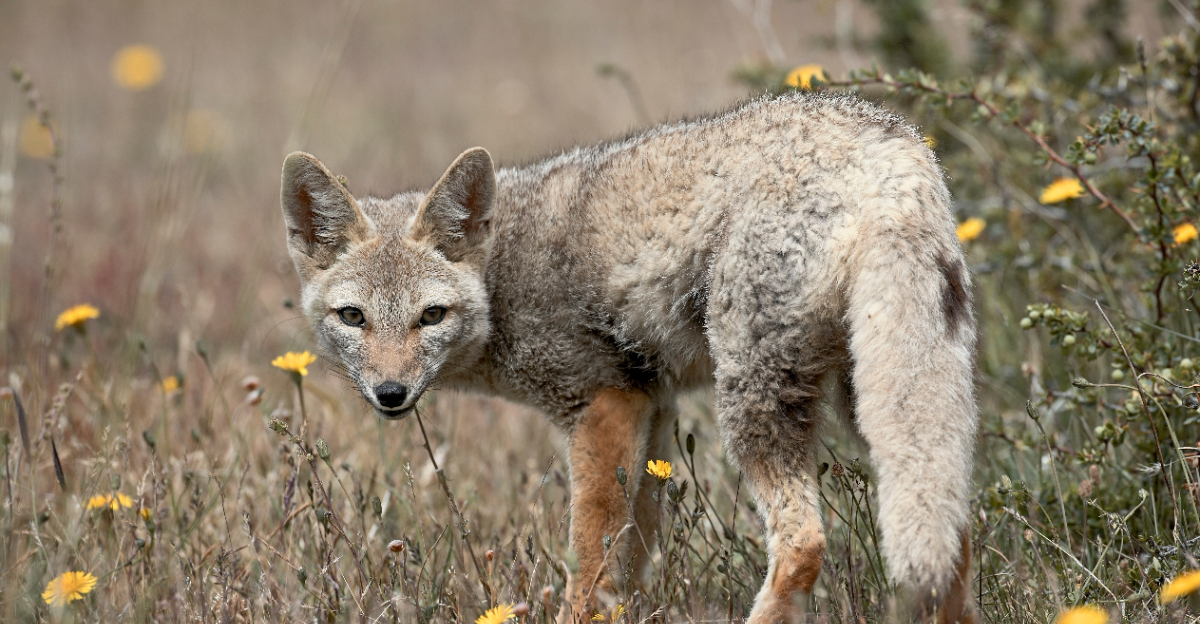
It is the kind of moment that makes you stop what you are doing. You look out the window or step into the yard, and something quietly moves across the landscape before disappearing just as quickly.
At first, you might think it is a neighborhood dog or even a cat. Then you realize it is something you were not expecting to see so close to home.
Wildlife sightings always seem to spark curiosity. Some people feel excited, while others immediately wonder if there is a problem.
It is natural to have questions when an animal suddenly appears in a place where you spend so much time.
Gray foxes are seen in many parts of Arizona, and they sometimes pass through residential neighborhoods while searching for food or moving between natural areas. A visit does not always mean the animal plans to stay.
Understanding why a gray fox chose your yard can help explain what is happening and what, if anything, you should do next.
1. Gray Foxes Often Hunt After Sunset
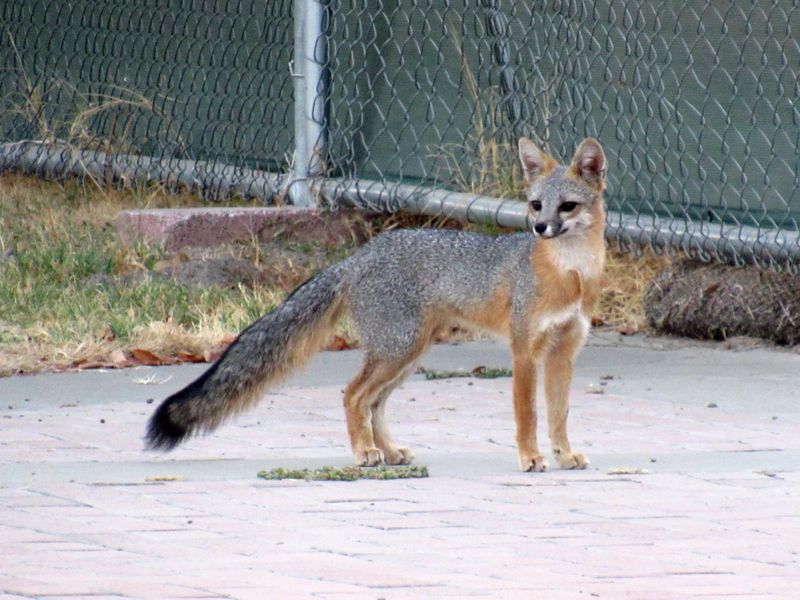
Sunset flips a switch for gray foxes. Once the light fades, they shift into full hunting mode.
Most of their active time happens between dusk and dawn, which is why so many Arizona homeowners never see them until a motion light catches one crossing the patio.
Gray foxes eat a wide range of prey. Mice, packrats, lizards, and large insects are all fair game.
They move quietly and quickly, often covering a lot of ground in a single night. A yard that sits near a wash, open field, or brushy hillside gives them a natural hunting corridor right through your property.
Seeing one at night does not mean something is wrong. Nocturnal movement is completely normal for this species.
However, a fox moving around in full daylight, acting disoriented, or showing no fear of people could signal a health concern worth reporting to local wildlife officials.
Keeping outdoor lights off in the early evening can reduce how often they pass through. Motion-activated lighting may startle them away temporarily, but curious foxes often return.
Understanding their schedule helps you plan around it rather than react to it every time.
2. Easy Food Sources Can Bring Them Closer
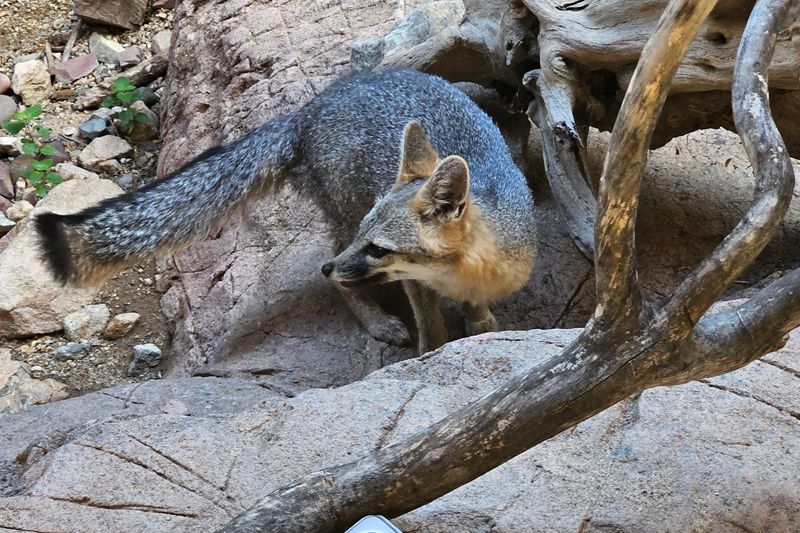
A gray fox does not wander into your yard by accident. Something drew it there, and food is almost always the reason.
Unsecured garbage, outdoor pet bowls, fallen birdseed, and compost piles all act like open invitations to wildlife passing through the neighborhood.
Gray foxes are opportunistic. If food is easy to find, they will keep coming back.
Consistent food access near your home can quickly turn a one-time visitor into a regular guest.
Over time, that familiarity can reduce their natural wariness around people, which creates a different set of concerns.
Removing food sources is the most effective step you can take. Bring in pet dishes before dark.
Use locking trash cans. Clean up spilled birdseed from the ground.
Store compost in sealed containers rather than open bins. Small changes like these can make your yard significantly less appealing to a fox on the hunt.
Your Arizona Garden Changes Every Week. Your Plan Should Too.
Gardening in Arizona changes quickly throughout the season. Every Friday you’ll receive a simple weekly plan showing exactly what to plant, prune, fertilize, harvest, and protect so you never miss the right timing.
Bird feeders are a surprisingly common attractant.
Foxes are not after the seeds, but the mice and rats drawn to fallen seed beneath feeders are exactly what a gray fox wants.
Addressing the rodent attraction often reduces fox activity too. Consistent yard hygiene goes a long way in keeping wildlife at a comfortable distance from your home.
3. Dense Cover Makes Yards More Appealing
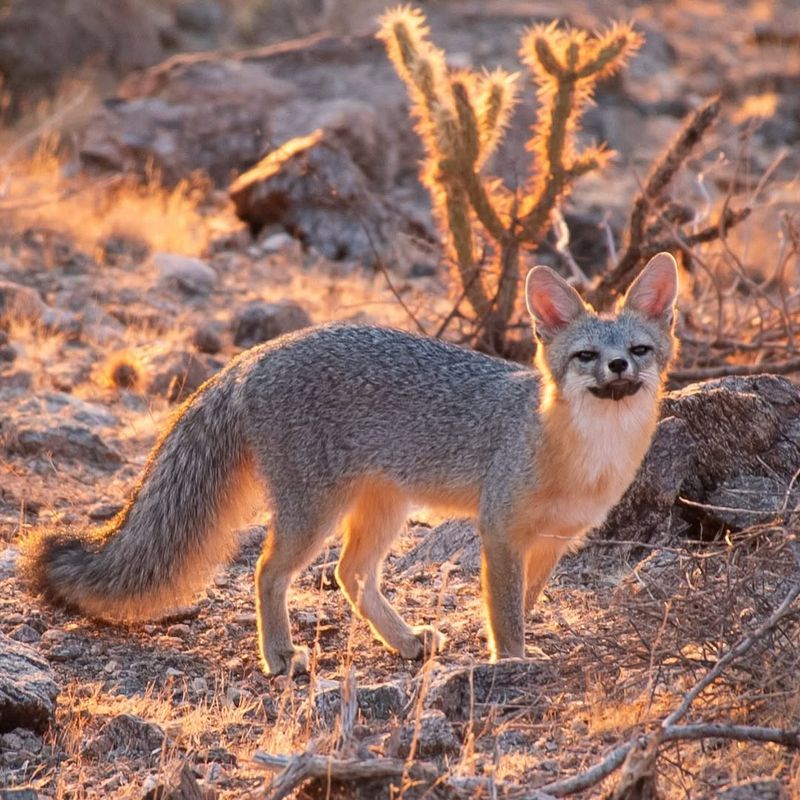
Gray foxes love cover. Thick shrubs, stacked wood, low-hanging brush, and cluttered corners all look like prime real estate to a fox scanning for a safe resting spot.
Yards with dense vegetation tend to attract more wildlife, including foxes looking for shelter during the day.
Unlike coyotes, gray foxes are skilled climbers.
They can scale trees and fences with ease, which means dense yard plantings near walls or fences give them even more options. A yard packed with hiding spots essentially offers a fox both shelter and a strategic vantage point.
Trimming back overgrown shrubs and clearing brush piles reduces the appeal of your yard as a daytime rest area. Focus on the lower two feet of vegetation near fences and walls.
Keeping that zone open and visible removes the sense of security that draws foxes in to linger.
Wood piles stored directly on the ground are especially attractive. Elevating them off the soil removes a common hiding spot for both foxes and the small rodents they hunt.
A yard with less clutter and more open sightlines naturally discourages foxes from treating it like home. Cleaner yards tend to see fewer repeat visits from wildlife looking for a quiet place to rest between hunts.
4. Fallen Fruit Can Draw Them Into Yards
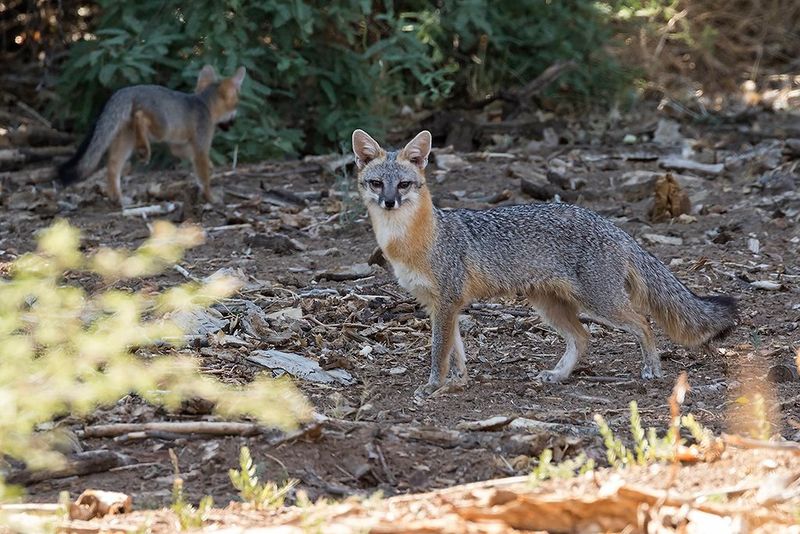
Fruit trees are a magnet for gray foxes, and most homeowners do not connect the two. Oranges, figs, grapes, and cactus fruit that drop to the ground create a food source that foxes will return to night after night.
It sounds surprising, but gray foxes eat a significant amount of plant-based food, especially in late summer and fall.
Picking up fallen fruit consistently is one of the easiest ways to reduce fox activity near your home. Even a few pieces left overnight can attract a visit.
In yards with citrus trees, this becomes especially important during peak fruiting season when the ground stays covered with dropped fruit for weeks at a time.
Prickly pear cactus is another common attractant in desert landscapes.
The ripe pads and fruit draw foxes, birds, and other wildlife. If your yard has a mature prickly pear that drops fruit regularly, expect wildlife visits to increase during that window each year.
A gray fox that feeds on fruit in your yard is not being aggressive. It is simply following its nose to an easy calorie source.
Removing that source consistently, rather than occasionally, is what changes the behavior pattern over time.
Sporadic cleanup does not work as well as making fruit collection a regular evening habit throughout the season.
5. Most Gray Foxes Avoid People When Possible
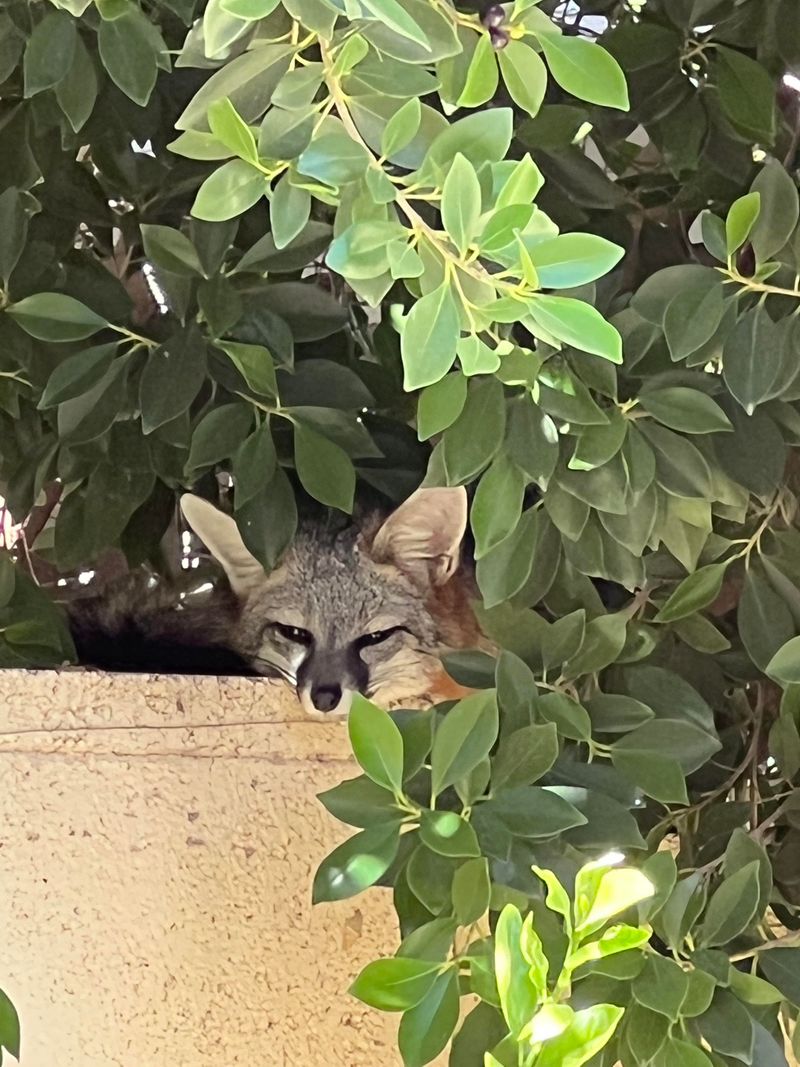
Healthy gray foxes are naturally shy. Spotting one in your yard does not mean it is comfortable around you.
Most of the time, a gray fox that notices a person will freeze, assess the situation, and then vanish back into the brush within seconds. Quick, quiet retreats are their default response to human presence.
Bold behavior is worth paying attention to.
A fox that approaches people, does not flee when startled, or acts confused and uncoordinated should not be ignored.
Those behaviors can sometimes indicate illness, and local animal control or wildlife authorities should be contacted rather than attempting to handle the animal yourself.
Under normal conditions, gray foxes pose very little risk to adults. They are small animals, typically weighing between seven and thirteen pounds.
Aggression toward people is rare and almost always linked to a health issue rather than natural behavior.
Giving a fox space and not attempting to feed it is the best approach.
Wild animals that associate humans with food gradually lose their caution, which rarely ends well for the animal or the homeowner.
Watching from a distance and letting the fox move on naturally keeps the interaction low-risk and respects the animal’s wild nature. Appreciating them from afar is genuinely the right call every time.
6. Pets Should Stay Indoors After Dark
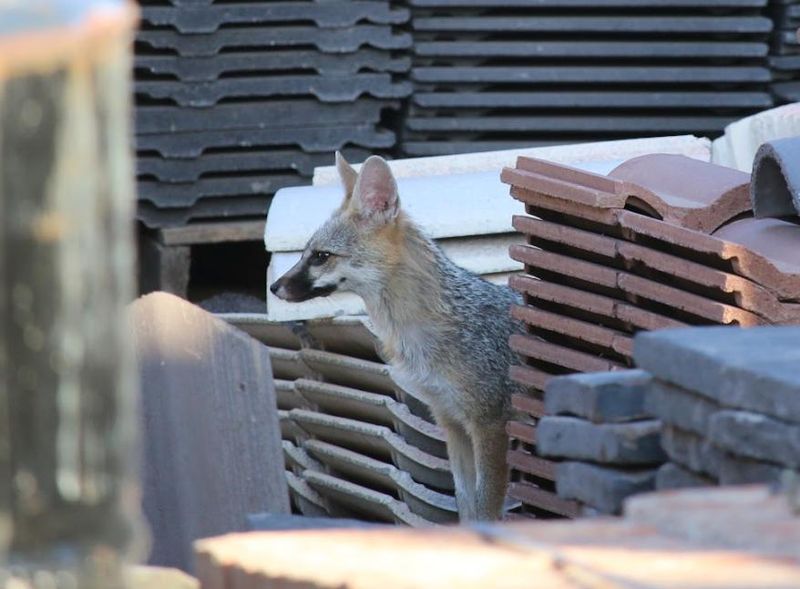
Small pets left outside at night face real risks in areas where wildlife is active.
Gray foxes are not large predators, but they can and do confront small animals, especially cats or toy-breed dogs that wander near their path.
Conflicts between foxes and outdoor pets happen more often in spring and early summer when foxes may have young nearby.
Bringing pets inside before dark is a straightforward habit that significantly reduces the chance of a negative encounter. It does not require expensive solutions or major yard changes.
Just adjusting your evening routine to include a pet check before sunset handles most of the risk.
Outdoor cats are especially vulnerable.
They tend to roam at the same hours foxes are most active, and territorial conflicts can escalate quickly. Even a brief outdoor stay after dark increases exposure.
Cat doors that allow unsupervised nighttime access are worth reconsidering if fox activity in your area is frequent.
Rabbit hutches, chicken coops, and small animal enclosures outside need secure hardware cloth and solid latching mechanisms. Standard chicken wire is not enough to stop a determined fox.
Reinforcing enclosures with welded wire and buried edges is a practical investment that protects livestock and small animals year-round.
A few hours of work on enclosure security can prevent a lot of stress and loss down the line.
7. Repeated Visits May Signal Nearby Shelter
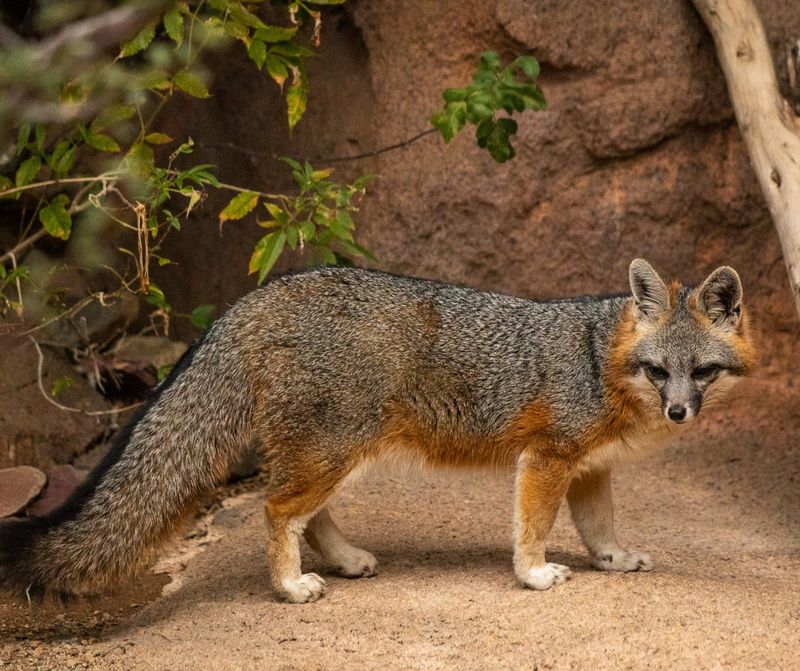
Repeated visits can indicate a nearby den, a reliable food source, or a regular travel route. A gray fox returning to your yard does not necessarily mean it is denning nearby.
A fox returning to the same yard consistently is often denning nearby, either under a shed, inside a dense shrub cluster, beneath a deck, or along a rocky ledge close to your property line.
Gray foxes typically den between late winter and early summer. A female with pups will establish a home range and return to reliable food and water sources regularly.
If you notice a fox showing up at similar times each night, check the perimeter of your yard for possible den sites.
Blocking access under sheds, porches, and decks with hardware cloth before denning season begins is the most effective prevention.
Once a fox has established a den with young inside, removal becomes more complicated and is best handled by a licensed wildlife professional rather than a homeowner working alone.
Repeated visits are not automatically a problem. Many homeowners in desert neighborhoods coexist with gray foxes for years without incident.
Understanding what draws them back, whether food, water, shelter, or hunting access, gives you the information needed to adjust your yard in a targeted way.
Addressing the specific attractant is always more effective than general deterrent methods applied without a clear cause.