These Are The Arizona Fruit Trees You Should Be Fertilizing In June
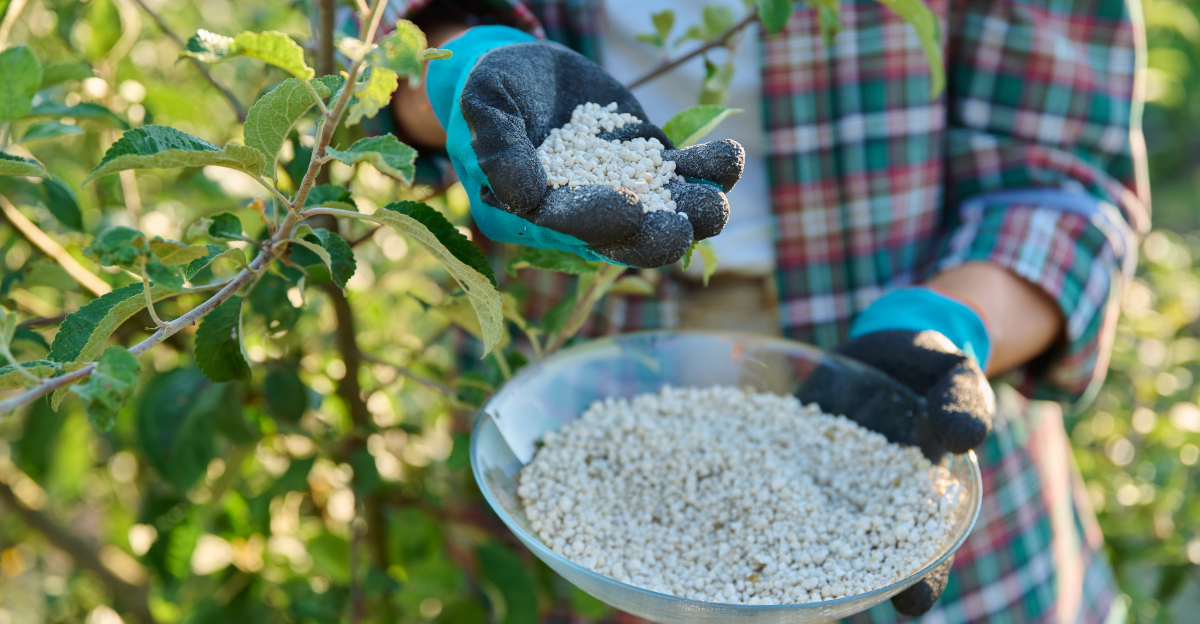
June is a big month for fruit trees, and missing this window can mean weaker growth, fewer blooms, and a smaller harvest later on.
While many gardeners focus on watering when temperatures start climbing, feeding the right trees at the right time matters just as much.
Some fruit trees are actively pushing new growth right now and can put those nutrients to work fast. Others need a lighter touch or a different approach altogether.
Knowing which trees benefit from a June feeding can make a noticeable difference as the season moves along.
If fruit production has been disappointing, the problem may not be the tree at all. A simple fertilizer adjustment could be the missing piece.
Here are the Arizona fruit trees that deserve attention this month.
1. Citrus Trees Need Feeding Before Summer Heat Peaks
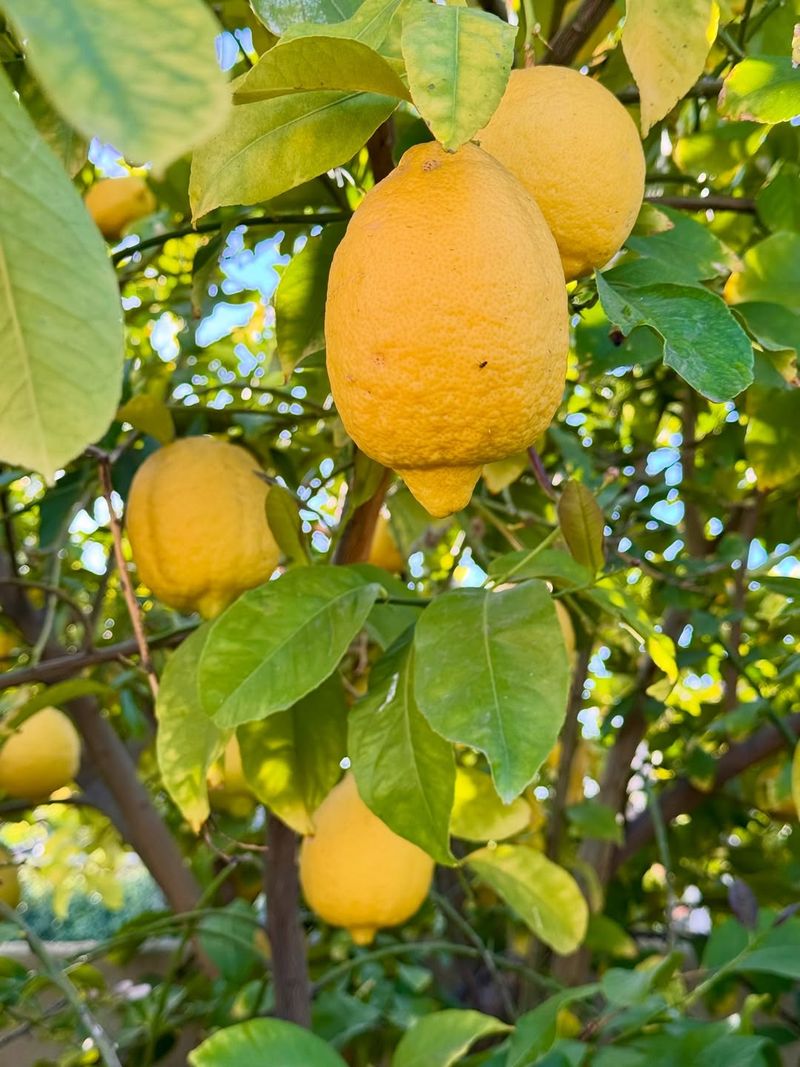
Citrus trees are heavy feeders, and June is exactly when they need your attention most. Fruit is already sizing up on the branches.
Without nitrogen right now, that fruit stalls out and stays small.
A slow-release granular fertilizer with a higher nitrogen ratio works well for most citrus varieties. Scatter it evenly under the canopy and water it in deeply.
Shallow watering just pushes nutrients away from the roots.
Navel oranges, grapefruits, lemons, and mandarins all respond well to a June feeding. Each variety pulls nutrients at a slightly different rate, but all of them are actively growing right now.
Feeding them late in the month still counts, so don’t stress if you miss the first week.
Watch for yellowing leaves between the veins. That pattern usually signals an iron or manganese deficiency, which is common in alkaline desert soils.
A chelated micronutrient spray can fix that fast alongside your regular fertilizer routine.
Avoid high-phosphorus formulas unless a soil test tells you otherwise. Most desert soils already have enough phosphorus locked in.
Overloading it can block zinc and iron uptake, making the problem worse instead of better.
Water your citrus the day before you fertilize. Moist soil helps roots absorb nutrients without burning.
Dry roots and concentrated fertilizer are a bad combination any time of year.
New growth should appear healthy and deep green within the following weeks if nutrient levels are improving and the tree is taking up fertilizer properly.
2. Fig Trees Push Out New Growth With June Fertilizer
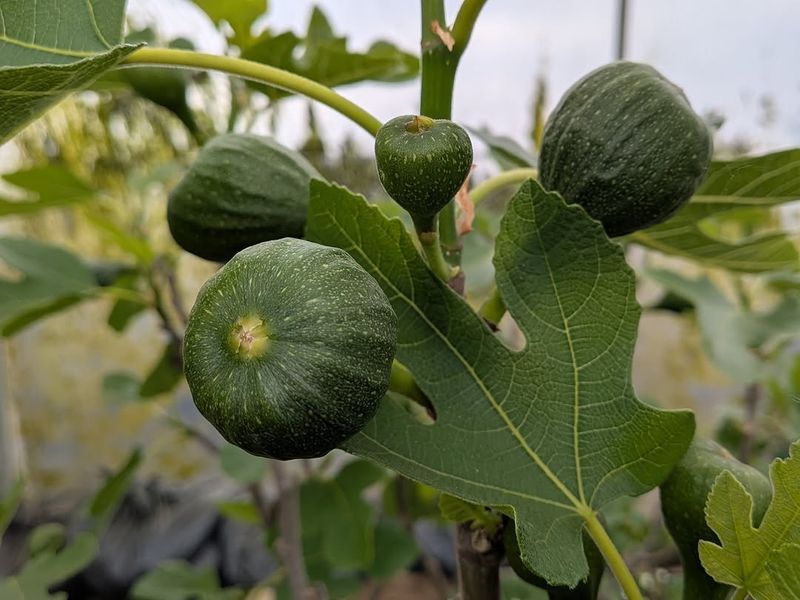
Fig trees in hot climates are remarkably tough, but that toughness can fool you into thinking they don’t need feeding. They absolutely do, especially when temperatures are pushing triple digits.
June marks the point where fig trees start putting energy into the second crop of the season. A balanced fertilizer, something close to a 10-10-10 or similar ratio, gives them the push they need right now.
Apply it around the drip line, not right against the trunk.
One thing fig growers often overlook is potassium. Potassium helps regulate water movement inside the tree, which matters a lot when heat stress is building.
Look for a fertilizer that doesn’t shortchange that third number on the bag.
Your Arizona Garden Changes Every Week. Your Plan Should Too.
Gardening in Arizona changes quickly throughout the season. Every Friday you’ll receive a simple weekly plan showing exactly what to plant, prune, fertilize, harvest, and protect so you never miss the right timing.
Brown Turkey and Black Mission figs are popular choices in warm desert climates. Both varieties respond noticeably to summer feeding.
You’ll often see fresh leaf growth within two weeks of a good application.
Keep the feeding moderate. Fig trees don’t need massive amounts of fertilizer to perform well.
Over-fertilizing pushes too much leafy growth at the expense of fruit development, which is the opposite of what you want.
Water deeply after applying granular fertilizer. Fig roots run wide and shallow in sandy soils.
Getting that water to spread outward, not just straight down, helps nutrients reach more of the root zone effectively.
3. Pomegranate Trees Respond Quickly To Early Summer Feeding
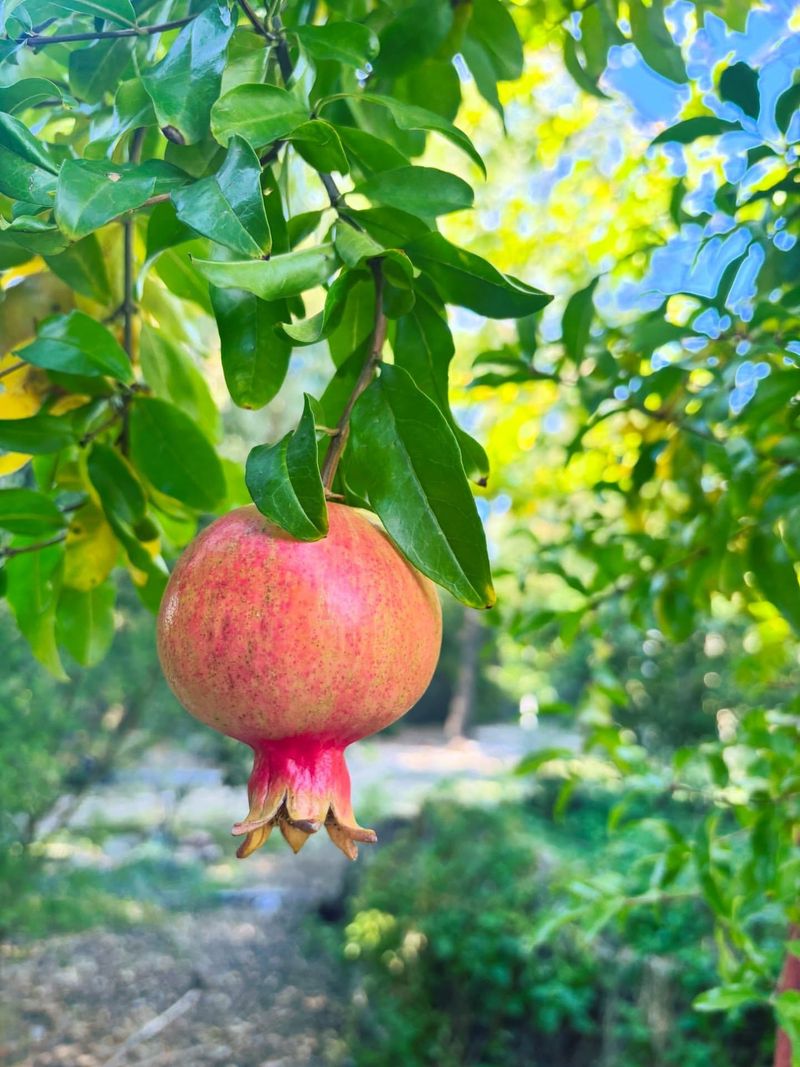
Pomegranates practically thrive on neglect, but give them a little fertilizer in June and they will reward you generously. Fruit set is happening right now, and nutrients directly support how many pomegranates actually develop to full size.
A low-nitrogen fertilizer works better for pomegranates than a high-nitrogen blend. Too much nitrogen pushes leafy growth and can cause flowers to drop before they set fruit.
Look for something with a higher middle or last number on the label.
Pomegranate trees growing in sandy or rocky soil benefit most from a June application. Those soil types drain fast and don’t hold nutrients well.
Feeding more frequently in smaller amounts often works better than one large dose.
Wonderful and Parfianka are two varieties that do especially well in hot, dry climates. Both are actively developing fruit in June.
Catching them at this stage with the right fertilizer can noticeably improve fruit size and sweetness later in the season.
Organic options like compost tea or fish emulsion work well for pomegranates. They release slowly and won’t shock the roots in hot soil.
Just apply them in the early morning or evening, not during the hottest part of the day.
Check the soil around your pomegranate before feeding. If it’s bone dry, water first and wait a day.
Fertilizing into completely dry soil reduces absorption and can stress the roots unnecessarily.
4. Peach Trees Get A Timely Nutrient Boost In June
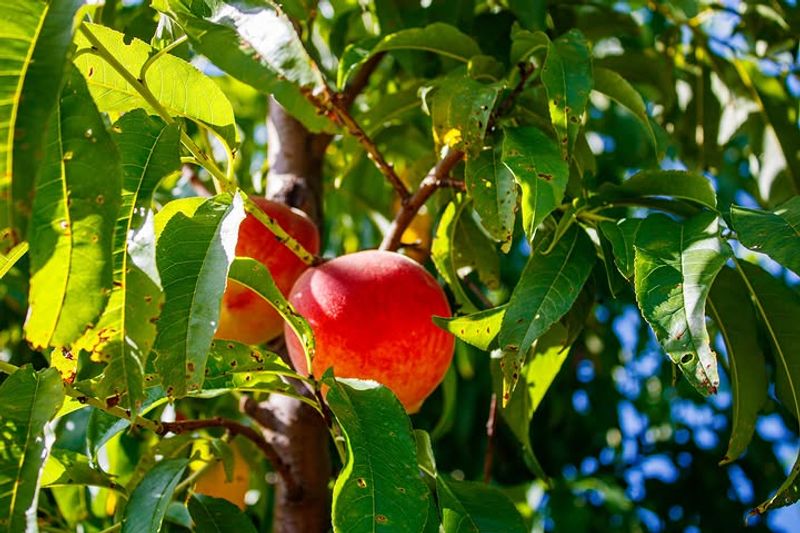
Peach trees in the low desert often finish their main harvest by late spring, but June feeding still matters more than most growers realize. Right after harvest, the tree starts rebuilding energy reserves for next year’s bloom.
Nitrogen is the priority nutrient for peaches coming out of harvest. It fuels the new shoot growth that will eventually become next season’s fruiting wood.
Skip it now and you’ll notice weaker growth and fewer fruit buds by fall.
A fertilizer with a strong nitrogen component and moderate potassium works well at this stage. Avoid heavy phosphorus applications unless a soil test specifically calls for it.
Most desert soils have adequate phosphorus already locked into the mineral content.
Spread granular fertilizer from the trunk outward to just beyond the canopy edge. Peach roots extend surprisingly far.
Getting fertilizer only near the base misses a large portion of the active root zone.
Low-chill peach varieties like Tropic Snow and Desert Gold are common in warm climates. Both push out new growth aggressively after harvest.
Feeding them well in June sets the foundation for a stronger and more productive tree next season.
Water deeply before and after applying fertilizer. Peach trees prefer consistent moisture during summer even though they’re drought-tolerant overall.
Irregular watering combined with fertilizing can stress roots when soil temperatures are already high.
5. Apple Trees Use Extra Nutrients After Spring Flushes
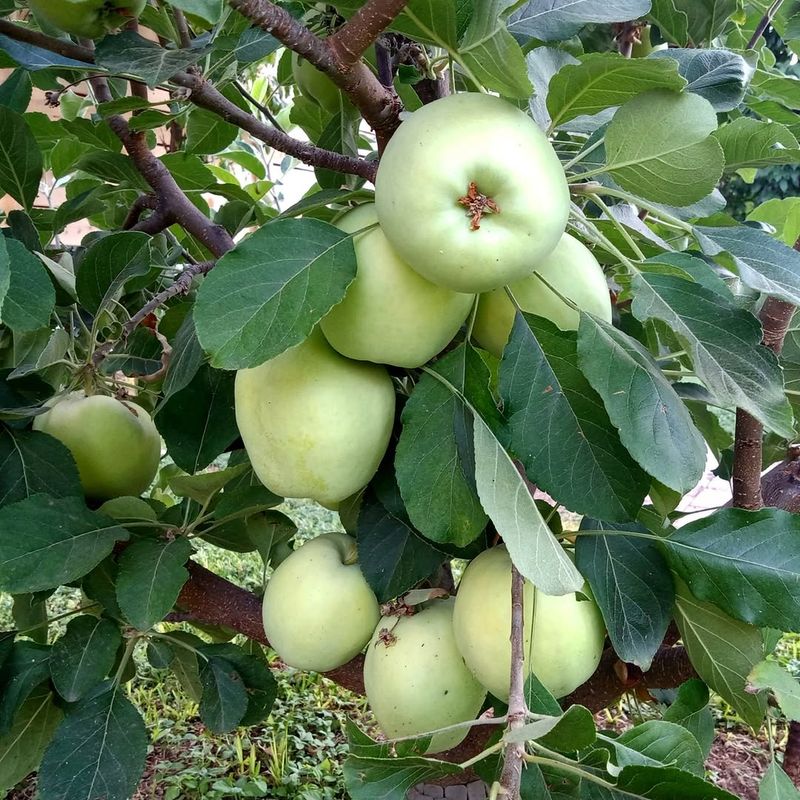
Apple trees in the high desert regions of Arizona push hard through spring and enter June slightly depleted. All that flowering and early fruit development pulls heavily from stored nutrients.
June is when you replenish what got used up.
Balanced fertilizers work well for apples at this stage. A 10-10-10 or similar formula supports both continued fruit development and the new shoot growth happening simultaneously.
Don’t skip potassium here since it directly supports fruit quality.
Anna and Dorsett Golden are popular low-chill apple varieties suited to warmer elevations. Both are actively sizing fruit in June.
Giving them a nutrient boost now helps push those apples toward a better finished size and flavor.
Mulching around apple trees before fertilizing is a smart move. A layer of wood chip mulch keeps soil moisture more stable and reduces the temperature swings that can slow nutrient absorption.
Keep the mulch a few inches back from the trunk itself.
Watch for pale or yellowish new leaves after spring growth. That can indicate nitrogen is running low.
A quick application of a nitrogen-rich fertilizer usually brings color back within a couple of weeks.
Don’t overfeed apple trees trying to make up for lost time. Two moderate applications spaced three to four weeks apart are more effective than one heavy dose.
Roots absorb steadily, not all at once.
6. Pear Trees Perform Better With A Light June Feeding
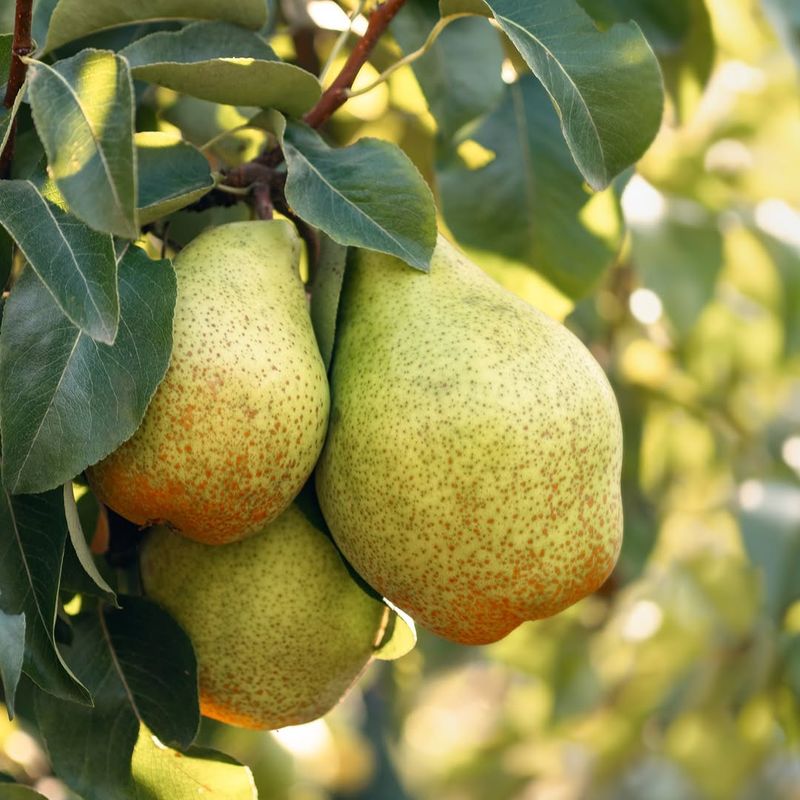
Pear trees are often the quietest performers in a backyard orchard. They don’t demand much, but a light June feeding can noticeably improve both fruit size and overall tree health heading into the hottest months.
Low-nitrogen fertilizer is the better choice for pears compared to most other fruit trees. High nitrogen pushes soft, lush growth that attracts fire blight, a bacterial disease that spreads fast in warm weather.
Keep the nitrogen modest and focus more on potassium.
Hood and Flordahome are two low-chill pear varieties that handle warm summer conditions reasonably well. Both are developing fruit through June.
A light feeding at this stage supports that fruit without triggering the kind of excessive shoot growth that invites problems.
Apply fertilizer in the early morning when soil temperatures are cooler. Hot afternoon soil reduces microbial activity that helps break down granular fertilizers.
Timing your application smarter gets more value out of every bag you buy.
Pear trees growing in heavier clay soils need less frequent feeding than those in sandy ground. Clay holds nutrients longer.
Sandy desert soils flush nutrients out faster with each irrigation cycle, so those trees benefit more from June supplementation.
Keep applications conservative. Pear trees in general prefer slightly lean conditions over heavy feeding.
A little goes a long way, and restraint here will serve the tree better over the long run.
7. Mulberry Trees Keep Growing Fast Through Summer
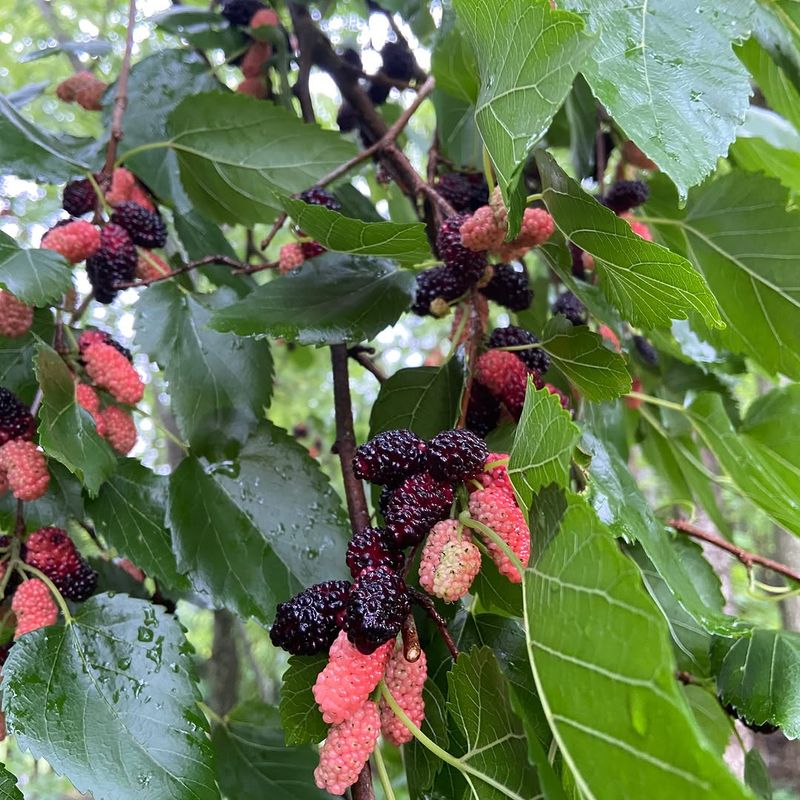
Mulberry trees grow at a pace that surprises most first-time owners. By June, they’re already putting out aggressive new growth and need fuel to keep that momentum going through the brutal summer ahead.
Nitrogen is the main thing mulberries want in summer. A fertilizer with a strong first number, like 21-0-0 or a similar high-nitrogen formula, works well.
Mulberries don’t need a heavily balanced blend the way fruit-producing trees do at this stage.
Fruitless mulberries are the most common variety planted in desert landscapes for shade. They grow fast and wide, which is exactly why they’re popular.
But fast growth burns through soil nutrients quickly, and sandy desert soils don’t replenish those nutrients on their own.
Apply fertilizer evenly under the full canopy spread. Mulberry roots extend well beyond where most people think to fertilize.
Concentrating fertilizer near the trunk leaves the majority of the root system without support.
Two applications through summer, one in June and one in August, usually keeps mulberry trees growing strong all season. Spacing them out prevents nitrogen overload, which can cause excessive soft growth that stresses the tree in extreme heat.
Water thoroughly after every fertilizer application. Mulberry trees are thirsty during summer and absorb nutrients most efficiently when soil moisture is consistent.
Dry conditions slow nutrient uptake significantly regardless of how much fertilizer you’ve applied.
8. Apricot Trees Respond Well To Post-Harvest Fertilizer
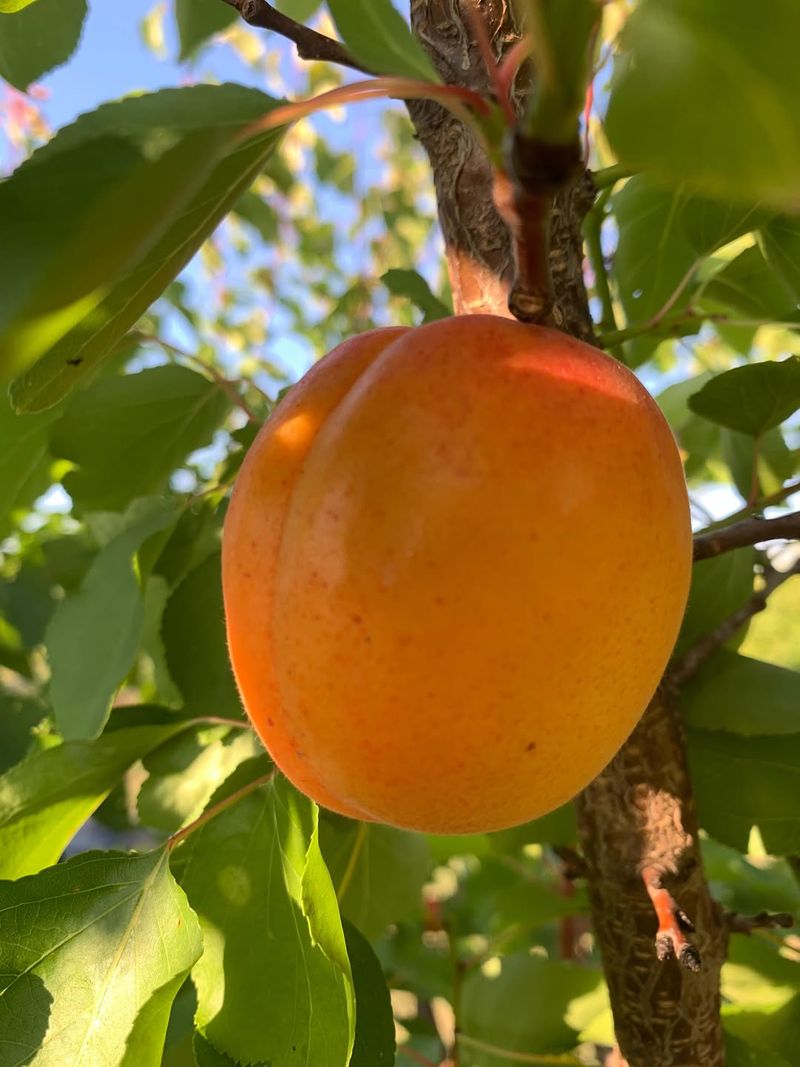
Apricot trees in warm desert climates finish their harvest earlier than most people expect, often wrapping up by late spring. That early finish makes June the perfect window for a post-harvest fertilizer application.
After harvest, an apricot tree shifts its energy toward rebuilding. It starts forming next year’s fruit buds and pushing out new shoot growth.
Both of those processes demand a fresh supply of nutrients, especially nitrogen and potassium.
A balanced fertilizer applied right after harvest supports that recovery phase well. Look for something in the 10-10-10 range or slightly higher in nitrogen.
Avoid skipping this step just because the tree looks healthy on the surface.
Royal and Blenheim are two classic apricot varieties that perform reasonably well in warmer elevations. Both benefit from a post-harvest feeding.
Trees that get fed consistently after harvest tend to produce larger crops the following year compared to those left unfed.
Spread fertilizer out to the drip line and a bit beyond. Apricot roots are wide-ranging and shallow.
Getting fertilizer to the full root zone makes a much bigger difference than piling it close to the trunk.
Water the tree well both before and after applying fertilizer. Apricot roots absorb nutrients most efficiently in moist soil.
In June’s heat, soil can dry out surprisingly fast, so check moisture levels before you start and adjust your watering schedule if needed.