What It Really Means When You See More Wasps Around Your Michigan Fruit Trees This Summer
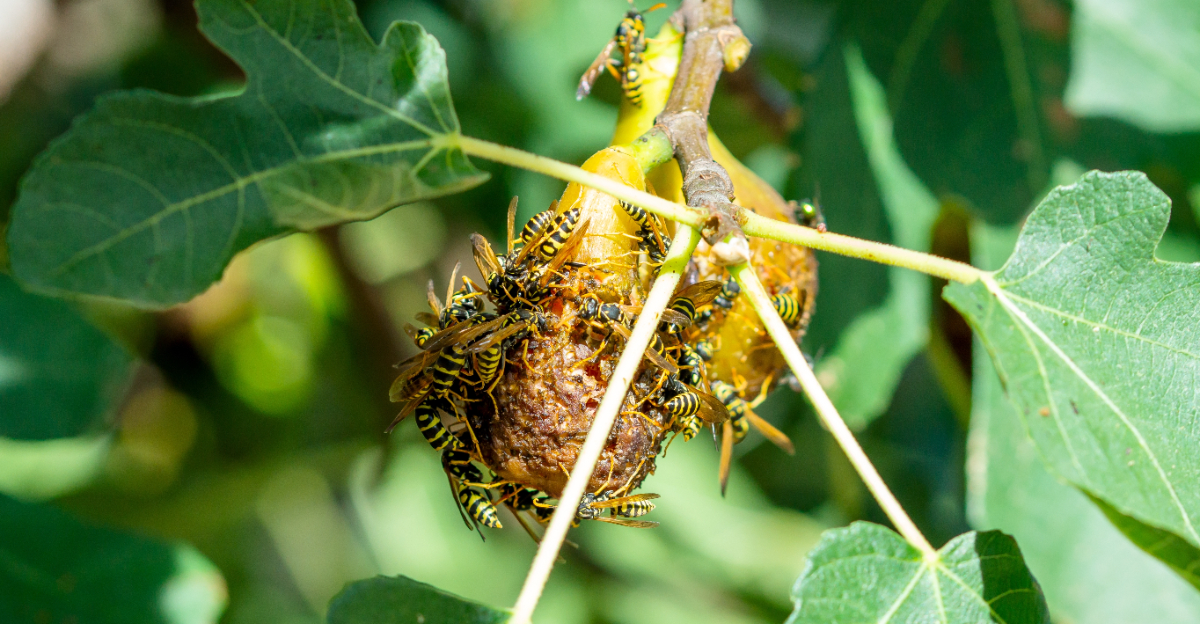
Wasps hovering around fruit trees occasionally is normal summer activity in Michigan. Wasps returning to the same trees in increasing numbers over consecutive days is a different situation entirely.
This behavior almost always points to something specific happening on or inside the fruit that the wasps are responding to with purpose.
Overripe fruit, damaged skin from other insects, or early fungal breakdown all create the kind of sugar and fermentation signals that wasps locate with remarkable efficiency.
A Michigan fruit tree drawing consistent wasp attention is communicating something about its current condition that is worth investigating before the underlying cause spreads further through the canopy or the harvest.
1. Ripe Fruit Is Drawing Them In
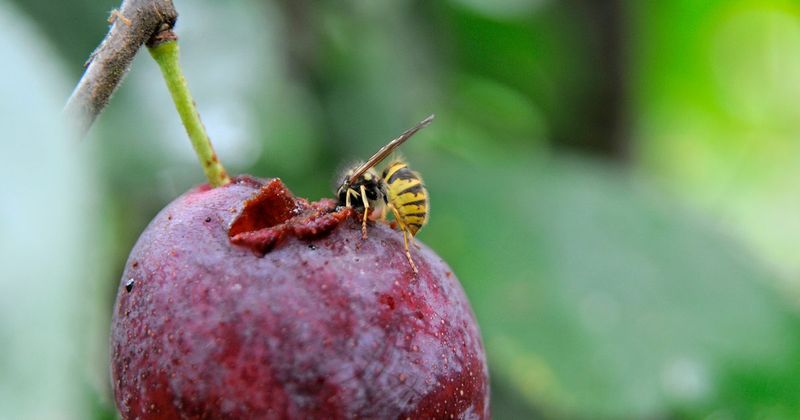
Sweet, juicy, and impossible to resist for wasps, ripe fruit is one of the biggest reasons you may suddenly notice more activity around your Michigan trees. As summer moves toward August and September, apples, pears, peaches, plums, and grapes hit peak ripeness.
That ripeness releases sugary scents into the air, and wasps have an incredible ability to track those scents from a surprising distance.
Yellowjackets in particular shift their diet later in the season. Early summer wasps focus on protein sources to feed their growing colonies, but by late summer, the colony stops expanding and workers start craving sugar instead.
Your fruit trees become a natural hotspot for that craving. Michigan gardeners often notice this shift happening almost overnight. One week the trees look fine, and the next, wasps are everywhere.
Nothing went wrong with your tree. The fruit simply reached the sweetness level that wasps find irresistible.
Picking fruit as soon as it ripens, rather than letting it hang until it softens further, can reduce how long and how heavily wasps visit.
Checking your trees every couple of days during peak ripening season makes a real difference in managing wasp traffic before it becomes overwhelming.
2. Split Fruit May Be Starting The Problem
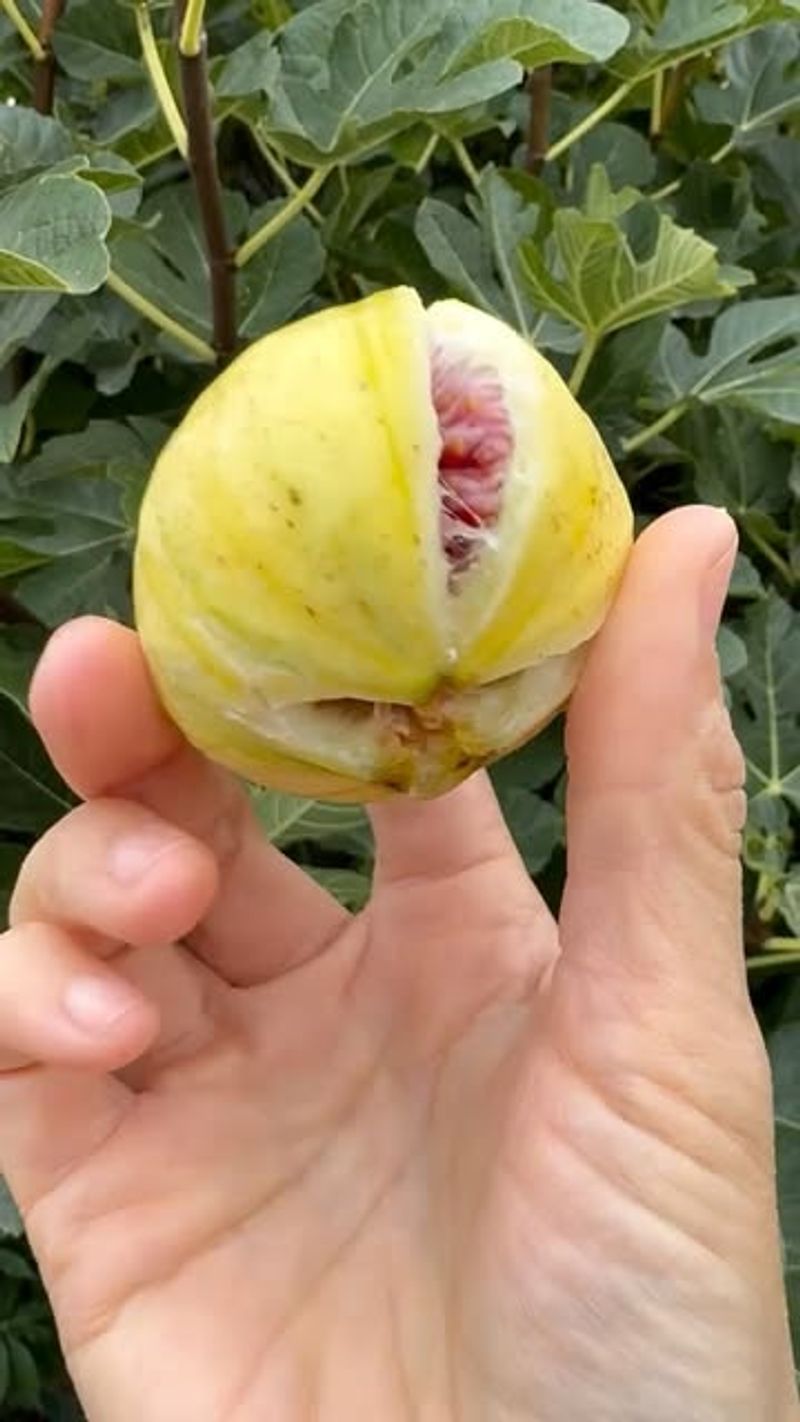
Not all fruit on your tree looks picture-perfect by late summer, and that is exactly what wasps are counting on. Cracks, soft spots, bird pecks, and small insect openings give wasps an easy entry point into the sweet juice inside.
Firm, unbroken fruit actually takes more effort for a wasp to access, so damaged fruit becomes the first stop on their route through your garden.
Summer storms, rapid growth spurts, inconsistent watering, or even hungry birds can cause fruit to split or bruise before you notice. Once that happens, the exposed flesh releases even more sugar into the air.
Wasps pick up on this quickly and will return to the same spot repeatedly once they find a reliable source.
Michigan gardeners sometimes assume the whole tree is the problem when really just a few damaged pieces are driving most of the activity. A close inspection of individual fruit can reveal exactly where the action is centered.
Removing cracked or damaged fruit promptly, even if it feels like a waste, removes the main attraction and can noticeably reduce wasp visits within a day or two.
Your Michigan Garden Changes Every Week. Your Plan Should Too.
Gardening in Michigan changes quickly throughout the season. Every Friday you’ll receive a simple weekly plan showing exactly what to plant, prune, fertilize, harvest, and protect so you never miss the right timing.
Checking the tree every morning during warm spells helps you stay ahead of the damage before wasps find it first and claim that spot as their regular feeding ground.
3. Fallen Fruit Is Feeding Them From Below
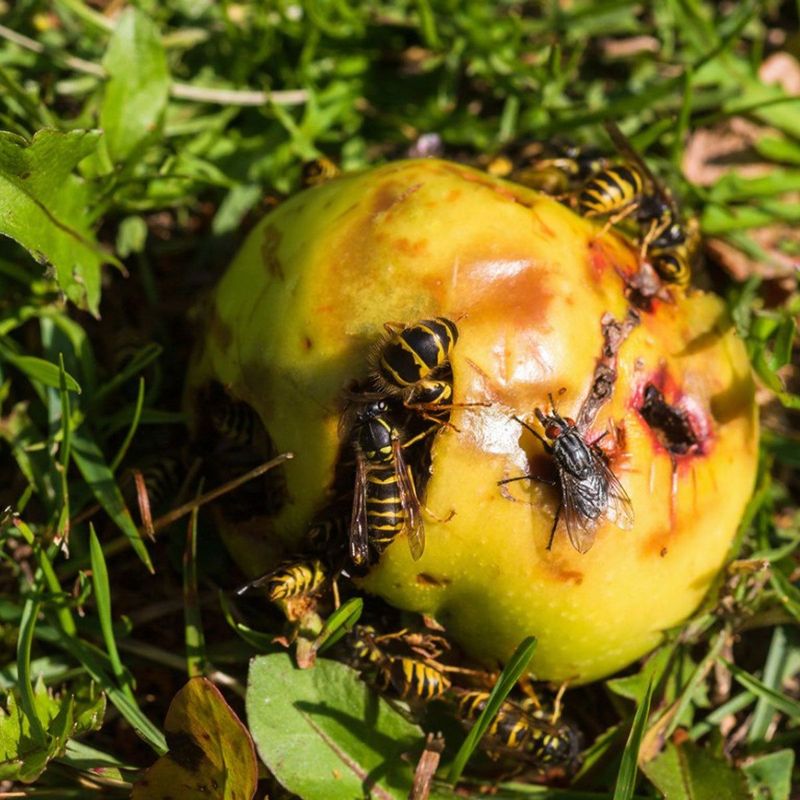
What happens below the tree matters just as much as what hangs on the branches. Fallen fruit softens fast in Michigan summer heat, and once it hits the ground, it becomes a wasp buffet that is even easier to access than fruit still on the tree.
The warmth speeds up fermentation, which creates an even stronger sugar smell that draws wasps in from a wider area.
Many gardeners focus on the fruit above their heads without realizing the ground beneath the canopy is the real hot zone.
If you have a patio, a path, a play area, or a favorite harvest spot near your trees, fallen fruit nearby can make the whole area feel more active with wasps than you might expect.
Picking up dropped fruit regularly, ideally every day or two during the height of the season, is one of the most effective things you can do to reduce wasp pressure around your trees.
Toss fallen fruit into a sealed compost bin or a bag you can close tightly rather than leaving it in an open pile.
Even moving the collection spot away from areas where people spend time can help lower the chances of an unpleasant encounter. Staying consistent with cleanup through August and September keeps the situation manageable without much extra effort on your part.
4. They May Be Visiting Sap Or Wounds
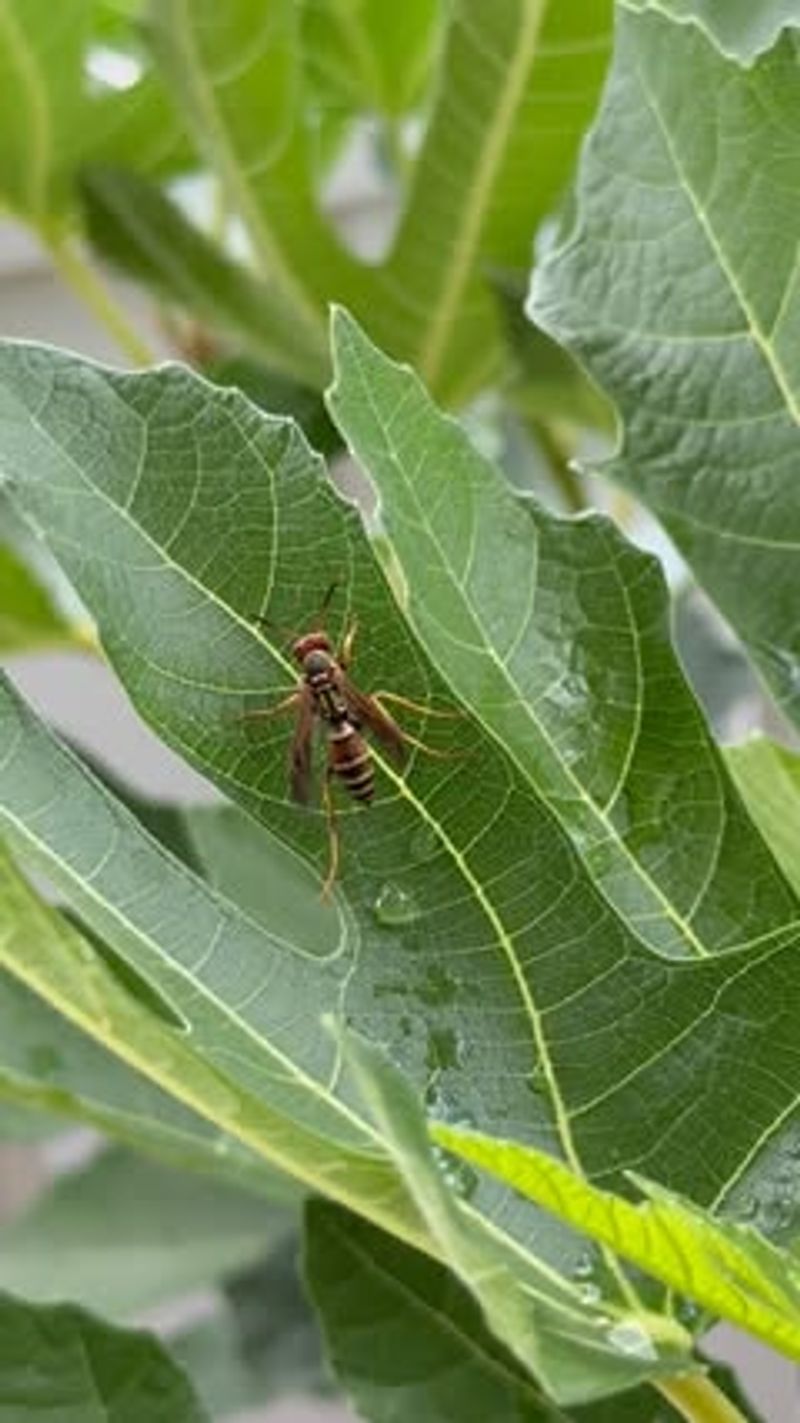
Fruit is not the only sweet thing on your tree. Sap flowing from bark wounds, old pruning cuts, broken limbs, or spots where insects have bored into the wood can attract wasps even before a single piece of fruit reaches full ripeness.
Sugary tree sap is an easy meal, and wasps will take advantage of it whenever they find it.
Michigan fruit trees often carry old pruning cuts or minor storm damage from previous seasons. If that bark never fully sealed, sap may still seep out slowly during warm weather.
Borers and other wood-feeding insects can also create small openings that let sap escape. Wasps are good at finding these spots, and once they do, they tend to visit regularly.
If you notice wasp activity concentrated on the trunk or a specific branch rather than on the fruit itself, that is a strong clue that sap or a wound is the real draw. Walking around the tree and inspecting the bark closely can help you pinpoint the source.
Healthy pruning practices, done at the right time of year, allow cuts to seal more cleanly and reduce sap exposure.
Keeping your trees in good shape with proper care each season lowers the chances of creating the kind of open wounds that give wasps a reason to hang around your tree before harvest even begins.
5. A Nearby Nest May Be Active
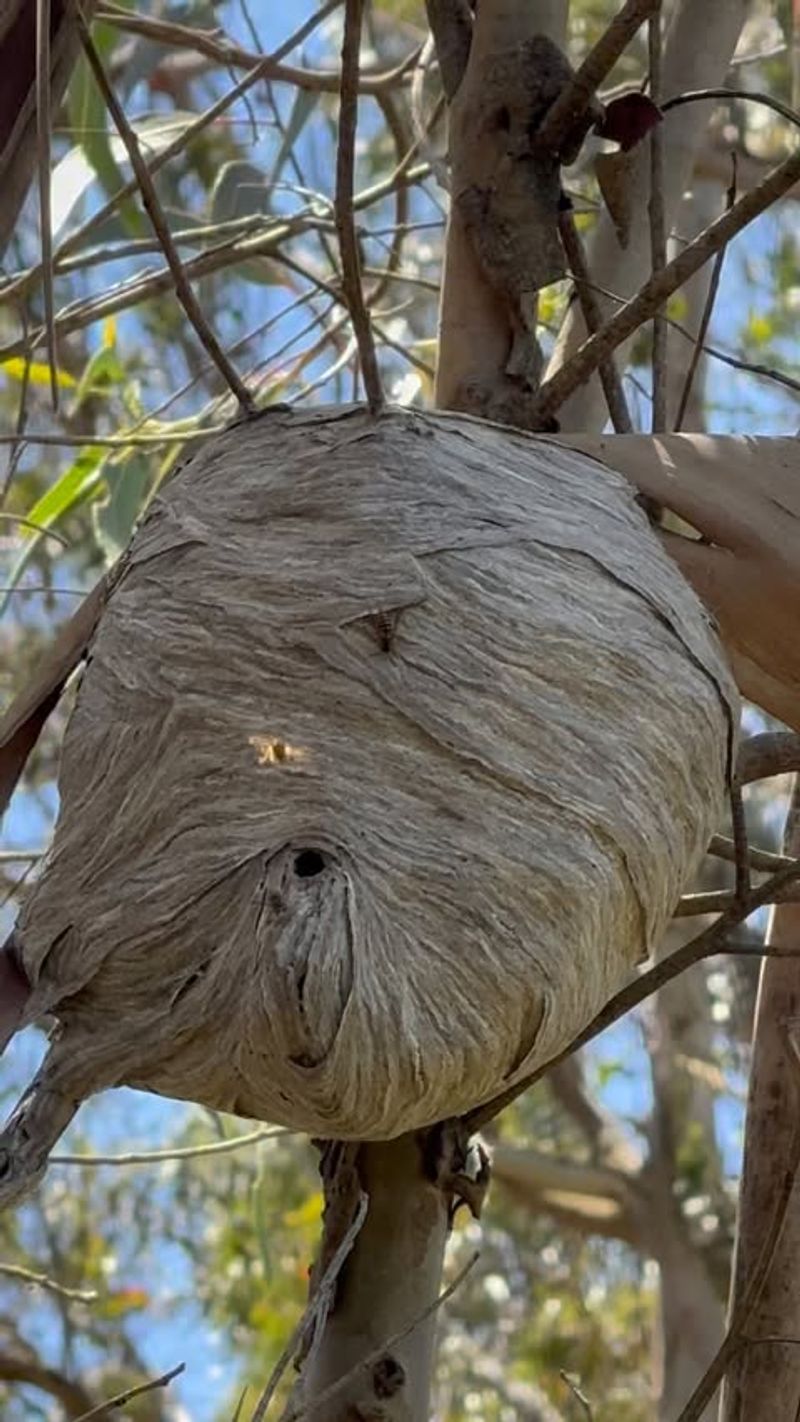
Sometimes the fruit is not the main story at all. Heavy, consistent wasp traffic around one particular tree could mean a nest is located nearby, and the tree just happens to sit in the flight path.
Yellowjackets, which are among the most common wasps in Michigan, frequently build their nests underground or inside hollow spaces like wall voids, old logs, or gaps under garden structures.
Paper wasps tend to nest under eaves, in dense shrubs, or along fence lines and are more visible. Bald-faced hornets build the large gray papery nests you might spot hanging from branches or roof overhangs.
Each type has different habits, but all of them become more protective and active as the colony reaches its peak size in late summer.
If you suspect a nest is nearby, watch the flight pattern from a comfortable distance rather than poking around vegetation or reaching under structures. Wasps flying in a consistent line toward one spot are usually heading home.
Knowing where a nest is located helps you plan around it and avoid accidental disturbances. Mowing near a ground nest or moving items stored close to a paper nest can trigger a defensive response.
Give nests a wide berth, and if one is in a high-traffic area of your yard, reaching out to a licensed pest control professional in Michigan is a smart and safe move.
6. They May Still Be Helping With Garden Balance
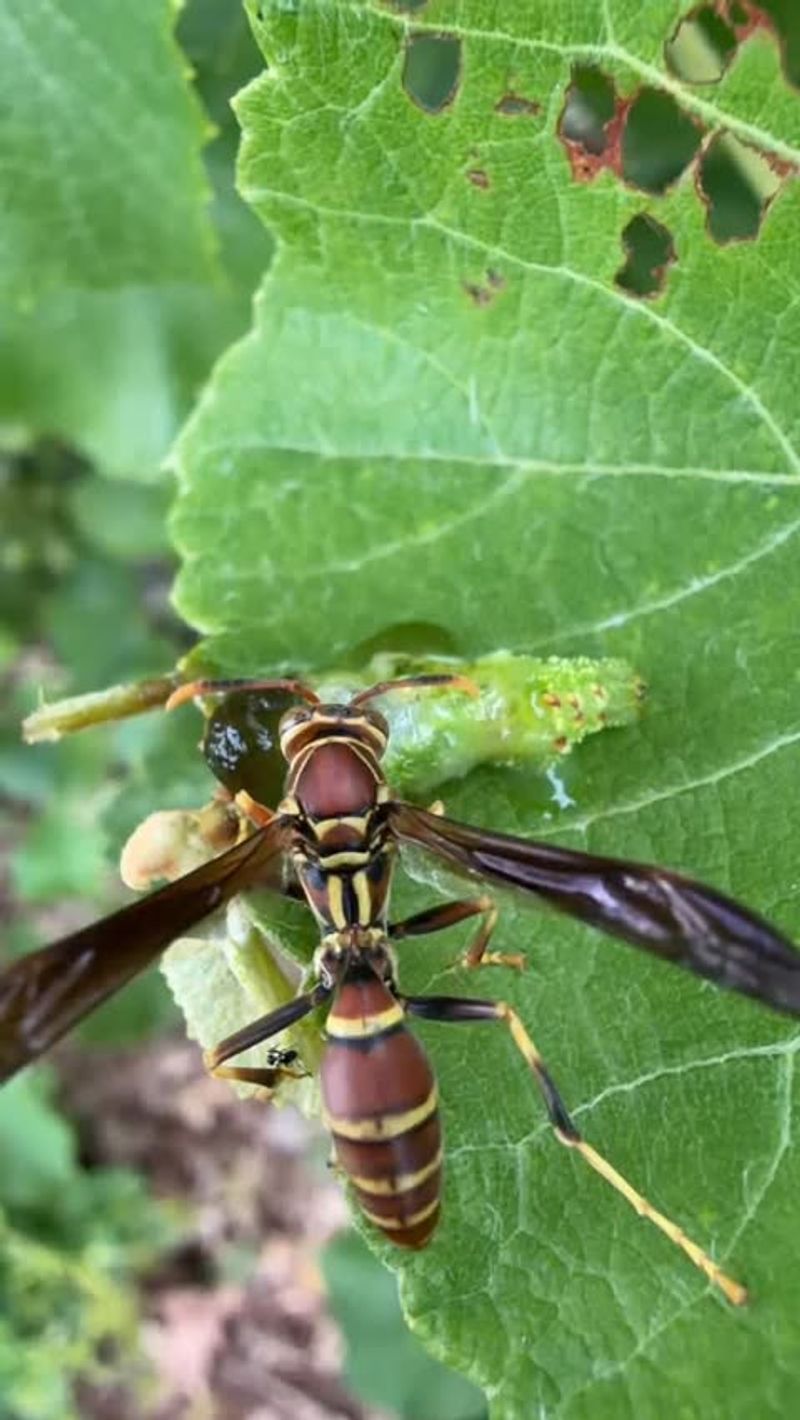
Before writing off every wasp in your yard as a problem, it helps to know what they were doing earlier in the season. Many wasp species, including paper wasps and yellowjackets, spend the first half of summer hunting other insects to feed their larvae back at the nest.
Caterpillars, aphids, flies, and other soft-bodied garden pests are all fair game.
That hunting behavior makes wasps genuinely useful in a balanced garden ecosystem. Michigan gardeners who grow vegetables alongside their fruit trees sometimes benefit from having wasps patrol the area during June and July.
Fewer caterpillars on your plants can mean less leaf damage and healthier growth without any spraying on your part.
By late summer, though, the colony dynamic shifts. The queen stops laying eggs, larval demand for protein drops, and workers pivot to seeking sugar for their own energy.
That is when fruit trees and outdoor dining spaces start getting more attention. Understanding this seasonal shift helps put the late summer wasp surge into perspective.
The same insects that were quietly helping control pests a few weeks earlier are now drawn to your harvest. They did not suddenly turn bad.
Their role in the garden just changed with the season, and knowing that makes it easier to respond thoughtfully rather than panicking the moment you spot a wasp near your peach tree.
7. Late Summer Sugar Seeking Is Normal
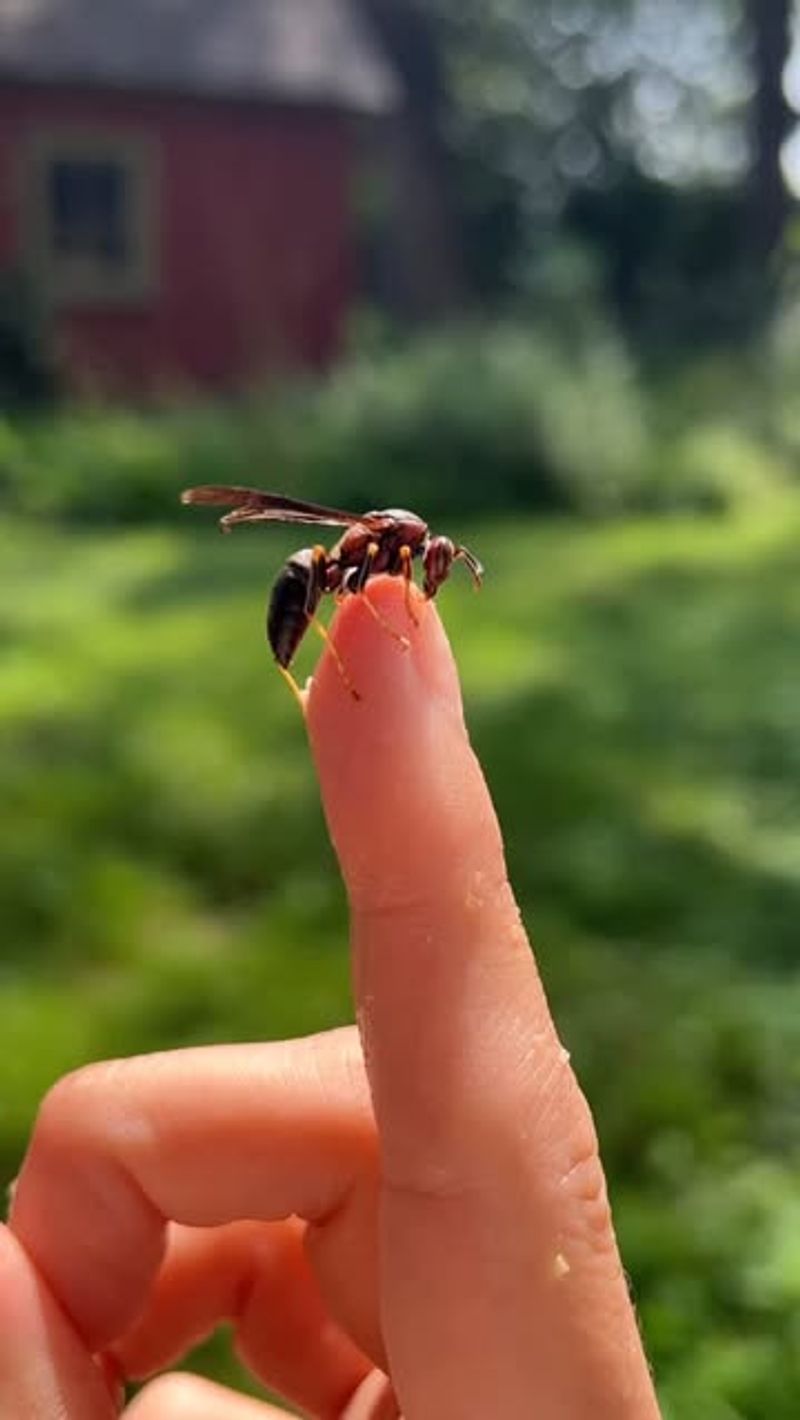
Every August, something shifts in the wasp world, and Michigan gardeners with fruit trees tend to feel it firsthand. Earlier in the season, wasps blend into the background, busy with nest duties and insect hunting.
Then, almost without warning, they start showing up at picnics, hovering near drinks, and buzzing around fruit trees with a persistence that feels new and a little unsettling.
The reason behind this change is straightforward. Late summer colonies are large and fully developed, which means more individual wasps are out foraging at any given time.
On top of that, their nutritional needs have shifted entirely toward sugar. Ripe fruit, fruit juice, sweet drinks, and anything fermented all register as attractive food sources during this phase of the season.
Michigan summers tend to produce warm, extended August and September periods that keep fruit trees productive well into fall.
That overlap between peak colony size and peak fruit ripeness creates the perfect conditions for a noticeable wasp surge.
Gardeners who have never had a wasp issue before sometimes find themselves surprised by how active things get. Knowing this pattern is seasonal and predictable takes some of the stress out of it.
The activity naturally slows as temperatures drop in fall and colonies wind down on their own. Until then, managing your orchard thoughtfully is the best tool you have for keeping things manageable.
8. Harvesting Often Can Reduce The Attraction
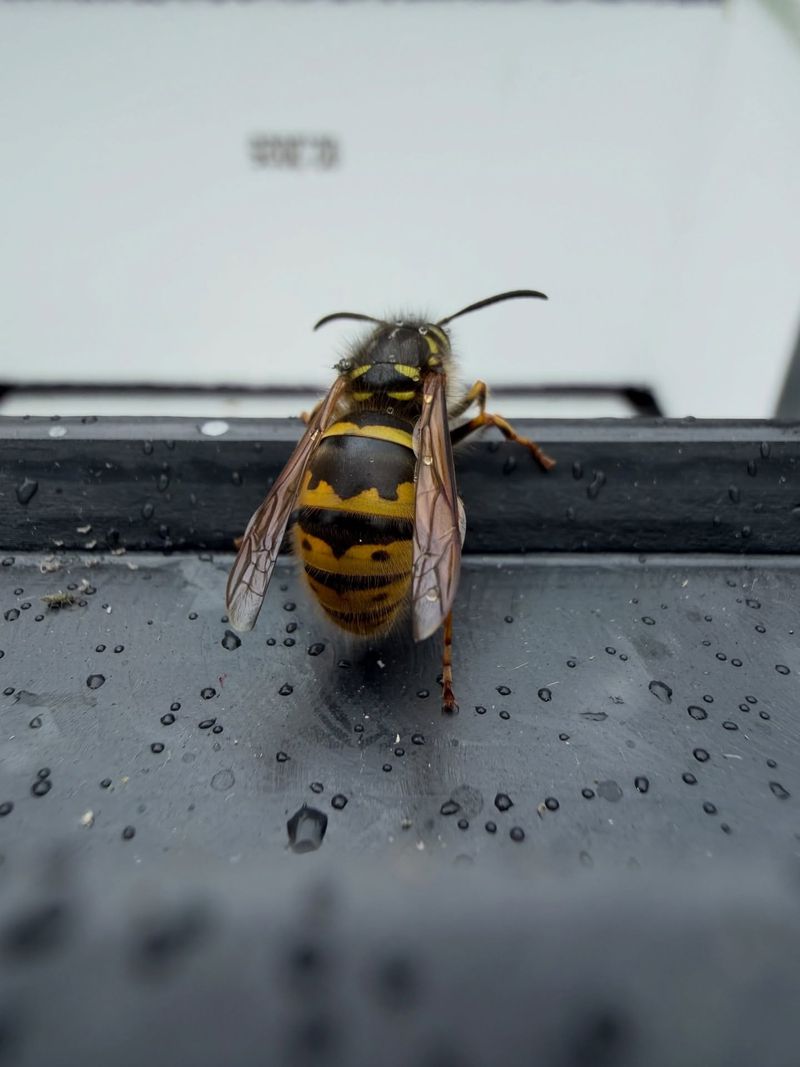
One of the most practical things you can do when wasps are active around your fruit trees is also one of the simplest: pick the fruit more often.
Ripe fruit hanging on the tree is a standing invitation, and the longer it stays there, the softer and more fragrant it becomes.
Frequent harvesting removes that invitation before wasps have much time to settle in and claim the spot.
Michigan fruit trees can ripen quickly during warm summer stretches. Apples and pears that looked firm on Monday might be soft and splitting by Thursday.
Checking your trees every two to three days during peak season, rather than waiting for a big harvest day, keeps fruit from reaching the over-soft stage that wasps find most appealing.
Overripe fruit left on branches and damaged pieces that have already attracted attention should come down promptly.
Even fruit that has been nibbled by a bird or split from the inside is worth removing, because leaving it in place gives wasps a reliable food source they will return to again and again.
Harvesting into a sealed container rather than an open bucket also helps. Storing picked fruit inside or in a cool space away from the orchard area keeps the scent from lingering near the tree.
Small, consistent habits during harvest season add up to noticeably less wasp activity without requiring much extra time or effort from you.
9. Outdoor Food And Drinks Can Add To The Traffic
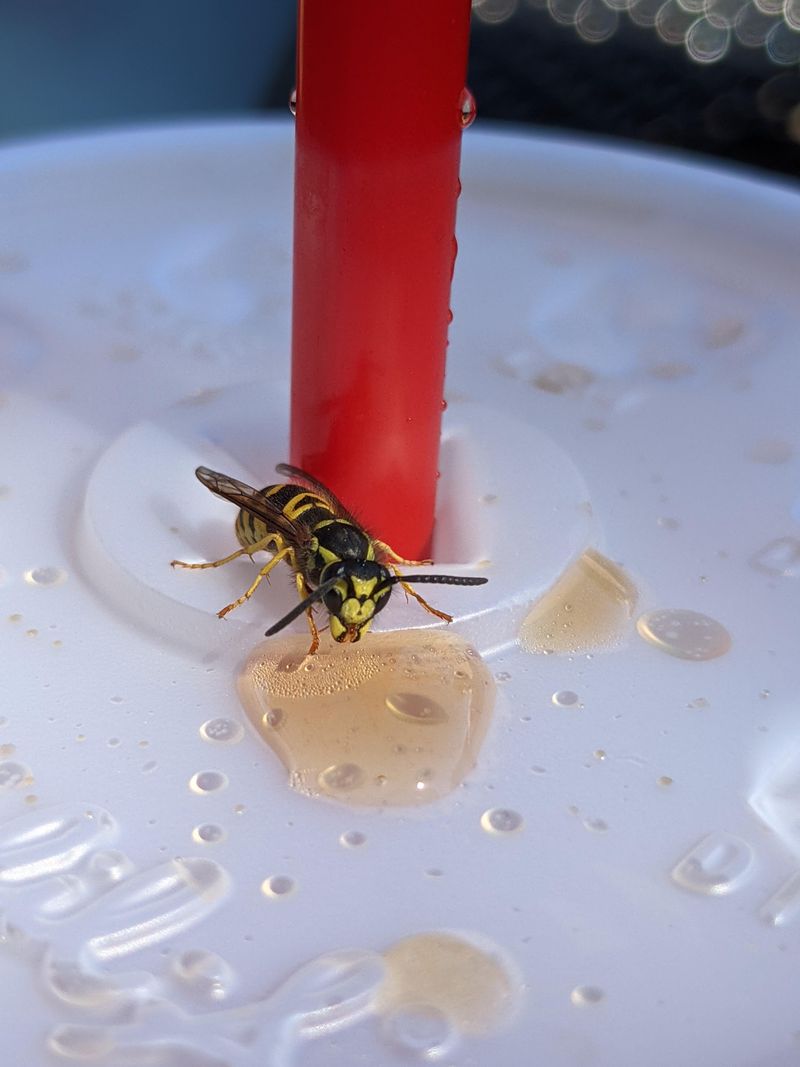
Your fruit tree might not be the only reason wasps keep showing up in that corner of your yard. Patios and outdoor dining areas located near trees create a zone where multiple food sources overlap, and once wasps find that zone, they tend to keep checking it.
Open cans of soda, uncovered juice glasses, fruit salad left on the table, and even pet food bowls can all pull wasps in from the surrounding area.
Trash cans without tight-fitting lids are a surprisingly big factor. Food scraps, sweet wrappers, and drink residue left in open bins give wasps a reliable reason to patrol the same area day after day.
Compost piles that include fruit scraps and are left uncovered work the same way, especially when they sit close to your trees or seating areas.
Wasps have strong spatial memory and will return to a location where they found food before, even after the original source is gone.
That means managing all the attractants around your fruit trees together, not just the fruit itself, gives you the best chance of reducing overall activity.
Cover trash cans, bring food and drinks inside when you are done eating outdoors, and move compost bins away from your main garden and patio areas.
Taking a whole-yard approach rather than focusing only on the tree makes a noticeably bigger difference in how many wasps you encounter throughout the rest of the summer season.