The Essential Oils Pest Control Experts Recommend To Help Repel Wasps In Michigan

Wasp pressure around Michigan homes and gardens peaks through July and August, when colonies reach their largest populations and foraging activity intensifies around outdoor living spaces, garden beds, and anything sweet or protein-rich left in the open.
Essential oils are no longer considered just folk remedies for pest management. A growing body of research proves that specific oils are genuinely effective wasp deterrents when used correctly.
The application method, concentration, and placement all matter significantly in determining whether an essential oil treatment produces real results or just a pleasant smell that wasps ignore completely.
Michigan homeowners dealing with persistent wasp activity have found several of these recommendations surprisingly effective as part of a broader management approach that does not rely entirely on chemical sprays.
1. Clove Oil
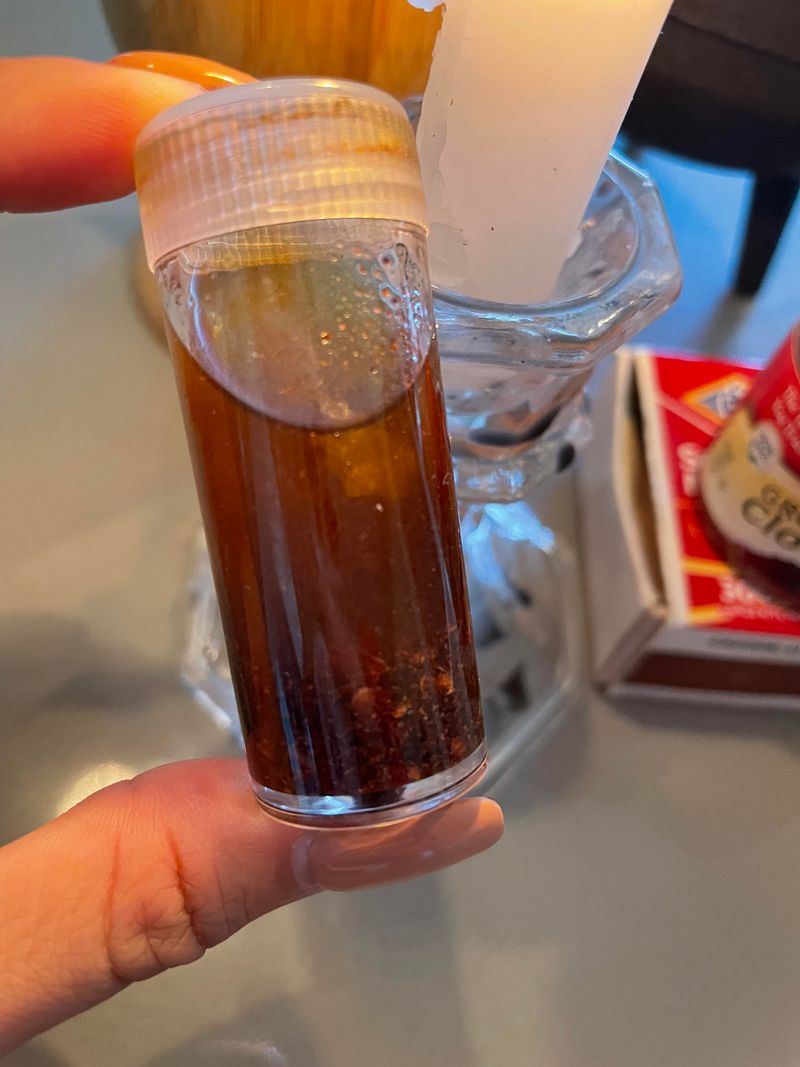
Few scents stop wasps in their tracks quite like clove oil. With its sharp, spicy aroma, clove oil has been recognized in wasp repellency research as one of the more effective essential oils for discouraging these insects around outdoor spaces.
Michigan homeowners dealing with curious wasps near their patios and porches often find it to be one of the strongest natural options available.
Using it safely matters just as much as using it at all. Always dilute clove oil in water before applying it anywhere outside.
A common starting point is about 10 drops of oil per two cups of water, along with a small amount of mild unscented liquid soap to help the mixture blend together properly.
Shake the bottle well and spray lightly on outdoor surfaces like railings, furniture legs, and door frames.
Never spray clove oil directly on skin, pets, food, or active wasp nests. Applying it near a nest can agitate the colony and create a much bigger problem.
Stick to surfaces in areas where wasps have started showing interest. Reapply after rain because water breaks down the scent quickly.
Clove oil works best as part of a consistent prevention routine, especially during warmer months when wasp activity peaks noticeably.
2. Geranium Oil

Geranium oil brings something special to a wasp deterrent blend. Its rosy, slightly herbal scent is pleasant to most people but noticeably unwelcome to wasps.
Pest control experts often pair geranium oil with clove and lemongrass in scent-based deterrent recipes because together these oils create a layered aroma that wasps seem to want to avoid.
Michigan homeowners can put geranium oil to work in several outdoor spots. Door frames, patio furniture legs, deck railings, and even trash can lids are all good targets for a lightly sprayed diluted mixture.
Because geranium oil can sometimes affect certain surface finishes, always test a small hidden area before spraying more broadly. A quick patch test on wood or painted metal can save a lot of frustration later.
Mixing geranium oil into a multi-oil spray is one of the smartest ways to use it. On its own, the scent fades relatively quickly outdoors, especially on warm summer days.
Combining it with stronger oils like clove helps the blend stay effective longer between applications. Reapply every few days or after any rainfall to keep the scent barrier fresh.
Your Michigan Garden Changes Every Week. Your Plan Should Too.
Gardening in Michigan changes quickly throughout the season. Every Friday you’ll receive a simple weekly plan showing exactly what to plant, prune, fertilize, harvest, and protect so you never miss the right timing.
Consistency is what makes this approach genuinely useful rather than just a one-time attempt at keeping wasps away from your outdoor living areas.
3. Lemongrass Oil
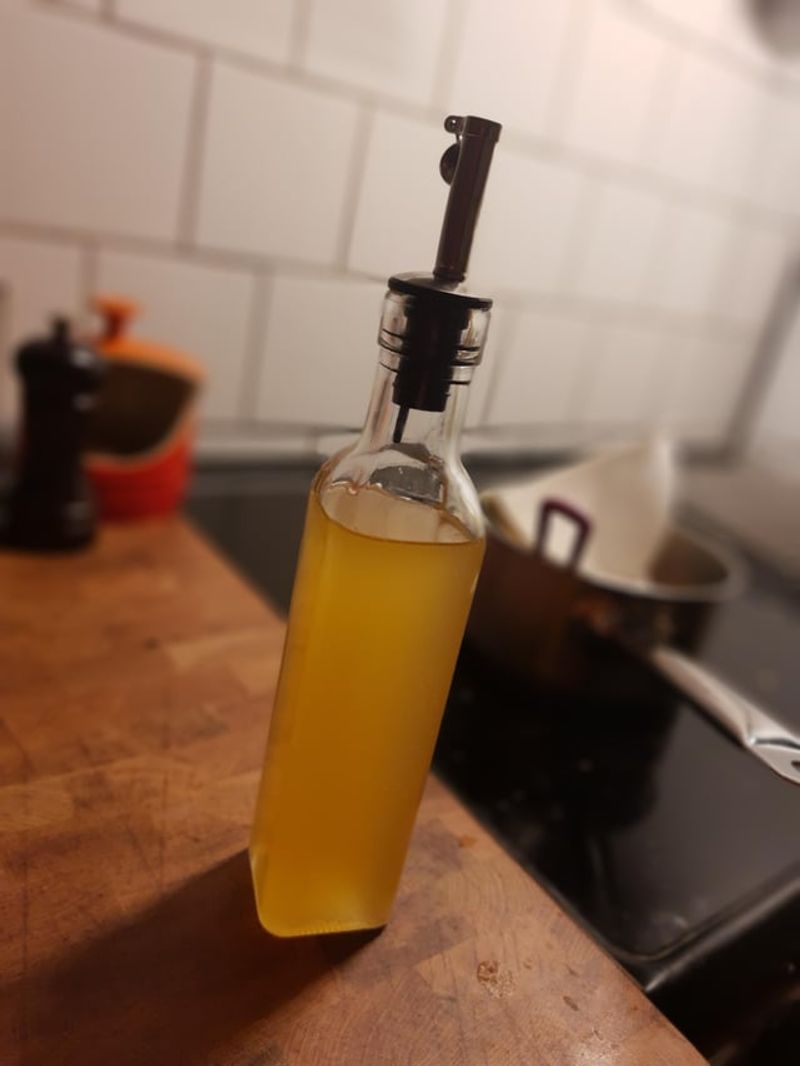
Lemongrass oil carries a bold citrus-herbal scent that many people genuinely enjoy outdoors, but wasps tend to feel very differently about it.
Research looking at essential oils and wasp repellency included lemongrass among the oils that showed notable deterrent effects.
That combination of a pleasant human-friendly aroma and wasp-unfriendly properties makes it a popular choice for Michigan outdoor spaces.
Adding lemongrass oil to a prevention spray routine is straightforward. It blends well with geranium and clove oil, making it a natural fit in multi-oil recipes.
The strong scent dissipates faster in open outdoor air than it does inside, so reapplication every few days is a smart habit, especially through Michigan’s peak wasp season from late summer into early fall when colonies are at their largest.
One important point worth keeping in mind is that lemongrass oil spray is a prevention tool, not a fix for an already active nest. Spraying it near an established nest is not safe and will not resolve the problem.
For outdoor areas that are currently nest-free, lemongrass spray can help make those spaces less inviting as wasps scout for new spots to investigate.
Pairing it with other deterrent habits, like keeping food covered and trash sealed, makes the overall approach much more effective than relying on scent alone.
4. Peppermint Oil

Peppermint oil might be the most recognized essential oil name in the world of natural wasp deterrents. Its intensely cool, sharp scent is hard to miss, and wasps appear to share that strong reaction in a very different way than humans do.
The EPA has even listed peppermint oil as an example of an ingredient found in some unregistered repellent products, which speaks to how widely it has been used in this space.
Making a simple peppermint spray at home is easy. Combine about 10 drops of peppermint oil with two cups of water and a small squirt of mild soap, shake well, and spray on outdoor surfaces where wasps have been spotted circling or landing.
Porch ceilings, furniture legs, and the undersides of deck railings are all worth targeting since wasps often scout these spots when looking for nesting locations.
One thing to stay realistic about is that peppermint spray is not a guaranteed barrier. Rain washes the scent away quickly, so reapplication after every shower is necessary to keep it working.
Homemade sprays also vary in strength depending on oil quality and dilution.
Treating peppermint oil as one helpful layer in a broader prevention strategy, rather than the entire solution, gives Michigan homeowners a much more honest expectation of what it can realistically deliver during wasp season.
5. Citronella Oil
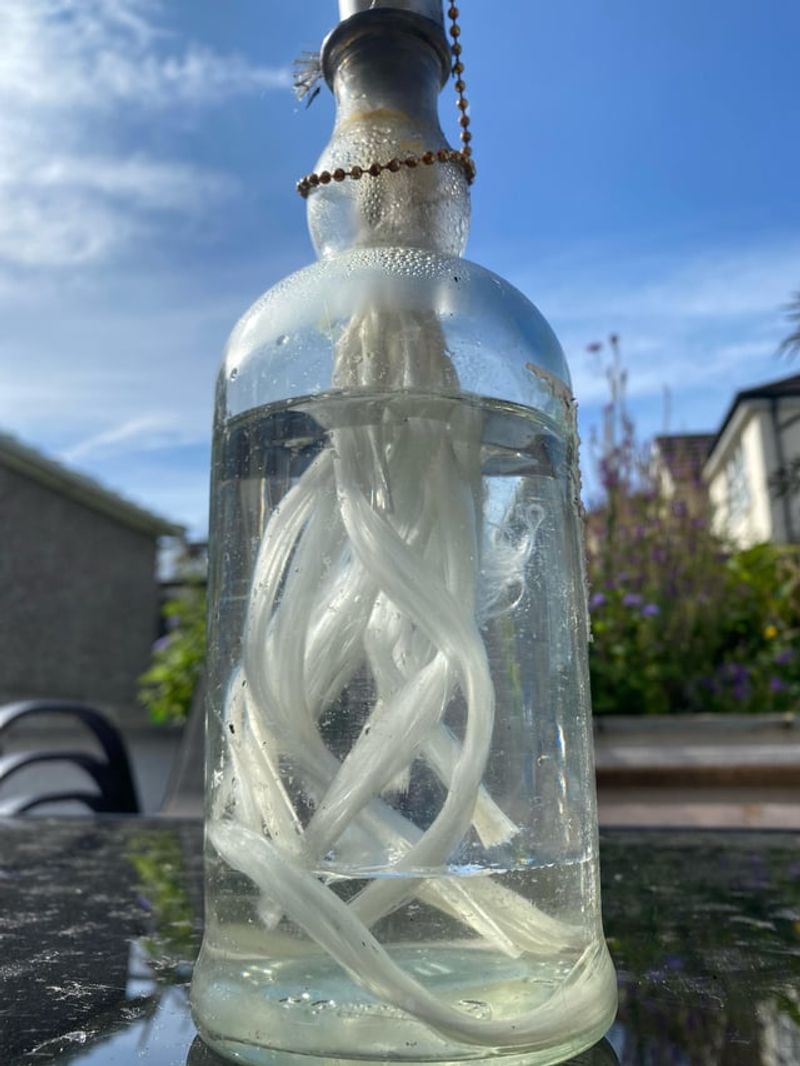
Citronella oil is one of the most familiar names in outdoor insect deterrence, largely because of its long history in candles and torches designed to keep bugs at bay during warm evenings.
Beyond its well-known reputation, citronella was also included among the oils that showed repellency in wasp research, making it a genuinely useful addition to a Michigan homeowner’s outdoor scent strategy.
Using citronella oil around your yard is about smart placement. Applying a diluted spray to outdoor gathering surfaces, patio furniture, porch railings, and the edges of seating areas gives the scent a chance to work where people actually spend time.
One placement to avoid is directly on or near flowers where pollinators like bees are actively feeding.
Broad spraying near garden beds can unintentionally affect beneficial insects, so keeping applications targeted and surface-focused is the responsible approach.
Citronella’s scent fades faster in open air than it does in enclosed spaces, which means outdoor reapplication is needed more often than you might expect.
Every two to three days is a reasonable schedule during peak wasp activity in Michigan, and always reapply after rain.
Pairing citronella oil with stronger oils like clove in a blended spray can extend the overall effectiveness and give the deterrent scent more staying power across a broader outdoor area throughout the season.
6. Thyme Oil

Thyme oil brings a sharp, herby punch to any essential oil blend, and wasps are not fans of it at all. Included in research examining oils with repellency effects, thyme oil has earned a real spot in the conversation about natural wasp deterrence.
Its strong aromatic profile makes it particularly useful when mixed into a multi-oil spray for patios, porches, and other outdoor areas where wasps tend to scout.
Because thyme oil is highly concentrated, using it sparingly is genuinely important. A few drops go a long way in a diluted spray mixture.
Applying too much can irritate skin on contact and may even damage sensitive outdoor surfaces like painted wood or certain plastics if used at too high a concentration.
Always dilute thyme oil thoroughly in water with a small amount of mild soap before applying it anywhere outside.
Think of thyme oil as the bold supporting character in a well-formulated blend rather than a standalone solution. Pairing it with clove, lemongrass, or geranium creates a scent combination that is harder for wasps to ignore.
Spray lightly on railings, furniture legs, and door frame edges, then step back and let the aroma do its work. Reapply every few days and always after frequent summer rain showers wash the scent from outdoor surfaces.
7. Rosemary Oil
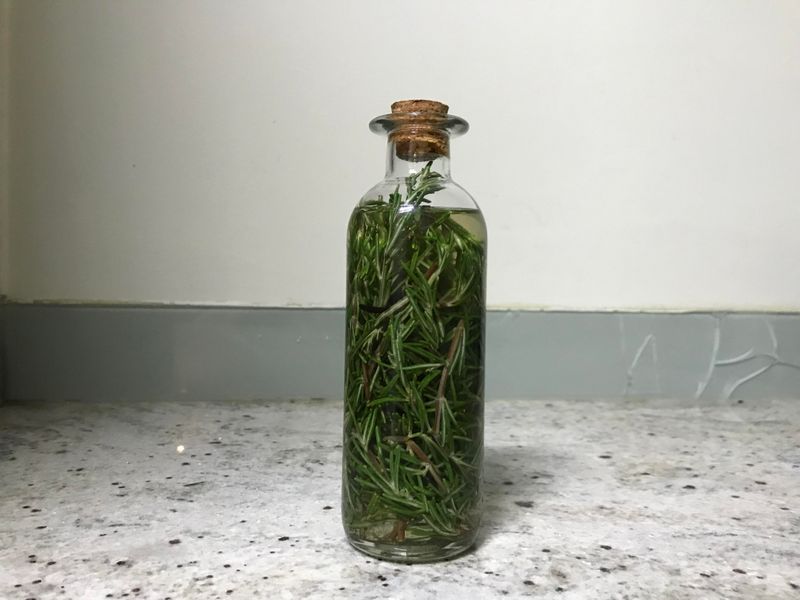
Rosemary oil might remind you of a Sunday roast, but to wasps, it signals something far less welcoming.
Research on essential oil repellency included rosemary among the oils that showed deterrent effects, which makes it a practical choice for homeowners looking for a herbal scent-based option around patios and outdoor storage areas.
The woody, piney aroma it produces is noticeable and persistent enough to make outdoor spaces feel less attractive to scouting wasps.
Rosemary oil pairs especially well with peppermint or lemongrass in small diluted amounts. Combining these scents creates a layered aromatic profile that tends to linger a bit longer than single-oil sprays applied on their own.
Apply the diluted blend to porch railings, shed door edges, patio furniture legs, and the corners of outdoor storage areas where wasps have shown interest in previous seasons.
Michigan homeowners who store seasonal equipment in outdoor sheds often find that rosemary oil spray around door frames helps discourage wasps from investigating the interior during warmer months.
Wasps commonly scout sheltered spots like shed eaves and corners for nesting sites.
Applying a light deterrent spray around entry points at the start of the season, and refreshing it regularly, gives you a proactive advantage before any nesting activity has a chance to get started in those vulnerable outdoor locations.
8. Lavender Oil
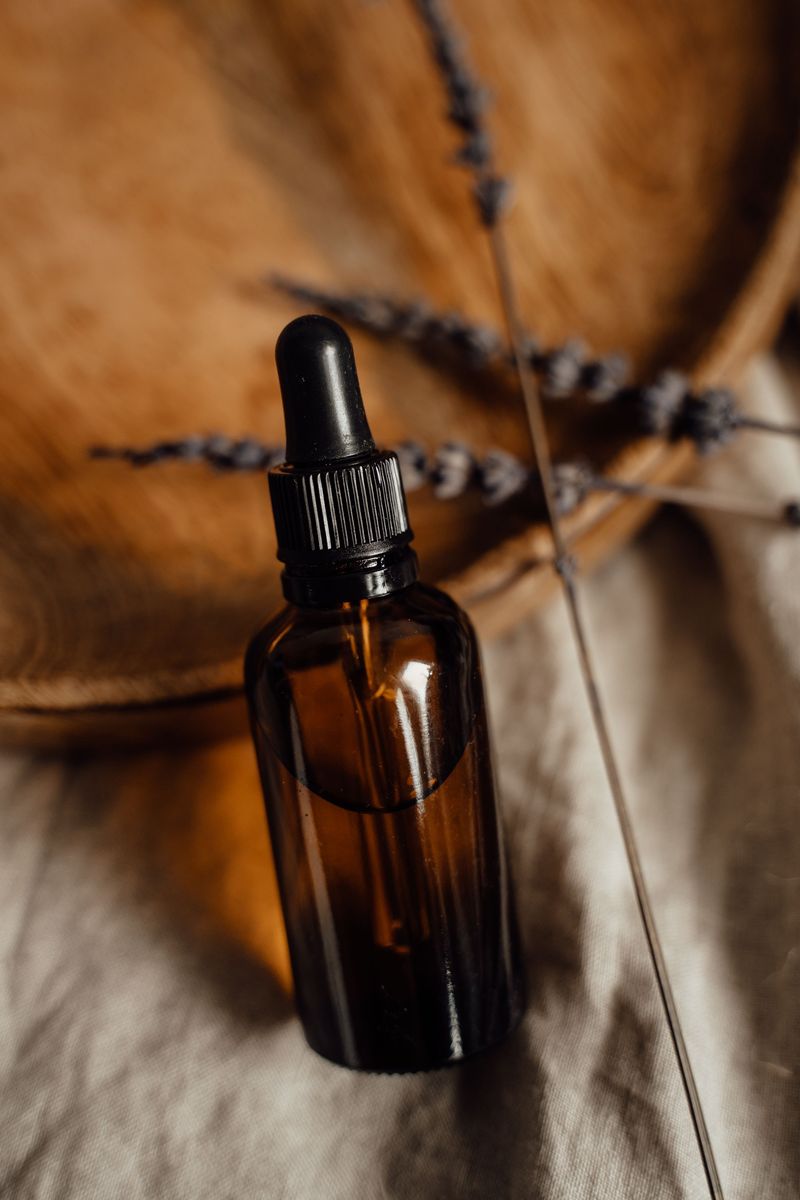
Lavender oil has a reputation for being one of the gentler essential oils, and that holds true in the world of wasp deterrence too.
It was included among oils showing repellency in research, though it is generally considered less intense than options like clove or geranium.
For homeowners who prefer a softer scent profile in their outdoor spaces, lavender can still play a genuinely helpful supporting role in a broader deterrent strategy.
The key to making lavender oil effective outdoors is pairing it with stronger oils rather than relying on it alone. Blending lavender with clove, geranium, or lemongrass creates a richer scent combination that has more deterrent strength than lavender by itself.
The lavender adds a pleasant aromatic layer while the stronger oils carry the heavier lifting in terms of actually discouraging wasps from settling into the area.
Michigan homeowners who enjoy spending time on their decks or patios often appreciate lavender oil blends because the scent is enjoyable for people without being overwhelming.
Spray the diluted blend on outdoor furniture, railings, and porch corners, and refresh the application every few days.
After any rain, reapplication is a must since the scent washes off outdoor surfaces quickly. Lavender works best as a complement to a thoughtfully blended multi-oil spray rather than as the primary ingredient in your wasp deterrent routine.
9. Where To Use Essential Oil Spray Outside

Knowing which oils to use is only half of the equation. Knowing exactly where to apply them is what actually makes the deterrent strategy work in practice.
Michigan homeowners should focus their essential oil spray on surfaces where wasps are most likely to investigate, including porch railings, patio table legs, door frames, shed door edges, trash can lids, and the sides of outdoor storage bins.
These are the spots wasps tend to scout first. Areas where small nest starts appeared in previous seasons deserve extra attention. Early in the season, a wasp queen may return to familiar spots to begin building.
Applying deterrent spray around those locations before warm weather fully arrives gives you a proactive head start.
Corners of porch ceilings, gaps near shed eaves, and spaces around outdoor light fixtures are all worth checking and treating before activity picks up.
There are several places where essential oil spray should never go. Active wasp nests are completely off-limits since spraying near them can agitate the colony and escalate the situation dangerously.
Never apply the spray on skin, directly on pets, on food preparation surfaces, on vegetable harvests, or near open flowers where pollinators are actively feeding.
Keeping applications targeted to non-food, non-living surfaces ensures the spray stays useful without creating unintended problems in your Michigan outdoor space.
10. Simple Wasp Deterrent Spray Recipe
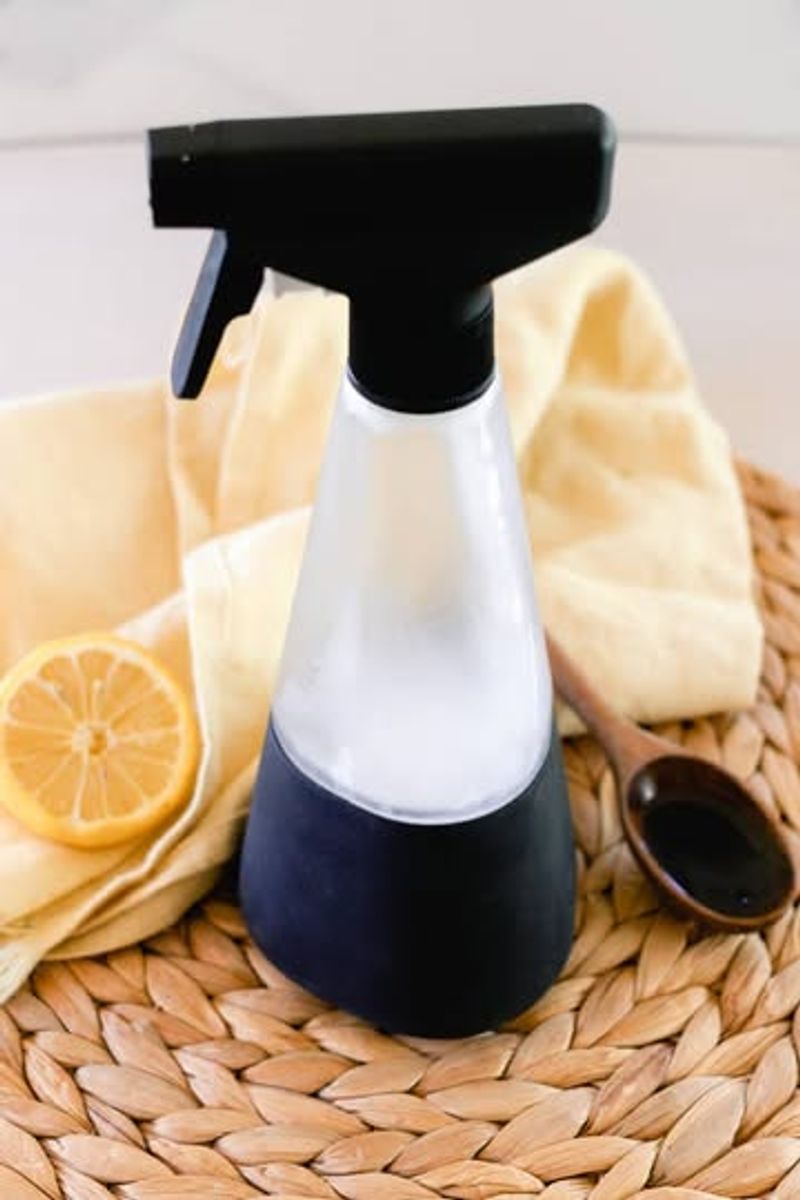
Making your own wasp deterrent spray at home is simpler than most people expect. Start with a clean spray bottle and add two cups of water as the base.
Then add 10 drops of clove oil, 10 drops of geranium oil, and 10 drops of lemongrass oil. Finish by adding one teaspoon of mild unscented liquid soap, which helps the oil and water blend together rather than separating immediately.
Shake the bottle thoroughly before every single use since oil and water naturally want to separate over time.
Spray the mixture lightly on outdoor surfaces where wasps have been showing interest, including railings, furniture legs, door frames, and shed edges.
A light mist is all you need. Soaking a surface does not make the deterrent more effective and can cause unnecessary residue buildup on outdoor furniture or wood.
A few important safety habits go along with this recipe. Label the bottle clearly so no one mistakes it for plain water, and store it well out of reach of children and pets.
Before applying it to any new surface, test a small hidden area first to make sure it does not affect the finish or color. Reapply the spray after every rainfall since Michigan summers bring frequent showers that wash scent away quickly from outdoor surfaces.
Consistency with reapplication is what keeps this recipe genuinely useful throughout the season.
11. What Essential Oil Spray Cannot Do

Essential oil spray is a genuinely useful prevention and deterrent tool, but it has real limits that every Michigan homeowner should understand clearly before relying on it.
If wasps have already built an active nest inside a wall void, a ground opening, a porch ceiling cavity, or a high-traffic area near your home, essential oil spray is not the right tool for that situation.
Spraying near an active colony can agitate the wasps and make things significantly worse.
Reducing food attractants around your yard is one of the most effective things you can do alongside any scent-based deterrent routine.
Seal trash cans tightly, clean up food spills promptly after outdoor meals, and harvest ripe fruit from garden plants before it falls and attracts foraging wasps.
These practical habits remove the reasons wasps want to be near your space in the first place, which makes any deterrent effort more effective overall.
When wasps are nesting close to doors, seating areas, pets, or areas where children play, calling a qualified pest control professional is the right move.
Professionals have the training, protective equipment, and proper products to handle active nests safely.
Essential oil sprays are best understood as a first-line prevention strategy for spaces that are currently nest-free.
Combining smart scent deterrence with good outdoor habits and professional help when needed gives Michigan homeowners the most complete and realistic approach to managing wasps around their properties.