Why New York Sugar Maples Are Changing Color Early And What It Means For Your Yard
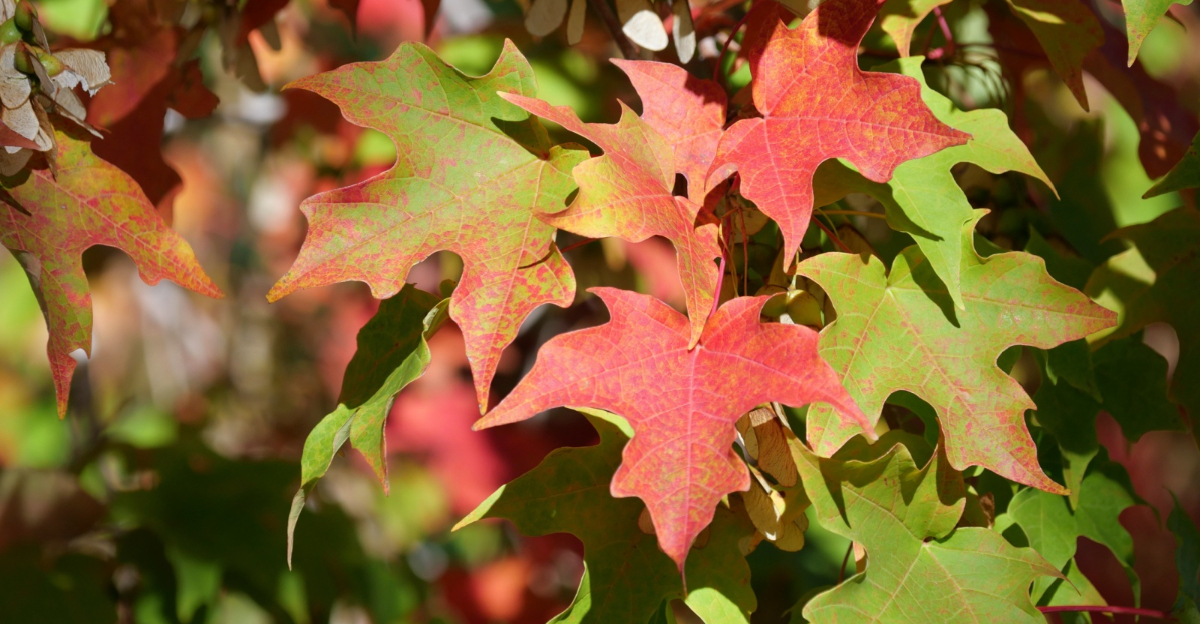
Your sugar maple just went scarlet in August, and something feels off about that. Walk through any neighborhood in upstate New York right now and you’ll spot the same consistent pattern.
Trees are turning orange while the calendar insists it’s still summer. This isn’t a trick of the light or a fluke on your block.
From backyard maples in Syracuse to old-growth stands tucked across New York’s forests, the timeline is shifting, and arborists are taking notice.
A tree doesn’t change color early for no reason. Stress, drought, root damage, disease, they all leave fingerprints on the leaves long before you’d expect to see them.
Learning to read those signals turns a worried glance at your yard into an actual diagnosis. Maybe your maple is thirsty. Maybe it’s fighting something underground you can’t see.
Either way, ignoring an early color change means missing your window to help. Stick around, because your own tree might be trying to tell you something you haven’t noticed yet.
1. Drought Stress Triggers Early Leaf Change
Your tree may be thirsty, and this could be one sign of it. When sugar maples do not get enough water, they begin conserving resources quickly.
Drought stress is one of the top reasons sugar maples change color early, and it’s a pattern some New York yards have shown in recent seasons.
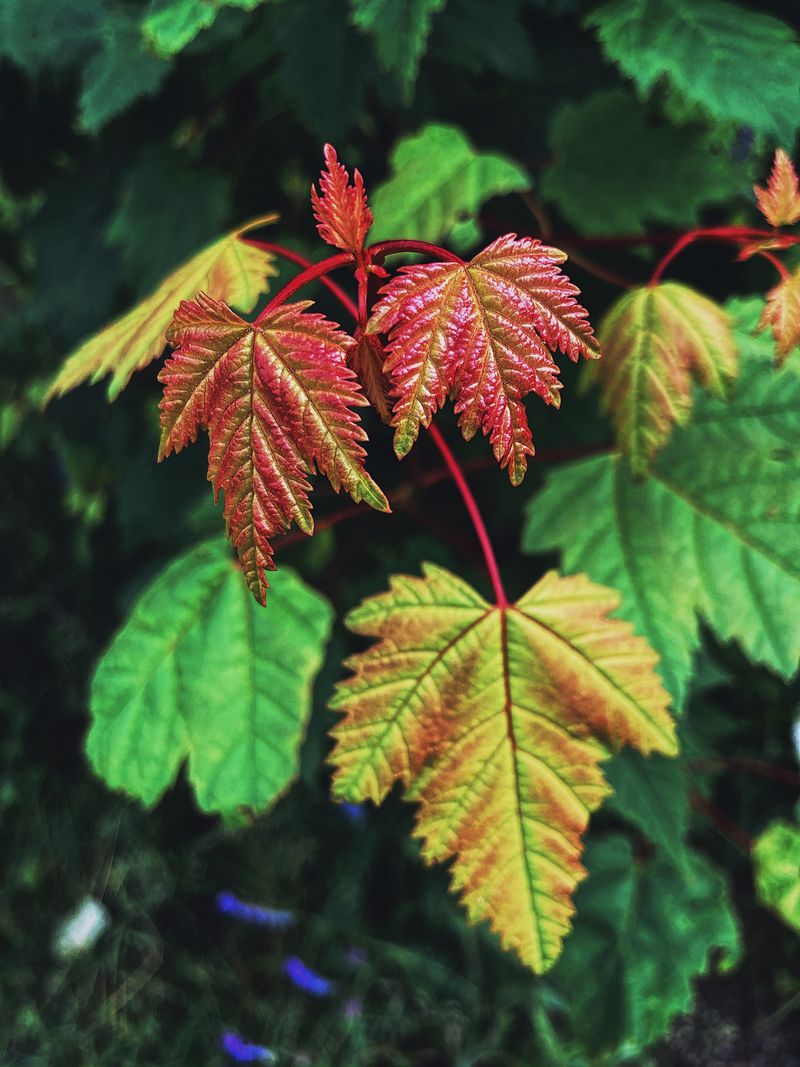
The tree senses that water is scarce and begins shutting down leaf activity to conserve energy. Chlorophyll breaks down quickly when the tree stops feeding its leaves.
That green color fades, and the reds and oranges hiding underneath finally show up. This is not a magical early fall preview. It is actually a stress signal your tree is sending out loud and clear.
Dry spells do not have to last long to trigger this reaction. Extended dry periods during summer can push a maple toward early dormancy, a pattern some parts of New York have experienced in drier stretches.
Hot pavement, compacted soil, and nearby construction can all make drought stress worse. These factors reduce the amount of water available to the roots.
If your maple is near a driveway or sidewalk, it is likely getting less water than you think. Paved surfaces block rainfall from reaching the root zone, a common issue in denser New York neighborhoods.
Checking the soil around your tree is a smart first move. If it feels dry two inches down, your maple probably needs a deep drink.
Watering slowly and deeply once a week can make a real difference. A soaker hose left on for an hour works better than a quick spray.
Drought-stressed maples are also more vulnerable to insects and disease. Catching the problem early gives your tree the best shot at bouncing back strong.
2. Heat Waves Force Early Dormancy
Summer heat waves hit trees hard, especially sugar maples. These trees are built for cool climates, so extreme heat throws off their internal clock.
Your New York Garden Changes Every Week. Your Plan Should Too.
Gardening in New York changes quickly throughout the season. Every Friday you’ll receive a simple weekly plan showing exactly what to plant, prune, fertilize, harvest, and protect so you never miss the right timing.
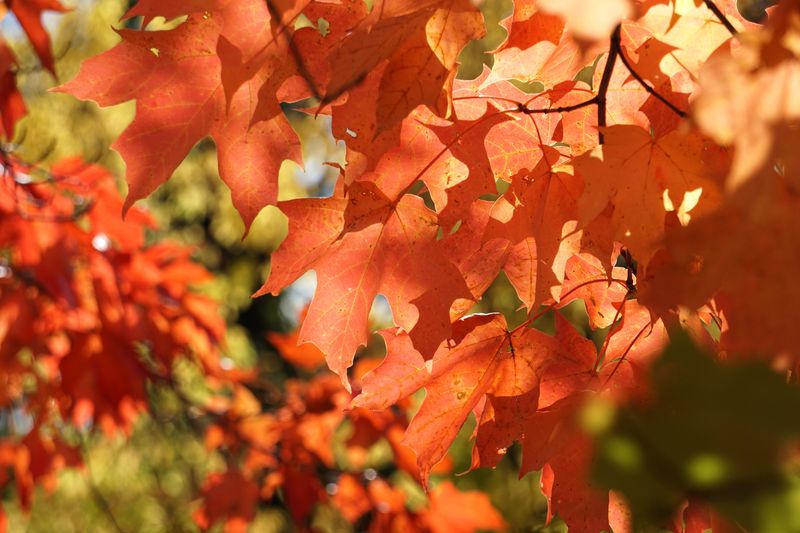
When temperatures stay unusually high for extended periods, maples can begin showing early stress signs. Their systems start preparing for fall even though the calendar says August.
Heat speeds up the breakdown of chlorophyll inside each leaf. Once that green pigment starts fading, the tree cannot slow the process down. The leaf cells overheat and begin breaking down faster than normal.
Urban yards are especially risky for sugar maples because of the heat island effect. Concrete, asphalt, and buildings trap heat and raise local temperatures significantly.
A maple in a city yard can experience temperatures several degrees higher than one in a shaded forest. That difference is enough to trigger premature dormancy.
Shade cloth or nearby shade trees can help buffer extreme heat around your maple. Even partial afternoon shade can reduce leaf stress noticeably.
Watering in the early morning helps keep the root zone cool during peak heat hours. Midday watering evaporates too quickly to be effective.
If your area has had an unusually hot summer, early color change is not surprising. Your maple is simply reacting to conditions beyond its comfort zone.
The good news is that heat-stressed trees often recover well with proper care. Consistent watering and a layer of mulch can help them reset before next season.
3. Root Damage Limits Water Uptake
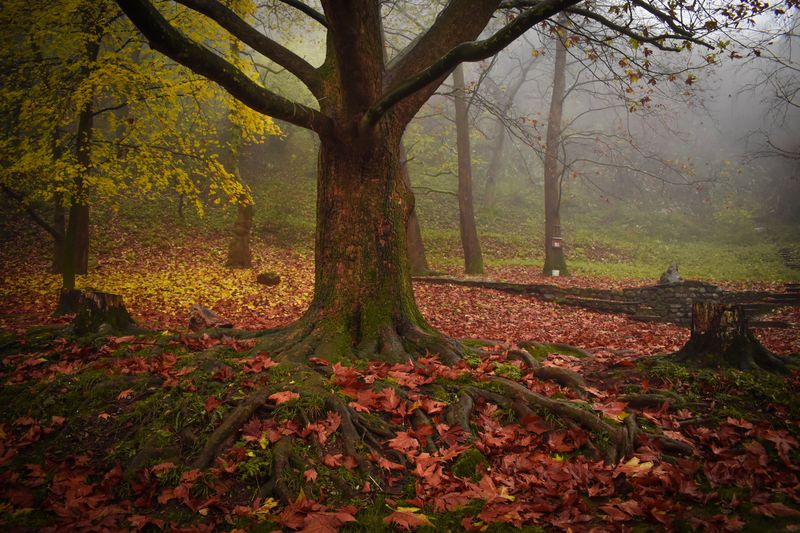
Roots are the lifeline of any tree, and sugar maples are no exception. When roots get damaged, the whole tree feels it almost immediately.
Construction projects near your yard are a common culprit. Digging, grading, and heavy equipment can sever or crush a maple’s shallow root system.
Sugar maple roots spread wide and stay close to the surface. That makes them easy targets for shovels, machinery, and even repeated foot traffic.
Soil compaction is another sneaky form of root damage. When soil gets packed down, roots cannot breathe or absorb water properly.
A compacted root zone is like trying to drink through a pinched straw. Water is there, but the tree simply cannot pull it in fast enough.
Without enough water reaching the canopy, leaves start shutting down early. The tree reads this shortage as a sign that fall is coming.
Lawn mowers and weed eaters can also nick surface roots near the base of the tree. Even small wounds add up over time and weaken the tree’s ability to function.
One way to protect roots is to avoid planting grass directly under the canopy. A wide mulch ring gives roots room to breathe and grow.
If you suspect root damage from recent work on your property, call a tree care professional. They can assess the situation and recommend the right steps.
Protecting roots now can save you from much bigger problems later. A healthy root system is the foundation of a tree that thrives for decades.
4. Fungal Disease Speeds Discoloration
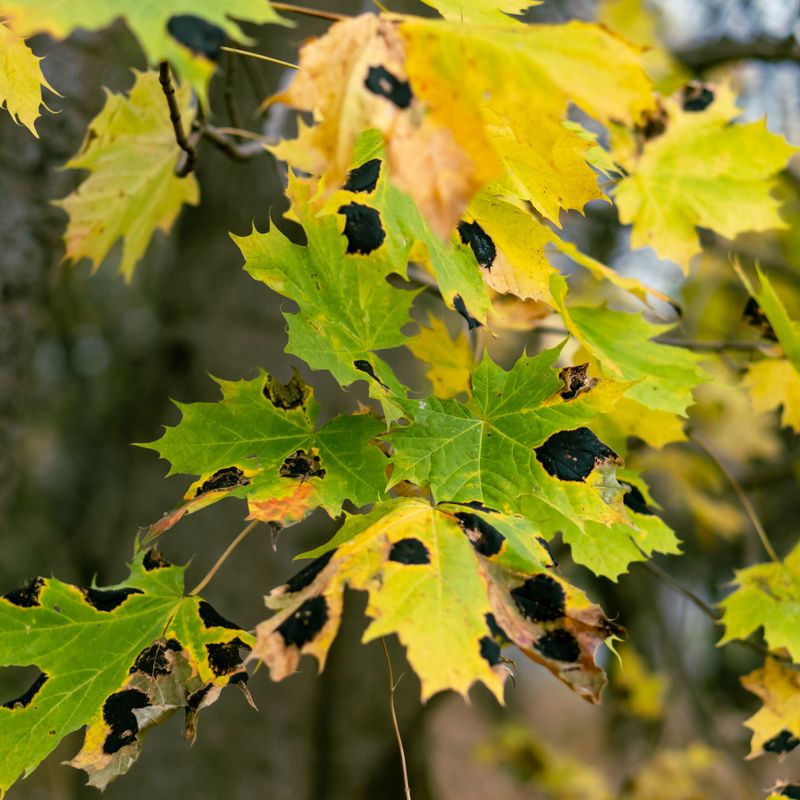
Not all early color changes are about weather. Sometimes a fungus is quietly working through your maple’s leaves from the inside.
Tar spot, verticillium wilt, and anthracnose are common fungal diseases that affect sugar maples. Each one causes visible leaf discoloration that can look a lot like early fall color.
Tar spot creates large black splotches on leaves, but it also triggers early yellowing around those spots. The affected areas stop functioning and begin to drop early.
Verticillium wilt is sneakier and more serious. It moves through the tree’s vascular system and blocks water flow, causing whole branches to change color out of season.
Anthracnose tends to show up after wet spring weather and leaves brown, scorched-looking patches across the leaf surface. By midsummer, heavily affected leaves often fall ahead of schedule.
Fungal spores spread easily through wind, water, and even your garden tools. Pruning an infected branch without cleaning your saw can spread the problem to healthy wood.
Raking and bagging fallen leaves is one of the best defenses against fungal spread. Leaving infected leaves on the ground lets spores overwinter and return again in spring.
Improving air circulation around your maple also helps. Thinning out crowded branches lets the canopy dry out faster after rain.
If you notice unusual spots or patterns alongside early color change, take a sample to your local garden center.
Getting a proper ID helps you treat the right problem. Catching a fungal issue early keeps it from becoming a widespread problem next season.
5. Water Deeply And Consistently
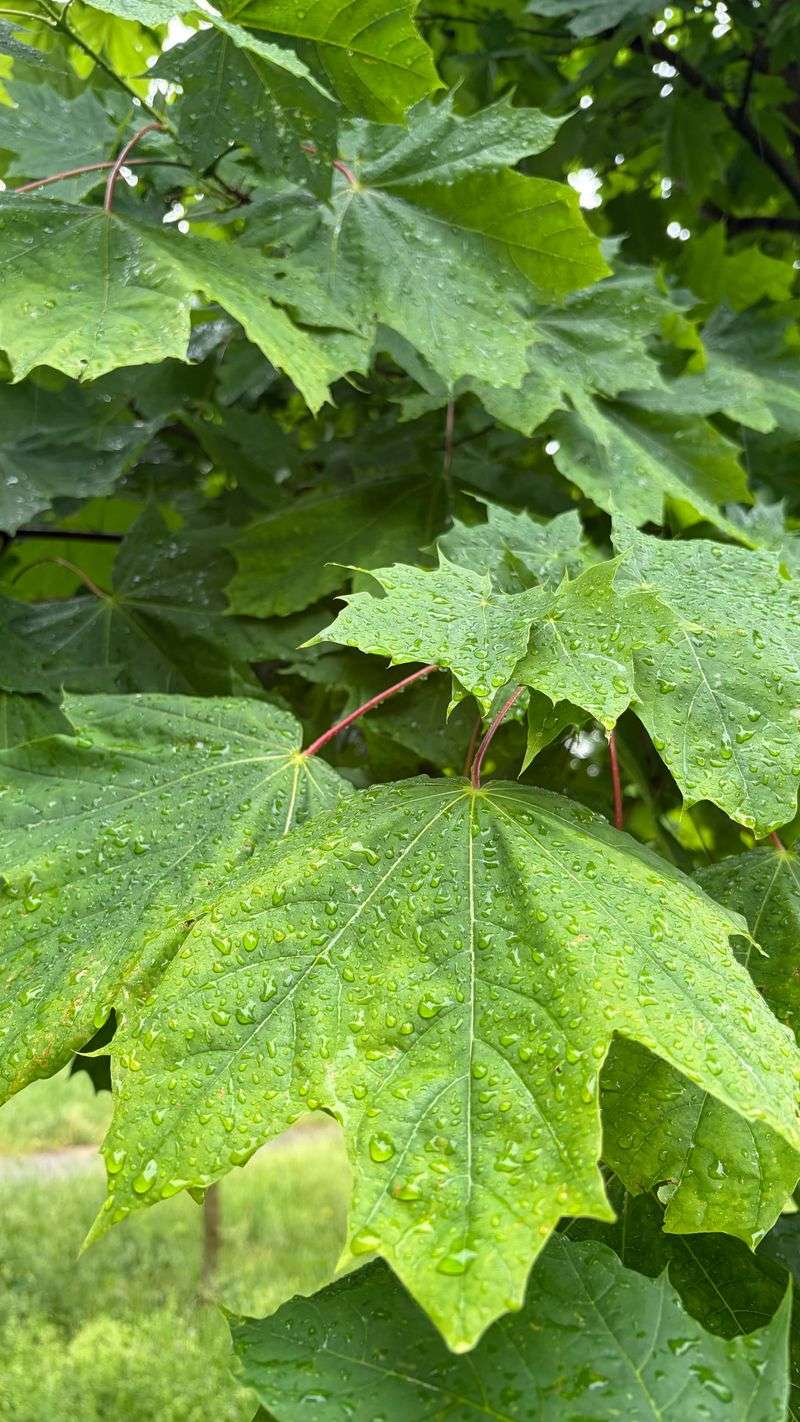
Here is the single best thing you can do for a stressed sugar maple: water it deeply. Not a quick spray, but a long, slow soak that reaches the roots.
Deep watering encourages roots to grow downward where moisture stays longer. Shallow watering keeps roots near the surface where they dry out fast.
A soaker hose placed in a ring around the drip line is the most efficient method. The drip line is the outer edge of the canopy where most feeder roots are located.
Run the soaker hose for 45 minutes to an hour once a week during dry spells. During heat waves, twice a week is not too much for a large tree.
Avoid watering right against the trunk. Wet bark near the base invites rot and fungal problems over time.
Morning is the best time to water. The tree can absorb moisture before afternoon heat drives evaporation rates up.
If you use a sprinkler, make sure it is covering the full root zone and not just the base. Sugar maple roots can extend well beyond the canopy edge.
A rain gauge is a helpful tool for tracking how much water your yard is actually getting. Many homeowners are surprised to find their lawn gets far less rain than expected.
Aim for about one inch of water per week total, including rainfall. Adjust your watering schedule based on what nature provides.
Consistent moisture helps sugar maples stay on their natural schedule. A well-watered tree is much less likely to show early color change.
6. Mulch To Retain Soil Moisture
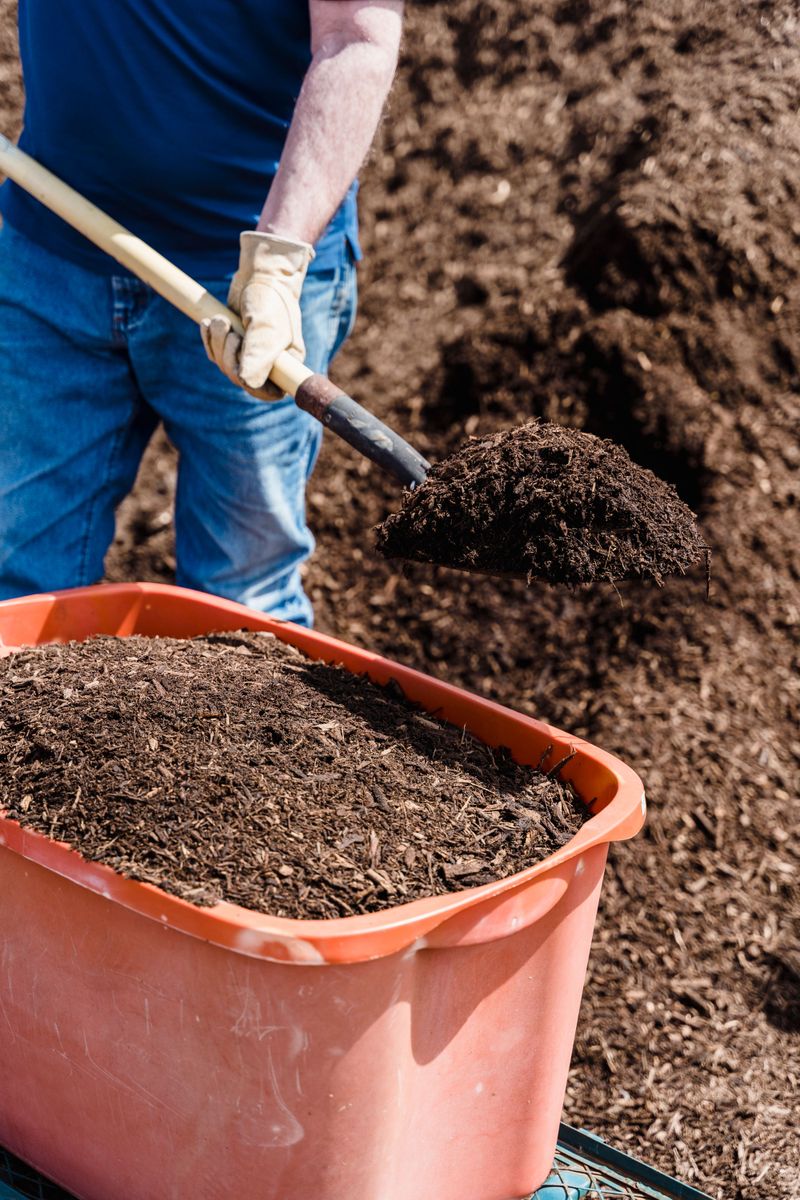
Mulch is one of the most underrated tools in a tree owner’s toolkit. A proper mulch ring around your sugar maple can make a dramatic difference in soil health.
Wood chips, shredded bark, or leaf mulch all work well. Spread a three to four inch layer starting a few inches away from the trunk.
Keeping mulch away from the trunk is critical. Piling it up against the bark traps moisture and creates conditions where rot and pests move in quickly.
The goal is to cover the root zone out to the drip line if possible. Even a partial ring is far better than no mulch at all.
Mulch slows evaporation from the soil surface dramatically. On a hot day, mulched soil can stay several degrees cooler than bare ground nearby.
Cooler, moister soil means roots stay active longer and continue feeding the tree. This directly reduces the stress that triggers early leaf color change.
Mulch also suppresses weeds that compete with your maple for water and nutrients. Fewer weeds mean more resources go directly to the tree.
Over time, organic mulch breaks down and improves soil structure. It adds nutrients and encourages the beneficial microbes that help roots absorb water more efficiently.
Refreshing your mulch once a year in spring or early summer keeps it working at full strength. Old mulch compacts and loses its insulating power.
Think of mulch as a long-term investment in your tree’s health. One good application each year can significantly extend the life and beauty of your sugar maple.
7. Prune Weak Or Struggling Branches
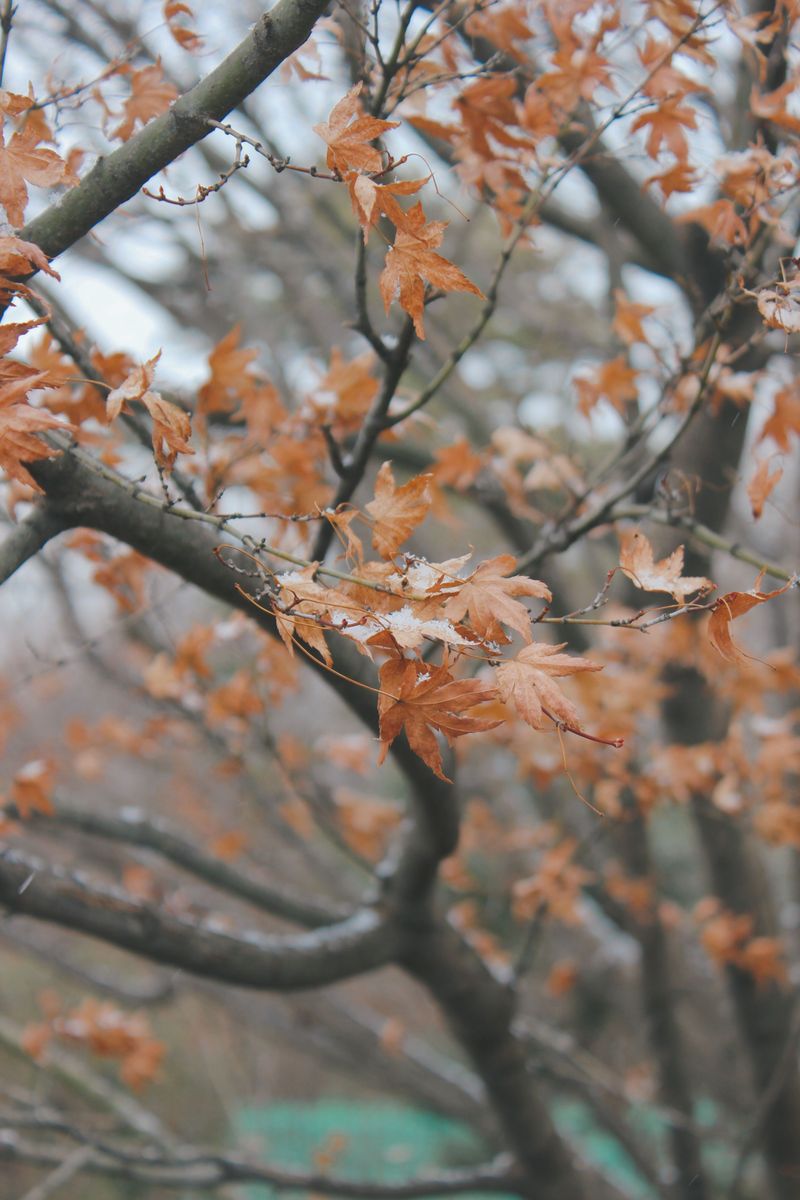
Pruning feels counterintuitive when your tree is already stressed. But removing weak branches actually helps the tree focus its energy where it counts most.
Struggling or damaged branches drain resources without contributing anything back. Cutting them off frees up water and nutrients for the healthier parts of the tree.
Look for branches with early color change that is isolated to one area. A single branch turning orange in July often signals a localized problem worth addressing.
Branches with cracked bark, hollow sections, or signs of fungal growth should come off. Leaving them in place invites pests and spreads disease to nearby wood.
Use clean, sharp pruning tools every time. Dull blades tear bark instead of cutting it cleanly, creating larger wounds that take longer to heal.
Disinfect your pruning saw or shears between cuts if you suspect disease. A quick wipe with rubbing alcohol prevents spreading pathogens from one branch to another.
The best time to prune is late winter or early spring before new growth begins. However, removing clearly damaged or diseased wood can happen any time of year safely.
Avoid heavy pruning during summer heat. Large wounds stressed trees struggle to seal properly when temperatures are extreme.
Always cut just outside the branch collar, which is the swollen area where the branch meets the trunk. Proper cuts heal much faster and reduce infection risk.
Strategic pruning now sets your sugar maple up for a stronger growing season ahead. A cleaner canopy means better airflow, less disease pressure, and a healthier tree overall.
8. Consult An Arborist If Worried
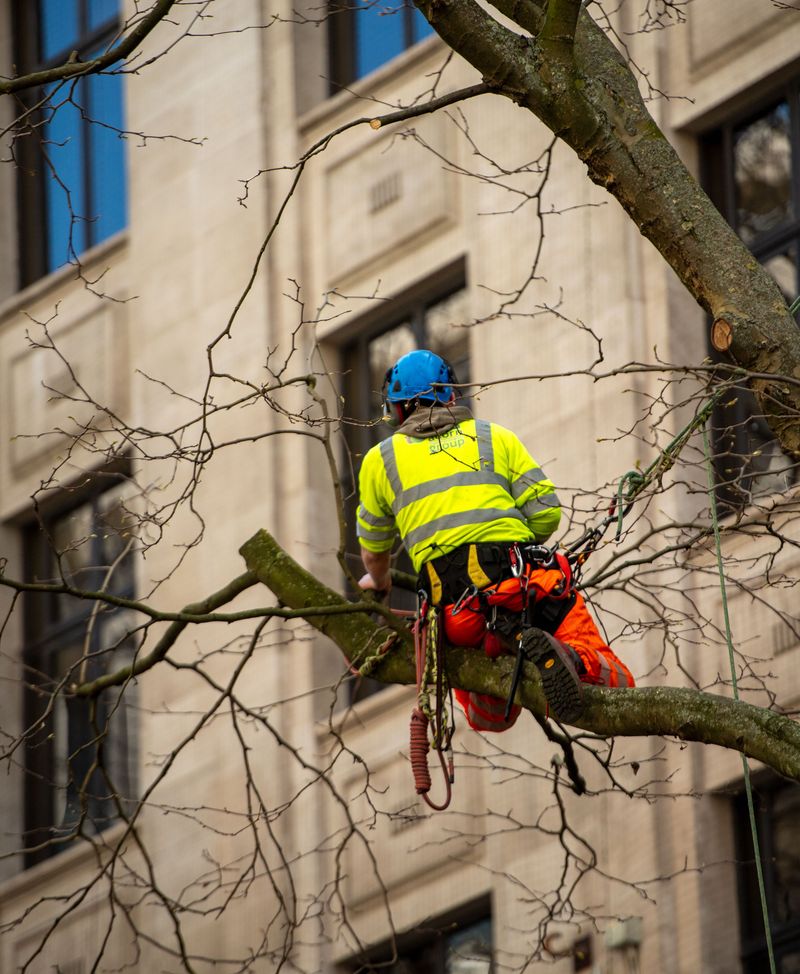
Sometimes the problem is beyond what a garden hose and some mulch can fix. Knowing when to call a professional is one of the smartest moves a homeowner can make.
A certified arborist is trained to diagnose tree problems that most people would never spot. They can tell the difference between drought stress and a serious root disease in one visit.
Early color change on your sugar maple could point to something systemic happening below ground. Arborists have tools to test soil, assess root health, and spot vascular disease.
If a significant portion of your tree is showing premature color change, that is a strong signal to call someone.
Widespread early discoloration often means the stress is serious, and it’s a pattern some New York arborists report seeing more often.
Arborists can also recommend targeted treatments like deep root fertilization or soil aeration. These services go well beyond what standard yard care can accomplish.
Look for someone with a certification from the International Society of Arboriculture. The ISA credential means they have passed rigorous testing on tree care standards, and it’s a common credential among New York-based arborists.
Ask for a written assessment after any visit. A good arborist will explain what they found, what they recommend, and what the expected outcome looks like.
Tree removal is always a last resort for a professional arborist. Most will exhaust every treatment option before suggesting that a tree cannot be saved.
The cost of an arborist visit is small compared to replacing a mature sugar maple. A mature tree takes decades to replace.
If your sugar maples are changing color early, it’s worth acting sooner rather than later. A proactive call today could help preserve a tree you have maintained for years.