Illinois Milkweed Tips To Support This Year’s Monarchs
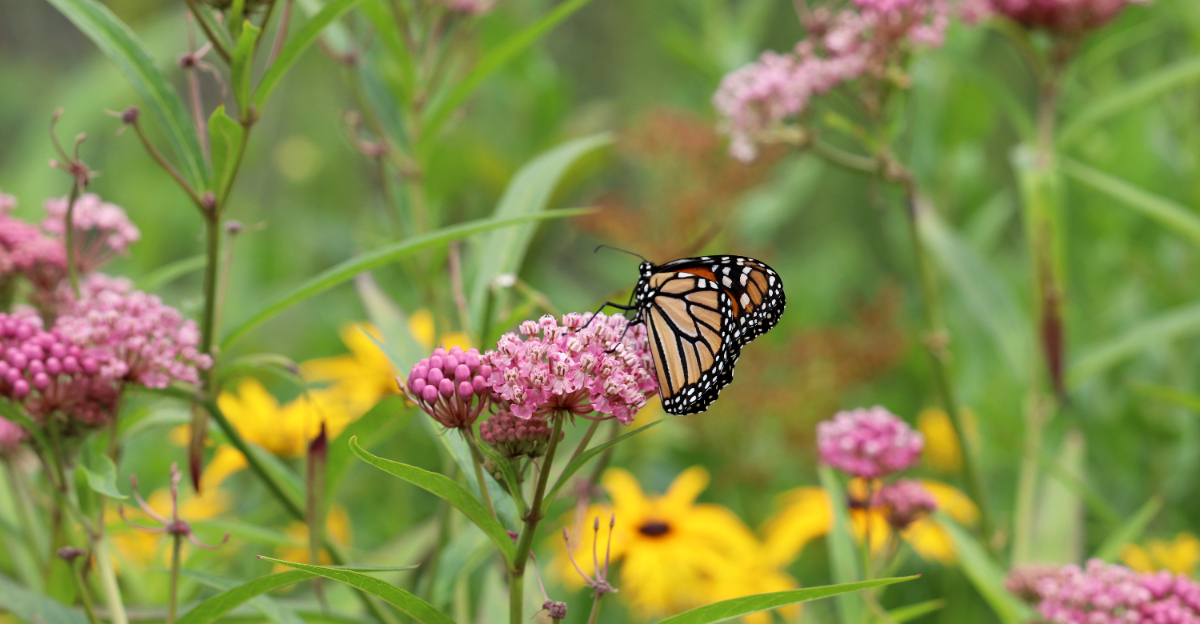
A single monarch butterfly weighs less than a paperclip, yet some of them travel over two thousand miles to reach the same Mexican forests their great-great-grandparents wintered in.
That kind of journey runs on a single fuel source. Milkweed is where female monarchs lay their eggs, and it’s one of the only food sources their caterpillars can rely on. Without it nearby, the migration simply has nowhere to continue.
Illinois sits right in the monarch’s flight path, so backyard gardens here matter more than most. A few milkweed plants can double as a feeding stop and a nursery. Skip it, and passing monarchs may find nothing worth stopping for.
Planting milkweed doesn’t require acres of space or a background in horticulture. A patio container or a modest corner of the yard can hold enough plants to matter. The effort is small. The impact, multiplied across thousands of gardens, is not.
1. Choose Native Milkweed Species Over Tropical Varieties
Not all milkweed is created equal. Native species are the real MVPs when it comes to monarch survival.
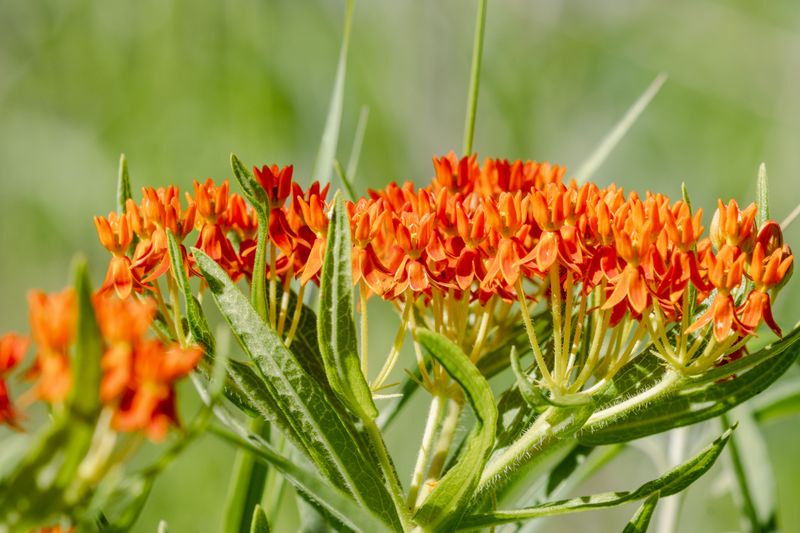
Butterfly weed (Asclepias tuberosa) is a crowd favorite. Its bold orange blooms pop in summer and it handles drought like a champ.
Common milkweed (Asclepias syriaca) spreads enthusiastically, so give it room. Swamp milkweed (Asclepias incarnata) thrives in wetter spots and produces gorgeous pink clusters.
Native species go dormant in winter, which is actually a good thing. Dormancy sends a natural signal that tells monarchs it is time to keep moving south instead of lingering too long.
Tropical milkweed stays green year-round in mild climates, which can confuse migration timing. Native plants track the monarch calendar closely.
Local nurseries and native plant sales are your best bet for sourcing these species. Ask specifically for plants grown without neonicotinoid pesticides.
Spacing matters more than most gardeners expect. Give each plant twelve to eighteen inches of breathing room, since crowded milkweed struggles to establish strong roots and becomes an easy target for aphids.
Pairing milkweed with nectar-rich companions like coneflower or blazing star extends the buffet for adult monarchs passing through. It also keeps your garden looking intentional rather than like a single-species patch.
Starting with plugs or potted plants gives you a head start over seeds. You could see monarchs visiting your yard within the first growing season.
Choosing native milkweed is one of the most impactful decisions you can make for monarchs this year.
2. Plant Multiple Species For Season-Long Bloom
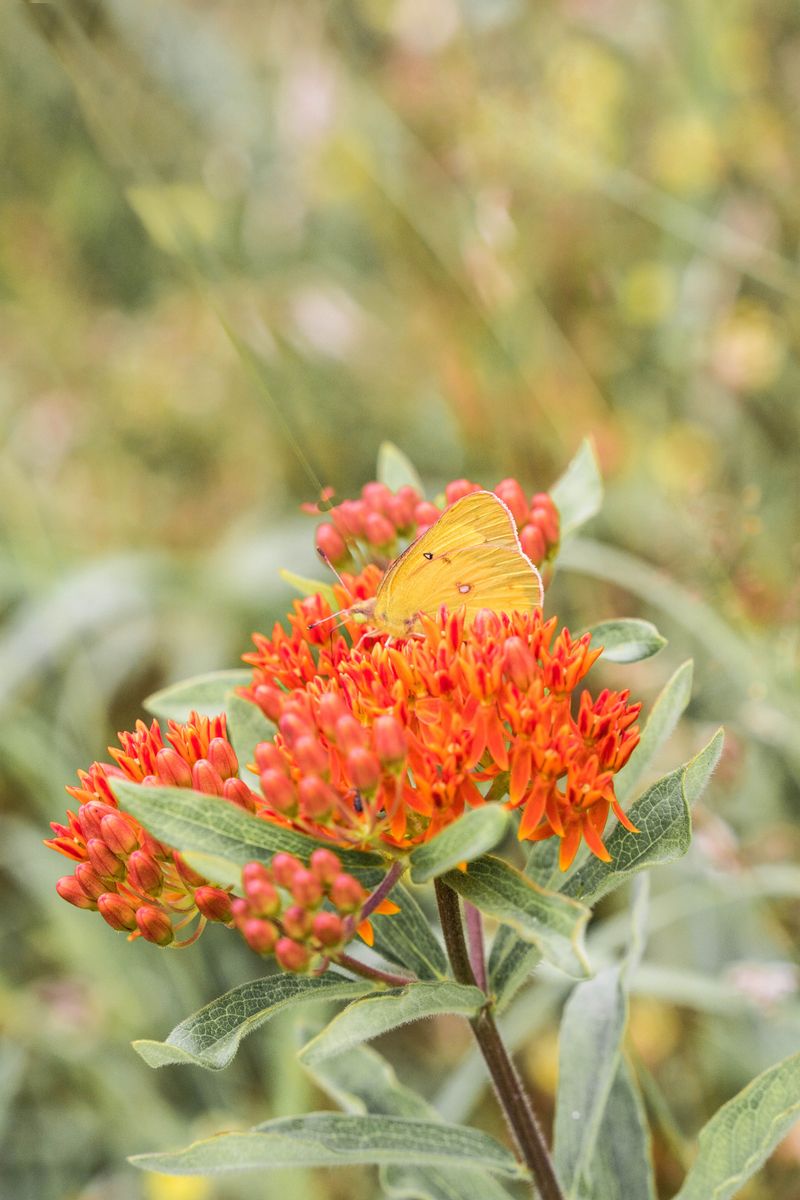
Monarchs pass through Illinois during spring and fall migrations. Planting just one milkweed species often leaves gaps in your bloom calendar.
Butterfly weed blooms from June through August. Swamp milkweed kicks in from July and keeps going into September, overlapping beautifully with late summer migrants.
Common milkweed blooms earlier, often in June, and fills in the front end of the season. Mixing all three creates a continuous buffet for passing butterflies.
A staggered bloom schedule also supports other native pollinators. Bees, beetles, and hummingbirds all benefit from having flowers available across the whole warm season.
Your Illinois Garden Changes Every Week. Your Plan Should Too.
Gardening in Illinois changes quickly throughout the season. Every Friday you’ll receive a simple weekly plan showing exactly what to plant, prune, fertilize, harvest, and protect so you never miss the right timing.
Think of your garden as a relay race. Each species hands off the baton to the next, keeping the habitat productive from late spring through early fall.
You do not need a massive yard to make this work. Even three containers on a sunny patio can hold one plant of each species.
Group plants in clusters of three or more for better visual impact and easier foraging. Monarchs spot large patches of color more quickly than scattered single plants.
Layer your milkweed with native nectar flowers like coneflower and goldenrod for an even richer habitat. Your garden will feel alive all season long.
3. Give Milkweed Full Sun Exposure
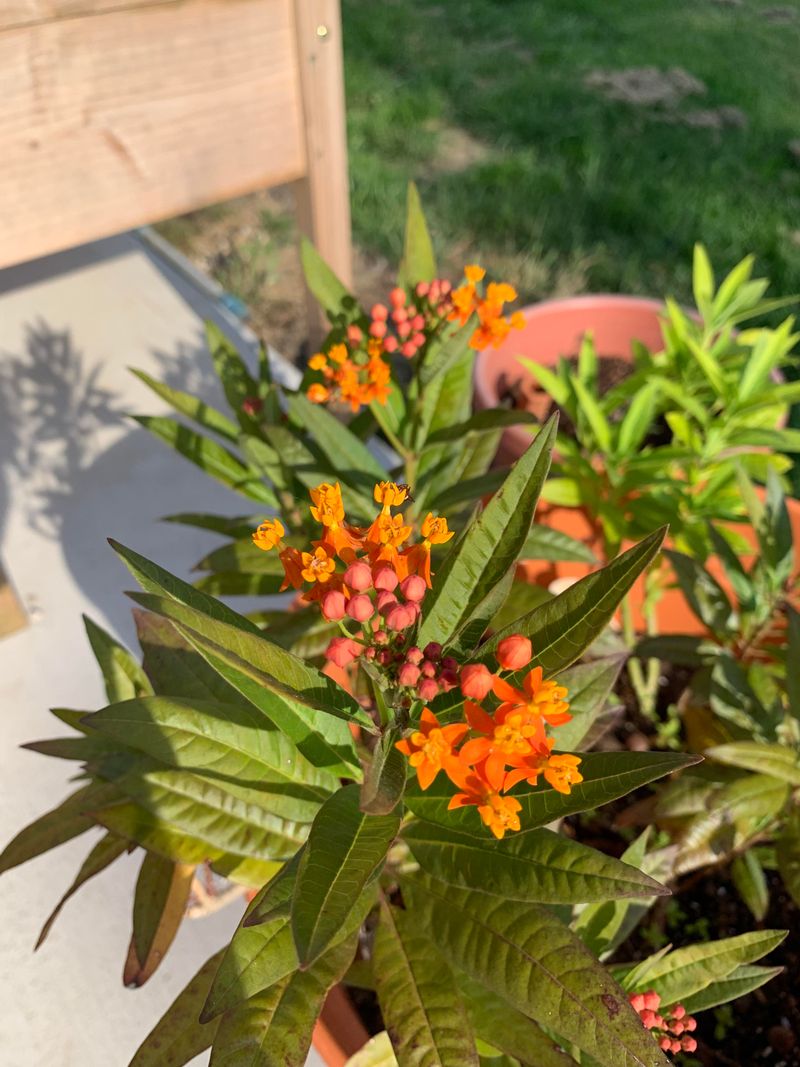
Milkweed is not a shade lover. Planting it under a tree canopy is one of the most common mistakes gardeners make with this plant.
Most native milkweed species need at least six hours of direct sunlight each day. Eight hours is even better for maximum blooms and strong plant growth.
Full sun encourages robust stem development, which means more flowers and more leaf surface for monarch caterpillars to munch on. Shady spots produce leggy, weak plants that rarely flower well.
South-facing or west-facing garden beds are ideal locations. Avoid planting near fences, large shrubs, or structures that cast afternoon shadows.
If your yard is mostly shaded, containers are a creative workaround. Move pots to follow the sun throughout the day for maximum light exposure.
Morning sun alone usually isn’t enough. Beds that only catch light until noon tend to produce noticeably fewer blooms by midsummer.
A simple sun test before planting saves guesswork later. Check the spot every few hours on a clear day to confirm it gets real, unbroken sunlight.
Soil drainage matters just as much as sunlight. Milkweed roots rot quickly in waterlogged conditions, so raised beds or sloped areas work great.
Once established, native milkweed handles heat and dry spells with impressive toughness. A well-placed plant in full sun rarely needs extra watering after its first season.
Positioning your milkweed correctly from the start saves you a lot of frustration later. Monarchs will find a thriving, sunny patch far more attractive than a struggling shady one.
4. Skip Pesticides Near Milkweed Plants
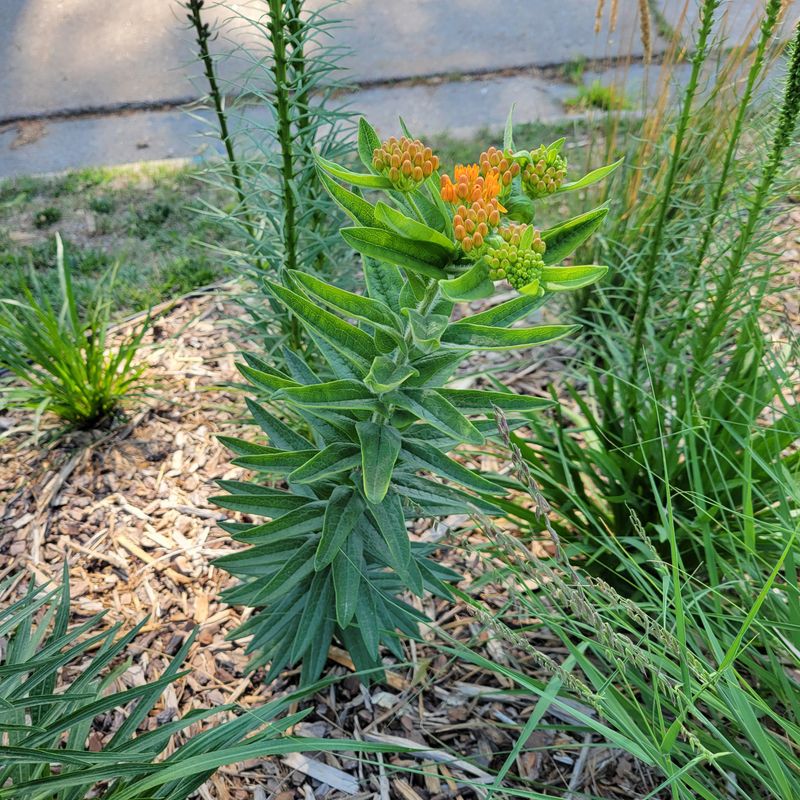
Pesticides and monarchs are a terrible combination. Even products labeled as safe for gardens can harm caterpillars and adult butterflies on contact.
Systemic insecticides are especially dangerous. These chemicals get absorbed into plant tissue, meaning a monarch caterpillar eating a treated leaf ingests the poison directly.
Neonicotinoids are the biggest offenders. Many nursery plants are pre-treated with these chemicals before they ever reach the store shelf, so always ask before you buy.
Herbicides pose a different threat. Spraying weeds near your milkweed patch can drift onto leaves and reduce the plant’s ability to support healthy caterpillar development.
Fungicides can disrupt the natural microbes that help milkweed thrive in native soil. Going pesticide-free around your milkweed is the cleanest approach.
Mosquito sprays deserve extra caution too. Broad treatments applied at dusk often land directly on milkweed leaves right when caterpillars are actively feeding.
Even organic-labeled pesticides aren’t automatically safe. Products containing pyrethrin or neem oil can still harm caterpillars, so read labels carefully before spraying anything nearby.
Hand-picking aphids or blasting them off with water is an effective, chemical-free solution. Aphid colonies on milkweed look alarming but rarely cause serious long-term damage to the plant.
Ladybugs and parasitic wasps naturally control aphid populations. Encouraging these beneficial insects means less work for you and a healthier garden ecosystem.
Creating a pesticide-free zone around your milkweed is one of the most protective steps you can take this season. Monarchs need clean plants, not just abundant ones.
5. Let Seed Pods Mature Naturally
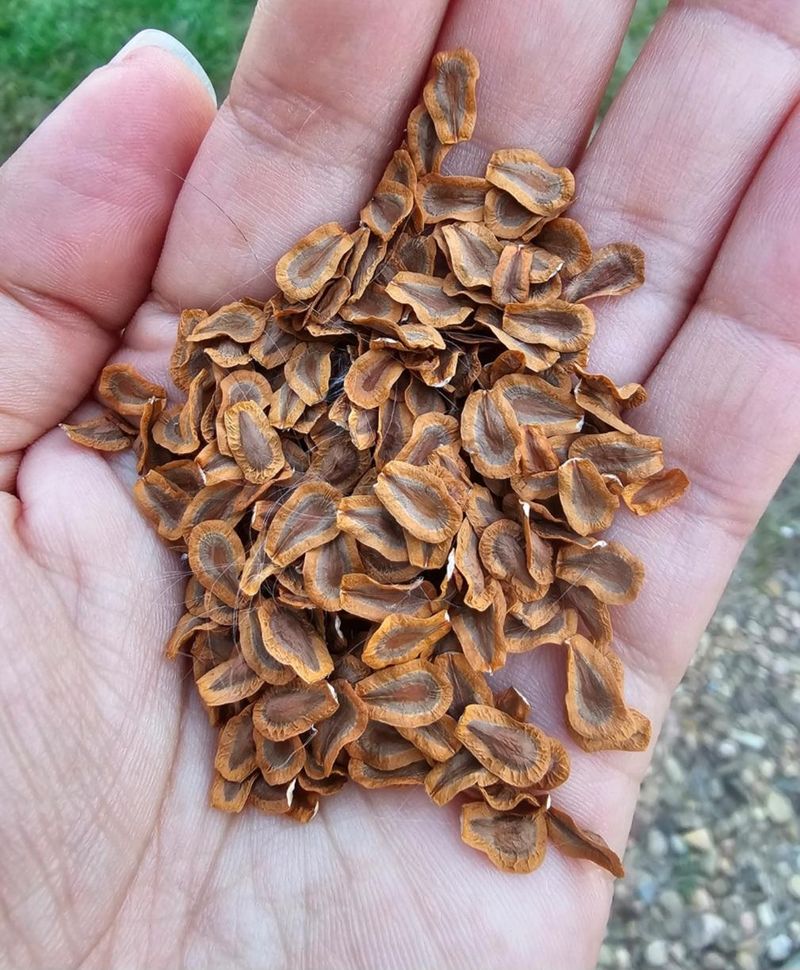
Those big, bumpy seed pods are not just decorative. They are packed with future habitat waiting to happen across your neighborhood and beyond.
Milkweed pods split open in fall, releasing seeds attached to silky white fibers. Wind carries them surprisingly far, spreading new plants without any effort from you.
Resist the urge to tidy up your garden too early in the season. Cutting plants back before pods mature significantly reduces next year’s natural seed dispersal.
Leaving pods on the plant also provides winter interest in the garden. The dried stalks and open pods look beautiful dusted with frost or snow.
You can also collect mature seeds and share them with neighbors or local seed libraries. Spreading milkweed through your community multiplies the impact of your single garden patch.
Seeds need a cold stratification period to germinate well in spring. Storing collected seeds in a damp paper towel inside the refrigerator over winter does the trick naturally.
Direct seeding in fall works too, letting nature handle the stratification process on its own schedule. Sprinkle seeds in a prepared sunny spot and let winter do the work.
Letting pods mature is a low-effort, high-reward habit that keeps giving year after year. Your patience now pays off in a bigger monarch habitat next summer.
6. Mark Planting Spots Before Milkweed Goes Dormant
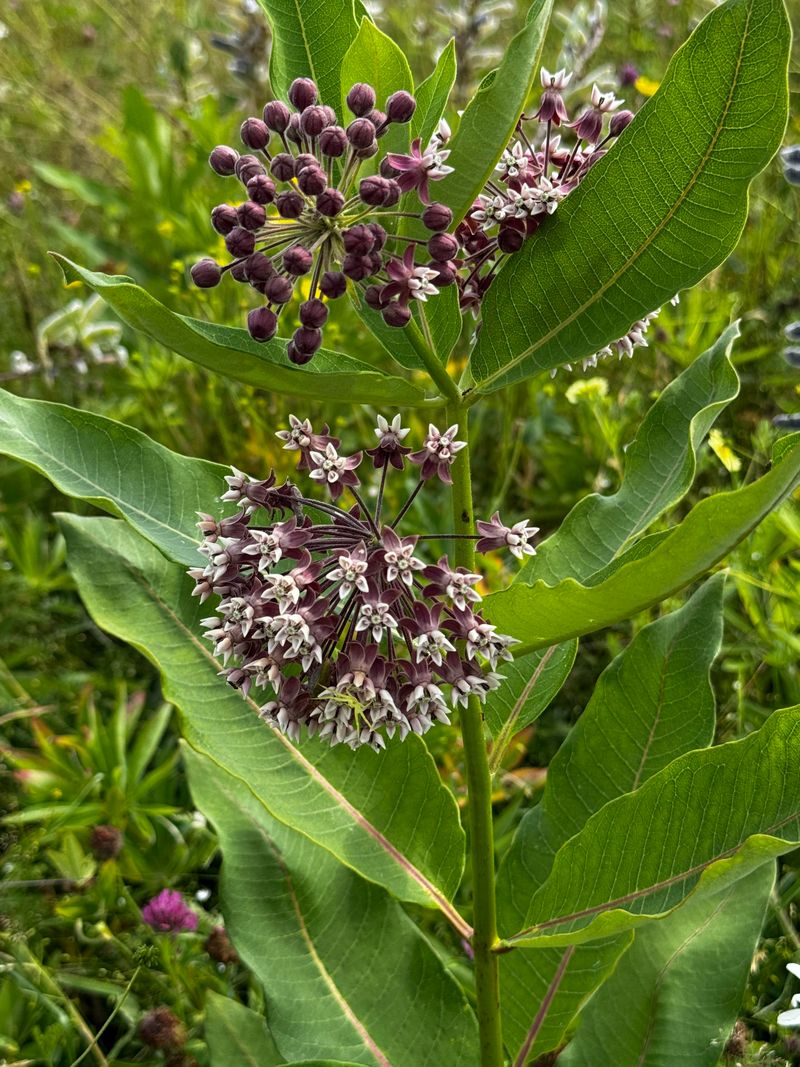
Milkweed has a sneaky habit of disappearing completely in late fall. One day it is lush and blooming, and the next it looks like bare dirt with nothing to show.
Without a marker, you might accidentally dig up roots during fall cleanup or spring planting. Losing established roots means starting over from scratch next season.
Use a simple garden stake, a small flag, or even a painted rock to mark each plant’s location. Anything visible against bare soil works perfectly well.
This tip is especially handy for butterfly weed, which emerges very late in spring. Gardeners sometimes assume it did not survive winter and accidentally replant over it.
Common milkweed can be just as deceptive, since its rhizomes spread underground well beyond where the visible stems once stood. A marker at the original planting site doesn’t always capture the full root zone hiding nearby.
Marking spots also helps you plan garden expansion. You can see exactly where existing plants are and identify open areas for adding new species next year.
Take a quick photo of your garden before plants go dormant. A snapshot with markers visible gives you a useful map for spring reference.
Label markers with the species name if you grow multiple types. Keeping track of what is planted where helps you maintain your staggered bloom strategy season after season.
A little planning now prevents a lot of accidental damage later. Protecting those established root systems now means less guesswork and fewer losses next spring.
7. Cut Back Any Tropical Milkweed By August
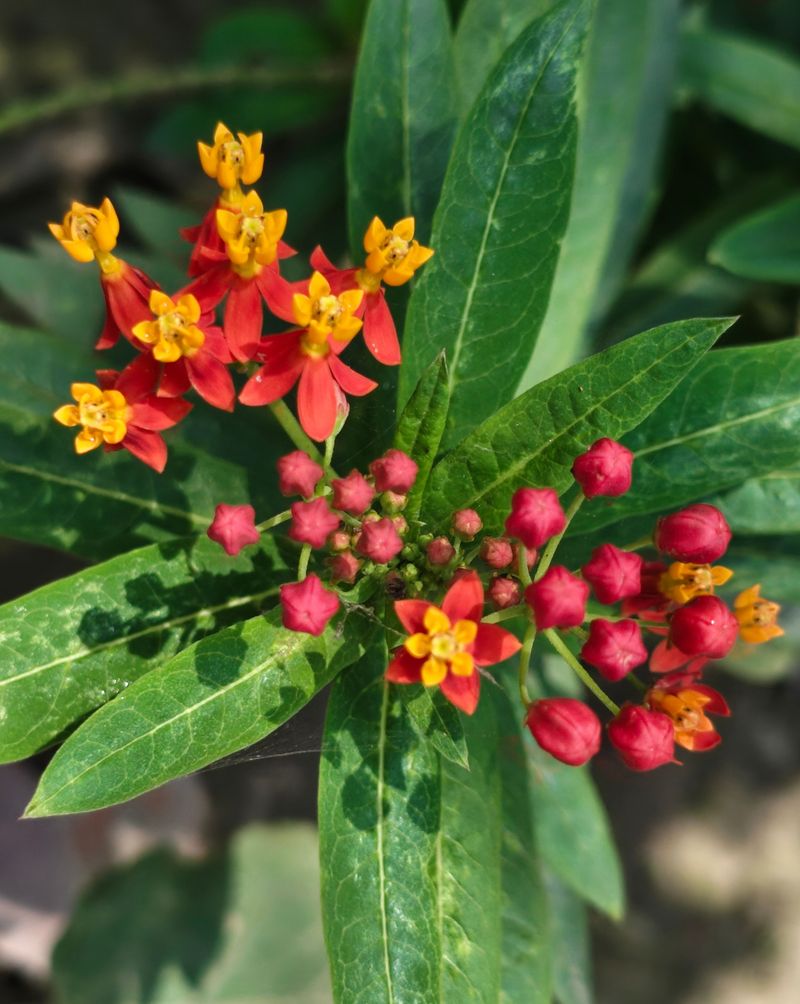
Tropical milkweed (Asclepias curassavica) is popular at garden centers because it blooms in bold red and yellow. But it comes with a serious catch for monarchs.
This species does not go dormant like native milkweed does. In warmer climates, it stays green all winter and disrupts the natural migration cue monarchs rely on.
Cutting it back hard by August encourages dormancy and removes a problematic parasite called OE (Ophryocystis elektroscirrha). This parasite builds up on year-round green plants and weakens monarchs.
Trim tropical milkweed to about six inches from the ground. New growth will emerge, but the plant will be cleaner and less hospitable to the parasite going forward.
If you live in a region where frost reliably arrives, your tropical milkweed will go dormant anyway. But cutting early removes the OE risk during the crucial fall migration window.
Consider replacing tropical milkweed entirely with native species over time. Native plants eliminate the dormancy confusion and parasite buildup problems from the start.
If you love the bright colors of tropical milkweed, use it sparingly and cut it back on schedule. Managing it responsibly makes a real difference for monarch health.
Monarchs deserve a clean, safe habitat from your garden. Cutting back tropical milkweed by August is one step that protects them all the way to Mexico.
8. Watch Monarchs In The Garden Instead Of Raising Them Indoors
Raising monarchs indoors feels like a generous act, but it comes with more nuance than most people realize.
Monarchs raised inside miss out on sunlight angles, temperature shifts, and wind patterns while they develop, cues that normally help shape their internal navigation system.
Some research suggests indoor-raised butterflies can show temporary disorientation right after release. Exposure to natural sunlight and sky cues outdoors appears to help many of them recalibrate their sense of direction.
The best thing you can do is create a thriving outdoor habitat and step back. Let monarchs complete their full life cycle in the natural conditions they evolved for.
Watching them in your garden is genuinely exciting and does not require equipment. A patient observer can spot egg-laying females, tiny caterpillars, and chrysalises forming right on milkweed leaves.
Grab a hand lens for a closer look at eggs and early instar caterpillars. The detail you see up close is stunning, and it costs you nothing but time.
Document what you observe with photos or a simple nature journal. Sharing your sightings with platforms like Journey North contributes real data to monarch conservation science.
Your Illinois milkweed garden is already doing the heavy lifting for monarchs this season. Trust the habitat you built and enjoy every moment of watching nature unfold right outside your door.