Lawn Disease Vs Drought Stress And The June Questions Every Illinois Homeowner Should Know
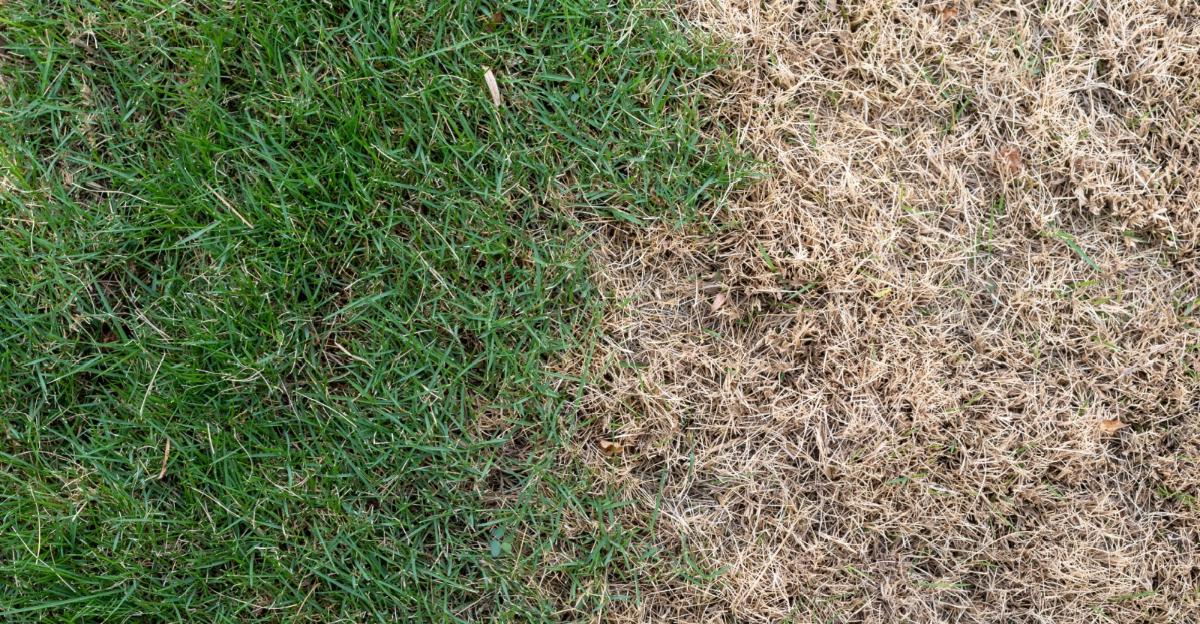
Your Illinois lawn is sending you a message. Most homeowners miss it. They see a problem and react. Reacting without knowing costs everything.
Brown patches do not explain themselves. They just spread. Something underneath the surface is already ahead of you. Do you know what it is?
Illinois summers expose every gap in your lawn knowledge. Fast. The difference between a lawn that recovers and one that does not comes down to a single decision.
One you will make before you fully understand the situation. Confidence without clarity is expensive. Every hour you spend guessing is an hour the real problem gains ground.
Your lawn does not care about your effort. It only responds to the right answer. The homeowners who figure that out early are the ones with lawns worth looking at.
Watering At Night And Fungal Risk
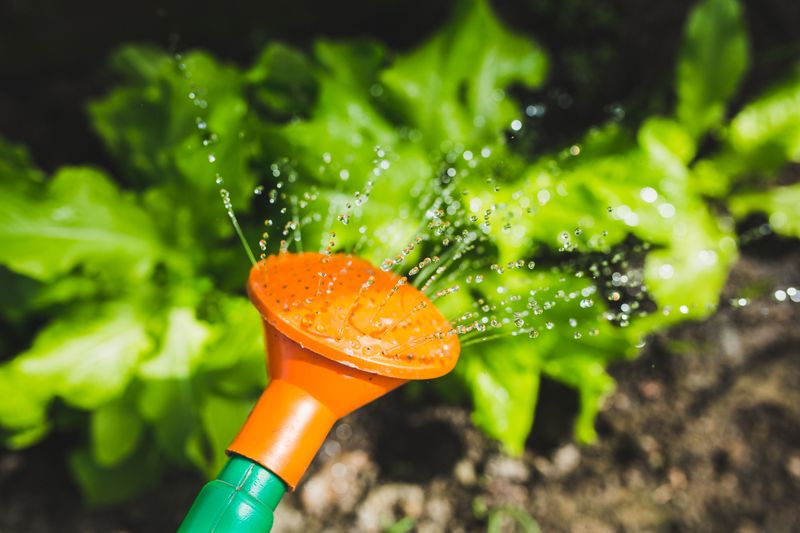
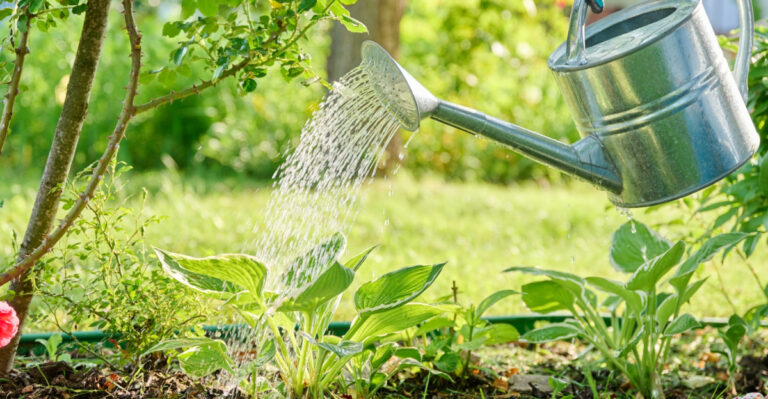
Picture this: you drag out the hose after dinner, water the lawn, and feel great about it. What you just did may have set the stage for brown patch fungus to take over.
Watering at night leaves moisture sitting on grass blades for hours. Fungi love that wet, dark window of time to spread fast.
Brown patch, one of the most common lawn diseases in Illinois, thrives when turf stays wet overnight. The spores travel through standing water and infect healthy blades by morning.
The fix is simple but requires a habit change. Move your watering schedule to early morning, ideally between 5 and 9 a.m.
Morning watering gives the sun time to dry the blades before noon. That small shift removes the conditions fungus needs to grow and spread.
Many homeowners fighting lawn disease and drought stress never suspect their watering schedule. They add more water, water later, and wonder why the brown patches keep growing.
If you have an irrigation system, check what time your zones run. Reprogram anything set to run after 6 p.m.
You may also notice that shaded areas of your lawn brown out faster than sunny spots. Shade slows drying, which compounds the fungal risk even more.
One small scheduling change can stop a spreading fungal problem cold. Early morning watering is one of the easiest wins you can make for a healthier June lawn.
Assuming Circular Patches Are Just Dry Spots
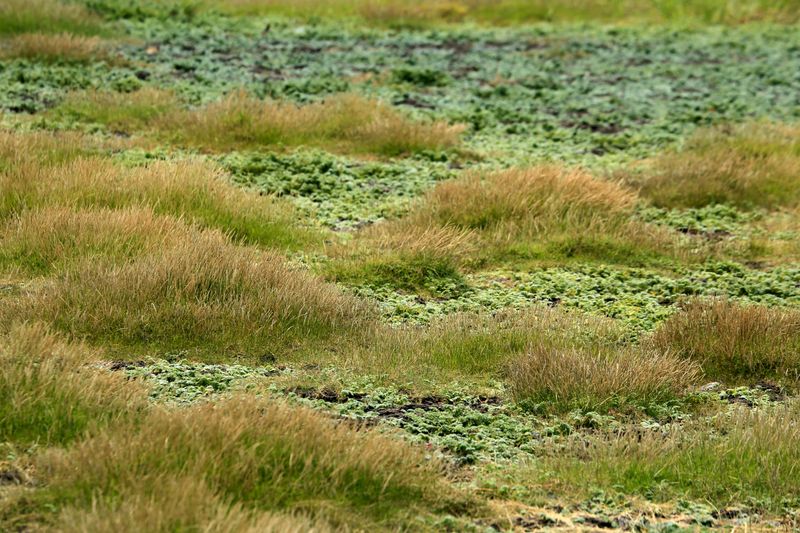
Dry spots are random and scattered. They show up in corners, near driveways, or wherever your sprinkler misses a zone.
Fungal patches are different. They form near-perfect circles, often with a darker or smoke-gray border that sets them apart from simple drought stress.
Homeowners who mistake brown patch for a dry spot water more aggressively. More water feeds the fungus and speeds up the damage within days.
Learning to read your lawn like a map is a skill that pays off every June. Shape, size, and border color all tell a story about what is happening underground and on the blade surface.
A drought-stressed lawn typically goes uniformly tan or straw-colored across open, sun-exposed areas. The turf blades fold inward along the midrib as a survival response to water loss.
Your Illinois Garden Changes Every Week. Your Plan Should Too.
Gardening in Illinois changes quickly throughout the season. Every Friday you’ll receive a simple weekly plan showing exactly what to plant, prune, fertilize, harvest, and protect so you never miss the right timing.
Fungal patches stay green in the center, brown on the edges, or show that telltale smoke ring right after a humid night. That pattern is your first real clue.
Get close to the ground in early morning and look for white, thread-like mycelium on wet grass blades. That cottony growth confirms fungus and rules out simple drought stress immediately.
If the patch is irregular and your sprinkler coverage is uneven, you are likely dealing with a dry spot. Adjust your heads and water deeply once or twice per week.
Guessing costs money and time. A correct diagnosis between lawn disease and drought stress is the foundation of every smart lawn decision you make this summer.
Adding Nitrogen To Active Brown Patch
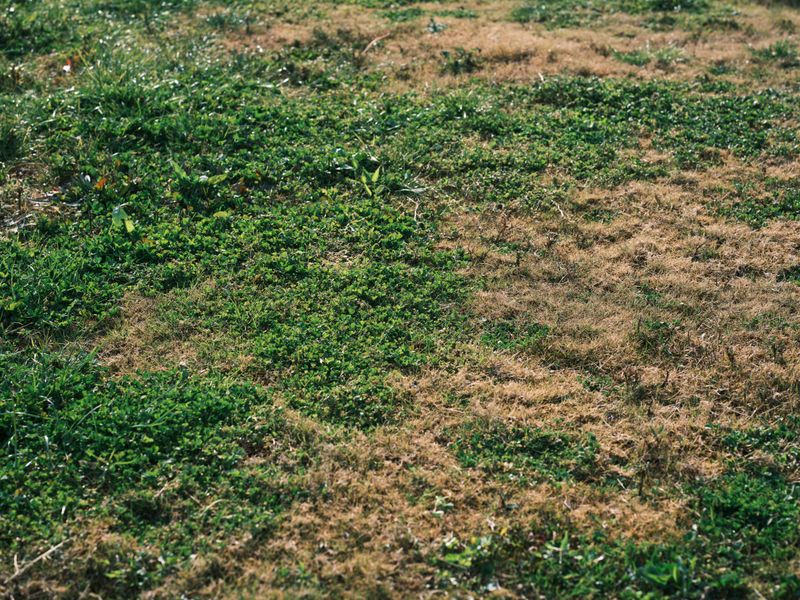
When brown patch is active, adding nitrogen accelerates the damage. Soft new growth becomes easy prey for an already spreading infection.
Many homeowners see yellow or brown grass and assume it needs feeding. The instinct makes sense, but it is the wrong move during an active disease outbreak.
Lawn disease and drought stress both cause discoloration, but they respond to treatment very differently. Feeding a diseased lawn can dramatically worsen the damage in just a few days.
Before applying any fertilizer in June, check your lawn closely for circular brown patches with darker borders. Those ring patterns are a signature sign of brown patch fungus.
If you spot them, hold off on the nitrogen entirely. Focus instead on improving airflow, adjusting watering, and letting the lawn stabilize before any feeding.
Once the disease clears, a slow-release, lower-nitrogen product is a safer choice for summer. High-nitrogen products are best reserved for fall in Illinois climates.
Timing your fertilizer applications around disease pressure is a skill most homeowners pick up the hard way. Learning it now saves you from a patchy, struggling lawn all summer long.
Your grass does not need more food right now. It needs the right conditions to recover, and patience is the most underrated tool in your lawn care kit.
Applying Fungicide Without Confirming Mycelium First
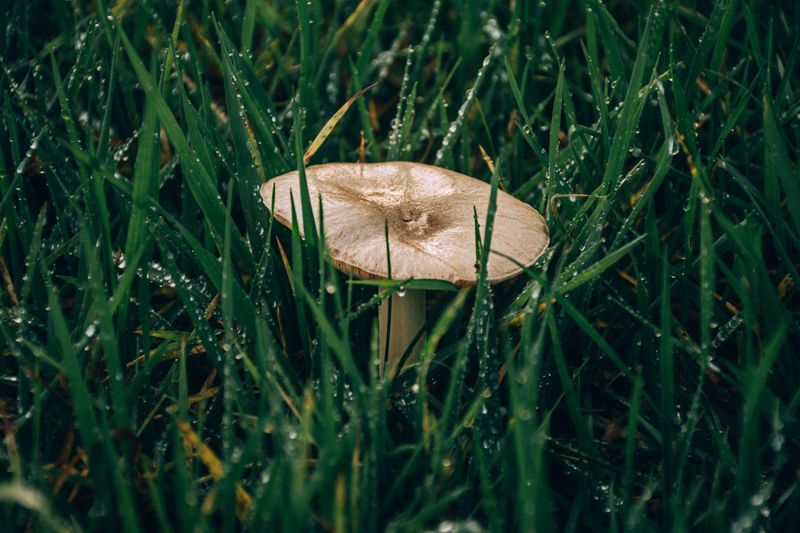
Fungicide is not cheap, and spraying it on a drought-stressed lawn does absolutely nothing useful. It wastes the cost of the product and leaves the real cause untreated.
Before any fungicide goes down, you need to confirm that fungus is actually present. The most reliable way is finding mycelium on the grass blades themselves.
Head outside in the early morning when dew is still on the turf. Crouch down and look at the base of the grass blades near the brown patch edges.
White, gray, or cottony threads clinging to the blades are mycelium. That visual confirmation tells you fungus is active and a fungicide application makes sense.
No mycelium means you are likely dealing with drought stress, soil compaction, or a watering gap. Fungicide will not fix any of those problems, no matter how many times you spray.
Lawn disease and drought stress share so many symptoms that even experienced landscapers double-check before treating. A quick morning inspection takes five minutes and saves you significant cash.
If you confirm fungal activity, choose a fungicide labeled for brown patch or the specific disease you identify. Apply it early in the day so it can dry before evening temperatures drop.
Repeat applications are often needed every 14 to 28 days during peak disease pressure, depending on the product. Read the label carefully and stick to the recommended interval for best results.
Treating with confidence comes from knowing what you are dealing with first. Confirm before you spray, and your lawn will thank you for it all season long.
Overwatering Once Drought Passes
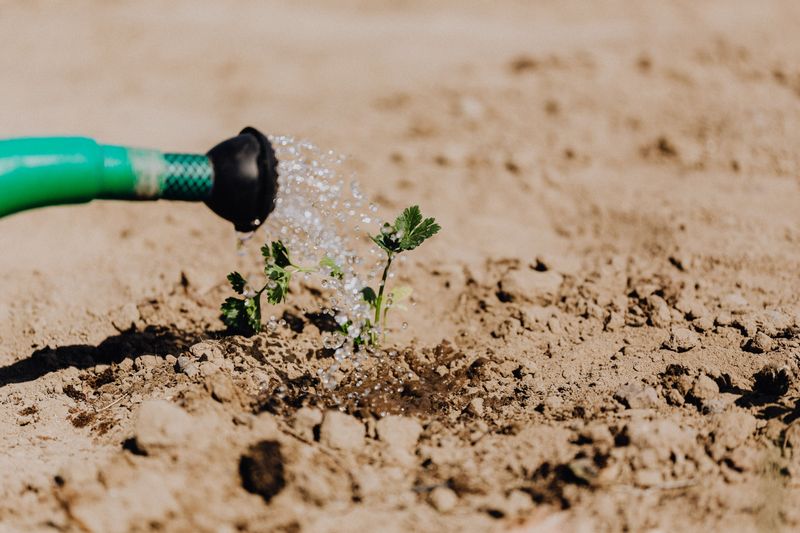
Rain finally comes after two dry weeks, and the instinct is to celebrate by running the sprinklers anyway. That double-watering is one of the sneakiest June mistakes homeowners make.
Overwatering after drought creates soggy soil conditions that suffocate grass roots. Turf roots need oxygen as much as they need moisture, and waterlogged soil cuts off that supply fast.
Compacted Illinois clay soils are especially vulnerable to this cycle. Water pools near the surface instead of draining, and roots stay wet long enough to invite root rot and fungal problems.
A good rule of thumb is to check soil moisture before you water, not just the calendar. Push a screwdriver six inches into the soil. If it slides in easily, the ground is still moist enough.
Lawn disease and drought stress both leave turf vulnerable, but overwatering after a dry period creates a third problem on top of the first two. Recovery becomes much harder when you layer mistakes.
Let the soil dry slightly between rain events before resuming irrigation. Your lawn will actually green up faster when roots can breathe and access nutrients properly.
Watch for yellowing turf, mushy soil near the surface, or an uptick in moss and algae growth. Those are warning signs that you have crossed from helpful watering into harmful territory.
A rain gauge in the yard removes all guesswork about how much your lawn received. Aim for one inch of water per week total, including rainfall, and adjust accordingly.
Less is more after a drought breaks. Your lawn needs balance, not a flood of good intentions.
Mowing Too Short During Dry Spells
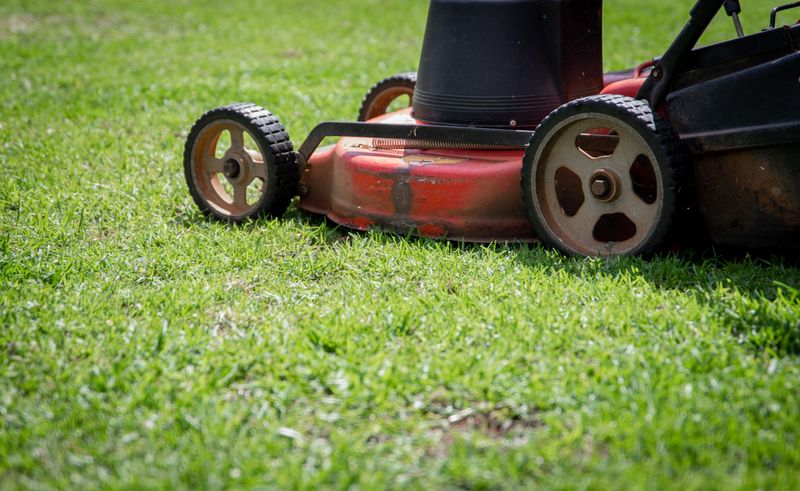
Scalping your lawn in a drought is one of those mistakes that feels productive in the moment. You mow short, it looks tidy, and then the lawn turns straw-colored within days.
Taller grass blades shade the soil and reduce surface evaporation significantly. When you cut too low, the sun hits bare soil directly and moisture disappears at a much faster rate.
During dry spells in June, raise your mower deck to at least three and a half inches. Taller turf develops deeper roots that reach moisture farther down in the soil profile.
Short grass also stresses easily under heat. The crown of the plant sits exposed, and heat damage on the crown can slow recovery for weeks even after rain returns.
Lawn disease and drought stress both worsen with aggressive mowing practices. Short turf has less leaf area for photosynthesis, which weakens the plant before any disease pressure even arrives.
A sharp mower blade matters just as much as mowing height. Dull blades tear grass instead of cutting cleanly, leaving ragged edges that lose moisture faster and invite infection.
Try to mow in the early evening during a dry stretch. Morning mowing removes dew and speeds up surface drying when the turf is already struggling to hold moisture.
Never remove more than one-third of the blade length in a single mow. That one-third rule protects the plant from shock and keeps recovery time short after each cut.
Your mower height setting is one of the most powerful tools you own. Use it wisely and your lawn holds up through even the toughest June dry stretches.
Breaking Dormancy Mid-Summer With Heavy Watering
Dormancy is not your lawn giving up. It is your lawn being smart, conserving energy until conditions improve on their own terms.
Cool-season grasses like Kentucky bluegrass go dormant in summer heat as a survival strategy. The crown stays alive underground while the blades above turn tan and dry-looking.
When homeowners panic and flood a dormant lawn with heavy water, they force the grass out of rest too early. That sudden push into growth during peak heat exhausts the plant quickly.
The grass uses stored energy to push new growth, only to face scorching temperatures again within days. That cycle of forced growth and heat stress weakens the root system significantly over time.
Lawn disease and drought stress are hard enough to manage without adding mid-summer dormancy disruption to the mix. Letting the lawn rest is often the kindest thing you can do for it.
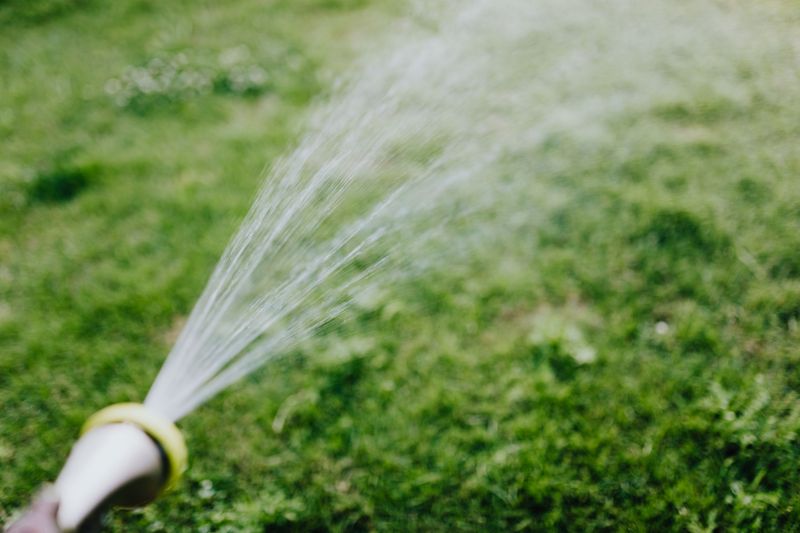
If you want to maintain dormancy without letting the lawn suffer, water lightly once every two weeks. About a half inch every 14 days keeps the crown alive without waking the plant fully.
Avoid fertilizing a dormant lawn under any circumstances. Nutrients push growth the plant cannot support in extreme heat, and that mismatch causes more harm than the drought itself.
Traffic on a dormant lawn also causes damage that lingers long after the turf greens back up. Keep foot traffic minimal and let the lawn rest undisturbed through the hottest stretch of summer.
Trust the process and let dormancy work. Your lawn will bounce back beautifully once September temperatures drop and fall rains return.
Fertilizing During Hot, Dry Conditions
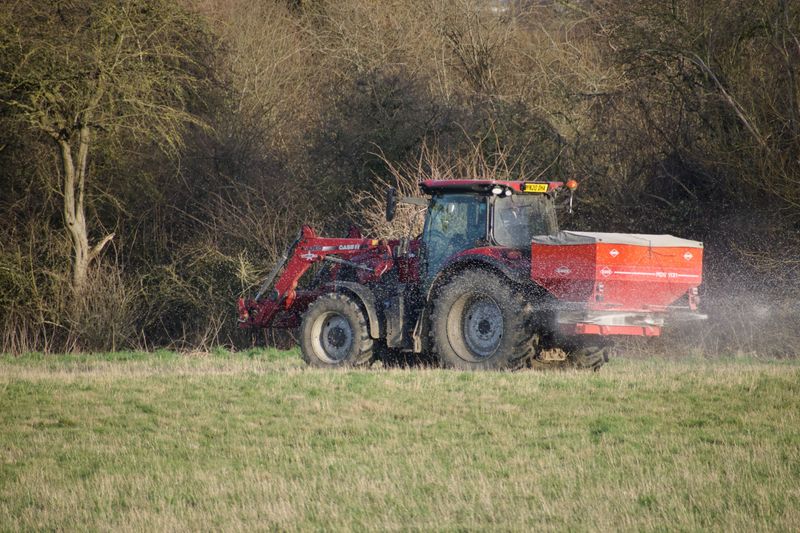
Fertilizer sitting on dry, hot grass is a recipe for burn. The salts in the product pull moisture out of the blades when there is no water to carry them into the soil.
June in Illinois can swing from warm and wet to blazing dry within a week. Timing your fertilizer application around those swings is critical for protecting your turf investment.
Lawn disease and drought stress both leave grass in a fragile state. Adding fertilizer on top of either condition pushes the plant past its ability to cope or recover quickly.
Soil temperature matters more than air temperature when deciding to fertilize. Once soil temps exceed 85 degrees, most grass types struggle to absorb nutrients efficiently anyway.
A simple soil thermometer costs very little and removes all the guesswork from your timing decisions. Check soil temperature at a two-inch depth before applying any product in summer.
If you feel the urge to feed in June, consider a light application of a slow-release product only when rain is in the forecast. Rain helps carry the granules into the root zone safely.
Liquid fertilizers are especially risky in dry heat because they concentrate quickly on the blade surface. Stick to granular, slow-release options if you must fertilize during a warm stretch.
Waiting until late August or early September is almost always the smarter move for Illinois lawns. Fall feeding fuels root development when the grass is actually ready to absorb and use it.
Patience with fertilizer timing is what separates a lawn that thrives from one that struggles all summer. Mastering lawn disease versus drought stress starts with knowing when to hold back entirely.