7 North Carolina Famous Trees Road Trip Every Garden Lover Should Take Once
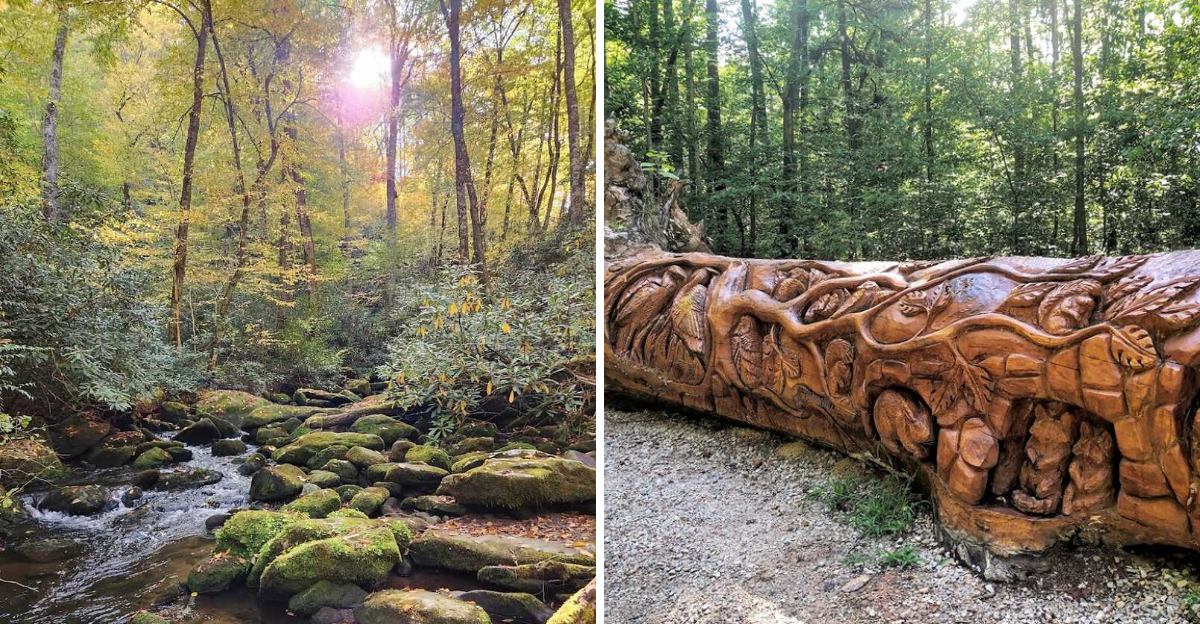
North Carolina is packed with remarkable trees that have stood through centuries of storms, history, and change.
From the mossy coastal lowlands to the misty Blue Ridge Mountains, the state holds some of the most awe-inspiring living landmarks in the entire country.
These are not just big trees. Some of them were already old when the first European settlers arrived. Others survived wars, hurricanes, and a hundred years of development pressing in from every side.
Garden lovers and nature fans will find that a road trip connecting these famous trees feels less like sightseeing and more like meeting someone worth knowing.
Some of these trees are tucked inside world-class gardens and historic estates. Others require a hike through old-growth forest to reach. A few are simply standing in a city park that many locals drive past without stopping.
All of them are worth the detour.
Pack water, lace up your walking shoes, and set aside a few days for a green adventure that will genuinely change how you look at every large tree you pass afterward.
1. Start With The Airlie Oak In Wilmington
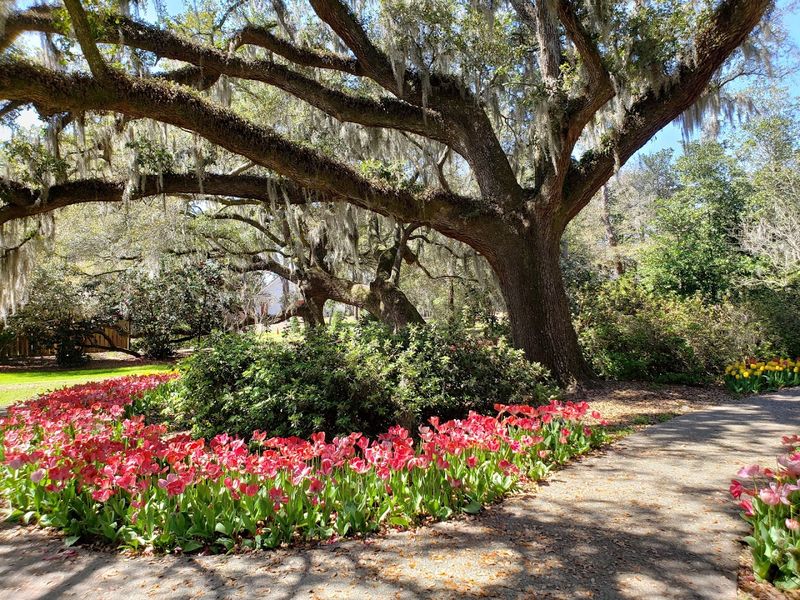
Pulling into Airlie Gardens at 300 Airlie Road in Wilmington on a warm morning, the first thing that stops you is the Airlie Oak.
This extraordinary live oak is believed to be more than 400 years old, which means it was already a mature tree when European settlers first arrived along the Carolina coast.
Its massive canopy stretches wide enough to shade a small neighborhood, and the branches dip so low they almost touch the ground.
Airlie Gardens itself is a 67-acre public garden in Wilmington featuring seasonal blooms, sculptures, and peaceful walking paths.
The oak sits at the heart of it all, drawing photographers, painters, and curious visitors who simply want to stand beneath something ancient and feel small in the best possible way.
Spanish moss drapes from the branches like a gray-green curtain, adding to the coastal mystique.
Visiting is straightforward since Airlie Gardens charges a modest admission fee and is open most of the year.
Always check the official Airlie Gardens website for current hours and seasonal closures before making the drive to 300 Airlie Road.
Try visiting on a weekday morning when crowds are thinner and the light through the canopy is soft and golden.
Bring a blanket and sit beneath the oak for a few quiet minutes.
Some visitors say that moment alone is worth the entire trip to Wilmington, and it is hard to argue with them once you have been there.
2. Follow The Witness Trees Through State Parks
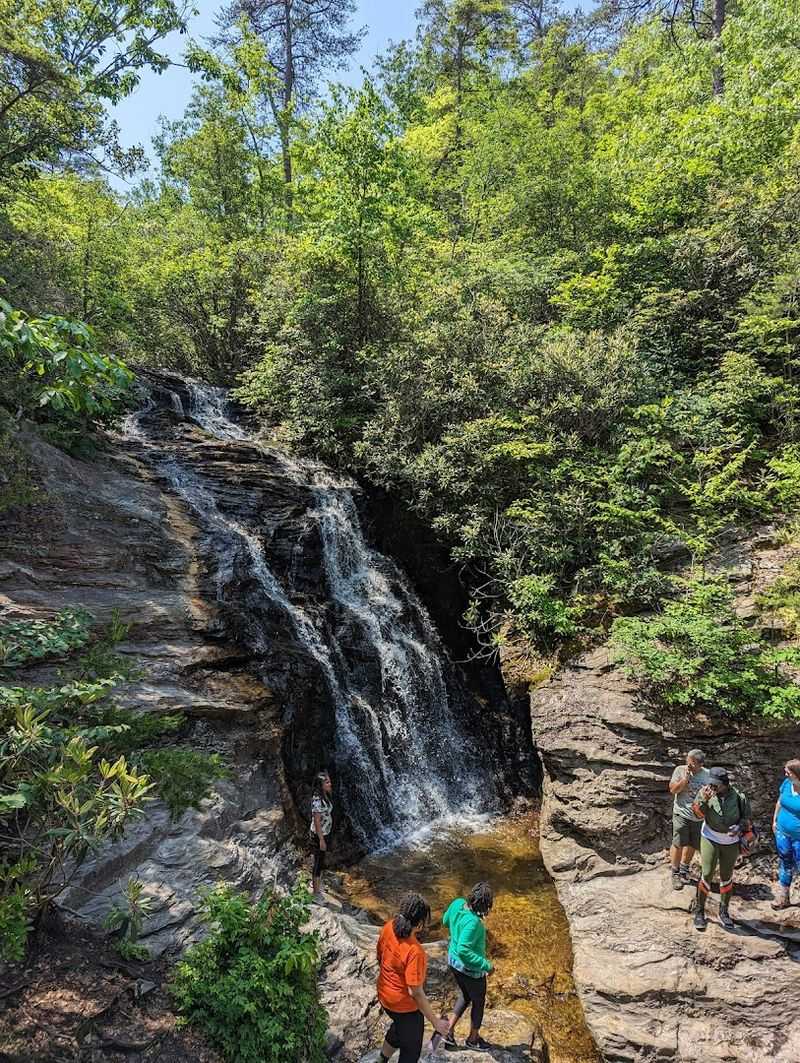
Some trees are more than plants. They are living witnesses to events that shaped entire communities, boundary surveys, and forgotten trails that maps no longer show.
The idea of a Witness Tree refers to a tree old enough to have been present at a significant moment in history, and North Carolina state parks quietly hold dozens of them scattered across the landscape.
Places like Hanging Rock State Park, with its main park entrance at 1790 Hanging Rock Park Road in Danbury, and Pilot Mountain State Park, with its visitor center at 1721 Pilot Knob Park Road in Pinnacle, feature ancient hardwoods that predate the Civil War by generations.
Your North Carolina Garden Changes Every Week. Your Plan Should Too.
Gardening in North Carolina changes quickly throughout the season. Every Friday you’ll receive a simple weekly plan showing exactly what to plant, prune, fertilize, harvest, and protect so you never miss the right timing.
Walking near these trees creates a strange and wonderful feeling. You start imagining what sounds they absorbed, what seasons they endured, and what the land looked like before roads and buildings arrived.
It changes how you look at every large tree you pass afterward.
State park rangers are often an excellent resource for learning which specific trees on a trail carry historical significance.
Ask at the visitor center before heading out on your hike. Many parks have tree identification guides available at the entrance, and some offer guided nature walks where staff point out the oldest specimens along the route.
Bringing a field journal to sketch or write notes about each tree adds a personal layer to the experience.
Check the NC State Parks website for trail maps, park hours, and any seasonal programming before your visit. Admission to most state parks in North Carolina is free, making this a budget-friendly stop on any road trip.
3. Stand Under Biltmore’s Champion Giants
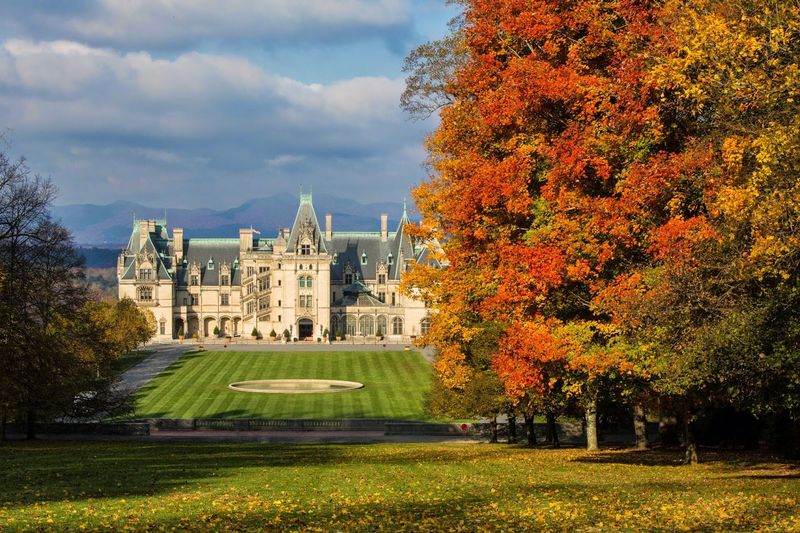
Few places in North Carolina blend horticultural history with jaw-dropping scenery quite like Biltmore Estate at 1 Lodge Street in Asheville.
The Vanderbilt family hired Frederick Law Olmsted, the same landscape architect who designed Central Park, to plan the estate grounds in the 1890s.
Olmsted planted thousands of trees across the property with a long-term vision that visitors today get to enjoy more than a century later.
Several trees on the Biltmore grounds have been recognized as state or national champions, meaning they are among the largest known specimens of their species.
Tulip poplars, bald cypresses, and a variety of rare ornamentals grow across the estate’s 8,000 acres, some reaching heights that make you crane your neck just to find the top.
The walled garden, designed by Olmsted, frames many of these trees beautifully and makes every photograph look like it belongs in a magazine.
Biltmore requires a paid admission ticket and strongly encourages advance reservations, especially during peak seasons like spring and fall.
Check the Biltmore website for current pricing and seasonal garden highlights before booking your visit to 1 Lodge Street. Wear comfortable shoes because the grounds cover a lot of territory and the terrain rolls gently in places.
If you have the time, the self-guided garden audio tour is a helpful companion for understanding which trees were planted intentionally and which ones Olmsted let grow naturally along the estate’s woodland edges.
4. Walk Among Joyce Kilmer’s Old Growth Trees
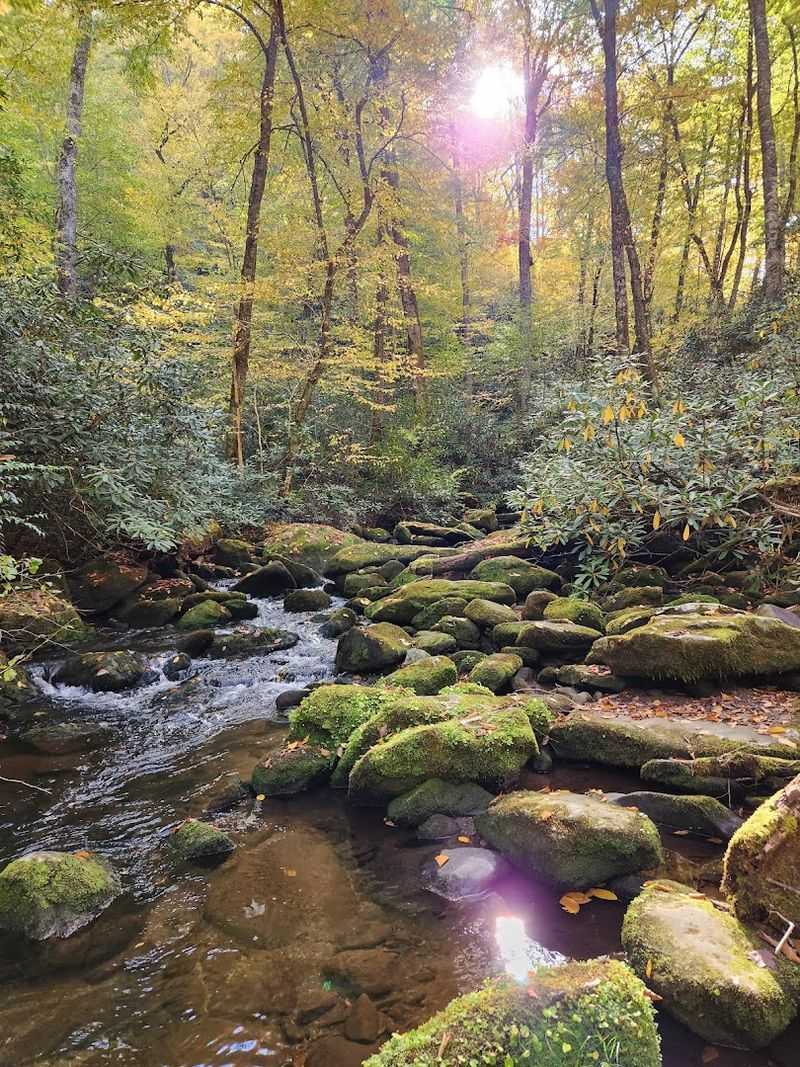
Stepping into Joyce Kilmer Memorial Forest at 5410 Joyce Kilmer Road near Robbinsville feels like entering a cathedral built entirely from wood and green light.
Located in the Nantahala National Forest near Robbinsville, this 3,800-acre preserve is one of the few remaining old-growth forests in the eastern United States.
Tulip poplars here reach heights of more than 100 feet, with trunks so wide that two adults holding hands cannot wrap their arms around them.
The forest is named for Joyce Kilmer, the poet who wrote the famous 1913 poem simply titled “Trees.”
Mosses, ferns, and wildflowers carpet the forest floor, and the sound of rushing streams accompanies you along the two-mile loop trail that winds through the oldest sections of the preserve.
No fees are required to visit Joyce Kilmer Memorial Forest, but the drive into the area is winding and takes longer than maps suggest.
Plan for at least half a day to fully enjoy the experience without feeling rushed.
Arrive early in the morning when the light angles through the canopy at its most dramatic, especially during spring and early summer when the understory is lush and green.
Check the Nantahala National Forest website for current road and trail conditions before heading out to 5410 Joyce Kilmer Road, since mountain weather can change the accessibility of forest roads quickly.
5. Visit Weymouth Woods For Longleaf Pine History
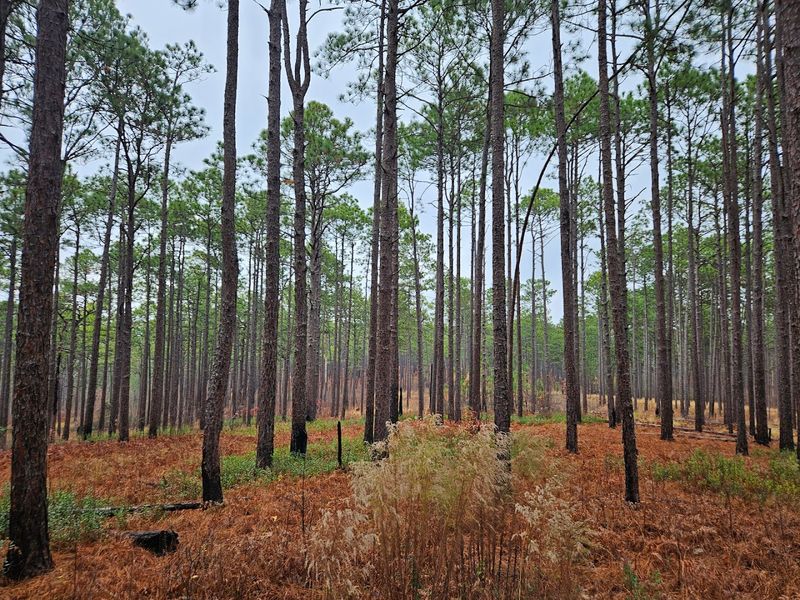
Longleaf pine forests once covered nearly 90 million acres across the southeastern United States, stretching from Virginia all the way to Texas.
Today, less than three percent of that original forest remains, making every surviving stand of longleaf pines a remarkable and precious sight.
Weymouth Woods Sandhills Nature Preserve at 1024 Fort Bragg Road in Southern Pines protects one of the finest remaining old-growth longleaf pine ecosystems in the entire region.
Some of the longleaf pines in the preserve are believed to be more than 500 years old, their bark thick and furrowed like the pages of a very old book.
The forest has a different look and feel from a typical hardwood forest. The canopy is open and airy, the sandy soil beneath your feet is soft, and the light filters down in long golden shafts that make the whole place glow in the afternoon hours.
Weymouth Woods is operated by the North Carolina State Parks system and offers hiking trails, a nature museum, and ranger-led programs throughout the year.
Admission is free, which makes it an easy and rewarding addition to any road trip through the Sandhills region.
Visit the NC State Parks website to check trail conditions and program schedules before arriving.
Early morning visits reward patient walkers with the sound of red-cockaded woodpeckers, a rare bird that nests specifically in old longleaf pine trees.
6. Find Living Stories At Jockey’s Ridge
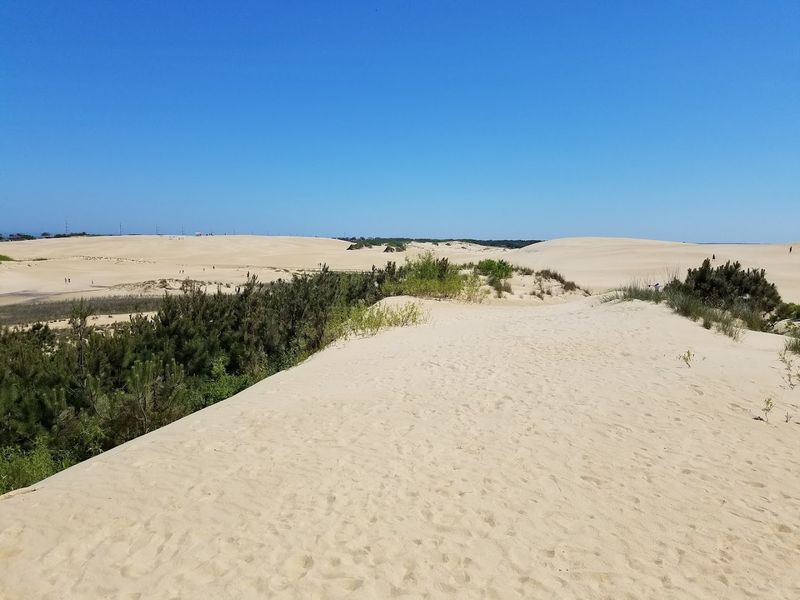
Many people visit Jockey’s Ridge State Park at 300 W. Carolista Drive in Nags Head to see the tallest natural sand dune system on the East Coast, but the trees around the dunes tell a story that is just as fascinating.
Along the edges of the shifting sands, you will find live oaks and other coastal species twisted into wild, almost sculptural shapes by decades of wind, salt spray, and sand movement. These trees are survivors in the most dramatic sense of the word.
The dunes at Jockey’s Ridge are always moving, pushed by coastal winds that never really stop.
Over time, the sand has buried and then re-exposed trees, creating ghostly standing trunks alongside living trees that have adapted to grow sideways rather than straight up.
The result is one of the most unusual tree landscapes in the state, equal parts eerie and beautiful.
Photographers love this spot at golden hour when the low light turns the sand orange and the silhouetted tree shapes look almost otherworldly.
Jockey’s Ridge State Park is located in Nags Head on the Outer Banks and is open year-round with free admission.
Check the NC State Parks website for hours and any event schedules before heading. Wear closed-toe shoes since the sand can get extremely hot during summer afternoons, and the surface is uneven in spots.
7. Make Umstead A Raleigh Tree Stop
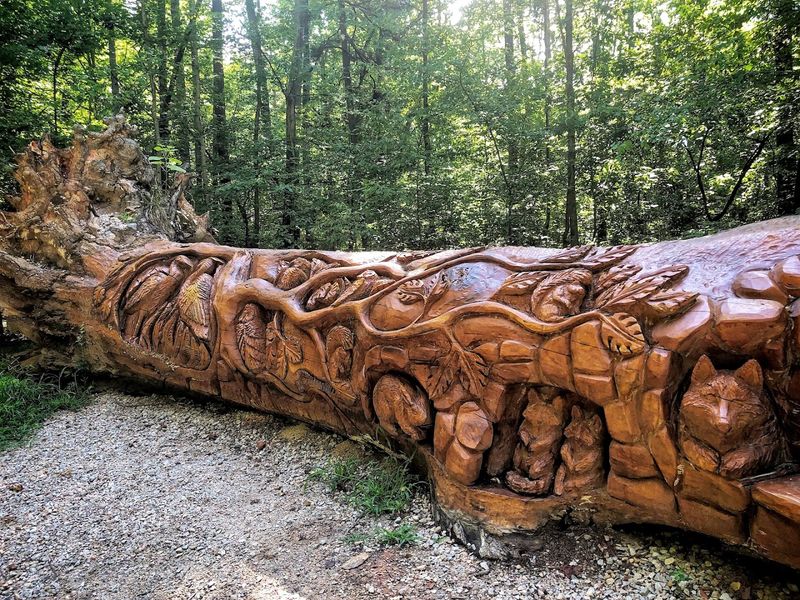
Right on the doorstep of Raleigh sits one of the most underappreciated tree destinations in the state.
William B. Umstead State Park covers more than 5,000 acres of forest just minutes from the city center, with the Crabtree Creek entrance and visitor center at 8801 Glenwood Avenue in Raleigh and the Reedy Creek entrance at 2100 N.
Harrison Avenue in Cary, offering a genuine woodland escape without a long drive. Tall loblolly pines, white oaks, and hickories create a layered canopy that feels miles away from the office parks and shopping centers just outside the park boundary.
Umstead is a great stop for road trippers who want to break up the drive across central North Carolina without sacrificing the tree experience.
The park has more than 20 miles of trails ranging from easy flat loops to more challenging ridge hikes. Several of the older sections contain trees that predate the state park designation, giving the forest a mature, settled quality that newer parks sometimes lack.
The Reedy Creek area, reached from 2100 N. Harrison Avenue in Cary, in particular has some impressively large hardwoods worth seeking out.
Umstead is open year-round and charges a small per-vehicle parking fee on weekends. Check the NC State Parks website before visiting to confirm current hours and parking details.
Early spring visits bring wildflowers to the forest floor, adding an extra layer of color beneath the waking canopy and making this one of the more rewarding stops on the entire road trip.