Most Flowers Chase The Sun But Moonflowers In North Carolina Actually Run From It
Almost every flowering plant in a North Carolina garden is working toward the same goal, opening up during daylight and closing when the light fades.
Moonflowers operate on a completely reversed schedule, and that alone makes them one of the most genuinely surprising plants a gardener in this state can grow.
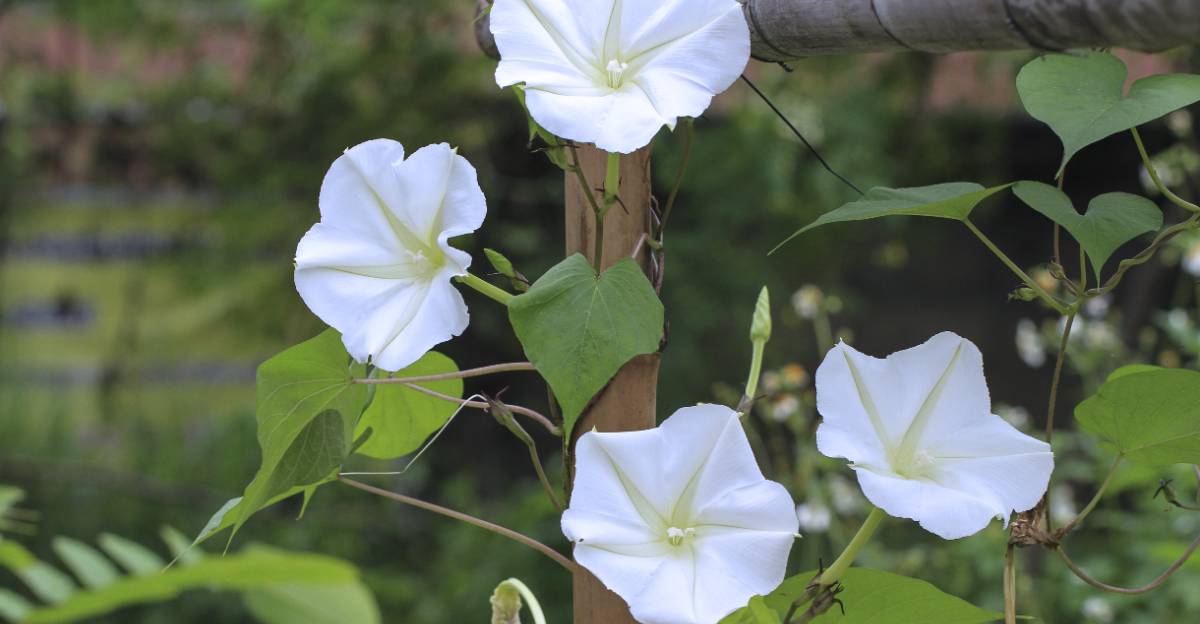
They stay tightly closed through the heat of the day and begin opening as the sun drops, unfurling large, luminous white blooms that release fragrance into the evening air in a way that no daytime flower can replicate.
North Carolina’s warm nights give moonflowers an extended performance window that cooler climates simply cannot offer.
Once a gardener experiences a fully blooming moonflower vine on a July evening, the appeal becomes impossible to argue with.
1. Night-Blooming Habit
Imagine stepping outside just as the sun dips below the horizon and watching giant white flowers slowly unfurl right before your eyes.
That is exactly what happens with moonflowers, known scientifically as Ipomoea alba, every single evening in North Carolina gardens.
While most flowers are winding down for the night, moonflowers are just getting started. These blooms stay tightly closed throughout the day, protecting themselves from heat and harsh UV rays.
Once dusk arrives, the petals begin to open wide, releasing a sweet, intoxicating fragrance that drifts through the warm summer air.
The flowers can reach up to six inches across, making them one of the most dramatic nighttime bloomers you can grow.
For North Carolina homeowners, this habit is a genuine gift. Summer evenings here are warm and inviting, and a vine covered in glowing white blooms turns any porch, fence, or pergola into something magical.
The flowers remain fully open through the night, giving you hours of beauty to enjoy. By morning, they gently close again, resting up for the next evening show.
Growing moonflowers means your garden has a whole second life after the sun goes down, one that most of your neighbors are completely missing out on.
2. Sensitive To Daylight
Sunlight is the enemy of an open moonflower bloom, and these plants have developed a clever way to deal with it.
The moment direct sunlight touches the petals, they begin to curl inward and close up, almost like the flower is retreating from something uncomfortable.
This response is not weakness at all, it is a brilliant survival strategy built over thousands of years.
North Carolina summers can be brutally hot, with temperatures regularly climbing into the upper 90s.
That kind of heat and intense UV exposure would damage the delicate reproductive parts inside the flower, making pollination much harder.
By closing during the day, moonflowers protect their pollen and pistils from drying out or overheating before nocturnal pollinators even get a chance to visit.
For gardeners, this sensitivity is worth paying attention to when choosing a planting spot. A location that gets bright afternoon sun might seem ideal for most flowers, but for moonflowers, it can cause stress over time.
Morning light is fine and actually helpful for the vine itself, but strong midday and afternoon sun should be blocked or filtered.
Your North Carolina Garden Changes Every Week. Your Plan Should Too.
Gardening in North Carolina changes quickly throughout the season. Every Friday you’ll receive a simple weekly plan showing exactly what to plant, prune, fertilize, harvest, and protect so you never miss the right timing.
Planting near a fence that provides some afternoon shade, or alongside taller plants that cast gentle shadows, gives moonflowers the protection they need to thrive and bloom reliably every single evening throughout the summer season.
3. Nocturnal Pollinator Attraction
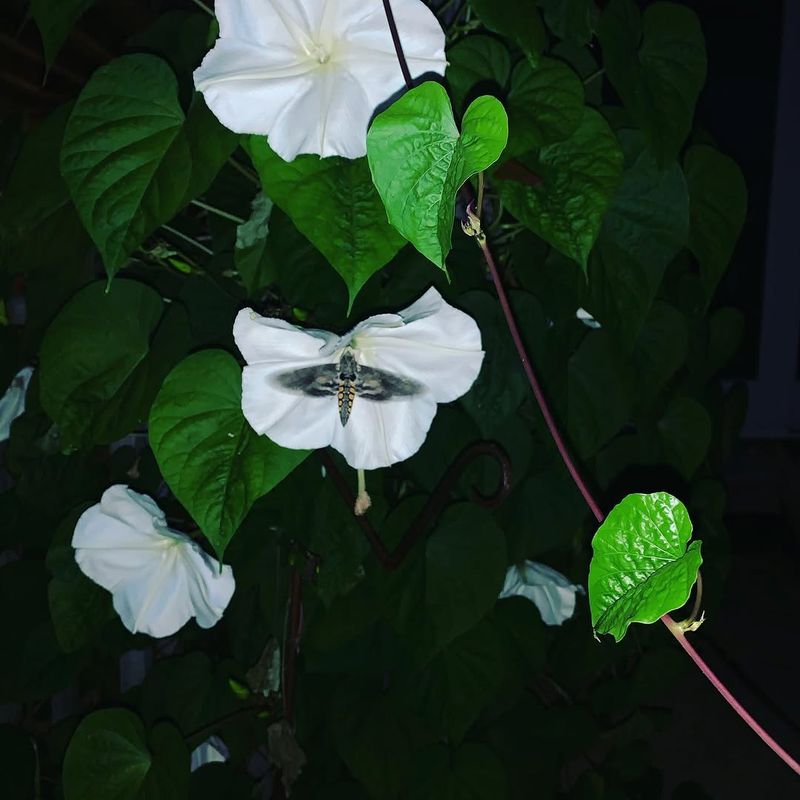
Moonflowers did not choose nighttime blooming by accident.
Every detail of their design, from their stark white color to their powerful sweet scent, is perfectly tuned to attract one very specific group of visitors: nocturnal pollinators.
And in North Carolina, the most important of these nighttime helpers is the sphinx moth, also called the hawk moth.
Sphinx moths are remarkable creatures. They hover like hummingbirds and use their long tongues to reach deep into tubular flowers for nectar.
Moonflowers produce exactly the kind of wide, open, fragrant bloom that sphinx moths find irresistible.
The bright white petals also act like a natural reflector, making the flowers easy to spot even in low light conditions. It is a partnership that works beautifully for both parties.
To encourage more nocturnal pollinator visits in your North Carolina garden, try planting moonflowers near other fragrant nighttime bloomers like four o’clocks, evening primrose, or night-blooming jasmine.
This creates a concentrated fragrance zone that draws moths in from a greater distance. Avoiding pesticide use near these plants is also critical, since many chemical sprays harm moths and other beneficial insects.
When you build a garden that welcomes nighttime pollinators, you are doing something genuinely good for local ecosystems while also making your outdoor space far more interesting and alive after dark.
4. Rapid Evening Opening
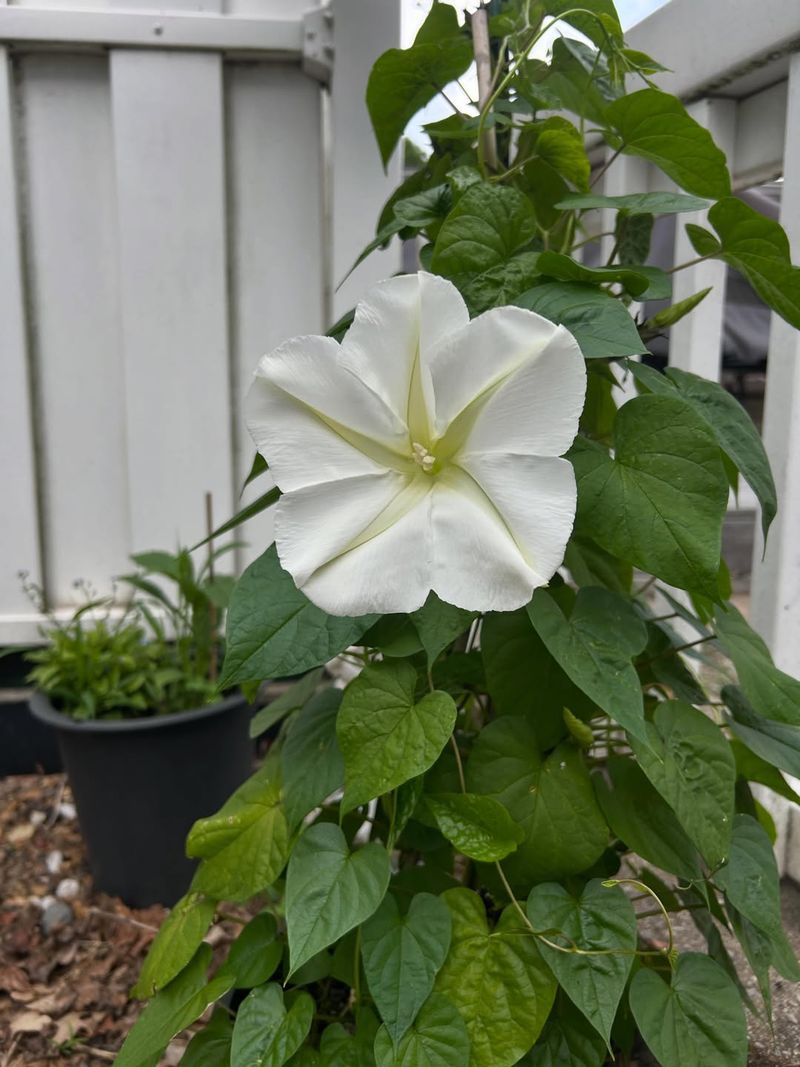
Watching a moonflower open is one of those experiences that genuinely stops you in your tracks.
Unlike most flowers that slowly develop over days, a moonflower bud can go from tightly closed to fully open in just a few minutes once the light fades.
Sit outside around dusk on a warm North Carolina evening and you can actually watch it happen in real time. This rapid opening is not just for show.
Speed matters enormously for a night-blooming flower because the window for pollination is limited to the hours of darkness.
By opening quickly and releasing its fragrance all at once, the moonflower sends out a strong, immediate signal to nearby moths and other nocturnal insects.
The burst of scent is most intense right after the petals unfurl, which is exactly when pollinators are beginning their nightly search for food.
Nectar production also peaks during the night hours, giving visiting moths a rich reward that encourages them to linger and move between flowers. For gardeners, this creates a genuinely exciting daily ritual.
Heading outside just before sunset with a cup of tea or a cold drink, watching the vines come to life, and catching that first wave of fragrance is the kind of simple pleasure that makes gardening deeply satisfying.
Set a reminder on your phone for about fifteen minutes after sunset and you will rarely miss the show.
5. Vine Growth Supports Evening Display
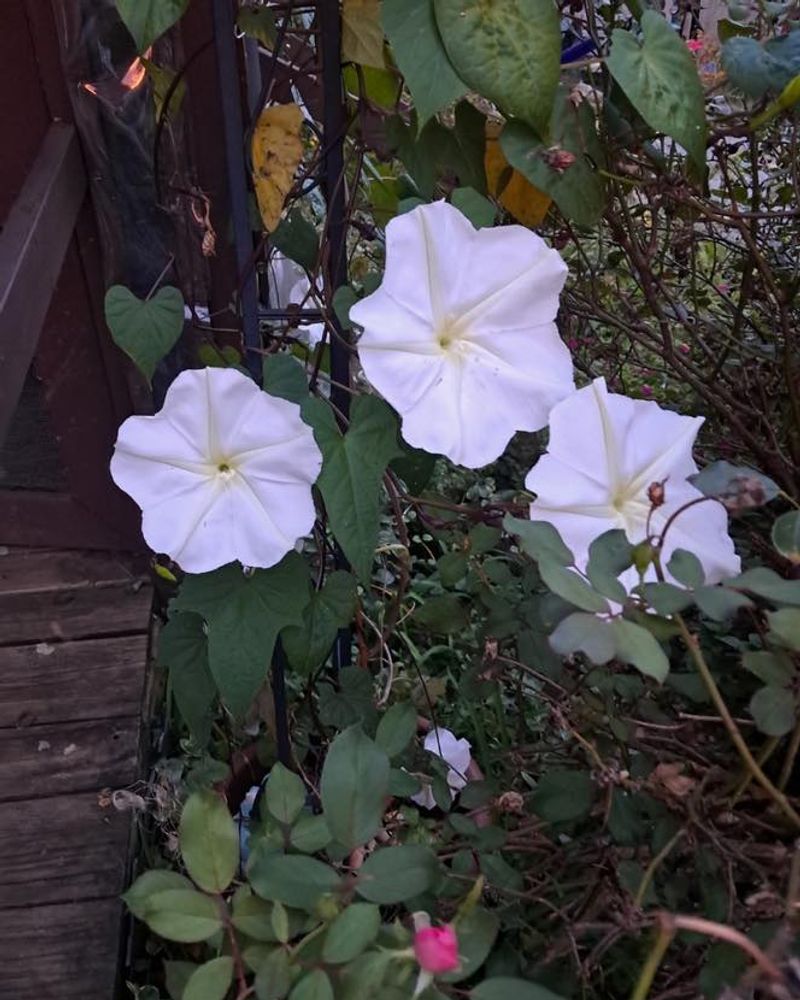
Moonflowers are vigorous climbers, and that growth habit is actually a huge advantage when it comes to putting on a stunning evening display.
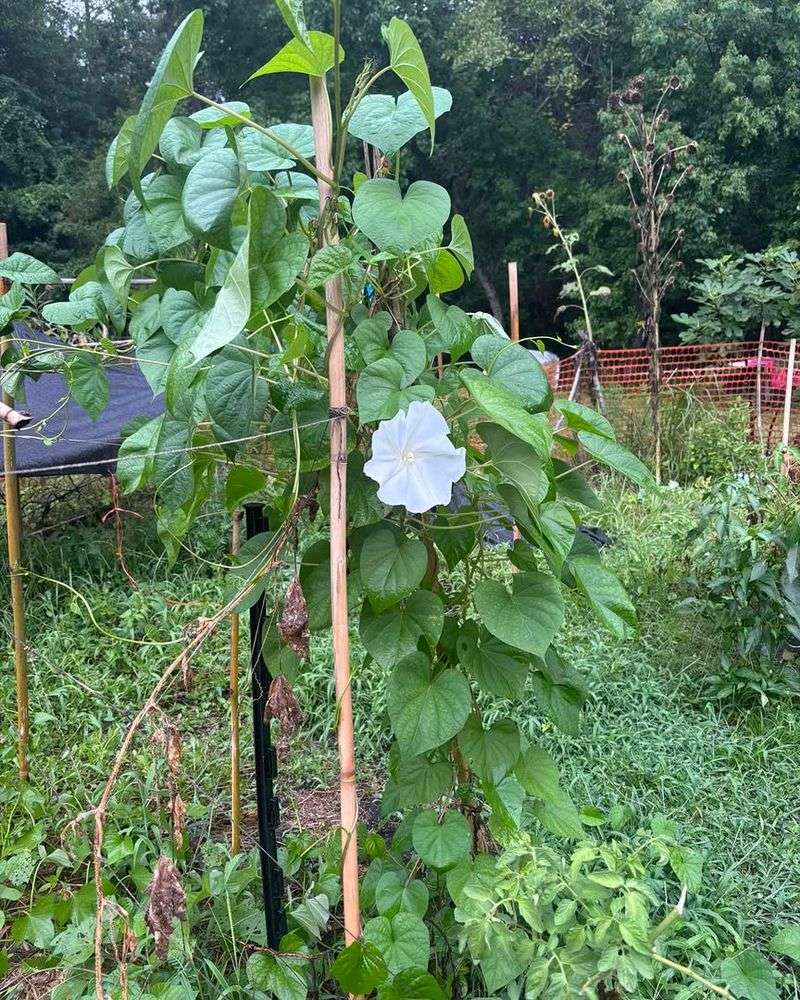
These vines can reach up to fifteen feet or more in a single growing season in North Carolina’s warm climate, covering fences, pergolas, and trellises with dense, heart-shaped foliage topped by glowing white blooms.
The height that vines achieve works in their favor at night. Flowers positioned higher up on a trellis or pergola catch more ambient light from the moon and nearby outdoor lighting, making them even more visible and striking after dark.
It also means the fragrance is released at nose and eye level when you are sitting or standing nearby, which makes the whole experience feel much more immersive and personal.
When setting up support structures in North Carolina gardens, use sturdy materials since moonflower vines get heavy with dense foliage by midsummer.
Cedar or pressure-treated wood trellises work well, as do metal obelisks and wire fence panels.
Space vertical supports every three to four feet so the vine has plenty of anchor points as it climbs.
Training the vine in the early weeks by gently guiding new growth toward the support helps it establish a strong framework.
Once it takes off, moonflower growth is fast and rewarding, filling in structures that might look bare during the day but transform into something breathtaking every single evening.
6. Fragile Petals
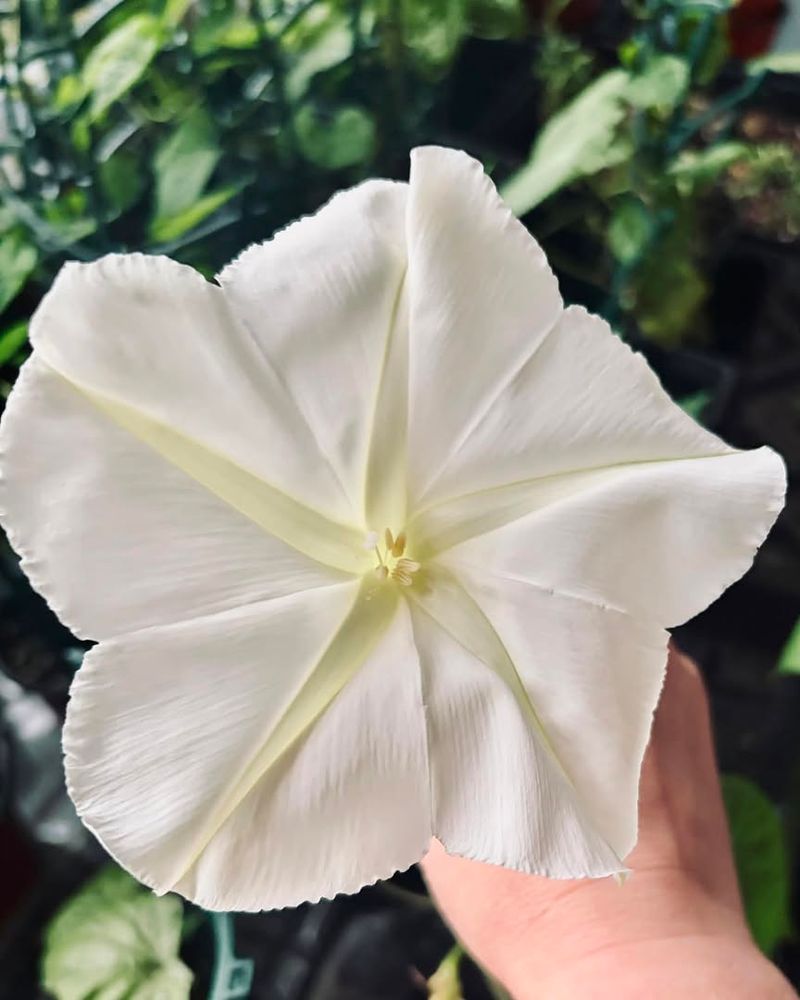
Touch a moonflower petal and you will immediately understand why these blooms close up during the day.
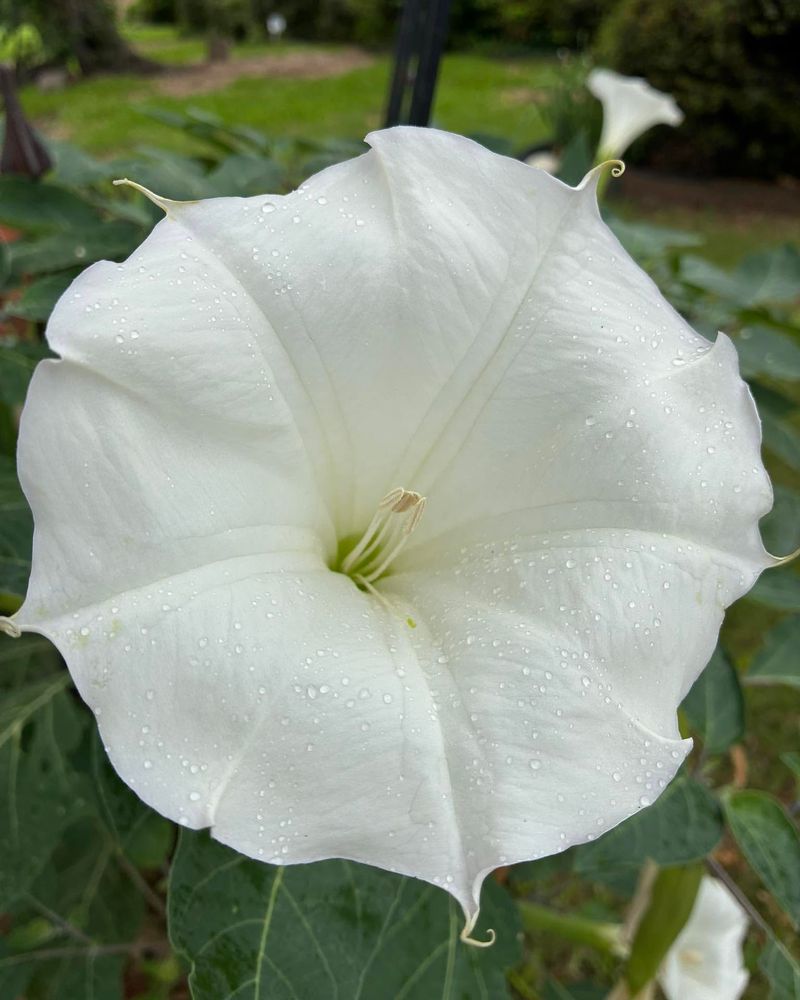
The petals are incredibly thin and silky, almost translucent in the right light, with a delicate texture that feels like fine tissue paper.
That kind of fragility is beautiful, but it also means sunlight and heat can cause real damage very quickly.
In North Carolina, where summer afternoons can feel like standing next to an oven, unprotected moonflower petals would scorch within hours of direct sun exposure.
Even partially wilted or sun-damaged petals are less attractive to pollinators and less capable of completing their reproductive job.
This is why choosing the right planting location matters so much more for moonflowers than it does for tougher sun-loving plants.
Aim for a spot that receives gentle morning sun for two to four hours, then shifts into dappled or filtered shade during the hottest part of the afternoon.
The east side of a fence, a wall, or a grouping of taller shrubs often provides this kind of protection naturally.
Avoid planting moonflowers in open, fully exposed south or west-facing spots where afternoon sun is relentless.
If your only available spot gets full sun, consider using a shade cloth rated at thirty to forty percent during the peak summer months.
A little thoughtful placement goes a long way toward keeping those gorgeous, silky petals healthy and ready for their nightly performance.
7. Soil And Water Preferences
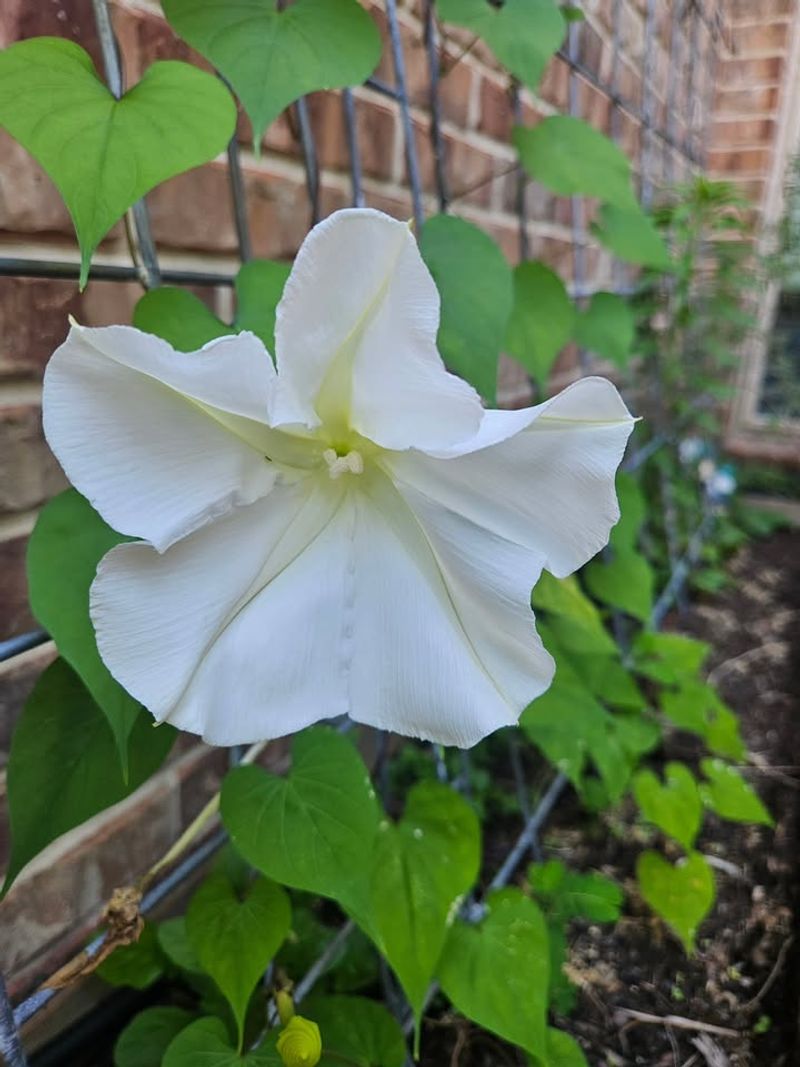
Getting the soil right for moonflowers sets the foundation for a season full of spectacular blooms.
These plants prefer well-drained, moderately fertile soil, which means they do not need to be pampered with heavy fertilizer but they absolutely cannot sit in soggy, waterlogged ground.
North Carolina has a wide range of soil types, and most of them can work well with a little preparation.
Sandy coastal soils drain fast, which moonflowers appreciate, but they may need added organic matter to hold enough moisture for steady growth.
Clay-heavy soils in the Piedmont region hold too much water and can cause root stress during wet spells.
Mixing in a generous layer of compost before planting, about two to three inches worked into the top foot of soil, improves both drainage and fertility across most soil types found in the state.
Watering schedules matter too, especially during North Carolina’s hot, dry summer stretches.
Young moonflower vines need consistent moisture to establish, roughly one inch of water per week.
Once established, they are reasonably drought tolerant but bloom most reliably when they receive regular deep watering rather than frequent shallow sprinkles.
Water at the base of the plant in the early morning to reduce moisture on leaves and lower the risk of fungal issues.
During especially hot August weeks, check soil moisture every two days and water whenever the top two inches feel dry to the touch.
8. Companion Planting Benefits
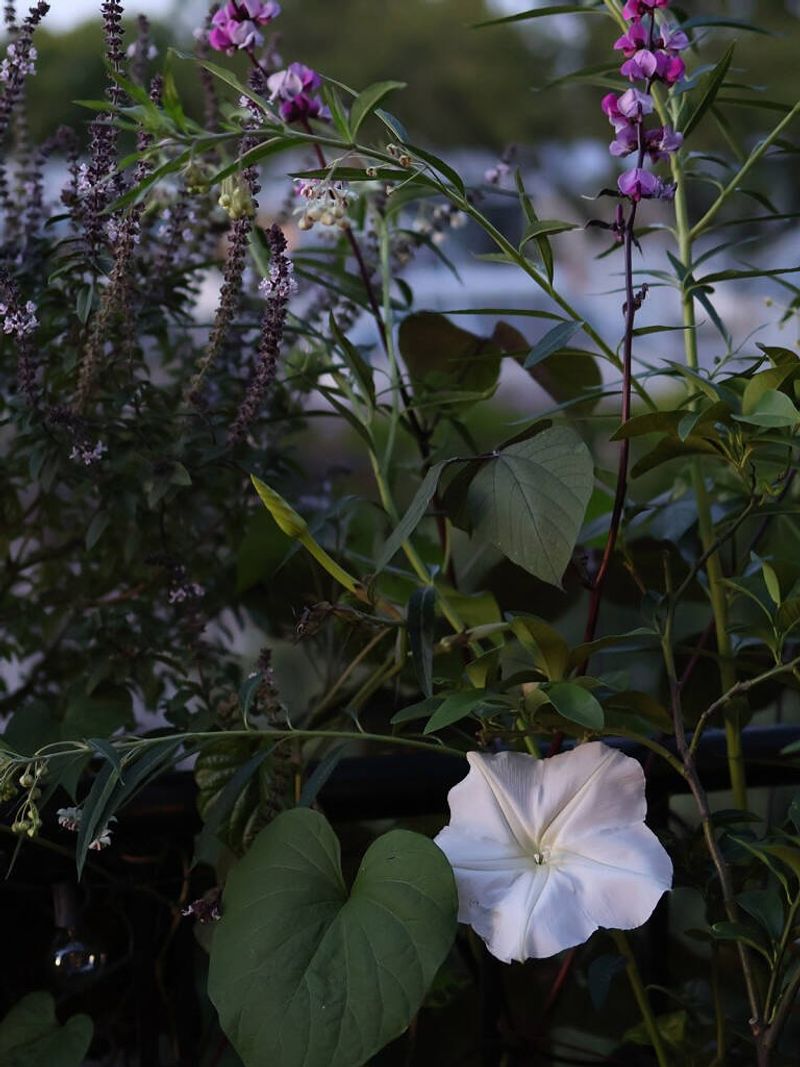
One of the smartest things you can do with moonflowers is pair them with daytime bloomers that keep the garden colorful and lively from sunrise all the way through to midnight.
On their own, moonflower vines look a little plain during the day since the blooms are closed and the foliage, while lush, is not particularly showy.
Add the right companions and suddenly the whole garden feels alive around the clock. Sun-loving flowers like zinnias, black-eyed Susans, and marigolds are excellent choices in North Carolina gardens.
They thrive in the same warm conditions, bloom generously through the summer, and fill the space with color while moonflowers rest.
As the sun sets and those daytime bloomers fade into the background, the moonflowers take over with their glowing white petals and sweet fragrance, creating a seamless visual handoff between day and night.
Companion planting also brings practical benefits beyond looks. Marigolds, for example, naturally deter certain pests that might bother your moonflower vines.
Tall companions like sunflowers can provide light afternoon shade that protects moonflower petals during the hottest hours.
Fragrant herbs like lavender or basil planted nearby add another layer of scent to the evening garden and attract additional beneficial insects.
Planning a garden that works in shifts, with different plants taking center stage at different times of day, is one of the most satisfying and creative approaches any North Carolina gardener can take.
9. Seasonal Timing
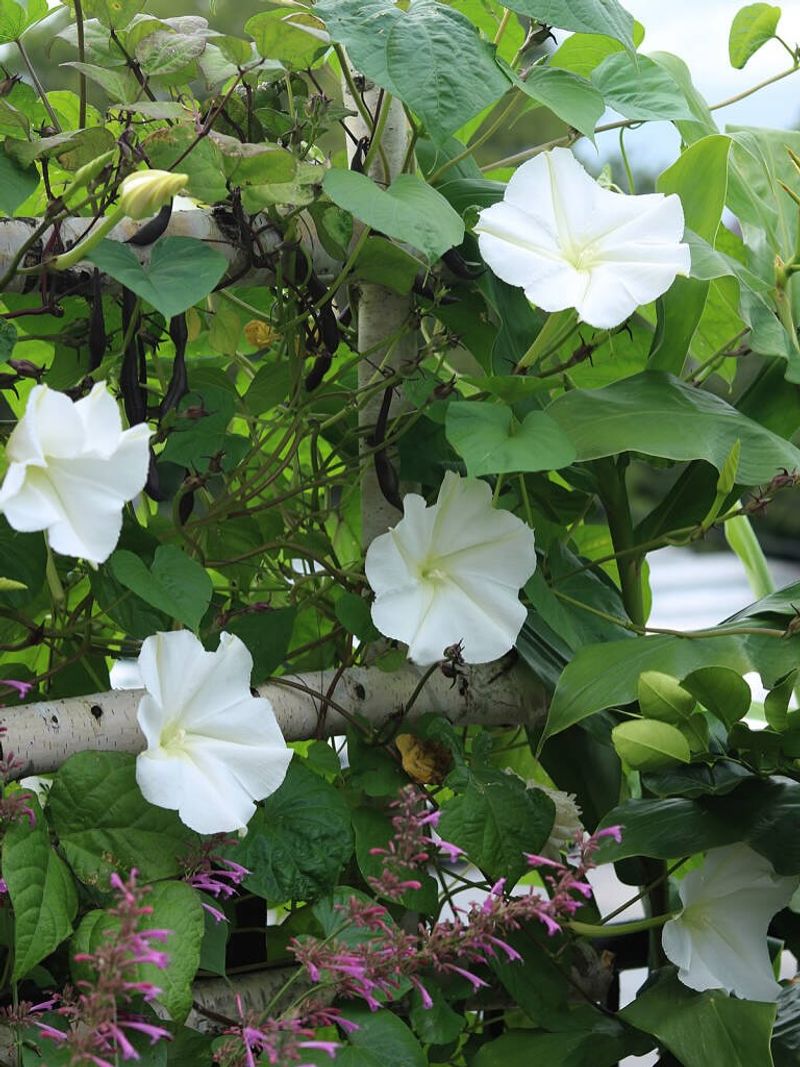
Timing is everything with moonflowers, especially in North Carolina where the growing season is long but frosts can sneak in at the edges.
Moonflowers are warm-season plants that genuinely love heat, and they perform best when they have the full stretch of summer to grow, climb, and bloom.
Getting your timing right means you will be rewarded with flowers from midsummer all the way through fall.
For most of North Carolina, the ideal time to sow moonflower seeds outdoors is mid to late May, once soil temperatures have consistently reached at least 65 degrees Fahrenheit.
These seeds have a hard outer coat, so nick them gently with a nail file or soak them in warm water for twenty-four hours before planting to speed up germination.
Plant seeds about half an inch deep and twelve inches apart at the base of your chosen support structure.
If you want blooms earlier in the season, start seeds indoors about four to six weeks before your last frost date, which falls somewhere between late March and mid-April depending on where in North Carolina you live.
Use biodegradable peat pots since moonflowers dislike root disturbance during transplanting.
Harden seedlings off gradually over a week before moving them outside permanently.
With the right timing, your moonflower vines will hit their peak blooming stride right during the warm, fragrant evenings of July and August, which is honestly the best time to be sitting outside in a North Carolina garden anyway.