This Michigan Garden Border Mistake May Be Making Your Yard More Tick-Friendly
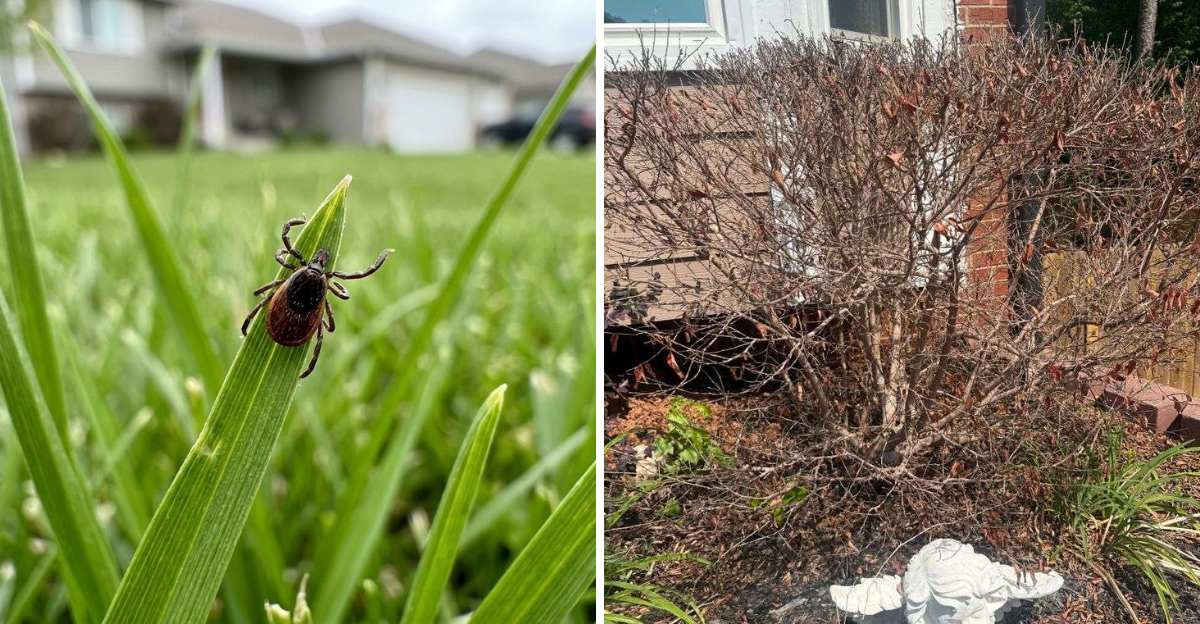
If you have a yard in Michigan that backs up to woods, tall grass, or brushy edges, you may be unknowingly creating the perfect home for ticks.
The way your garden border is designed and maintained can make a real difference in how many ticks end up near your patio, your kids, or your pets.
Many homeowners focus on the lawn itself and completely overlook the edges, which is exactly where the problem tends to live.
Michigan summers mean more time outdoors, but they also mean more chances for tick encounters, especially in yards where the lawn meets shaded, humid, weedy borders.
The good news is that a few simple changes to your border routine can reduce tick-friendly conditions without turning your yard into a concrete slab.
You do not need to remove every shrub or tree.
Small, smart adjustments to how you manage your yard edges can go a long way toward making outdoor time safer and more enjoyable for your whole family, and most of them take less than an afternoon to address.
Dense Borders Create The Cool Zone
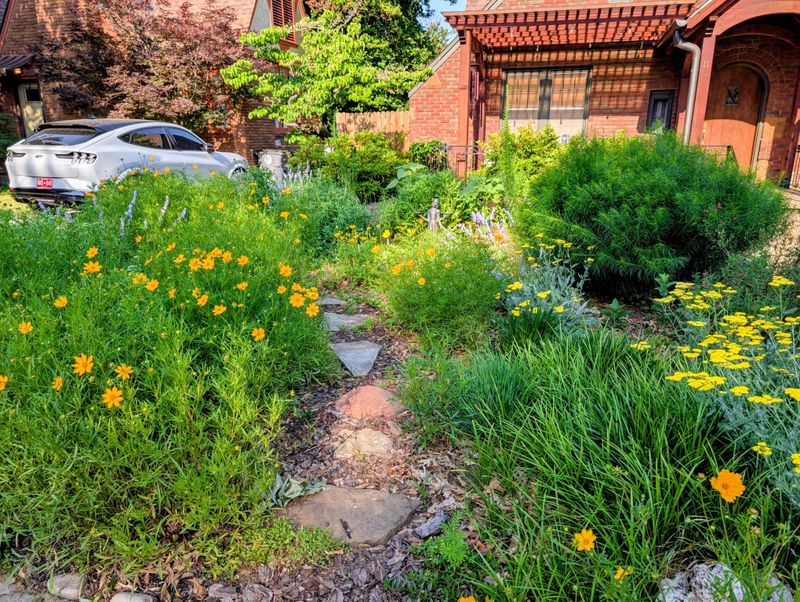
A shady, overgrown border might look lush and natural, but it is also doing something less welcome. It is creating exactly the kind of cool, damp microclimate that ticks prefer.
According to Michigan State University Extension, blacklegged ticks, also known as deer ticks, thrive in humid environments and actively avoid dry, sunny areas.
When your garden border is packed with dense plants, low-hanging branches, and thick groundcover, air circulation drops and moisture stays trapped close to the ground.
That trapped humidity is not just good for your hostas. It is also good for ticks looking for a comfortable place to wait for a passing host.
The denser the planting, the harder sunlight has a chance to reach soil level, which means the ground stays cool and moist for longer stretches of the day.
The fix does not mean ripping out your entire border.
Thinning out dense plantings so air can move through, pruning lower branches to let sunlight reach the ground, and spacing plants a bit further apart can all reduce that humid microclimate.
Even small changes in how much shade and moisture a border holds can shift conditions enough to make the area less attractive to ticks.
A lighter, airier border is still beautiful and far less welcoming to unwanted guests.
Leaf Litter Holds The Humidity
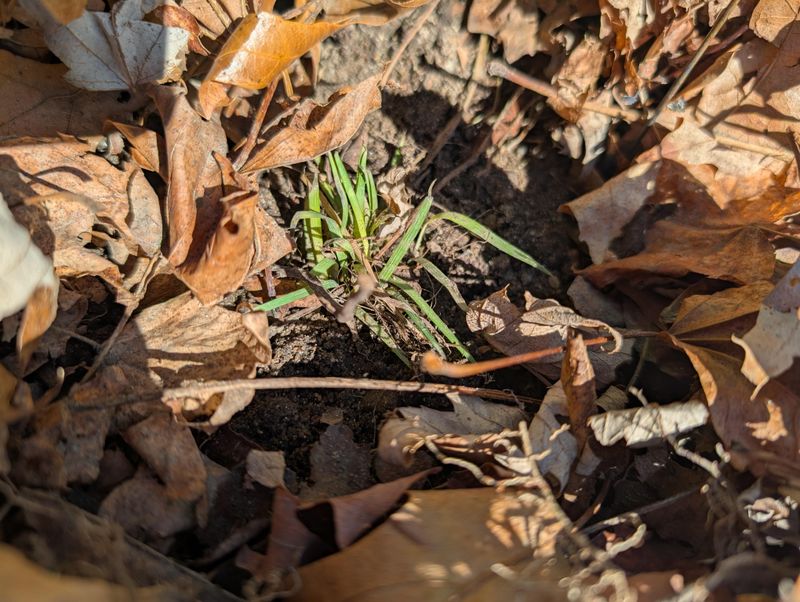
Few things look more natural than a thick layer of fallen leaves along your garden edge.
But that cozy blanket of leaf litter is one of the most tick-friendly features a yard can have. Leaves trap moisture, block sunlight, and create a layered environment where ticks can rest, reproduce, and wait for a host to wander by.
The CDC and MSU Extension both point to leaf litter as a key habitat feature to manage when reducing tick exposure around homes.
The problem is especially noticeable in Michigan, where deciduous trees drop heavy loads of leaves every fall.
Many homeowners rake the lawn but leave leaves piled along fence lines, garden edges, or the base of shrubs. Those piles stay damp long after the rest of the yard dries out.
Your Michigan Garden Changes Every Week. Your Plan Should Too.
Gardening in Michigan changes quickly throughout the season. Every Friday you’ll receive a simple weekly plan showing exactly what to plant, prune, fertilize, harvest, and protect so you never miss the right timing.
They also attract small mammals like mice, which are major carriers of the bacteria that cause Lyme disease.
So leaf piles along borders can become a double problem, and the combination of moisture and small mammal traffic is exactly what you want to avoid near active yard areas.
Clearing leaf litter from lawn edges a couple of times each season makes a measurable difference.
Removing the dense accumulation that builds up along borders, especially near woods or brush, reduces both moisture and the small mammal traffic that brings ticks closer to your home.
Tall Grass Gives Ticks A Waiting Spot
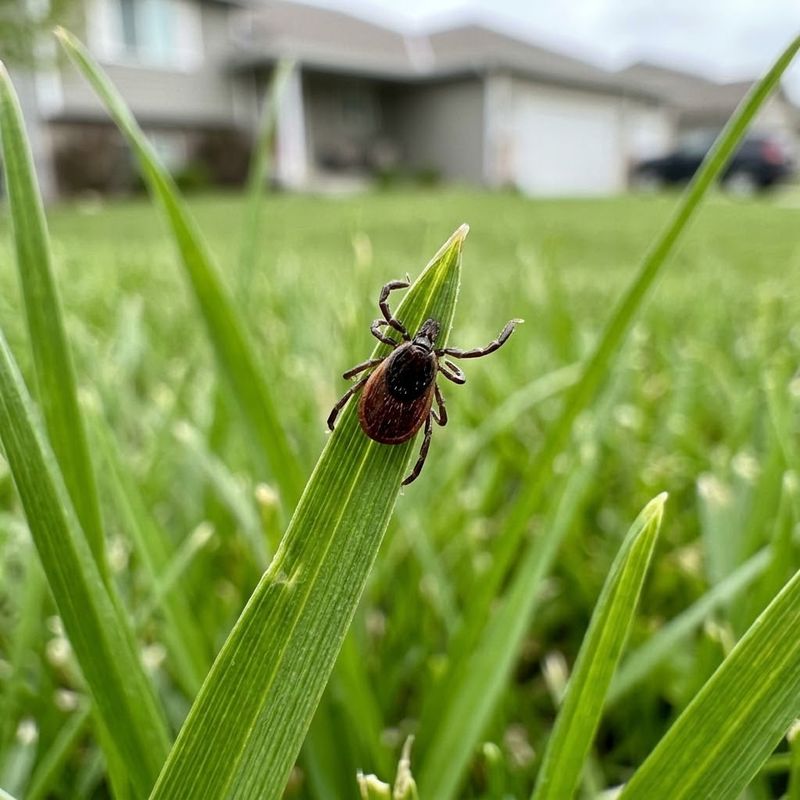
Walk through tall grass in a Michigan yard and you are essentially brushing past dozens of potential tick contact points.
Ticks do not jump or fly. They practice a behavior called questing, where they climb to the tips of grass blades or low vegetation and hold on with their back legs while reaching out with their front legs, waiting to grab onto a passing animal or person.
Tall grass near walkways, garden beds, and wooded edges creates a long line of these waiting spots right where people and pets move most often.
This is why mowing frequency matters as much as mowing height.
Grass that creeps above four inches along paths, play areas, or yard edges gives ticks easy access to foot traffic.
Kids running through the yard, dogs bounding across the lawn, and adults checking on garden beds are all moving through those contact zones regularly.
Keeping grass trimmed short along borders, paths, and any area where people and pets move regularly is one of the most straightforward ways to reduce tick contact.
MSU Extension recommends maintaining a mowed buffer between lawn and any taller vegetation or wooded edges.
It is not about having a golf-course lawn everywhere. It is about keeping the zones where activity happens clear and low so ticks have fewer places to reach out and hitch a ride.
Shrubs Touching Lawn Make Easy Bridges
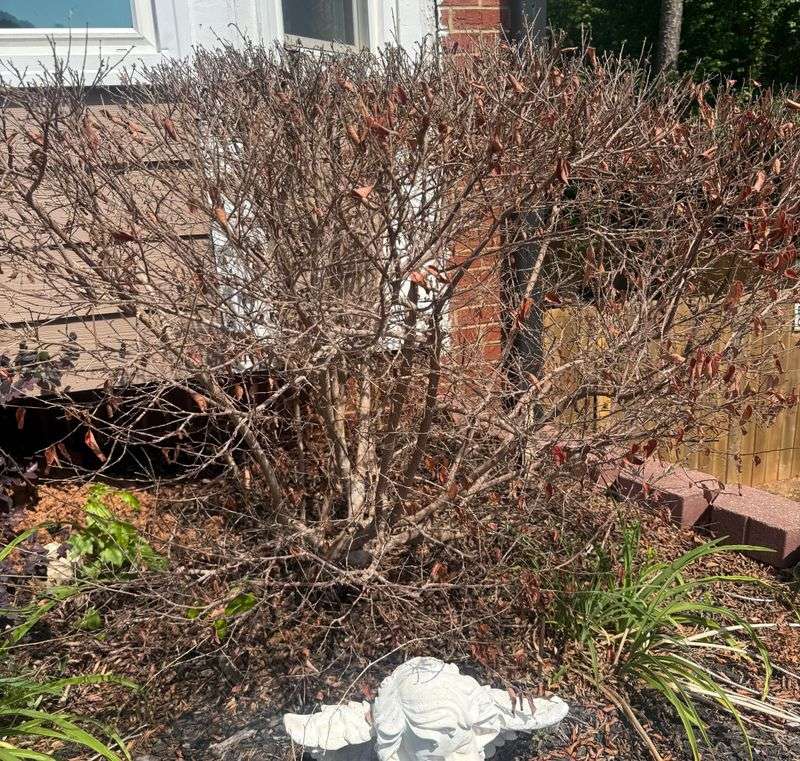
Your favorite flowering shrub might be doing double duty as a tick highway.
When shrubs spread low enough that their branches rest on or near the grass, they create a physical bridge between the shadier, more humid plant interior and the open lawn where people spend time.
Ticks resting inside the shrub can move outward along those branches and onto anyone brushing past.
Low-growing junipers, spreading arborvitae, and bushy ornamentals are common culprits in Michigan yards.
They look tidy from a distance but often have dense interiors with ground-level branches that stay permanently shaded and moist.
That interior is perfect tick habitat, and the branches touching the turf are the exit ramp. Pets are especially vulnerable here because they naturally sniff along shrub bases and push through low branches while exploring the yard.
A simple pruning session each spring can remove the lowest branches and lift the shrub canopy off the ground.
Aim to keep at least a few inches of clearance between branches and turf. This lets sunlight and air reach the base of the plant, reducing moisture and making the shrub interior less hospitable.
You keep your landscaping while cutting off one of the easier routes ticks use to move into active yard spaces.
Wooded Edges Need A Dry Break
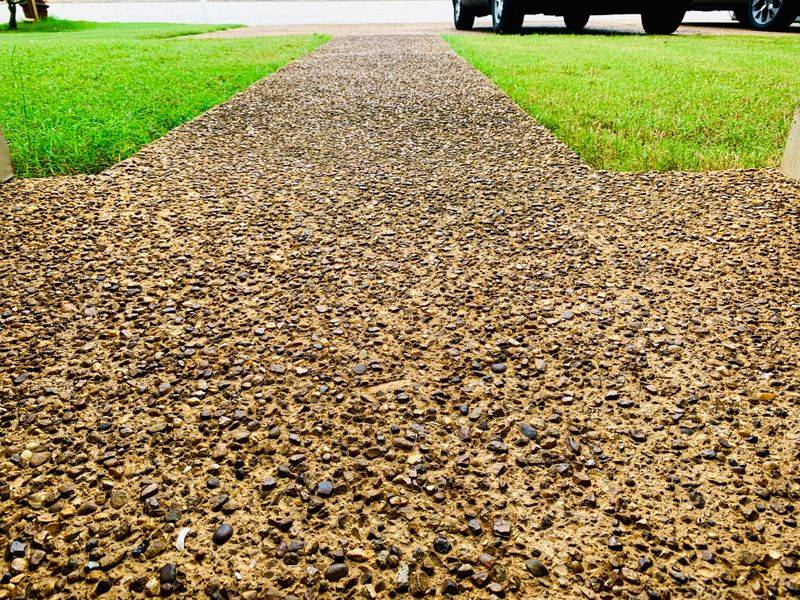
The edge where your lawn meets the woods is one of the highest-risk zones for tick exposure in a Michigan yard.
MSU Extension describes this transition area as a prime location for blacklegged tick activity, largely because it combines the humidity and leaf cover of the woods with the accessibility of the open lawn.
Without any kind of break or buffer, ticks can move freely from the wooded edge right into the mowed grass where your family spends time.
A dry break changes that dynamic.
When there is a zone of dry, sunny material between the wooded edge and the lawn, it creates a barrier that ticks are reluctant to cross.
Ticks lose moisture quickly in dry, exposed conditions and tend to avoid open sunny areas. Even a narrow strip of dry material can slow their movement significantly.
Creating that dry break does not require heavy construction.
A strip of coarse wood chips, pea gravel, or crushed stone placed along the wooded edge of your yard can serve as an effective buffer.
Keep it at least three feet wide and free of leaf litter. Avoid planting anything in that strip that would add shade or moisture.
Keeping the strip clear and dry each season is low-effort and genuinely useful for reducing tick pressure along your most vulnerable yard edge.
Brush Piles Invite Small Mammal Traffic
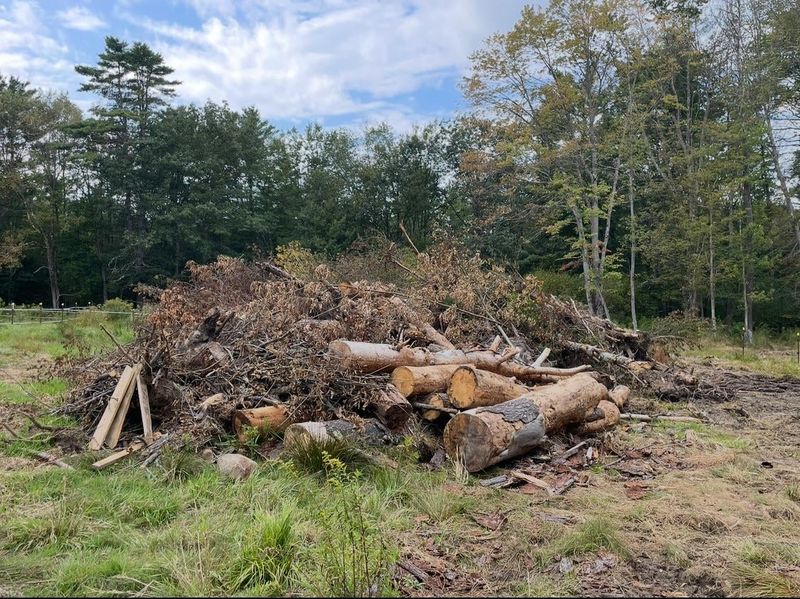
That pile of branches and twigs sitting in the corner of your yard might seem harmless, but it is likely functioning as a small mammal hotel.
White-footed mice are the primary reservoir host for Borrelia burgdorferi, the bacteria responsible for Lyme disease, and they love brush piles.
Mice, chipmunks, and shrews nest in and under brush piles, and when ticks feed on these animals, they can pick up the bacteria and carry it through the rest of their life cycle.
The connection to your garden border matters because brush piles are often stacked near the edges of yards, along fence lines, or close to wooded areas where debris naturally accumulates.
That placement puts them right in the tick transition zone. A brush pile near your border is essentially a rest stop where small mammals and ticks can meet up regularly.
Removing brush piles or relocating them well away from the lawn and active yard areas is a practical step.
If you need to keep a brush pile for wildlife habitat or yard debris, place it as far from the house and active areas as possible, at least 20 feet from the lawn edge if you can manage it.
Keeping your borders clear of woody debris, fallen branches, and stacked yard waste removes one of the main reasons small mammals venture close to the yard in the first place.