9 Ways Oregon Gardeners Can Keep Hanging Baskets From Drying Out This Summer
Hanging baskets have a reputation for being a little high maintenance, and in an Oregon summer that reputation is completely earned.
What looks absolutely gorgeous in the morning can be dramatically drooping by early afternoon, and if you have ever come home after a long day to find your basket looking like it gave up entirely, you already know exactly how fast things can turn.
The combination of limited soil volume, warm inland afternoons, and drying summer breezes creates conditions where moisture disappears faster than most people expect.
Coastal gardeners are not off the hook either since ocean breezes pull moisture out of potting mix surprisingly quickly.
The fix is less about following a rigid schedule and more about actually reading the basket, checking weight and feel, and making sure every watering is thorough enough to count.
1. Check Basket Moisture Every Day
A basket that looked full and healthy yesterday morning can surprise you with wilted leaves by afternoon.
Hanging baskets dry out much faster than in-ground plants because the roots are surrounded by air on every side, and limited soil volume means there is simply less moisture to draw from between waterings.
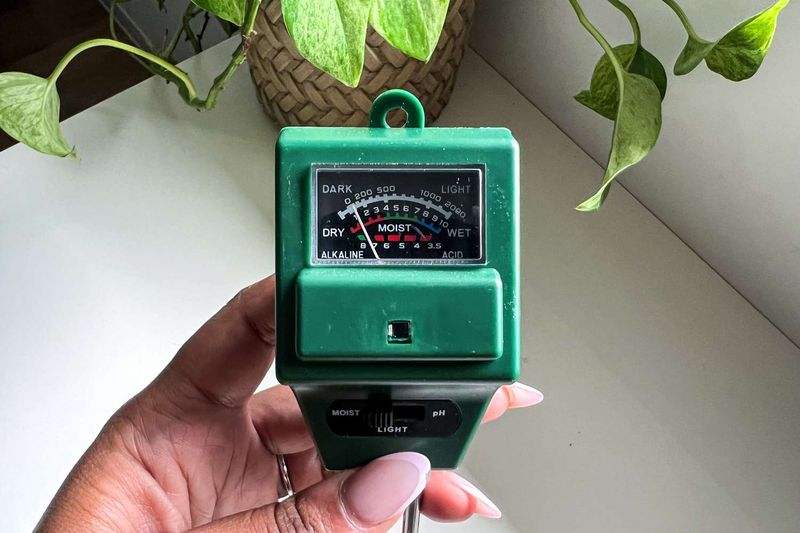
Checking moisture every day gives you an accurate picture of what your specific basket needs rather than guessing based on a set schedule. Press a finger about an inch into the potting mix.
If it feels dry at that depth, the basket likely needs water. If it still feels damp, you can wait a few hours and check again.
Basket weight is another useful tool. Lift the basket gently or nudge it with your hand.
A dry basket feels noticeably lighter than a freshly watered one, and over time you will start to recognize the difference without even touching the soil.
Oregon summers can shift quickly from mild mornings to hot afternoons, especially inland, so a single daily check in the morning may not be enough during a heat wave.
Building a quick midday check into your routine can help you catch stress before the plants show visible signs of drought damage.
2. Water Until Drainage Holes Run
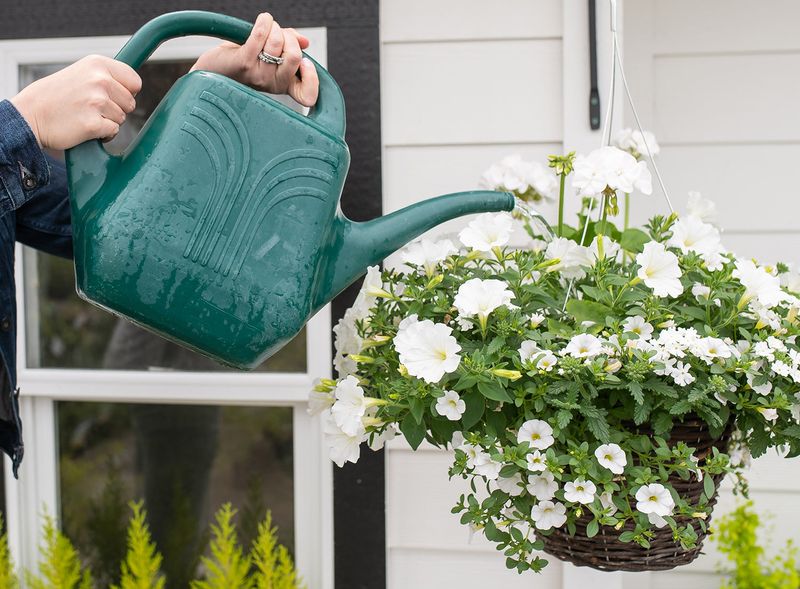
A quick splash of water on top of the potting mix can feel like enough, but it often is not. When soil dries out significantly, it can pull away from the sides of the basket, creating small gaps where water runs straight through without soaking in.
That runoff at the bottom does not mean the roots got what they needed.
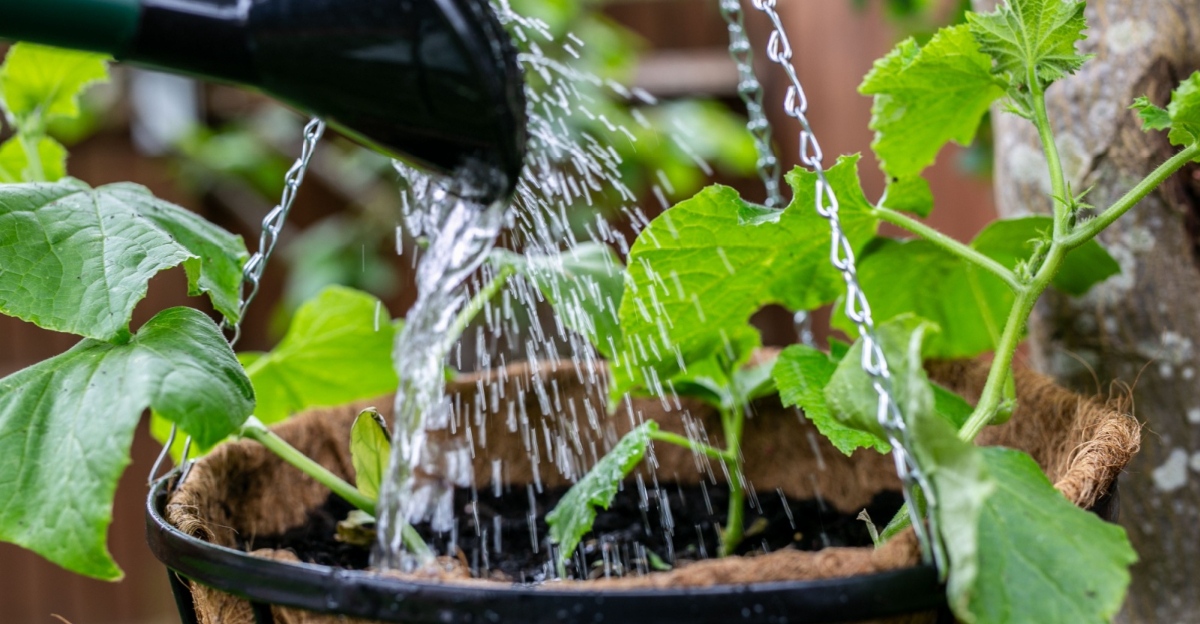
Thorough watering means applying water slowly and steadily until you see it draining consistently from the holes at the bottom of the basket. This approach helps rehydrate the entire root zone rather than just wetting the surface.
If water seems to run off the top immediately, try watering in two shorter passes with a few minutes in between to let the potting mix start absorbing before you add more.
Good drainage is just as important as thorough watering. A basket that holds water without releasing it can lead to root problems just as quickly as one that dries out too fast.
Your Oregon Garden Changes Every Week. Your Plan Should Too.
Gardening in Oregon changes quickly throughout the season. Every Friday you’ll receive a simple weekly plan showing exactly what to plant, prune, fertilize, harvest, and protect so you never miss the right timing.
Make sure the drainage holes are not blocked by compacted mix or debris.
Oregon gardeners dealing with baskets on covered patios or under eaves sometimes forget that rain does not always reach these spots, making consistent manual watering even more important throughout the dry summer months.
3. Water Early Before Summer Heat Builds
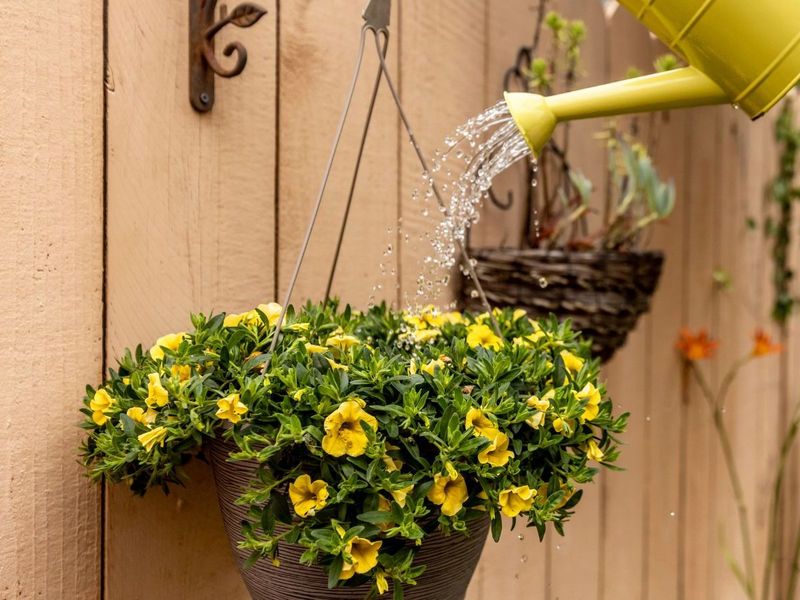
Morning is the most effective time to water hanging baskets during Oregon summers.
When you water early, plants go into the heat of the day with moisture already available in the root zone, which helps them handle rising temperatures without immediately showing stress.
Watering in the afternoon, after a basket has already been sitting in the sun for hours, is less effective and harder on the plants. The soil is already hot, the roots may be stressed, and water applied to dry, warm mix can take longer to absorb evenly.
Early watering also gives any moisture that lands on foliage time to dry before midday, which can reduce the chance of leaf issues in some plants.
Inland Oregon locations like the Willamette Valley or Southern Oregon valleys can see temperatures climb well into the 90s during summer heat waves, and baskets on south- or west-facing porches often feel the full force of that heat.
Getting water to your baskets before 9 or 10 in the morning gives them a head start.
If you have several baskets in different spots around your home, starting with the ones in the most exposed locations makes good sense.
Consistency matters more than perfection, and even a slightly later morning watering beats waiting until the afternoon heat has already taken its toll.
4. Use Potting Mix That Holds Moisture
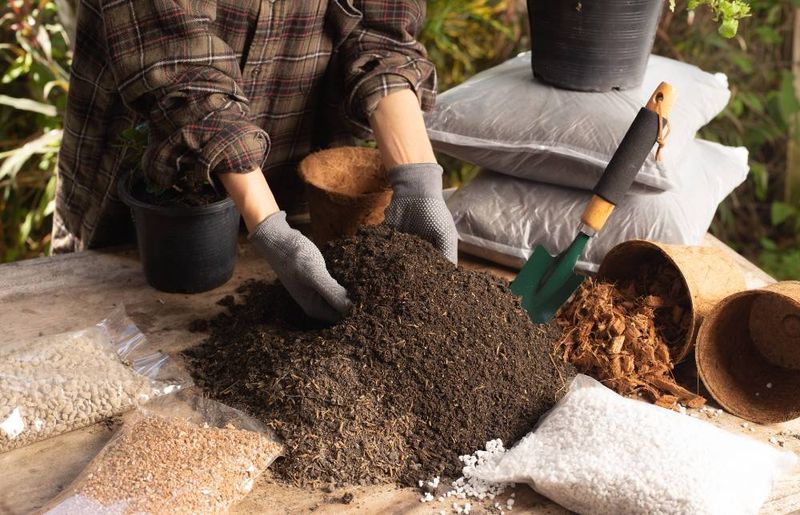
The potting mix inside a hanging basket plays a bigger role in moisture retention than many gardeners expect.
Standard garden soil is too dense for containers and can compact over time, which reduces airflow to roots and makes it harder for water to move evenly through the basket.
A quality container mix is formulated to hold enough moisture while still allowing excess water to drain freely. Many container mixes include ingredients like peat moss, coir, or perlite that help with both water retention and aeration.
Some mixes are designed specifically for hanging baskets and include moisture-retaining granules or gels that absorb water and release it slowly back to the roots between waterings.
When refreshing or planting new baskets, avoid reusing old potting mix that has broken down and become compacted. Degraded mix loses its ability to hold moisture effectively and can make watering feel like a constant battle.
Oregon gardeners who plant early in the season and then water heavily through a long dry summer may notice their mix settling and pulling from the basket edges by midsummer.
Adding a small amount of fresh mix around the top layer, or choosing a mix with good structure from the start, can make a real difference in how well the basket holds up through the warmest months of the year.
5. Leave Room At The Rim For Water
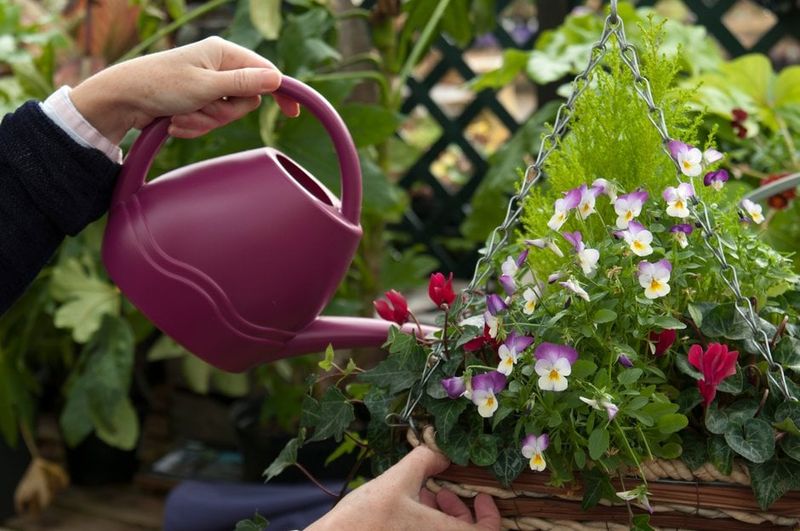
Packing potting mix all the way to the top edge of a hanging basket seems like a good idea when you want to fit as many plants as possible, but it creates a watering problem that shows up every single time you try to hydrate the basket.
When the soil sits flush with the rim, water poured on top has nowhere to collect before soaking in. It runs over the edge and down the outside of the basket instead of moving downward into the root zone.
Leaving a gap of about an inch between the soil surface and the top of the basket creates a small reservoir that gives water a chance to absorb before it can escape.
This small adjustment makes a noticeable difference, especially with baskets that have been drying out quickly or seem impossible to water thoroughly.
If your mix has settled over the season and the gap has grown too large, you can gently add a bit of fresh potting mix around the edges to bring the level back up to about an inch below the rim.
Oregon gardeners who use decorative baskets with solid sides rather than open wire frames may find this tip especially useful, since water has fewer exit points and needs more time to move through the mix evenly from top to bottom.
6. Move Baskets Into Afternoon Shade
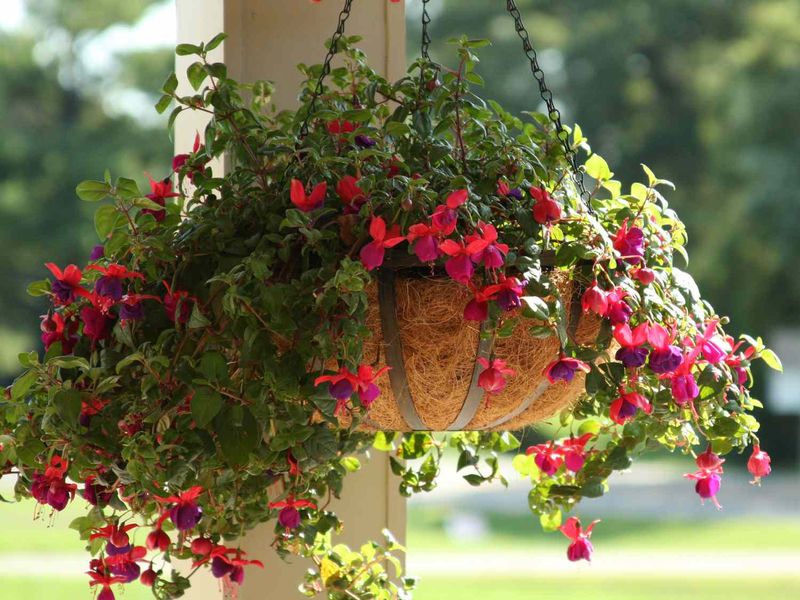
Hot porch hooks on a south- or west-facing wall can turn a thriving basket into a wilted one by mid-afternoon, even when the basket was watered that same morning.
Direct afternoon sun during an Oregon heat wave pushes temperatures well beyond what many annual flowers handle comfortably, and the exposed soil in a hanging basket heats up quickly.
Temporarily moving baskets to a shadier spot during the hottest part of the day, typically between noon and 4 p.m., can reduce moisture loss and give stressed plants time to recover.
A covered porch, the east side of the house, under a tree canopy, or beneath a pergola can all provide helpful relief without putting the plants in full shade for the entire day.
Not every basket can be moved easily, especially those hung on fixed hooks or high brackets. For those situations, consider using a lightweight shade cloth draped nearby or a patio umbrella positioned to block the most intense afternoon sun.
This approach works especially well during multi-day heat events, which Oregon has seen more frequently in recent summers. Once temperatures drop back to a more moderate range, baskets can return to their original spots.
Plants that get a break from peak heat tend to recover their shape and flower production more quickly than those left in full exposure throughout a heat wave.
7. Choose Larger Baskets When Possible
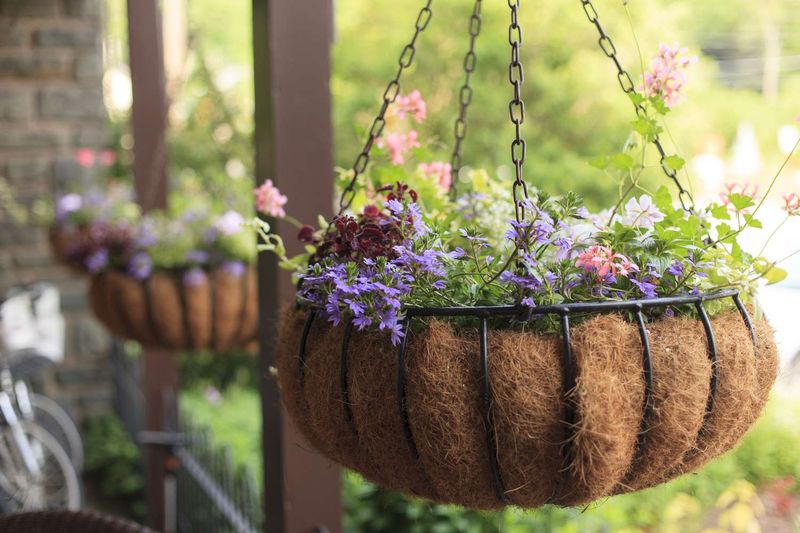
Tiny baskets dry out at a surprising speed. A small 8-inch basket might need water twice a day during a hot Oregon summer, while a 14-inch or 16-inch basket holds significantly more potting mix and generally stays moist longer between waterings.
The relationship between basket size and moisture retention is straightforward. More soil volume means more water can be stored in the root zone after each watering, which gives plants a larger buffer during dry stretches or unexpectedly hot afternoons.
Larger baskets also tend to have more room for root development, which can help plants establish a stronger hold and access moisture from a deeper portion of the mix.
If you are starting fresh with new baskets this season, choosing the largest size that fits your hook, bracket, or hanging structure is worth considering.
Heavier baskets do require sturdy support, so make sure the mounting hardware is rated for the added weight of a fully saturated large basket.
For apartment balconies or older pergola hooks, a mid-size basket may be the practical choice.
Even moving from a very small basket to a moderate-sized one can reduce how often you need to water and lower the chance of coming home to a wilted display after a long day away from home.
Oregon gardeners dealing with hot inland summers especially benefit from this simple upgrade.
8. Avoid Crowding Too Many Thirsty Plants
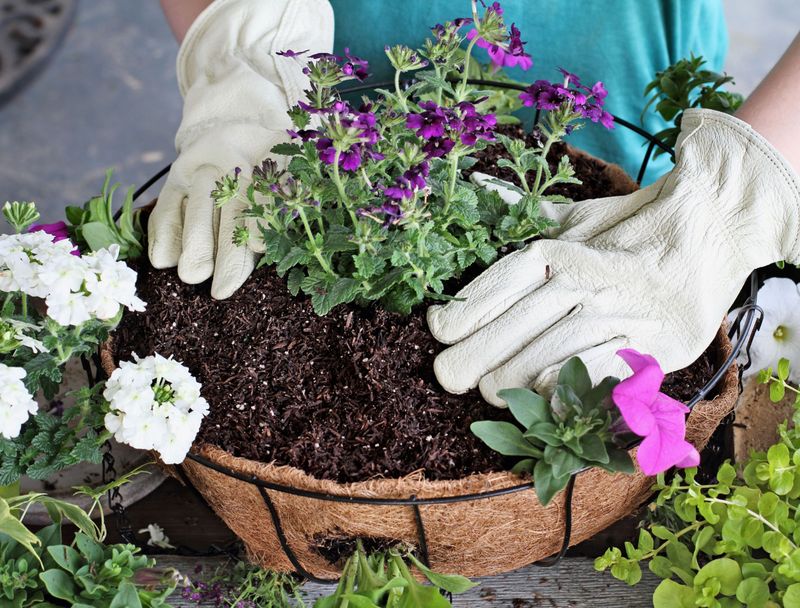
A densely packed basket looks stunning at the nursery in spring, but by midsummer those same plants have grown much larger and are competing intensely for the limited water and nutrients available in the mix.
What started as a full and balanced display can become a stressed tangle of roots with no room to spare.
Thirsty annuals like petunias, impatiens, and fuchsias are popular choices for Oregon hanging baskets, and they perform beautifully when given enough space and consistent moisture.
When too many of these plants share a single basket, the combined root mass can absorb available water very quickly, leaving the outer plants showing drought stress even when the basket was watered just hours earlier.
Paying attention to plant spacing when filling a basket at the start of the season can prevent this problem. Following the planting recommendations on plant tags gives each variety enough room to grow without crowding.
Mixing in one or two plants that are slightly less thirsty, such as trailing verbena or sweet potato vine, can also help balance water demand across the basket.
If a basket is already overcrowded midseason, selectively removing the weakest plants may feel counterintuitive but often improves the health and moisture balance of the remaining plants through the rest of Oregon’s dry summer stretch.
9. Feed Consistently But Pause During Heat
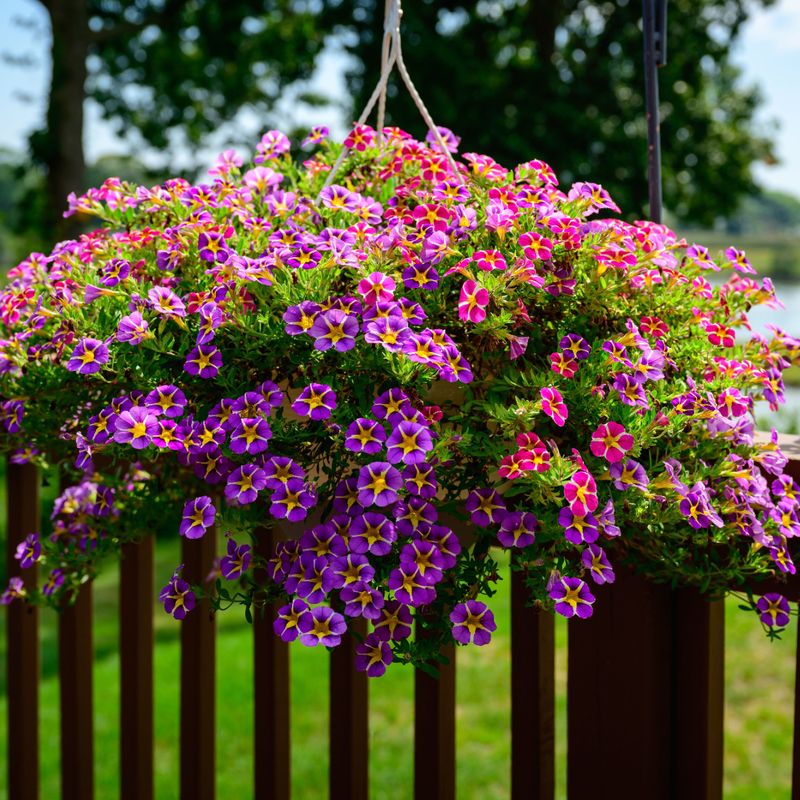
Frequent watering is necessary during Oregon summers, but it comes with a trade-off. Each time water flows through a hanging basket and drains out the bottom, it carries a small amount of nutrients with it.
Over weeks of regular watering, a basket can become noticeably depleted of the fertilizer it needs to keep blooming and growing well.
Feeding baskets consistently throughout the season helps replace what watering removes. Many Oregon gardeners use a diluted liquid fertilizer applied weekly or a slow-release granular fertilizer worked into the mix at planting time.
Both approaches can support steady growth and flower production when used as directed on the product label.
The one exception worth keeping in mind is extreme heat. When temperatures push into the upper 90s or beyond, plants are already under stress, and adding fertilizer during those conditions can sometimes increase that stress rather than help.
Roots that are struggling to absorb water efficiently may not handle a nutrient boost well in peak heat.
Pausing fertilizer applications during a multi-day heat event and resuming once temperatures drop back to a more comfortable range tends to produce better results.
Steady, moderate feeding during mild weather, combined with thoughtful pauses during the hottest stretches, gives Oregon hanging baskets the nutritional support they need without pushing plants harder than the summer heat already does.