8 Vegetables Southern Illinois Gardeners Should Plant For Heat Tolerance
Anyone who has gardened through a southern Illinois July knows the drill. The air turns thick, the soil bakes hard by noon, and lettuce bolts before you’ve even harvested your first bowl.
Most vegetables just quit. They wilt, they stall, they stop setting fruit altogether. But a handful of tough, sun-loving crops actually hit their stride once the mercury climbs past 90.
These are the plants that thrive through southern Illinois humidity and keep pumping out produce while everything else in the yard looks worn thin.
Farmers across Illinois have leaned on these varieties for generations, not because they’re trendy, but because they flat out work. This list rounds up the vegetables built for exactly this kind of summer weather.
Some are classic garden staples, others might surprise you, but every one earns its place through sheer heat tolerance and kitchen versatility. Quit babying your garden through summer. Plant crops that actually want the heat.
1. Okra
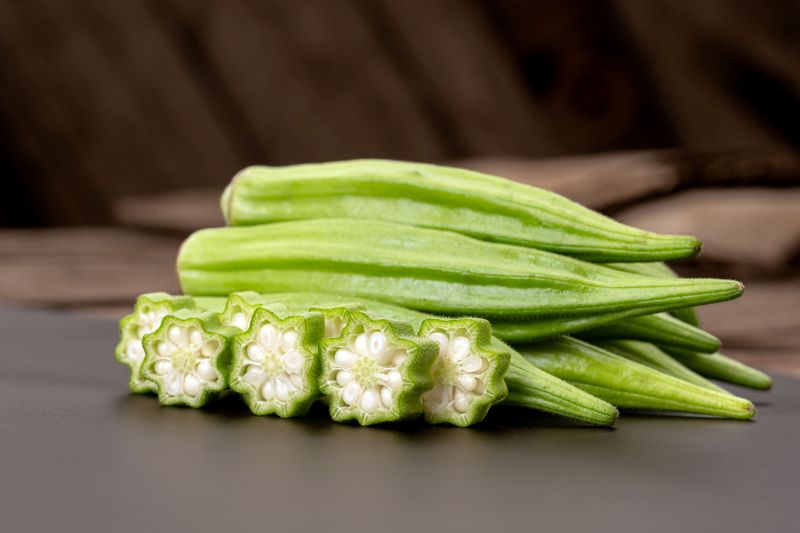
Okra tolerates heat exceptionally well. While other plants wilt and stall, okra keeps growing and producing pods all summer long.
This crop has deep roots in Southern cooking, and for good reason. It was brought to America from Africa centuries ago, and it found a natural home in hot, humid climates just like southern Illinois.
Plant okra seeds directly in the ground after your last frost. Soil temperature should be at least 65 degrees for good germination.
Space plants about 18 inches apart to give them room to grow tall. Some varieties reach six feet or more by midsummer.
Harvest pods when they are two to four inches long. Bigger pods get tough and fibrous fast, so check your plants every single day.
Okra loves full sun and does not need much water once established. Sandy or loamy soil drains well and keeps roots happy.
You can fry it, pickle it, stew it, or toss it into gumbo. Roasting okra in the oven with olive oil and salt changes the mind of people who think they dislike it.
Companion planting okra with basil or marigolds helps keep pests away naturally. Aphids can be a problem, but a strong spray of water usually handles them.
Varieties like Clemson Spineless and Jambalaya perform especially well in this region. Growing okra in southern Illinois is one of the more reliable crops a gardener can grow all season.
2. Sweet Potatoes
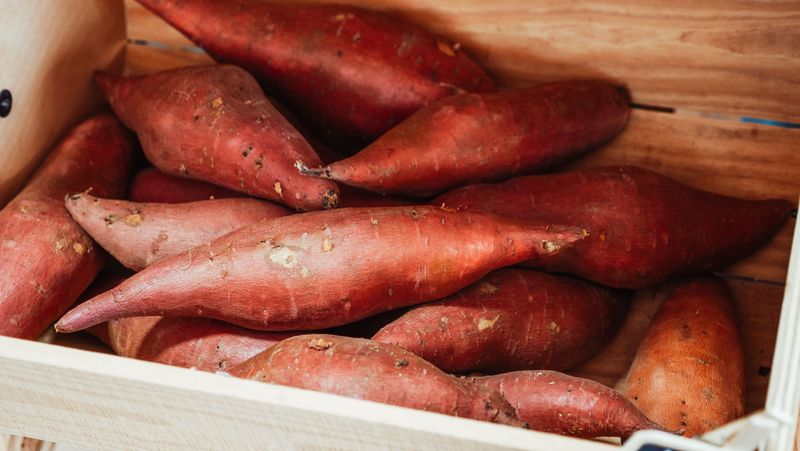
Sweet potatoes were practically made for southern Illinois summers. Long, hot growing seasons are exactly what this crop needs to develop those big, sweet, orange roots underground.
Unlike regular potatoes, sweet potatoes grow from slips, which are small rooted cuttings taken from a mature tuber. You can buy slips from a nursery or start your own by placing a sweet potato halfway in water until it sprouts.
Plant slips after the last frost when soil has warmed thoroughly. Cold soil stunts growth and can cause slips to rot before they establish.
Give each plant about 12 inches of space in rows set three feet apart. The vines will spread and cover the ground like a living mulch, blocking weeds naturally.
Your Illinois Garden Changes Every Week. Your Plan Should Too.
Gardening in Illinois changes quickly throughout the season. Every Friday you’ll receive a simple weekly plan showing exactly what to plant, prune, fertilize, harvest, and protect so you never miss the right timing.
Sweet potatoes actually prefer slightly poor soil. Rich, heavily amended beds tend to produce lots of vine and very few roots, which is the opposite of what you want.
Water consistently during the first few weeks after planting. Once established, the plants handle dry spells with impressive resilience.
Harvest after about 90 to 120 days, usually in early fall before the first frost hits. The skin is delicate at first, so cure the roots in a warm, humid spot for a week or two before storing.
Beauregard and Covington are two reliable varieties for this region. Roasted, mashed, or baked into a pie, sweet potatoes deliver one of the most satisfying harvests a summer garden can offer.
3. Southern Peas (Cowpeas/Black-Eyed Peas)
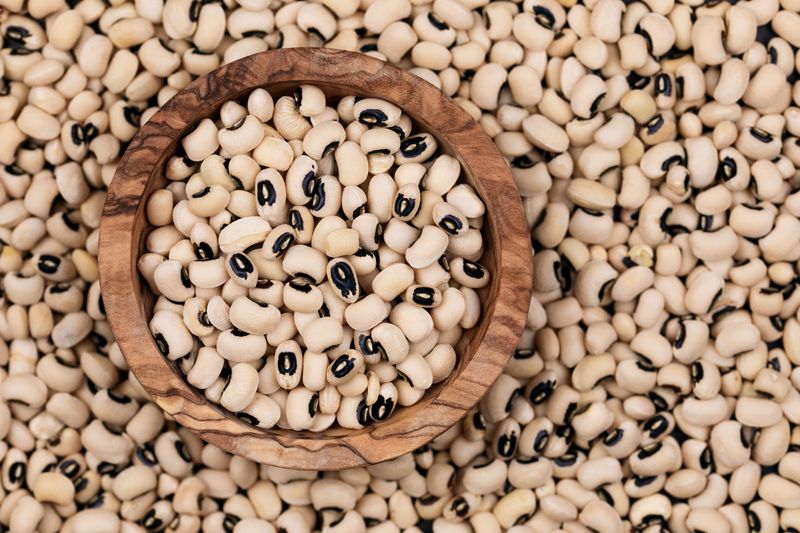
Nothing suits the summer garden quite like southern peas. Farmers across the South have relied on cowpeas for generations, and they thrive in exactly the kind of heat that shuts down regular garden beans.
Black-eyed peas, purple hull peas, and crowder peas all belong to this family. Each one handles drought and high temperatures better than almost any other legume you can grow.
Plant seeds directly in the garden after all frost danger has passed. Soil should be warm and well-drained for the best germination rates.
These plants actually improve your soil while they grow. Like other legumes, they fix nitrogen from the air and feed it back into the ground for future crops.
Space seeds about four inches apart in rows set 24 to 36 inches wide. Thin seedlings once they sprout to avoid crowding.
Southern peas need very little fertilizer. Too much nitrogen causes leafy growth at the expense of pods, so go easy on the amendments.
Harvest pods when they feel plump but still have some green color. Let them dry on the vine if you want dried beans for winter storage.
Purple hull peas are a regional favorite because they are easy to shell and have a rich, earthy flavor. Kids often enjoy picking the colorful pods straight from the plant.
For heat tolerance in southern Illinois gardens, southern peas are a must-grow crop that rewards minimal effort with a generous harvest every time.
4. Malabar Spinach
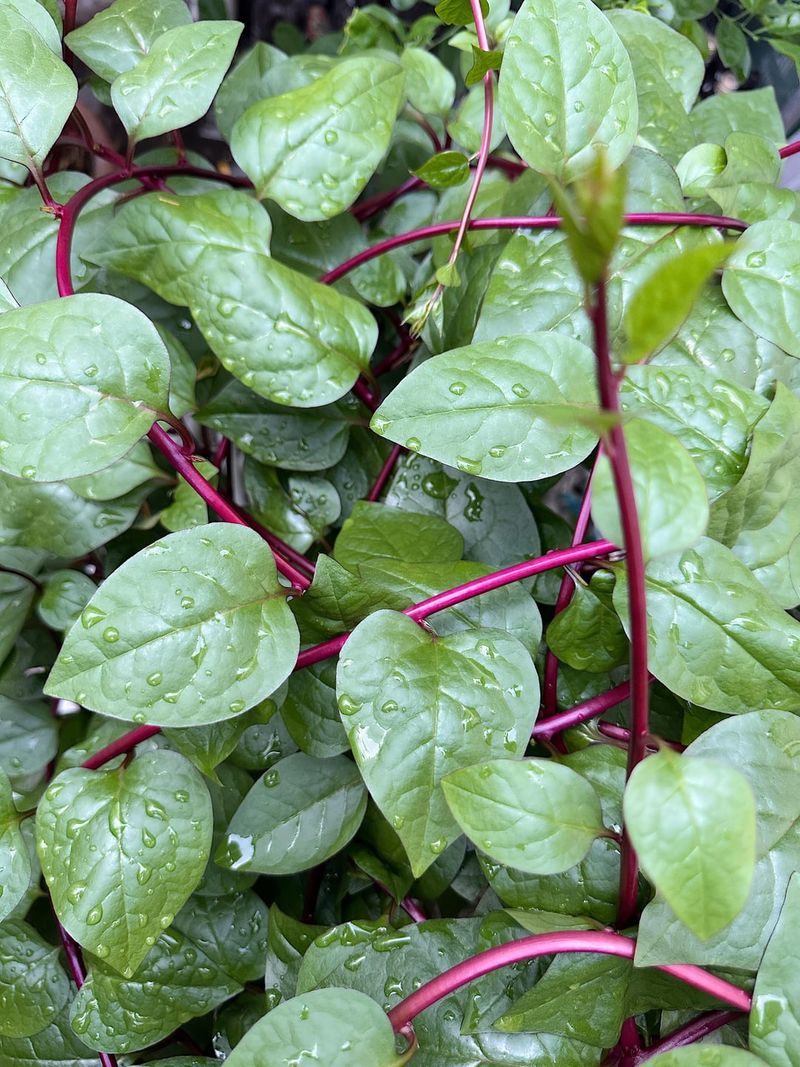
Regular spinach gives up the moment temperatures climb past 75 degrees. Malabar spinach, on the other hand, is just getting warmed up.
This tropical vine is not actually related to true spinach, but its thick, glossy leaves taste remarkably similar when cooked. It thrives in the heat and humidity that southern Illinois summers dish out without hesitation.
Start seeds indoors four to six weeks before your last frost date. Nicking the seed coat with a file before planting speeds up germination significantly.
Once transplanted outside, give plants a sturdy trellis or fence to climb. Malabar spinach grows aggressively and can reach ten feet or more in a single season.
The plant produces two color varieties: one with green stems and one with deep purple stems. Both taste the same, but the purple variety adds a striking visual element to any garden space.
Harvest outer leaves regularly to encourage new growth from the center. The more you pick, the more the plant produces throughout the season.
Leaves are thicker than regular spinach, which makes them hold up well in stir-fries, soups, and curries. The slight mucilaginous texture disappears completely when cooked with garlic and olive oil.
Malabar spinach needs consistent moisture to keep leaves tender and flavorful. Mulching around the base of the plant helps retain soil moisture during hot, dry spells.
For gardeners who miss having fresh greens in July and August, Malabar spinach fills that gap beautifully and keeps producing right up until frost.
5. Hot Peppers (Cayenne, Jalapeño, Habanero)
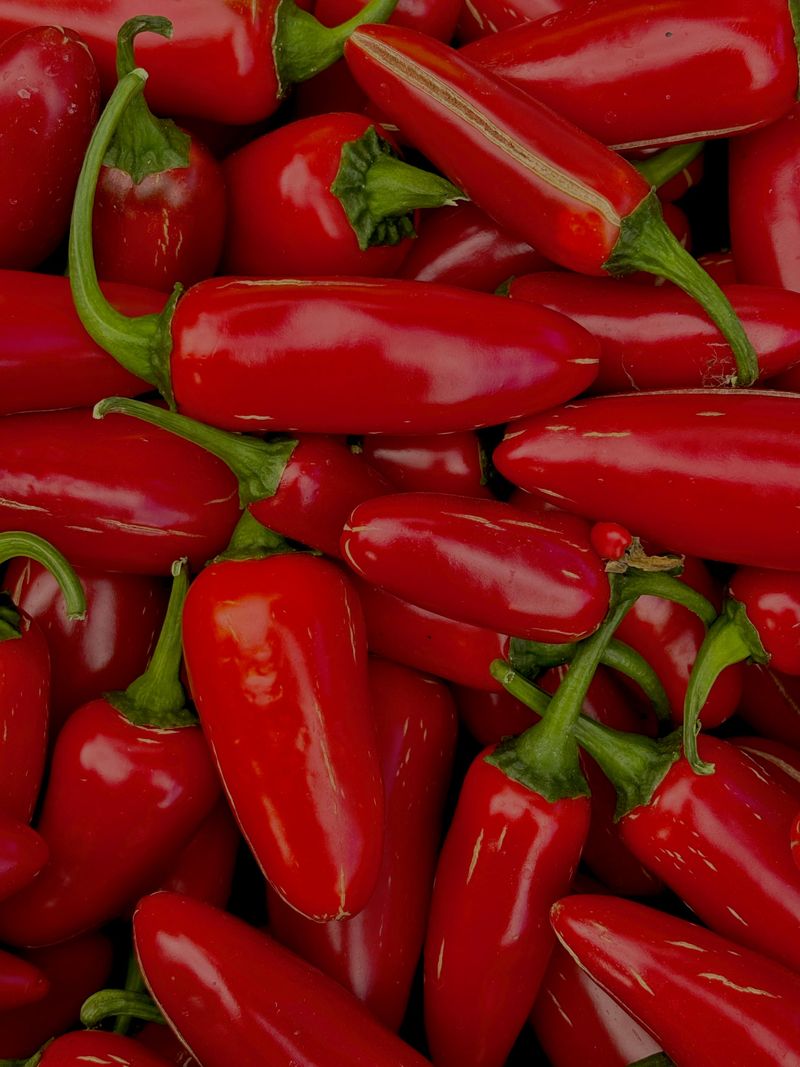
Hot peppers and southern Illinois heat are a perfect match. Heat and drought stress can increase capsaicin levels in peppers, which often means more flavor and heat, though results vary by variety and growing conditions.
Cayenne, jalapeño, and habanero are three of the best varieties for this region. Each one handles high temperatures without dropping blossoms or stalling production the way sweet peppers sometimes do.
Start seeds indoors eight to ten weeks before your last frost date. Pepper seeds need warm soil to germinate, ideally between 80 and 85 degrees.
Transplant seedlings outside after nighttime temperatures stay consistently above 55 degrees. Cold nights cause stunted growth and can set plants back by weeks.
Space plants 18 to 24 inches apart in full sun. Peppers planted too close together compete for light and nutrients, which reduces overall yield.
A layer of dark mulch around the base helps warm the soil and retain moisture. Consistent watering is important during flowering to prevent blossom drop.
Cayenne peppers mature in about 70 days and turn bright red when fully ripe. Habaneros take a bit longer but reward patience with intense fruity heat that food lovers enjoy.
Pick peppers regularly to keep plants producing all season. Leaving ripe peppers on the plant too long signals the plant to slow down new fruit production.
Drying, pickling, or making your own hot sauce are all satisfying ways to preserve a bumper crop of heat-tolerant peppers from your summer garden.
6. Eggplant
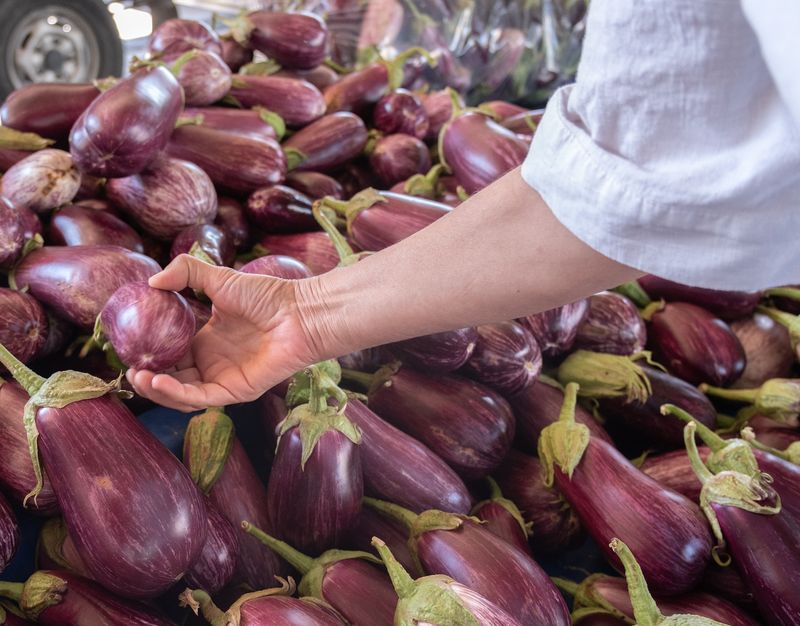
Eggplant is one of those vegetables that genuinely thrives when temperatures climb into the 90s. Most gardeners overlook it, but those who grow it in southern Illinois are rewarded with an abundant, beautiful harvest.
Originally from South Asia, eggplant has been cultivated in hot climates for thousands of years. That long history in the tropics explains why it handles summer heat so gracefully.
Start seeds indoors eight to ten weeks before the last frost. Eggplant is a slow starter, so giving it a head start indoors makes a big difference in overall yield.
Transplant seedlings into the garden once nighttime temps stay above 60 degrees. Cold soil and chilly nights cause eggplant to stall rather than grow.
Full sun is non-negotiable for this crop. At least eight hours of direct sunlight per day produces the strongest plants and the most fruit.
Stake plants or use a tomato cage to support them as they grow. Heavy fruit can weigh down branches and snap them if left unsupported.
Water deeply but infrequently to encourage deep root development. Inconsistent moisture leads to bitter fruit and stressed plants that attract pests.
Harvest eggplant while the skin is still shiny and firm. Dull skin is a sign the fruit has passed its prime and will taste bitter and seedy.
Grilled eggplant with olive oil and herbs, or baked into a classic eggplant parmesan, makes all that summer gardening effort feel completely worth it.
7. Amaranth Greens
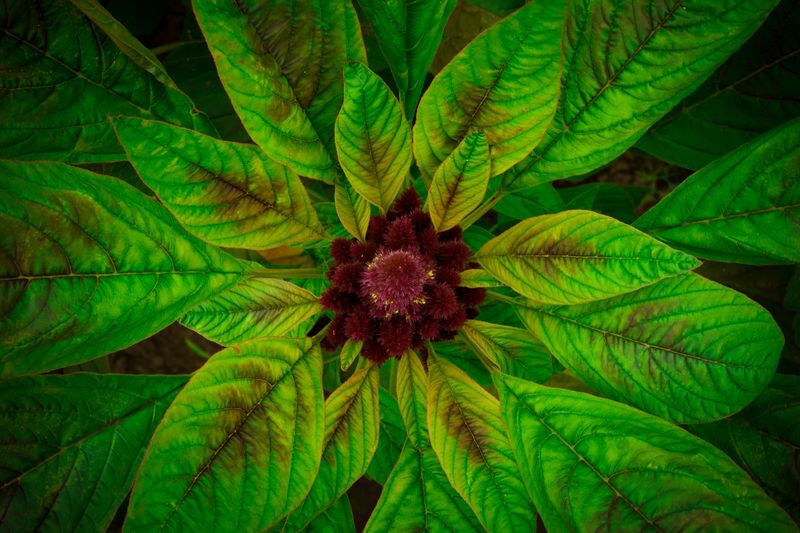
Amaranth is an ancient grain and leafy green that has been feeding people for thousands of years across hot, dry regions of the world. It is well suited for the intense summer heat that southern Illinois gardeners know well.
The leaves are tender and mild when young, tasting similar to spinach with a slightly earthy note. As the plant matures, the seed heads develop and can be harvested as a protein-rich grain.
Direct sow amaranth seeds in the garden after your last frost date. Press seeds lightly into the soil surface because they need light to germinate properly.
Thin seedlings to about 18 inches apart once they reach a few inches tall. Crowded plants compete for moisture and produce fewer leaves and smaller seed heads.
This crop requires minimal watering once established. Its deep root system pulls moisture from lower soil layers during dry stretches, making it one of the most drought-resistant options on this list.
Harvest outer leaves when plants are young and tender for the best flavor. Older leaves can become tough and slightly bitter, though cooking mellows them out considerably.
The seed heads mature in late summer and can be dried and threshed to collect tiny seeds. Those seeds can be popped like popcorn, ground into flour, or cooked as a nutritious porridge.
For gardeners interested in heat-tolerant vegetables that pull double duty as both greens and grain, amaranth is a fascinating and underused choice worth adding to your southern Illinois garden this season.
8. Armenian Cucumber
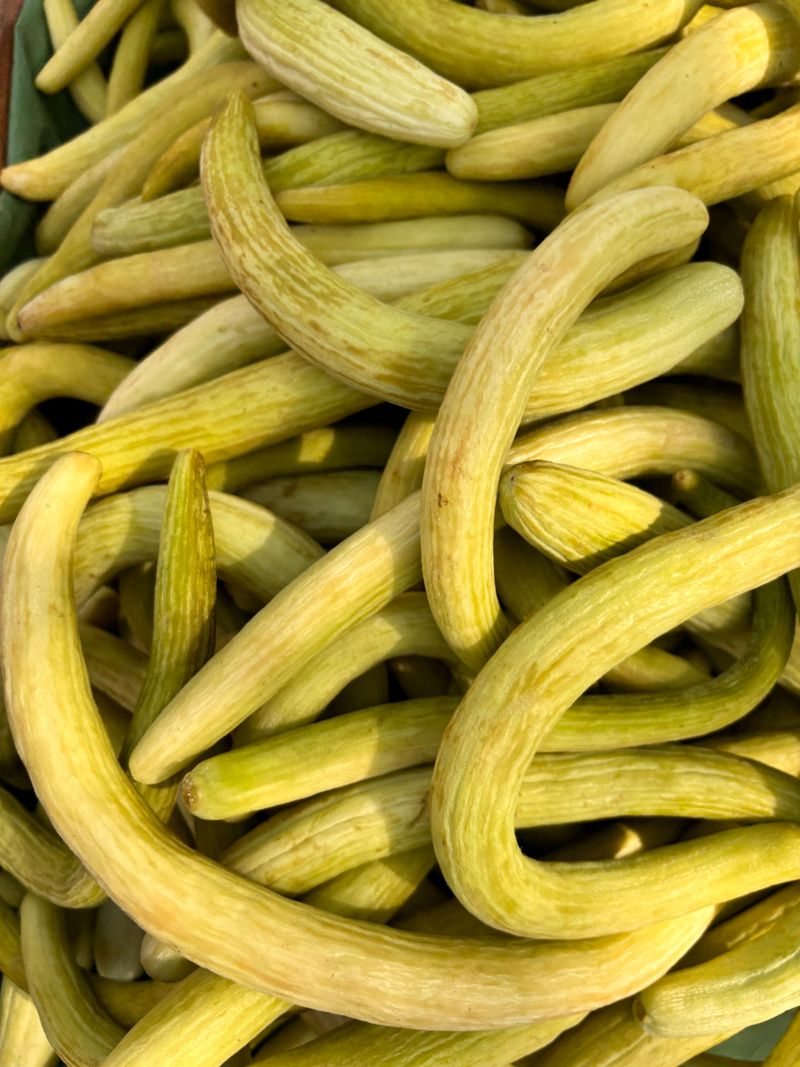
Regular cucumbers struggle in the heat. They get bitter, stop producing, and decline mid-summer just when you want them most. Armenian cucumber plays by completely different rules.
Technically a type of muskmelon rather than a true cucumber, this fruit looks and tastes like a cucumber but handles high temperatures without slowing down.
Gardeners in the Middle East and Mediterranean have grown it for centuries in conditions far hotter than southern Illinois.
Plant seeds directly in the garden after frost danger has passed. Armenian cucumber grows fast and does not transplant well, so starting it in the ground from the beginning gives the best results.
Give plants a strong trellis or fence to climb. Growing vertically keeps fruit off the soil, improves air circulation, and makes harvesting much easier on your back.
The long, ribbed fruits can reach 18 inches or more if left on the vine. For the best flavor and texture, harvest them at about 12 to 15 inches when the skin is still pale and tender.
Water consistently at the base of the plant rather than overhead. Wet foliage in hot weather invites powdery mildew, which can weaken vines quickly.
Thin sliced into salads, pickled in vinegar and dill, or simply eaten with a pinch of salt, Armenian cucumber is refreshing and mild. The skin is so thin you never need to peel it.
For heat-tolerant vegetables that keep southern Illinois gardens producing all summer, Armenian cucumber is an underrated gem that deserves a spot in every backyard plot.