Fast-Spreading Ohio Perennials That Won’t Take Over Your Yard
Fast-spreading perennials have a reputation problem in Ohio gardens, and most of it is earned. Plant the wrong one and you spend the next several seasons managing a takeover.
What started looking like a good idea ends with the whole bed belonging to one plant nobody can get rid of. But fast is not the same as invasive.
Ohio has perennials that spread with purpose. They fill gaps quickly, build ground coverage, and suppress weeds.
The difference comes down to root behavior, seed production, and a growth habit that either knows when to stop or does not. This list is built around the spreaders worth trusting.
Fast enough to make a real difference in a season. Well-behaved enough that the rest of the garden does not pay for it.
1. Choose Allegheny Pachysandra For Slow Steady Shade Cover
A bare patch under a large oak or beside a north-facing fence can feel impossible to fill.
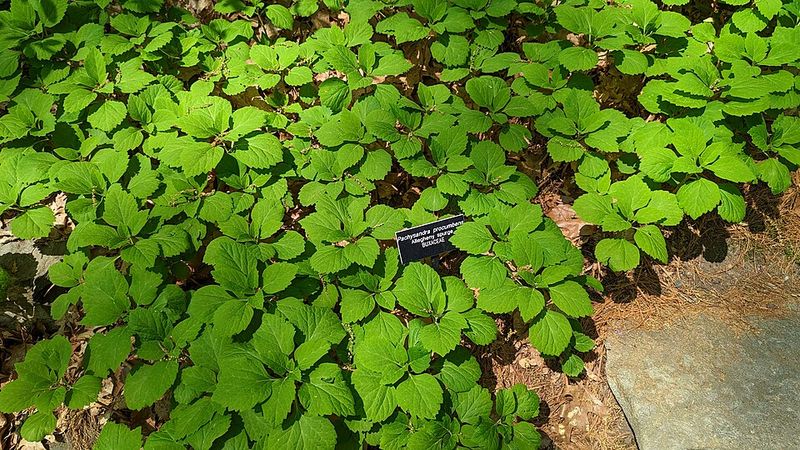
Allegheny pachysandra, known botanically as Pachysandra procumbens, is a native woodland ground cover that slowly solves that problem in shade or part-shade conditions.
Unlike its well-known Asian relative, this species is native to the eastern United States. It is listed as a native plant by reputable native plant sources and botanical gardens.
It spreads by underground rhizomes, forming a low mat of attractive foliage that typically stays under six inches tall.
OSU Buckeye Yard and Garden Line and native plant guidance describe it as a slower, less aggressive spreader compared to many nonnative alternatives.
That slower pace is actually a benefit in most home landscapes. It gives you time to observe where it is heading and edge back any growth that creeps beyond the bed.
Plant it in moist, well-drained, humus-rich soil under deciduous trees or shrubs. Give it consistent moisture during its first season to help it establish.
Once rooted in, it can handle dry shade better than many competitors. Keep the surrounding bed edges clear so the rhizomes do not sneak into lawn areas.
Dividing or relocating rooted sections is straightforward when the planting needs reshaping. Patience is important here because a full, lush cover may take two to three seasons to develop fully.
2. Let Wild Geranium Fill Gaps Without Bullying Neighbors
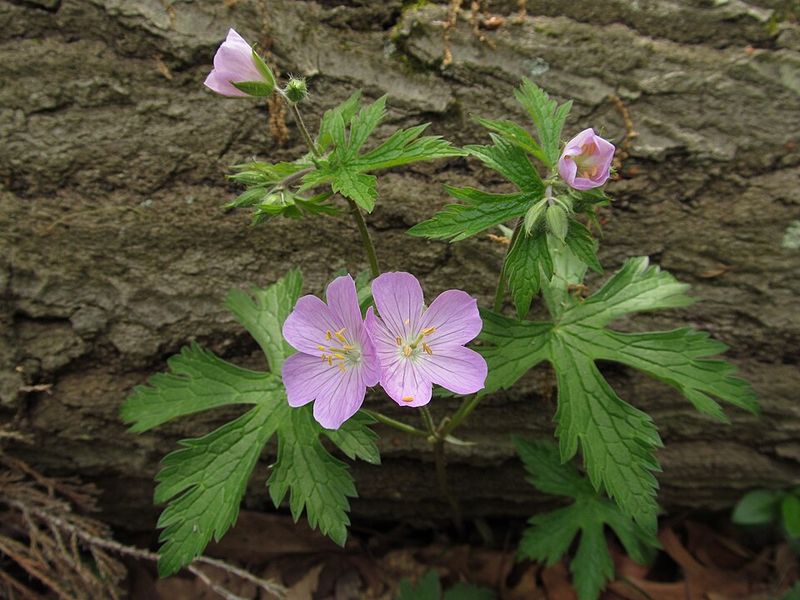
Soft lavender-pink blooms nodding above deeply lobed leaves make wild geranium one of the most charming gap-fillers for woodland-style beds.
Geranium maculatum is native to Ohio and much of the eastern United States, as confirmed by the Ohio Department of Natural Resources and native plant references.
It blooms in mid to late spring, typically peaking from April through June depending on the site and seasonal temperatures.
Rather than sending out aggressive runners, wild geranium forms attractive clumps that may slowly expand over several seasons in the right conditions.
Part shade suits it best, particularly under open deciduous canopy or along shrub borders where light filters through.
It can tolerate a range of soil types but tends to perform most consistently in moist, well-drained ground with reasonable organic content.
Your Ohio Garden Changes Every Week. Your Plan Should Too.
Gardening in Ohio changes quickly throughout the season. Every Friday you’ll receive a simple weekly plan showing exactly what to plant, prune, fertilize, harvest, and protect so you never miss the right timing.
The clumps are easy to divide if they grow larger than you prefer. Simply dig the root mass in early spring or fall, separate it into smaller sections, and replant or share the extras.
Wild geranium can also self-sow lightly in some settings, so keep an eye on volunteer seedlings near pathways or crowded spots. Removing unwanted seedlings while they are small takes only a moment.
Used along a woodland edge or tucked beneath open shrubs, this plant fills gaps gracefully without crowding out its neighbors or demanding constant attention.
3. Use Creeping Phlox For Sunny Edges That Stay Low
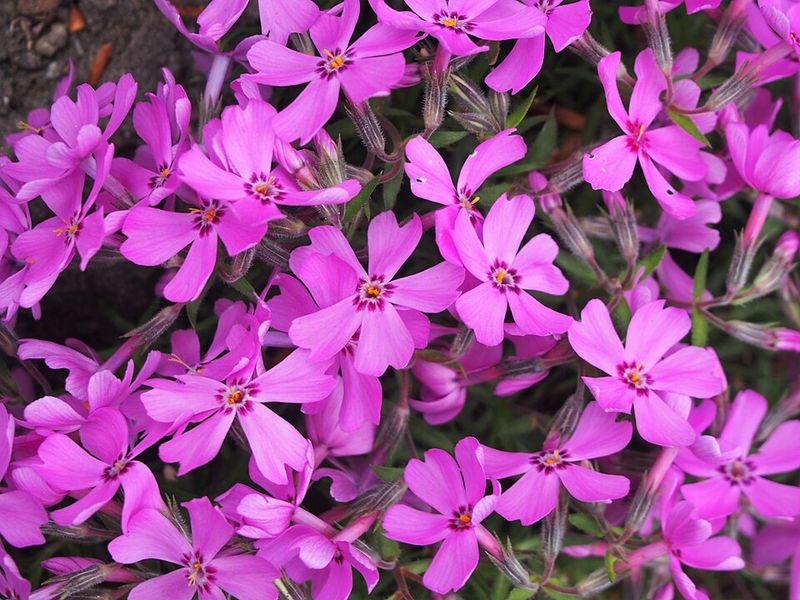
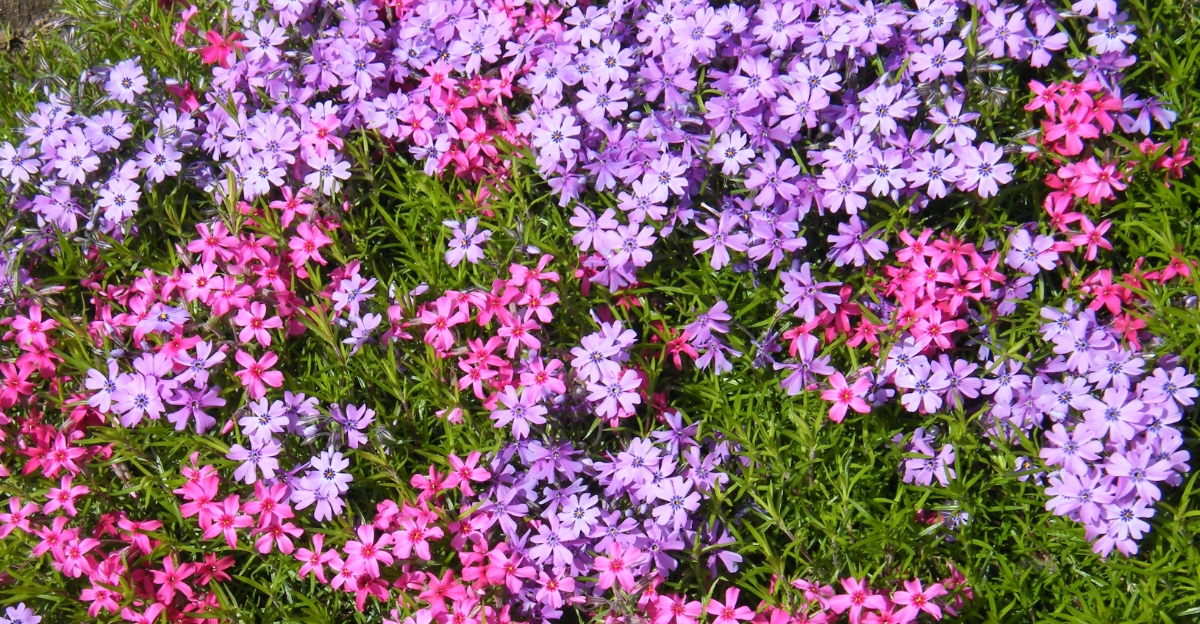
Few spring sights beat a sunny slope or rock garden edge completely covered in creeping phlox blooms. Phlox subulata forms a low, dense mat that can tumble over walls, hold sandy or gravelly slopes, and line the sunny front edges of borders with color each spring.
Extension and botanical garden sources describe it as a mat-forming perennial suited to well-drained, sunny sites where drainage is reliable and foot traffic is minimal.
It spreads by trailing stems that root where they touch the soil, slowly expanding the mat outward. That low growth habit, usually under six inches tall, makes it far easier to manage along edges than taller rhizomatous spreaders.
Grass and aggressive weeds can push up through the mat if the planting thins out. Keeping the mat dense through occasional trimming helps maintain coverage and discourages weed pressure from below.
After bloom, lightly shearing the plant back by about one-third can encourage fresh, compact growth and may improve the mat’s appearance through the rest of the season. This is a widely supported practice in extension and horticulture sources.
Avoid planting creeping phlox in wet, shaded, or heavy clay spots because poor drainage can cause stem rot and thin the mat quickly. In the right sunny, well-drained site, it expands steadily and stays where you put it with minimal fuss year after year.
4. Plant Foamflower Where Shade Needs A Soft Carpet
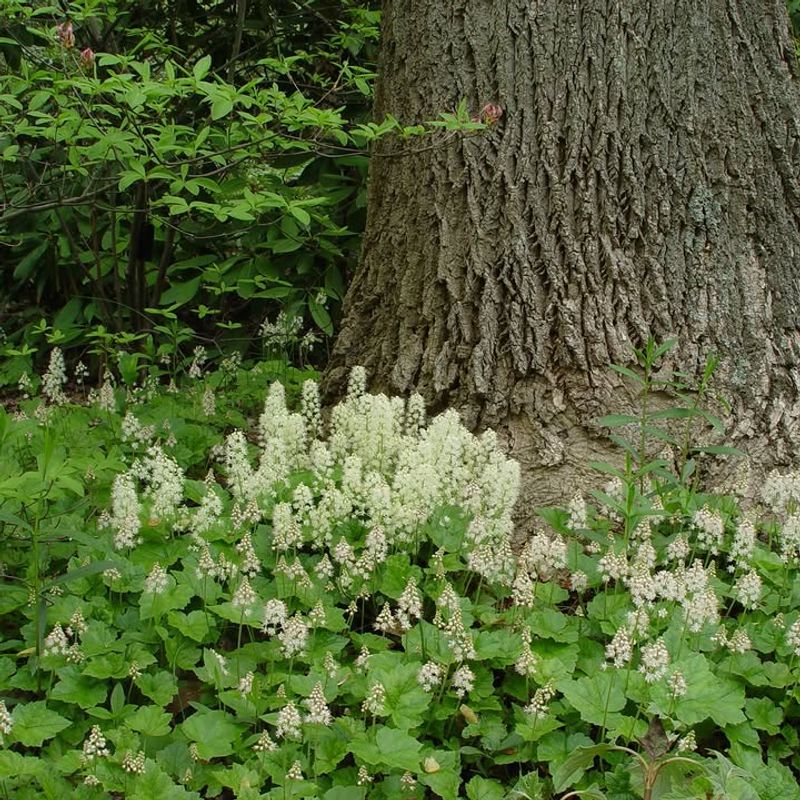
Moist, shaded corners that feel empty and dull can transform completely with foamflower planted along the ground layer. Tiarella cordifolia is a native woodland perennial recognized by native plant societies and botanical garden sources.
It is a natural fit for understory conditions across much of the eastern United States, including our state’s wooded regions. Its feathery white flower spikes rise above attractive heart-shaped leaves each spring, adding soft texture to shaded beds.
The straight species, Tiarella cordifolia, can spread by stolons or runners, forming a loose colony in moist, humus-rich soil. Selected cultivars, however, vary considerably in their spreading habit.
Some named varieties are clump-forming rather than stoloniferous. Checking the plant tag or asking your nursery about the specific cultivar’s habit before buying is worth the effort.
Do not assume every foamflower spreads the same way.
For the best results, keep soil consistently moist and rich in organic matter. Foamflower does not perform well in dry, compacted, or sunny spots.
Pair it with other shade-tolerant natives like wild ginger or native ferns to create a layered, low-maintenance woodland floor effect. If runners spread beyond the desired area, simply pull or snip them back.
The plant responds well to light managing without losing vigor. With the right moisture and shade, foamflower builds a genuinely soft, quiet carpet that makes shaded beds feel complete rather than forgotten.
5. Try Woodland Phlox For A Gentle Spring Spread
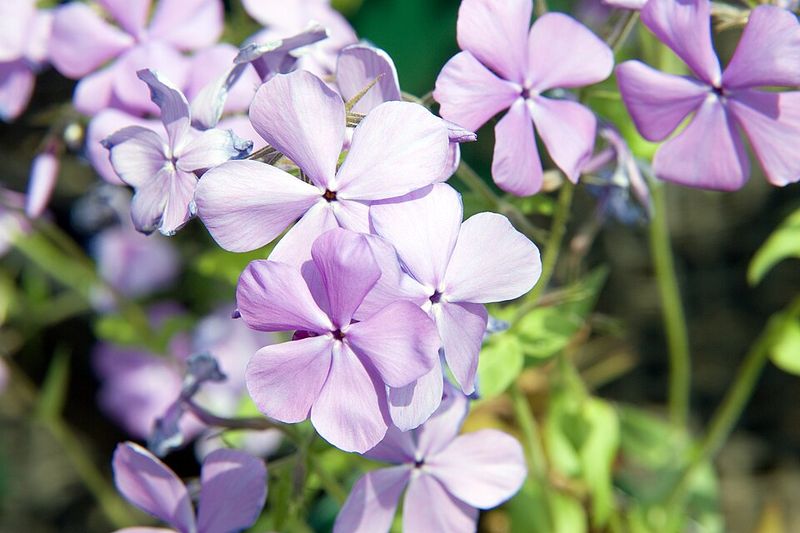
A carpet of soft blue-lavender blooms drifting through a shaded spring border is one of the quieter rewards of planting woodland phlox. Phlox divaricata is native to Ohio and much of the eastern United States, confirmed by ODNR and native plant sources.
It blooms in mid-spring, often overlapping with tulips and Virginia bluebells. That makes it a natural companion for spring bulb displays along naturalized or woodland-edge beds.
Woodland phlox can spread or form loose colonies in suitable conditions by lax stems that root where they contact moist soil. University extension and native plant guidance describe this as a gentle, moderate process rather than an aggressive takeover.
High shade under deciduous trees or along shrub borders suits it well. It generally prefers consistent moisture and struggles in hot, dry, exposed sites.
Choose a spot with some protection from harsh afternoon sun in warmer parts of the state.
The plant is not the same kind of ground-covering runner as some rhizomatous spreaders, and it should not be expected to blanket large open areas quickly.
Its value is in weaving softly through existing plantings and filling small gaps with color and texture each spring.
Remove any sections that wander where they are not wanted, which is easy to do since the stems root shallowly. Keeping neighboring plants from shading it out completely will help it return reliably each year without fading from the planting.
6. Add Prairie Dropseed For A Tidy Expanding Clump
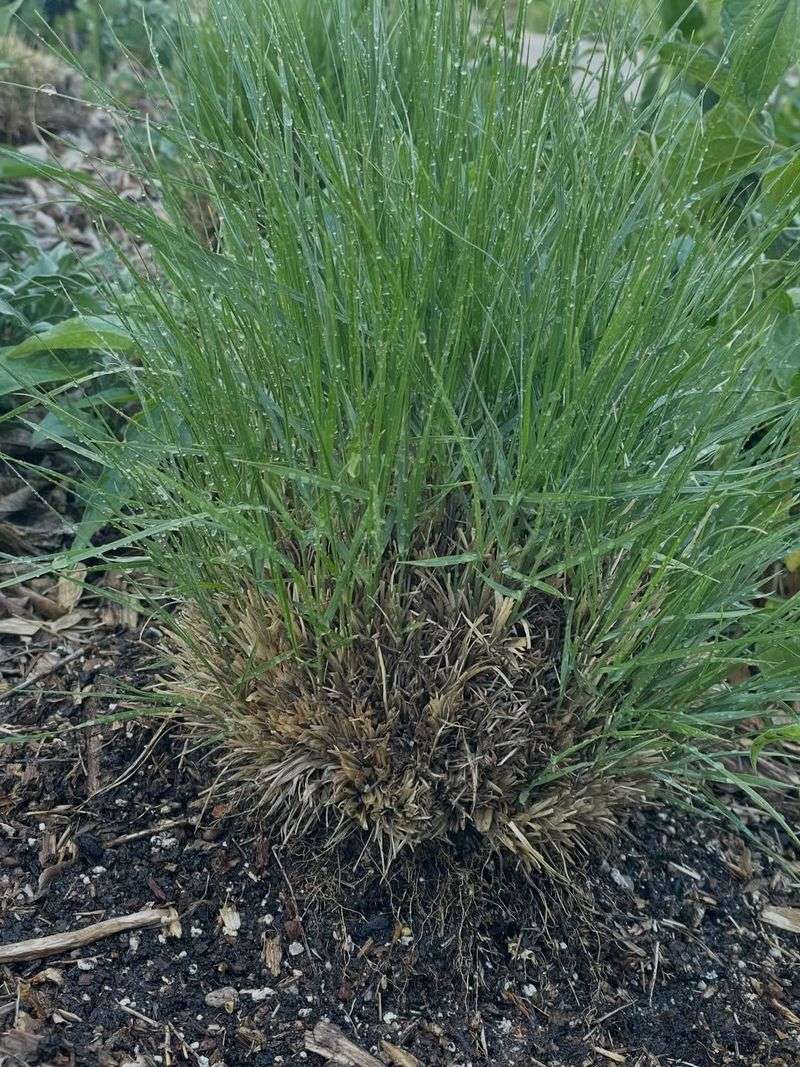
Not every spreading perennial moves by underground runners or scattered seeds. Prairie dropseed, Sporobolus heterolepis, earns its place on this list by slowly widening its clumps over several seasons.
It fills sunny gaps with remarkably fine-textured, arching foliage. The Ladybird Johnson Wildflower Center and native plant sources confirm it as a native grass of tallgrass prairies.
OSU Extension and university resources recognize it as a well-behaved ornamental grass suited to sunny, well-drained sites.
Mature clumps typically reach around two to three feet in height and width, with a graceful, fountain-like form. The fragrance of its late-summer blooms is often described as pleasant and slightly sweet, which adds a subtle sensory bonus to the garden.
It expands by clump widening rather than rhizomes racing through the soil. That makes it far more predictable than many spreading grasses and much easier to manage over time.
Space plants at least two to three feet apart when planting to give each clump room to develop without crowding neighbors too quickly. Prairie dropseed is patient, often taking two or three seasons to establish fully before expanding noticeably.
Full sun and lean to average, well-drained soil suit it best. Avoid heavy, wet clay or overly rich soil, which can cause lax, floppy growth.
Once established, it is notably drought-tolerant and requires very little maintenance beyond cutting back the old foliage in late winter before new growth begins.
7. Let Black Eyed Susan Self Sow In Small Bursts

Volunteer seedlings popping up in just the right sunny spot can feel like a small garden miracle, and black-eyed Susan has a talent for doing exactly that. Rudbeckia hirta is native to Ohio and widely recognized by ODNR, OSU Extension, and botanical garden sources.
It is a reliable summer bloomer for sunny borders, meadow-style plantings, and naturalized areas. Its cheerful yellow ray flowers with dark centers bloom from summer into early fall, attracting pollinators throughout the season.
Rudbeckia hirta can behave as an annual, biennial, or short-lived perennial depending on conditions, as noted by university extension sources. Self-sowing is how it most reliably returns and fills gaps from year to year.
Allowing some seed heads to mature and drop naturally in fall encourages this process. The seedlings that sprout the following season are easy to thin, relocate, or remove if they appear in paths, crowded borders, or spots where you do not want them.
Self-sowing does not happen uniformly in every yard. Seed survival depends on soil disturbance, mulch depth, moisture, and competition from neighboring plants.
A thick mulch layer can reduce germination significantly. Leaving small patches of bare or lightly mulched soil near existing plants gives seeds a better chance to sprout.
Trimming spent flowers will reduce self-sowing if you prefer tighter control over where new plants appear. Either way, black-eyed Susan responds well to management and rarely becomes a source of real regret in a well-tended sunny bed.
8. Divide And Manage Before Good Spreaders Get Crowded

Even the most polite spreader will eventually push past its welcome if no one steps in with a trowel. The plants covered in this article are manageable precisely because they respond well to normal garden managing.
Manageable does not mean maintenance-free. It means that when you show up with an edger, a pair of shears, or a garden fork, the plant cooperates instead of fighting back.
Edging beds twice a season keeps rhizomatous plants from sneaking into lawn areas. Thinning volunteer seedlings while they are small saves time and prevents crowding.
Dividing clumps every few years not only keeps plants from smothering neighbors but also reinvigorates the planting and gives you extra divisions to fill new spots.
Moving a rooted section to a bare patch elsewhere in the yard is one of the most satisfying forms of garden recycling.
How aggressively any plant spreads depends on your specific soil, moisture, light, and the surrounding competition. A plant that stays neatly contained in one yard may need more frequent adjusting in a rich, moist bed nearby.
Observe your plants each season and act early rather than waiting until a spreader has completely overtaken a neighbor.
Trim after bloom when appropriate, watch edges in spring when growth is fastest, and keep records of what worked in your specific conditions.
The best fast spreaders are the ones that fill your bare soil, reduce weed pressure, and still leave you clearly in charge of the garden.