Why New Arizona Shade Trees Struggle Even When You Think You Are Helping
Arizona shade trees can look betrayed by kindness.
You water. You prune. You add fresh fertilizer. You tuck rocks around the base because the yard looks cleaner that way.
Then midsummer arrives, and the tree still droops like it heard bad news.
That is the maddening part. The problem is not always neglect. Sometimes the “help” becomes the stress.
New trees in Arizona need a very specific kind of care during their first year. Roots are trying to move beyond the planting hole, heat is pressing from every direction, and the soil can swing from wet to bone-dry faster than anyone expects.
A few common habits look responsible from the driveway, but underground they tell a different story.
So why does a newly planted shade tree struggle even when you are trying so hard? The answer starts with the root zone, the trunk, and a little less fuss than most people expect.
Arizona trees do not need pampering. They need smart timing, deep water, and room to settle in.
1. Shallow Water Keeps Roots Near Heat
Roots follow water. That is one of the most important things to understand about any tree, but especially a new one planted in Arizona’s brutal summer heat.
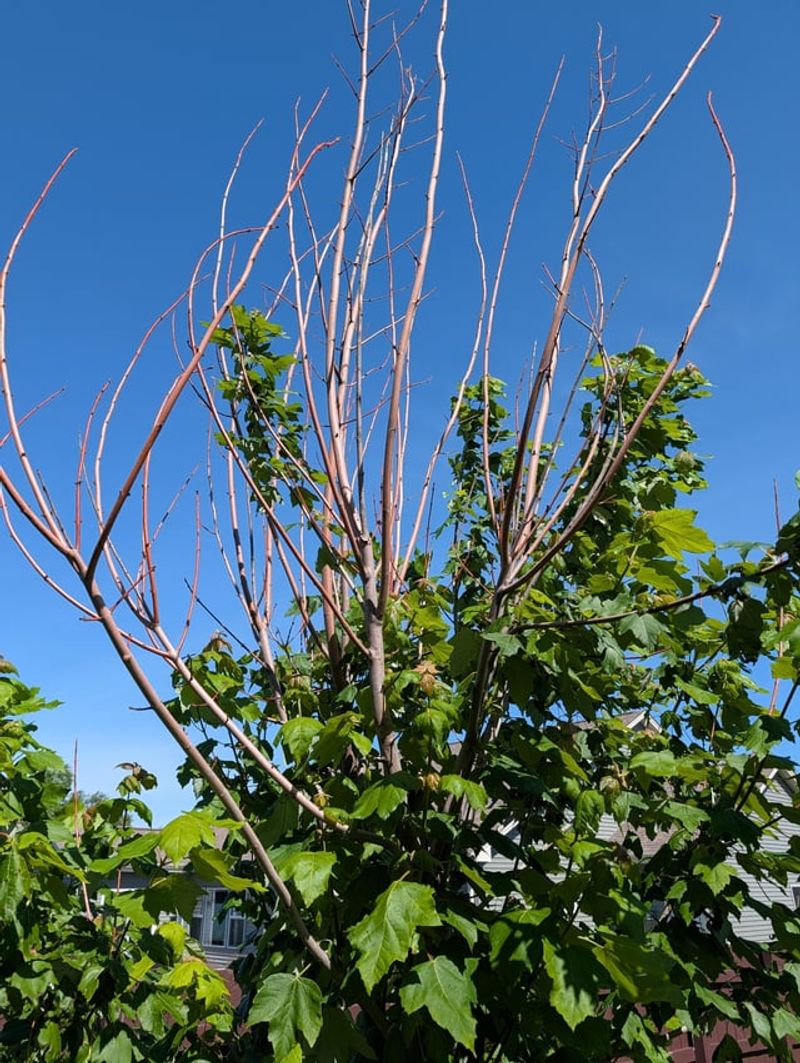
When water only soaks the top few inches of soil, roots have no reason to grow downward. They stay close to the surface chasing every drop they can find.
The problem is that the top layer of Arizona soil gets scorching hot.
Soil surface temperatures in direct sun can climb well above 140 degrees Fahrenheit on a summer afternoon. Roots living in that zone take a beating every single day.
Deep roots, on the other hand, find cooler, more stable soil moisture several inches below the surface.
That cooler zone helps protect the tree from wild swings in temperature. It also anchors the tree so it can handle wind without leaning or toppling.
Water slowly and for a longer period so water has time to sink down 18 to 24 inches.
A soil probe or long screwdriver pushed into the ground can tell you how deep the moisture is actually going. If it stops easily after a few inches, the water is not reaching deep enough.
Building deep roots during the first year gives a shade tree the foundation it needs to handle Arizona summers for decades.
Shallow watering might look like effort, but the tree underneath is working far too hard just to survive.
2. Daily Drips Can Fool The Tree
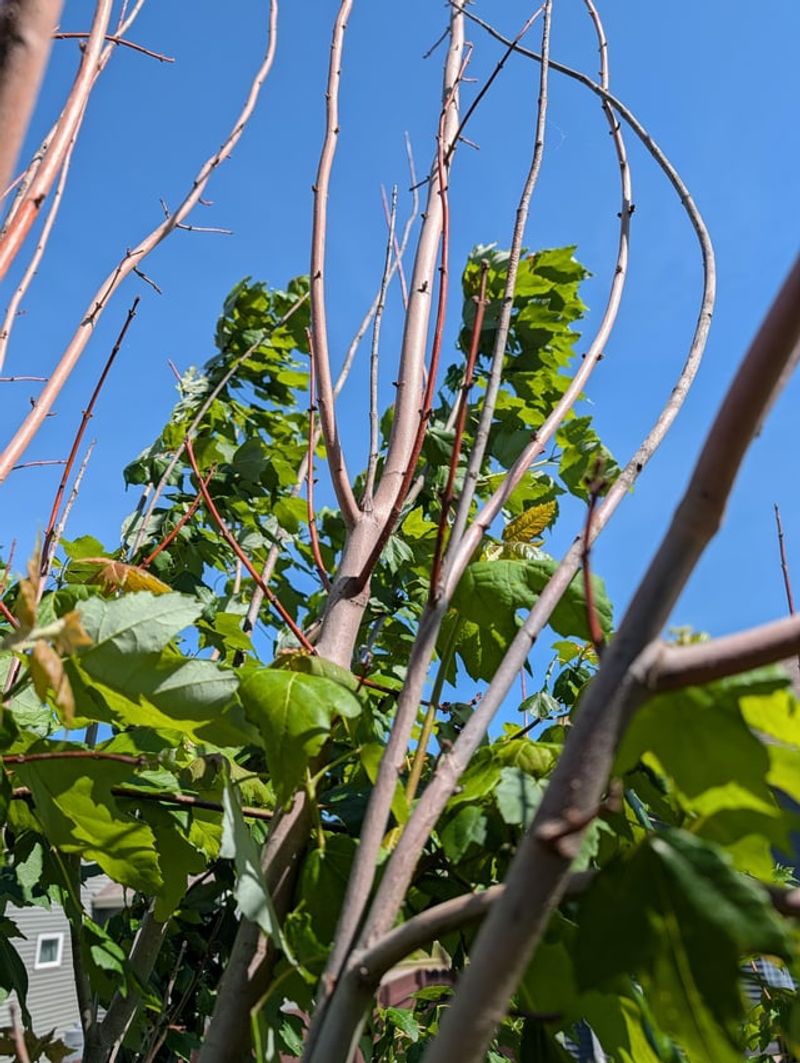
A drip system running every single day sounds like responsible tree care.
It feels thorough. It feels like the tree is never going without. But frequent short drip cycles can actually train roots to stay shallow and weak, especially in the first year after planting.
When water arrives in small amounts every 24 hours, roots learn they do not need to search.
The moisture never builds up enough to push deep into the soil profile. The root zone stays concentrated right around the emitter, often just a few inches down.
Your Arizona Garden Changes Every Week. Your Plan Should Too.
Gardening in Arizona changes quickly throughout the season. Every Friday you’ll receive a simple weekly plan showing exactly what to plant, prune, fertilize, harvest, and protect so you never miss the right timing.
University of Arizona Extension recommends watering new shade trees deeply but less frequently.
In summer heat, that might mean a long, slow soak every three to five days depending on the tree size and soil type. Each deep watering encourages roots to reach further down where soil stays cooler and holds moisture longer.
Another issue with daily drip cycles is salt buildup.
Arizona water is naturally high in mineral salts. Frequent light watering deposits those salts at the shallow root zone without ever flushing them deeper. Over time, salt concentration around the roots can stress the tree even when moisture seems available.
Adjusting your drip timer is one of the easiest upgrades you can make for a struggling tree.
Longer, deeper, and less frequent is almost always better than short and daily when it comes to desert shade tree health.
3. The Root Ball Dries Out Separately
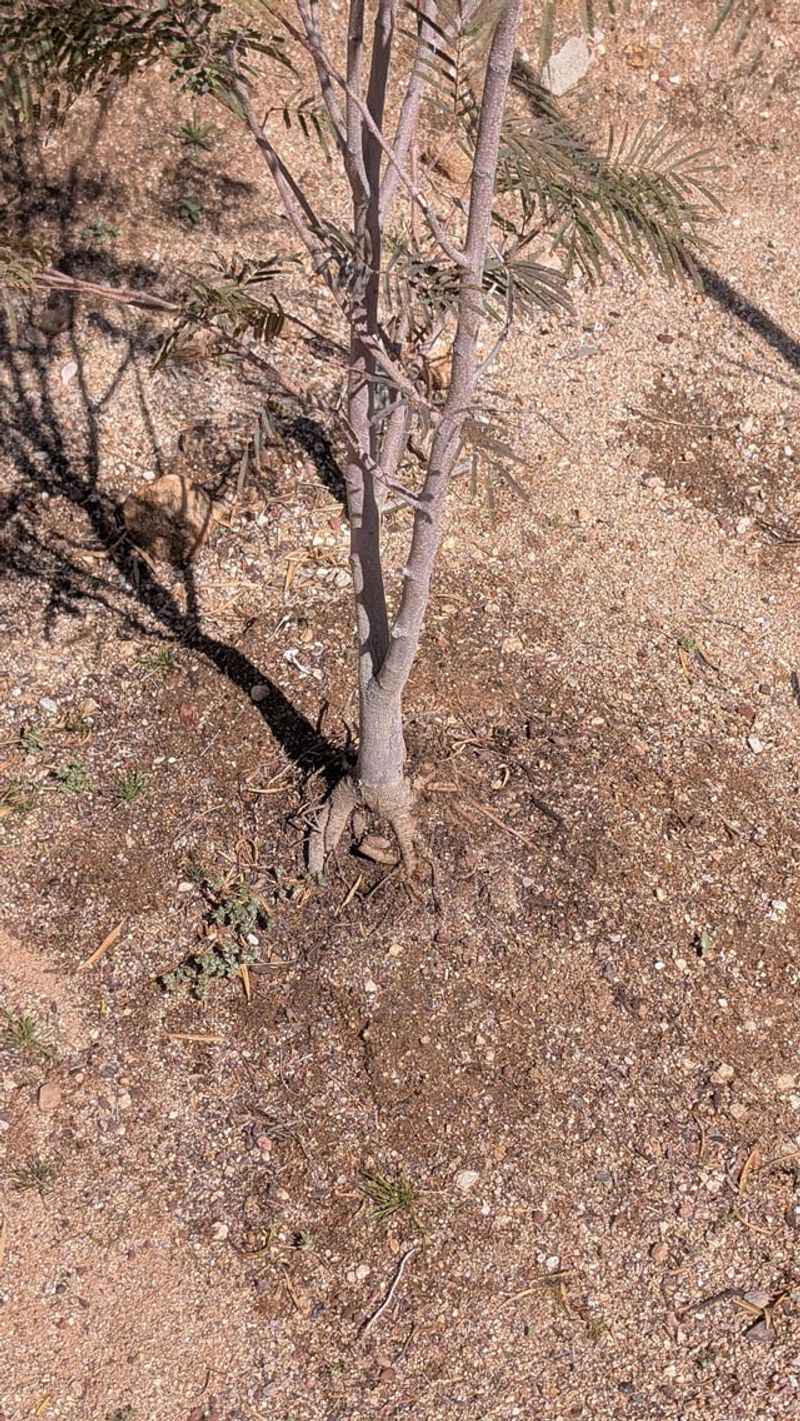
One of the sneakiest problems with newly planted trees is something most homeowners never think to check.
The root ball, which is the original compact mass of roots and soil the tree came in, can dry out completely even when the surrounding native soil feels moist. This happens because the two soils are totally different materials.
Nursery trees are typically grown in a light, fast-draining potting mix.
When you plant that root ball into Arizona’s native caliche or clay soil, water moves through the surrounding ground but does not always absorb back into the tighter nursery mix. The root ball essentially becomes an island.
A tree living in a dry root ball is surviving on almost nothing, even if you water regularly.
The feeder roots that take up water and nutrients are still mostly inside that original ball. If it dries out, the tree has no backup system to pull from.
The solution is to water directly over and around the root ball, not just in the outer planting zone.
Slow, steady watering gives the nursery mix time to absorb moisture instead of letting it run off to the surrounding soil. Some arborists recommend using a hose on a slow trickle directly on the root ball for 20 to 30 minutes at a time.
Checking root ball moisture by hand once a week during the first summer can prevent a lot of unnecessary stress for a young tree trying to get established.
4. Afternoon Sun Hits Thin Bark Hard
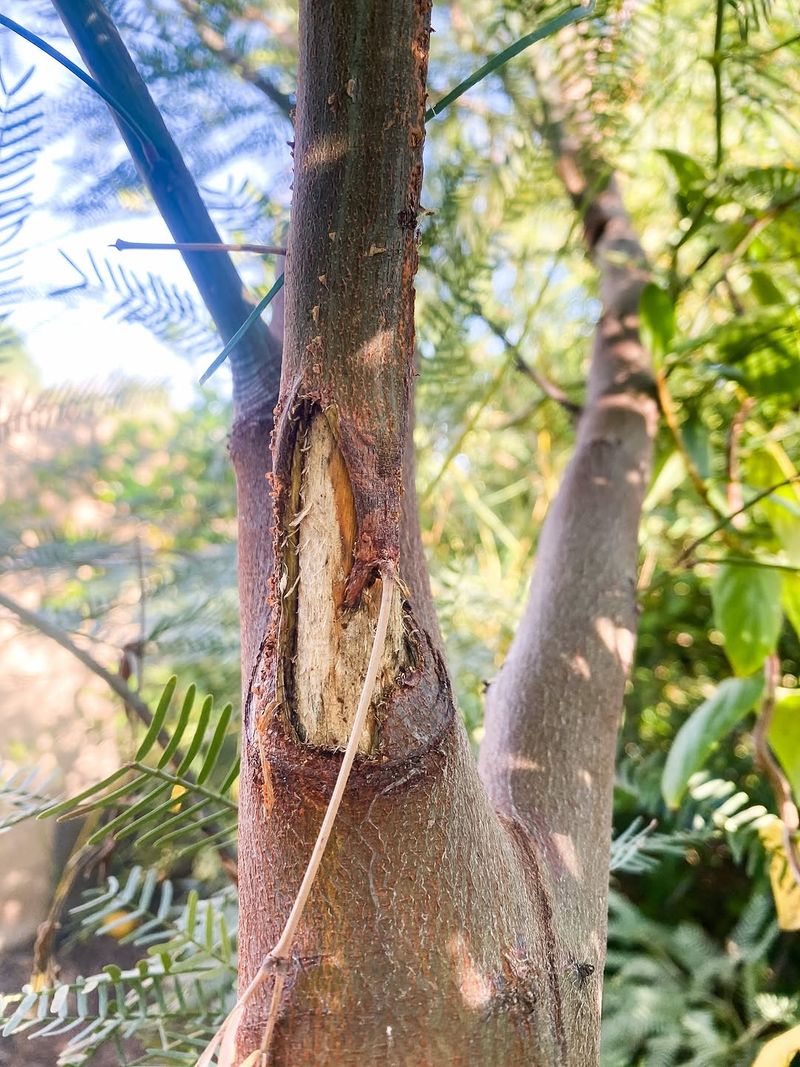
Young trees have thin, smooth bark that has not yet toughened up to handle full desert sun exposure.
In Arizona, the afternoon sun hits from the southwest at an intense angle, and a tree trunk that was previously shaded in a nursery can get burned within just a few weeks of being planted in an open yard.
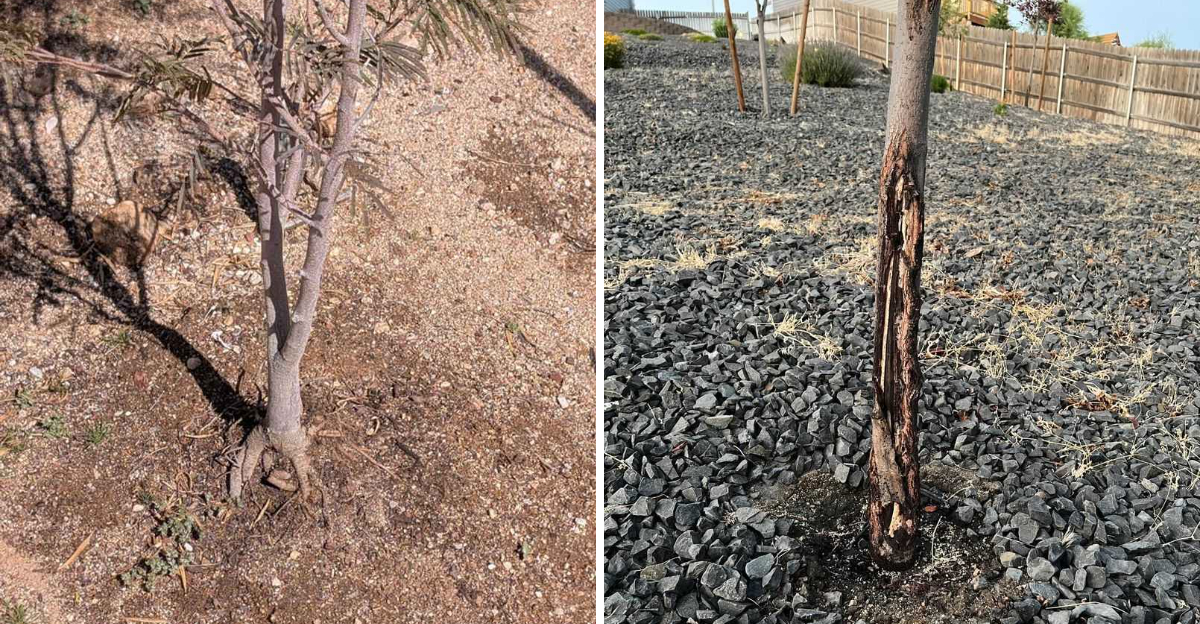
This condition is called sunscald. It shows up as cracked, discolored, or sunken patches on the bark, usually on the south or southwest side of the trunk.
Once the bark is damaged, the tissue underneath becomes vulnerable to pests, fungal issues, and further cracking as temperatures swing between day and night.
Wrapping the trunk with a light-colored tree wrap or white paper tree guard can make a real difference during the first one to two summers.
The wrap reflects some of the intense solar radiation and keeps bark temperature from spiking during peak afternoon hours.
University of Arizona Extension recommends this practice specifically for newly planted thin-barked trees in desert climates.
Painting the trunk with diluted white latex paint is another option some desert arborists use.
The white color reflects sunlight and keeps the bark from absorbing as much heat. It does not harm the tree and washes off naturally over time.
Giving a young trunk some protection during its first summers buys it the time it needs to develop thicker, tougher bark that can handle Arizona’s relentless afternoon sun on its own.
5. Reflective Rock Turns Up The Heat
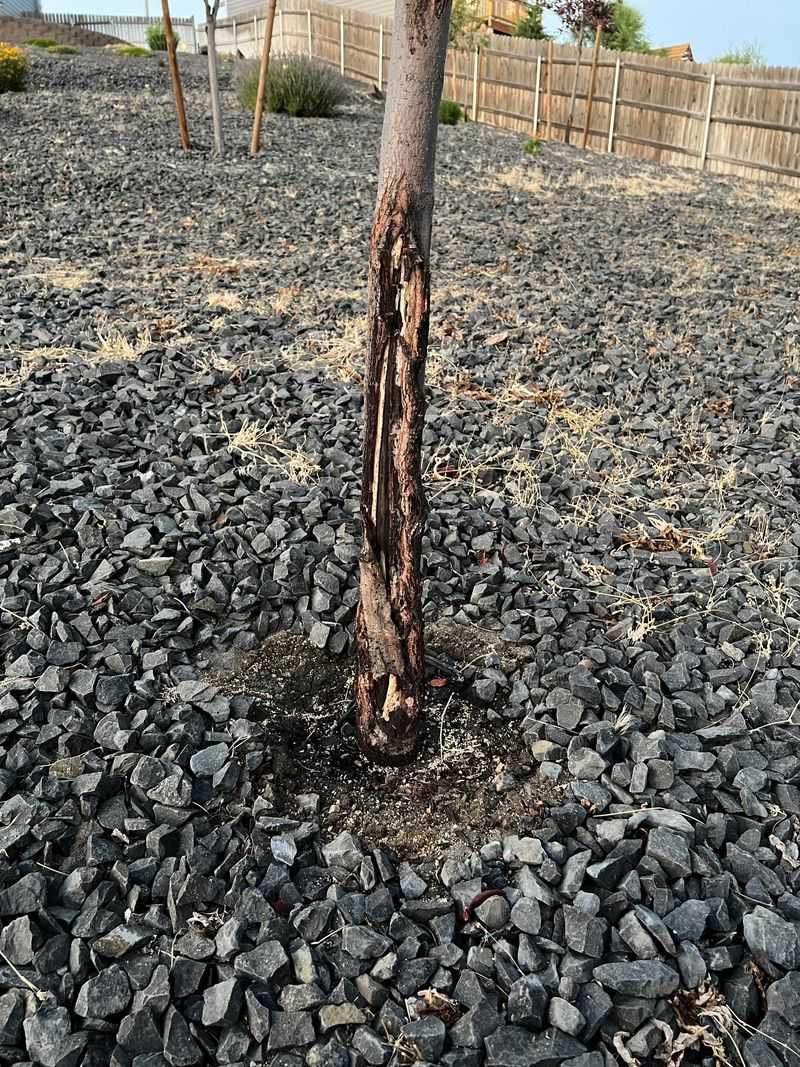
Light-colored gravel is everywhere in Arizona yards, and it looks clean and low-maintenance.
But when it is packed right up against a young tree trunk, it can create a heat trap that many homeowners do not realize is there. Reflective rock bounces both light and heat directly onto the bark and into the root zone below.
Studies from the University of Arizona found that soil temperatures under decorative rock can run significantly hotter than soil under organic mulch.
That difference matters enormously for shallow roots trying to establish during a 110-degree summer. The rock holds the heat even after the sun goes down, giving roots almost no relief overnight.
Organic mulch, like wood chips, works in the opposite direction.
It insulates the soil, keeps moisture from evaporating quickly, and breaks down slowly to add organic matter that improves soil structure.
A three to four inch layer of wood chip mulch around the base of a new tree, kept a few inches away from the trunk itself, can lower soil temperatures noticeably.
Switching from rock to mulch in the tree’s watering basin does not require a full yard renovation.
Even a small circle of wood chips three to four feet in diameter around the trunk makes a measurable difference.
Many cities in Arizona offer free wood chip mulch from tree trimming operations, so the material is often easy to find at little or no cost.
Small changes to what sits around a tree can have a surprisingly big impact on how well it survives its first desert summer.
6. Overpruning Removes Built In Shade
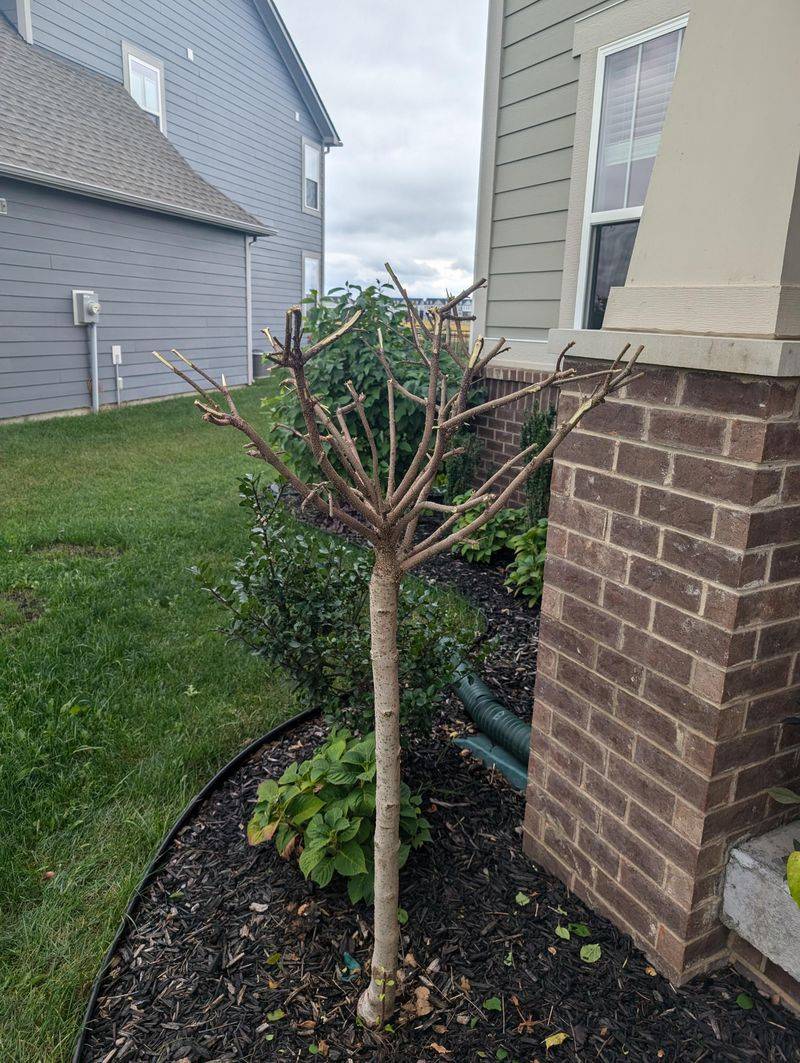
Pruning a young tree feels productive.
It makes the yard look tidy and gives the impression of good tree management. But cutting away too many lower limbs or too much of the canopy during the first year or two can actually hurt a new tree more than it helps.
Leaves do two important things beyond just looking green.
They produce energy through photosynthesis, which the tree needs to grow new roots and recover from transplant stress. They also shade the trunk and nearby soil, keeping temperatures lower during the hottest parts of the day.
When lower branches are removed aggressively, the trunk loses its natural sunscreen.
That exposed bark then faces full afternoon sun, increasing the risk of sunscald on top of whatever heat stress the tree is already dealing with. The canopy also plays a role in slowing wind, which reduces moisture loss through the leaves.
A good rule of thumb for the first two years is to only remove branches that are clearly crossing, broken, or rubbing against each other.
Leave as much of the natural canopy intact as possible. The tree will use every leaf it has to power root development underground.
Structural pruning to shape a shade tree can wait until the third year or later, once the root system is well established and the tree is showing strong, healthy growth.
Patience with pruning pays off in a stronger, better-shaded tree down the road.
7. Fertilizer Adds Pressure Too Soon
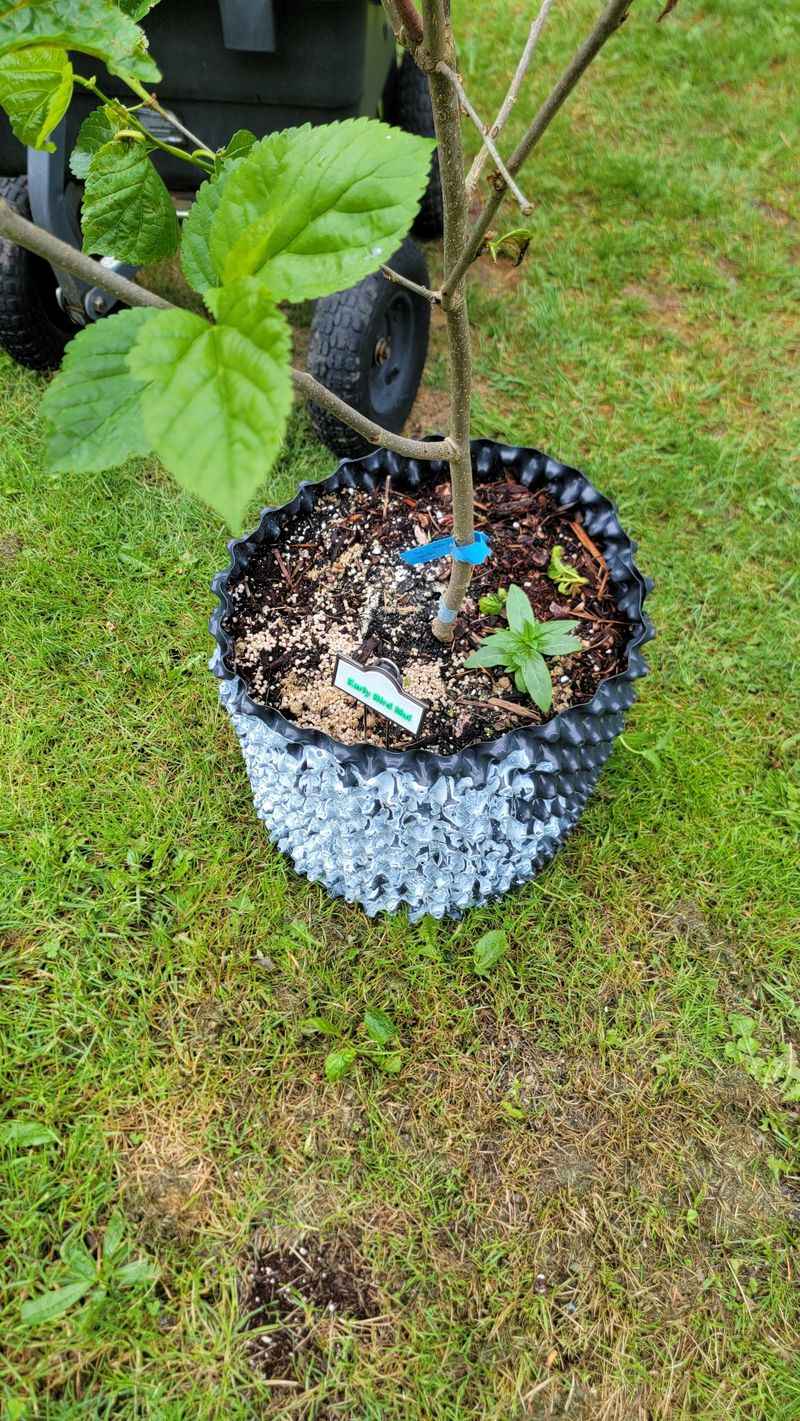
Grabbing a bag of fertilizer after planting a new tree makes total sense on the surface.
You want it to grow fast, fill in the canopy, and start providing shade as soon as possible. That instinct comes from a good place, but pushing a new tree to grow before its roots are ready can create serious stress.
When fertilizer is applied right after planting, it signals the tree to put energy into producing new leaves and shoots.
The problem is that the root system is still tiny and struggling to get established in unfamiliar soil. The top of the tree starts demanding more water and nutrients than the roots can actually deliver.
That mismatch between canopy demand and root supply shows up as wilting, leaf scorch, and leaf drop, especially during summer heat when the tree is already under pressure.
It can look like the tree is not getting enough water, which then leads to more watering, which can waterlog the roots. The cycle becomes frustrating quickly.
University of Arizona Extension advises waiting at least one full year before applying any fertilizer to a newly planted desert tree.
During that first year, the tree’s energy should go almost entirely into root development. A well-rooted tree will grow much faster in year two than a stressed one that was pushed too hard in year one.
Letting the tree set its own pace during establishment is not being neglectful.
It is actually the smartest long-term strategy for getting a strong, fast-growing shade tree in an Arizona yard.