How To Get Rid Of Algae And Moss From Ohio Patios
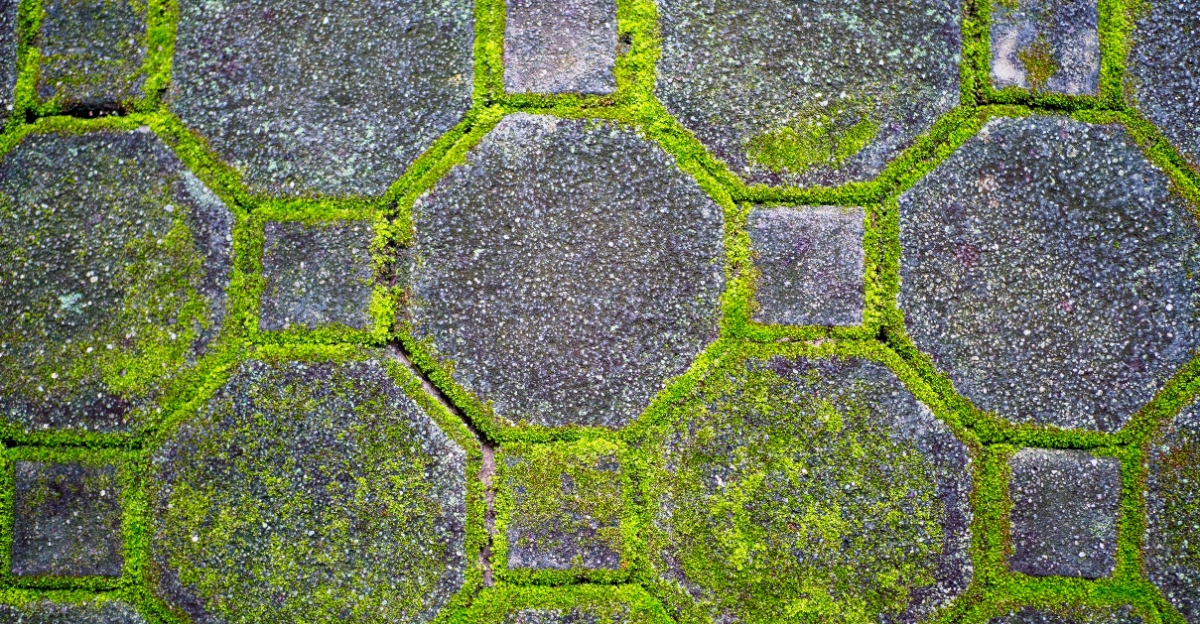
Ohio patios go green in a way that has nothing to do with landscaping choices. Algae and moss move in quietly through the damp, shaded stretches of spring and fall.
What starts as a faint discoloration becomes a slippery, stubborn coating that makes the patio look neglected and genuinely hazardous underfoot. Most homeowners reach for the pressure washer and consider the job done.
The algae comes back within a season because nothing changed about the conditions that invited it in the first place. Getting rid of algae and moss from an Ohio patio is a two part problem.
The visible growth is the easy part. The conditions underneath, the moisture, the shade, the surface texture that holds both, are what determine whether the problem returns by next spring or stays gone.
The right approach handles both at once and does not require renting equipment or hiring anyone to get results that actually last.
1. Scrub The Slippery Green Layer First
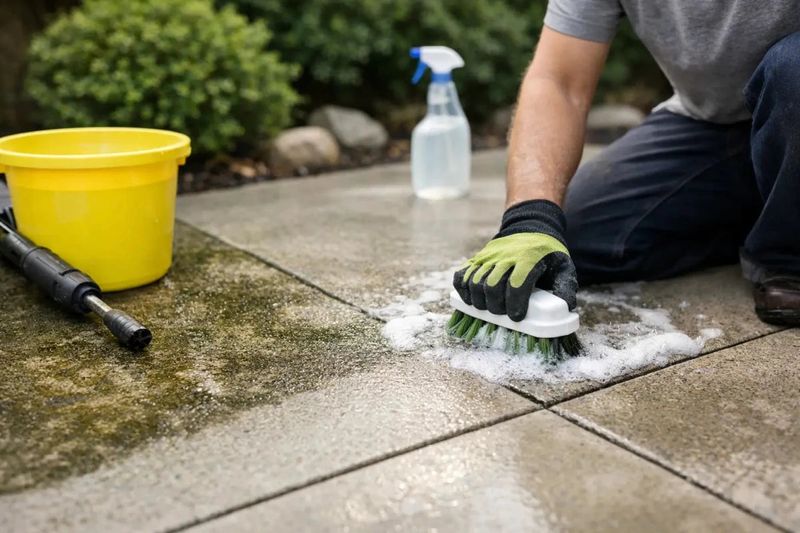
A wet patio covered in green film can send you sliding before you even realize the surface is slick. Algae and moss create a surprisingly slippery coating, especially on smooth concrete, older brick, and polished stone.
Before reaching for any spray or cleaner, manual scrubbing is the smartest first move.
Start by putting on shoes with good traction. A stiff-bristled outdoor brush works well for most patio surfaces.
Scrub in short, firm strokes to loosen the growth without grinding it deeper into pores or joints. Work in small sections so you can see your progress and avoid missing patches.
If your patio is made of soft stone, old mortar, or delicate pavers, test a small hidden corner first. Some older surfaces can be scratched or worn down by aggressive scrubbing.
Surface-care guidance recommends using a brush rated for the specific material when possible.
The goal at this stage is to loosen the growth, not necessarily remove every stain. Scrubbing lifts the bulk of the algae and moss so rinsing and treatment can work more effectively afterward.
Never mix cleaning products while scrubbing, and avoid applying any chemical before the dry scrubbing step is complete. A little patience here saves you from using stronger products later.
2. Rinse Away Loose Moss Before Treating Stains
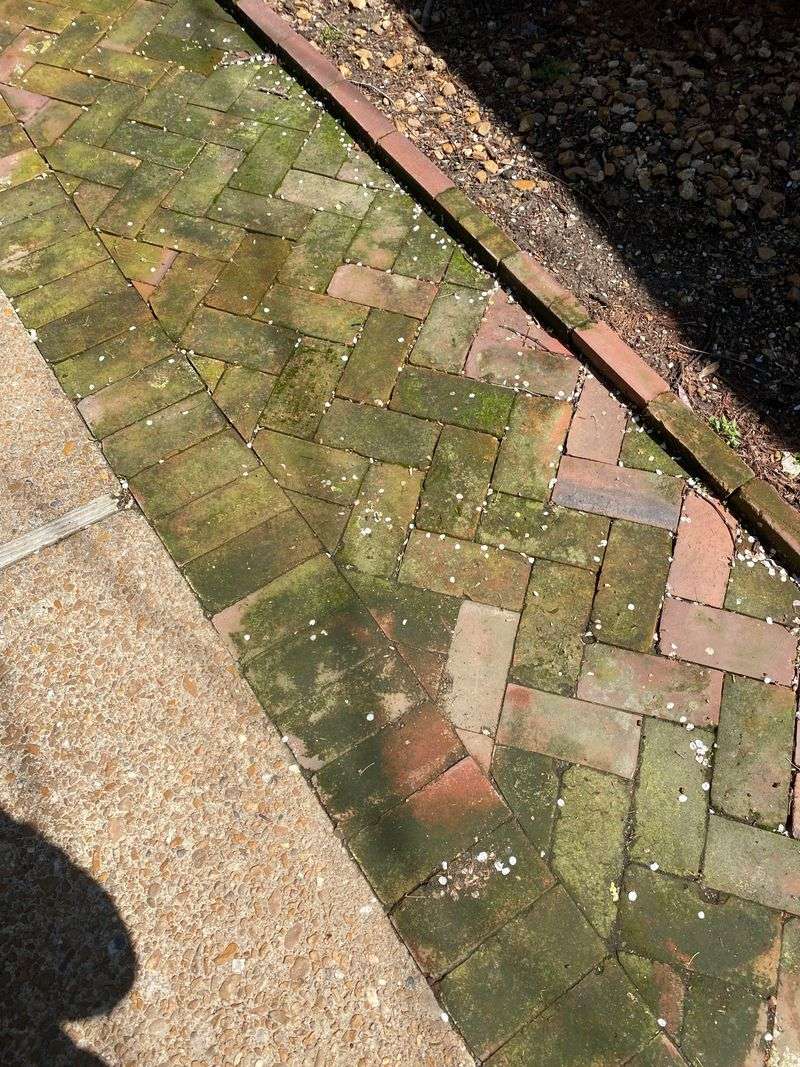
After scrubbing, a surprising amount of loosened moss, algae, and soil will be sitting on the surface. Sweeping that debris off before rinsing helps prevent it from being pushed into paver joints or garden beds during the rinse step.
A simple broom pass makes the rinse much more effective.
When rinsing, direct the water away from storm drains and planted areas when you can. Local stormwater guidance advises Ohio homeowners to avoid washing sediment and debris directly into street drains, since it can carry pollutants into nearby waterways.
A garden hose with a standard spray nozzle works well for most patios.
Pressure washing can speed up the process, but it comes with real trade-offs. Aggressive pressure can dislodge joint sand between pavers, damage older mortar, or even etch soft stone if the nozzle is held too close.
Your Ohio Garden Changes Every Week. Your Plan Should Too.
Gardening in Ohio changes quickly throughout the season. Every Friday you’ll receive a simple weekly plan showing exactly what to plant, prune, fertilize, harvest, and protect so you never miss the right timing.
Surface-care guidance recommends following the manufacturer’s instructions for your specific patio material before using a pressure washer.
Older patios, in particular, may need a gentler approach. A lower pressure setting or a wider spray angle reduces the risk of surface damage.
Rinsing thoroughly after scrubbing also removes the organic residue that cleaners and treatments would otherwise have to cut through. That makes the next step work better with less product needed overall.
3. Use Vinegar Carefully On Tough Patio Spots
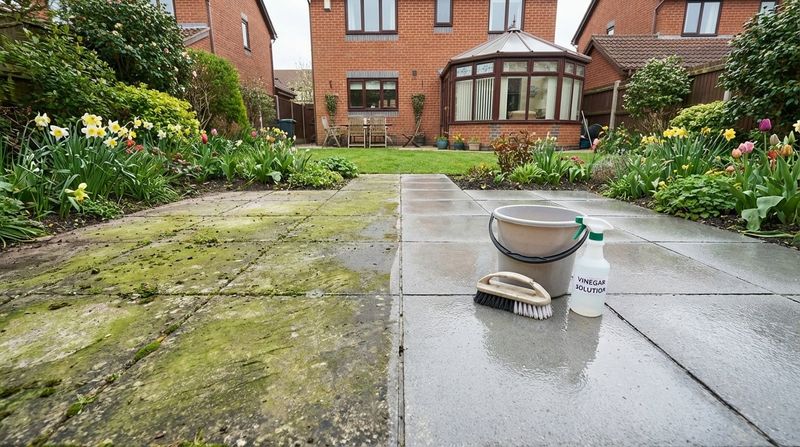
Vinegar shows up in a lot of home-cleaning conversations, and it can have some effect on moss and algae spots on patio surfaces. However, treating it as a completely safe, go-anywhere solution misses some real risks worth knowing about.
White vinegar is acidic, and that acidity is what disrupts moss and algae growth. The same acidity can also harm nearby plants if runoff reaches their roots or foliage.
OSU Extension guidance cautions that acidic solutions applied near desired plantings can affect soil chemistry and damage sensitive plants. Keep vinegar applications away from garden beds, lawn edges, and containers you care about.
Before applying vinegar to a larger area, test it on a small, hidden section of your patio first. Some natural stone, including limestone and marble, can be etched or dulled by acidic solutions.
Concrete can also be affected with repeated use. Rinse the treated area thoroughly with clean water after the vinegar has had time to work.
Never mix vinegar with bleach or other household cleaners. University extension sources are clear that combining acidic products with chlorine bleach can release harmful gases.
Use vinegar on its own, follow up with a good rinse, and keep pets and children away from the treated surface until it has dried completely. Caution goes a long way with this one.
4. Choose Outdoor Cleaners That Protect Nearby Plants
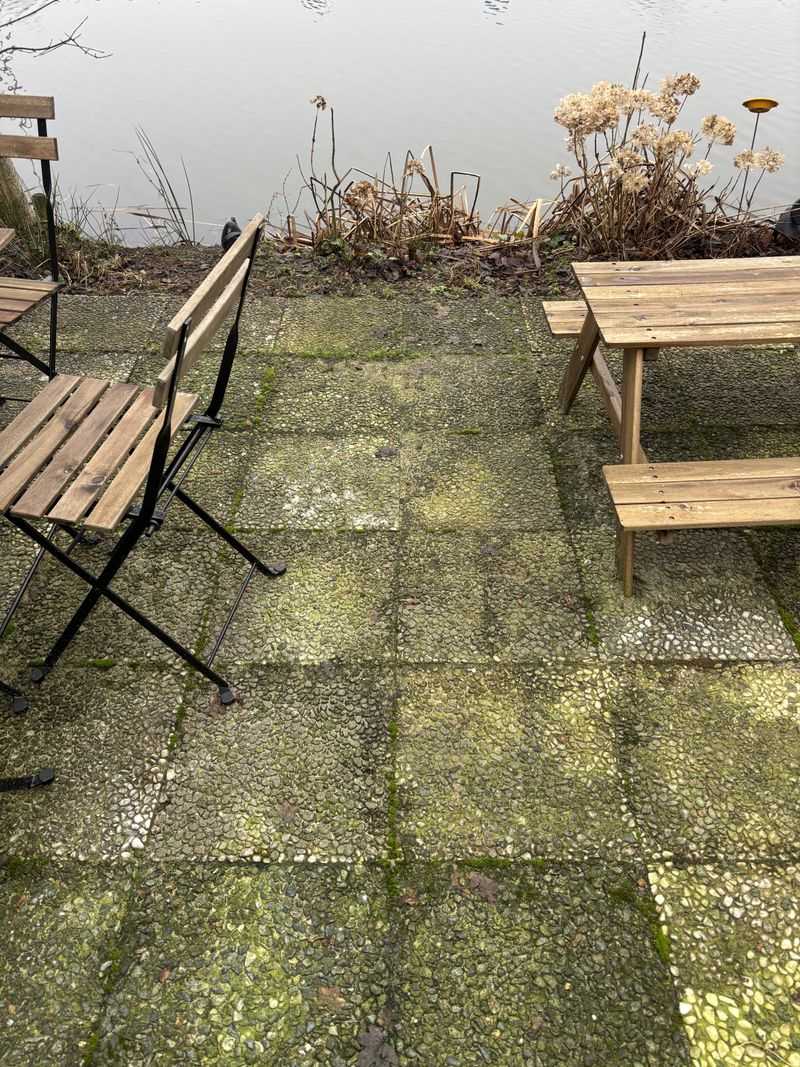
Patios rarely exist in isolation. Most are bordered by lawn, flower beds, vegetable gardens, planters, and areas where pets and children spend time.
The cleaner you choose for your patio can affect all of those spaces, so label reading is not optional.
EPA Safer Choice guidance explains that some cleaning products carry certifications. These indicate that the products are formulated to reduce risks to human health and aquatic environments.
Looking for that label when shopping for an outdoor cleaner is a reasonable starting point, especially if your patio drains toward a lawn or planted area.
Keep in mind that “natural” on a product label does not automatically mean safe for plants, stone, or nearby waterways. Some plant-derived cleaners are still concentrated enough to harm vegetation or alter soil pH if they pool near roots.
Always follow the product directions exactly, including dilution ratios and recommended wait times.
Before applying any cleaner to the full patio, protect nearby plants by covering them lightly or wetting the soil around them first. Keep pets and children away from the treated surface during application and until the area has been rinsed and dried.
Surface-care guidance also recommends choosing a cleaner designed for your specific patio material. Some formulas can discolor or degrade certain stone, brick, or concrete finishes with repeated use.
5. Skip Harsh Runoff Near Drains And Garden Beds
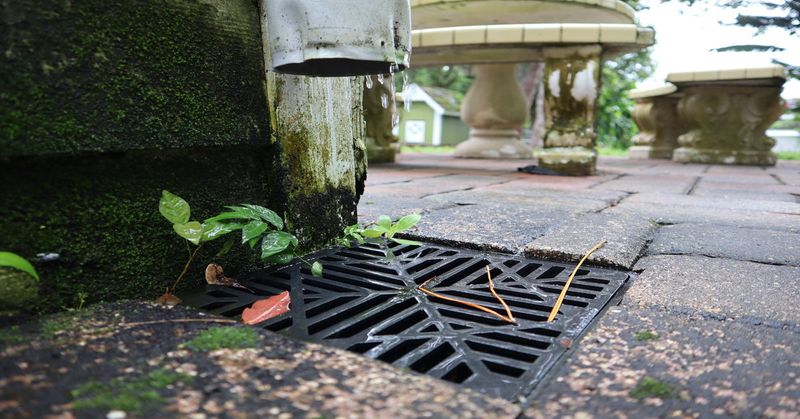
Every time you rinse a patio, the water has to go somewhere. It picks up loosened algae, sediment, soap residue, and any cleaning product left on the surface, then carries all of it toward the lowest point nearby.
That low point is often a garden bed, a lawn edge, or a storm drain.
Local stormwater guidance advises Ohio homeowners to use the smallest amount of cleaner necessary for the job. Less product means less chemical load in the rinse water.
Sweeping debris off the patio before rinsing also reduces how much organic material ends up traveling with the water.
Bleach-based cleaners and harsh chemical treatments can harm plants and aquatic life when they reach waterways. EPA guidance notes that chlorine compounds can be toxic to aquatic organisms even in small concentrations.
If you use any cleaner stronger than plain water, check your local stormwater rules before washing a large patio area.
When possible, redirect rinse water toward a gravel area, a dry patch of lawn, or a spot where it can soak into the ground rather than running straight into a drain.
Blocking or redirecting runoff with a simple barrier of rolled towels or sandbags during cleaning is a practical option on flat patios.
A little planning before you start rinsing can keep your Ohio yard and your neighborhood waterways in much better shape.
6. Let More Sun And Air Reach The Patio
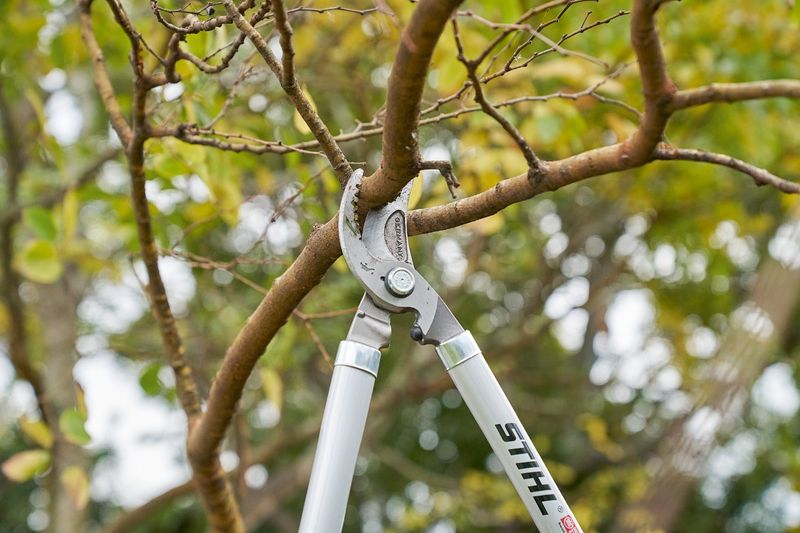
Shade feels wonderful on a hot afternoon, but a patio that never dries out fully is a patio that keeps growing algae and moss. Green growth thrives in damp, still air.
Improving light and airflow around your patio is one of the most effective long-term steps you can take.
Overhanging branches are a common culprit. They block sunlight, drop organic debris, and trap moisture close to the surface.
Pruning branches that hang directly over the patio can allow more sun to reach the surface and help it dry faster after rain. You do not need to remove healthy trees entirely, just open the canopy enough to let light filter through.
Dense container plants grouped in shaded corners can also hold moisture against the patio surface. Moving them slightly or spacing them out allows air to circulate underneath and around them.
Patio furniture placed against walls or in corners can have the same effect, so shifting pieces occasionally helps the surface breathe.
University extension sources note that moss and algae grow more successfully in environments where surfaces stay wet for extended periods. Reducing that wet time, even by a few hours after each rain event, can make conditions less hospitable for new growth.
Shade is not the enemy on its own. Wet shade combined with still air and organic debris creates ideal conditions for green growth to keep returning season after season.
7. Fix Drainage Before The Green Film Returns
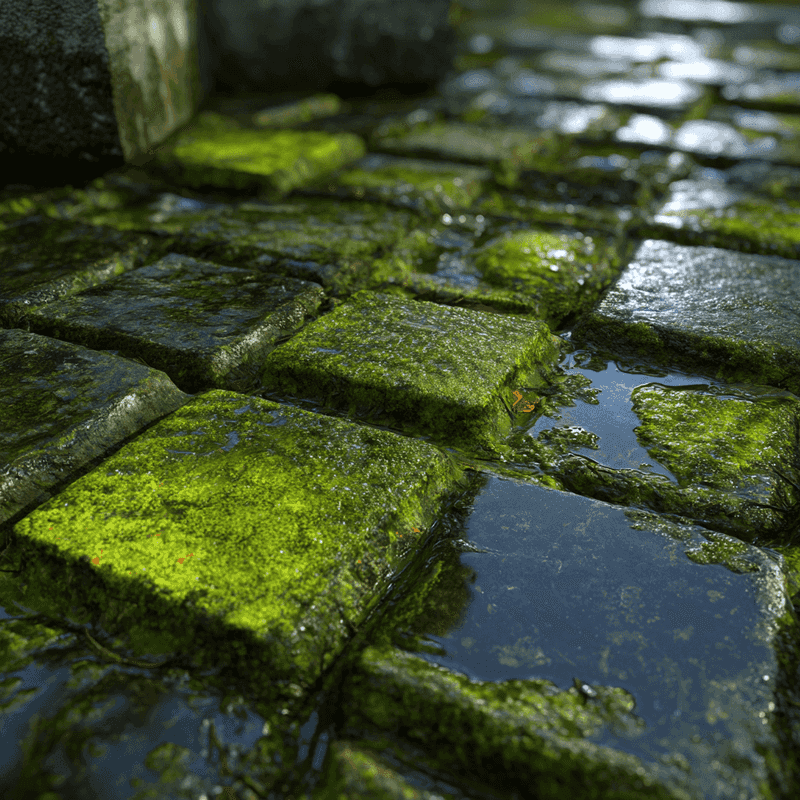
Standing water is one of the clearest signs that a patio has a drainage problem. Low spots, uneven pavers, clogged gutters, and downspouts that empty directly onto the patio surface all create wet conditions.
Those conditions help algae and moss return quickly after cleaning.
Start by watching where water flows during and after a rain. Note any spots where puddles form or where water moves slowly off the surface.
Cleaning gutters and redirecting downspouts away from the patio are two straightforward steps that can reduce how much water lands on the surface in the first place.
Uneven pavers that have shifted or settled can create small pools that take hours to evaporate. Releveling problem pavers is a job that often benefits from professional help, especially if the base material underneath has eroded.
A qualified contractor can assess whether the issue is surface-level or tied to deeper grading problems.
Soil and mulch creeping over patio edges also block drainage and add organic material that feeds moss. Keeping a clean edge between the patio and any planted border helps water run off cleanly.
OSU Extension guidance notes that proper surface drainage is a key factor in reducing moisture-related problems around home foundations and outdoor surfaces.
Fixing drainage is not glamorous work, but it is the step that makes every cleaning effort last longer.
8. Keep Leaves Off Pavers After Every Storm
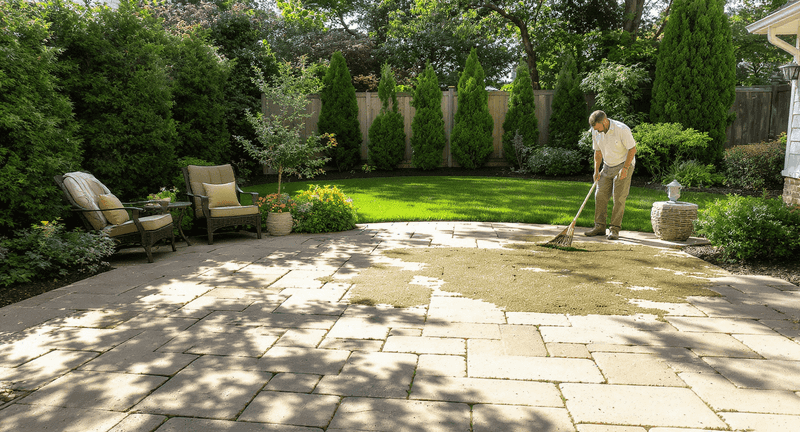
Wet leaves sitting on a patio are doing more damage than most Ohioans realize. They hold moisture against the surface, block sunlight, and slowly break down into the organic material that algae and moss feed on.
After every storm, clearing that debris is one of the simplest things you can do to slow green growth.
Grass clippings, seed pods, soil blown from nearby beds, and pine needles all behave the same way. They trap moisture in paver joints and shaded corners where the surface dries slowest.
A quick sweep after a storm takes only a few minutes and removes the fuel that green growth depends on.
Check under planters and outdoor rugs regularly. Moisture collects beneath them even on dry days, and the dark, damp environment underneath is a reliable spot for moss to establish quietly.
Moving planters occasionally and lifting rugs to let the surface dry can prevent surprises when you pull them back in spring.
Paver seams deserve special attention. Debris settles into the gaps between pavers and stays damp long after the surface looks dry.
A narrow brush or a leaf blower on a low setting can clear seams without disturbing joint sand. Simple, consistent maintenance like this reduces how often you need to do heavy cleaning.
A cleaner patio starts with scrubbing, but it stays cleaner when light, airflow, drainage, and debris control all work together through every season.