The Oregon Fruit Trees That Need Summer Pruning In July For Better Harvests Next Year
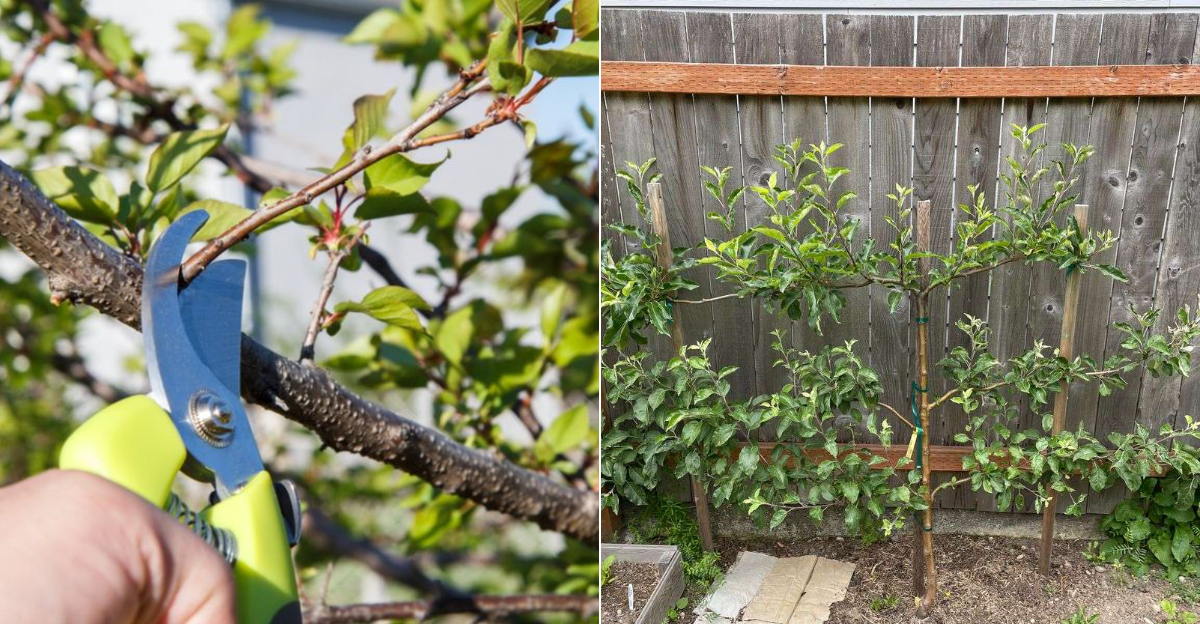
Oregon fruit trees may look like they are just minding their business in July, but some of them are secretly begging for a summer haircut.
After the big spring growth rush, certain trees can get crowded, shaded, and a little too enthusiastic with those leafy branches.
That might look lush now, but it can mean weaker fruiting wood, more disease pressure, and a less impressive harvest next year.
Apples, pears, cherries, plums, peaches, and other backyard favorites may benefit from careful July pruning when the goal is better airflow, more sunlight, and calmer growth.
The key word is careful. This is not the season for going full lumberjack on your orchard.
A light trim can help shape the tree and support next year’s crop, while a heavy-handed chop can stress it out fast.
Grab the pruners, skip the drama, and give your fruit trees the tidy summer reset they actually need.
1. Sweet Cherries Need Size Control After Harvest
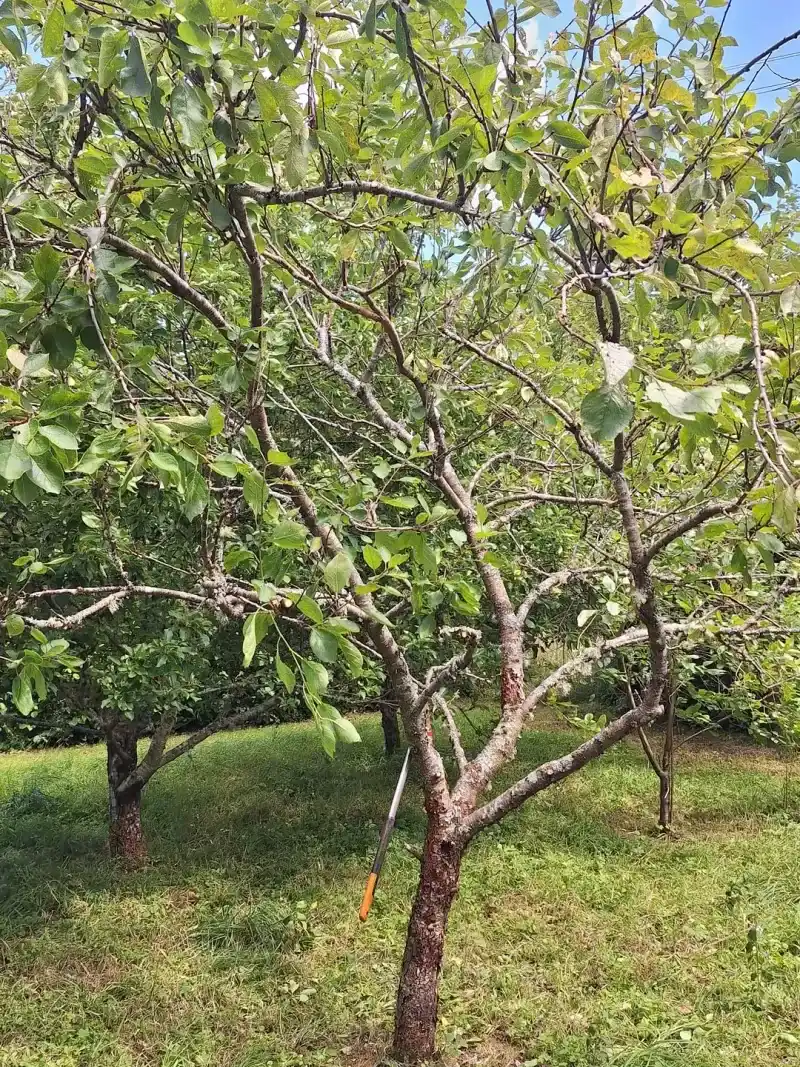
Most sweet cherry trees are naturally vigorous growers, and without regular pruning, they can shoot up to 30 feet or more. That kind of height makes harvesting a real challenge.
July is the best time to bring them back under control, right after the last cherries have been picked.
Once harvest is done, the tree has already done its main job for the season. Cutting back the tallest shoots now redirects the tree’s energy downward and inward.
You want the canopy to stay open and manageable, so sunlight can reach the lower branches where next year’s fruit buds will form.
Focus on removing any shoots that are growing straight up, often called water sprouts. These vertical shoots rarely produce fruit and just take up space and light.
Cut them back to a side branch or remove them entirely at the base.
Also shorten any lateral branches that have grown too long during the season. A good rule of thumb is to cut back new growth by about half.
This encourages the tree to branch out more, which means more fruiting wood next year.
In Oregon, sweet cherries thrive in the Willamette Valley and similar regions with well-drained soil and warm summers.
Keeping the tree at a manageable height also makes spraying for pests and diseases much easier throughout the season.
2. Pie Cherries Benefit From Post-Harvest Thinning
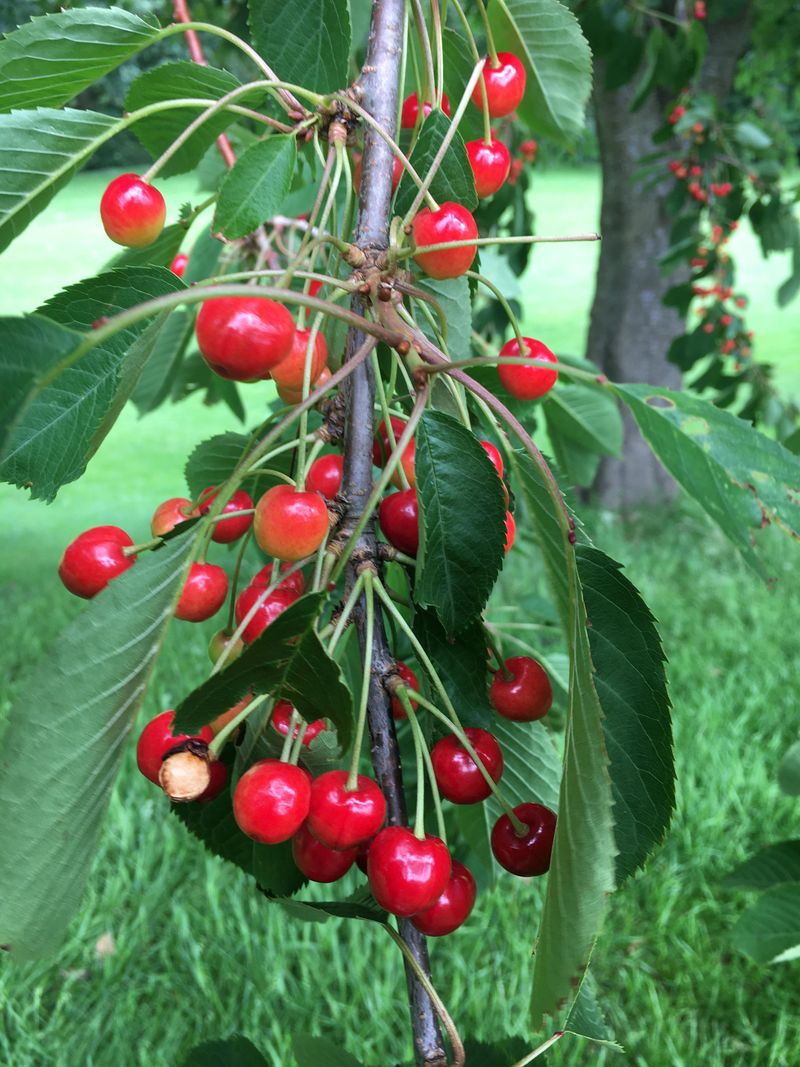
Tart cherries, often called pie cherries, are a favorite among home bakers and jam makers across the Pacific Northwest.
Unlike sweet cherries, they tend to stay smaller and more compact. But that does not mean they do not need attention in July.
After the harvest wraps up, pie cherry trees benefit greatly from a light thinning of the canopy.
The goal is not a heavy cutback but rather opening up the interior of the tree so air and light can move through freely.
Good airflow is especially helpful in Oregon, where late summer humidity can still creep in and cause fungal problems.
Start by removing any branches that are crossing or rubbing against each other. Friction between branches creates wounds that can invite disease.
Your Oregon Garden Changes Every Week. Your Plan Should Too.
Gardening in Oregon changes quickly throughout the season. Every Friday you’ll receive a simple weekly plan showing exactly what to plant, prune, fertilize, harvest, and protect so you never miss the right timing.
Next, look for any damaged or weak wood and take it out cleanly at the base.
Pie cherries fruit mostly on spurs, which are short stubby growths along older wood. Protect these spurs when pruning, as they are the source of next year’s crop.
Avoid cutting back into older wood unless it is clearly unproductive or damaged.
A light trim of the newest shoot tips can also help encourage spur development. Keep cuts clean and sharp.
Dull blades tear wood and leave ragged edges that heal slowly. Post-harvest pruning keeps pie cherry trees healthy, productive, and easier to manage through the rest of the growing season.
3. Plums Need Light Summer Thinning
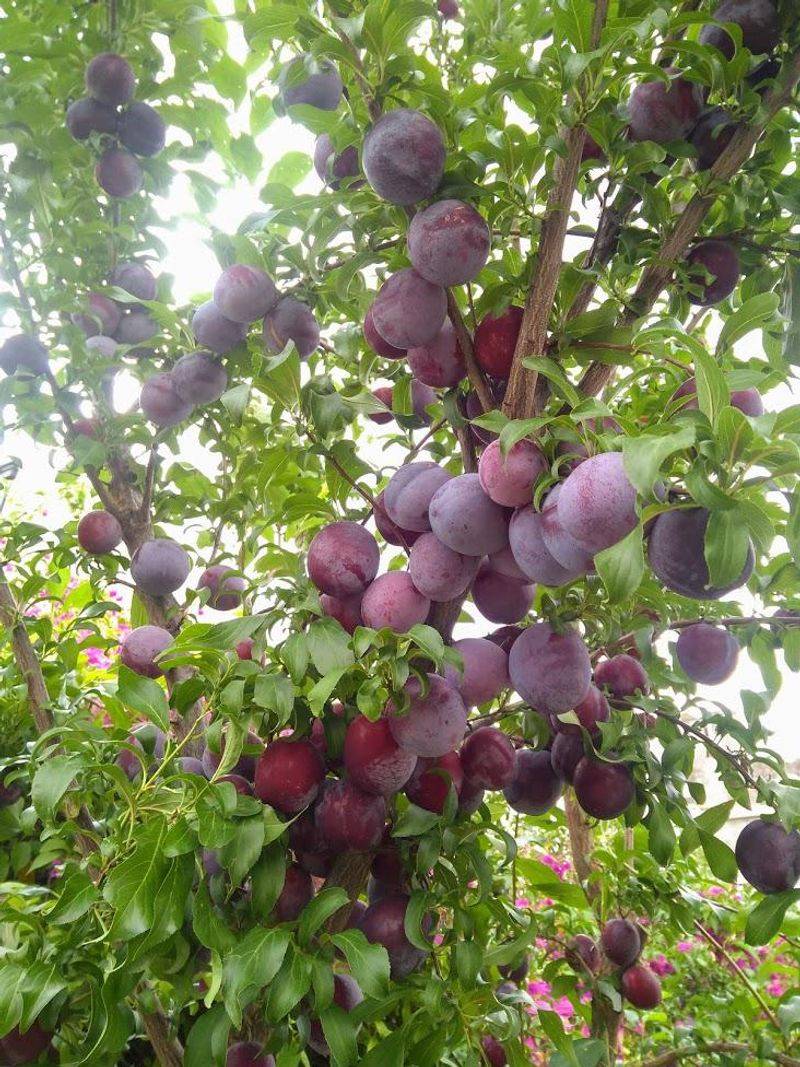
Plum trees are generous producers, sometimes almost too generous. When a tree sets more fruit than it can properly support, the plums end up small, flavorless, and the branches can even break under the weight.
Summer thinning in July helps solve all of these problems at once. By July, you have already done fruit thinning earlier in the season, removing excess fruitlets by hand.
But July is also a great time to do a light structural prune. Look for any shoots that are shading the center of the tree and remove or shorten them. A well-lit canopy means sweeter, larger fruit.
European plums, which are very popular in Oregon, tend to grow more upright than Japanese varieties. They need less aggressive pruning overall but still benefit from having their tallest new growth shortened.
This keeps the tree at a pickable height and encourages more horizontal branching, which produces more fruit.
Japanese plums spread more widely and may need more attention to keep the canopy balanced.
Remove any branches that dip too low to the ground, as these are hard to manage and prone to disease splash from rain and irrigation.
Always use clean, sharp tools when pruning plums. These trees can be susceptible to bacterial canker, and a clean cut heals faster.
Pruning in dry July weather, rather than wet winter months, gives cuts the best chance to seal up before any pathogens can get in.
4. Apricots Are Safer Pruned In Dry Weather
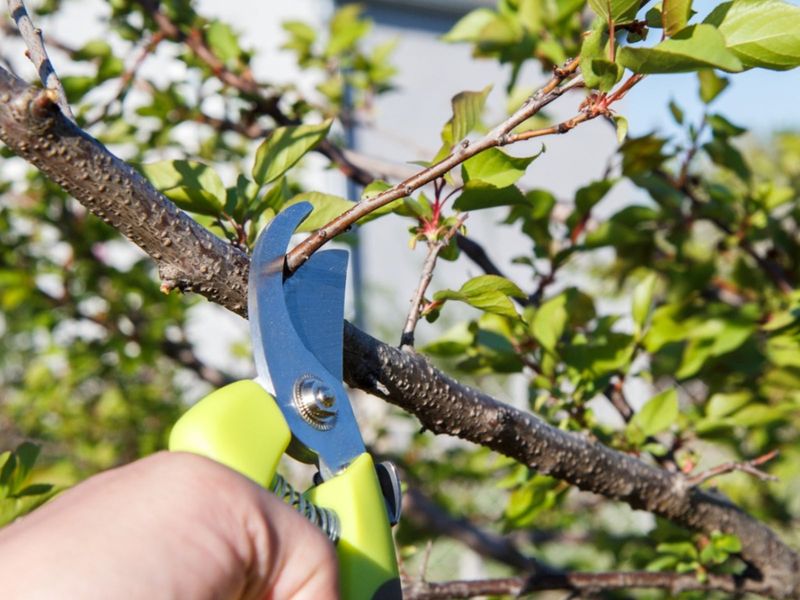
Apricot trees have a reputation for being a little fussy, and honestly, they have earned it.
One of their biggest vulnerabilities is a disease called Eutypa goback, caused by a fungal pathogen that enters through pruning cuts made in wet weather.
That is exactly why July is the ideal month for pruning apricots in our region.
By midsummer, the dry conditions that settle over much of Oregon create a much safer environment for making cuts. The fungal spores that cause Eutypa are far less active in dry heat, which means your fresh pruning wounds are far less likely to become infected.
Focus your July pruning on removing any damaged or diseased wood first. Eutypa-infected wood often looks dark and discolored inside when cut.
Remove it well below the visible damage, cutting back into healthy, pale wood. Dispose of infected material away from the tree.
Next, thin out any crowded shoots in the upper canopy. Apricots fruit on one-year-old wood, so you want plenty of new shoots growing in an open, well-lit space.
Shortening long lateral branches by about one-third encourages the growth of shorter, fruitful side shoots.
Avoid heavy pruning all at once, as apricots respond better to lighter, more frequent trims. Keep the center of the tree open so sunlight reaches every branch.
A well-pruned apricot in July sets the stage for a much more productive and disease-free harvest the following year.
5. Peaches Need Sun On New Wood
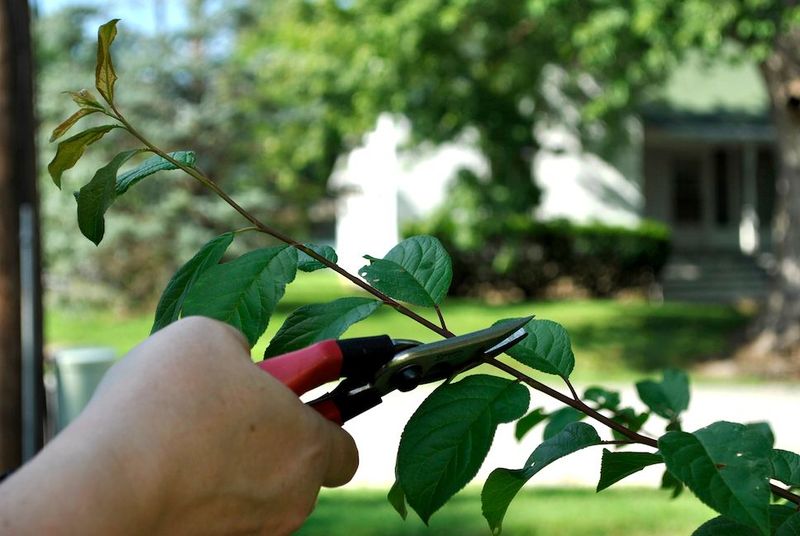
Few things beat the taste of a homegrown peach, and Oregon’s warm summer valleys are well-suited to growing them. But peaches have a quirky fruiting habit that makes summer pruning especially important.
They only produce fruit on wood that grew the previous year, which means keeping a steady supply of healthy new shoots is the key to a good harvest.
By July, the current season’s new shoots are well-established and growing fast. This is the perfect time to remove older, unproductive wood and thin out the canopy so the new growth gets plenty of direct sunlight.
Sunlight exposure in summer is what triggers the development of next year’s fruit buds on those new shoots.
Start by removing any downward-growing or crossing branches. Then thin out clusters of shoots so the remaining ones are spaced well apart.
Each shoot should have room to breathe and catch sun from multiple angles throughout the day.
Peach trees also have a tendency to grow vigorously at the top, which shades out the lower branches. Cut back the tallest upright growth to encourage a more balanced, spreading shape.
This keeps the tree at a workable height and ensures fruit develops throughout the canopy, not just at the very top.
Do not skip this step if you had a light harvest this year. Often, a disappointing peach crop is the result of poor light the previous summer.
Getting more sun to new wood now is one of the best investments you can make for next season.
6. Nectarines Need The Same Light As Peaches
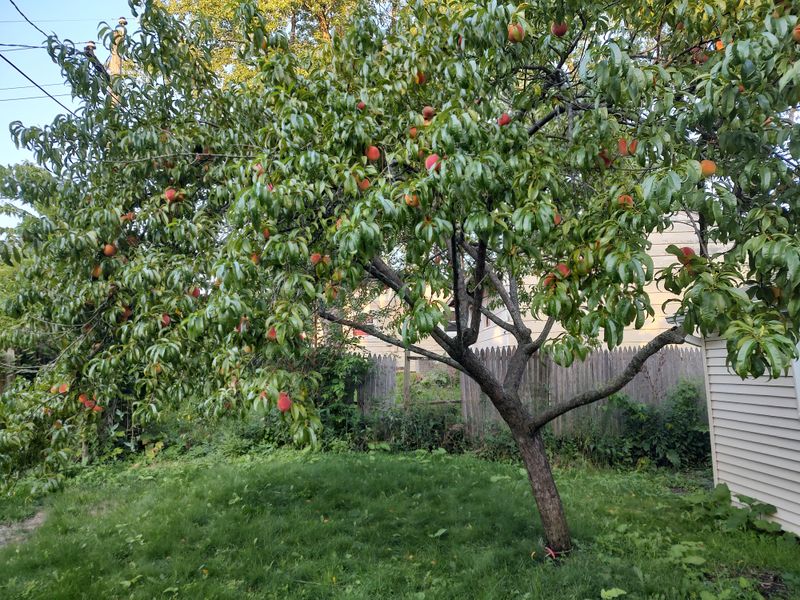
Smooth-skinned and sweet, nectarines are essentially a fuzz-free version of the peach, and they share nearly all the same growing habits.
That includes their fruiting behavior, which means they also need summer pruning in July to set up a strong crop for the following year.
Just like peaches, nectarines produce their fruit on one-year-old wood. So the new shoots that are growing right now in July are exactly what you will be harvesting from next summer.
Giving those shoots room, light, and good airflow is the goal of your July pruning session.
Begin by thinning out any overcrowded areas in the canopy. Nectarines can push out a lot of new growth in a single season, and without some management, the interior of the tree becomes a dense tangle of shoots that block each other from the sun.
Remove about one-third of the newest growth to open things up. Pay special attention to the top of the tree, where vigorous upright shoots tend to dominate.
Cut these back hard to redirect the tree’s energy into the lower and middle canopy, where fruit is easier to reach and care for.
Nectarines can be a little more prone to brown rot and other fungal issues than peaches, so good airflow from proper pruning is especially valuable.
In Oregon’s warmer growing areas, a well-pruned nectarine tree can produce abundantly year after year with the right summer care and attention.
7. Espalier Apples Need July Shoot Shortening
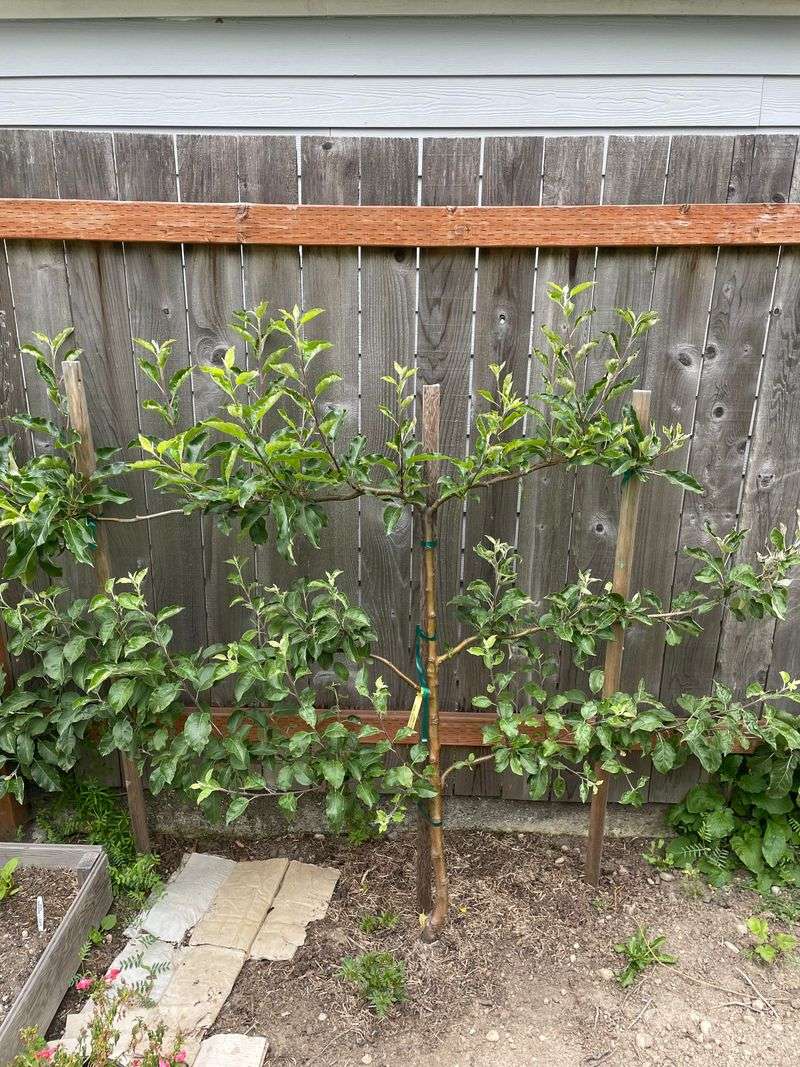
Growing apples in an espalier form is one of the most space-efficient and visually striking ways to cultivate fruit trees.
Espalier means training the tree to grow flat against a wall, fence, or trellis in a structured pattern.
It takes patience to establish, but July pruning is what keeps the whole system working properly year after year.
During summer, espalier apple trees push out a lot of new lateral shoots from the main trained branches. These shoots need to be shortened in July before they become too woody and hard to manage.
The timing matters because summer pruning on apples does not stimulate the same regrowth that winter pruning does, which helps keep the tree’s shape controlled.
The standard approach is to shorten all new lateral shoots back to about three leaves above the basal cluster, which is the small rosette of leaves at the base of each shoot.
This encourages the formation of fruiting spurs along the main framework branches.
Check for any shoots that are growing outward from the wall rather than flat along it. These need to be removed entirely, as they break the espalier structure and create a tangled mess by the end of the season.
Wall-trained apples in Oregon benefit especially from the July dry window, since the cuts heal quickly in the warm weather.
A well-maintained espalier apple tree is not just productive but also becomes a beautiful permanent feature of any garden or landscape.