These 9 Flowers Bloom Longer Than Tulips In Oregon Gardens
Tulips are the springtime celebrities of Oregon gardens, and yes, they know how to make an entrance.
One minute they’re strutting around in bold cups of red, yellow, pink, and purple, and the next they’re gone, leaving you staring at a very dramatic patch of fading foliage. Rude? A little.
Luckily, your garden does not have to peak and then politely retire by late spring. Oregon’s mild, moisture-loving climate gives plenty of other blooms a chance to steal the show for much longer, adding color, charm, and pollinator buzz well beyond tulip season.
Think cheerful petals that keep showing up, hardworking perennials that return like old friends, and flowers that can handle the Pacific Northwest’s moody weather without throwing a tantrum.
If your garden needs more staying power and fewer blink-and-you-miss-it moments, these long-blooming beauties are ready for their spotlight.
1. Catmint
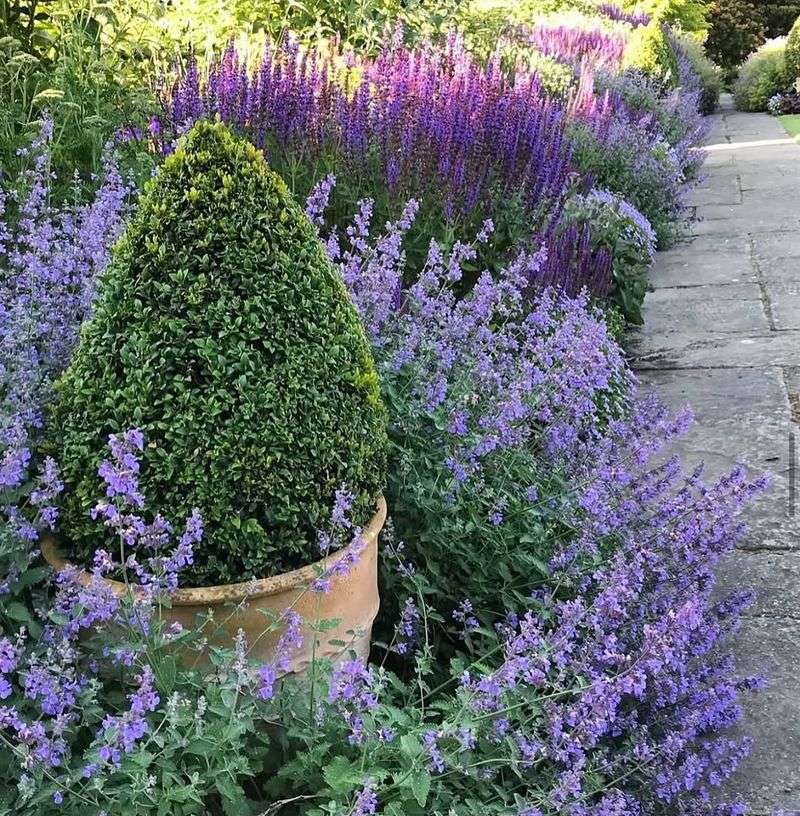
Few plants work as hard as catmint does in an Oregon garden. This tough, low-maintenance perennial starts blooming in late spring and just keeps going, often producing flowers from May all the way through October if you trim it back after the first flush of blooms fades.
Catmint loves Oregon’s mild summers and handles dry spells like a champ once it gets established. It forms soft, silvery-green mounds topped with lavender-blue flower spikes that look amazing along garden borders or pathways.
Bees and butterflies absolutely love it, so you’re also helping local pollinators every time you plant it.
Trimming catmint back by about half after its first big bloom will encourage a fresh round of flowers in late summer and fall. It grows well in full sun to partial shade and doesn’t need much fertilizer.
In the Willamette Valley and other parts of Oregon, catmint is a go-to plant for gardeners who want reliable color without a lot of fuss. It’s drought-tolerant, deer-resistant, and practically foolproof, making it one of the smartest additions you can make to any Oregon landscape.
2. Coneflower
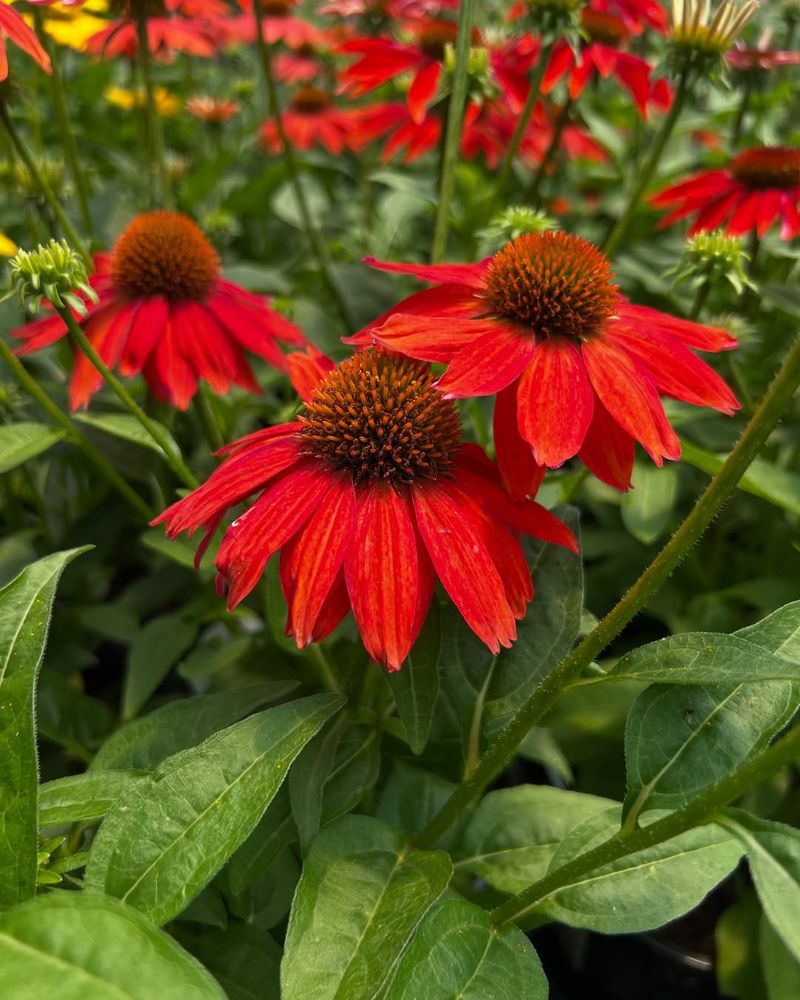
Bold, cheerful, and practically unstoppable, coneflowers bring serious color to Oregon gardens from midsummer all the way into fall. Unlike tulips that fade in a matter of weeks, these native North American wildflowers keep producing blooms for months, making them one of the best investments you can make in your garden.
Coneflowers, also known as Echinacea, come in a huge range of colors these days. You can find them in classic purple, hot pink, orange, yellow, and even creamy white.
They grow well in Oregon’s full sun spots and handle both heat and rain without complaining. Once established, they’re very drought-tolerant, which is a big bonus during Oregon’s dry summer months.
Another great thing about coneflowers is that they attract goldfinches, bees, and butterflies throughout the season. If you leave the seed heads standing in fall, birds will visit your garden all winter long.
They spread slowly over time, so you’ll end up with more plants every year without spending extra money. For gardeners in the Portland area or the Willamette Valley, coneflowers are a reliable, long-blooming staple that never disappoints.
Your Oregon Garden Changes Every Week. Your Plan Should Too.
Gardening in Oregon changes quickly throughout the season. Every Friday you’ll receive a simple weekly plan showing exactly what to plant, prune, fertilize, harvest, and protect so you never miss the right timing.
3. Salvia
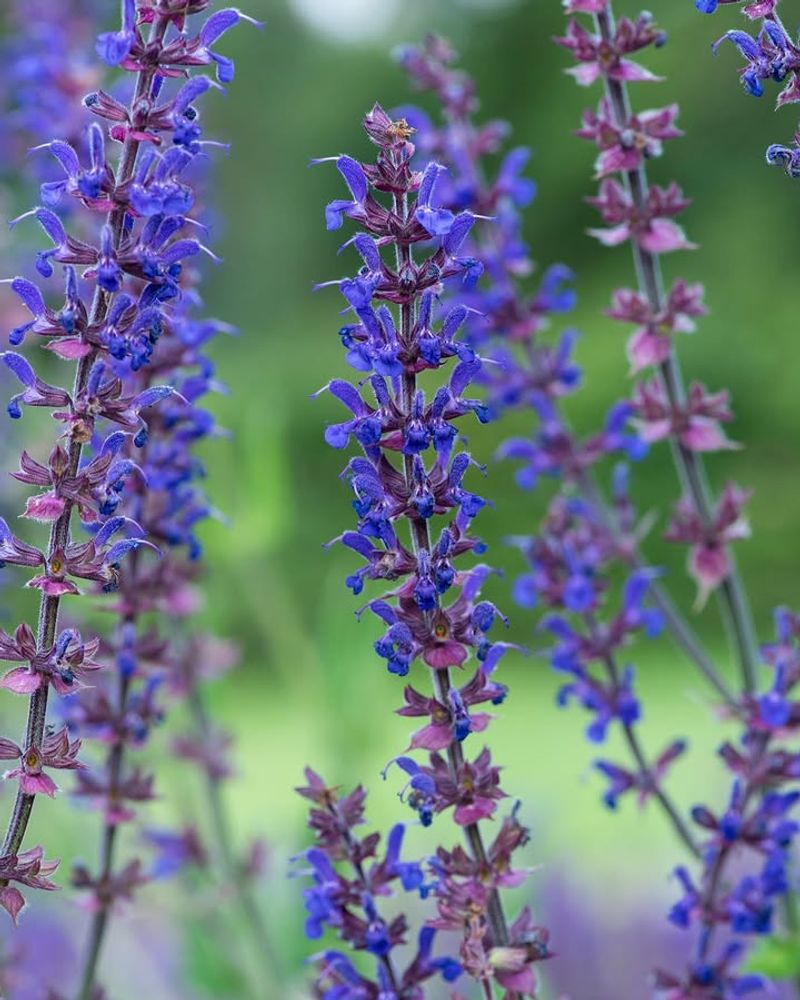
There’s something almost electric about a patch of salvia in full bloom. The deep blue, purple, or red flower spikes shoot up like little fireworks, and the best part is they keep coming back all season long.
In Oregon’s gardens, salvia is a true overachiever when it comes to bloom time.
Many salvia varieties start flowering in late spring and continue right through the first frost of fall. That’s a bloom season that leaves tulips in the dust.
Salvia loves full sun and well-drained soil, both of which Oregon’s summers can provide. It handles the heat of July and August without missing a beat, and the cool fall temperatures of the Pacific Northwest actually help extend its blooming season even further.
Deadheading spent flowers regularly encourages salvia to push out new blooms constantly. Hummingbirds are huge fans of salvia, especially the red and purple varieties, so planting it near a window gives you a front-row seat to some amazing wildlife action.
Salvia is also a great companion plant for other perennials in Oregon gardens. Whether you’re in Medford, Eugene, or Salem, this plant delivers color and life for a very long time.
4. Crocosmia
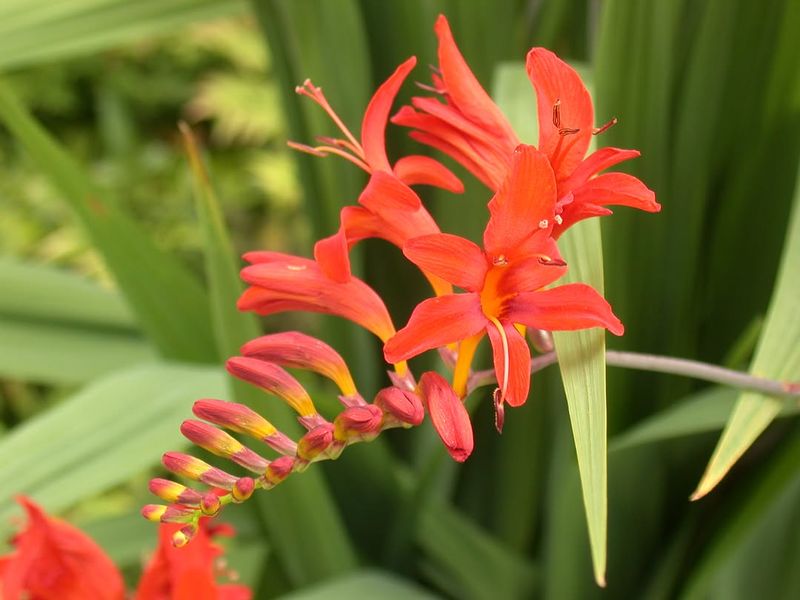
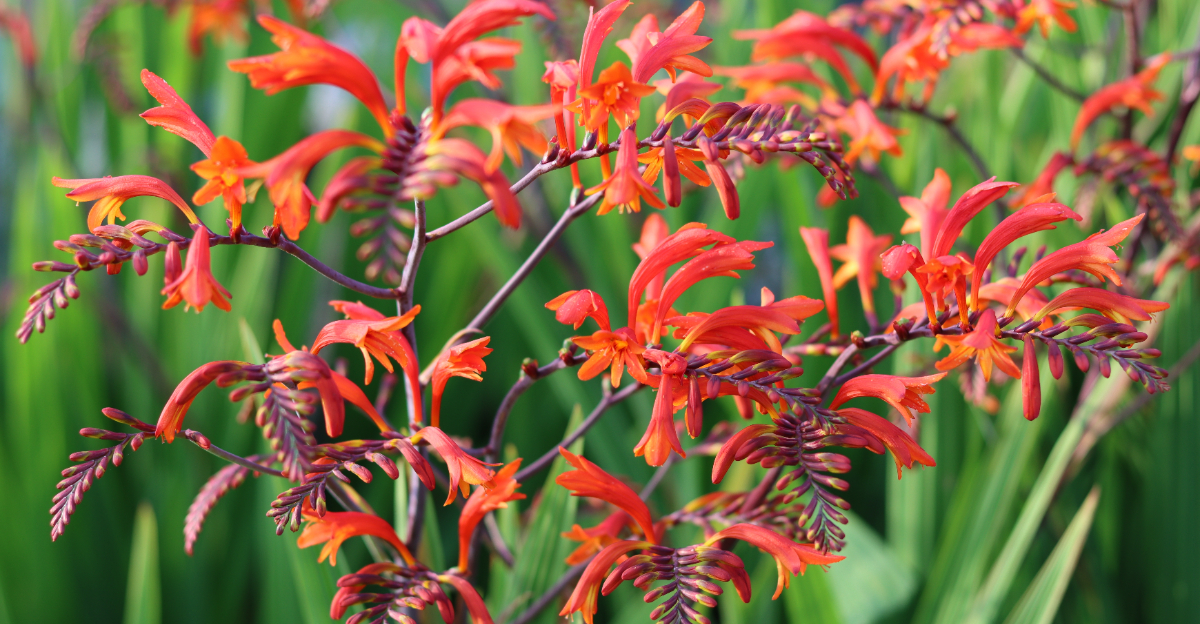
Crocosmia is one of those flowers that makes people stop and stare. The arching stems loaded with bright orange and red trumpet-shaped blooms look almost tropical, yet this plant thrives beautifully in Oregon’s climate.
It starts blooming in midsummer and keeps going strong through early fall.
Originally from South Africa, crocosmia has found a very happy home in the Pacific Northwest. Oregon’s mild winters mean the corms can often stay in the ground year-round, coming back bigger and better each season.
Over time, clumps spread naturally, giving you more and more of those stunning blooms without any extra effort on your part.
Crocosmia grows best in full sun to partial shade and prefers well-drained soil. It reaches about two to four feet tall, so it works well as a mid-border plant behind shorter flowers.
Hummingbirds are especially attracted to the bright orange and red varieties, making your garden feel alive with movement and color. The sword-like leaves also add nice texture even when the plant isn’t in bloom.
For Oregon gardeners looking for something dramatic and long-lasting, crocosmia is an absolute showstopper that rewards very little effort with spectacular results.
5. Calibrachoa
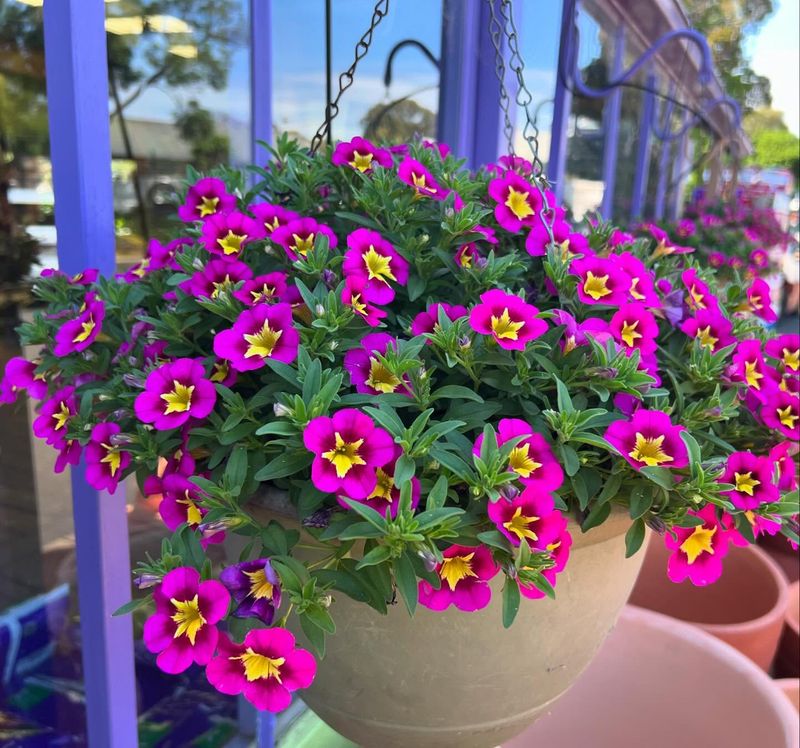
Imagine a flower that looks like a tiny petunia but blooms nonstop from spring until the first hard frost of fall. That’s calibrachoa in a nutshell, and Oregon gardeners have fallen head over heels for it.
These little powerhouse plants pump out hundreds of small blooms all season long without needing much help from you.
Calibrachoa is a self-cleaning plant, meaning you don’t even have to deadhead it. Old flowers fall off on their own, and new ones take their place almost immediately.
It comes in an incredible range of colors including pink, purple, red, orange, yellow, and bi-colors that look like little works of art. It thrives in containers, hanging baskets, and window boxes, making it perfect for Oregon patios and porches.
One tip for growing calibrachoa in Oregon is to fertilize it regularly. It’s a heavy feeder and needs nutrients to keep up its impressive bloom production.
Use a water-soluble fertilizer every week or two throughout the growing season. It prefers full sun but can handle some afternoon shade in hotter inland Oregon areas like the Rogue Valley.
For non-stop color from May through October, calibrachoa is hard to beat and will make your neighbors very curious about your gardening secrets.
6. Hardy Geranium ‘Rozanne’
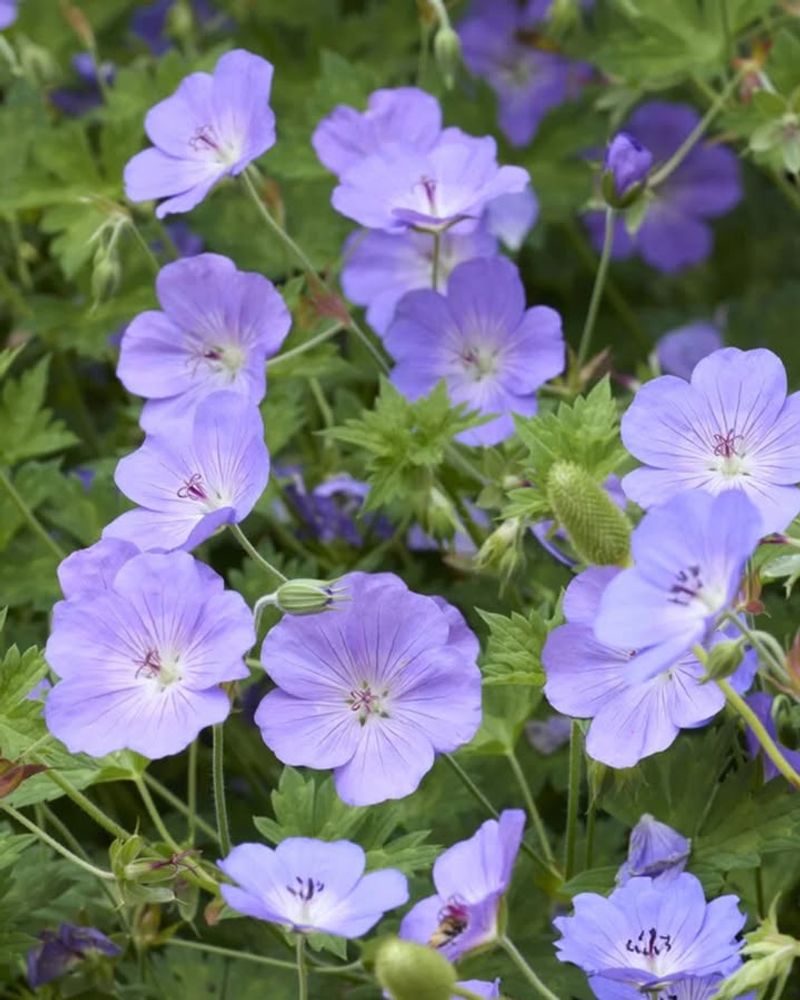
Meet Rozanne, the geranium that garden experts and home gardeners alike have been raving about for years. She was actually named the most popular perennial in the world at the Chelsea Flower Show, and once you see her in your Oregon garden, you’ll understand why.
Her violet-blue flowers with white centers just keep coming from late spring all the way to the first frost.
Rozanne spreads into a wide, low mound that’s perfect for filling gaps between other plants in garden borders. She handles Oregon’s mix of spring rain and summer sun without skipping a beat.
Unlike some geraniums that bloom once and call it done, Rozanne is truly a season-long performer that gets better as the weather warms up.
She grows well in sun or partial shade, which makes her incredibly versatile for different spots around your yard. Rozanne also pairs beautifully with yellow or orange flowers like crocosmia or yarrow, creating striking color combinations in Oregon garden beds.
Deer tend to leave her alone, which is a huge bonus for gardeners in rural parts of Oregon where deer pressure is high. With almost zero maintenance required, Rozanne is one of the easiest and most rewarding perennials you can ever plant.
7. Allium
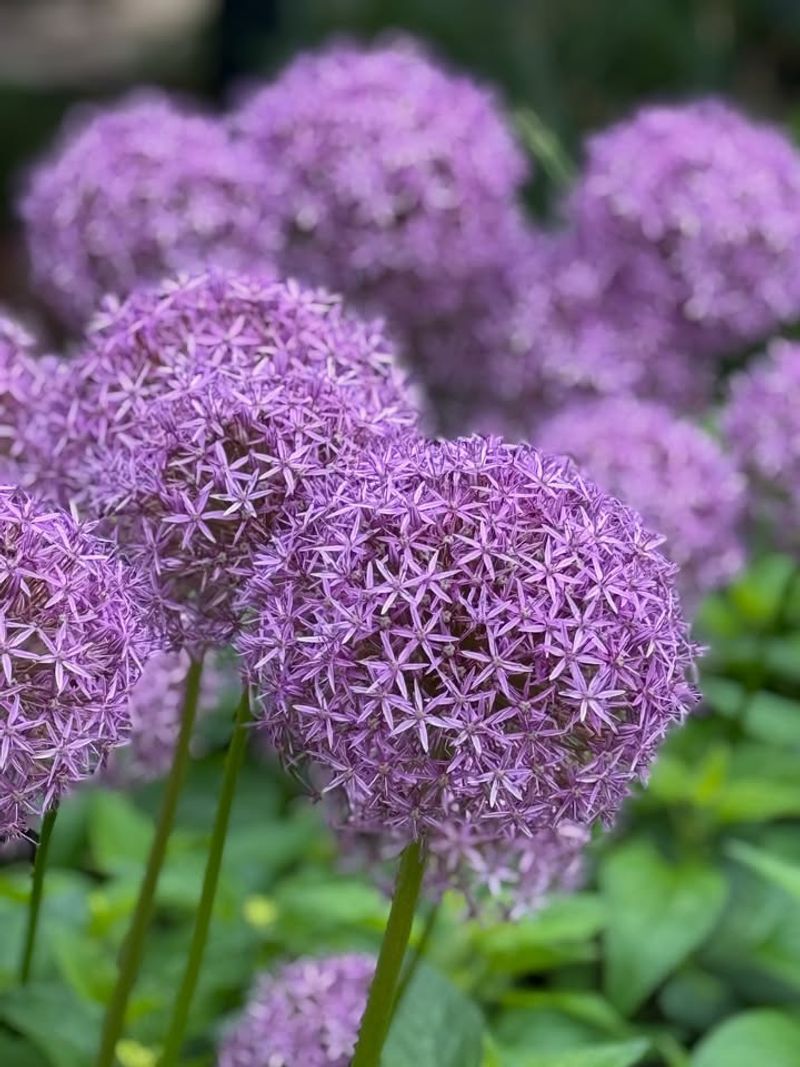
Those perfectly round purple globes sitting on tall, straight stems look like something out of a science fiction movie, and they attract attention from every person who walks past your garden. The best part is they bloom right as tulips are finishing up, extending your garden’s colorful season without any gap.
These ornamental members of the onion family are incredibly easy to grow in Oregon’s climate. Plant the bulbs in fall, forget about them over winter, and watch them pop up in late spring with those dramatic round flower heads.
After blooming, the dried seed heads stay attractive for weeks and can even be used in flower arrangements indoors.
Alliums are completely deer and rabbit resistant because of their onion scent, which is a major advantage in many Oregon neighborhoods and rural gardens. They grow best in full sun and well-drained soil.
Smaller varieties like ‘Purple Sensation’ or ‘Gladiator’ work well in mixed borders alongside late spring perennials. Larger varieties like ‘Globemaster’ can reach up to five inches in diameter and make bold focal points.
For gardeners in the Portland metro area or the Willamette Valley, alliums add a sculptural, long-lasting element that goes well beyond what tulips can offer.
8. Yarrow
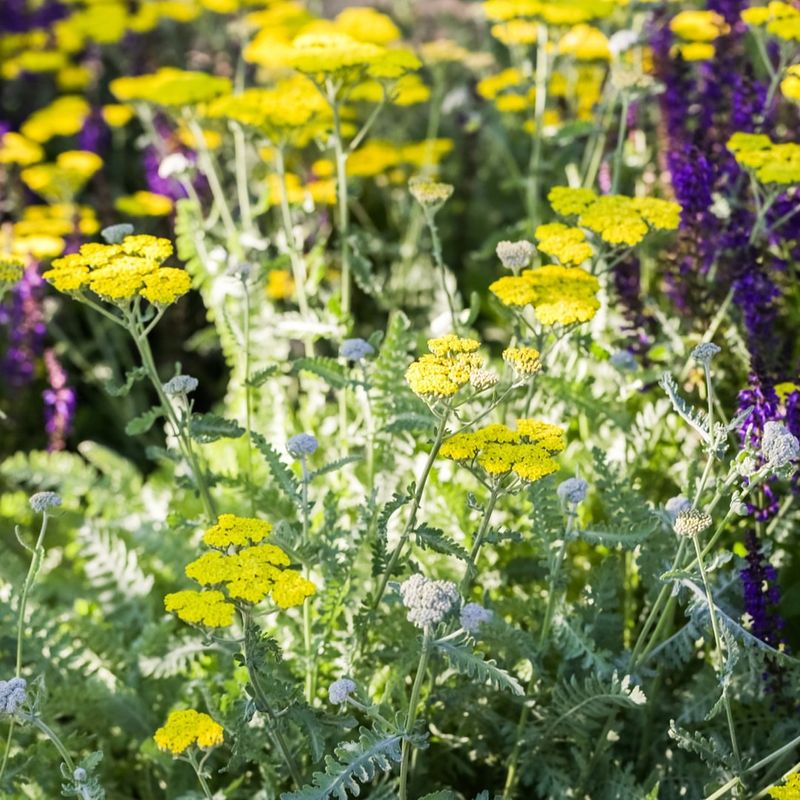
Yarrow has been growing wild across North America and Europe for thousands of years, and there’s a very good reason it has survived so long. It’s incredibly tough, adaptable, and produces flat-topped clusters of flowers in shades of yellow, pink, red, and white from early summer all the way through fall.
In Oregon gardens, yarrow is practically indestructible.
One of yarrow’s biggest strengths is its ability to thrive in poor, dry soil. Oregon’s summer dry spells don’t bother it one bit.
It actually prefers not to be overwatered or over-fertilized, making it one of the lowest-maintenance perennials you can grow. Plant it in a sunny spot and mostly just leave it alone, and it will reward you with months of blooms.
Yarrow spreads gradually over time, so you’ll have more plants each year to fill in gaps or share with neighbors. Butterflies and beneficial insects love the flat flower heads, which make perfect landing pads for feeding.
Deadheading spent blooms encourages fresh flower clusters to form throughout the season. The feathery, fern-like leaves also smell wonderful when brushed against.
For Oregon gardeners who want a plant that looks after itself and keeps blooming long after tulips have faded, yarrow is an obvious and excellent choice.
9. Shasta Daisy
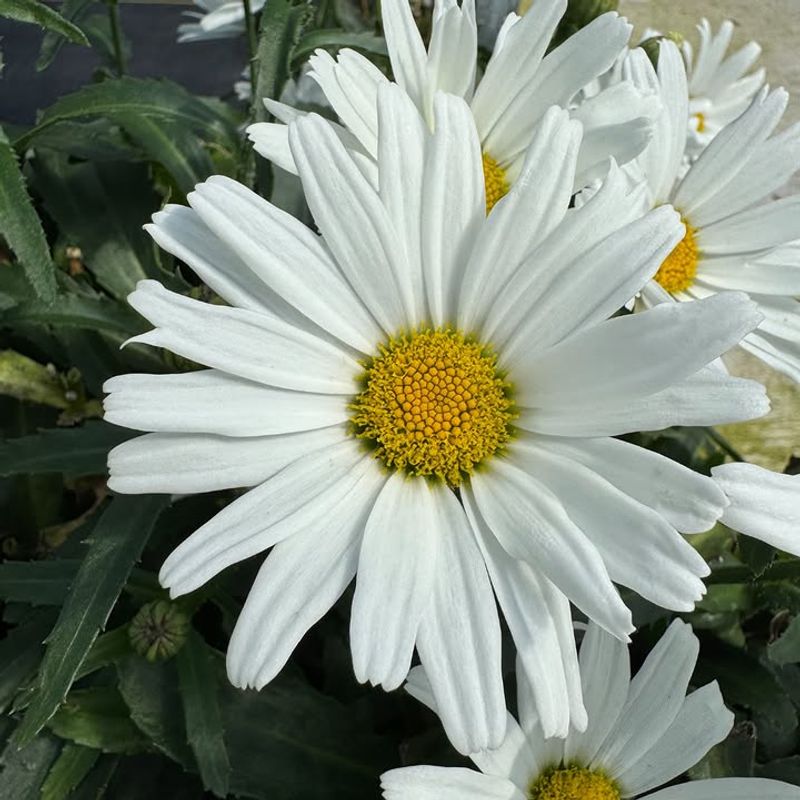
Nothing says summer like a patch of bright white Shasta daisies nodding in the breeze. These cheerful, classic flowers have been a garden favorite for well over a hundred years, and they’re especially well-suited to Oregon’s climate.
They bloom heavily in early summer and, with a little deadheading, keep producing flowers right through early fall.
Shasta daisies grow best in full sun and well-drained soil, which Oregon’s longer summer days provide in abundance. They reach about two to three feet tall and look stunning when planted in large groups or mixed with colorful perennials like salvia or coneflower.
The crisp white petals and golden yellow centers create a clean, fresh look that brightens up any garden space.
Cutting back the plants after their first big bloom in early summer will encourage a second flush of flowers later in the season. Shasta daisies also make excellent cut flowers, so you can bring that garden freshness inside your home.
They’re easy to divide every few years, which keeps them blooming vigorously and gives you extra plants for free. For Oregon gardeners from the coast to the Cascades, Shasta daisies are a timeless, long-blooming classic that deliver way more color and joy than tulips ever could.