The Oregon Yards Most At Risk For Wildfire And The Landscaping Changes That Actually Help
Some Oregon yards are basically rolling out the welcome mat for wildfire, and not in a cute, rustic cabin way.
Dry grass, overgrown shrubs, crowded trees, bark mulch near the house, and crispy leaves packed into gutters can all turn a regular yard into a fire-friendly obstacle course.
That does not mean homeowners need to rip everything out and replace the landscape with gravel and regret. The smartest wildfire-ready yards are not barren.
They are cleaner, better spaced, easier to maintain, and designed to slow flames before they reach the house.
In Oregon, where hot, dry summers can turn vegetation risky fast, small landscaping changes can make a big difference.
Think trimmed branches, leaner planting zones, watered defensible areas, safer mulch choices, and fewer “why is that touching the siding?” moments. Before fire season gets bossy, it is worth knowing which yards are most vulnerable and what actually helps.
1. Dry Grass Can Turn A Yard Into A Fuse
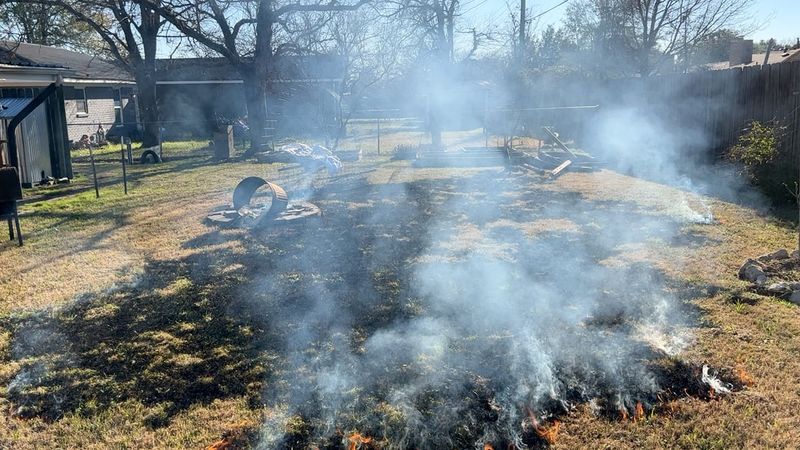
Few things spread fire as fast as a yard full of dry, golden grass. When summer heat sets in and rain disappears for weeks, unwatered lawns become almost as flammable as paper.
A single ember landing on cured grass can ignite a flame that travels quickly toward your home.
This is one of the most common fire hazards in yards across Oregon, yet it often gets overlooked. People assume their lawn needs to be green and lush only for looks.
But during fire season, a mowed and watered lawn is actually a safety tool.
Keeping grass cut short reduces the amount of fuel available. Tall, dry grass holds more withered material and burns hotter.
Aim to keep your lawn trimmed to about three inches or shorter during peak fire season.
If you have a large property and cannot water everything, focus on the area closest to your home. That buffer zone matters most.
Replacing some turf with gravel pathways or low-water ground covers can also help reduce the overall fuel load in your yard.
Native low-growing plants like creeping thyme or sedum hold moisture better than traditional turf grasses. They also require less water overall.
Swapping out thirsty lawns for drought-tolerant ground covers is a smart move that saves water and cuts fire risk at the same time. Your yard can still look great while being much safer.
2. Shrubs Under Trees Create Ladder Fuel
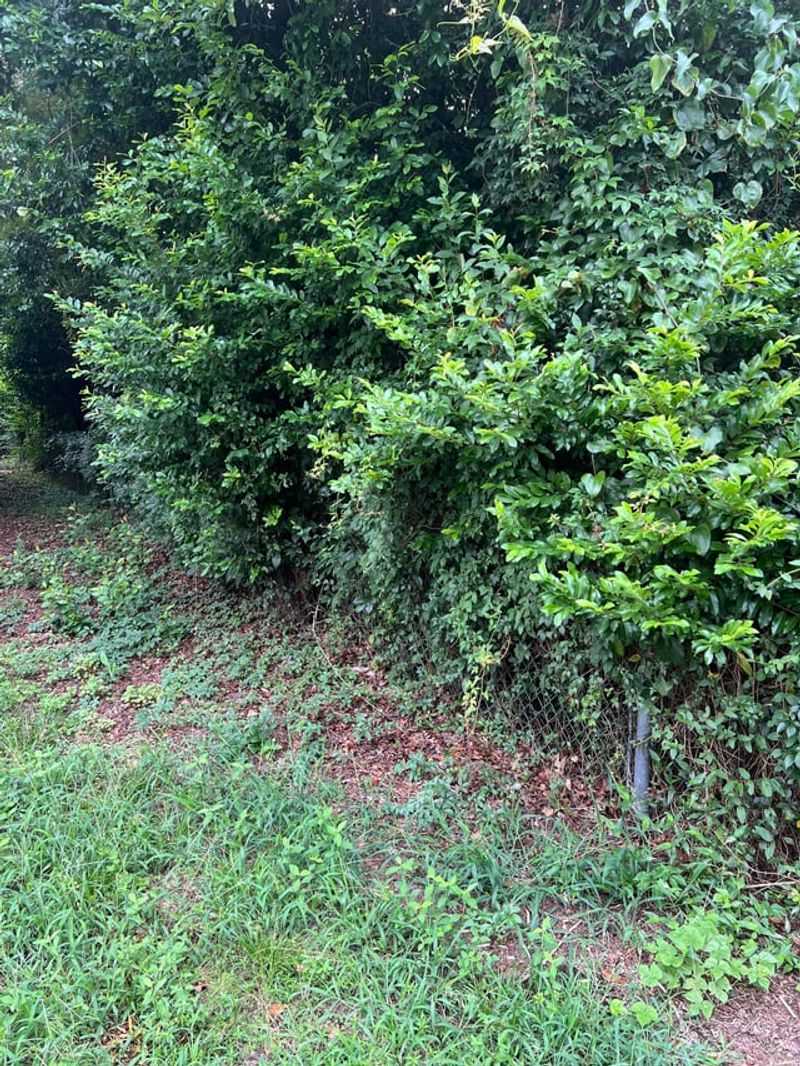
One of the sneakiest fire hazards in any yard is the combination of low shrubs planted right beneath tall trees. Firefighters call this ladder fuel, and it is exactly what it sounds like.
Fire starts on the ground, catches the shrubs, then climbs straight up into the tree canopy.
Once fire reaches the treetops, it moves much faster and becomes nearly impossible to control. Even a small ground fire can turn into a full crown fire with the right setup beneath a tree.
Removing or relocating those shrubs breaks the ladder and slows fire down.
The general rule is to keep the space beneath trees clear of shrubs and dense plantings. For smaller trees, clear at least six feet out from the trunk.
Your Oregon Garden Changes Every Week. Your Plan Should Too.
Gardening in Oregon changes quickly throughout the season. Every Friday you’ll receive a simple weekly plan showing exactly what to plant, prune, fertilize, harvest, and protect so you never miss the right timing.
For taller trees, you may need a wider buffer depending on how low the branches hang.
You should also prune lower tree branches up to about six to ten feet from the ground. This removes the connection point between ground-level plants and the upper canopy.
It is one of the most effective single changes a homeowner can make.
Replacing dense shrubs under trees with well-spaced, low-growing, fire-resistant plants is a great alternative. Spreading gravel or decomposed granite under trees also cuts down on flammable material.
The goal is to interrupt the vertical path fire needs to climb. A little pruning and clearing can make a dramatic difference in how your yard behaves during a wildfire event.
3. Junipers Near Windows Raise The Stakes
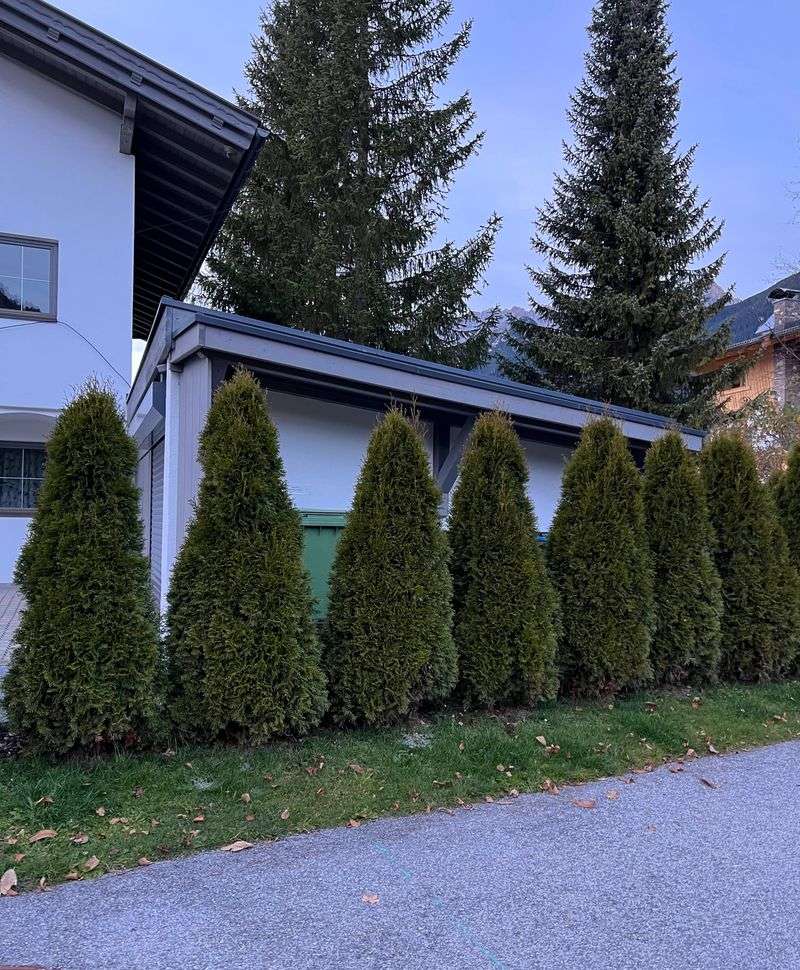
Junipers are one of the most popular landscaping shrubs in the Pacific Northwest, and it is easy to see why. They are low-maintenance, stay green year-round, and come in all kinds of shapes.
But planted near windows or under the eaves of a house, they become a serious fire risk.
The oils inside juniper foliage are highly flammable. When dry, these plants can ignite quickly and burn intensely.
A juniper planted within a few feet of a window can push flames directly into your home if it catches fire from a windblown ember.
Homeowners are often surprised to learn that the biggest threat during a wildfire is not a wall of flame approaching the house. It is embers.
Burning embers can travel up to a mile in strong winds and land on or near your home. A flammable shrub right next to a window gives those embers exactly what they need.
If you have junipers close to your house, consider replacing them with fire-resistant alternatives. Plants like lavender, rosemary, or Oregon grape tend to have lower oil content and burn less aggressively.
Spacing also matters. Keep any shrub at least five feet from windows, vents, and siding.
You do not have to remove all your junipers. Moving them farther from the structure and keeping them well-watered and trimmed reduces the danger significantly.
Pruning away damaged interior branches also helps, since dry wood inside the shrub acts like kindling waiting for a spark.
4. Wood Mulch Against Siding Needs Rethinking
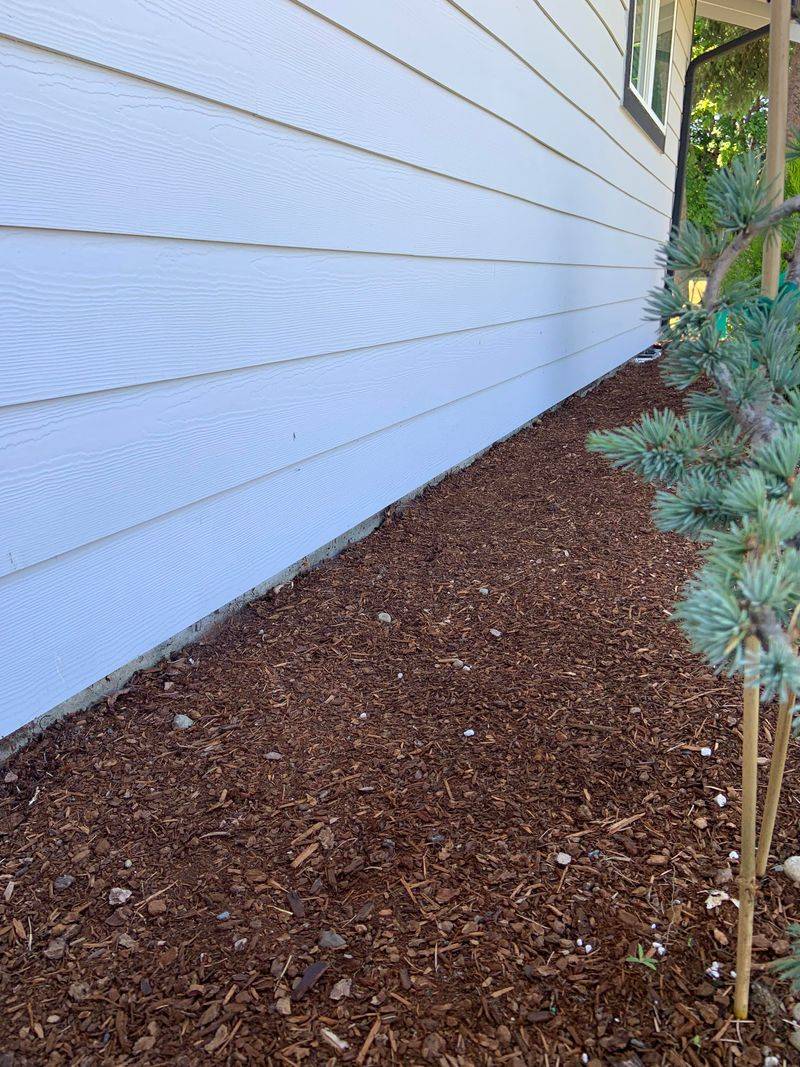
Wood mulch looks tidy, keeps weeds down, and holds moisture in garden beds. It has earned its place in most home landscapes.
But when it is piled right up against the siding, foundation, or wood trim of a house, it becomes a problem during fire season.
Dry wood mulch is essentially a pile of kindling. Embers landing in a mulched bed near your house can smolder for hours before bursting into flame.
By that point, the fire may have already reached your siding or crawl space without you noticing.
The fix here is straightforward. Pull mulch back at least twelve to eighteen inches from the base of your home.
Replace that immediate zone with non-combustible material like crushed gravel, decomposed granite, or river rock. These materials do not ignite and still look clean and finished.
You can keep wood mulch in garden beds farther from the house. Just make sure the beds are not continuous pathways that connect to the structure.
Breaking up mulched areas with gravel borders or stone paths interrupts the fuel path that fire needs to travel.
Rubber mulch is sometimes marketed as a safer option, but it actually burns quite hot once ignited. Stick with inorganic materials near the home.
Bark nuggets, shredded wood, and straw all carry risk. Even pine needles used as mulch can catch quickly.
The closer the material is to your home, the more it matters what that material is made of.
5. Leaf Piles In Corners Give Embers A Target
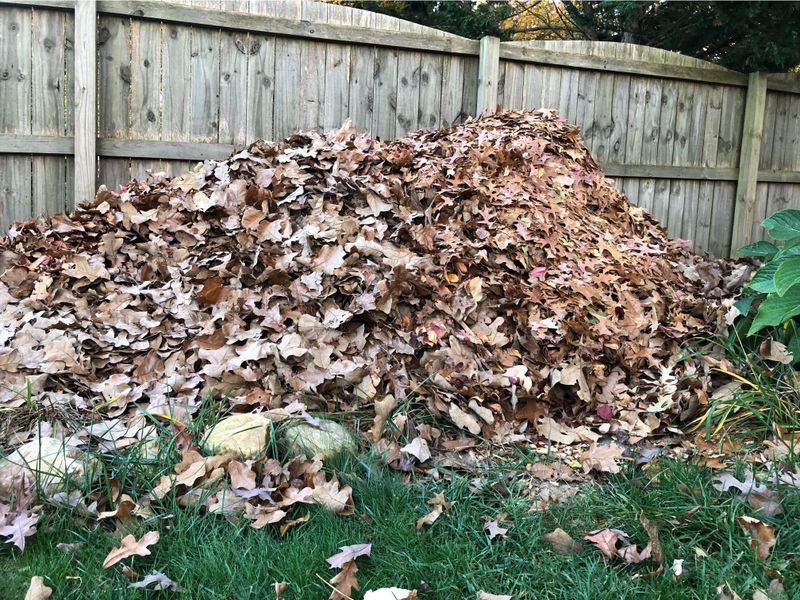
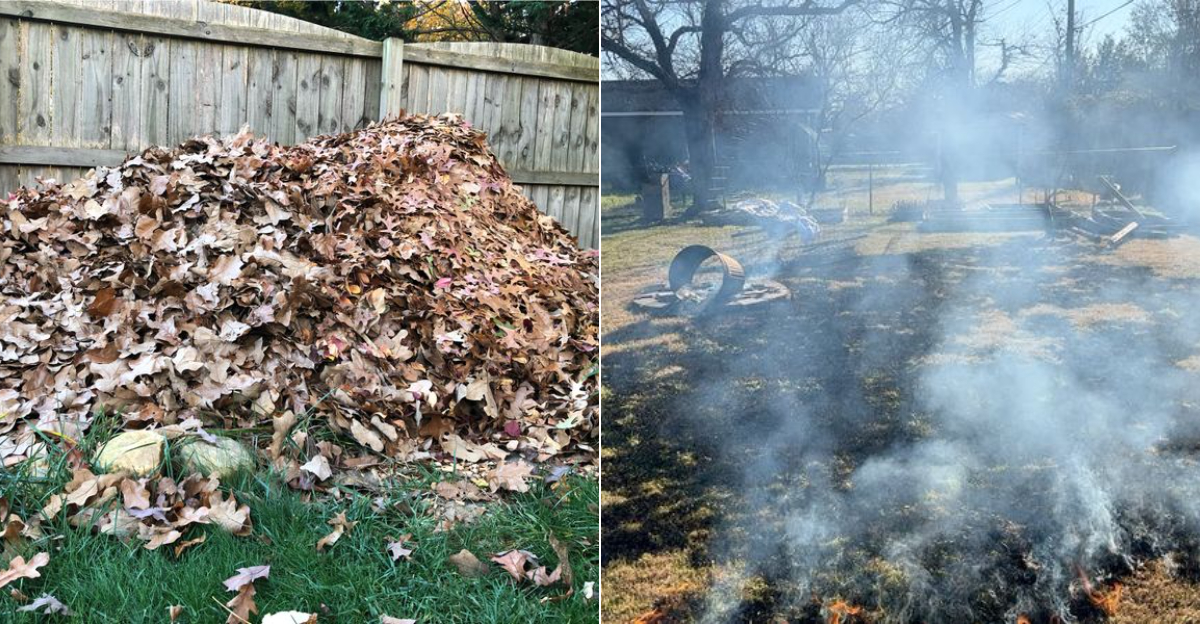
Autumn brings beautiful color to yards all across Oregon, but it also deposits a surprising amount of flammable material in corners, along fences, and under decks. Dry leaves are some of the easiest materials for an ember to ignite.
Once a leaf pile catches, it can spread to nearby fencing, decking, or siding quickly.
Most people think of leaf cleanup as a fall chore, but in fire-prone areas it needs to happen more often. During dry, windy stretches in summer and early fall, even freshly fallen leaves can dry out within days.
Letting them accumulate in corners or against structures is risky.
Make it a habit to clear leaves from against fences, under decks, and along the foundation of your home at least once a week during fire season. A leaf blower makes this quick.
Bagging or composting the leaves keeps them from piling up again.
Fence lines deserve special attention. Wood fences act as fuel pathways that can carry fire directly from the yard to the house.
Keeping the base of fences clear of leaves, withered grass, and other debris slows this process significantly.
Consider replacing wood fencing sections closest to the home with metal or composite materials that do not burn. Even just the last few feet of fence connecting to your house can make a real difference.
Pairing that with regular leaf cleanup creates a much more defensible space around your home. Small habits like this add up fast when fire season arrives.
6. Deck Clutter Can Burn Too Close To Home
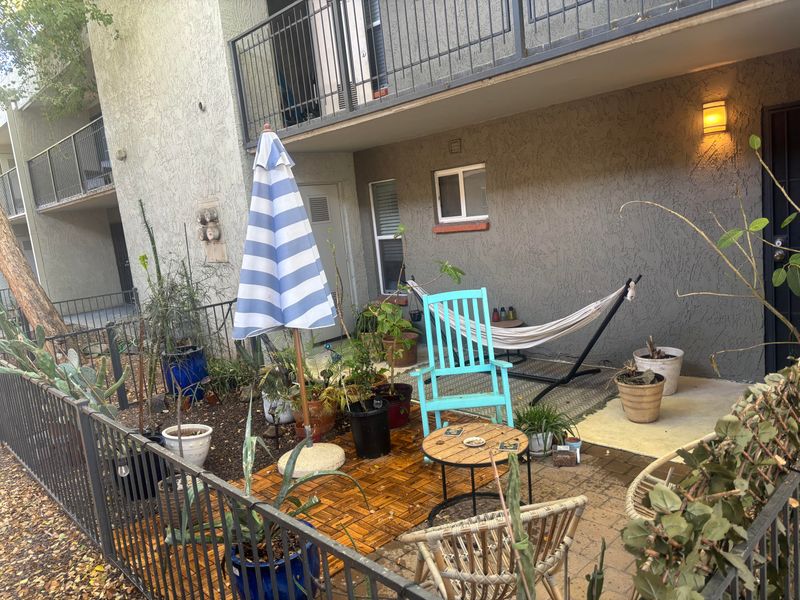
Most people think of their deck as an outdoor living room, a place to relax, entertain, and store extra things.
But during wildfire season, a cluttered deck can become one of the most dangerous spots on your property.
Everything stored on or under a deck adds to the fuel load right next to your home.
Fabric cushions, woven rugs, cardboard boxes, and stacked firewood are all highly combustible. An ember landing on a cushion left outside overnight can smolder and eventually ignite the whole deck.
Because decks are usually attached directly to the house, a deck fire very quickly becomes a house fire.
Clearing your deck of unnecessary items during fire season is one of the easiest changes you can make. Bring cushions and fabric items inside when not in use.
Move firewood at least thirty feet from the house. Store it in a covered, non-combustible area if possible.
The space under your deck matters just as much as the surface. Leaves, pine needles, and other debris collect under decks and create a hidden fire hazard.
Enclosing the underside with metal mesh or solid skirting blocks embers from getting underneath. This is especially important for homes with wood decking.
Composite decking materials are more fire-resistant than traditional wood planks. If you are due for a deck replacement, it is worth considering.
In the meantime, keeping it clean and uncluttered during fire season costs nothing and reduces risk more than most people expect. A tidy deck is a safer deck, plain and simple.
7. Tight Planting Beds Let Fire Move Faster

Gardens packed with plants might look lush and full, but they can create a continuous fuel source that lets fire travel easily from one end of your yard to the other.
When plants touch each other or grow in unbroken rows, fire does not need to jump. It just keeps moving.
Spacing between plants is one of the most underrated fire-prevention tools available to homeowners. When there are gaps between plantings, fire has to work harder to spread.
Those gaps act like speed bumps that slow or stop the movement of flame across a garden bed.
A good rule of thumb is to space plants so that their canopies do not touch at maturity. For shrubs, aim for at least two to three feet of space between them.
For larger shrubs, the spacing should increase. Check the mature size on plant tags before you place anything in the ground.
Ground covers can be tricky. Some low-growing plants spread aggressively and create a solid mat of flammable material.
Choosing ground covers that stay patchy or pairing them with gravel infill reduces this risk. Mixing in non-combustible materials like stone or decomposed granite between plant groupings is a smart strategy.
Rethinking your planting beds does not mean making your yard look bare. You can still have a beautiful, layered garden by choosing the right plants and giving them room to breathe.
Open, airy designs actually tend to look more intentional and are far easier to maintain throughout the season.
8. Sloped Yards Need Wider Plant Spacing
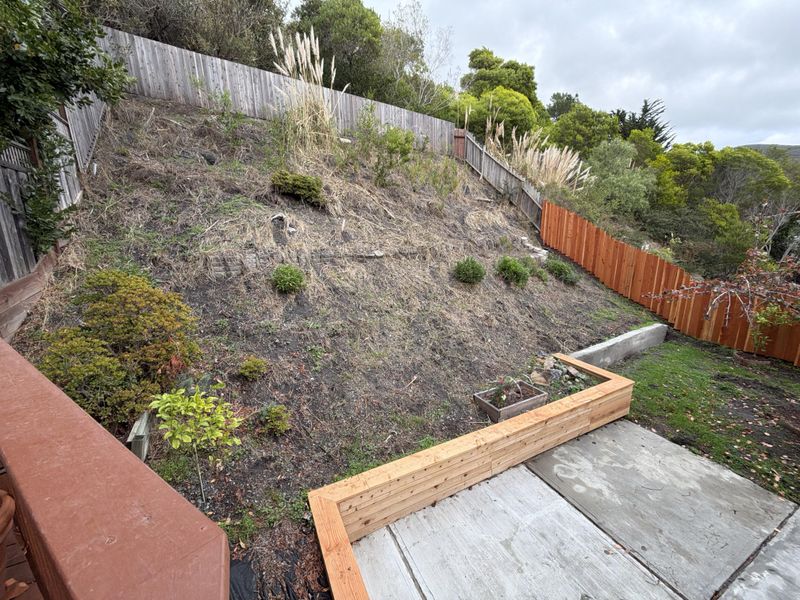
Fire behaves differently on a slope than it does on flat ground, and that difference matters a lot when it comes to yard safety.
On a hillside, flames travel upward quickly because heat rises and preheats the vegetation above.
A yard on a slope can go from a small ground fire to a fully involved landscape in minutes.
Homes built into hillsides or with sloped backyards face a higher level of risk than flat properties. The steeper the slope, the faster fire moves.
A thirty-degree slope can allow fire to move two to four times faster than it would on level ground. That is a significant difference when you are talking about how much time you have to respond.
Wider plant spacing on slopes is essential. Where flat ground might need two to three feet between plants, a moderate slope may need five to six feet or more.
Steep slopes require even more clearance. Checking with your local fire district for specific spacing recommendations based on your slope angle is always a good idea.
Terracing can help slow fire movement on slopes by creating horizontal breaks in the hillside. Retaining walls made of stone, concrete block, or metal interrupt the upward path of fire.
Pairing terracing with fire-resistant ground covers like ice plant or creeping phlox adds another layer of protection.
Avoid planting tall, dense shrubs on the downhill side of your home. That creates a direct fuel path leading straight up toward the structure.
Keeping slopes lean, open, and well-spaced gives you and your home the best possible chance during a fast-moving fire event.
9. The First Five Feet Matter Most
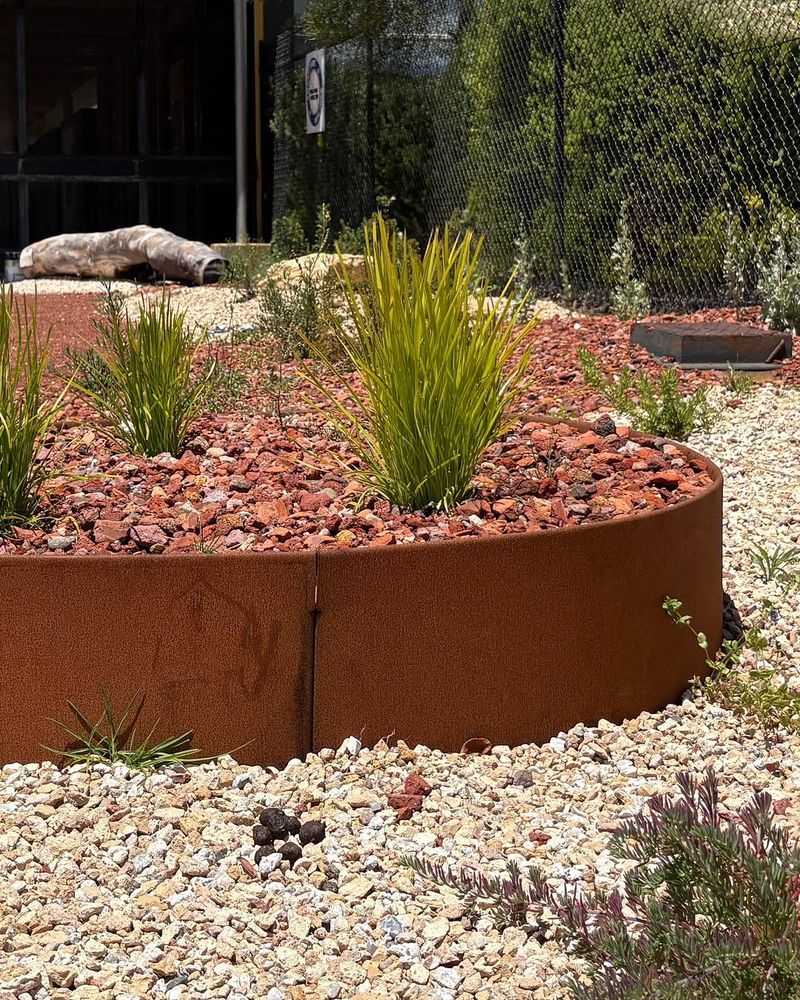
When fire experts talk about defensible space, they often point to one area above all others: the first five feet around your home.
This zone, sometimes called the non-combustible zone, is where the rules are strictest and the impact is greatest.
What sits in this ring around your foundation can determine whether your home survives or not.
Everything within five feet of your house should be non-combustible. That means no wood mulch, no dense shrubs, no dry plant debris, and no stored materials.
Replace these items with gravel, pavers, stone, or concrete. These materials will not ignite from an ember, no matter how dry conditions get.
Potted plants in this zone are sometimes overlooked but still carry risk. Plastic pots can melt and catch, and dry potting soil with withered plant matter can smolder.
Move decorative pots away from the immediate foundation or switch to ceramic pots with fire-resistant succulents.
Vents and gaps in your foundation are important too. Embers can enter through unscreened vents and ignite materials inside your crawl space or attic.
Covering vents with fine metal mesh rated for ember resistance is a relatively inexpensive upgrade with major protective value.
Think of the first five feet as a moat around your home. Keeping it clear, clean, and non-combustible creates a critical buffer that gives firefighters and your home a fighting chance.
Many homes that survive wildfires do so because this immediate zone was well-maintained. It is the simplest and most powerful step any homeowner can take right now.