This Native Missouri Plant Makes Yards Less Tick-Friendly
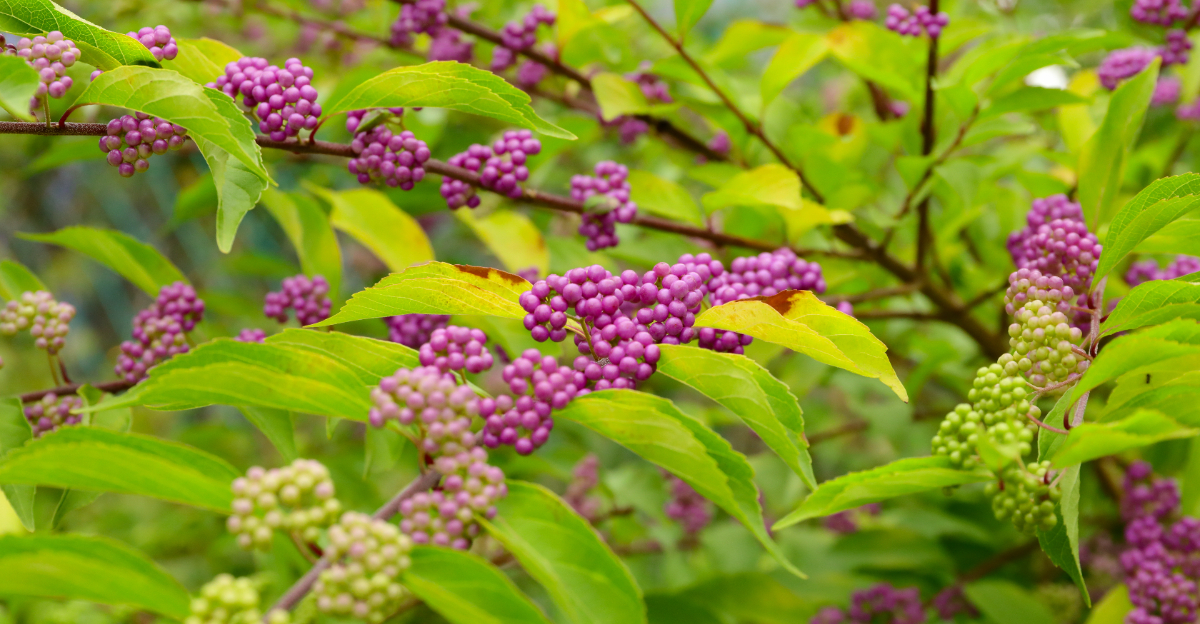
Missouri summers come with a familiar ritual: checking ankles, pets, and kids for uninvited hitchhikers after a short walk through tall grass. Warm weather seems to bring ticks out in force, turning backyard time into a small daily hassle.
Something growing quietly in local woodlands might change that equation. A native shrub, long overlooked by home gardeners, produces natural compounds in its leaves that seem to make ticks want to stay far away.
Entomologists have studied this effect for years, supporting what rural Missourians have suspected for generations. Placed thoughtfully around a yard, this shrub could mean fewer tick encounters this season.
A Native Shrub With A Surprising Reputation Among Gardeners
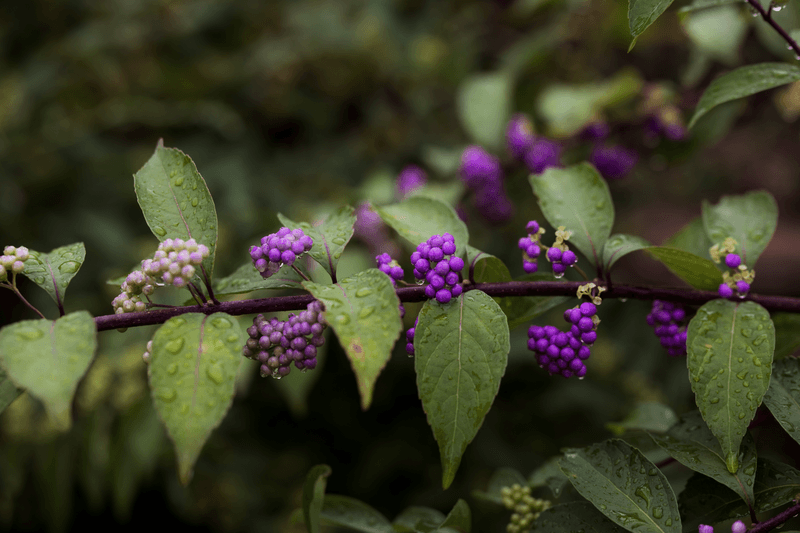
Most gardeners plant it for the show-stopping purple berries. But American Beautyberry has been quietly earning a second reputation that has nothing to do with looks.
Researchers at the U.S. Department of Agriculture discovered something fascinating about this shrub years ago. Its crushed leaves contain compounds that repel ticks and mosquitoes as effectively as some chemical products.
That finding spread through gardening communities like wildfire. Suddenly, folks across the Midwest started seeing this plant as more than just a pretty face in the landscape.
Beautyberry is native to the southeastern United States, including Missouri. It grows naturally along woodland edges, stream banks, and shaded slopes where ticks love to lurk.
Planting it near those same spots creates a kind of natural buffer. The shrub thrives in the very places where tick exposure tends to be highest.
Gardeners who grow it report fewer pest encounters near the shrub. That is not a guarantee, but it is an encouraging pattern that keeps spreading by word of mouth.
The berries themselves are a bonus that wildlife happily feeds on. Birds, foxes, and deer all snack on the clusters throughout fall and early winter.
So you get a plant that supports local wildlife, adds serious visual punch, and may help your yard feel less tick-friendly. That is a hard combination to beat for any Missouri homeowner looking for smart, low-effort landscaping choices.
Getting To Know American Beautyberry And Its Growing Habits
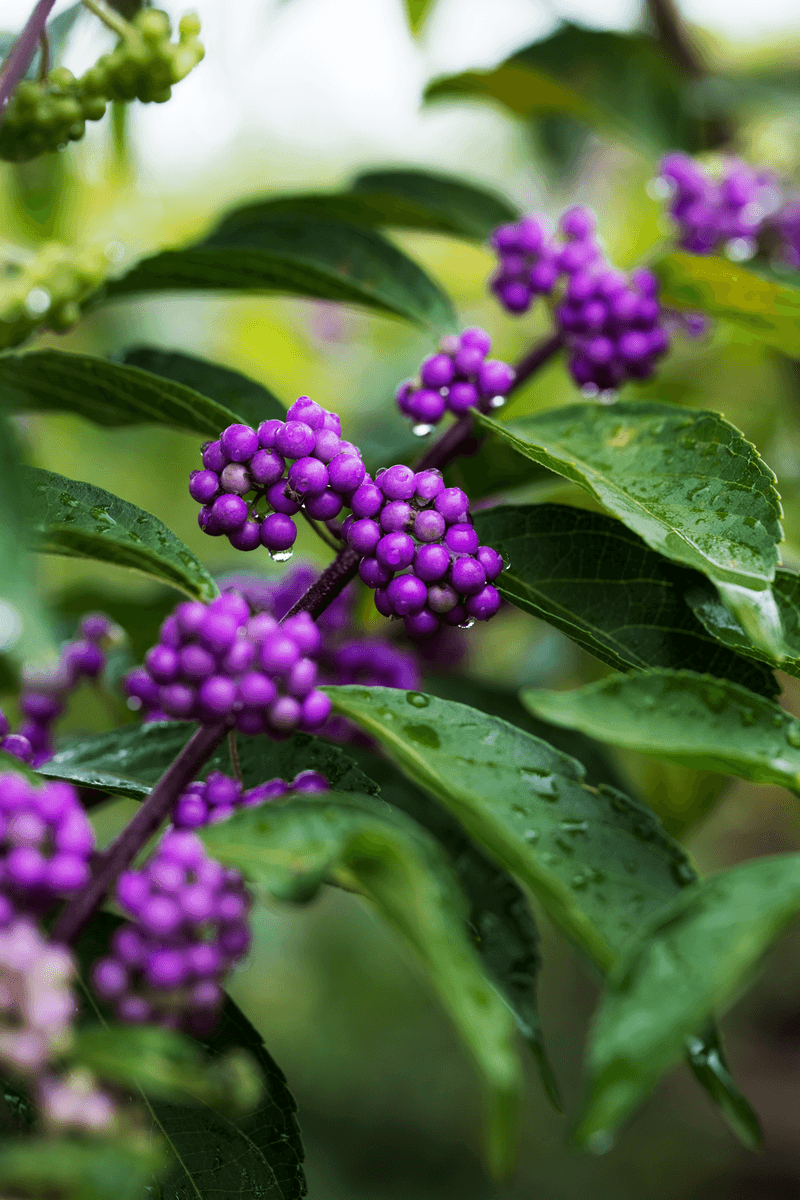
Picture a shrub that practically takes care of itself. American Beautyberry, known scientifically as Callicarpa americana, is exactly that kind of low-maintenance garden winner.
It typically grows between three and eight feet tall. The arching branches spread wide, giving the plant a relaxed, natural shape that fits right into informal garden designs.
The leaves are large, slightly fuzzy, and arranged in opposite pairs along each stem. When you crush them between your fingers, they release a distinct herbal scent that is part of what makes this plant so interesting to researchers.
Flowers appear in midsummer as small clusters of pink or lavender blooms. They are modest but attract pollinators, which makes the shrub valuable long before the berries arrive.
By late summer, those blooms transform into tight clusters of glossy purple berries. The berries wrap around the stems in a way that looks almost artificial, like someone glued tiny jewels to each branch.
Your Missouri Garden Changes Every Week. Your Plan Should Too.
Gardening in Missouri changes quickly throughout the season. Every Friday you’ll receive a simple weekly plan showing exactly what to plant, prune, fertilize, harvest, and protect so you never miss the right timing.
The plant drops its leaves in winter, but the berries often linger for weeks. That extended display keeps the yard looking lively well into the colder months.
Beautyberry spreads naturally through seeds dropped by birds. Over time, you may notice seedlings popping up near the parent plant, which is an easy way to expand your planting for free.
Understanding how this shrub grows helps you place it wisely. The right location unlocks its full potential as both a landscape feature and a tick-resistant native plant in your outdoor space.
The Science Behind Its Natural Tick-Repelling Compounds
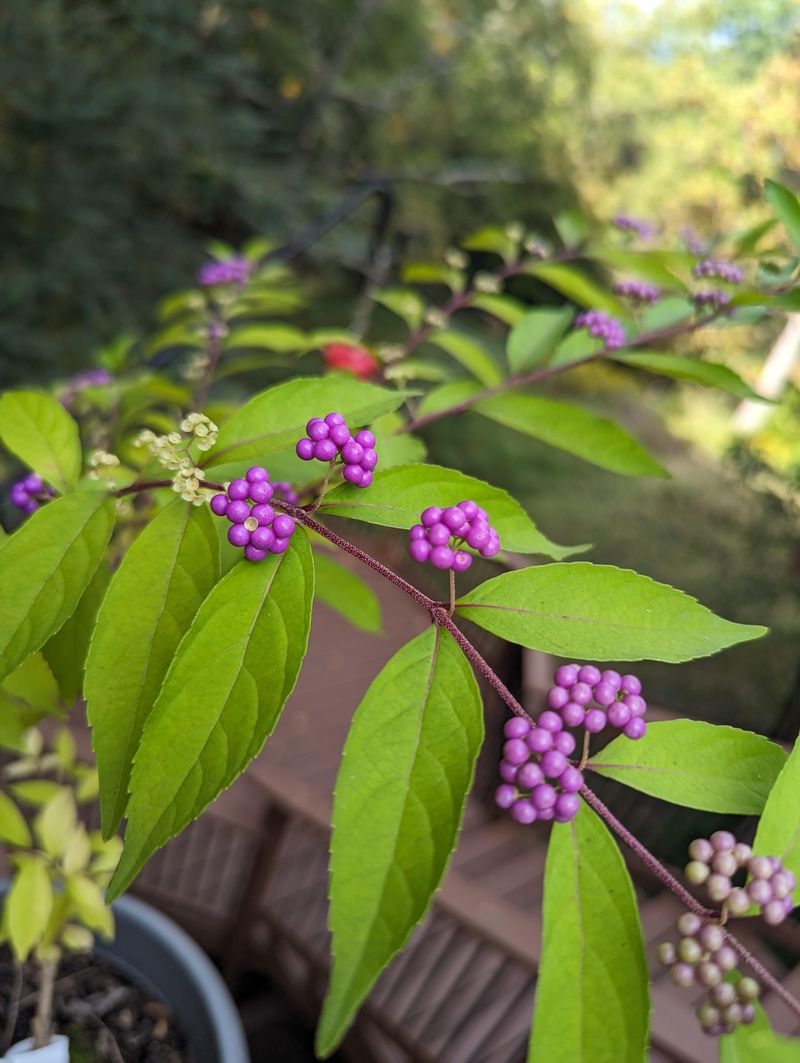
Science does not typically confirm what gardeners believe, but in this case it did. Researchers at the USDA Agricultural Research Service spent years studying why Native Americans rubbed Beautyberry leaves on their skin and horses.
They identified specific compounds in the leaves called callicarpenal and intermedeol. Both are natural terpenoids, which are organic chemicals produced by many plants as a defense mechanism.
When tested against blacklegged ticks, these compounds performed impressively. They repelled ticks at rates comparable to DEET in laboratory trials, though results were weaker against lone star ticks.
That comparison drew fresh attention to native alternatives for pest control. Finding a plant compound that could match a lab-made chemical opened doors for further natural repellent research.
The compounds are most concentrated in the leaves, especially when they are fresh and intact. Crushing or bruising the leaves releases more of the oils, which is why rubbing them on skin was a traditional practice.
It is important to note that simply planting the shrub does not create a force field around your yard. The repellent effect works best through direct contact with the plant material.
Still, having the shrub nearby means the compounds are readily available when needed. Brushing past the leaves during yard work or a garden walk releases small amounts of those natural oils into the air.
This tick-resistant native plant offers a genuinely science-backed reason to add it to your landscape. The research is real, the compounds are measurable, and the traditional knowledge behind it lines up with what scientists have found.
Where This Shrub Thrives In Missouri Yards And Gardens
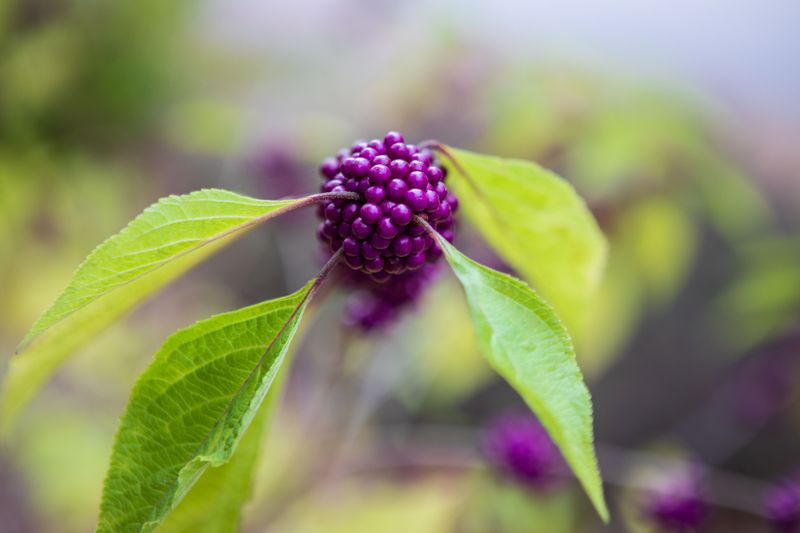
Some plants struggle to adapt to different yards, but Beautyberry is surprisingly flexible. It handles a wide range of soil types and light conditions, which makes it a reliable choice across many Missouri landscapes.
Partial shade is where this shrub truly shines. It naturally grows under the canopy of taller trees, so spots along woodland edges or beneath oaks and maples suit it perfectly.
It can tolerate full sun, but it may need more water during dry summer stretches. Afternoon shade in hot Missouri summers helps the plant stay hydrated and keeps the foliage looking fresh.
Soil drainage matters more than soil type. Beautyberry does fine in clay, loam, or sandy ground as long as water does not pool around the roots for extended periods.
Once established, this shrub shows impressive drought tolerance. The first growing season requires consistent watering, but after that it largely fends for itself through normal rainfall patterns.
Planting near fence lines, along shaded paths, or at the edge of a wooded property section creates natural tick buffer zones. Those are the spots where ticks tend to congregate and wait for a host.
Grouping several shrubs together boosts the visual impact and puts more leaves within easy reach for repellent use. A loose hedge of Beautyberry along a yard border looks spectacular in fall and serves a practical purpose all season long.
Choosing the right placement from the start sets your planting up for long-term success. A well-placed shrub will reward you with berries, wildlife, and natural pest resistance for many seasons ahead.
Planting And Caring For Beautyberry From Season To Season
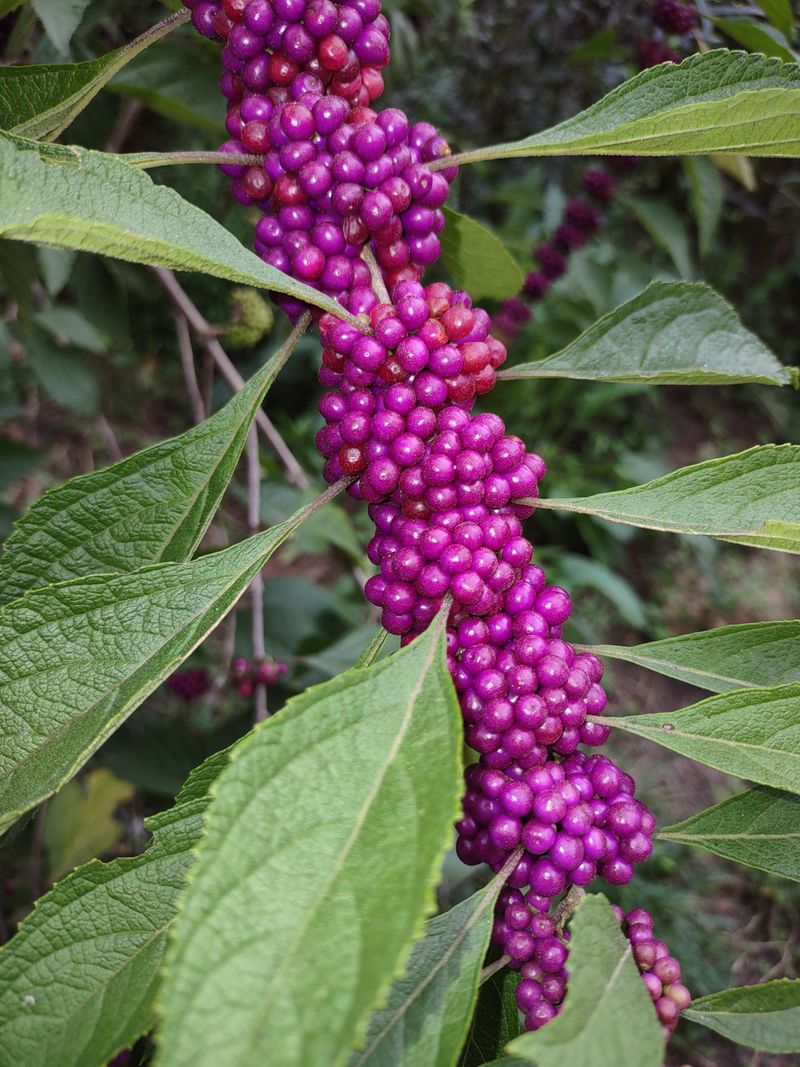
Spring is the ideal time to get Beautyberry in the ground. Planting after the last frost gives roots a full growing season to establish before winter arrives.
Dig a hole twice as wide as the root ball but only as deep. Placing the plant at the same depth it grew in the nursery container prevents crown rot and encourages strong root spread.
Backfill with the original soil and water deeply right after planting. Adding a two-to-three inch layer of mulch around the base holds moisture and keeps competing weeds at bay.
Water once or twice a week during the first summer, especially during dry spells. After the first full year, rainfall usually handles hydration without much help from the garden hose.
Fertilizing is rarely necessary for this native shrub. Beautyberry evolved in nutrient-modest forest soils, so heavy feeding can actually push leafy growth at the expense of berry production.
Pruning is where many gardeners make their only real mistake. Beautyberry blooms and fruits on new wood, so cutting it back hard in late winter or early spring actually encourages a stronger, more productive plant.
Cut stems back to about twelve inches from the ground each late winter. The shrub will respond with vigorous new growth that carries the best berry clusters by fall.
Seasonal care for this tick-resistant native plant is genuinely simple. A little attention in spring and a good hard prune each winter is nearly all it takes to keep Beautyberry thriving year after year.
Simple Ways To Use This Shrub For A Tick-Resistant Landscape
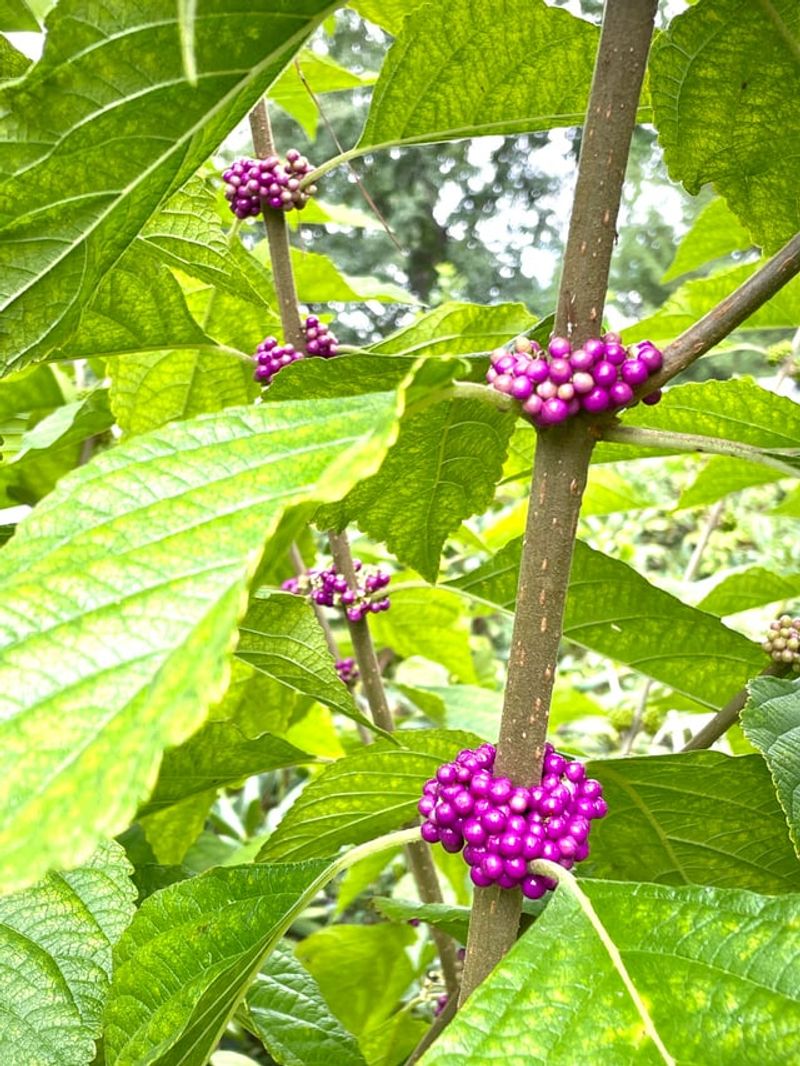
A single shrub is a good start, but a thoughtful layout makes a much bigger difference. Strategic placement turns Beautyberry from a pretty plant into a functional part of your outdoor living space.
Line the edges of lawn areas where grass meets wooded sections. Ticks typically travel from tall vegetation into maintained grass, so planting along that transition zone creates a natural checkpoint.
Place shrubs near seating areas, fire pits, and outdoor dining spots. Having the foliage close means you can brush against the leaves as you walk by, releasing small amounts of the plant’s natural compounds into the air around you.
Pair Beautyberry with other native plants like spicebush, wild ginger, or native ferns. These companions share similar growing conditions and create a layered landscape that supports more wildlife while staying low-maintenance.
Consider planting a cluster near the entrance of any trail or path that leads into a wooded section of your property. That placement serves as a natural reminder to interact with the leaves before heading into tick territory.
Use container-grown specimens on patios or decks where in-ground planting is not an option. Large pots work well, though they require more frequent watering than shrubs planted directly in the ground.
Hosting a backyard gathering? Snap a few fresh branches and lay them on the table as a natural centerpiece. The berries look stunning, and the bruised leaves release a bit of the plant’s natural scent into the air.
This native Missouri plant makes yards less tick-friendly one smart placement at a time. With a little planning, Beautyberry becomes one of the more useful shrubs in your landscape.