How To Keep A Compost Pile Working Through Georgia Summer Heat
Georgia summers are no joke.
Between scorching afternoon temperatures, stretches of dry weather, and sudden heavy thunderstorms, a backyard compost pile can slow down, dry out, start smelling sour, or attract unwanted pests before you even realize something is off.
The good news is that keeping a compost pile working through Georgia’s hottest months is not about soaking it every day or ignoring it until fall.
It comes down to checking moisture, adding air, balancing your brown and green materials, and making small adjustments after heat waves or heavy rain so the pile keeps breaking down food scraps, grass clippings, and yard waste all summer long.
1. Keep The Pile Moist But Not Soggy
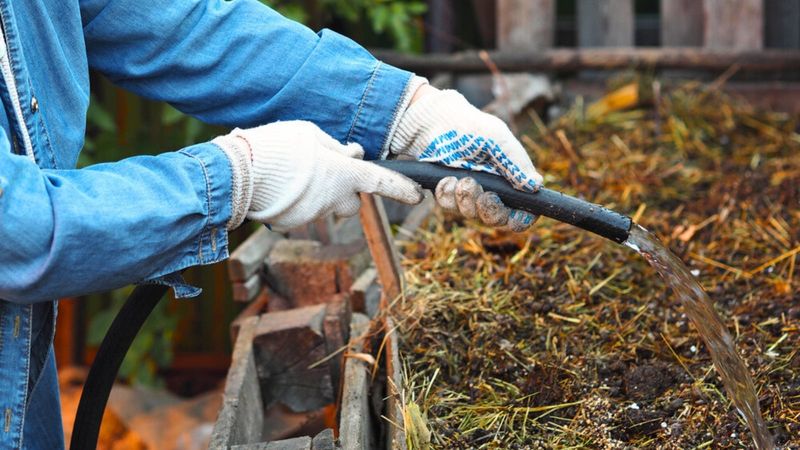
After several hot days in Georgia, a compost pile can dry out faster than most gardeners expect. When the pile loses too much moisture, the microorganisms that break down food scraps and yard waste slow down or stop working entirely.
Squeezing a handful of compost material should feel roughly like a wrung-out sponge – damp but not dripping.
Georgia summers bring a mix of dry spells and sudden heavy rainstorms, which makes moisture management a bit of a balancing act. During dry stretches, lightly watering the pile every few days helps keep decomposition moving.
During wet periods, too much water can push oxygen out of the pile and create soggy, compacted layers that smell sour.
A simple way to check moisture is to push your hand into the center of the pile. If it feels bone dry and dusty, add water slowly and mix it in.
If water drips out when you squeeze it, the pile is too wet and needs more dry brown materials like leaves or cardboard.
Staying on top of moisture through Georgia’s unpredictable summer weather is one of the most useful habits a home composter can build.
2. Turn The Pile To Add Oxygen
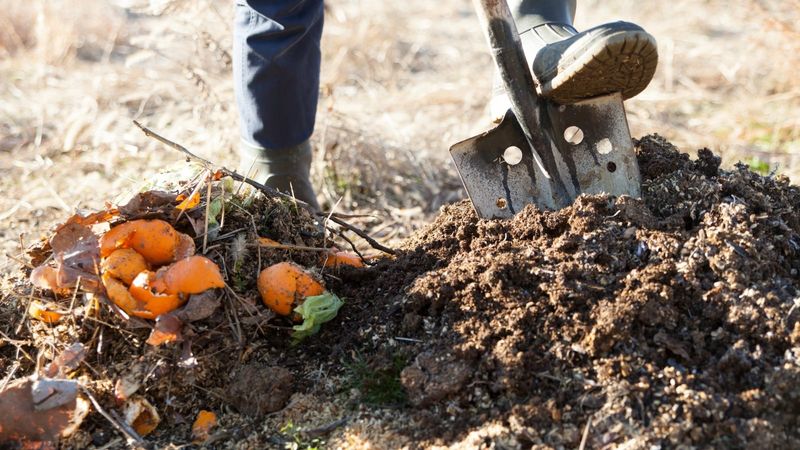
Steam rising from a freshly turned compost pile is one of the most satisfying signs that decomposition is working the way it should.
Oxygen is essential for the microorganisms inside the pile, and turning the material regularly keeps fresh air moving through what can otherwise become a dense, compacted mass.
In Georgia’s summer heat, piles can compress quickly under the weight of grass clippings and kitchen scraps.
Turning the pile once a week or every ten days during summer gives the microorganisms the air they need to stay active. A pitchfork or compost aerator works well for most backyard bins.
Moving material from the outer edges toward the center also helps expose cooler, less-decomposed sections to more heat and oxygen.
Skipping turns for too long is one of the most common reasons a pile slows down in summer. Without enough oxygen, anaerobic bacteria take over, and those are the ones responsible for that unpleasant sour or rotten egg smell.
Turning the pile does not need to take long – even a few minutes of mixing can make a noticeable difference.
Regular turning keeps the pile breathing, which keeps it breaking down materials steadily through the hottest months Georgia can throw at it.
Your Georgia Garden Changes Every Week. Your Plan Should Too.
Gardening in Georgia changes quickly throughout the season. Every Friday you’ll receive a simple weekly plan showing exactly what to plant, prune, fertilize, harvest, and protect so you never miss the right timing.
3. Balance Browns And Greens
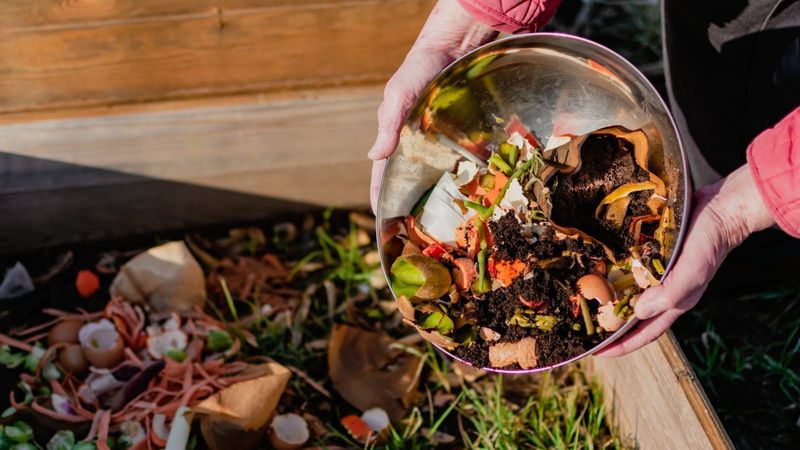
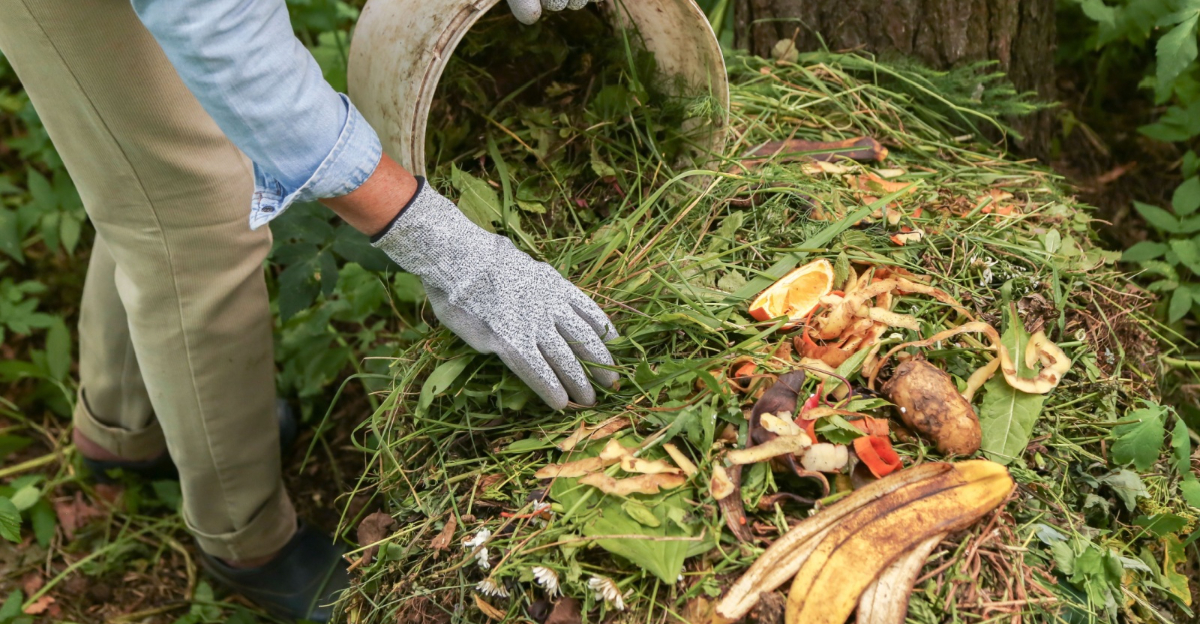
Grass clippings pile up fast during Georgia summers, and it is tempting to toss them all straight into the compost bin.
The problem is that too many greens at once – things like fresh clippings, vegetable scraps, and coffee grounds – can make the pile heat up too fast, get slimy, and start smelling unpleasant.
Greens are high in nitrogen, and the pile needs carbon-rich brown materials to balance them out.
Brown materials include dry leaves, cardboard torn into small pieces, straw, wood chips, and paper bags. A rough guideline is to mix in two to three parts browns for every one part greens, though adjusting based on what the pile looks and smells like works just as well.
A well-balanced pile breaks down steadily without getting too wet or too hot to manage.
Keeping a small pile of dried leaves or torn cardboard near the compost bin makes it easy to add browns whenever fresh greens go in.
In Georgia, fallen leaves from the previous autumn can be saved in bags and used throughout the summer for exactly this purpose.
Getting the balance right is not complicated, but it does make a real difference in how well the pile handles summer heat and humidity.
4. Add Dry Browns When The Pile Smells Bad
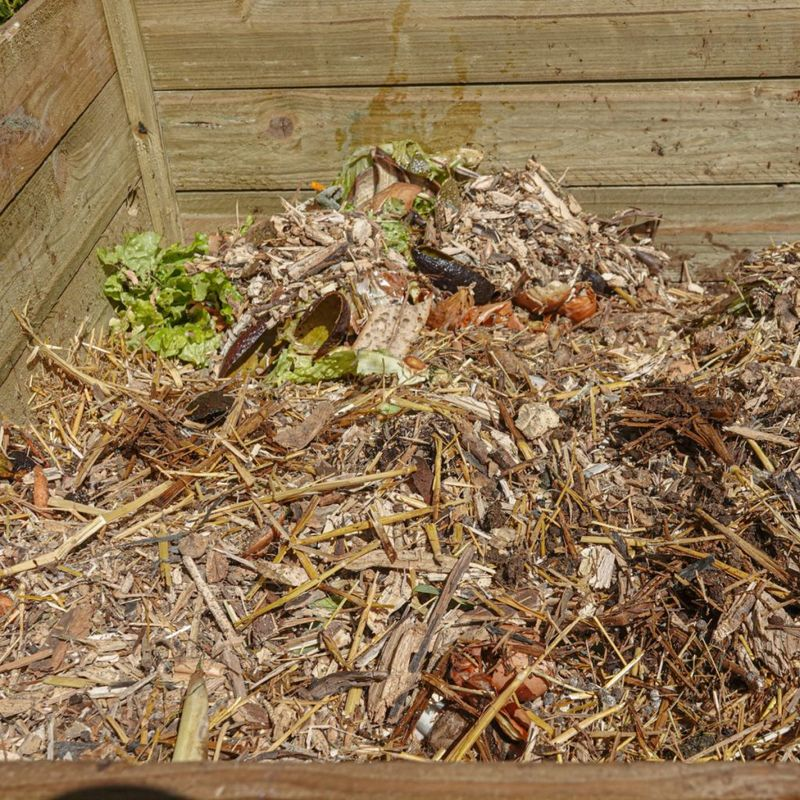
A sour or ammonia-like smell coming from the compost bin after a summer storm is a clear signal that something is off.
That odor usually means the pile has too many wet green materials and not enough dry browns to absorb the excess moisture and balance the nitrogen.
The good news is that fixing it is straightforward and does not require starting over.
Adding a generous layer of dry leaves, torn cardboard, or wood chips and then mixing them into the pile usually clears up the smell within a day or two.
The dry materials soak up excess moisture and help restore the carbon-to-nitrogen balance that keeps decomposition running smoothly.
In Georgia, summer storms can dump a lot of rain quickly, and a pile that looked fine the day before can turn soggy and smelly overnight.
Keeping a stash of dry browns nearby throughout the summer makes it much easier to respond quickly when the pile starts smelling off. Cardboard from shipping boxes, paper bags from grocery stores, and bagged leaves from fall yard cleanups all work well.
Checking the pile after heavy rain and adding browns right away prevents the problem from getting worse. A pile that smells good is a pile that is working, and dry browns are one of the simplest tools for keeping it that way.
5. Chop Materials Before Adding Them
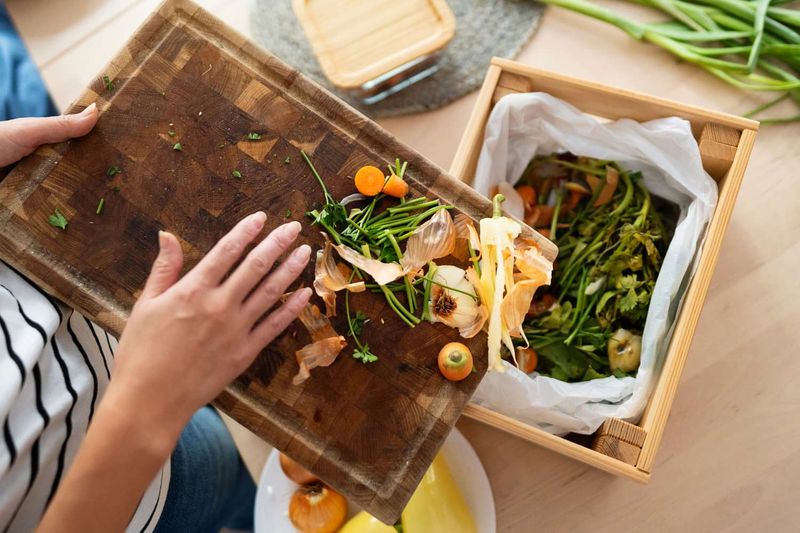
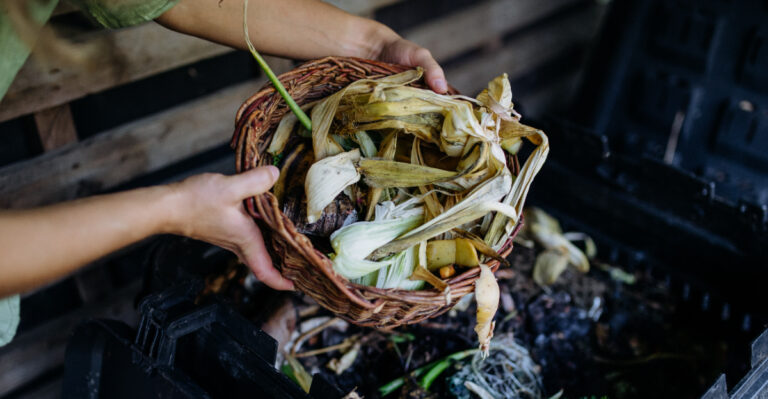
Whole watermelon rinds, large corn cobs, and uncut tree branches take a long time to break down even in mild weather.
In Georgia’s summer heat, a pile full of large, chunky materials can sit for weeks without showing much progress because the microorganisms have less surface area to work on.
Chopping or shredding materials before adding them to the pile makes a noticeable difference in how fast things decompose.
Kitchen scraps like melon rinds, citrus peels, and vegetable stalks break down much faster when cut into smaller pieces.
Yard materials like sunflower stalks, pepper plants, and large leaves can be run over with a lawn mower or chopped with pruning shears before going into the bin.
Even tearing cardboard into fist-sized pieces rather than adding whole sheets speeds things up considerably.
The smaller the pieces, the more surface area the microorganisms have to work on, and that means faster decomposition even during the hottest parts of a Georgia summer.
This one habit can cut weeks off the time it takes a pile to turn into finished compost.
It does not require special equipment – just a few extra minutes before adding materials to the bin. Smaller pieces also mix more easily when turning the pile, which helps with both moisture distribution and airflow.
6. Bury Food Scraps Deeper In The Pile
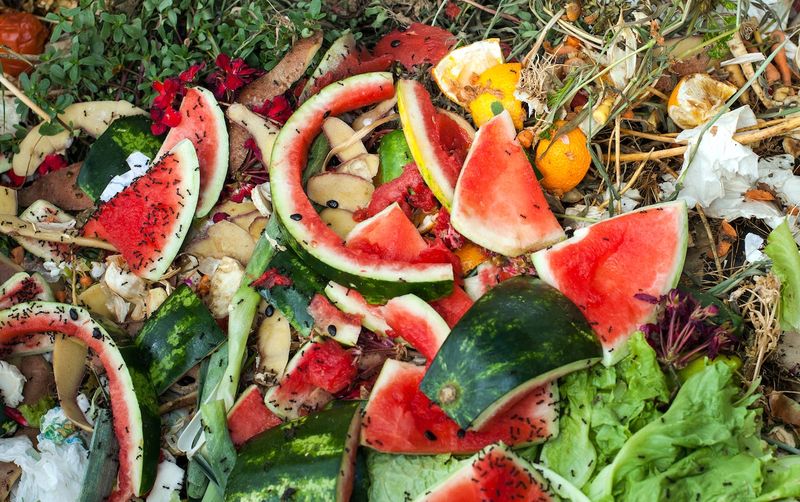
Food scraps left sitting on top of a compost pile during a Georgia summer are practically an open invitation for flies, gnats, and other unwanted visitors.
The heat speeds up odor release from fresh kitchen scraps, which can attract pests faster than during cooler months.
Burying scraps at least six to eight inches into the center of the pile makes a real difference in keeping the bin less attractive to insects and animals.
When adding fruit peels, vegetable trimmings, or coffee grounds, use a trowel or stick to dig a hole in the existing material, drop the scraps in, and cover them back up with surrounding compost.
This simple step also helps scraps decompose faster because they are surrounded by active material and heat rather than sitting exposed to drying sun and open air.
In Georgia, where summer afternoons can be intensely hot and humid, exposed food scraps can start smelling within hours. Burying them keeps the pile tidier, reduces odor, and discourages fruit flies from hovering around the bin.
Some gardeners keep a small container near the bin to collect scraps from the kitchen throughout the day and then bury everything in one trip.
That routine makes the process feel less disruptive and keeps the pile working without creating a pest problem in the backyard.
7. Avoid Meat, Dairy, Oils, And Pet Waste
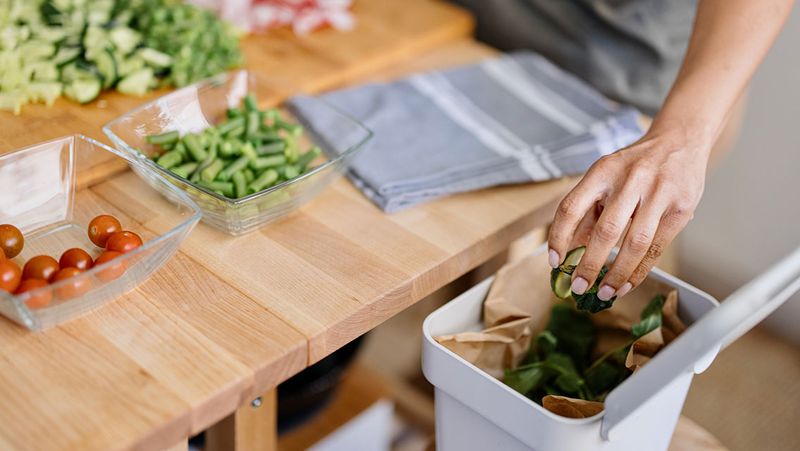
Not everything that comes out of a Georgia kitchen belongs in the compost bin. Meat scraps, fish bones, dairy products like cheese or yogurt, and cooking oils can cause serious problems in a backyard compost pile.
These materials break down much more slowly than plant-based scraps, and in summer heat, they can create strong odors and attract raccoons, rats, and other animals looking for an easy meal.
Pet waste from dogs and cats also does not belong in a standard backyard compost pile.
It can contain harmful pathogens that are not reliably broken down in a typical home composting setup, which creates a risk if the finished compost is later used in a vegetable garden.
Keeping these materials out of the bin protects both the pile and the people using the compost.
Sticking to fruit and vegetable scraps, coffee grounds, eggshells, grass clippings, leaves, cardboard, and similar plant-based materials keeps the pile healthy, manageable, and far less likely to attract pests during Georgia’s hot summer months.
Eggshells are fine to add and can actually help with the pile’s overall chemistry.
When in doubt about whether something is compostable in a backyard setting, leaving it out is the safer and simpler choice. A focused, plant-based pile tends to work more reliably through summer heat.
8. Make Sure The Pile Is Large Enough To Stay Active
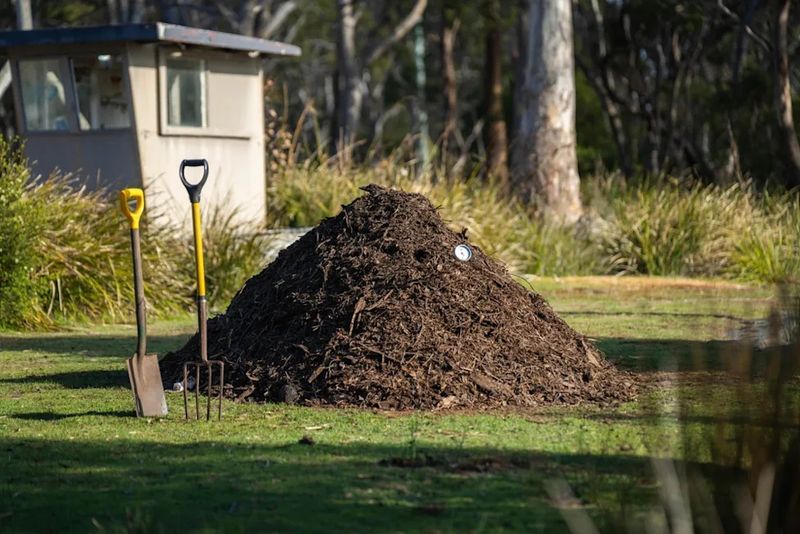
A compost pile that is too small struggles to hold heat and moisture, which are both essential for active decomposition.
In Georgia’s summer heat, a pile that is at least three feet wide and three feet tall has enough mass to maintain the internal conditions microorganisms need to keep breaking down materials efficiently.
Smaller piles tend to dry out quickly, lose heat too fast, and generally decompose much more slowly.
Backyard gardeners sometimes spread their materials too thin across a wide, flat area rather than building a compact pile with some height.
A rounder, denser pile holds moisture better and generates more internal heat, which speeds up decomposition even on the hottest Georgia afternoons.
Bin-style composters work well for keeping the pile compact and contained, especially in smaller yards.
As materials break down, the pile will naturally shrink over time. Adding fresh materials regularly helps maintain the size and keeps the microbial activity going.
In summer, when grass clippings and garden trimmings are plentiful across Georgia, keeping the pile at a good working size is usually easier than during winter months.
A pile with enough volume to stay warm in the center, even on cooler nights, is a pile that keeps working through the season without needing constant attention or troubleshooting.
9. Cover The Pile During Heavy Rain
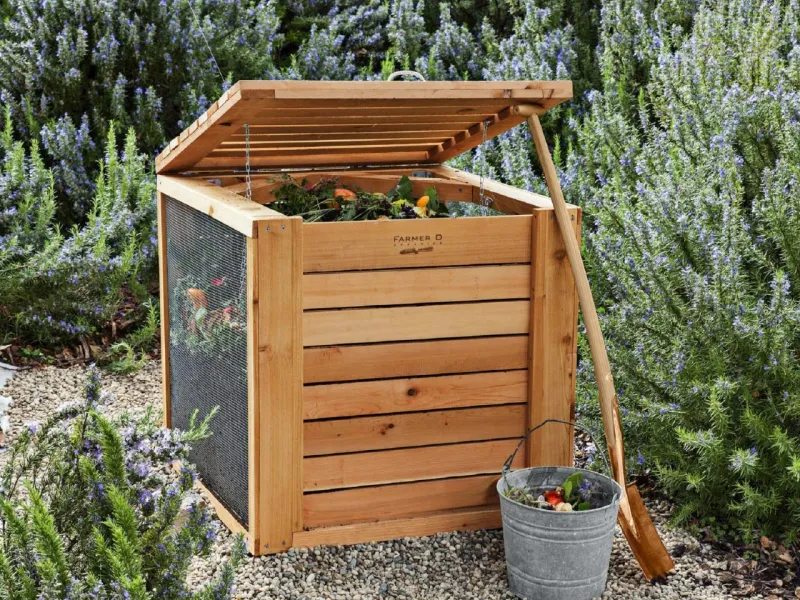
Georgia summers are famous for afternoon thunderstorms that roll in fast and drop a lot of rain in a short time.
A compost pile that gets completely soaked during one of these storms can become waterlogged, which pushes oxygen out of the pile and slows decomposition significantly.
Covering the pile during heavy rain is a practical step that most backyard composters do not think about until they are already dealing with a soggy, smelly bin.
A simple tarp, a sheet of plywood, or a fitted lid for a bin-style composter can prevent the pile from absorbing more water than it needs. The cover does not need to stay on all the time – just during and immediately after heavy rain.
Once the storm passes and things dry out a bit, removing the cover lets airflow return to normal.
Some Georgia gardeners position their compost bins under a tree or near a fence to get partial natural shelter from heavy downpours.
While that helps with shade during hot afternoons, it does not fully protect against the kind of intense rain that can saturate a pile in minutes.
Having a tarp or lid on hand and using it during storms is a small habit that pays off in a pile that drains well, stays aerated, and keeps working through Georgia’s unpredictable summer weather patterns.
10. Check The Pile Instead Of Ignoring It
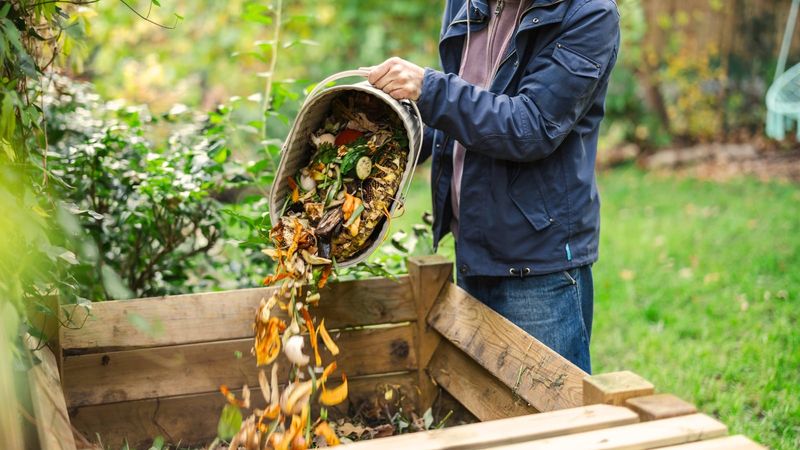
Walking past the compost bin without stopping to check on it is one of the easiest habits to fall into during a busy Georgia summer. Lawns need mowing, gardens need watering, and the compost bin can start to feel like one more thing on a long list.
But a quick check every few days – just a look and a feel – can catch small problems before they turn into bigger ones that are harder to fix.
Checking the pile means looking at the moisture level, smelling for any off odors, noticing whether the pile has shrunk significantly, and seeing whether any materials are clumping together on the surface.
Each of these observations gives useful information about what the pile needs next.
A dry pile needs water and maybe a turn. A sour-smelling pile needs dry browns and air. A pile that has stopped shrinking might need more greens or a good mixing.
In Georgia, where summer weather can shift from a dry week to a soaking storm and back again, a pile that gets checked regularly is much easier to manage than one that gets ignored for weeks at a time.
Spending five minutes with the compost bin every few days keeps small adjustments small and helps the pile keep producing finished compost steadily through the whole summer season.