Monarch Butterflies Need This Georgia Native Plant To Complete Their Life Cycle
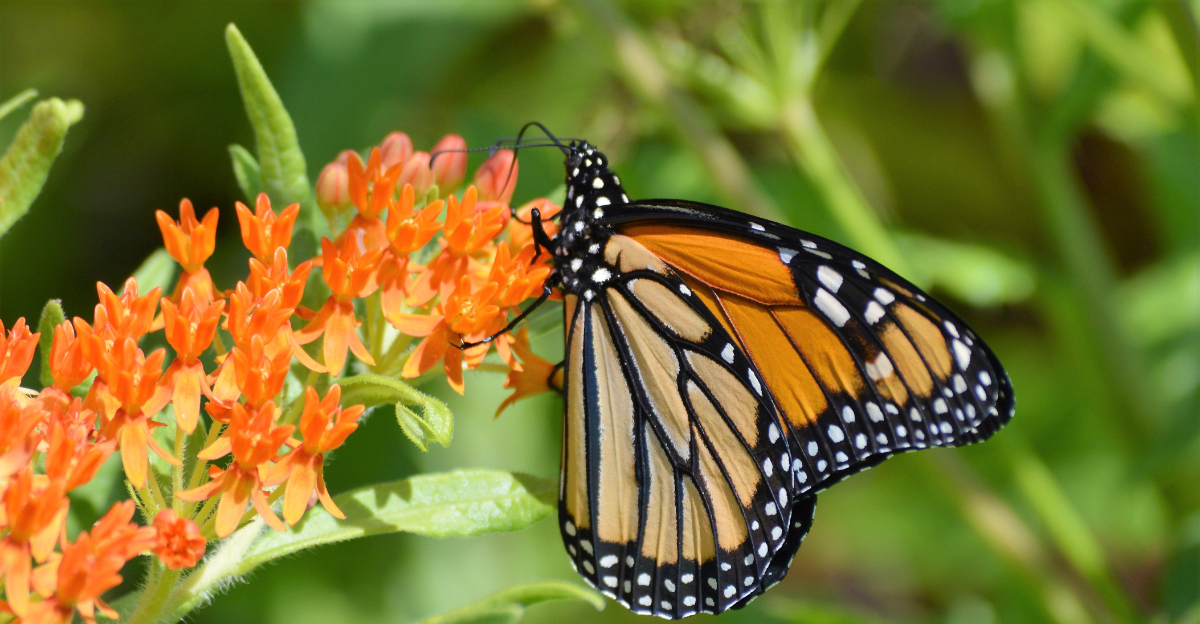
A butterfly garden can look beautiful and still be missing something important. Flowers may attract attention with their colors and blooms, but monarch butterflies need more than a pretty place to land.
Without certain plants nearby, they cannot complete one of the most important parts of their journey.
That detail is easy to overlook because most gardeners focus on what they can see. They notice flowers opening, pollinators visiting, and the overall look of the landscape.
The hidden role some plants play is often what makes the biggest difference.
Georgia gardens can become valuable stops for monarch butterflies when the right native choices are included. One plant provides the support these butterflies depend on during their life cycle.
Learning why it matters can completely change the way you think about adding plants for pollinators.
1. Butterfly Weed Is A Native Milkweed Monarchs Depend On
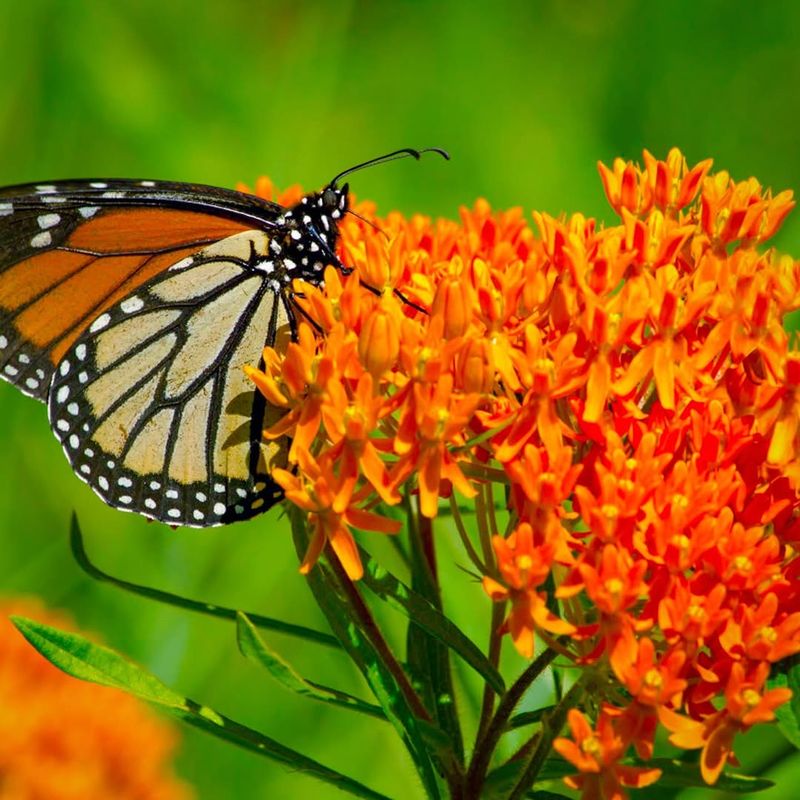
Not all milkweeds are created equal. Butterfly weed, known scientifically as Asclepias tuberosa, is one of the best native milkweed options for supporting monarchs in the southeastern United States.
Unlike tropical milkweed, which can interfere with monarch migration patterns, butterfly weed behaves like a true native.
It goes dormant in winter, which encourages monarchs to continue their natural migration south rather than lingering too long in one spot.
Gardeners across Georgia have embraced butterfly weed because it is tough, low-maintenance, and genuinely useful to local wildlife.
It does not need rich soil or heavy watering once it gets established.
Roots go deep into the ground, which helps the plant survive summer heat and drought.
That deep root system also means you should plant it where you want it to stay, since transplanting mature plants rarely works well.
Butterfly weed has been growing across North American meadows and roadsides for thousands of years. Monarchs evolved alongside it, which is exactly why it serves their needs so well today.
Supporting native plants like this one strengthens the entire local food web. Bees, beetles, and other beneficial insects also visit butterfly weed regularly, making it a genuine hub of backyard biodiversity.
2. Female Monarchs Lay Their Eggs On Milkweed Leaves
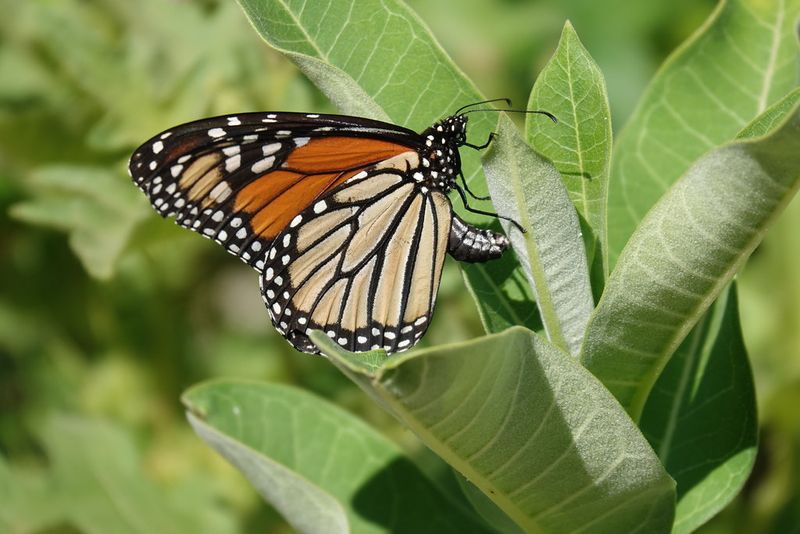
Watch closely enough, and you might catch a female monarch doing something remarkable. She curves her abdomen under a leaf and deposits a single, tiny egg no bigger than a pinhead.
Female monarchs are selective. They will not lay eggs on just any plant.
Milkweed is the only host plant their caterpillars can eat, so females search carefully before choosing a leaf.
A single female can lay up to several hundred eggs over her lifetime. She typically places just one egg per leaf, spreading them across multiple plants to reduce competition among hatching caterpillars.
Eggs are cream-colored and ribbed with a pointed tip. Under a magnifying glass, they look almost sculptural.
Most hatch within three to five days, depending on temperature and weather conditions.
Butterfly weed leaves work especially well because they contain the cardiac glycosides that make monarchs unpalatable to predators. Caterpillars absorb these compounds from the leaves as they eat, building a natural chemical defense.
Your Georgia Garden Changes Every Week. Your Plan Should Too.
Gardening in Georgia changes quickly throughout the season. Every Friday you’ll receive a simple weekly plan showing exactly what to plant, prune, fertilize, harvest, and protect so you never miss the right timing.
Spotting eggs on your butterfly weed plants is genuinely exciting. It means your garden has become part of the monarch life cycle, which is no small thing.
Checking the undersides of leaves every few days during late spring and summer gives you the best chance of finding them before they hatch.
3. Fresh Leaves Feed Growing Monarch Caterpillars
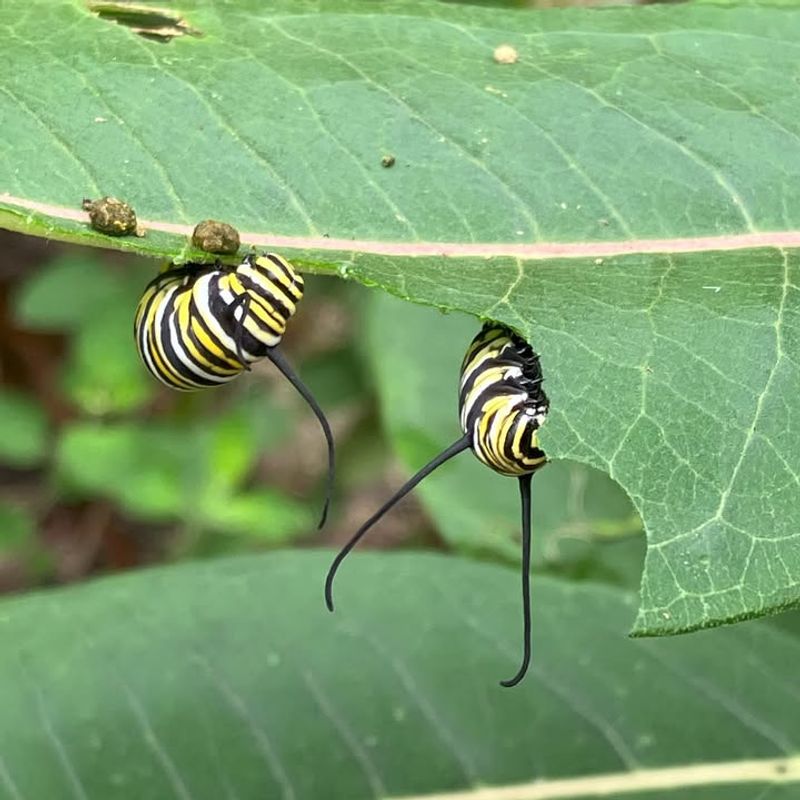
Monarch caterpillars eat constantly. From the moment they hatch, they chew through milkweed leaves with impressive speed, growing rapidly over roughly two weeks.
A newly hatched caterpillar is barely visible to the naked eye. Within days, it molts through five stages called instars, eventually reaching about two inches long with bold yellow, black, and white stripes.
Butterfly weed leaves are firm and slightly hairy, but caterpillars handle them easily. Younger caterpillars tend to scrape the surface of leaves first, while older ones eat entire leaves down to the stem.
One plant may not be enough. A single caterpillar can consume several full leaves before it is ready to form a chrysalis.
Planting multiple butterfly weed plants gives growing caterpillars enough food to reach maturity.
Caterpillars move between plants if one runs low on leaves. Keeping plants close together makes that easier.
Spacing them within a few feet of each other in your garden creates a small but functional feeding zone.
Watching caterpillars grow from nearly invisible specks into chunky, striped feeders is one of the most rewarding parts of gardening for pollinators. It takes patience, but the payoff of seeing a caterpillar ready to pupate makes every leaf worth it.
4. Bright Orange Flowers Provide Nectar For Adult Butterflies
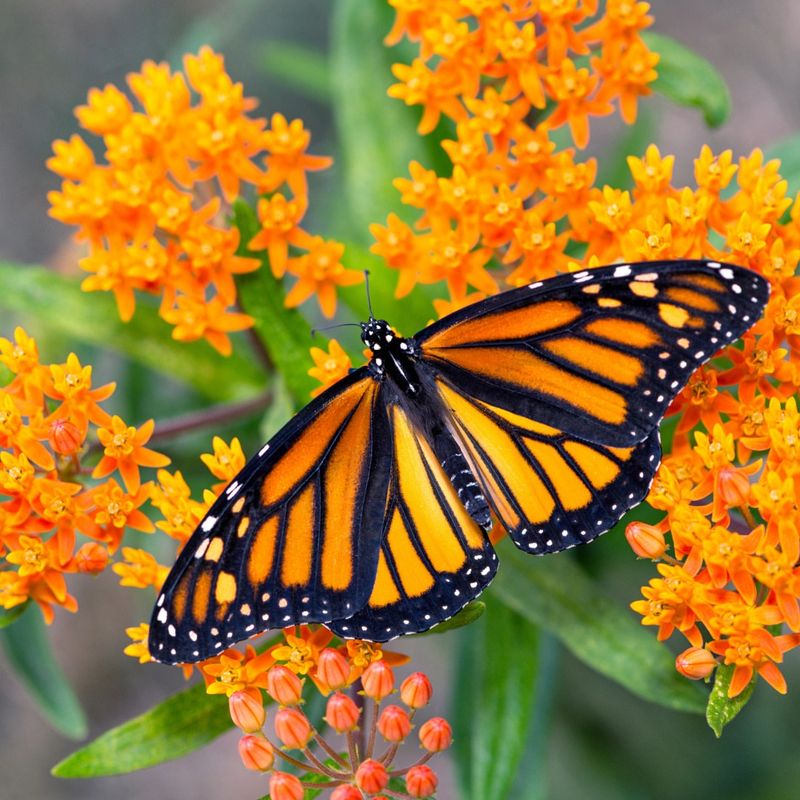
Butterfly weed earns its name every summer. Clusters of vivid orange flowers bloom from late spring through midsummer, drawing in adult butterflies from surprisingly far distances.
Adult monarchs need nectar as fuel. Unlike caterpillars that rely solely on milkweed leaves, adult butterflies feed on nectar from a wide variety of flowers.
Butterfly weed just happens to be one of their favorites.
The flowers are small but packed tightly into flat-topped clusters called umbels. Each tiny blossom holds nectar that butterflies access easily with their long, tube-like mouthparts called a proboscis.
Blooms typically peak in June and July across most of the southeastern region. Some plants produce a second flush of flowers in late summer if the first set of seed pods is removed early enough.
Beyond monarchs, swallowtails, fritillaries, and skippers also visit regularly. On a warm afternoon, a single plant in full bloom can attract several butterfly species within the span of an hour.
Orange is one of the most eye-catching colors in a summer garden. Butterfly weed stands out even from a distance, which helps pollinators locate it quickly.
Planting it along a sunny border or near a garden path makes it easy to observe visiting butterflies up close without disturbing them.
5. Full Sun Helps Butterfly Weed Bloom Better
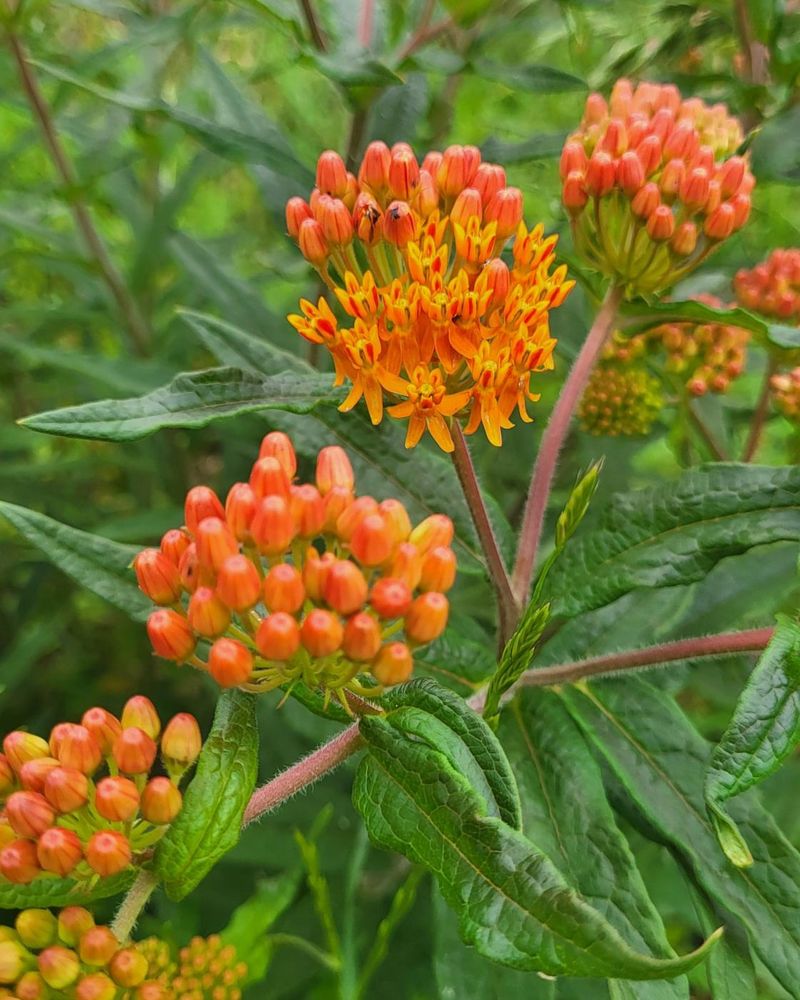
Shade is not a friend to butterfly weed. Give it a spot with at least six hours of direct sunlight daily, and it will reward you with stronger stems, more blooms, and a longer flowering season.
Plants grown in partial shade tend to stretch toward light, producing leggy stems that flop over easily. They also bloom less, which means fewer flowers for butterflies and fewer seeds for future plants.
Well-drained soil matters just as much as sunlight. Butterfly weed naturally grows in dry, sandy, or rocky ground.
Heavy clay soil that holds too much moisture can cause root problems over time, especially during wet winters.
Raised beds and slope plantings work well if your yard has drainage issues. Even a slightly elevated planting area helps water move away from the roots faster after heavy rain.
Established plants handle summer heat impressively well. Once the taproot is fully developed, usually after the first or second growing season, the plant becomes largely self-sufficient during dry stretches.
Starting from seed or purchasing nursery-grown plants both work fine. Just avoid moving plants once they are settled.
Butterfly weed resents disturbance at the root level, and transplanting an established plant often sets it back significantly. Pick your spot carefully before planting, and let the sun do the rest of the work.
6. Avoid Pesticides Around Butterfly Weed Plants
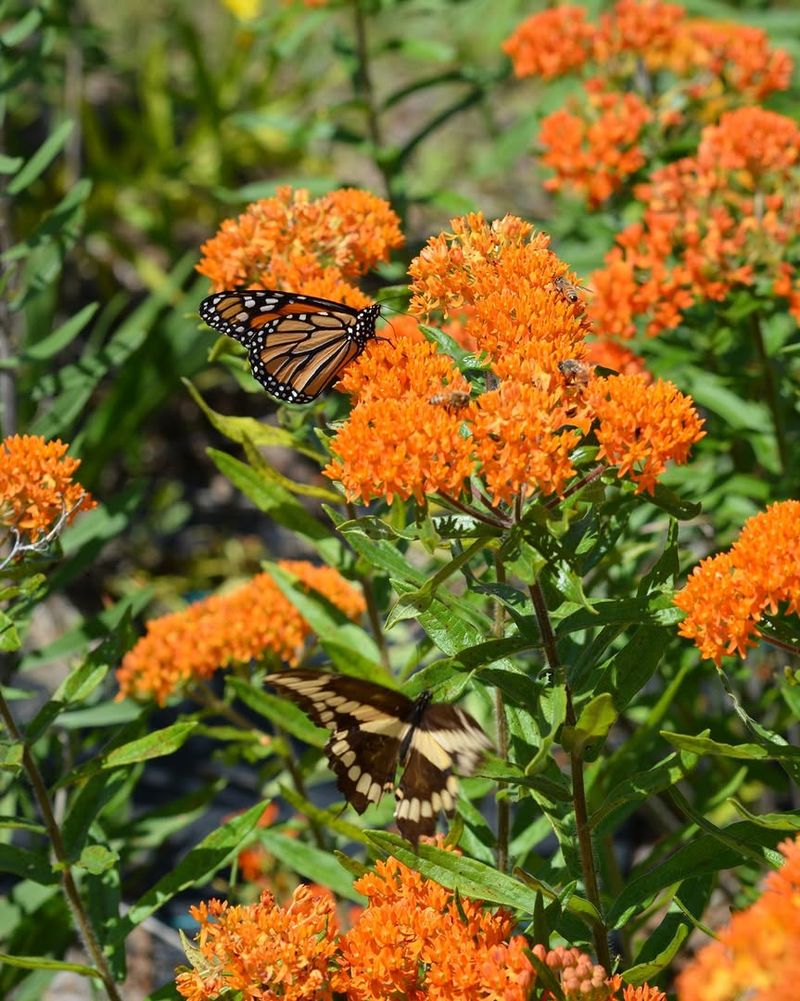
Pesticides and monarch gardens do not mix. Even products labeled as safe for plants can harm caterpillars, eggs, and the adult butterflies that visit your butterfly weed regularly.
Systemic pesticides are especially problematic. These chemicals get absorbed into plant tissue, including leaves and nectar.
Caterpillars eating treated leaves and butterflies sipping treated nectar both face serious risks from exposure.
Common insecticides like pyrethroids and neonicotinoids are toxic to monarch caterpillars even at low doses. Broad-spectrum sprays applied nearby can drift onto butterfly weed plants and cause harm without any direct application.
Fungicides and herbicides present different but real concerns. Herbicides used on nearby weeds can drift onto butterfly weed and damage foliage.
Always check wind direction and distance before applying any product near your pollinator garden.
Natural pest pressure on butterfly weed is manageable without chemicals. Aphids sometimes cluster on stems, but ladybugs and parasitic wasps usually handle them over time.
Blasting aphids off with a strong stream of water is a simple, effective option.
Creating a pesticide-free zone around your butterfly weed, even just a radius of several feet, makes a real difference.
Neighbors with lawns nearby may spray occasionally, so planting butterfly weed away from property edges when possible offers some extra buffer for visiting monarchs and their young.
7. Seed Pods Help New Butterfly Weed Spread Naturally
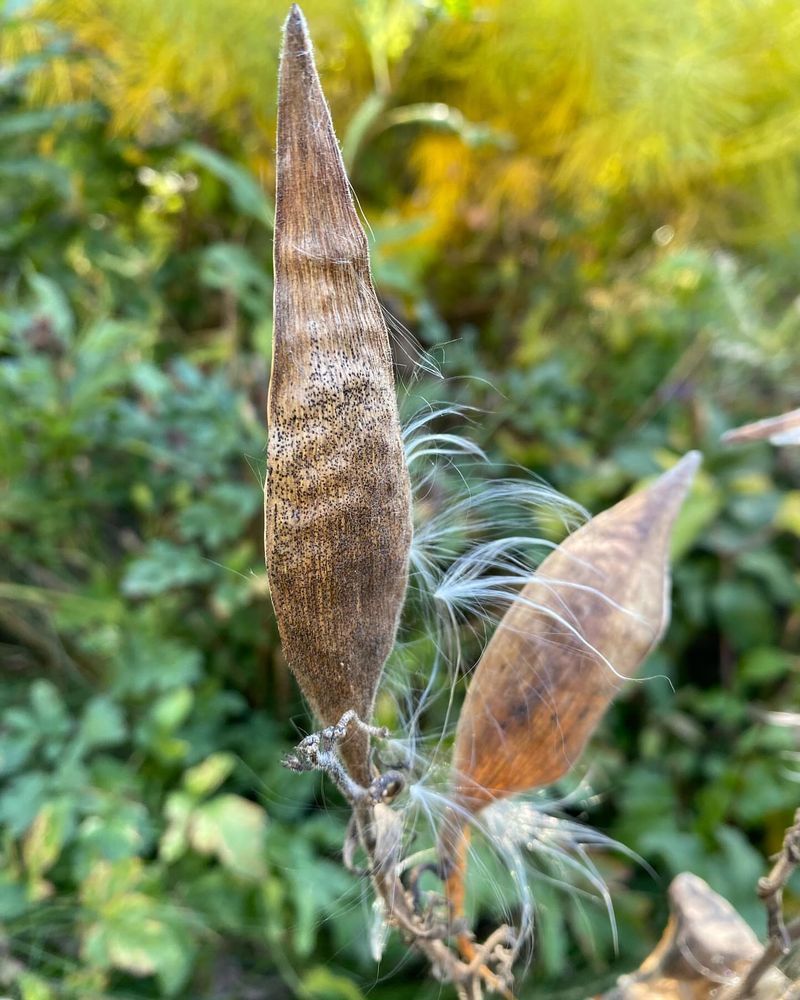
By late summer, something magical happens on butterfly weed plants. Long, slender seed pods form where flowers once bloomed, and as fall arrives, those pods split open to reveal seeds attached to silky white fibers.
Wind catches the fibers and carries seeds across yards, fields, and roadsides. It is a simple and elegant dispersal system that has worked for this plant for millennia without any human help at all.
Collecting seeds before pods fully open is easy. Watch for pods that begin to yellow and feel slightly soft when pressed.
Harvest a few and let them dry indoors before storing in a paper envelope for spring planting.
Scattering seeds in a sunny, well-drained area in fall mimics natural conditions. Cold winter temperatures help break seed dormancy, a process called cold stratification, which improves germination rates the following spring.
Allowing some pods to open naturally in your garden lets the plant self-seed over time. Seedlings may appear several feet from the parent plant wherever wind dropped them.
Thin crowded seedlings, but leave the strongest ones to grow.
Building a larger patch of butterfly weed over several seasons creates a more reliable habitat for monarchs.
More plants mean more eggs, more caterpillars, and more chances for the next generation of butterflies to complete their full life cycle right in your own backyard.