How Georgia Gardeners Grow Citrus Trees In Containers Year Round
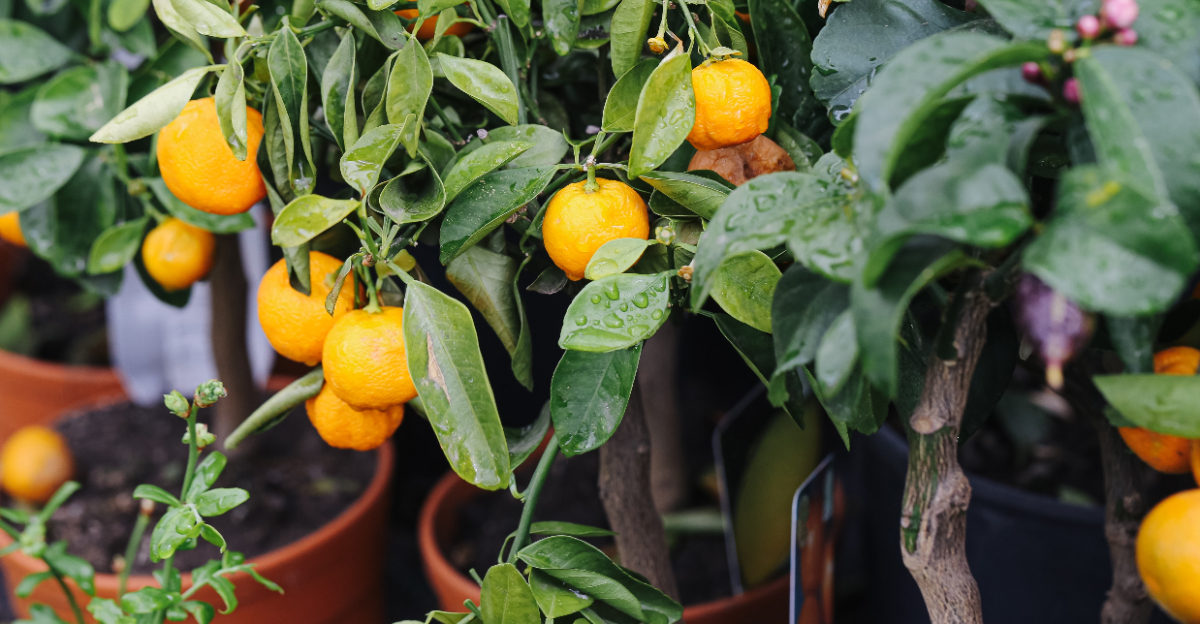
Fresh citrus picked from your own backyard sounds like something reserved for much warmer climates. For years, many gardeners assumed these trees needed perfect conditions and plenty of space to grow well.
A container, however, can change the entire experience and make citrus possible in places where planting directly in the ground is not always practical.
Growing fruit trees in pots comes with its own learning curve. Watering, sunlight, soil, and seasonal changes all play a role in keeping a tree healthy.
The process is not complicated, but it does require paying attention to what the plant needs throughout the year.
Georgia gardeners have discovered ways to enjoy homegrown citrus without dedicating an entire section of the yard to a tree.
With the right care routine, container citrus can become a beautiful and productive part of the landscape.
1. Choose A Container Large Enough For Mature Trees
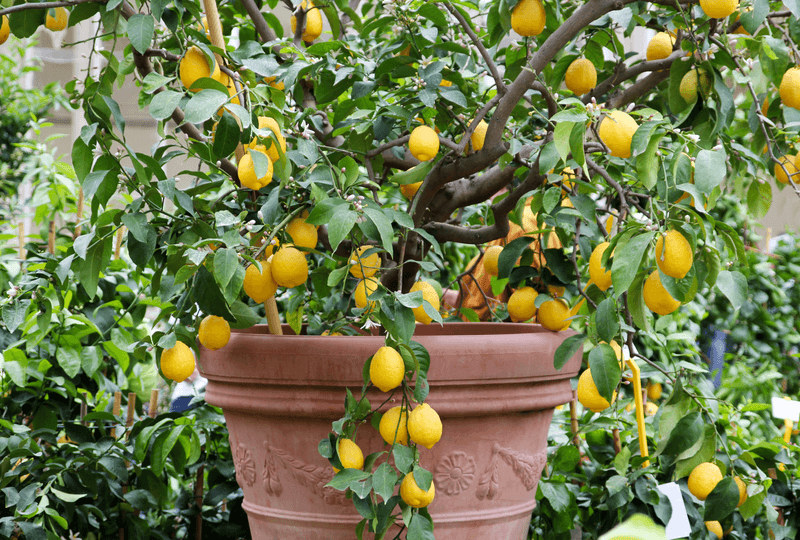
Pot size makes or breaks a container citrus tree. Start too small, and roots get cramped fast, which limits growth and fruit production significantly.
Young trees can start in a 10-gallon pot. As the tree matures, plan to move it into a 15 to 25-gallon container.
Most full-grown dwarf citrus varieties do best in pots at least 18 to 24 inches wide and equally deep.
Bigger containers hold more soil, which buffers temperature swings and retains moisture more evenly. That stability matters a lot during hot Georgia summers and chilly winter nights.
Heavy clay pots look beautiful but become nearly impossible to move indoors when cold weather hits. Lightweight fabric grow bags or thick plastic pots with sturdy handles make seasonal moves much easier.
Always check that the container has multiple drainage holes at the bottom. Without proper drainage, water pools around the roots and causes serious problems over time.
Skip containers with only one small hole. Citrus roots need oxygen as much as water, so drainage and airflow at the root zone genuinely matter.
Repotting every two to three years keeps roots from circling and compacting. When roots start pushing out of drainage holes, that is a clear sign the tree needs more room to keep growing strong.
2. Full Sun Helps Citrus Produce More Fruit
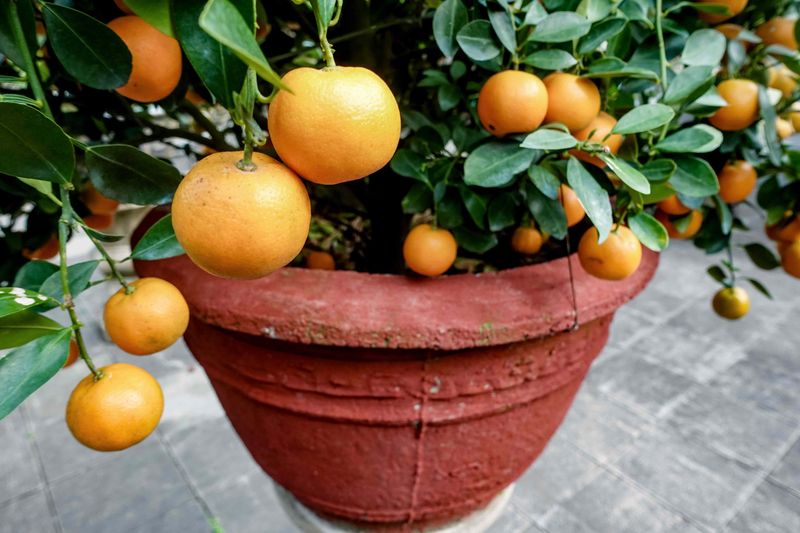
Citrus trees are sun-hungry plants. Without enough direct light, they grow slowly, drop flowers early, and produce very little fruit worth harvesting.
Aim for at least eight hours of direct sunlight each day. South-facing patios and driveways in the Southeast tend to offer the best light exposure through most of the year.
During summer, moving containers to the sunniest corner of a yard pays off fast. Even a few extra hours of afternoon sun can push a tree from minimal fruiting to a solid harvest.
Shaded patios covered by roof overhangs or tall trees often leave citrus struggling. Sparse leaves, pale color, and weak new growth are common signs that a tree is not getting enough light.
Rotating the pot every couple of weeks helps all sides of the canopy receive even light. One-sided sun exposure leads to uneven growth and a lopsided tree over time.
Your Georgia Garden Changes Every Week. Your Plan Should Too.
Gardening in Georgia changes quickly throughout the season. Every Friday you’ll receive a simple weekly plan showing exactly what to plant, prune, fertilize, harvest, and protect so you never miss the right timing.
In winter, placing containers near a south-facing window indoors still works reasonably well. Supplemental grow lights can fill the gap when natural light drops too low during short winter days.
Full sun is not optional for citrus. It directly influences flower set, fruit development, and the sugar content of the fruit itself.
A well-lit tree almost always outperforms one grown in partial shade, no matter how well everything else is managed.
3. Fast-Draining Soil Protects Healthy Roots
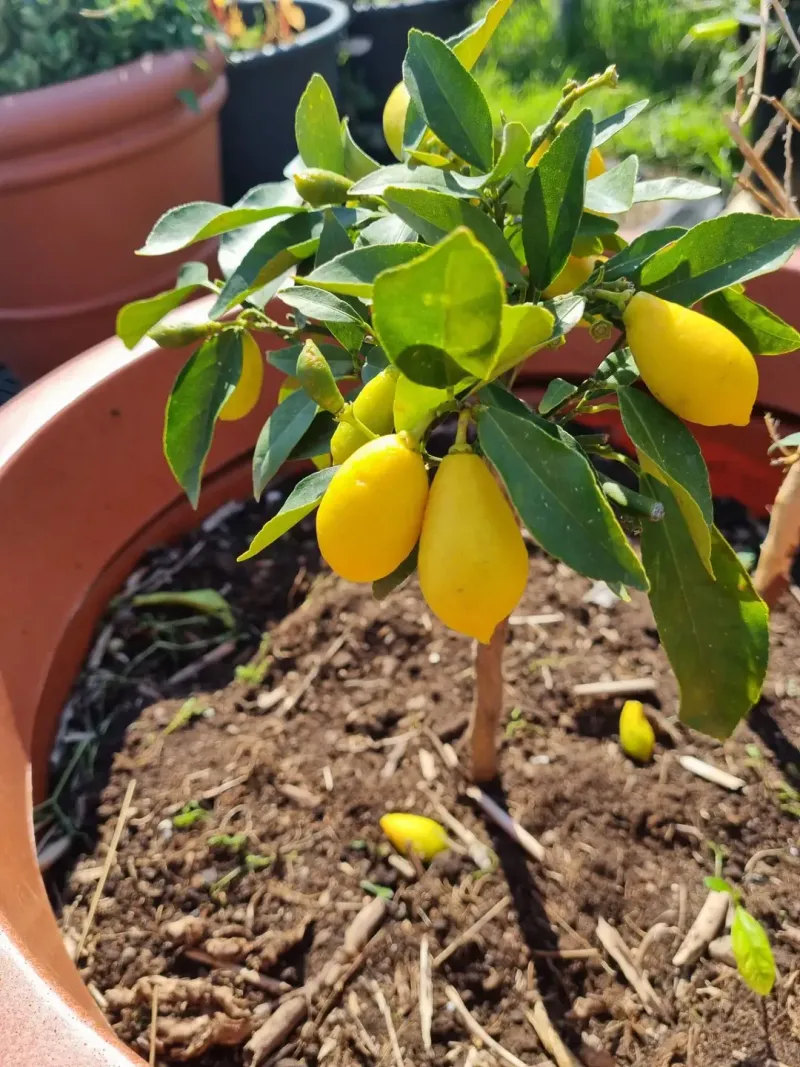
Roots sitting in soggy soil lose their ability to absorb oxygen. Once that happens, root health declines quickly and the whole tree starts to struggle from the ground up.
Standard potting soil holds too much moisture for citrus.
A mix designed specifically for citrus or cactus works much better because it drains fast while still holding enough nutrients for steady growth.
Adding perlite or coarse sand to a regular potting mix improves drainage without much extra cost. A good ratio is roughly one part perlite to three parts quality potting mix.
Avoid using native garden soil in containers. It compacts over time, blocks drainage, and introduces pests or pathogens that container-grown citrus have little resistance to in a confined root zone.
Bark-based mixes that include pine fines offer good aeration and slight acidity.
Citrus naturally prefers a slightly acidic pH between 6.0 and 7.0, and the right soil mix helps maintain that range.
Refresh the top layer of soil each spring by removing the old surface layer and replacing it with fresh mix. This simple step replenishes nutrients and keeps the soil structure open and breathable.
Good soil is the foundation of everything.
No amount of watering, feeding, or sunlight fully compensates for a dense, poorly draining mix packed around the roots of a container citrus tree.
4. Deep Watering Encourages Strong Root Systems
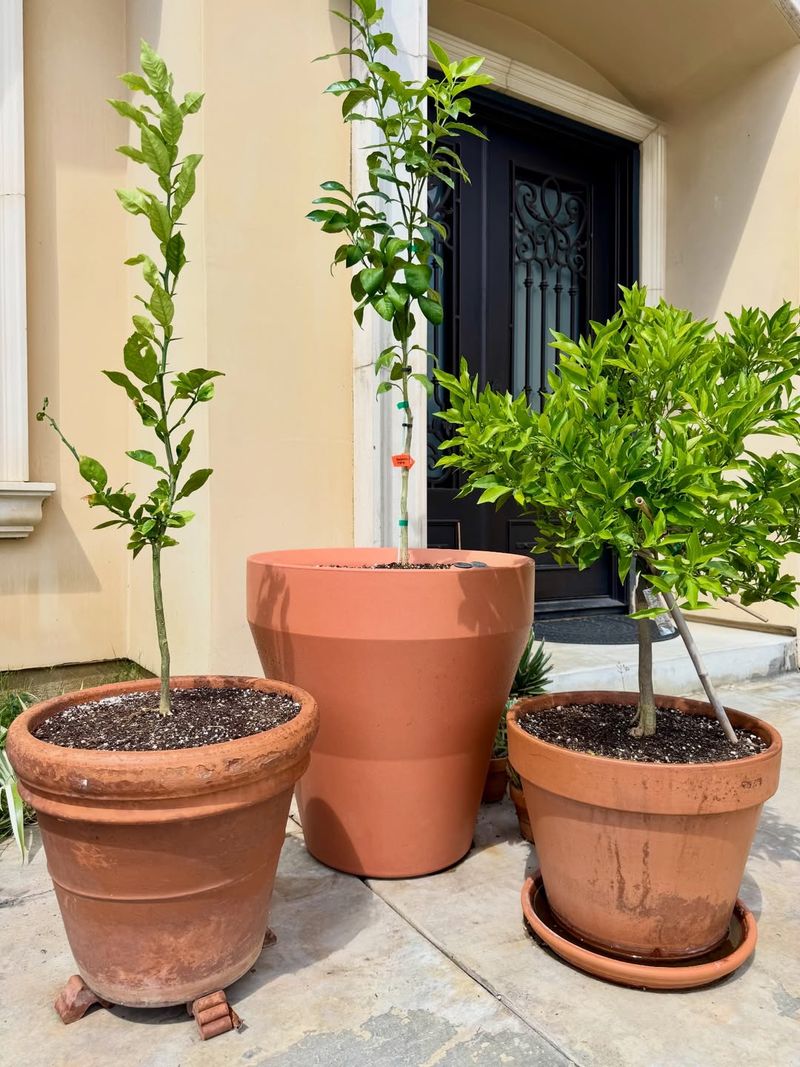
Shallow watering trains roots to stay near the surface. Surface roots dry out faster, stress more easily, and give the tree less stability overall.
Water deeply each time, soaking the soil until water drains freely from the bottom of the pot. That full saturation encourages roots to grow downward, which makes the tree stronger and more resilient.
Let the top inch or two of soil dry out between watering sessions. Sticking a finger two inches into the soil is a quick and reliable way to check whether the tree actually needs water yet.
Container citrus dries out faster than in-ground trees, especially during hot stretches in summer. Checking moisture levels every two to three days during peak heat keeps small problems from turning into bigger ones.
Overwatering is just as problematic as underwatering. Consistently wet soil with no dry-down period weakens roots and invites fungal activity that spreads through the root zone.
Using a moisture meter takes the guesswork out of watering decisions. They are inexpensive, easy to use, and accurate enough to build a reliable watering schedule around.
In fall and winter, watering frequency drops naturally as the tree slows down. Reduce sessions accordingly, but never let the soil dry out completely.
Roots still need some consistent moisture even during the cooler months of the year.
5. Regular Feeding Keeps Citrus Trees Vigorous
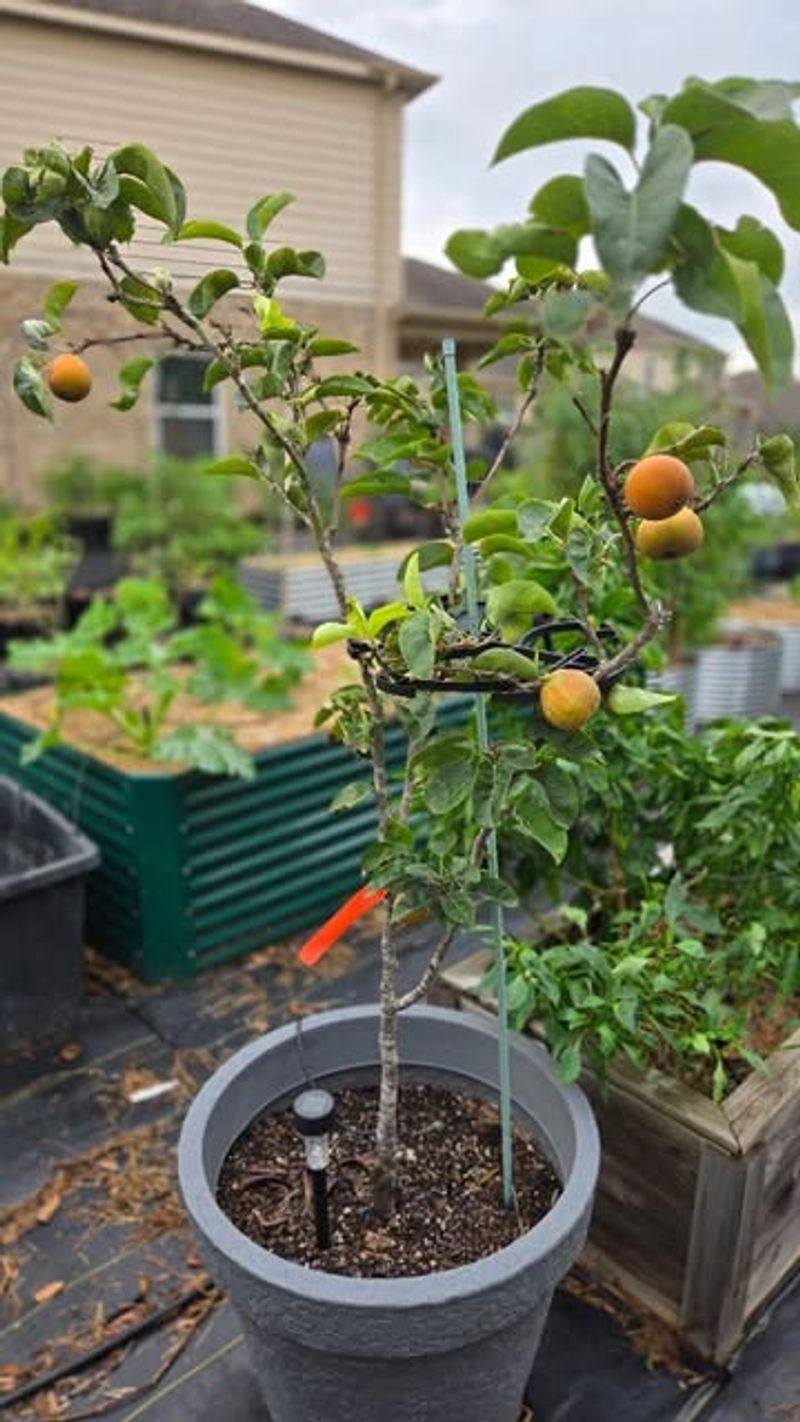
Citrus trees growing in containers burn through nutrients faster than trees planted in the ground. Rain and regular watering flush fertilizer out of the pot, so consistent feeding is genuinely necessary.
A balanced slow-release granular fertilizer formulated for citrus works well for most of the growing season. Look for one that includes micronutrients like iron, manganese, and zinc, since citrus needs all of them to stay healthy.
Feed actively growing trees every six to eight weeks from early spring through late summer. Taper off feeding in fall and stop during winter when the tree is resting and not actively pushing new growth.
Yellowing leaves between the veins, called interveinal chlorosis, often point to an iron or magnesium deficiency.
Chelated iron may help correct iron deficiency. Magnesium deficiencies should be confirmed before applying Epsom salt or other magnesium products.
Liquid fertilizers work faster than granular options and are useful when a tree shows signs of nutrient stress mid-season. Granular feeds provide steady slow nutrition while liquid feeds act as a quick correction.
Avoid over-fertilizing. Too much nitrogen pushes lush leafy growth at the expense of flowers and fruit.
Follow label directions closely and resist the urge to add extra product beyond what is recommended.
Consistent, measured feeding through the active season builds the kind of strong, productive tree that rewards you with a real harvest rather than just attractive foliage.
6. Watch Leaves For Signs Of Water Stress
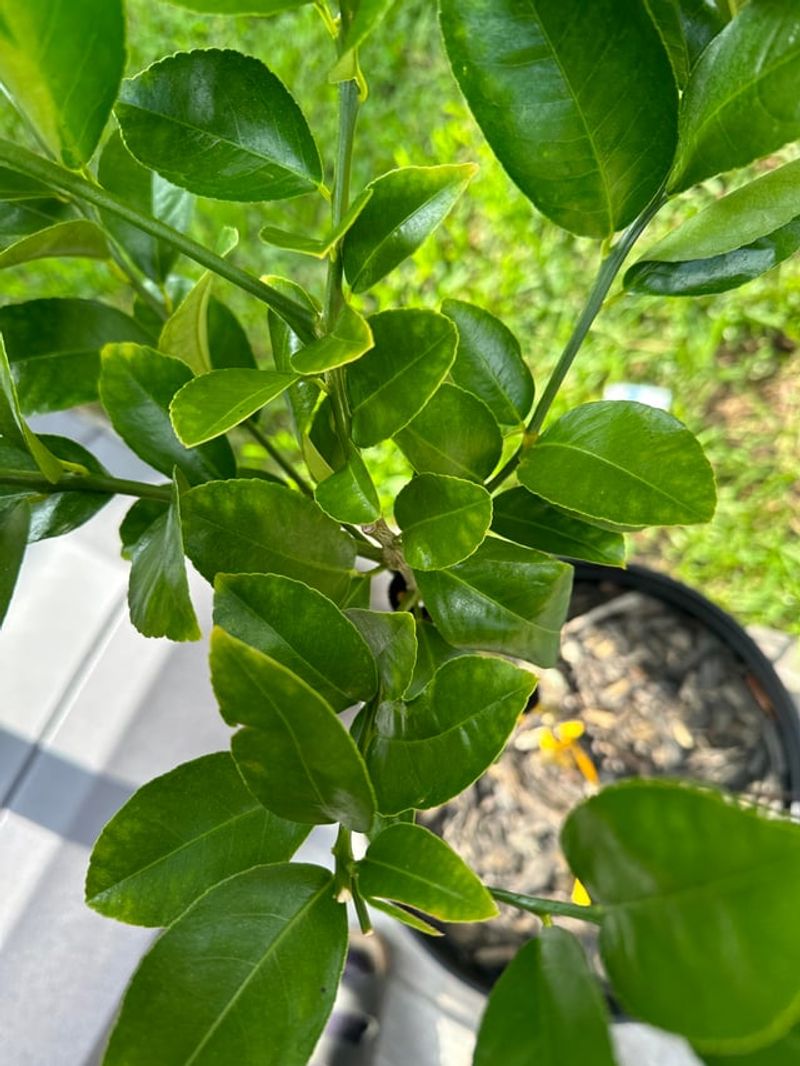
Leaves never lie. A citrus tree under water stress sends clear signals through its foliage long before the situation becomes serious enough to threaten the whole plant.
Curling or cupping leaves often mean the tree is losing more moisture than its roots are taking in. That response is a natural defense mechanism the tree uses to reduce surface area and slow water loss.
Wilting during cooler parts of the day, like early morning or late evening, points to a more significant problem than midday wilting, which is common in intense summer heat.
Yellowing of older leaves near the base of the tree sometimes signals overwatering rather than drought. Knowing the difference between the two requires checking soil moisture before assuming more water is always the answer.
Leaf drop in late summer or early fall can also result from inconsistent watering patterns. Letting the soil swing from bone dry to soaking wet repeatedly stresses roots and eventually causes leaf loss.
Pale or bleached-looking leaves on the side facing direct sun may indicate sunscald rather than water stress. Moving the pot slightly or using a shade cloth during extreme heat can reduce that kind of damage.
Catching stress signals early keeps small adjustments from turning into major setbacks. Regular observation of leaf color, texture, and position takes only a minute but saves a lot of trouble down the road.
7. Good Airflow Helps Prevent Leaf Diseases
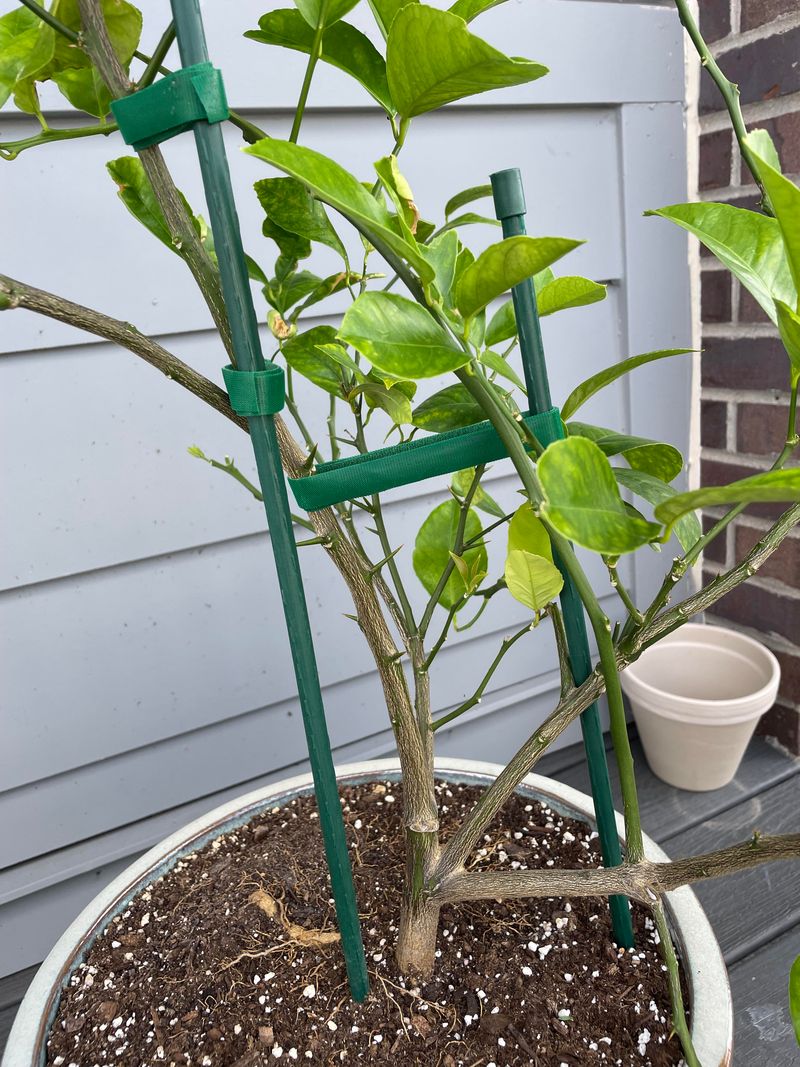
Stagnant air around citrus foliage creates the kind of humid conditions where fungal problems take hold and spread. Moving air keeps leaf surfaces drier and much less hospitable to disease.
Position containers where breezes can move through the canopy naturally. Avoid tucking trees tightly against walls, fences, or dense hedges that block airflow from multiple directions.
Pruning the inner canopy once a year opens up the tree structure significantly. Crossing branches and dense interior growth trap humidity and shade out lower leaves, making those areas vulnerable to fungal issues.
Sooty mold is a common problem on citrus grown in warm, humid climates. It usually appears after insects like aphids or whiteflies leave behind a sticky residue that the mold colonizes on leaf surfaces.
Controlling pest populations early reduces the conditions that lead to sooty mold outbreaks. A strong spray of water or neem oil applied to affected areas handles most small infestations before they spread further.
Spacing multiple container trees at least two to three feet apart allows air to circulate between them freely. Crowded plants share pests more easily and dry out more slowly after rain or irrigation.
Bringing trees indoors for winter requires extra attention to airflow.
Indoor spaces have less natural air movement, so placing a small fan nearby on a low setting helps compensate and keeps foliage conditions healthier through the colder months.