The Most Underrated Pennsylvania Perennial That Repels Deer, Ticks, And Rabbits Naturally
Deer, ticks, and rabbits all in one Pennsylvania garden is enough to test anyone’s patience. Deer wander through overnight and undo weeks of careful tending.
Rabbits target seedlings with surgical precision. And ticks lurk in the vegetation, turning a relaxing afternoon in the garden into something you think twice about.
Most gardeners fight each of these problems separately. But what if one plant could help with all three?
There’s a Pennsylvania perennial that has been quietly earning a reputation for doing exactly that. It naturally deters deer and rabbits through its scent and texture, while also creating conditions around it that ticks genuinely avoid.
And it manages all of this while being genuinely beautiful, reliably low maintenance, and perfectly suited to Pennsylvania’s climate. Most gardeners grow it purely for how it looks, never realizing the pest deterring work it’s doing in the background.
Meet Catmint
Walk past a patch of catmint on a warm afternoon and you will immediately understand why pests give it a wide berth.
The plant releases a bold, refreshing minty fragrance that fills the air around it, making nearby garden edges feel far less inviting to browsing animals. It is one of those plants that works hard without asking for much in return.
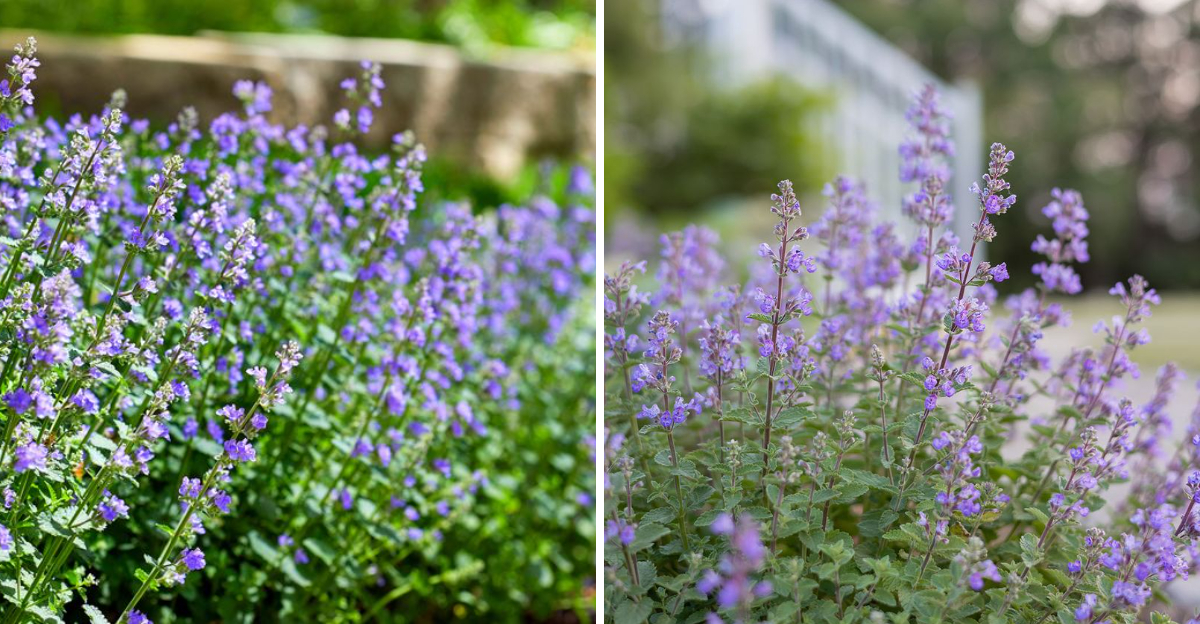
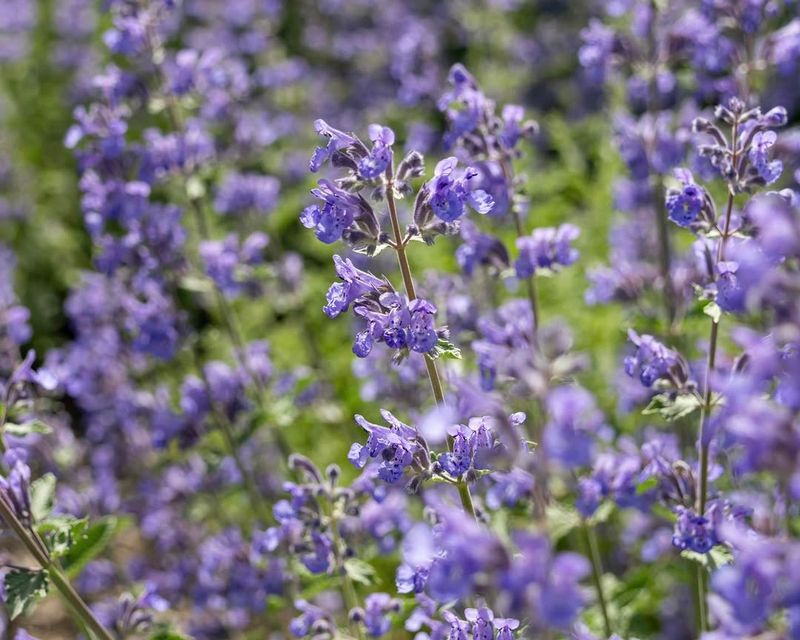
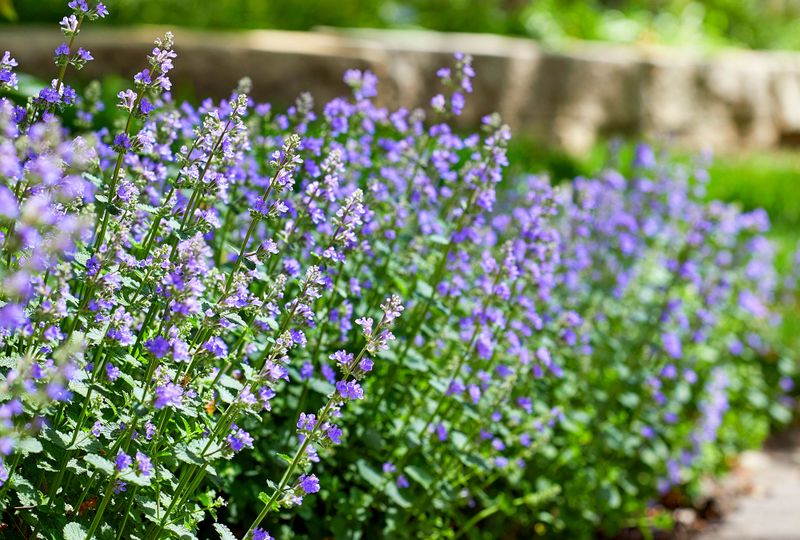
Catmint, known scientifically as Nepeta, is a tough perennial with soft, silvery-green leaves and airy spikes of purple-blue flowers. It forms tidy, mounding clumps that look beautiful along pathways, borders, and patio edges.
The foliage has a slightly fuzzy texture that animals tend to avoid, which makes it doubly useful in a busy garden.
Gardeners across Pennsylvania have quietly relied on catmint for years, but it still flies under the radar compared to flashier plants like lavender or salvia. That is actually good news for you.
Nurseries carry it at reasonable prices, and it is easy to find at most local garden centers in spring. Unlike some pest-resistant plants that look a bit scraggly, catmint is genuinely attractive.
Bees and butterflies absolutely love its blooms, so you get natural pest resistance and pollinator support all in one tidy package.
If you have been searching for a plant that earns its space in the garden without constant fussing, catmint is ready to impress you from the very first season you plant it.
Why Catmint Works So Well In Pennsylvania Gardens
Pennsylvania throws a lot at garden plants. Summers get hot and humid, winters bring hard freezes, and spring rain can be unpredictable.
Most perennials need babying to survive all of that, but catmint takes it in stride. Once it settles in, it handles dry spells, average soil, and full sun without complaint. That kind of reliability is hard to find in a perennial.
Hardy in USDA zones 3 through 8, catmint covers the entire state of Pennsylvania comfortably. Whether you garden in Pittsburgh, Philadelphia, or somewhere in the rural central counties, this plant will perform for you.
It does not demand rich, amended soil or regular fertilizing. In fact, soil that is too rich can cause it to flop. Average, well-drained ground is all it needs to thrive.
Your Pennsylvania Garden Changes Every Week. Your Plan Should Too.
Gardening in Pennsylvania changes quickly throughout the season. Every Friday you’ll receive a simple weekly plan showing exactly what to plant, prune, fertilize, harvest, and protect so you never miss the right timing.
Catmint fits beautifully into all kinds of garden styles. Cottage gardens love it for its casual, romantic look.
Pollinator beds benefit from its long bloom season, which stretches from late spring through summer. Low-fuss front yard plantings get a reliable, attractive anchor that comes back stronger every year.
Walkway borders look polished and welcoming when catmint spills softly over the edges. Even gardeners who do not have a lot of time to tend their beds find catmint easy to manage.
You plant it, water it while it gets settled, and then mostly leave it alone. For busy Pennsylvania homeowners who want a beautiful, practical garden without a heavy workload, catmint checks every box on the list.
How Catmint Helps With Deer And Rabbits
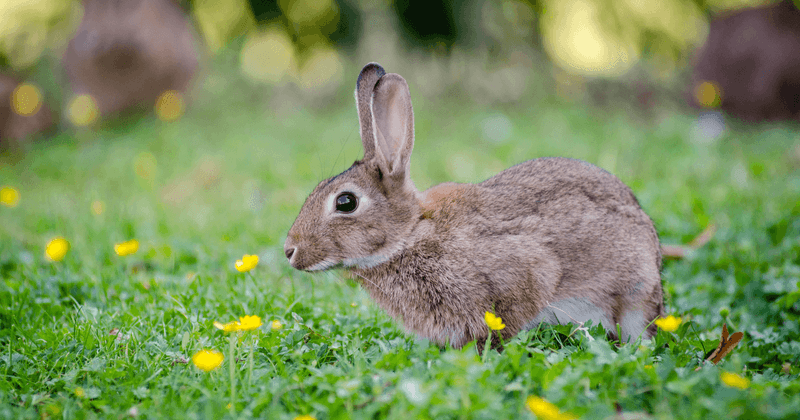
Deer are creatures of habit and preference. They tend to go for tender, mild-flavored plants first, like hostas, tulips, and young vegetable seedlings.
Strongly aromatic foliage is a different story. The sharp, minty scent that catmint releases when its leaves are brushed or bruised signals to deer that this plant is not worth the trouble. Most deer will walk right past it in favor of easier snacks nearby.
Rabbits behave similarly. They prefer soft, low-growing plants with mild flavors and avoid anything with a strong smell or rough texture.
Catmint’s fuzzy, aromatic leaves check both of those boxes. Planting it around the edges of beds that contain more vulnerable plants creates a fragrant barrier that makes those beds less appealing as a starting point for browsing animals.
Now, it is worth being realistic here. No plant is completely rabbit-proof or deer-proof, especially during harsh winters when food is scarce.
A desperate deer will sample almost anything. But under normal conditions, catmint holds up remarkably well and tends to be left alone while softer plants around it get targeted.
Smart gardeners use it as a buffer, surrounding prized roses, vegetable beds, and perennial borders with a ring of catmint to reduce the chances of animal damage.
Pairing catmint with other aromatic plants like Russian sage, lavender, or ornamental alliums makes the strategy even more effective.
Think of it less like a force field and more like a strong suggestion that sends animals looking elsewhere. Used consistently, it really does make a difference season after season.
The Tick-Repelling Claim: What Gardeners Should Know
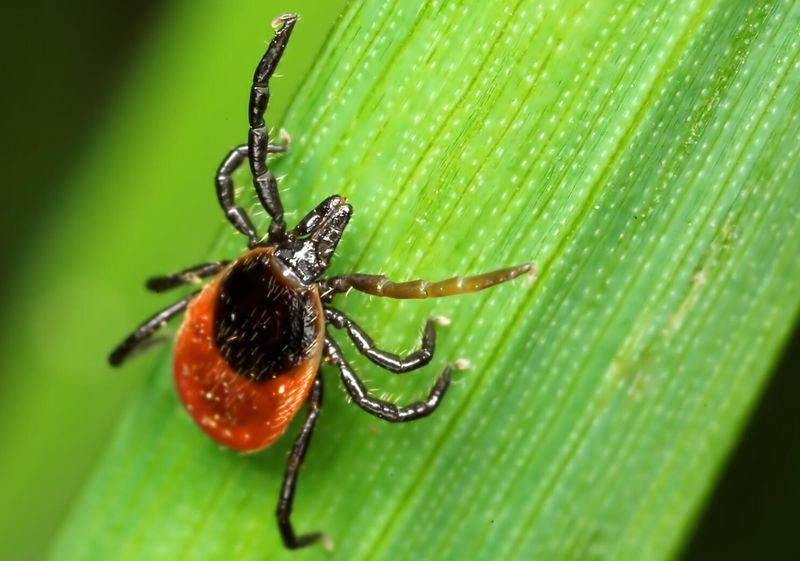
You may have seen catmint listed on websites alongside phrases like natural tick repellent, and there is a reason for that connection. Research has shown that nepetalactone, the compound in catmint that gives it its minty scent, has some insect-repelling properties.
Studies have found it may be more effective than DEET at repelling certain insects, including mosquitoes. That is a genuinely interesting finding worth knowing about.
However, it would be misleading to call catmint a complete tick-control solution for your yard. Ticks are persistent, and managing them well requires a layered approach.
Keeping your lawn mowed short, clearing leaf litter from garden beds and fence lines, and removing brushy areas where ticks like to hide are all important steps. Checking your clothing, skin, and pets after spending time outdoors remains the most reliable protection.
Where catmint earns a reasonable role in tick management is along garden edges and sitting areas. Planting it around patios, benches, and outdoor lounging spots may help make those areas slightly less inviting to insects in general.
Think of it as one helpful layer in a broader plan rather than a standalone fix. When friends and family gather on your patio surrounded by catmint in full bloom, the fragrant air is a pleasant bonus.
Using proper tick repellents on skin and clothing when you are working in wooded or grassy areas is still the smartest move. Catmint supports your efforts without replacing the basics that actually keep you and your family protected and comfortable outdoors.
Where To Plant Catmint For The Best Effect

Placement really matters when you want catmint to do its best work. Tucking a single plant into a random corner of your yard will not give you much pest-discouraging benefit.
Instead, think in drifts and lines. Planting catmint in groups of three, five, or more creates a much stronger scent presence and a more visually dramatic look that makes your whole garden feel intentional and polished.
Walkways are one of the best spots for catmint. As you or your guests brush past the plants, the leaves release that refreshing minty fragrance, which makes the whole garden feel alive and welcoming.
Along fence lines, catmint creates a soft, flowing edge that also discourages animals from using those entry points into your yard.
Around garden beds that deer or rabbits regularly visit, a border of catmint sends a clear aromatic message that this area is not worth investigating.
Patio edges are another excellent choice. Catmint spills gracefully over hard surfaces and softens the look of stone or concrete borders while keeping the sitting area smelling fresh.
Around raised vegetable beds, a surrounding ring of catmint adds both beauty and a practical layer of aromatic protection for your crops.
Front yard plantings benefit from catmint’s tidy mounding habit and long bloom season, which keeps the curb appeal strong from late spring well into summer.
When you combine catmint with other deer-resistant perennials like salvia, agastache, or ornamental grasses, the overall effect becomes even more powerful. Strategic placement turns this modest plant into a genuine workhorse for your Pennsylvania garden.
How To Keep Catmint Beautiful All Season
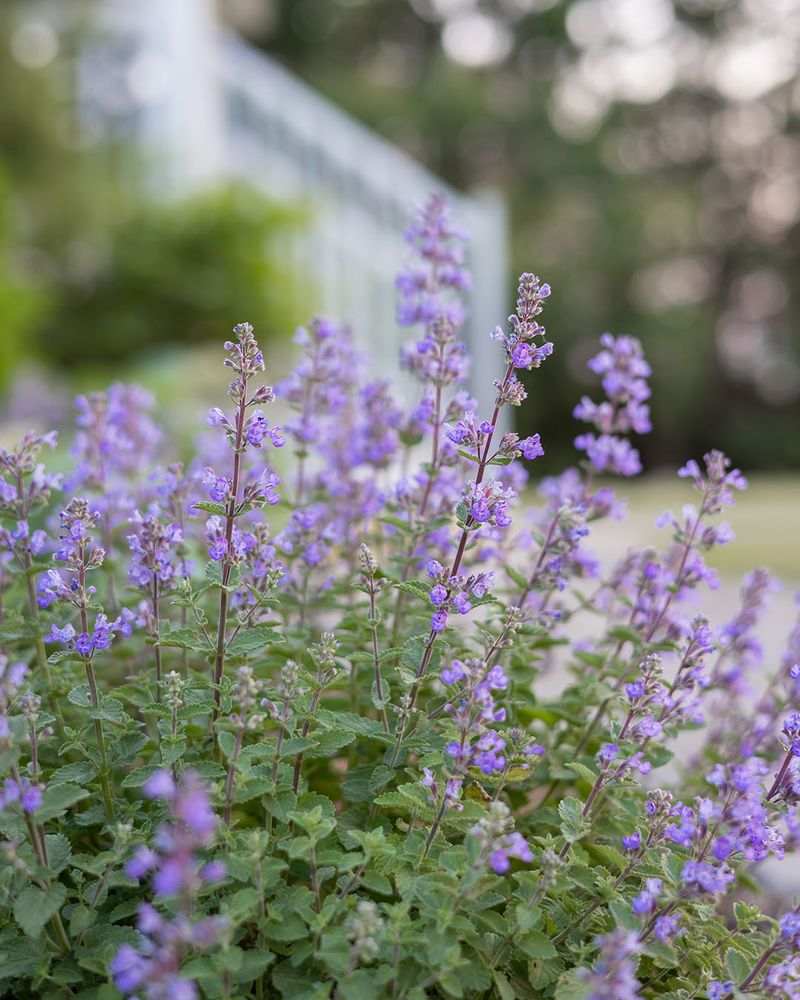
One of the best things about catmint is how little effort it takes to keep it looking great. Start with the right spot: full sun is ideal, though catmint can handle a bit of light afternoon shade.
Good drainage is non-negotiable. Soggy soil will cause the roots to rot, so avoid low spots in the yard where water pools after rain. Raised beds and slopes work beautifully for this plant.
Watering during the first season helps catmint establish a strong root system. After that, it becomes quite drought-tolerant and rarely needs extra watering during normal Pennsylvania summers.
Skip the heavy fertilizing. Too much nitrogen pushes floppy, weak growth that flattens out and loses its tidy shape.
If your soil is very poor, a light application of balanced fertilizer in early spring is plenty to give it a good start.
The real secret to keeping catmint gorgeous all season is the mid-season trim. After the first big flush of blooms fades, usually in early to midsummer, cut the plant back by about one-third to one-half.
Within a few weeks, fresh new growth emerges and a second wave of blooms follows. This shearing step makes a huge difference in how the plant looks and performs through the rest of the season.
Every few years, catmint clumps get crowded and benefit from division in early spring. Simply dig up the clump, split it into sections, and replant.
You end up with more plants for free, each one vigorous and ready to bring color, pollinators, and natural pest resistance back to your Pennsylvania garden all over again.