This Native Sedge Is Replacing Turf Grass Under Florida Oak Trees
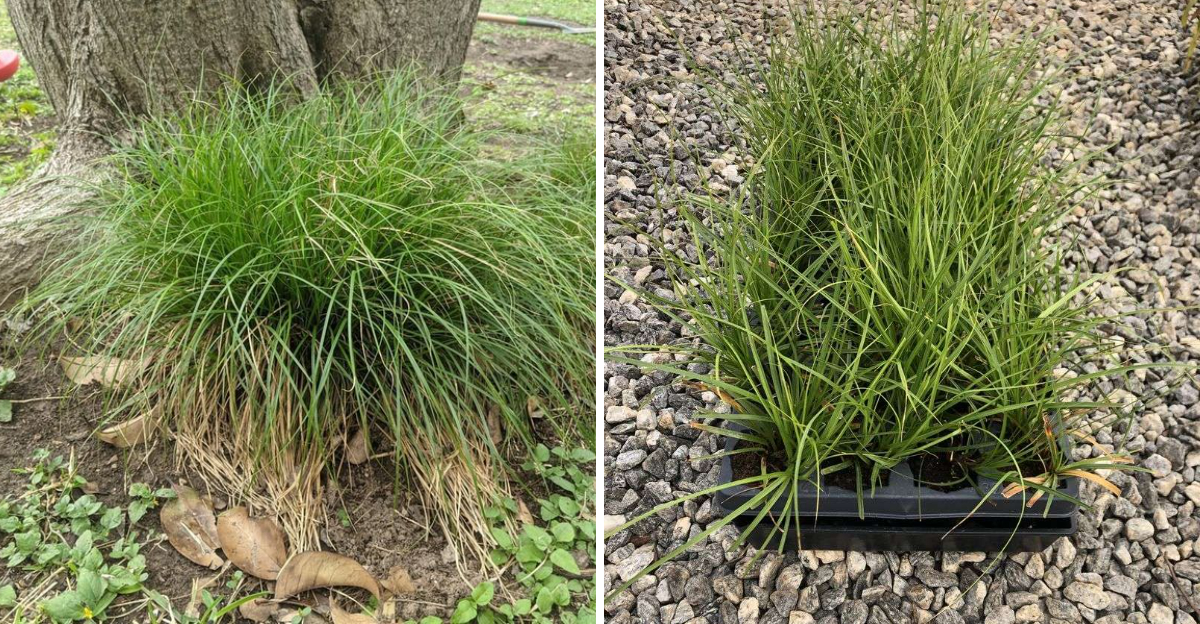
The space under a mature Florida oak is one of the most stubborn problems in residential landscaping.
Turf grass thins out, bare patches appear, and no amount of reseeding or fertilizing changes what the oak’s canopy and root system have already decided about that spot.
Most Florida homeowners either mulch it and move on or keep fighting a battle the tree always wins. One native Florida sedge has been quietly ending that standoff.
It handles the dry shade, the root competition, and the low light that sends turf grass into retreat. It spreads steadily, stays low, and produces a groundcover that looks intentional rather than like something that simply survived.
Landscapers and native plant gardeners have been using it under oaks for years. The mainstream has been slow to catch on, mostly because it never makes the standard plant list at the garden center.
That oversight is worth correcting.
1. Cherokee Sedge Is Winning The Oak Shade Battle
Homeowners across Florida have been quietly swapping out patchy lawn for something that actually belongs there.
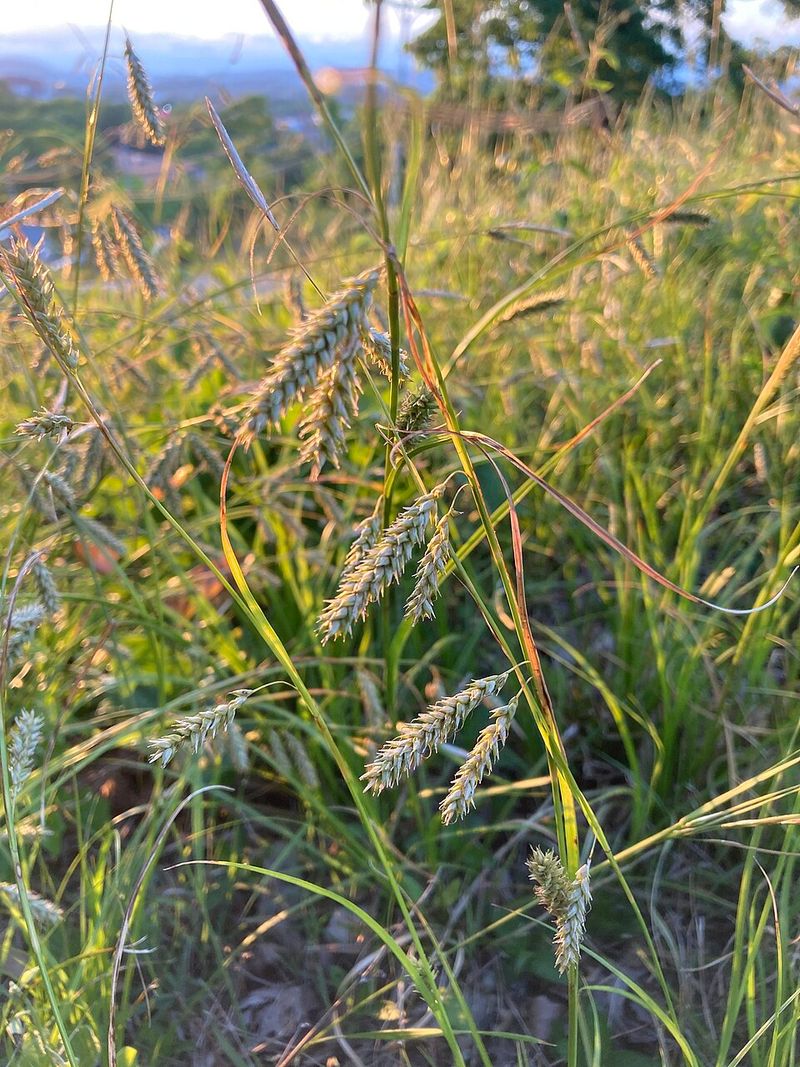
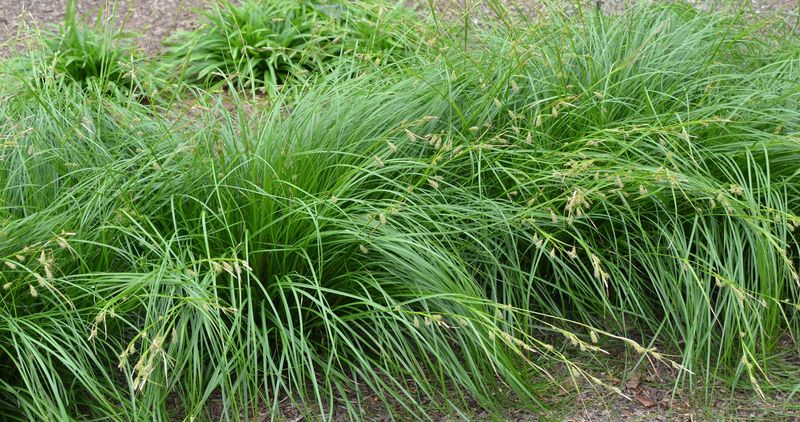
Cherokee sedge, known botanically as Carex cherokeensis, is a native sedge with a soft, arching, grass-like appearance that fits naturally into shaded oak understories.
Unlike traditional turfgrass, it does not need full sun to look lush. It grows in part shade to full shade, which makes it a strong candidate for spots beneath large oak canopies where grass always looks thin and tired.
The plant stays relatively low, typically around one to two feet tall, and spreads gradually to form a soft, flowing groundcover. It has a relaxed, natural texture that feels less rigid than a mowed lawn but more intentional than bare soil or mulch.
Replacing turf with Cherokee sedge in these spots does not mean turning the area into a sports field. It means accepting that those shaded, root-filled zones need a plant that fits the conditions, not one that fights them.
Cherokee sedge fills that role beautifully, offering native value, soft texture, and a groundcover that actually wants to grow where oaks live.
2. Stop Fighting Grass Where Roots Always Win
If you have reseeded or resodded the same shaded patch three times and still ended up with the same bare results, the problem is not your effort. It is the site itself.
Oak trees are powerful competitors. Their shallow feeder roots spread wide beneath the soil surface, pulling in water and nutrients before nearby grass plants ever get a chance.
Dense oak canopies block sunlight, and the thick leaf litter that falls throughout the year can smother struggling turf even further.
Reduced airflow beneath a tight canopy also creates humid conditions that can stress certain grass types. Dry pockets form near large surface roots where soil moisture drains away quickly.
These conditions stack up fast, and even the most carefully tended lawn patch can thin out season after season.
The honest truth is that this is not a lawn care failure. It is a plant placement problem.
Your Florida Garden Changes Every Week. Your Plan Should Too.
Gardening in Florida changes quickly throughout the season. Every Friday you’ll receive a simple weekly plan showing exactly what to plant, prune, fertilize, harvest, and protect so you never miss the right timing.
Turfgrass evolved for open, sunny conditions with consistent moisture and space. Oak understories offer none of those things reliably.
Recognizing that the site is working against your grass is the first step toward choosing something that will actually thrive there instead.
3. Replace Patchy Turf With A Softer Understory
Switching from a traditional lawn mindset to an understory garden mindset opens up a whole new way to look at the space beneath your oaks.
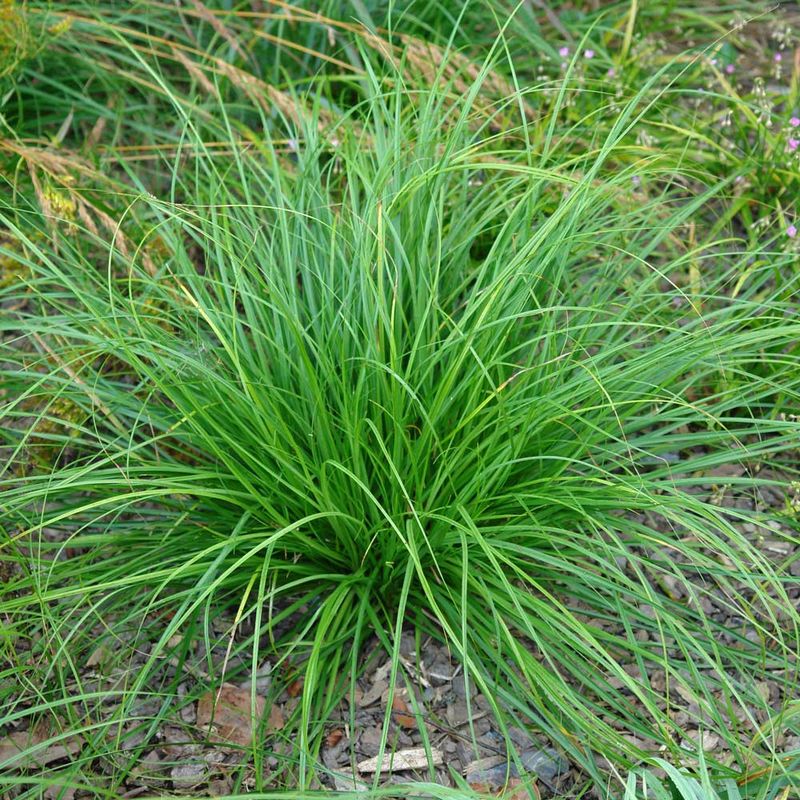
Instead of a flat, mowed surface, picture a soft, flowing groundcover that moves gently in a breeze and frames the base of the tree with texture and life.
Cherokee sedge works well as that groundcover layer. Its arching blades give a natural, grass-like look without requiring the maintenance of a turf lawn.
Pair it with native companions such as wild ginger, Florida native ferns, or beautyberry shrubs to build out a layered planting that feels cohesive and intentional.
Curved bed edges help define the planting area and signal to guests and family members that the space is a garden, not a walkway. Stepping stones or a simple mulch path allow access through the bed without trampling the sedge.
Defined borders also make mowing the surrounding lawn much easier. You can run the mower along a clean edge rather than trying to maneuver around exposed roots and patchy grass.
The result is a yard that looks more polished, not less, even though the design is rooted in nature.
4. Plant It Where The Lawn Keeps Thinning Out
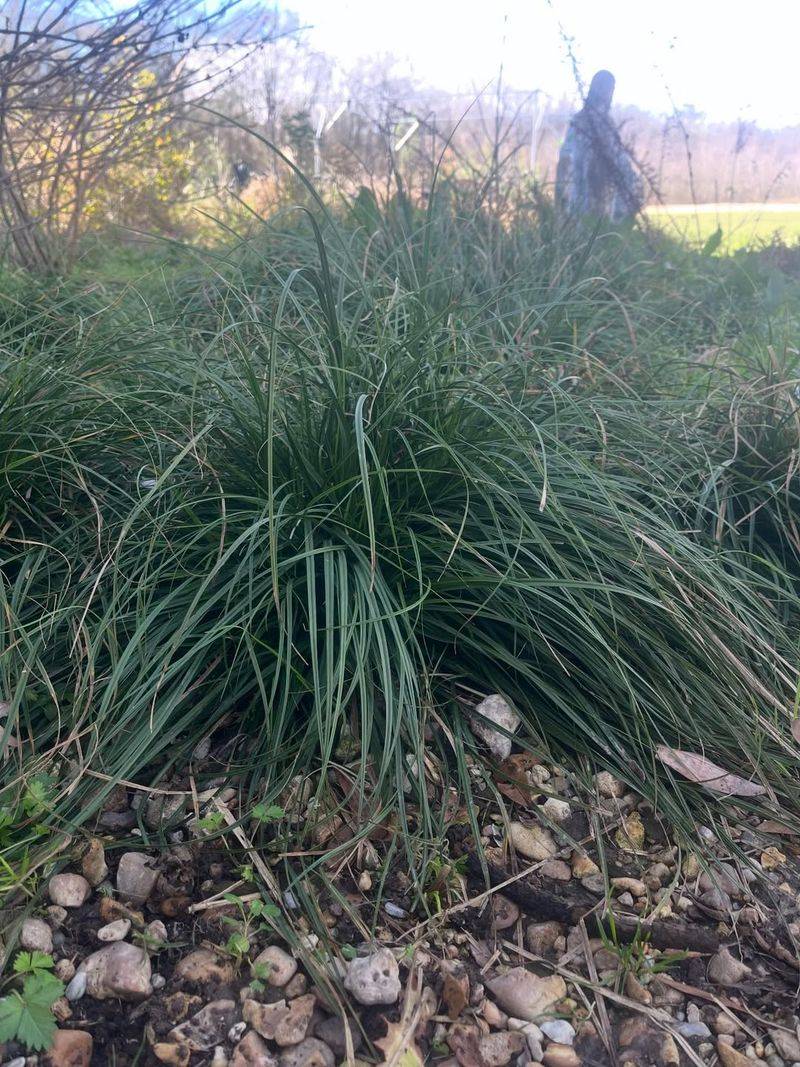
Not every shaded corner of a yard is the right spot for Cherokee sedge. The areas where turfgrass keeps thinning year after year are exactly where it tends to perform best.
Shaded or partly shaded spots under oak canopies, along the edges of planting beds, and in low-traffic zones are ideal starting points.
Soil conditions still matter. Cherokee sedge prefers moist, well-drained soil and does best where some moisture is available, especially while it is getting established.
Very dry, sandy soil right at the base of a large oak may need some light amendment before planting. Deep digging around major roots should always be avoided to protect tree health.
Starting with a small test area is a smart move before converting an entire shaded zone. Plant a section of a few square feet, observe how the sedge responds over one growing season, and expand from there if results look good.
Areas where pets run the same path daily, where foot traffic is constant, or where lawn equipment makes regular turns are not the best candidates. Choose spots that are naturally low-traffic and let the sedge fill in at its own pace without constant pressure from above.
5. Give New Plugs Time To Knit Together
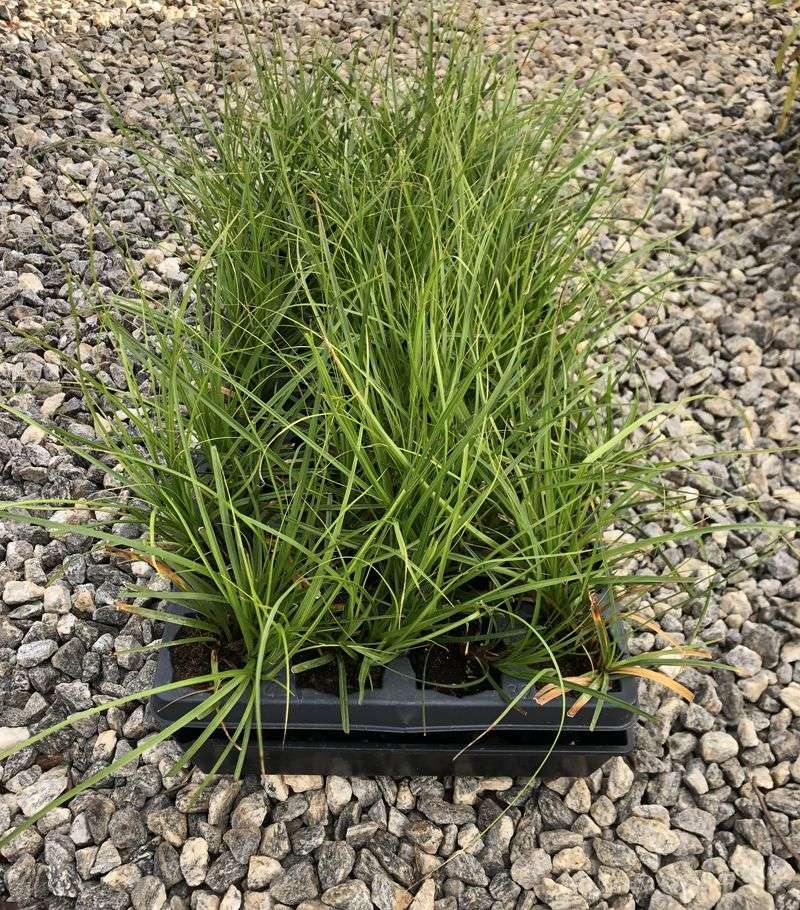
Patience is the most important tool when establishing Cherokee sedge. New plugs or small transplants need time to root in, spread, and begin filling the gaps between plants.
This does not happen overnight, and expecting instant turf-like coverage will lead to disappointment.
Plugs are typically spaced around six to twelve inches apart, depending on how quickly you want coverage and your budget for plants. Closer spacing means faster fill-in but higher upfront cost.
Either way, the sedge will knit together over time as long as it is given consistent moisture during the first season.
Watering regularly during establishment is key. The soil should stay evenly moist but never waterlogged.
Once the plants are well rooted, they become more tolerant of the dry spells that naturally occur beneath a large oak canopy.
A light layer of mulch between new plugs helps retain soil moisture, moderate soil temperature, and reduce weed pressure while the sedge fills in. Keep mulch a few inches away from the base of the oak trunk to protect the tree.
Weed by hand during establishment rather than using harsh treatments that could stress young plants or nearby tree roots.
6. Keep Heavy Foot Traffic Off The Shade Bed
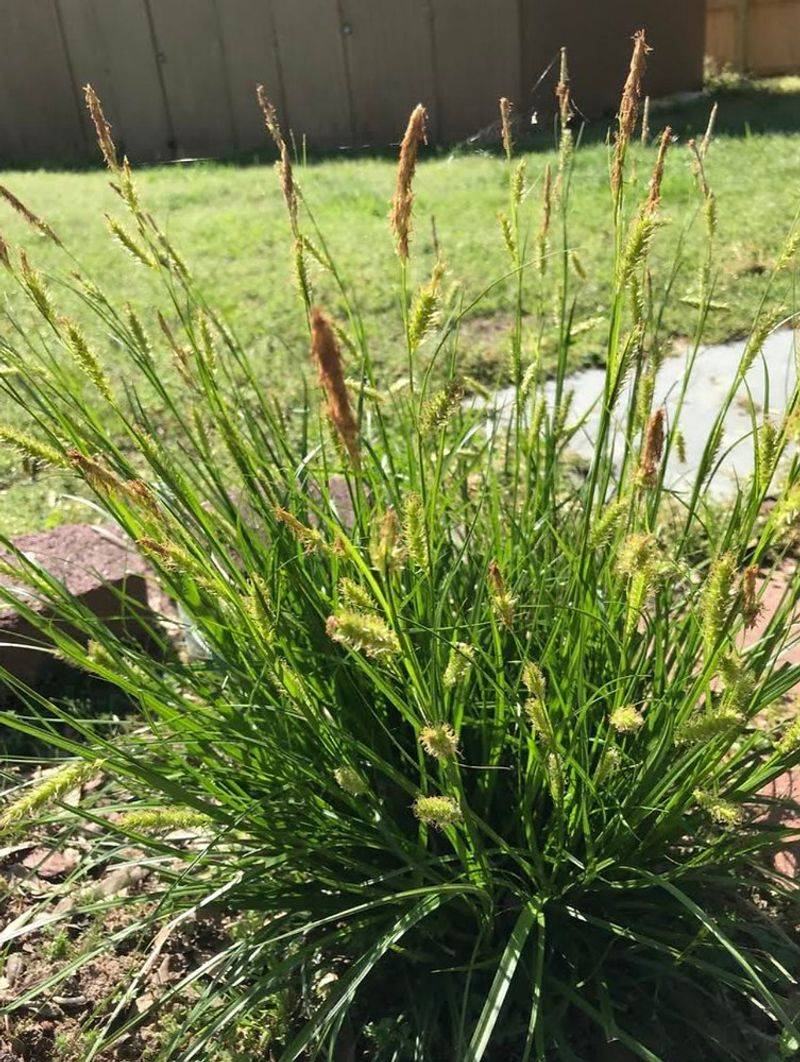
One of the most common mistakes with any sedge planting is treating it like a turfgrass lawn. Cherokee sedge is soft, attractive, and native, but it is not designed to handle the kind of repeated pressure that bermuda or zoysia can take.
Constant foot traffic, pets running the same route daily, and heavy equipment turning on the bed will wear it down quickly.
Setting clear boundaries helps protect the planting and keeps it looking its best. Stepping stones placed through the bed give people a natural path to follow without compacting the soil or flattening the sedge.
A simple mulch walkway on the edge of the bed can redirect traffic away from the plants.
For families with dogs or kids who use the backyard heavily, it is worth thinking carefully about where the sedge bed is placed. A shaded side yard with low foot traffic is a better fit than the main path from the back door to the yard.
The sedge bed can look lush, soft, and full while still needing a little protection from daily wear. Boundaries do not have to be rigid or formal.
Even a row of small stones or a simple border plant can signal that the area is a garden, not a shortcut.
7. Let Fallen Leaves Help The Soil
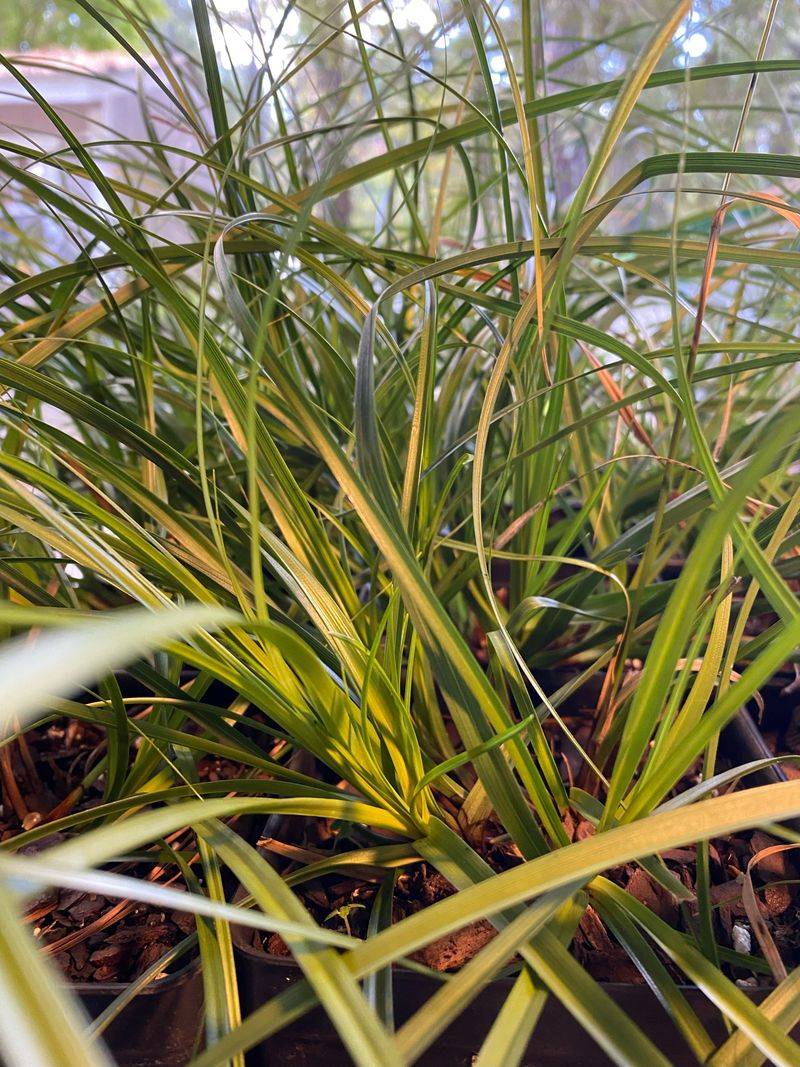
Oak leaves have a reputation for causing problems in the landscape, but under a sedge planting, a light natural layer can actually be a good thing.
Leaf litter breaks down slowly and contributes organic matter to the soil, which benefits both the sedge and the tree above it.
The key word is light. A thin, natural scatter of leaves allows air and light to still reach the sedge blades.
A thick, heavy mat of packed leaves is a different story. Dense leaf piles can block light, trap excessive moisture, and stress young plants by preventing airflow at the soil surface.
After a heavy leaf fall, a gentle pass with a rake or a leaf blower set to low power can remove the worst of the buildup without tearing out young sedge plants. Avoid aggressive raking that pulls up newly rooted plugs or disturbs the soil heavily around tree roots.
Never pile raked leaves against the base of the oak trunk. Deep mulch or leaf piles against bark can create moisture problems that harm the tree over time.
A light touch with seasonal cleanup keeps the sedge healthy, supports soil life, and respects the health of the oak at the same time.
8. Turn Bare Oak Shade Into A Living Carpet
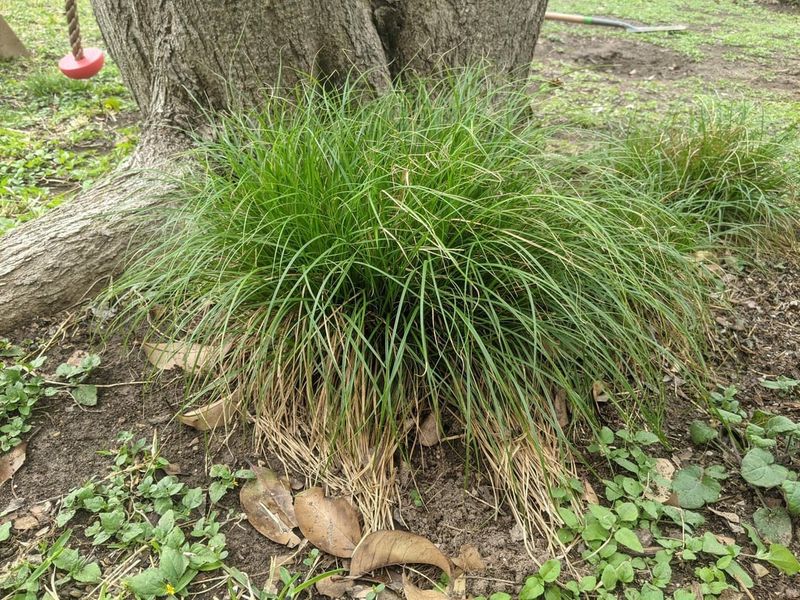
After years of fighting bare soil, patchy grass, and muddy spots under a big oak, the transformation feels genuinely satisfying. Cherokee sedge can finally fill in and create a soft, green living carpet.
The transformation is not instant, but it is real and it lasts.
Success depends on a few honest factors. Choosing the right site matters more than any product or shortcut.
Giving the plants time to establish without heavy traffic or neglect makes a real difference. Protecting oak roots by avoiding deep digging, heavy soil disturbance, or thick mulch piles keeps the whole system healthy.
Accepting a more natural look than a clipped turfgrass lawn is also part of the shift. Cherokee sedge moves and flows.
It has a wilder, softer quality that fits the shade garden setting rather than a manicured front lawn. That quality is actually part of its appeal for Florida homeowners who want their yard to feel more like a living ecosystem.
Working with oak shade instead of against it is the real takeaway. Cherokee sedge does not fight the tree.
It fits into the understory the way native plants are meant to, and the result is a yard that finally looks like it belongs to itself.