What It Really Means When Paper Wasps Keep Returning To Your North Carolina Garden Every Summer
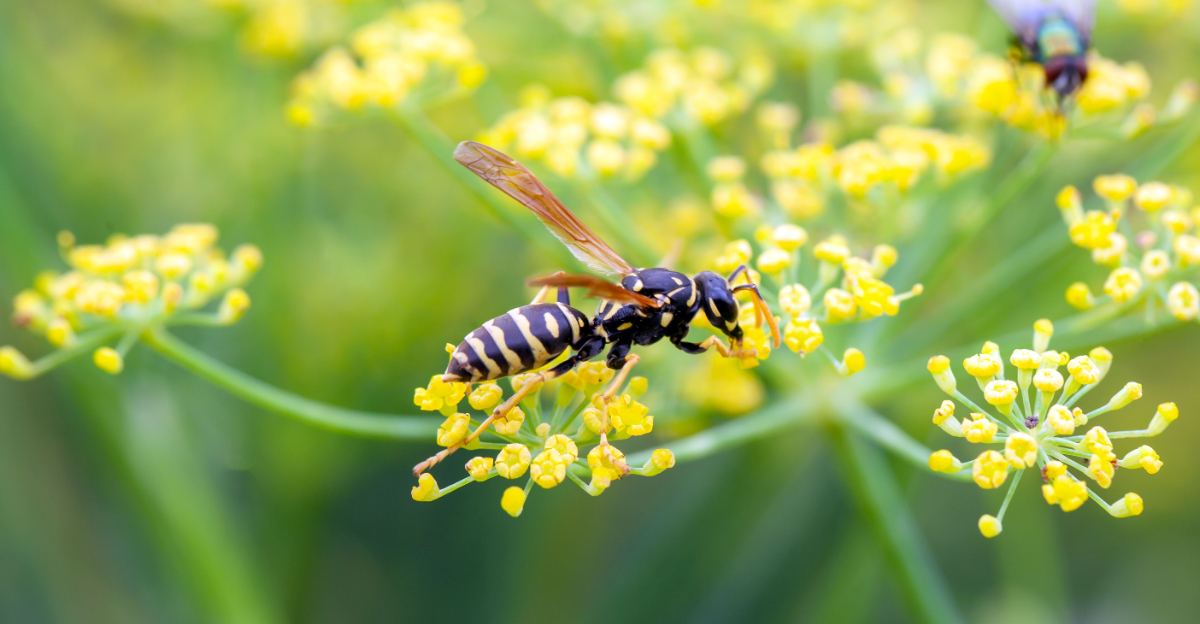
Paper wasps building in the same general area of a North Carolina garden season after season are not there by coincidence.
They are responding to something consistent and reliable that the garden is offering them, and that something almost always comes down to one of two things: nesting site quality or food availability.
North Carolina summers support large and active paper wasp populations, but the yards they return to repeatedly share specific characteristics that make them worth coming back to.
Understanding what those characteristics are changes the entire approach to managing wasp presence from reactive and frustrating to informed and considerably more effective at producing lasting results.
1. Your Garden Has A Steady Caterpillar Supply
Picture a garden buzzing with life, full of vegetable beds, flowering borders, and shrubs loaded with activity. That kind of garden is basically a buffet sign for paper wasps.
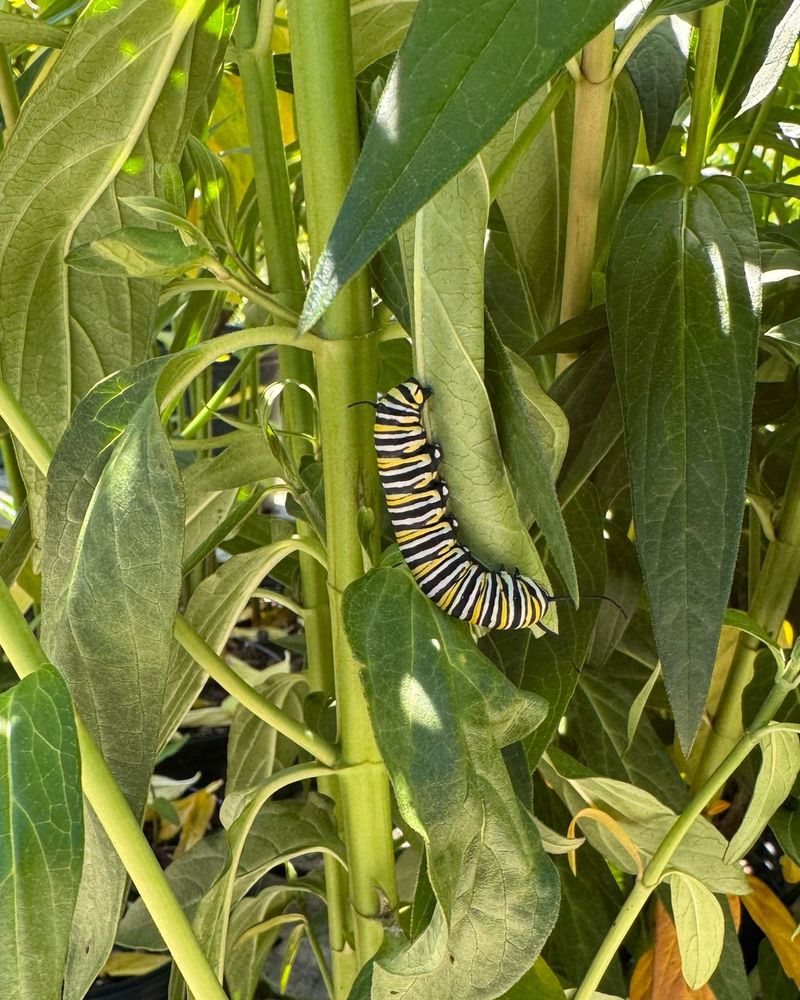
They are predators, and caterpillars are one of their favorite targets. Soft-bodied insects like hornworms, loopers, and small larvae are exactly what a paper wasp colony needs to feed its young.
Paper wasps do not eat the prey themselves. Instead, they chew it up and carry it back to the nest to feed the larvae inside.
So when your garden has a regular supply of caterpillars and soft insects, it becomes a reliable hunting ground that wasps will return to season after season.
North Carolina gardens are especially rich in insect life through the warm months. Tomato plants, pepper beds, and flower borders all attract the kinds of soft insects that paper wasps actively hunt.
A garden with healthy plant diversity often has more insect activity, which means more reason for wasps to keep visiting.
Gardeners who grow brassicas like cabbage, kale, or broccoli often see more wasp activity because cabbage worms and loopers love those plants.
Rather than viewing this as a problem, many experienced growers see it as a sign that their garden ecosystem is active and working.
If wasps are regularly circling your vegetable rows or flower beds, there is a good chance they are on the hunt. Your garden is not just growing food for you.
It is also growing food for them, and that cycle tends to repeat itself every single summer without fail.
2. Protected Nesting Spots Are Nearby
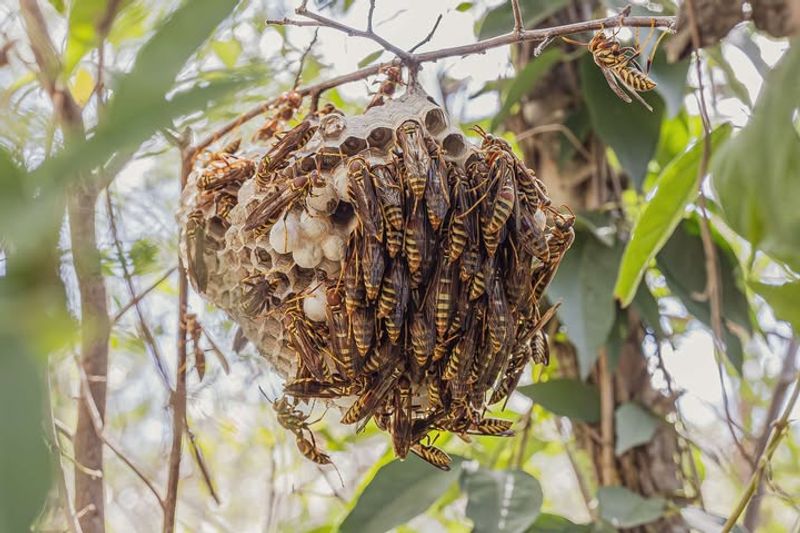
Every spring, a newly emerged paper wasp queen has one major goal: find a safe, sheltered spot to start her colony. She is not picky about the specific location, but she is very particular about the conditions.
Overhangs, eaves, porch ceilings, deck rails, window sills, sheds, and barns all check the right boxes for her needs.
Here is something that surprises many gardeners. Paper wasps do not actually reuse last year’s nest.
Once a season ends, the old paper nest breaks down and gets left behind. But a new queen will often scout the same type of location the following spring, especially if the spot offered good protection the year before.
That is why you might notice wasps appearing near the same corner of your porch or the same shed wall year after year, even though no nest was visible over winter.
Your North Carolina Garden Changes Every Week. Your Plan Should Too.
Gardening in North Carolina changes quickly throughout the season. Every Friday you’ll receive a simple weekly plan showing exactly what to plant, prune, fertilize, harvest, and protect so you never miss the right timing.
The structure of your property is essentially advertising itself as ideal real estate to every new queen looking for a home.
North Carolina’s humid summers mean queens look for spots with overhead cover that keeps nests dry and shaded. A covered porch facing a garden, or a barn overhang near a tree line, fits that description perfectly.
Once a queen finds a spot that works, she builds fast and the colony grows through the summer. Checking the usual spots on your property in early spring gives you a head start.
Small starter nests are much easier to manage than fully established colonies, and catching one early can save you a lot of surprises later in the season when garden activity picks up.
3. They Are Reading Your Yard As Safe Shelter
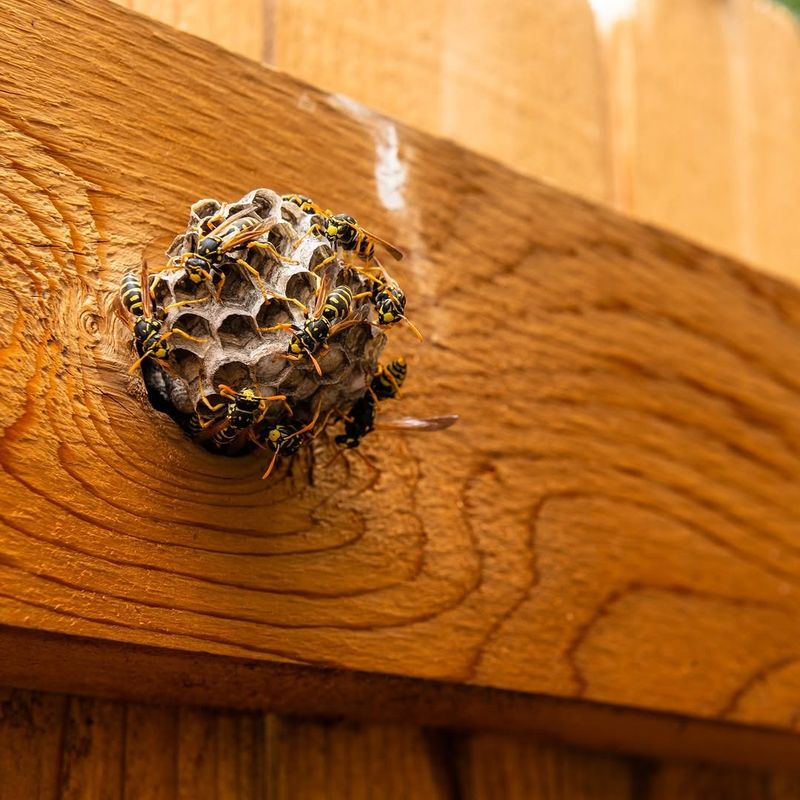
Not every yard gets chosen by paper wasps. They are selective in ways that most people never think about.
A yard with low foot traffic, overhead cover, nearby plants, and minimal disturbance sends a very specific message to a scouting queen: this place is safe.
Gardens with quiet corners, especially those tucked behind fences, under pergolas, or near dense shrubs, are particularly appealing. These spots offer the combination of shelter overhead and easy access to food nearby.
For a paper wasp queen starting a colony from scratch, that combination is hard to pass up.
Repeated summer appearances in the same general area of your yard usually mean that area consistently meets their shelter requirements. Even if you cannot spot a nest right away, the wasps are telling you something about your property layout.
Their presence is a clue, not a coincidence. One thing worth keeping in mind is that searching aggressively for a nest can put you in a risky spot.
Reaching into dense shrubs, checking inside hollow structures, or poking around roof overhangs without knowing what is there is not a great idea. Observing from a safe distance of several feet is always the smarter approach.
Watch which direction wasps are flying consistently. If they keep heading toward the same corner of a shed or disappearing under the same section of deck, you can narrow down the nest location without getting too close.
Understanding why your yard feels safe to them helps you make thoughtful decisions about which spots to monitor and which areas to give a little more attention each spring.
4. They May Be Helping With Pest Balance
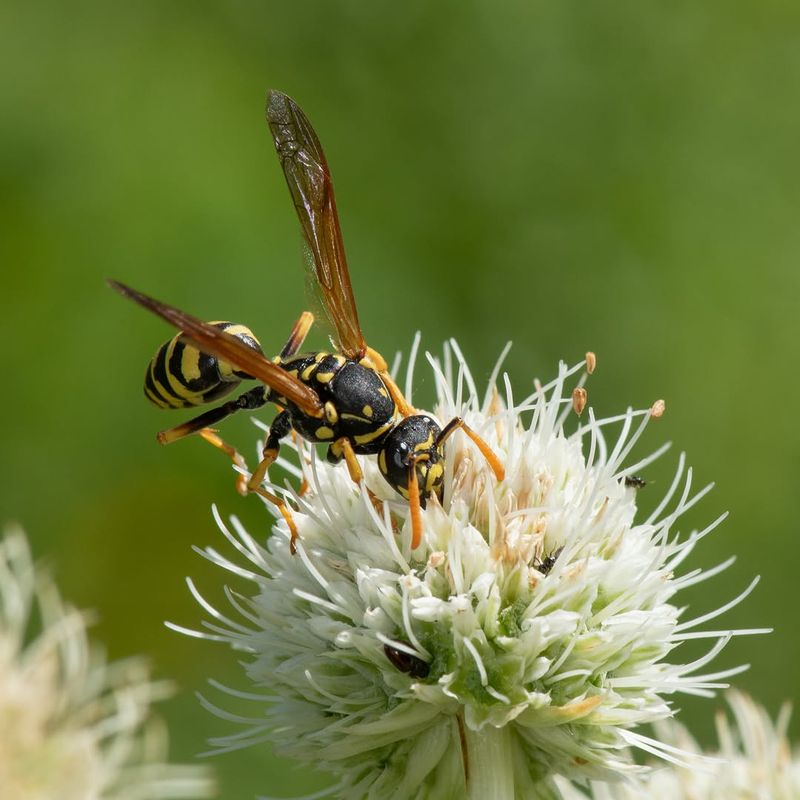
Seeing paper wasps every summer does not automatically mean trouble. For many North Carolina gardeners, these insects are actually playing a useful role in keeping the garden ecosystem balanced.
Because they actively hunt caterpillars and other soft-bodied insects, they function as a natural form of pest management that costs nothing and needs no maintenance.
Think of them as part of your garden’s food web. Caterpillars eat your plants.
Wasps hunt the caterpillars. That cycle, when it runs naturally, can reduce the pressure on your vegetables and flowers without any sprays or intervention from you.
Experienced gardeners often notice fewer hornworms and loopers in summers when wasp activity is higher around their beds.
That said, balance is key. A nest located near a frequently used walkway, a doorway, a seating area, or a spot where you regularly harvest vegetables does require some caution.
Paper wasps are not aggressive by nature, but they will defend their nest if they feel threatened, and that changes the situation considerably.
The goal is to evaluate the location, not the insect. A nest high under an eave on the far side of your property is very different from one directly above your garden gate.
One you can likely leave alone. The other needs attention before the colony grows through midsummer.
Many gardeners find that once they understand this pest-balancing role, they feel less alarmed by summer wasp activity and more curious about it.
Watching from a comfortable distance, you can actually observe them hunting, which is a fascinating glimpse into how your garden manages itself naturally through the warm months.
5. Flowers And Water May Keep Them Visiting
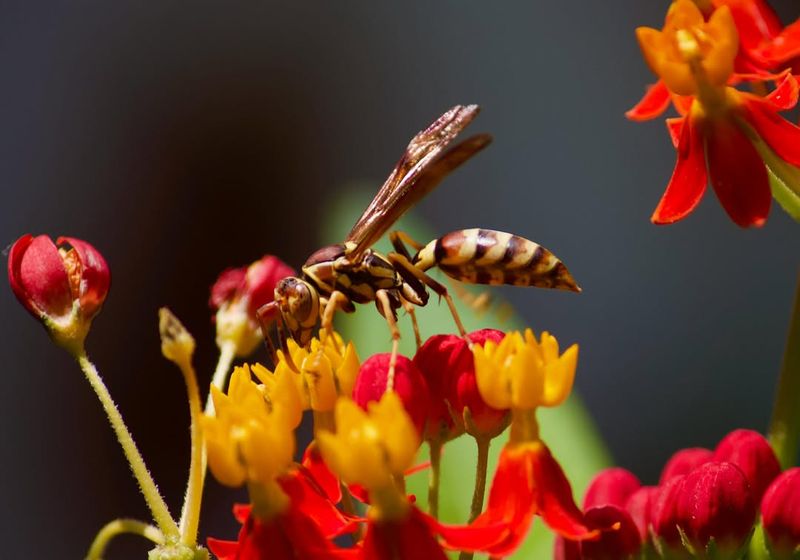
Most people assume paper wasps only come around when a nest is close by. But adult wasps also spend time foraging on their own, and your garden may be attracting them even when no active nest is anywhere nearby.
Flowers, moisture, and damp soil are all draws that bring adult paper wasps back to the same spots repeatedly.
Adult paper wasps feed on nectar and sweet plant juices. During North Carolina’s hot, humid summers, they actively seek out flower-rich garden beds, especially ones with open blooms that are easy to access.
Flat-topped flowers like Queen Anne’s lace, yarrow, and fennel are particularly popular. Gardens with a variety of blooming plants through summer essentially become regular stops on their foraging route.
Water is another big factor that many gardeners overlook. Birdbaths, irrigation drip points, damp mulch, and puddles near garden beds can all attract wasps looking to cool down or collect water for the nest.
If you notice wasps hovering near the same damp patch of soil or circling your birdbath on hot afternoons, water access is likely part of the reason they keep coming back.
Managing standing water thoughtfully, without removing every moisture source your garden needs, can reduce unnecessary wasp visits near high-traffic areas.
Relocating a birdbath slightly farther from your main seating or harvest area is a simple adjustment that can make a real difference.
Flowers, on the other hand, are worth keeping. They support pollinators too, and removing blooms to discourage wasp visits would cost you far more than it would gain.
Working with your garden’s natural rhythms is almost always the smarter path through the summer season.
6. Repeated Summer Activity Can Mean A Nest Is Active
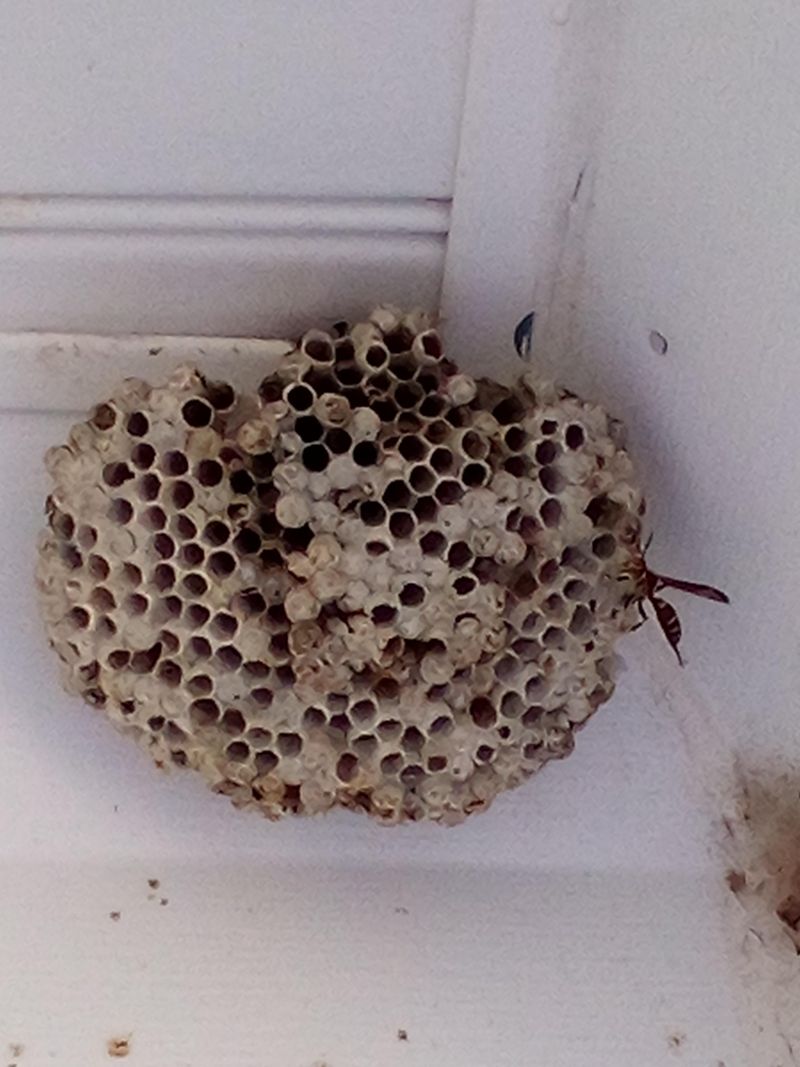
When you start noticing wasps moving in one consistent direction again and again, that pattern is worth paying attention to. Random foraging looks scattered.
Nest traffic looks purposeful. Wasps heading steadily toward the same spot under a deck, along a fence line, or beneath an overhang are almost certainly flying home, which means an active colony is somewhere along that flight path.
Spotting this kind of directional traffic is actually one of the most reliable ways to locate a nest without getting too close. Stand at a comfortable distance, at least several feet back, and just watch for a few minutes.
The consistent line of flight will usually point you toward the general area of the nest without any risky searching required.
Once you know where the nest is, the next step depends entirely on its location. A nest high under an eave away from regular activity is often best left alone through the season.
But a nest near a doorway, a garden path people use daily, a pet area, or a spot where children play is a different situation that deserves prompt attention.
Bumping, spraying water toward, or knocking a nest during active daytime hours when wasps are most alert is not a good approach.
Activity peaks mid-morning through late afternoon in North Carolina’s summer heat, so any management steps are best handled by a professional rather than attempted alone.
Calling a pest management professional is the safest route when a nest is in a risky location.
They have the right equipment and experience to handle it without putting anyone in harm’s way, and they can advise you on preventing future nesting in the same spot going forward.
7. Early Spring Checks Can Reduce Repeat Nesting
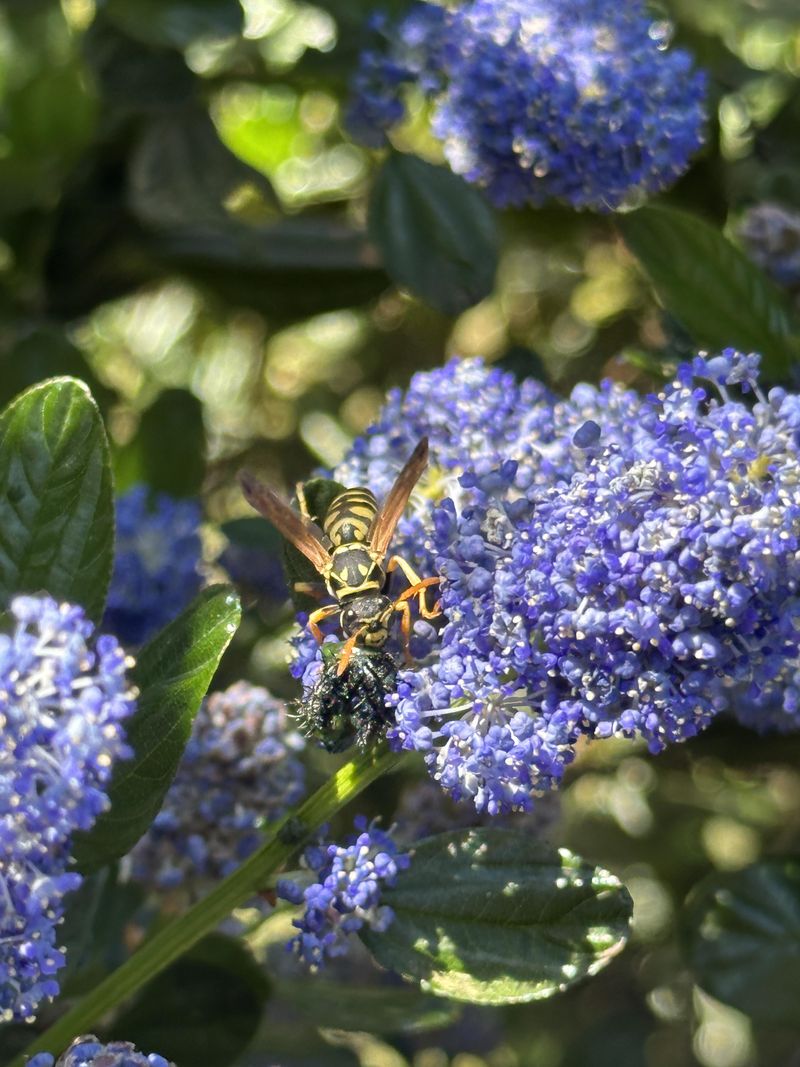
If paper wasps have shown up in the same inconvenient spots summer after summer, spring is your best window to change that pattern. Queens emerge in early spring and immediately begin looking for nesting sites.
At that stage, the nest is tiny, sometimes just a few cells with no workers yet, which makes it far easier to manage than a full summer colony.
Walking the perimeter of your home and garden in March or April, checking eaves, deck rails, shed overhangs, porch ceilings, and window frames, takes only a few minutes.
What you are looking for is a small papery structure, often no bigger than a golf ball in the early weeks, with a few hexagonal cells visible.
Catching it at that size gives you options that simply are not available once the colony grows.
Wearing gloves and long sleeves for this inspection is a smart habit. Even a small starter nest can have a queen present, and she will defend it if she feels cornered.
A calm, careful look from a reasonable distance is all you need to assess whether something is developing in a spot that will cause problems later.
Not every paper wasp nest needs to go. A nest tucked up high under a barn roof, or in a corner of the garden far from foot traffic, can often be left right where it is.
These locations pose minimal risk and the colony may actually benefit your garden through the summer by managing caterpillar populations in nearby beds.
The ones that need attention are those in high-traffic zones. Catching them early in spring, before they grow into thriving summer colonies, is the most practical and least stressful way to keep your North Carolina garden comfortable for everyone who uses it.