What Arizona Homeowners Should Know About Bark Splitting During Extreme Heat
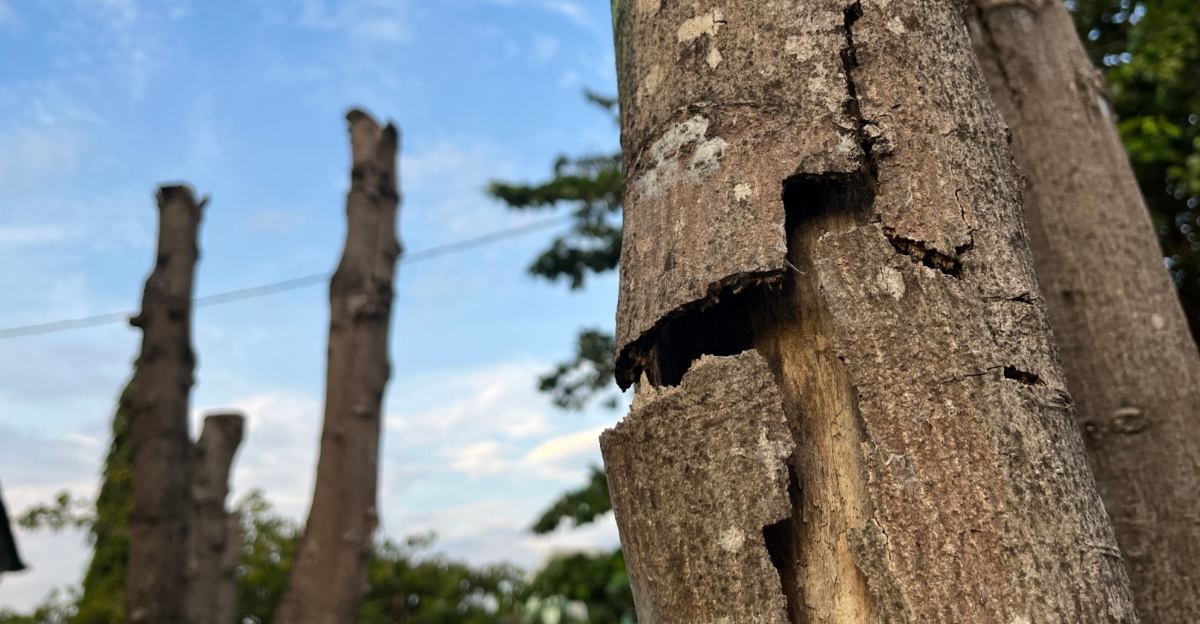
Walking out to your Arizona yard and spotting a crack running up the trunk of one of your trees is the kind of thing that stops you in your tracks. It looks serious.
It feels serious. And depending on what caused it, it might actually be serious, or it might be something far less alarming than it appears.
Bark splitting is one of those tree issues that shows up more often in Arizona than most homeowners expect, and for good reason.
Triple digit heat, intense reflected sun bouncing off gravel and pavement, drought stress, sudden trunk exposure, and inconsistent irrigation all create conditions where bark splitting becomes more likely in Arizona yards.
The results can range from something completely manageable to something genuinely worth paying closer attention to.
Knowing what you’re actually looking at makes a big difference in how you respond, and when to call in a professional.
1. Sunscald Can Damage Bark During Heat And Drought
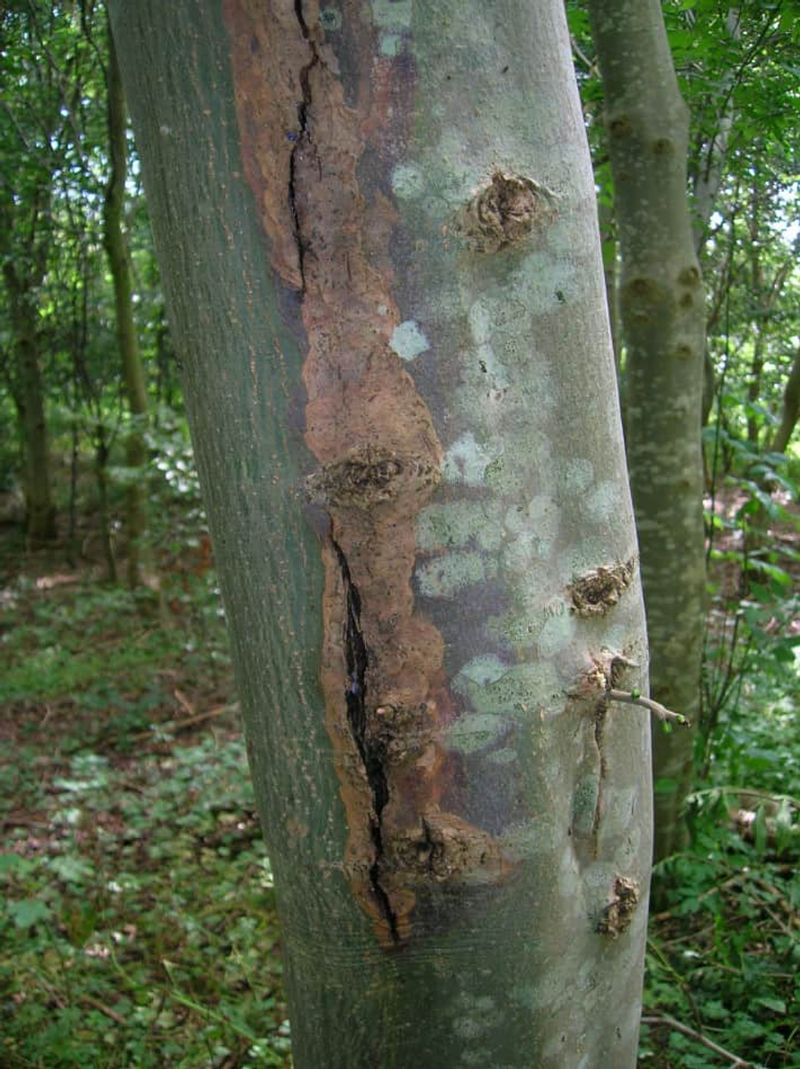
Walking past a tree on a scorching Arizona afternoon, you might notice the bark on one side looking darker, dried out, or starting to peel away from the wood beneath.
That kind of damage often points to sunscald, a condition where intense, direct sunlight heats the bark far beyond what it can handle.
In Arizona, where summer sun is relentless and temperatures can push past 110 degrees, sunscald is a real concern for residential trees.
Sunscald happens when the outer bark tissue gets overheated, causing the cells just beneath the surface to break down. The bark may then crack, shrink, or separate from the layer underneath.
This is especially common during drought periods when a tree is already under stress and has fewer resources to protect itself.
Homeowners may first notice discolored patches, a sunken area on the trunk, or bark that sounds hollow when tapped. Young trees with thin bark are particularly at risk in Arizona landscapes.
Keeping trees well-watered during heat waves and providing some shade for vulnerable trunks can reduce the likelihood of sunscald injury taking hold during the hottest months of the year.
2. Thin-Barked Trees Are More Vulnerable
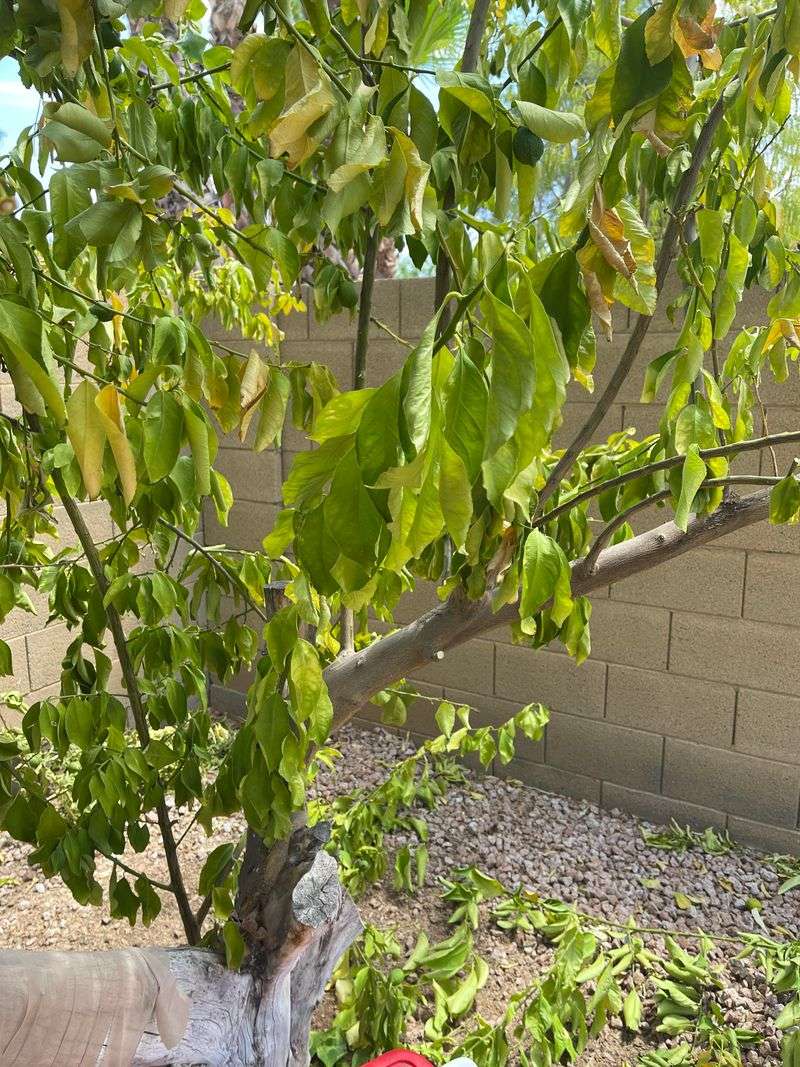
Some trees come naturally equipped with thick, rough bark that acts almost like a built-in shield against intense sun and temperature swings. Others are not so lucky.
Trees with thin, smooth bark have far less protection between their living tissue and the harsh Arizona environment, making them more prone to cracking when heat and drought stress combine.
Citrus trees, young shade trees, and many ornamental trees commonly planted in Arizona yards tend to fall into the thin-bark category.
Even some established desert-adapted trees can have relatively smooth bark on younger branches or recently exposed sections of trunk.
When those areas face direct afternoon sun without any canopy cover or shade from nearby structures, the risk of bark injury goes up.
Homeowners with young or newly planted trees should pay close attention during summer heat waves. A tree that looked fine in spring may start showing stress on its bark by July or August.
Your Arizona Garden Changes Every Week. Your Plan Should Too.
Gardening in Arizona changes quickly throughout the season. Every Friday you’ll receive a simple weekly plan showing exactly what to plant, prune, fertilize, harvest, and protect so you never miss the right timing.
Knowing which trees in your yard are naturally more vulnerable gives you a head start on watching for early signs of splitting or discoloration before the damage becomes more difficult to address.
3. South And West Sides Often Show The Most Damage
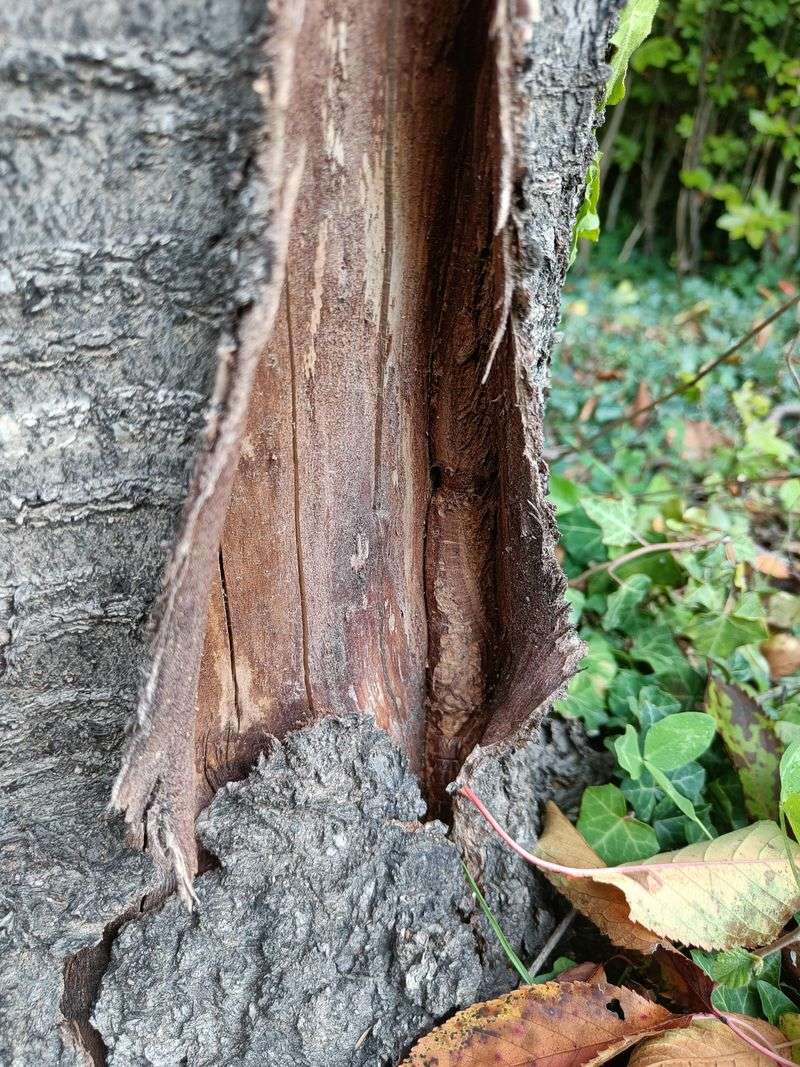
If you spot bark splitting on a tree in your Arizona yard, take a moment to notice which side the damage is on. More often than not, the south or west-facing side of the trunk is where the worst problems appear.
That is because those sides receive the longest and most intense sun exposure throughout the day, especially during the brutal afternoon hours in summer.
In many Arizona neighborhoods, west-facing yards or trees planted near driveways and block walls can absorb reflected heat from pavement, concrete, or light-colored gravel.
That reflected heat adds to the direct sun load the bark is already dealing with, pushing surface temperatures even higher.
A trunk sitting in that kind of environment for hours each day can experience stress that builds up over weeks.
Checking the south and west sides of your trees during a routine yard walkthrough is a smart habit during Arizona summers.
Early signs like slight discoloration, a dry or papery texture, or small cracks forming along the grain of the bark can be easier to manage when caught early.
Paying attention to tree placement relative to afternoon sun can also help you prioritize which trees may need extra care or protection.
4. Heavy Pruning Can Expose Bark To Harsh Sun
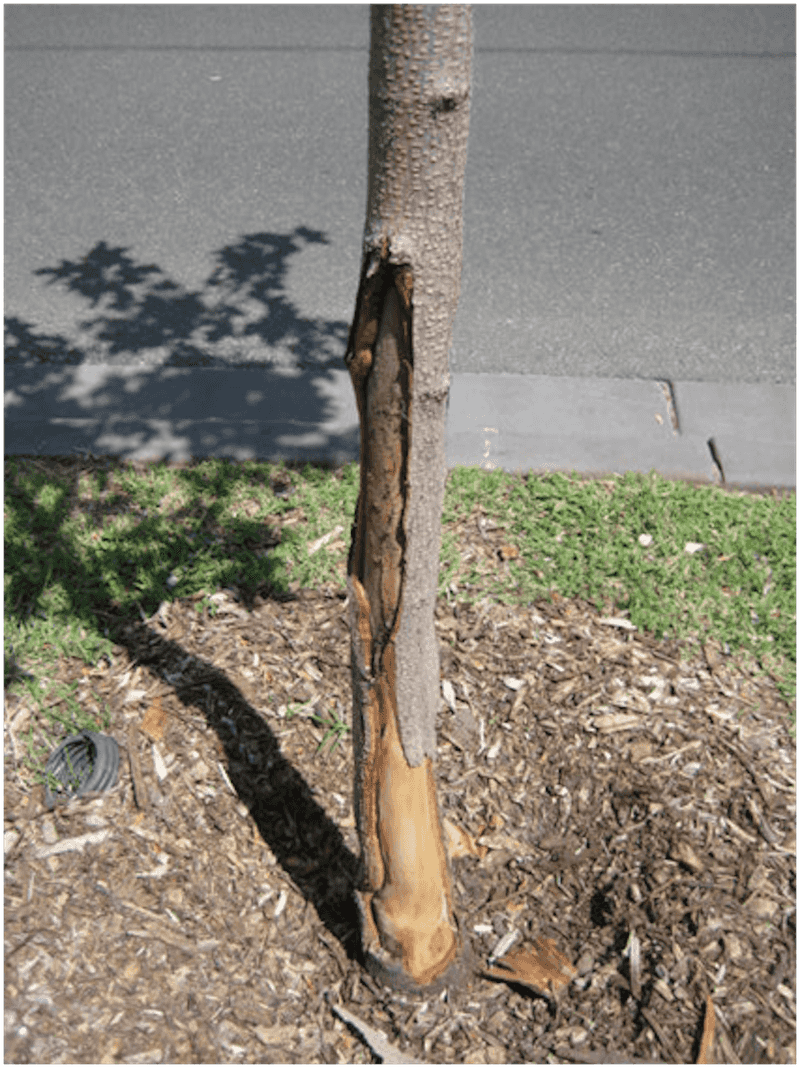
Pruning is a normal and necessary part of caring for trees, but removing too much of the canopy at once can leave a trunk suddenly exposed to Arizona’s intense sun.
Bark that was previously shaded by leaves and branches may not be prepared for direct, full-strength sunlight, and that abrupt change can lead to sunscald and cracking in a relatively short period of time.
Heavy pruning during or just before summer is one situation where homeowners sometimes see unexpected bark damage.
When a large portion of the canopy is removed, the shaded sections of the trunk lose their natural protection almost overnight.
In a state where summer sun is as powerful as it is in Arizona, that kind of sudden exposure can stress bark tissue that was never conditioned to handle it.
Many certified arborists recommend avoiding major pruning during the hottest months when possible, and suggest that pruning cuts be spread out over time rather than done all at once.
If significant pruning is necessary, paying attention to the exposed areas of the trunk afterward and providing temporary shade or protective wrapping may help reduce the risk of bark injury developing during the weeks that follow.
5. Poor Irrigation Can Make Bark Injury Worse
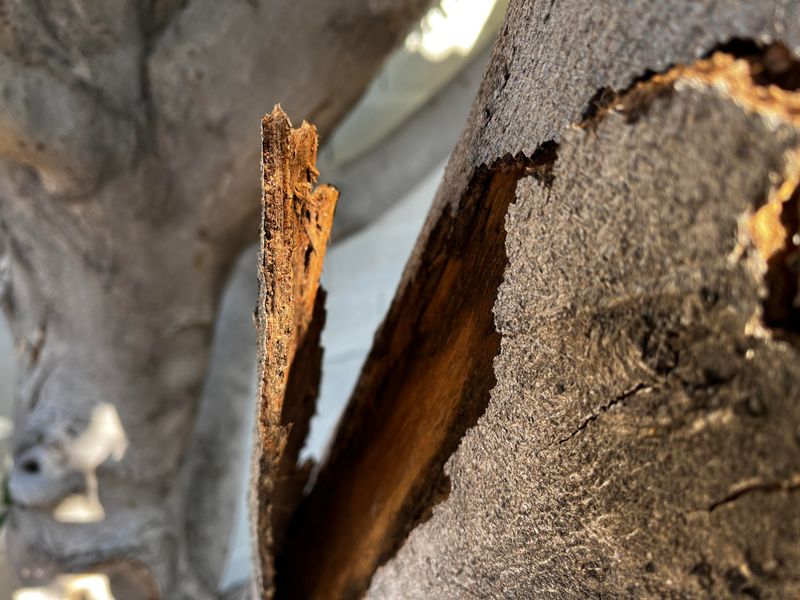
Water is one of the most important tools a tree has for managing heat stress, and when it does not get enough, the effects can show up in unexpected places, including the bark.
Dry soil reduces a tree’s ability to move moisture through its tissues, which can leave the bark more brittle and less capable of handling the expansion and contraction that comes with extreme temperature swings.
In Arizona, where summer heat arrives fast and drought conditions can persist for months, irrigation timing and volume matter a great deal.
Trees that are watered too infrequently, or only at the surface level without reaching deeper roots, may look fine on the outside while quietly struggling underneath.
Over time, that hidden stress can contribute to bark cracking, especially when a heat wave hits during an already dry stretch.
Homeowners should check whether their irrigation systems are reaching far enough out from the trunk to cover the tree’s root zone. Deep, infrequent watering tends to encourage roots to grow deeper and access more moisture during dry periods.
Adjusting your irrigation schedule during summer heat waves, rather than keeping it on a fixed year-round setting, can make a meaningful difference in how well your trees hold up through the hottest part of the Arizona year.
6. Mulch Can Help Reduce Reflected Heat And Moisture Loss
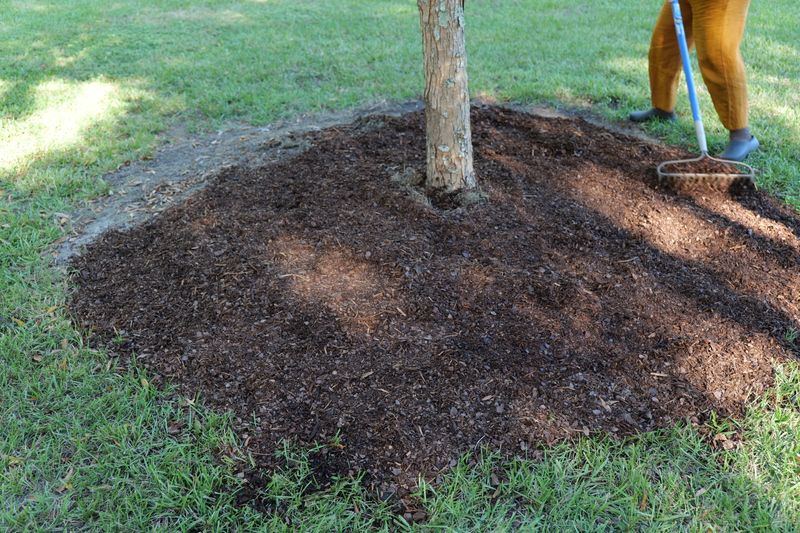
Gravel is one of the most common ground coverings in Arizona yards, and while it has its place in low-water landscaping, it can also reflect a significant amount of heat back up toward tree trunks and lower branches.
On a summer afternoon, gravel and bare soil surfaces can reach temperatures that add to the stress already being placed on nearby trees.
Organic mulch applied around the base of a tree works in a few helpful ways at once.
It keeps soil temperatures cooler by shading the ground, slows down moisture evaporation so roots stay hydrated longer between waterings, and gradually improves soil quality over time.
For trees showing signs of heat stress or bark vulnerability, a layer of wood chip mulch can be one of the simpler preventive steps a homeowner can take.
When applying mulch, keeping it a few inches away from direct contact with the trunk is generally a good practice, since mulch piled against bark can trap moisture in a way that creates a different set of problems.
Spreading it out in a wide ring rather than a narrow mound tends to be more effective.
In Arizona landscapes, even modest improvements in soil temperature and moisture retention can add up to noticeable benefits for tree health over a long, hot summer.
7. White Trunk Paint Or Light Wraps May Protect Exposed Bark
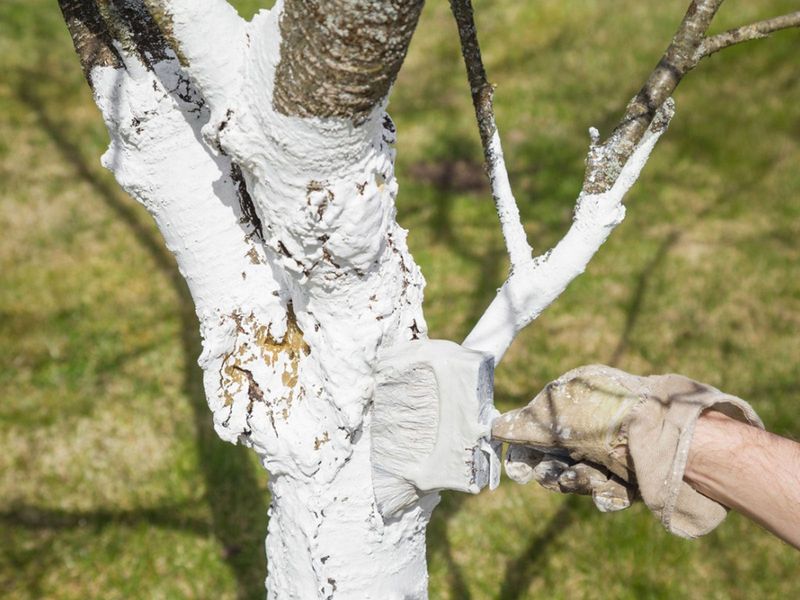
Protecting a vulnerable tree trunk does not always require a complicated solution.
For trees with thin bark or recently exposed trunks, applying a diluted white latex paint or a light-colored commercial tree wrap can help reflect some of the sun’s intensity and reduce the temperature buildup on the bark surface.
This is a practice that has been used in warm, sunny regions for many years.
White or light-colored trunk coatings work by bouncing sunlight away rather than absorbing it, which can help keep surface bark temperatures lower during the hottest parts of the day.
In Arizona, where reflected sun from pavement, block walls, and gravel can add to direct sun exposure, even a modest reduction in bark temperature may ease some of the stress on vulnerable trees.
Tree wraps made from paper or cloth can serve a similar purpose, though they require monitoring to make sure they do not stay on too long or trap moisture against the bark in ways that cause other issues.
Before applying any coating or wrap, it is worth checking with a local nursery professional or certified arborist to confirm the approach makes sense for the specific tree and situation in your yard.
Not every tree or every situation calls for the same solution.
8. Bark Splitting Can Create Entry Points For Other Problems
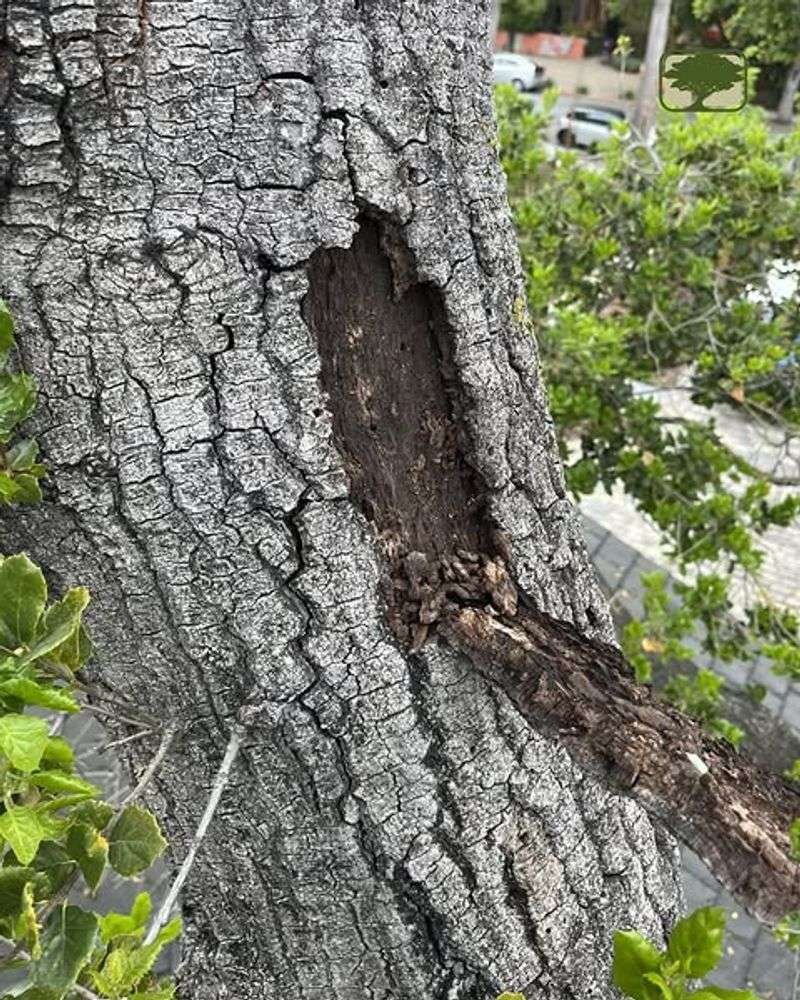
A crack in the bark is more than just a cosmetic concern. Once the outer protective layer of a tree is broken, the exposed inner wood becomes accessible to insects, fungi, and bacteria that would otherwise have a harder time getting in.
In Arizona’s warm climate, where certain wood-boring beetles and fungal pathogens are present year-round, an open bark wound can become a pathway for secondary problems.
Bark splits that go untreated and remain open through multiple seasons may gradually worsen, especially if the tree continues to experience drought stress or repeated heat exposure.
What begins as a surface crack can sometimes deepen or widen, allowing more organisms to establish themselves in the wood beneath.
Homeowners may notice sap oozing from a split, sawdust-like material near the base of the trunk, or unusual discoloration spreading from the damaged area.
Keeping a tree as healthy as possible through appropriate watering and soil care gives it a better chance of compartmentalizing a wound on its own, which is the natural process trees use to wall off damage.
Applying wound sealants to bark splits is generally not recommended by most tree-care professionals, as sealing the wound can sometimes interfere with the tree’s natural response.
Monitoring the area and consulting an arborist when things seem to be worsening is often the most sensible approach.
9. Not Every Bark Crack Comes From July Heat
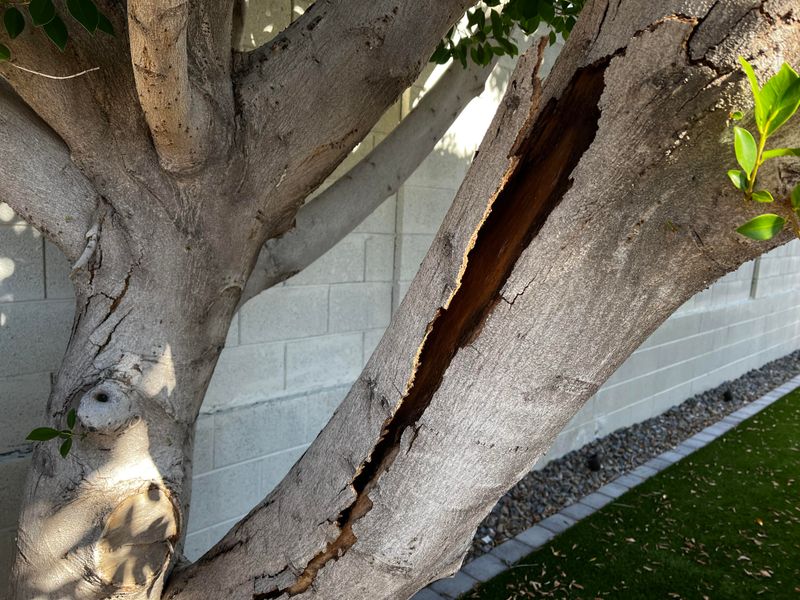
Spotting a crack in a tree trunk during an Arizona heat wave makes it easy to assume the summer sun is entirely to blame. But bark splits can have several different causes, and some of them have nothing to do with July temperatures.
Freeze injury from a winter cold snap, older wounds that never fully closed, pest activity beneath the bark, and certain fungal conditions can all produce cracks that look similar to heat-related splits.
Some bark cracking is also a completely normal part of how certain trees grow. As trees expand in diameter over the years, their outer bark naturally breaks and furrows.
This kind of cracking follows predictable patterns and tends to look different from splits caused by environmental stress or injury.
Learning to tell the difference between normal bark texture and signs of damage takes some observation, but it is a useful skill for any Arizona homeowner who cares for trees on their property.
If you are unsure what caused a particular crack, avoiding the urge to immediately treat it with sealants or coatings is usually wise.
Documenting the crack with a photo, noting which side of the tree it is on, and watching it over several weeks can give you and any professional you consult more useful information about what may be going on beneath the surface.
10. Severe Or Worsening Splits Should Be Evaluated
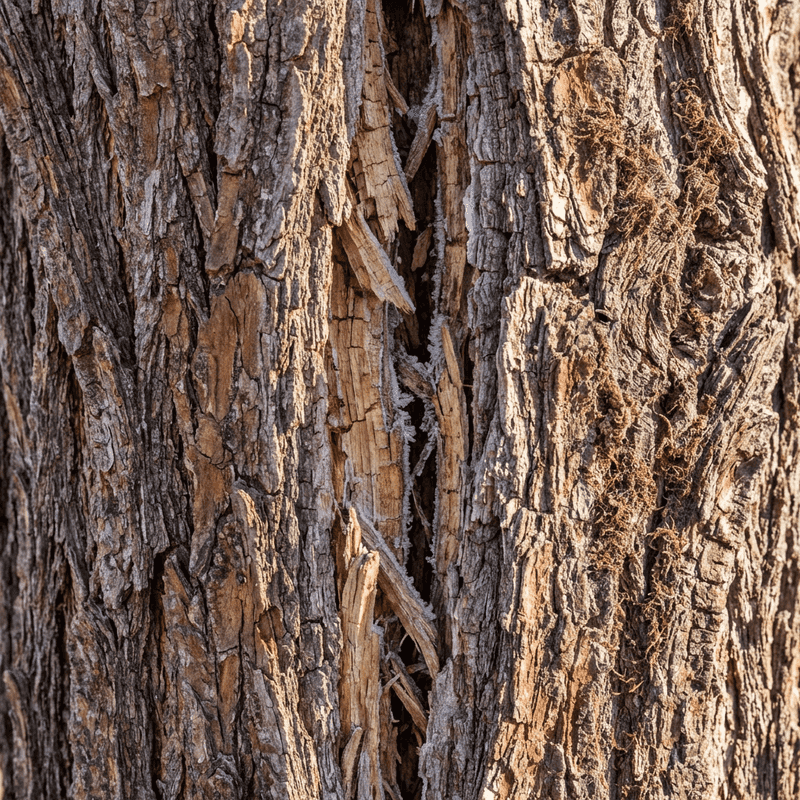
Many bark splits are minor and may stabilize on their own as conditions improve, especially if the tree is otherwise healthy and receiving appropriate care.
However, some splits are deep, wide, or positioned in ways that raise real concerns about the structural integrity of the tree.
Knowing when to call in a professional is one of the more important things an Arizona homeowner can do for both their trees and their property.
Signs that a split may warrant professional evaluation include cracks that run deep into the wood rather than just the outer bark layer, splits that appear to be growing longer or wider over time, or bark that is separating from the trunk in large sections.
Any splitting accompanied by wilting foliage, unusual sap flow, or signs of pest activity is also worth having a qualified tree professional take a look at sooner rather than later.
Trees near structures, patios, driveways, or areas where people spend time deserve extra attention when significant bark damage is present.
A certified arborist can assess the extent of the damage, identify whether secondary issues like pests or disease have taken hold, and recommend next steps based on the specific tree and situation.
In Arizona, where residential shade trees can take years to establish and provide meaningful cooling benefits, protecting that investment with professional guidance when something looks serious is well worth the effort.