4 Illinois Perennials To Divide In July, And 4 To Leave Alone
July has a reputation for lazy afternoons and blooming borders, but that reputation misses half the story. Underneath the heat, certain perennials are sending out clear signals that they are ready for a fresh start.
Illinois gardens hit a strange rhythm this month: the air turns thick, yet certain perennials are practically begging to be split apart. It sounds counterintuitive, but this sticky season rewards gardeners who know where to put their energy.
Some plants handle the heat and shovel treatment surprisingly well, settling into new spots before fall arrives. Others would rather be left undisturbed, using their reserves just to survive the humidity.
The trick lies in reading each plant’s signals instead of following a one-size-fits-all calendar. Below, we sort out which perennials are ready for division this month and which ones need nothing more than a watering can and some patience.
Divide Bearded Iris Now For A Better Show Next Year
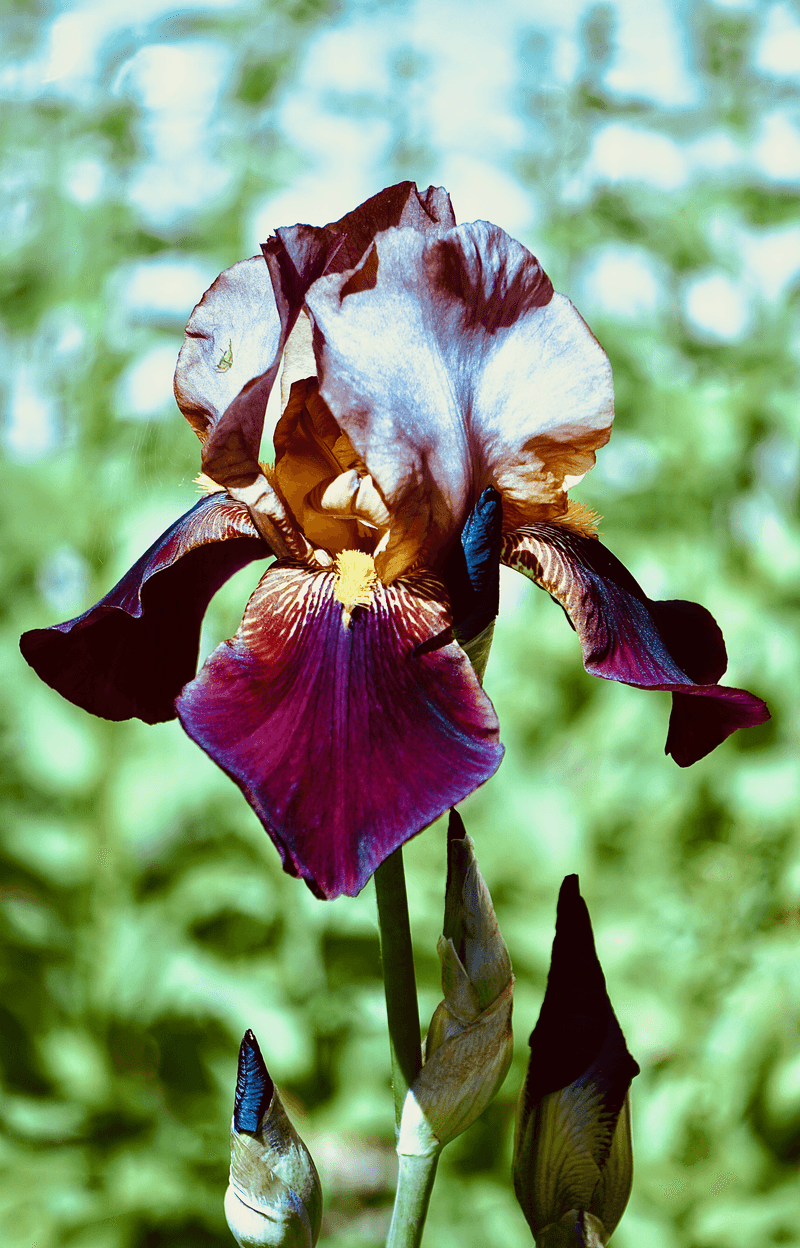
Bearded iris are practically begging to be divided by midsummer. If your clump has gotten crowded and the blooms have thinned out, July is exactly the right moment to act.
After flowering wraps up, the rhizomes enter a semi-dormant phase. This makes mid-to-late July the sweet spot for splitting them without causing major stress.
Dig up the whole clump and shake off the soil. You will see thick, fleshy rhizomes fanning out in several directions.
Use a sharp knife to cut healthy sections, each with a fan of leaves attached. Trim the foliage down to about four inches so the plant focuses energy on rooting rather than leaf growth.
Toss any soft, mushy, or hollow rhizomes. Those are signs of iris borer damage, which is common in the Midwest.
Replant the healthy divisions just below the soil surface, with the top of the rhizome slightly exposed to sunlight. Buried too deep, they can rot instead of root.
Space new divisions about twelve to eighteen inches apart. This gives them room to spread without competing for nutrients right away.
Water them in well after planting, then ease off. Bearded iris prefer dry conditions and can rot if kept too wet during establishment.
Dividing Illinois perennials like bearded iris every three to four years keeps blooms bold and plentiful. Skip this step and your bed may become crowded and thin on blooms by next spring.
Daylilies Are One Of The Easiest Summer Divisions
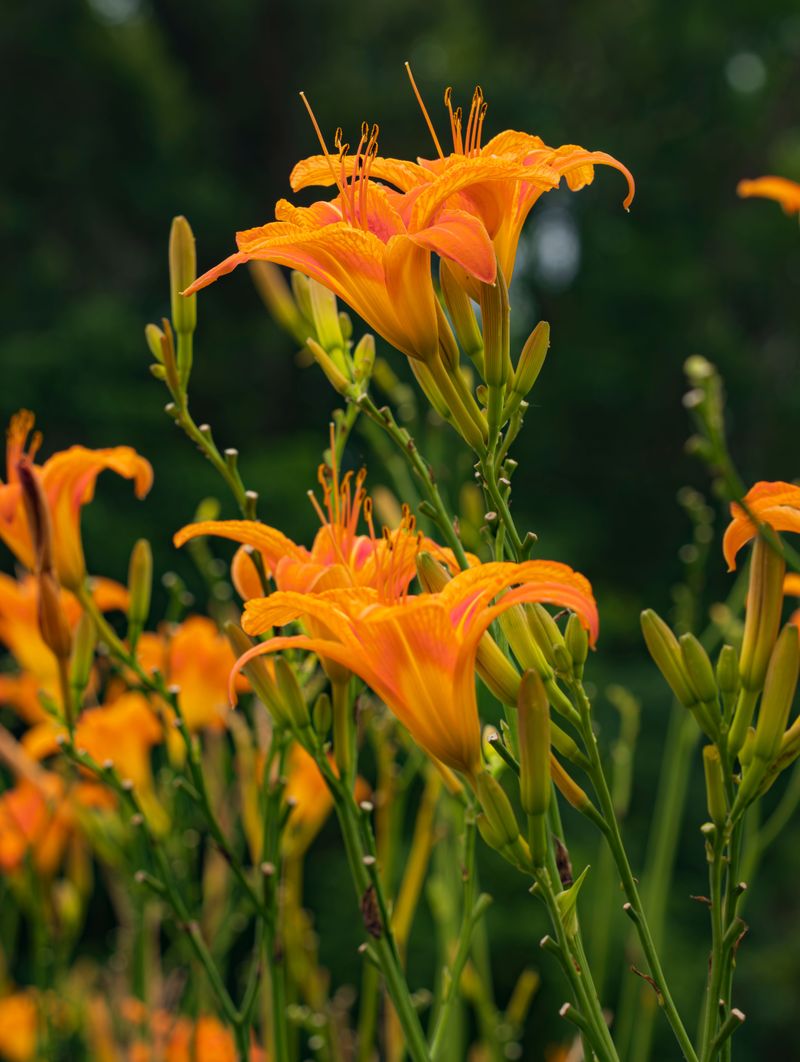
Daylilies are the golden retrievers of the perennial world, tough, friendly, and remarkably forgiving. Dividing them in July is almost foolproof, even for brand-new gardeners.
When a daylily clump gets overcrowded, the blooms get smaller and fewer. That is your signal to grab a shovel and get to work.
Dig around the clump about six inches from the outer edge. Lift the whole mass out of the ground and set it on a tarp or patch of grass.
Use two garden forks back-to-back to pry the clump apart into smaller sections. Each division should have at least three to five fans of foliage attached.
Your Illinois Garden Changes Every Week. Your Plan Should Too.
Gardening in Illinois changes quickly throughout the season. Every Friday you’ll receive a simple weekly plan showing exactly what to plant, prune, fertilize, harvest, and protect so you never miss the right timing.
If the clump is really dense, a sharp spade or even a bread knife can cut right through it. Do not worry about being too gentle here.
Trim the foliage back to about six inches before replanting. This reduces moisture loss while the roots get settled into their new home.
Replant divisions at the same depth they were growing before. Water thoroughly right after planting and keep the soil consistently moist for the first two weeks.
Daylilies bounce back fast. Most divided clumps will produce blooms again the following summer, sometimes even later the same season.
July Dividing Keeps Siberian Iris Blooming Strong
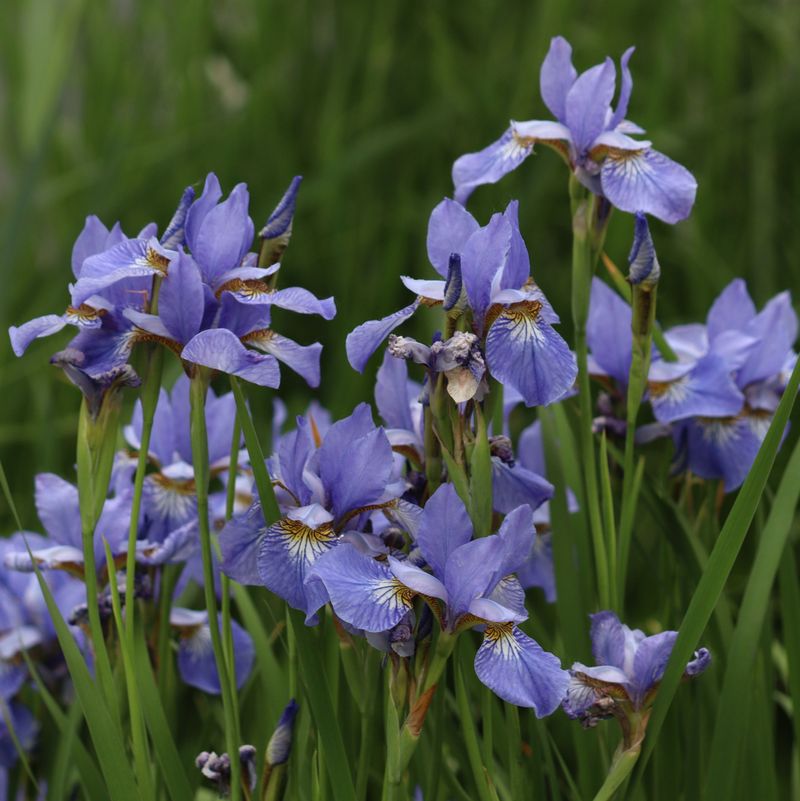
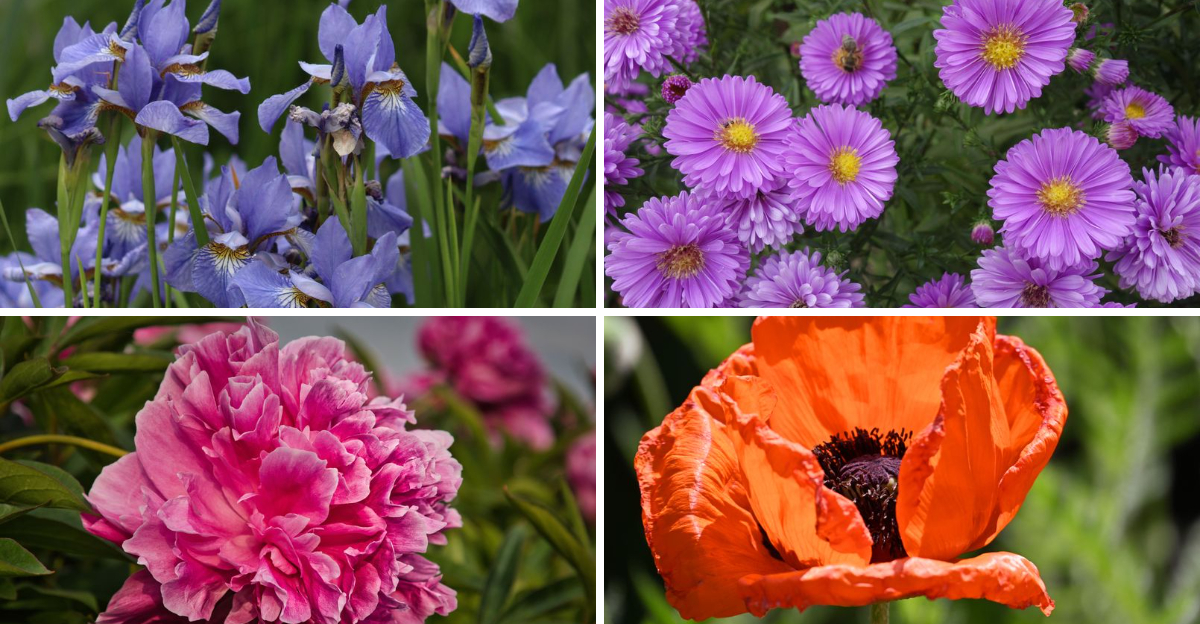
Siberian iris may look delicate with those slender, grass-like leaves, but these plants are reliable workhorses. They spread steadily and develop a hard, woody center that chokes out new blooms over time.
Once you notice fewer flowers and a bare zone in the middle of the clump, it is time to divide. July, right after blooming ends, is the ideal window for Siberian iris.
Dig out the entire clump using a sharp spade. The root mass will be dense and tough, so do not be surprised if it takes some muscle to free it from the ground.
Use two sturdy garden forks or a sharp knife to split the clump into sections. Discard the woody center and keep only the vigorous outer portions with healthy green growth.
Each division should be about the size of your fist or slightly larger. Smaller divisions take longer to establish but tend to fill in just as well over time.
Replant at the same depth as before and water generously. Siberian iris are more tolerant of wet conditions than their bearded cousins, so consistent moisture helps them settle in.
Add a light layer of compost around each division after planting. This feeds the roots and helps the soil retain moisture through the rest of the hot summer.
Divide Asters Now For A Fuller Fall Show
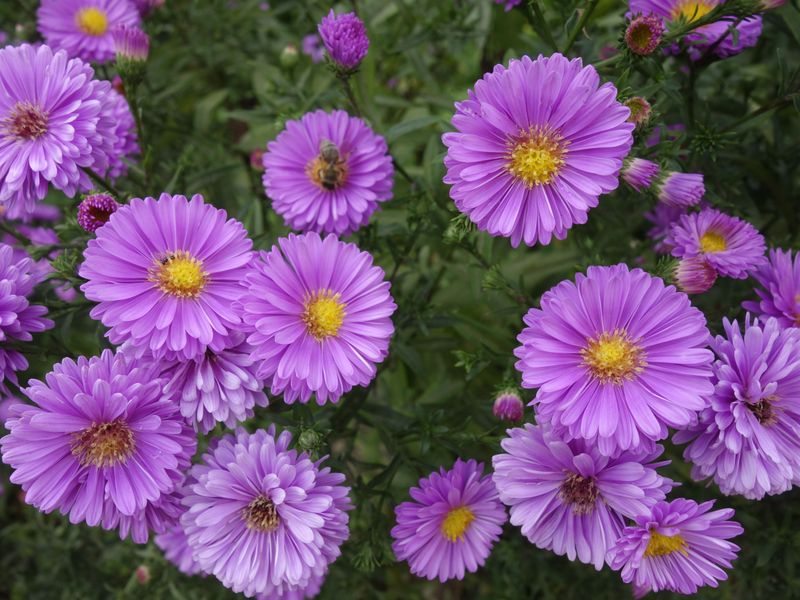
Fall-blooming asters are one of the most rewarding plants you can divide in early July. Splitting them now gives each new section time to establish strong roots before the big autumn bloom show begins.
Left undivided for too long, aster clumps develop that familiar bare center problem. The middle blooms less while the edges keep growing outward in a messy ring.
Early July is the sweet spot for division because the plants are actively growing but have not yet set their flower buds. Dividing later risks cutting off that fall bloom cycle.
Dig up the entire clump and break it into sections using your hands or a sharp spade. Each division should include healthy stems, foliage, and a good chunk of root system.
Aim for divisions that are about four to six inches across. Larger sections are more likely to bloom the same season, while smaller ones might wait until the following year.
Replant in a sunny spot with well-draining soil and water in well. Asters are sun-lovers and can get leggy and sparse in too much shade.
Pinching the new divisions back by about a third right after planting encourages bushier growth. More branches mean more flower buds come September and October.
Keep the soil evenly moist for the first few weeks while roots anchor in. After that, established asters are fairly drought-tolerant.
For Illinois perennials that double as fall showstoppers, asters divided in July offer a strong seasonal payoff. The extra effort in summer pays off with a fuller display come fall.
Oriental Poppies Are Sleeping Giants Best Left Alone In July
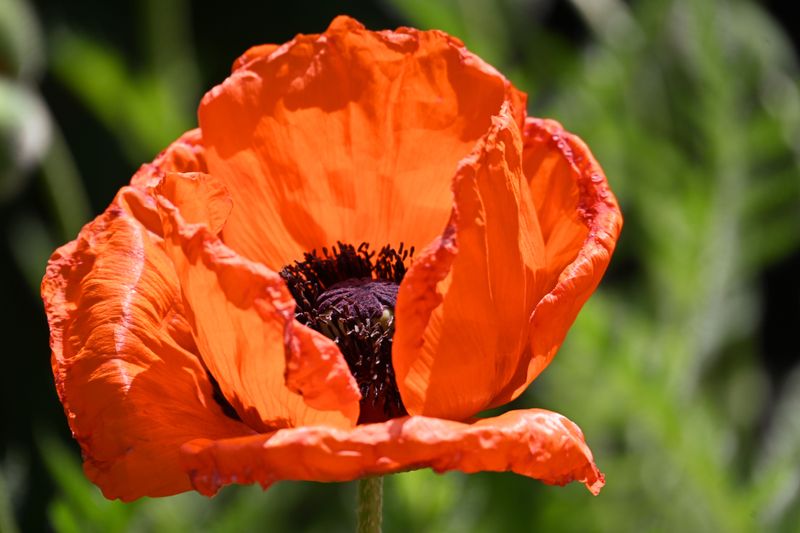
Oriental poppies are dramatic, fiery, and a little unpredictable in summer. By July, their foliage has gone yellow and collapsed, making them look like they are finished for good.
Do not be fooled by that dramatic disappearing act. The roots are very much alive underground, quietly resting through the heat.
Digging into them now would disrupt their natural dormancy cycle. The plant needs this quiet period to store energy for a spectacular spring return.
If you must divide Oriental poppies, late August into early September is the safer window. That is when new foliage starts to emerge and roots are slightly more stable.
Attempting a July split risks destroying the fleshy taproot system. Without a healthy root, the plant may struggle to recover in time for next season.
Another issue is that the bare spot they leave behind in summer can be confusing. Plant annual fillers like cosmos or zinnias nearby to cover the gap without disturbing the poppy roots below.
Mark the location of your poppy clumps with a small stake before they disappear entirely. It is surprisingly easy to accidentally dig into them later when planting something new.
Oriental poppies reward patience in a big way. Leave them alone through the heat, and they tend to burst back to life with those enormous, tissue-paper blooms come May.
When sorting Illinois perennials into divide-or-wait categories, Oriental poppies firmly belong in the leave-alone column this time of year. Patience now sets up a stronger bloom next spring.
Resist The Urge To Disturb Peonies In July
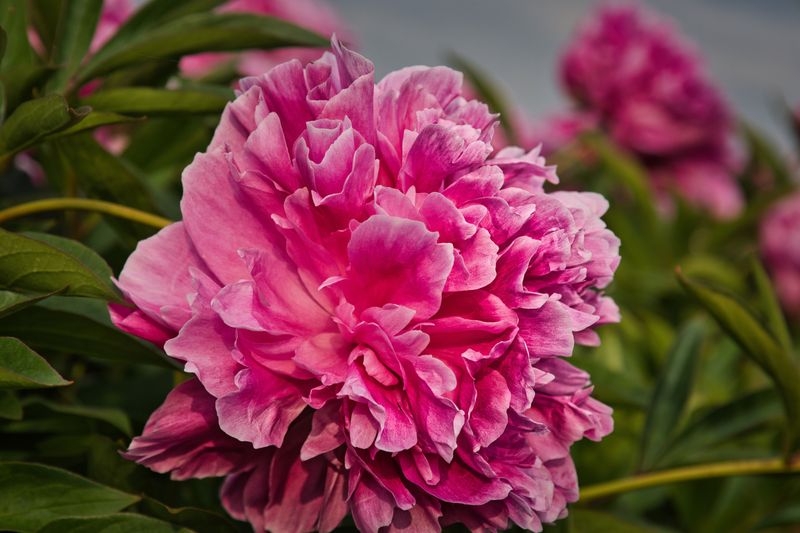
Peonies are the queens of the spring garden, and they have very strong opinions about being disturbed in summer. Moving or dividing them in July is one of the fastest ways to lose a plant you have spent years growing.
These perennials need their summer foliage to build energy reserves in the root system. Cutting into that process mid-season sets them back significantly.
The right time to divide peonies is early fall, typically late September into October in Illinois. At that point, the foliage is fading naturally and the plant is ready for a rest.
When you do divide in fall, make sure each section has at least three to five eyes, which are the small pink buds visible on the root. Fewer than three eyes and the plant may struggle to bloom for years.
Peonies also dislike being planted too deep. The eyes should sit no more than one to two inches below the soil surface after division and replanting.
In July, the best thing you can do for peonies is keep them healthy. Water during dry spells, remove any diseased foliage, and let them do their quiet, underground work.
Resist the urge to cut back the leaves early. That green canopy is feeding next year’s flowers with each sunny day it spends standing upright.
Let Astilbe Rest Instead Of Reaching For The Shovel
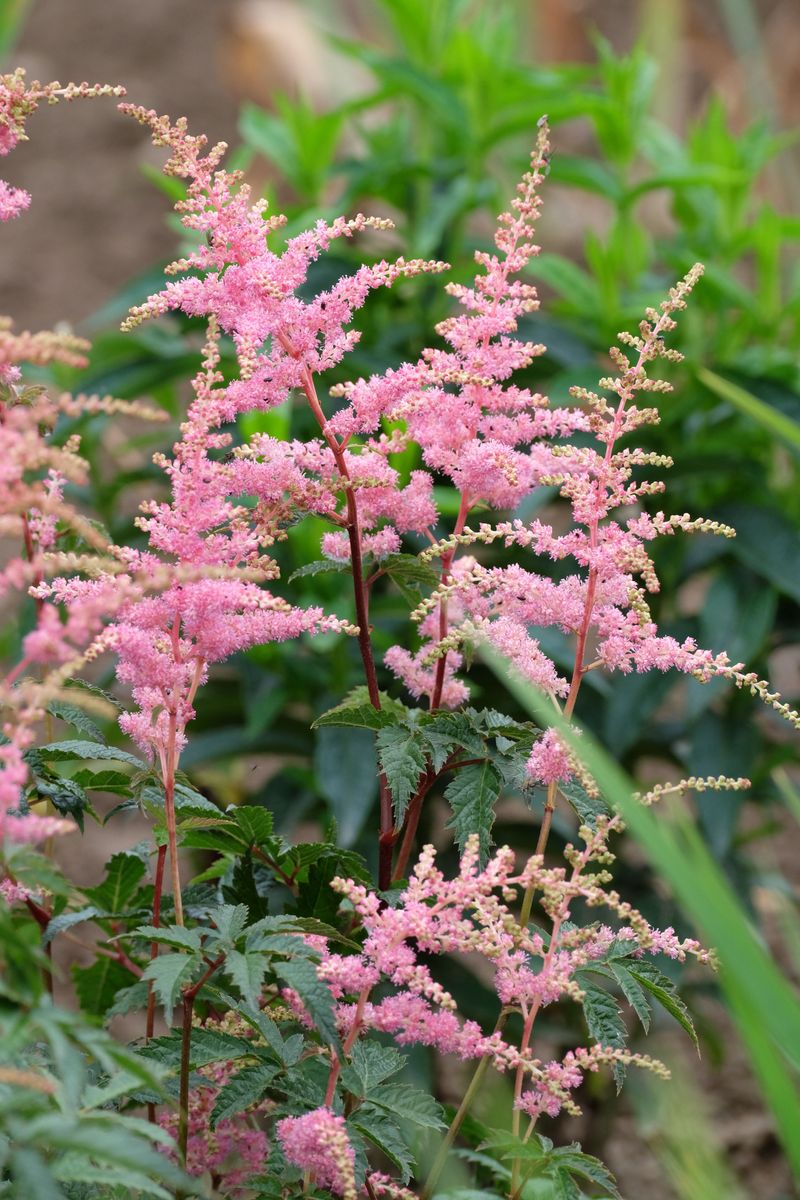
Astilbe is all feathery plumes and shade-garden elegance, but it has a low tolerance for summer disruption. July is prime blooming or just-post-bloom time for most varieties, which makes it the worst moment to dig in.
The root system is under stress from heat and active growth right now. Adding the trauma of division on top of that often results in wilted, struggling transplants that take a season or more to recover.
The best time to divide astilbe is early spring, just as the new red shoots emerge from the soil. That early window gives divisions an entire growing season to establish before winter.
Fall division, right after the foliage starts to fade, is the second-best option for astilbe in Illinois. Either timing is far kinder to the plant than a midsummer split.
In July, focus on keeping your astilbe comfortable instead. These plants are thirsty and prefer consistently moist, rich soil, especially during hot, dry stretches.
A thick layer of mulch around the base helps hold moisture and keeps the roots cooler. Two to three inches of shredded bark or compost works beautifully.
If the plumes have finished blooming, you can remove the spent flower stalks for a tidier look. Leave the foliage intact, though, as it continues feeding the roots.
Admire Hostas In July But Do Not Divide Them Yet
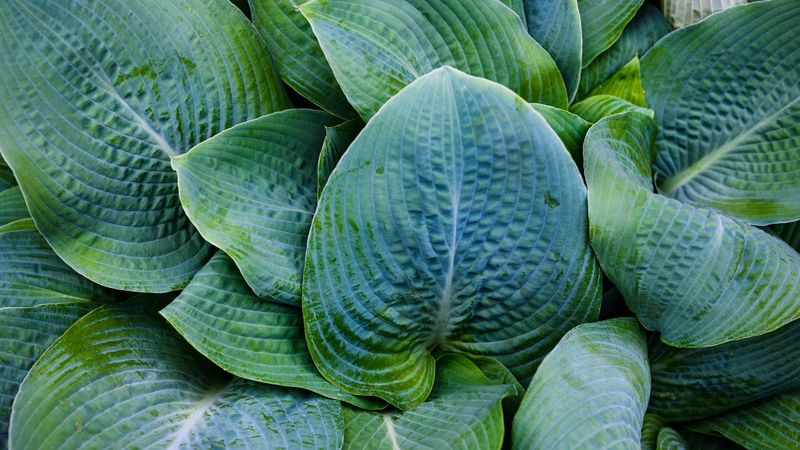
Hostas are among the top performers of the shade garden, and they put on their best show all through summer. July is when their foliage looks most dramatic, which makes it tempting to dig in and start splitting.
Resist that urge. Hostas divided in the heat of summer face serious transplant shock and may spend the rest of the season just trying to survive.
The ideal time to divide hostas is early spring, when the chunky purple shoots are just pushing up through the soil. At that stage, the plant responds to division with almost no setback.
Early fall, around late August into September in Illinois, is the second-best window. The temperatures are cooling down, which eases the stress on newly divided sections.
A July division might survive, but it is unlikely to thrive. You will spend weeks nursing it along when the plant would have divided far more easily with better timing.
For now, enjoy what hostas do best in summer: provide lush, weed-suppressing ground cover in spots where little else grows. Their layered leaves shade out weeds naturally.
If a hosta looks crowded or sad this month, add a fresh layer of compost around the base. That small boost can improve vigor without any digging at all.
Good timing matters a great deal when managing Illinois perennials, and hostas make that lesson crystal clear. Wait until fall or spring and your divisions are likely to reward you with strong, healthy growth from day one.