Oregon Gardeners Should Know These Runoff Rules Before Reworking The Yard
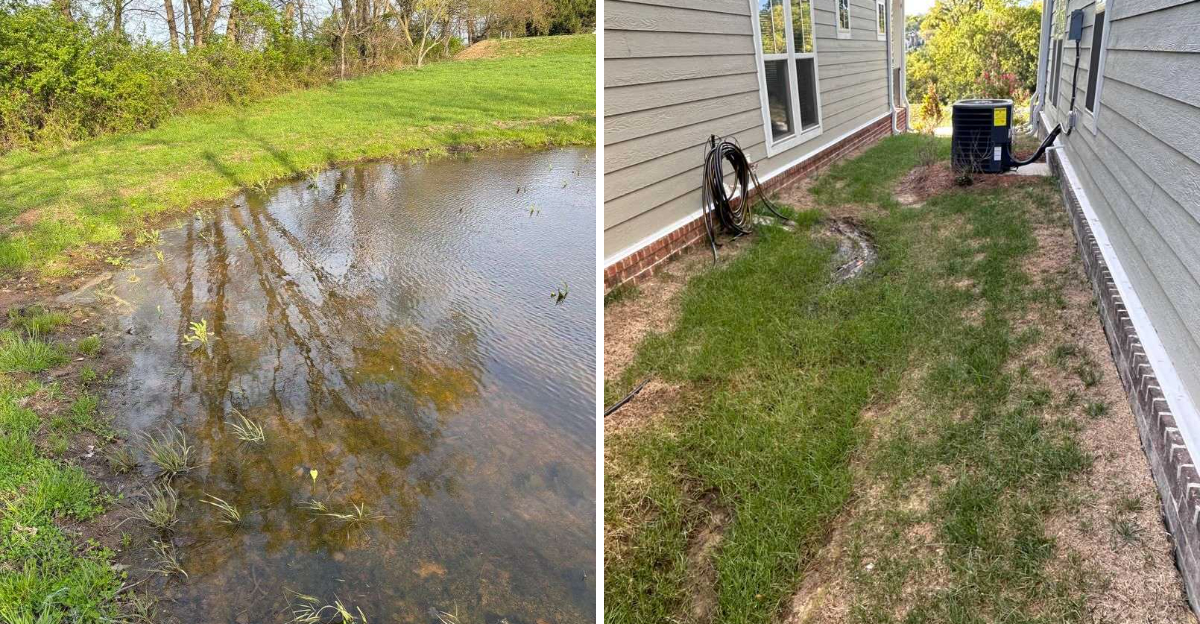
Oregon rain does not ask for permission before testing a backyard.
One November storm can find every low spot, every rushed slope, every downspout pointed the wrong direction.
Water follows gravity with zero concern for property lines, fence posts, patios, or the fresh soil you just paid to move.
That is where a simple yard project can turn sneaky.
A regrade may look clean on Sunday, then send runoff toward a neighbor by Friday. A new drain may seem clever until the first atmospheric river gives it more water than it can carry.
Even a small landscape change can redirect stormwater in ways that create expensive trouble fast.
So what should Oregon homeowners check before the shovel, rental machine, or French drain plan comes out? Start with flow.
Know where water enters, where it exits, and which local rules apply before you change the path. Oregon yards can handle wet seasons, but only when the design respects the rain.
1. Keep Natural Drainage Patterns Intact
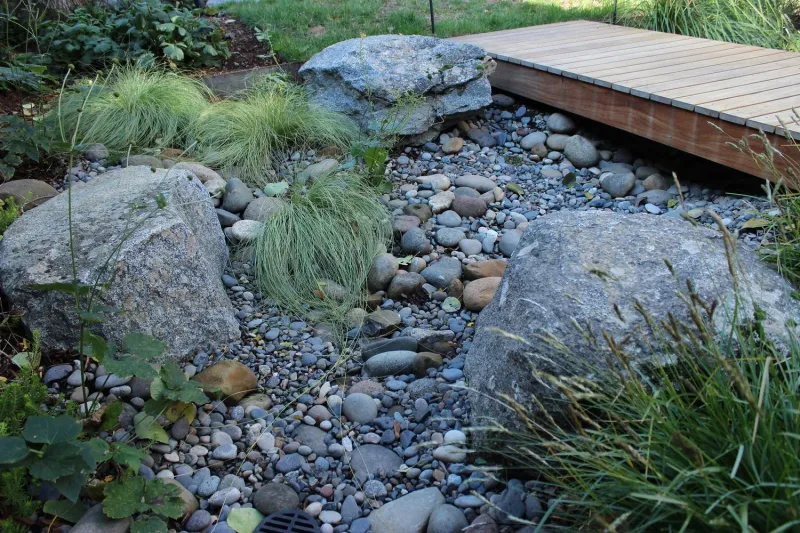
Your yard already has a plan for where water goes. It developed over years of rain, root growth, and soil settling, and it works whether you notice it or not.
Disrupting those natural patterns without a replacement strategy is one of the fastest ways to create soggy corners, eroded slopes, or flooded planting beds that were perfectly dry before.
Oregon’s terrain is full of gentle grades and subtle low spots that quietly move water toward streams, ditches, or street drains.
When you remove a berm, level a slope, or clear out a planted area that used to slow runoff, you change that quiet system. Water that once spread out and soaked in now moves faster and concentrates in places it never reached before.
OSU Extension recommends observing your yard during a real rainstorm before making any grading changes.
Watch where water pools, where it moves quickly, and where it disappears into the soil. That observation tells you more than any diagram.
Redirecting a natural swale or filling a low spot without accounting for where the water will go next is a common mistake.
The fix often costs far more than the original project. Respect what the land already does well, and build your improvements around it rather than against it.
Confirm with your local county planning office before altering natural drainage channels, since some areas have rules protecting those features.
2. Do Not Send Extra Water Next Door
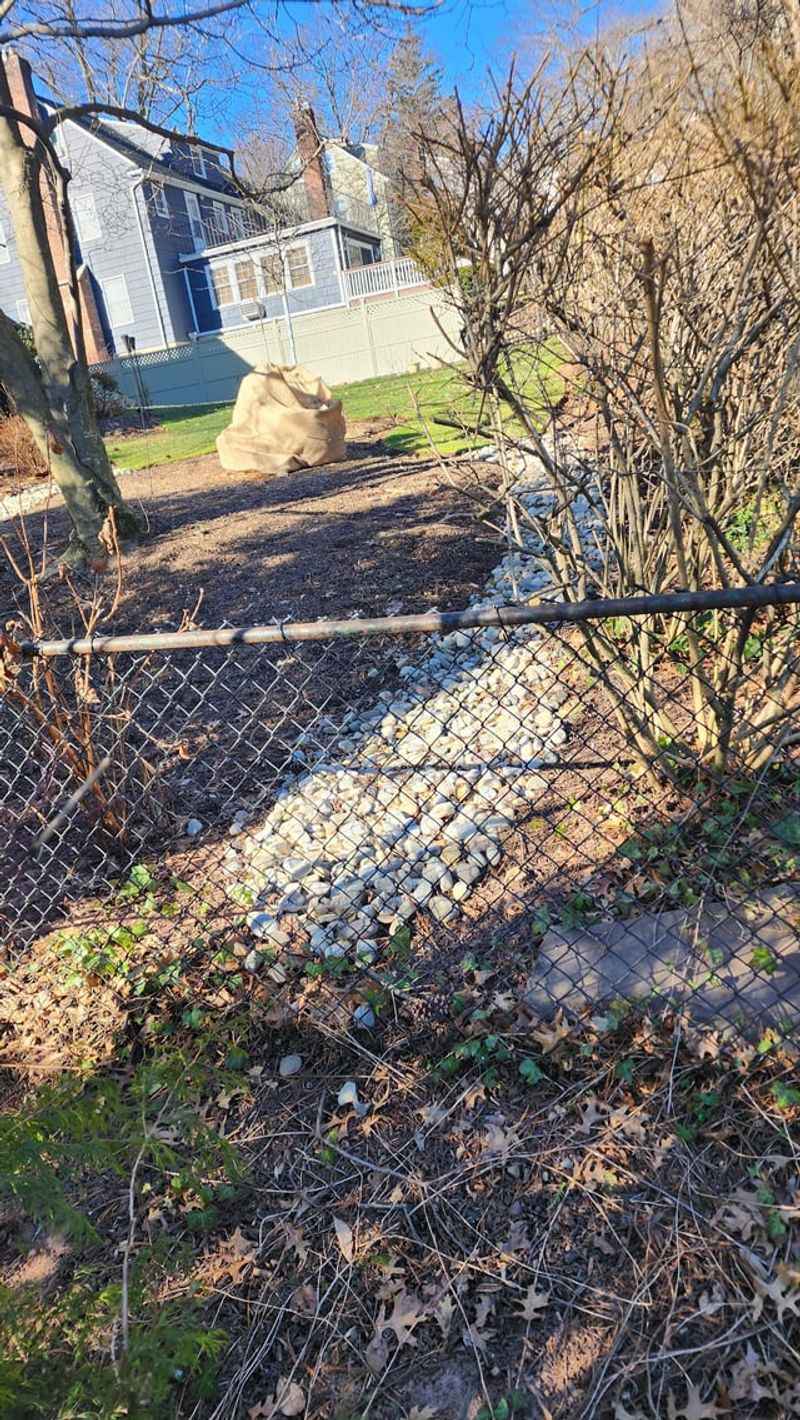
Your neighbor’s yard is not a drainage solution.
It sounds obvious, but plenty of yard reworks accidentally send extra water toward the property line without anyone realizing it until the complaints start rolling in.
A new patio, a retaining wall, or even a freshly laid lawn can all shift where water goes after a storm.
Oregon follows a general legal principle that property owners cannot increase the burden of surface water on neighboring land.
That means if your grading project pushes more runoff toward the fence line than was there before, you could be responsible for any damage that results.
Your Oregon Garden Changes Every Week. Your Plan Should Too.
Gardening in Oregon changes quickly throughout the season. Every Friday you’ll receive a simple weekly plan showing exactly what to plant, prune, fertilize, harvest, and protect so you never miss the right timing.
This is not legal advice, but it is a strong reason to think carefully before you reshape the land near your borders.
The fix is usually straightforward.
Grade your yard so water moves toward the street, a designated drain, or an absorption area on your own property. A shallow planted swale running parallel to the fence line can capture and slow water before it reaches the edge.
If your yard sits higher than your neighbor’s, pay extra attention to that slope.
A few inches of grade change can send gallons of water in the wrong direction during a heavy rain event.
Talk to your neighbor before starting any project near the shared boundary, and always check with your local municipality about rules on redirecting surface water flow between private properties.
3. Check Local Rules Before Grading
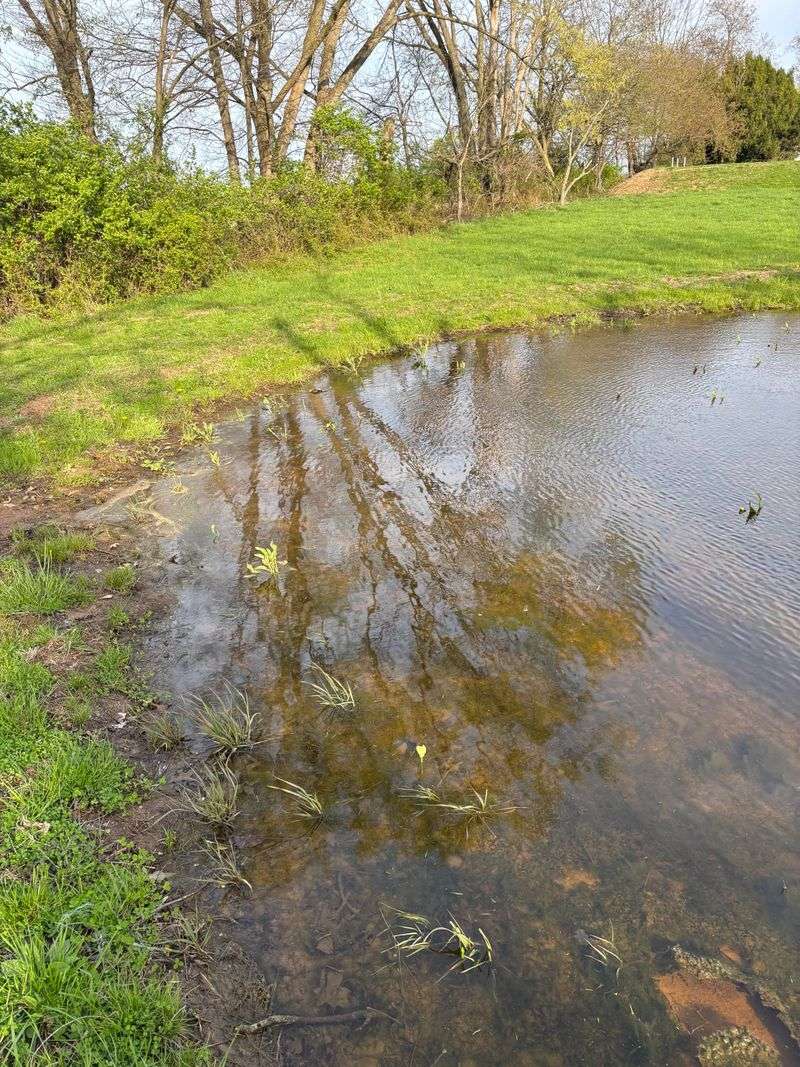
The moment you move more than a small amount of soil, you may be entering permit territory.
Oregon cities and counties have different thresholds for when grading requires a permit, and those thresholds can be surprisingly low.
Some jurisdictions require approval for any cut or fill that changes drainage patterns, even if the volume of soil moved seems minor.
Portland, Eugene, Bend, and smaller Oregon municipalities each have their own stormwater management rules.
Many follow the Oregon Department of Environmental Quality stormwater guidelines, but local codes layer on top of those. HOAs add another set of restrictions that can be stricter than city code.
Skipping the permit step does not make the rules disappear. It just means you find out about them later, usually at the worst possible time.
A quick call to your city’s public works department or your county planning office takes about ten minutes and can save you from having to undo work you already finished.
Ask specifically about grading permits, erosion control requirements, and whether your project is near any mapped drainage easements or stormwater facilities.
Drainage easements on your property deed can also restrict what you build or grade in certain areas. Pull your property records and read them before you rent equipment.
4. Size Rain Gardens To The Roof Area
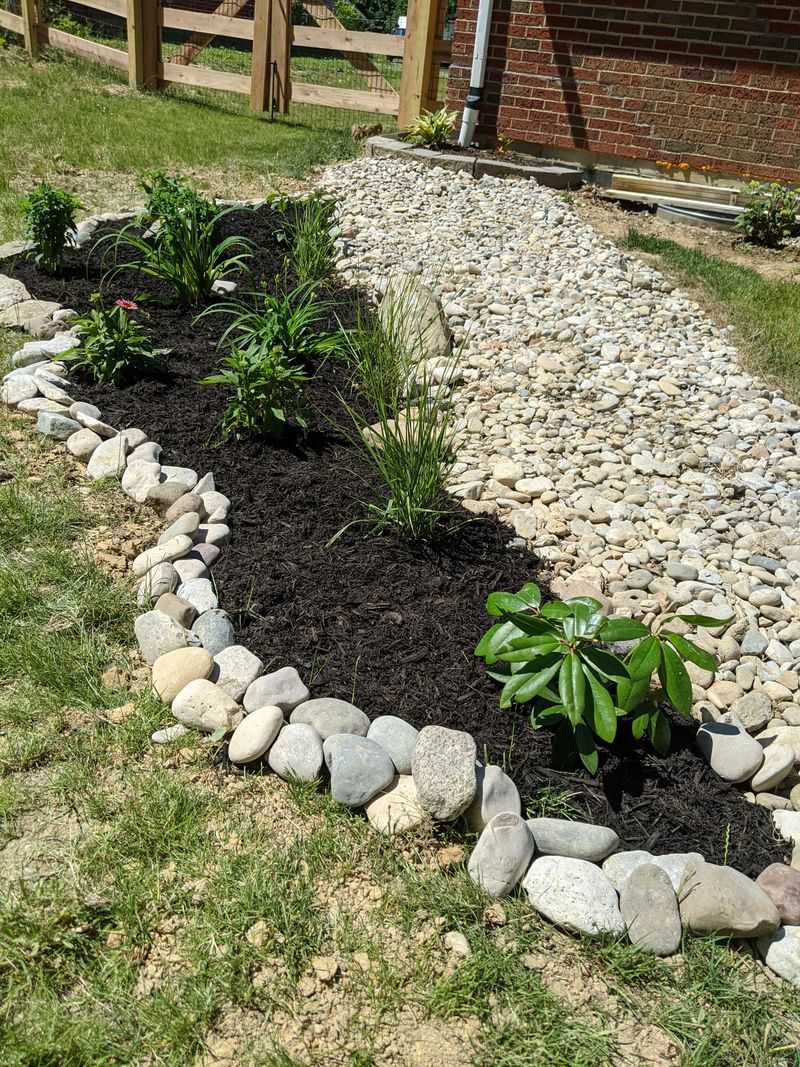
Rain gardens are one of the most practical tools an Oregon gardener has.
They collect runoff, let it soak in slowly, and keep it out of storm drains and neighboring yards. But a rain garden that is too small for the area draining into it fills up fast and overflows, which defeats the whole purpose.
OSU Extension offers guidance on sizing rain gardens based on the contributing drainage area, which usually starts with your roof.
A standard approach looks at the square footage of the roof section draining to a downspout, the soil type in your yard, and how deep the rain garden will be.
Sandy or loamy soils absorb faster than heavy clay, which means a clay-heavy yard needs a larger or deeper basin to handle the same amount of runoff.
Oregon has a lot of clay-heavy soils west of the Cascades, so sizing matters more than most people expect.
A common rule of thumb from OSU resources suggests your rain garden should be roughly 20 to 30 percent of the impervious area draining into it, but actual sizing depends on your specific soil and slope.
Do a simple percolation test by digging a small hole, filling it with water, and timing how fast it drains.
If water sits for more than 24 hours, you may need to amend the soil or adjust your design. OSU Extension’s rain garden guides are free and written for Oregon conditions.
Getting the size right the first time means the garden actually works when the big rains come.
5. Slow Water Before It Leaves
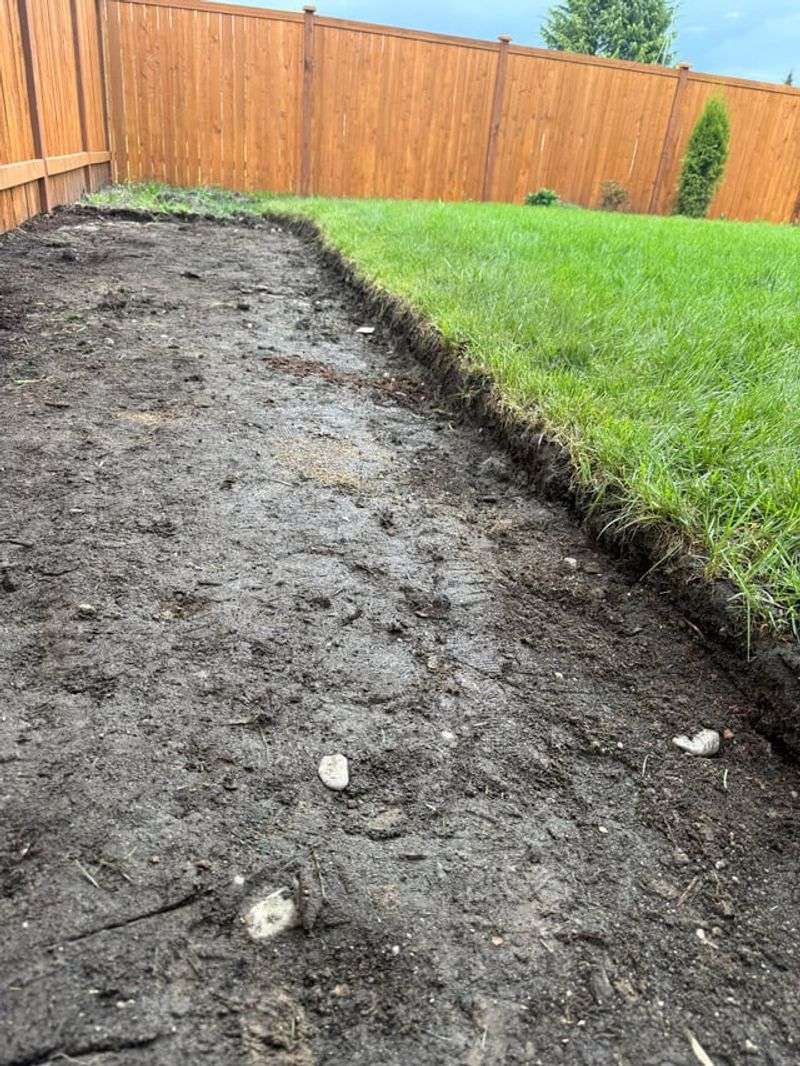
Speed is the enemy when it comes to stormwater.
Fast-moving water erodes soil, carries sediment into storm drains, and blows past any chance of soaking in.
Slowing it down before it leaves your property is one of the most effective things you can do, and most of the best tools for the job are also good for your plants.
Swales are shallow, gently sloped channels that guide water across a yard at a controlled pace instead of letting it rush straight downhill.
A well-planted swale lined with native grasses or sedges slows flow, filters sediment, and encourages infiltration all at once. Mulched planting beds do something similar on a smaller scale.
A thick layer of wood chip mulch absorbs the initial impact of rain, slows surface flow, and gives water time to soak into the soil beneath.
Dense ground covers like native sedges, creeping Oregon grape, or kinnikinnick can transform a slope that used to shed water into one that holds it.
Even a small berm planted with low shrubs can interrupt sheet flow across a lawn and redirect it toward a rain garden or swale.
The goal is to give water somewhere useful to go before it reaches the edge of your property.
Layer these features across your yard rather than relying on a single fix. Multiple small slowdowns add up to a big difference by the time water reaches the street.
6. Keep Runoff Away From Foundations
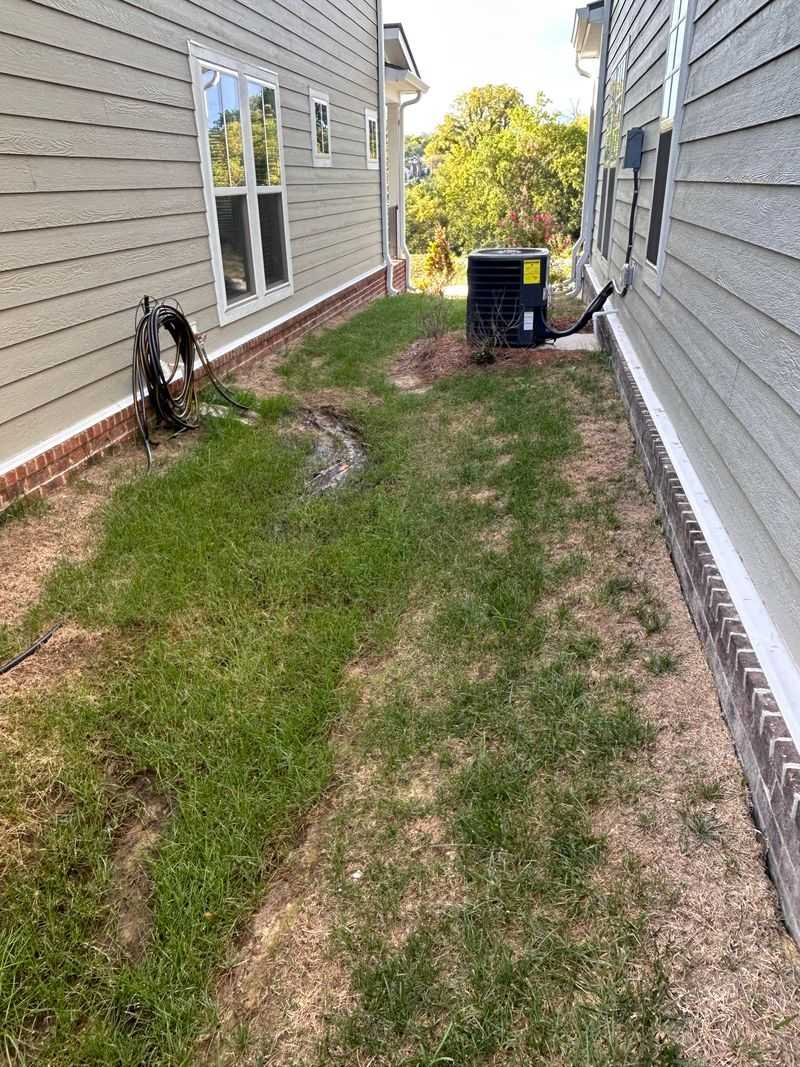
Water and foundations are not friends.
Oregon’s wet winters push a lot of water against home foundations, crawl spaces, and basement walls, and a landscape rework that accidentally directs more water toward the house can make that situation significantly worse.
Standard guidance from building professionals recommends grading the soil around your home so it slopes away from the foundation at a rate of at least six inches of drop over the first ten feet.
That gentle slope moves surface water away before it can pool against the wall or seep into a crawl space.
If your yard rework flattens that slope or creates a low area near the foundation, you have created a problem that will show up during the first major rain event.
Downspouts are another critical piece of this puzzle.
A downspout that dumps water right at the foundation wall is essentially a direct delivery system for moisture you do not want there. Extensions that carry water at least six feet away from the house are a simple and inexpensive fix.
Better yet, connect the downspout to a rain garden or planted swale that uses the water productively.
If you are planning a significant landscape change near the house, have a professional assess the drainage before you start.
Some areas near foundations also have drainage tiles or gravel trenches that can be disrupted by digging.
7. Use Small Features Across The Yard
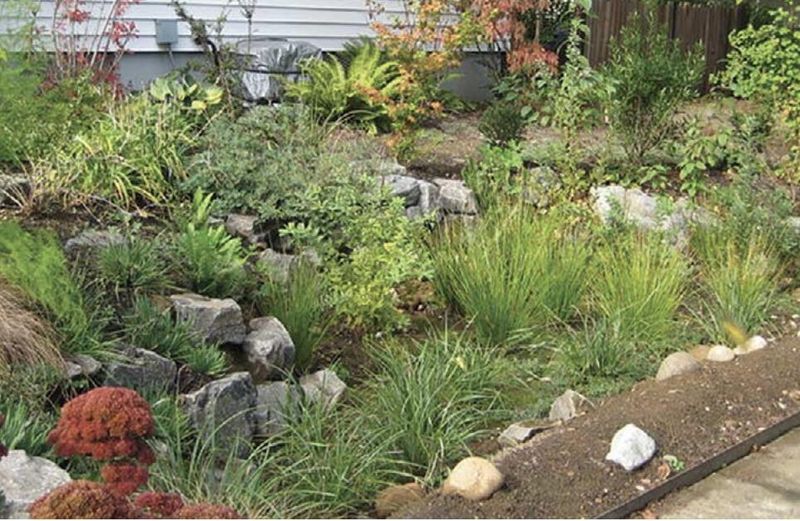
One big rain garden at the back corner of the yard sounds like a tidy solution, but it asks a lot of one spot to handle everything.
Spreading smaller features across the whole yard is usually more effective, more resilient, and easier to maintain than betting on a single large system.
Think of it as a relay race for rainwater.
A planted strip near the downspout catches the first surge. A shallow swale along the garden bed carries the overflow slowly across the yard.
A small ponding area near the back fence holds anything that makes it that far and lets it soak in over a few hours.
Each feature handles part of the load, so no single spot gets overwhelmed during a heavy storm.
Permeable surfaces help too. Gravel paths, stepping stone walkways with planted gaps, and permeable pavers all allow water to pass through instead of running off in sheets.
Replacing even a small section of concrete or compacted soil with a permeable surface reduces the volume of runoff your planted features need to handle.
OSU Extension resources on low-impact development describe this layered, distributed approach in practical terms for Oregon homeowners.
The goal is never to stop water from moving but to slow it down, spread it out, and give it multiple chances to soak in before it reaches the property line or the storm drain. Small and many beats big and one almost every time.
8. Permits Matter Before Big Changes
The permit office is not the enemy.
It is actually the place that keeps your big landscape project from becoming a legal or financial mess two years down the road.
Oregon homeowners sometimes skip the permit step to save time, but drainage projects that move significant amounts of soil, install underground pipes, or build retaining walls almost always need some form of official approval.
Retaining walls above a certain height, usually four feet in Oregon depending on jurisdiction, typically require a building permit and engineered drawings.
Underground drainage pipes that connect to the municipal storm system need approval from the city or county.
Grading projects that disturb more than a set square footage of soil may trigger erosion control requirements under Oregon DEQ stormwater rules.
Hiring a licensed contractor who pulls permits for you is a smart move for any project that involves significant grading, pipe installation, or structural features.
A professional who skips the permit step is a red flag.
For smaller projects, a call to your city’s public works or building department can clarify exactly what approvals you need before any dirt moves.
Keep copies of any permits and inspection records.
If you ever sell your home, documentation of permitted work protects you and gives buyers confidence that the drainage system was built to code and inspected properly.