Oregon Gardeners Are Swapping Butterfly Bush For These Native Alternatives That Work Better
Butterfly bush has had a long run as a garden favorite in the Pacific Northwest, and the appeal is easy to understand. Big flower spikes, butterflies showing up on cue, low maintenance attitude.
It checks a lot of boxes.
But butterfly bush is listed as a Class B noxious weed in Oregon, and it has a well-documented habit of escaping garden edges and spreading into natural areas where it crowds out native plants without offering the same ecological value in return.
Once you know that, it is hard to look at it the same way.
The encouraging part is that Oregon has a genuinely impressive lineup of native plants that bring nectar, berries, caterpillar host value, and late-season color without any of the ecological baggage.
Better for wildlife, better for Oregon. Pretty straightforward swap.
1. Red-Flowering Currant Brings Early Native Nectar
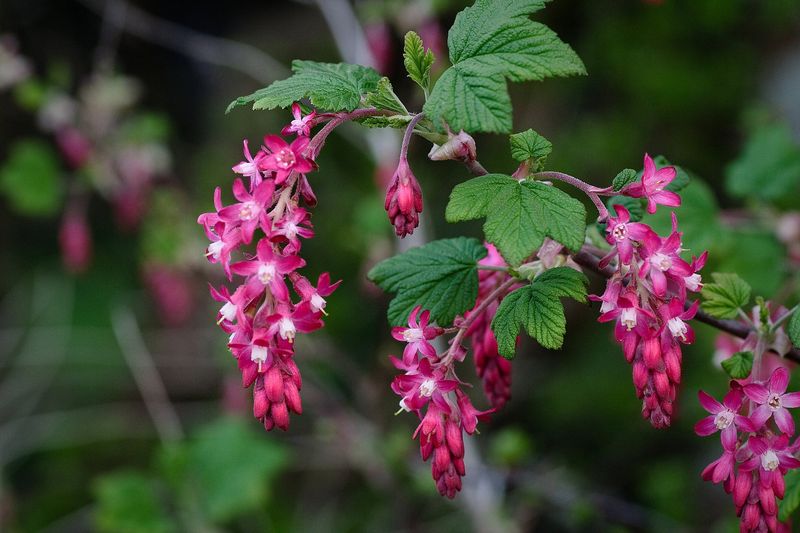
Few sights in an Oregon spring garden stop people in their tracks quite like red-flowering currant bursting into bloom before most other plants have even leafed out.
The dangling clusters of deep pink to red flowers appear in March and April, making this native shrub one of the earliest nectar sources available for pollinators waking up from winter.
Hummingbirds, in particular, seem to find it almost immediately after returning to Oregon in spring.
Ribes sanguineum grows well across much of western Oregon and fits comfortably into mixed shrub borders, woodland edges, and partly shaded slopes.
It handles summer drought reasonably well once established, which makes it a practical choice for Oregon’s dry summers.
The shrub typically reaches six to ten feet tall, so it fills space in a way that butterfly bush does without spreading aggressively into natural areas.
After the flowers fade, small blue-black berries form and attract native birds through summer. The foliage has a pleasant earthy scent that many gardeners enjoy.
Red-flowering currant does not offer butterfly bush’s late-summer bloom window, but its early spring value for hummingbirds and native bees gives Oregon gardens a wildlife boost that butterfly bush simply cannot match at that time of year.
2. Oceanspray Replaces Butterfly Bush In Dry Borders
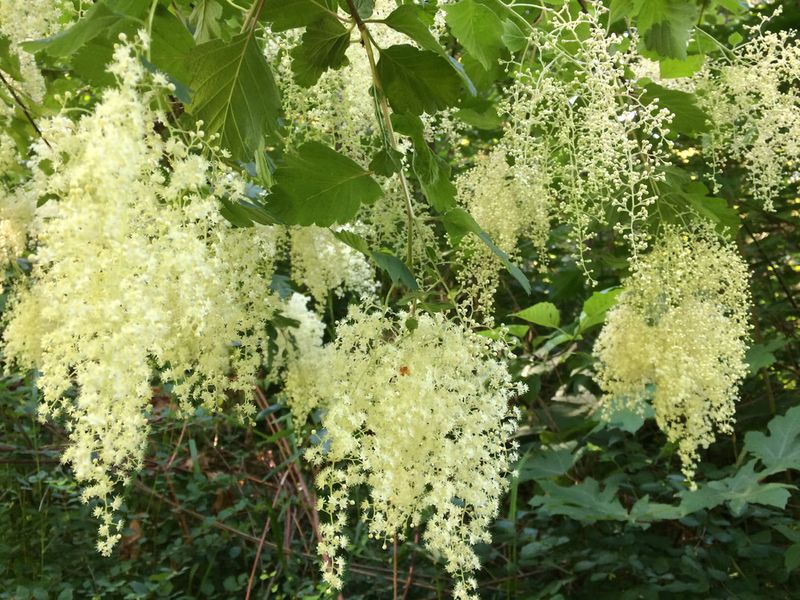
Walking past a mature oceanspray shrub in full bloom feels a little like watching a wave crest and freeze in place.
The long, arching branches carry dense, creamy white flower clusters that look almost frothy from a distance, which is exactly how this native shrub got its common name.
Holodiscus discolor blooms in June and July, which gives Oregon gardens a useful bridge between spring bloomers and late-summer perennials.
This shrub earns its place in dry borders and naturalistic plantings across Oregon because it tolerates summer drought well once established. It grows on sunny to partly shaded slopes, rocky soils, and lean ground where many other shrubs struggle.
Mature plants can reach eight to fifteen feet tall with a wide, graceful spread, so it works best where there is room for a natural-looking form rather than a tightly clipped hedge.
Oceanspray supports native bees and other insects with its flowers, and the dried seedheads remain on the plant through fall and winter, offering some texture and cover value for birds.
Your Oregon Garden Changes Every Week. Your Plan Should Too.
Gardening in Oregon changes quickly throughout the season. Every Friday you’ll receive a simple weekly plan showing exactly what to plant, prune, fertilize, harvest, and protect so you never miss the right timing.
The shrub does not function as a caterpillar host plant for as many species as some other natives, but its drought tolerance, native status, and airy summer bloom make it a genuinely useful butterfly bush swap in the right Oregon setting.
3. Mockorange Adds Fragrance Without The Invasive Risk
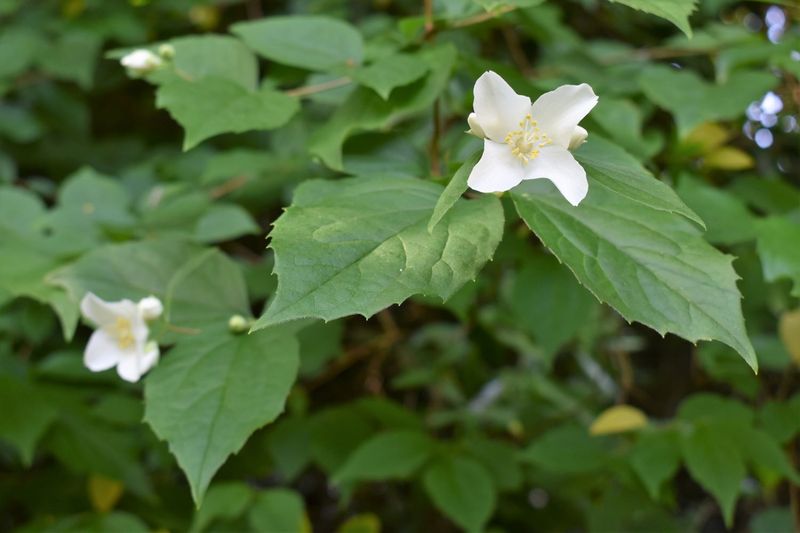
The scent of mockorange in bloom is one of those garden experiences that people remember for years.
Philadelphus lewisii, the native mockorange of the Pacific Northwest, produces clusters of white, four-petaled flowers with a sweet fragrance that carries well across a yard on warm evenings.
It blooms in late spring to early summer, typically May through June, and fits naturally into mixed shrub borders and informal hedges across Oregon.
Unlike butterfly bush, native mockorange does not spread aggressively into wildlands or crowd out native vegetation. It grows as a rounded, multi-stemmed shrub reaching roughly five to ten feet tall and wide, depending on conditions.
It prefers well-drained soils and tolerates Oregon’s summer dry periods once established, though it appreciates some water during extended dry stretches, especially in its first couple of years.
Native bees and other pollinators visit the flowers regularly, and the shrub provides decent cover and nesting structure for birds in informal plantings.
Mockorange does not serve as a major caterpillar host plant, but it adds fragrant white flowers, native shrub structure, and wildlife-friendly habitat without any of the invasive concerns tied to butterfly bush.
For Oregon gardeners who love fragrant shrubs, this native option is a straightforward and satisfying choice.
4. Nootka Rose Supports Butterflies And Birds
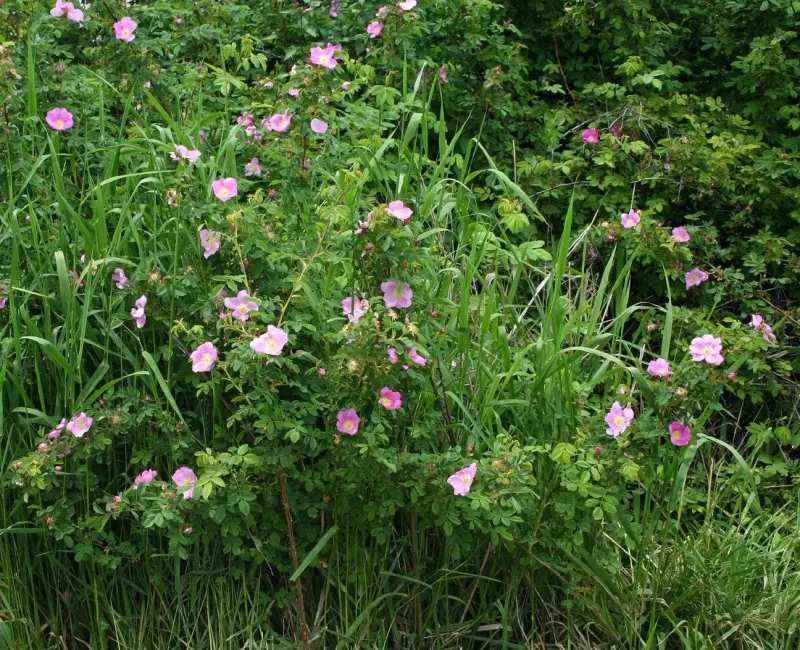
If a garden has room for a plant that earns its keep from spring through winter, Nootka rose is worth a close look. Rosa nutkana produces open, five-petaled pink flowers in late spring that draw native bees and some butterfly species looking for nectar.
By fall, the large red rose hips ripen and become an important food source for birds moving through Oregon’s landscape during migration and into the colder months.
This native rose grows as a suckering shrub that can spread into a broad, arching thicket over time, reaching roughly three to eight feet tall. That spreading habit is worth knowing about before planting.
It fits best in informal borders, hedgerows, naturalistic plantings, and sunny slopes where a loose, wildlife-friendly mass is welcome rather than a problem. Trying to keep it tightly pruned in a formal bed tends to frustrate both the gardener and the plant.
Nootka rose also provides dense cover that small birds use for nesting and shelter. The thorny stems offer real protection for ground-nesting birds and other small wildlife.
For Oregon gardeners replacing butterfly bush with something that feeds a broader food web, including birds, bees, and butterflies across multiple seasons, Nootka rose covers a lot of ecological ground in one tough, adaptable native shrub.
5. Native Ceanothus Draws Native Pollinators
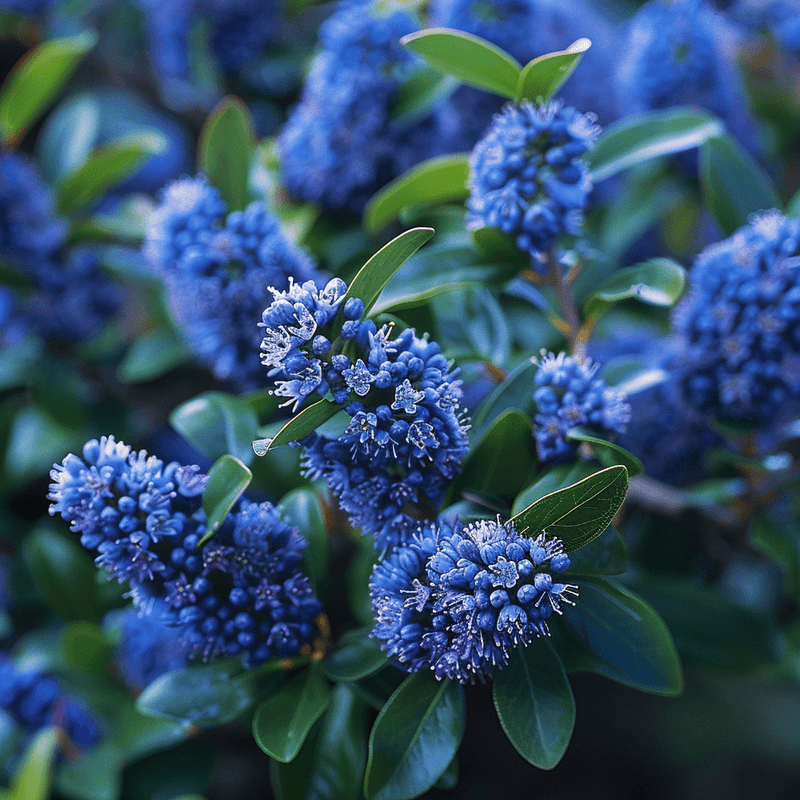
Few native shrubs in Oregon generate as much buzzing activity during bloom time as ceanothus.
The flower clusters, which range from white to deep blue-purple depending on the species, attract an impressive variety of native bees, butterflies, and other pollinators when they open in spring.
Several native ceanothus species and varieties are native to or well-suited for Oregon landscapes, so matching the right plant to the right site matters more here than with some other natives.
Ceanothus generally prefers sunny, lean, well-drained, and summer-dry sites. It does not do well in heavy clay soils or areas that stay wet through summer.
Once established, it can handle Oregon’s dry summers with little to no supplemental water, which makes it a strong candidate for sunny slopes, gravel gardens, and dry mixed borders where butterfly bush might otherwise be planted.
Ceanothus species also fix nitrogen in the soil through root associations, which can benefit neighboring plants over time. Some species stay low and spreading while others grow into upright shrubs several feet tall.
Birds use the seeds and dense branching for cover. For Oregon pollinator gardens on lean, sunny ground, ceanothus can deliver a spring bloom display that draws native bees in numbers that butterfly bush rarely matches.
6. Douglas Aster Carries Color Into Late Summer
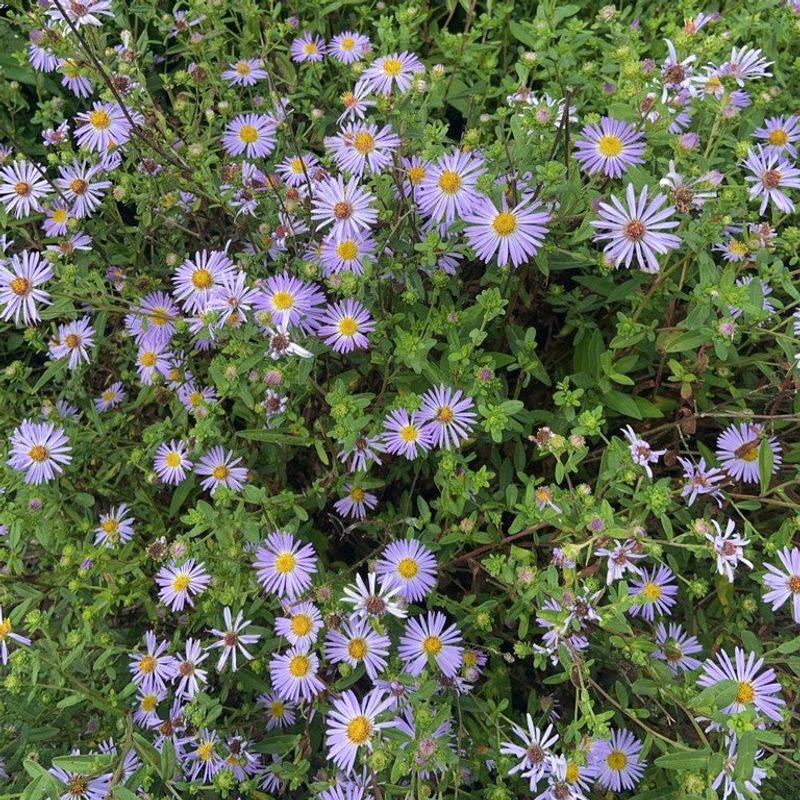
One of the most common complaints about swapping out butterfly bush is losing that late-summer color that draws butterflies to the garden in August and September.
Douglas aster steps in nicely at that point in the season, producing masses of lavender to purple daisy-like flowers that bloom from late summer into fall.
Symphyotrichum subspicatum is native to much of western Oregon and feels right at home in sunny borders and meadow-style beds.
This perennial grows to roughly two to four feet tall and spreads by rhizomes over time, so it works best where it has room to form a casual patch rather than a single tidy clump.
Given space in a pollinator bed or along a sunny fence line, it can create a genuinely impressive late-season bloom display.
Bees, butterflies, and other insects visit the flowers consistently through fall, making it one of the more wildlife-active plants in the Oregon garden at that time of year.
After flowering, the fluffy seedheads add some texture to the fall garden and can attract seed-eating birds. Douglas aster prefers moist to moderately dry soils and tolerates part shade, though it blooms most freely in full sun.
For gardeners replacing butterfly bush’s late-season draw with something native and ecologically useful, this aster is one of the more practical and rewarding choices in Oregon.
7. Goldenrod Feeds Pollinators Late In The Season
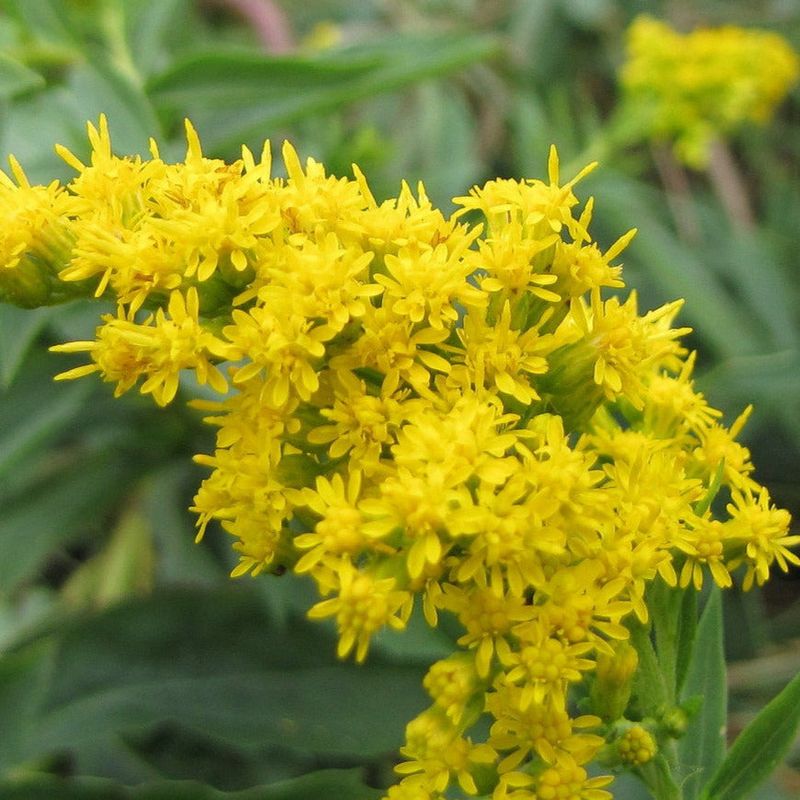
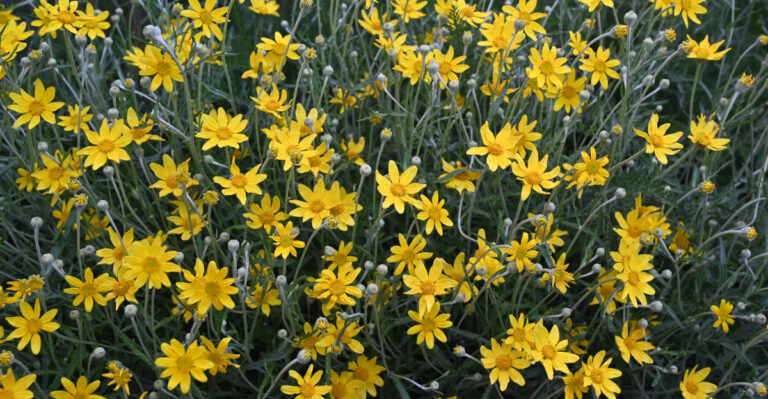
Goldenrod gets an undeserved bad reputation from people who blame it for hay fever, when the real culprit is ragweed blooming at the same time. In reality, goldenrod is one of the most valuable late-season pollinator plants an Oregon gardener can grow.
Several goldenrod species native to Oregon, including Solidago canadensis and Solidago elongata, produce tall wands of bright yellow flowers in late summer and fall that feed bees, butterflies, and other insects at a time when few other plants are blooming.
Goldenrod fits well into meadow-style beds, large native borders, and naturalistic plantings where it has room to grow and potentially spread.
It can reseed or spread by rhizomes in conditions it finds favorable, so planting it in a contained bed or giving it a defined space from the start makes management easier.
In the right setting, that spreading tendency is actually an asset, filling in bare ground and creating a flowing, natural look.
The dried seedheads and stems carry wildlife value into winter, offering food for seed-eating birds and overwintering habitat for some beneficial insects.
Goldenrod tolerates a range of soil types and moisture levels, though it tends to perform best in moderately fertile, well-drained ground.
For Oregon pollinator gardens, it is one of the strongest late-season options available.
8. Pearly Everlasting Supports Painted Lady Butterflies
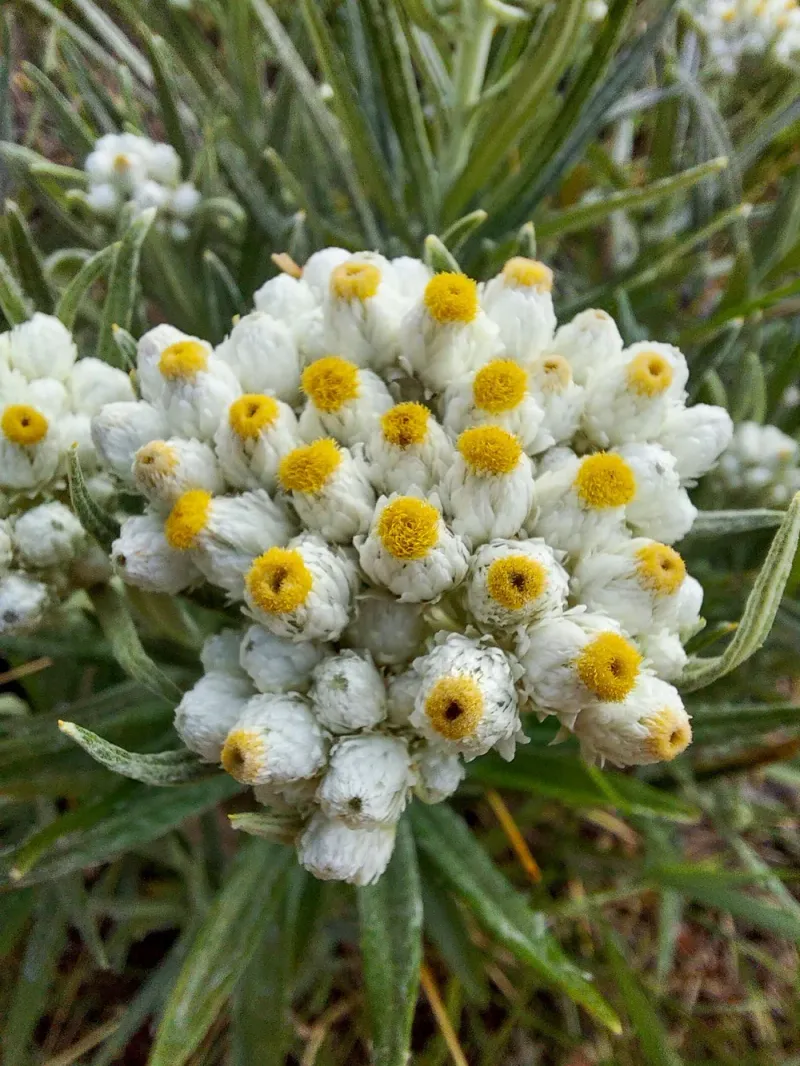
Painted lady butterflies are one of the most widespread butterfly species in Oregon, and pearly everlasting is one of their most important caterpillar host plants in the Pacific Northwest.
Anaphalis margaritacea is a native perennial, not a shrub, but it earns a spot on this list because it supports butterflies in a way that butterfly bush simply does not.
Butterfly bush offers nectar to adult butterflies but provides no caterpillar food. Pearly everlasting does the opposite work in the garden.
The plant grows one to three feet tall with narrow, silver-gray leaves and clusters of small white papery flowers that bloom in mid to late summer.
It tolerates dry, lean, and disturbed soils and handles Oregon’s summer drought well without much supplemental water.
That makes it a useful addition to sunny, dry pollinator beds and slopes where other perennials might struggle.
The dried flower clusters persist into fall and winter, adding texture to the garden long after fresh blooms have faded. Bees and other small insects also visit the flowers for pollen and nectar.
Pearly everlasting spreads gradually by rhizomes and can fill in open ground over time.
For Oregon gardeners who want to support the full butterfly life cycle rather than just attract adult butterflies passing through, this native perennial is a meaningful and low-maintenance choice.
9. Showy Milkweed Gives Monarchs A Host Plant
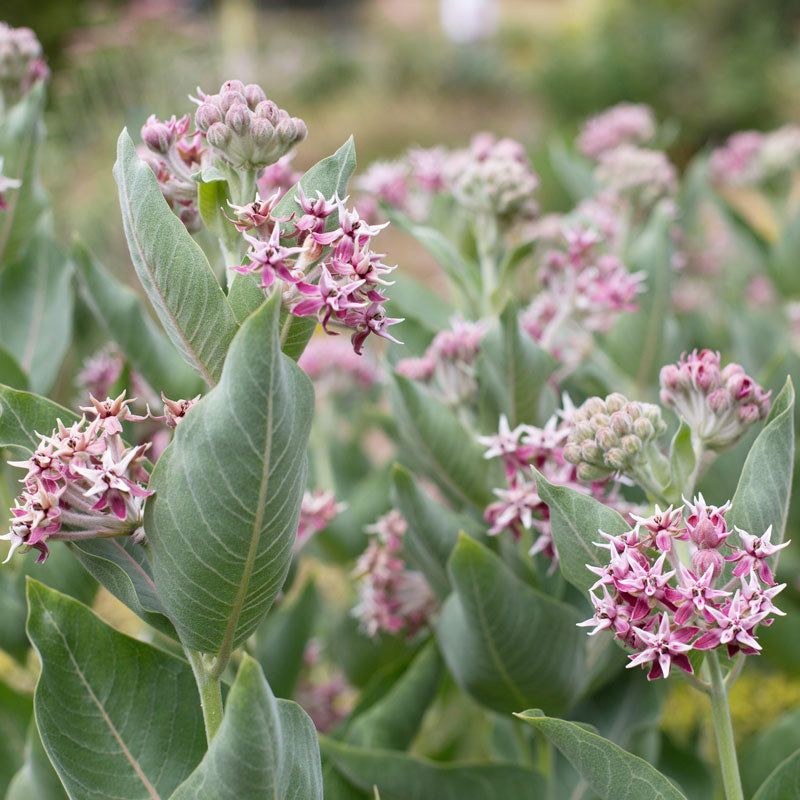
Monarch butterflies cannot complete their life cycle without milkweed. Adult monarchs may sip nectar from many flowers, but they can only lay eggs on milkweed, and the caterpillars can only eat milkweed foliage.
For Oregon gardeners who want to support monarchs beyond simply attracting passing adults, showy milkweed is one of the most ecologically meaningful plants they can add to a sunny, open bed.
Asclepias speciosa is native to eastern Oregon and drier parts of the region, and it grows best in full sun with well-drained to moderately dry soil.
It produces large, globe-shaped clusters of pink and white flowers in summer that also draw native bees, hummingbirds, and other butterflies.
The plant spreads by rhizomes and can form a spreading patch over time, so it works best where a loose colony is welcome rather than a single contained clump.
Showy milkweed goes dormant in winter, which can surprise gardeners used to evergreen shrubs, but new growth returns reliably each spring.
The large seedpods that develop after flowering are striking in their own right and eventually split open to release seeds on silky white fibers.
Matching the species to the right Oregon region and soil type gives it the best chance of establishing well and supporting monarchs through multiple seasons.
10. Cascade Penstemon Adds Native Color For Pollinators
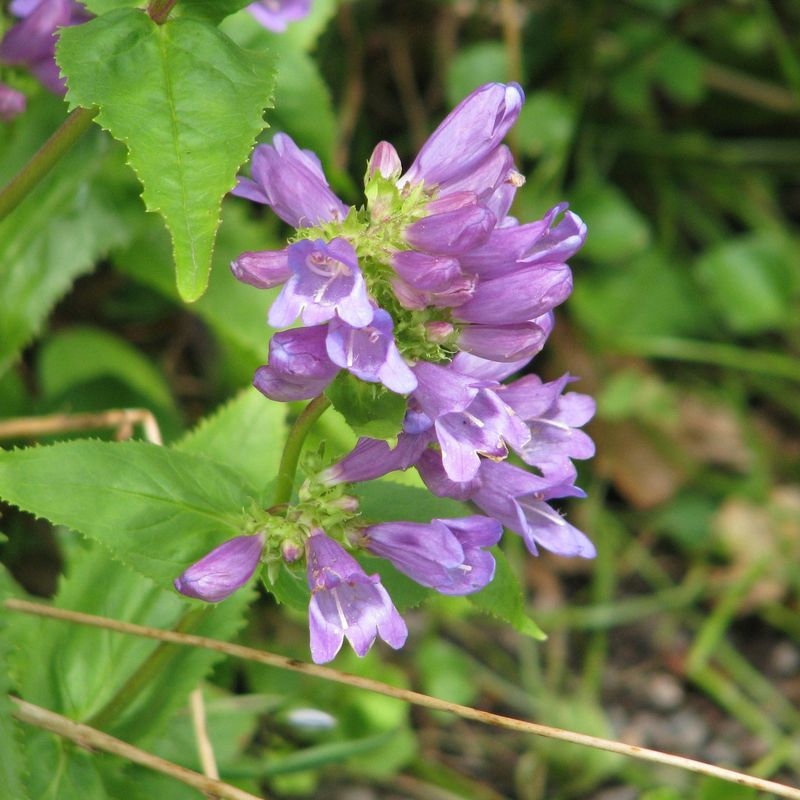
Tubular flowers and bumblebees seem made for each other, and Cascade penstemon makes that relationship easy to watch from a garden path.
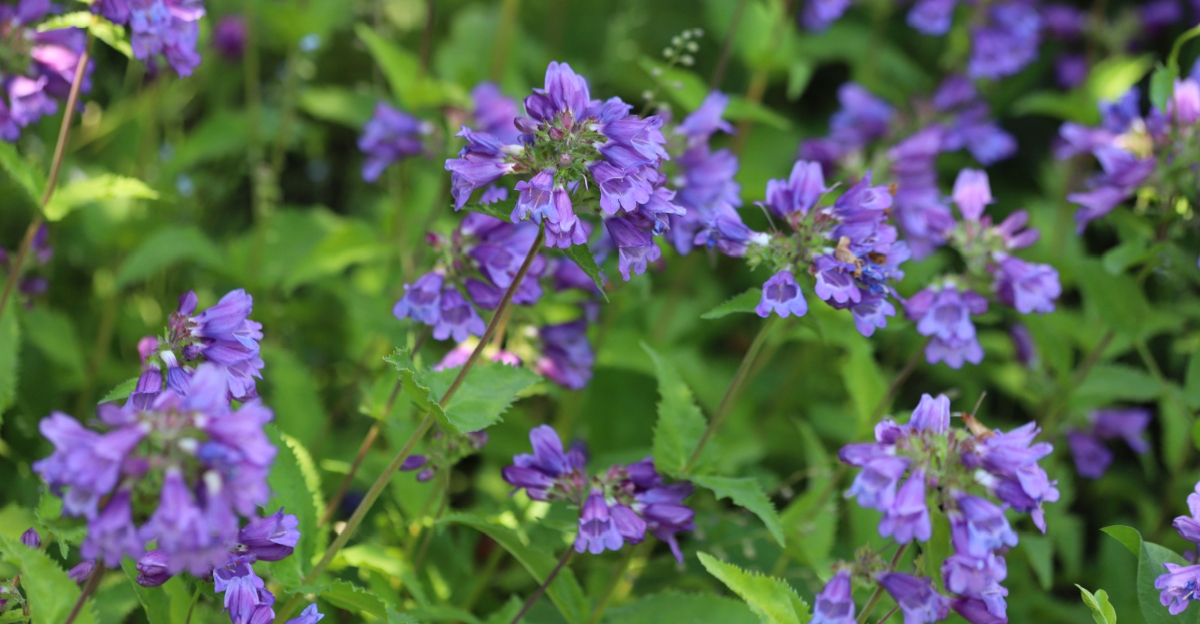
Penstemon serrulatus produces upright stems topped with clusters of deep blue-purple tubular flowers in summer, and native bumblebees work them steadily when the plant is in full bloom.
It is native to moist mountain meadows and streamside areas in the Pacific Northwest, which makes it a natural fit for Oregon gardens with moderate moisture.
Cascade penstemon grows one to two feet tall and works well as a supporting perennial in mixed native beds rather than as a standalone shrub replacement for butterfly bush.
It pairs nicely with taller native shrubs, asters, and goldenrod, adding mid-border color and pollinator activity through the summer bloom season.
It prefers well-drained but not bone-dry soils and appreciates some moisture during the driest part of Oregon’s summer.
Hummingbirds also visit the tubular flowers alongside native bees, which adds another layer of wildlife interest to the garden.
The plant tends to be relatively short-lived as a perennial but often self-seeds lightly, which can keep it present in the garden without requiring replanting.
For Oregon pollinator beds that need native summer color and consistent bee activity, Cascade penstemon is a reliable and visually rewarding choice.