The Native Ohio Alternative To Catmint That Blooms Just As Long
Catmint earns its place in Ohio gardens without much argument. Long bloom season, pollinator traffic that makes the plant look constantly alive, and a toughness that holds up through Ohio summer without much coddling.
For a non-native, it performs well. But there is an Ohio native that matches it on every count that matters and adds something catmint never could.
Native bees that barely glance at catmint lose their composure around this plant entirely. The bloom season runs just as long.
The foliage is equally attractive, and the scent it carries does something useful beyond smelling good in the garden. This is not a compromise plant or a lesser alternative.
It holds its own against one of the most popular perennials in Ohio gardening. The ecological depth it brings to the garden is something catmint, popular as it is, simply cannot match.
1. Choose Mountain Mint For The Native Catmint Effect
Walk into almost any garden center and you will find catmint labeled as a pollinator favorite with a long bloom and easy care. Those claims are fair.
But if you are building a native planting or trying to support local habitat, catmint is not a native plant of this region. That is where short-toothed mountain mint, Pycnanthemum muticum, steps in as a compelling alternative.
Native plant organizations and university extension sources recognize Pycnanthemum muticum as a true native of the eastern United States.
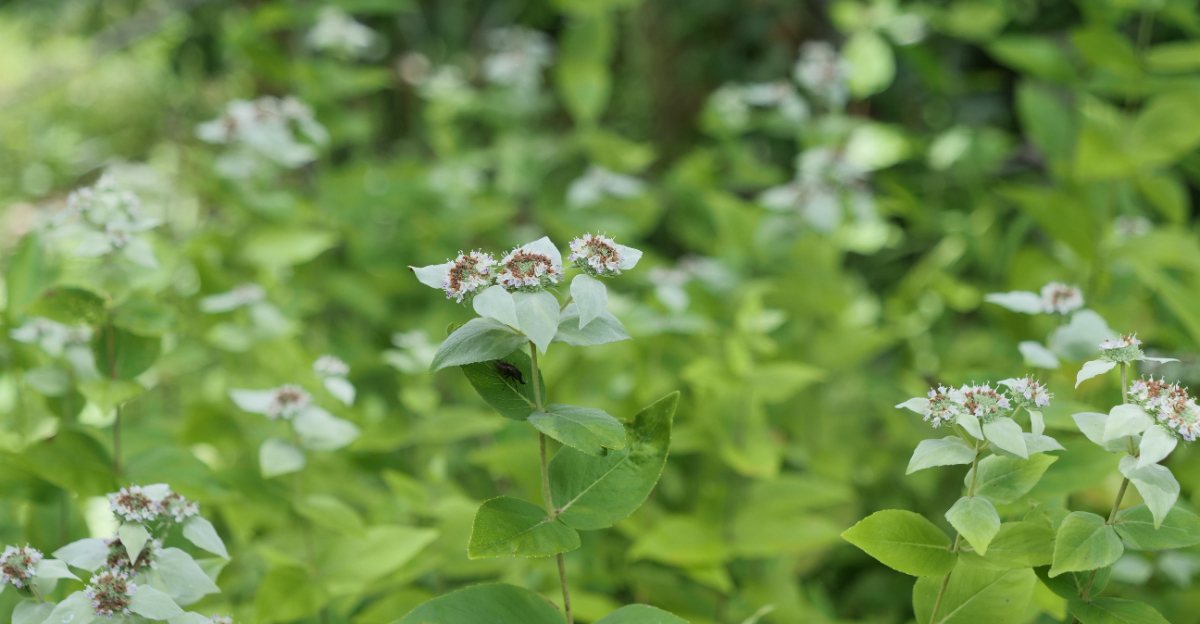
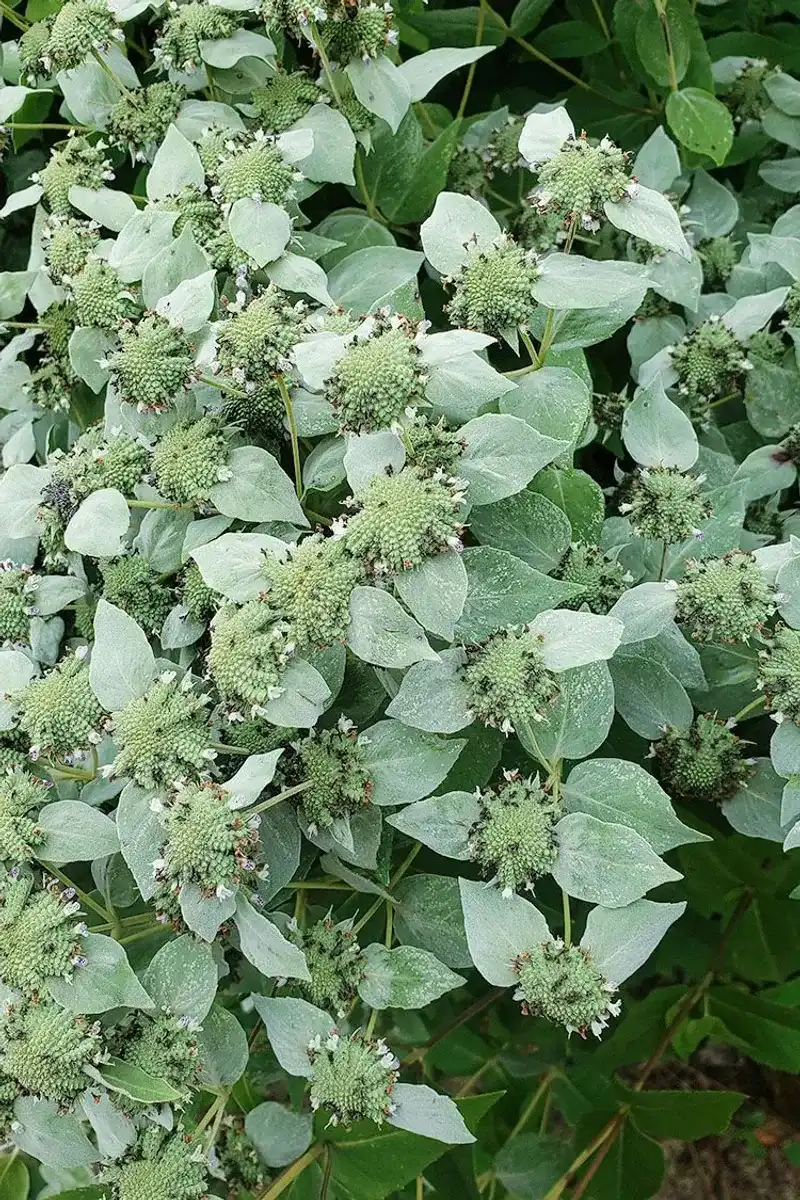
It produces clusters of tiny white to pale lavender flowers surrounded by silvery bracts that brighten a sunny border for a long stretch in summer.
The overall effect can feel soft and airy, somewhat like catmint, but the two plants are not identical twins.
Mountain mint has smaller individual flowers, a more upright meadow-like form, and a growth habit that spreads by rhizomes over time. Catmint tends to mound more neatly.
Before buying, always check the botanical name on the tag. Names with “mint” can be confusing at garden centers.
Choosing the right species matters for both garden performance and native habitat value. Pycnanthemum muticum is the one most widely recommended for ornamental native plantings in this region.
2. Let Tiny White Blooms Carry The Summer Border
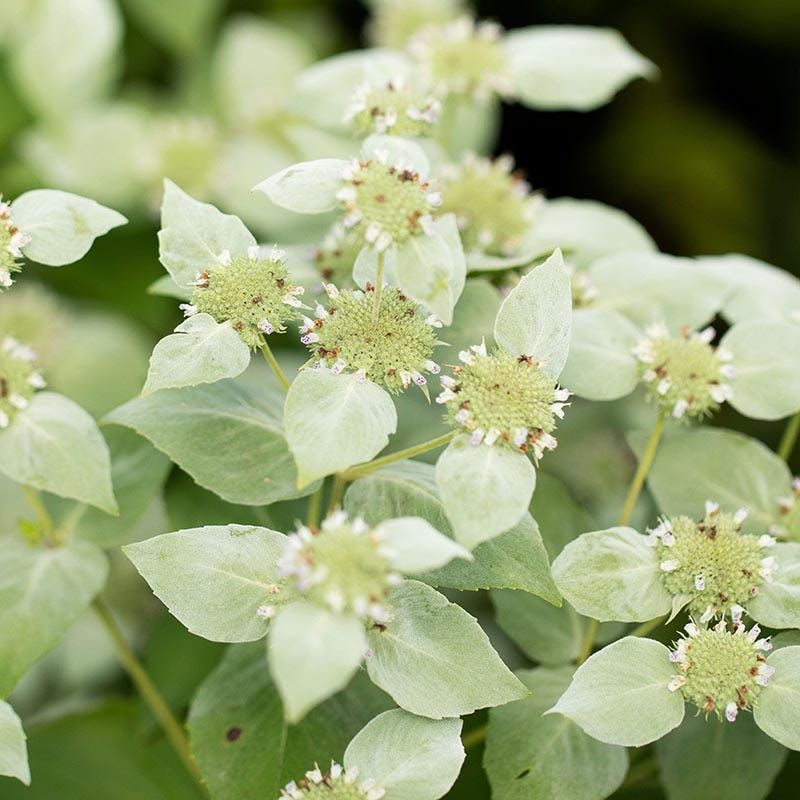
Small flowers can carry a big presence when there are enough of them. Mountain mint proves that point every midsummer, when its dense clusters of tiny white blooms open above silvery bracts that seem to glow in the sun.
OSU BYGL and native plant organization sources describe mountain mint as a midsummer to early fall bloomer. That gives it a seasonal window that can rival the long-season effect of many catmint cultivars.
That said, “blooms just as long” is a phrase worth treating carefully. Bloom length for any perennial depends on the specific plant variety, the site, the weather that year, and how the garden is managed.
Some mountain mint plants may bloom for six weeks or more in the right conditions. Others may have a shorter show.
Expecting a perfect match to every catmint cultivar in every yard is not realistic.
Your Ohio Garden Changes Every Week. Your Plan Should Too.
Gardening in Ohio changes quickly throughout the season. Every Friday you’ll receive a simple weekly plan showing exactly what to plant, prune, fertilize, harvest, and protect so you never miss the right timing.
What mountain mint can reliably offer is a bright, silvery, long-lasting presence that keeps a sunny border feeling alive well into late summer. The pale flower clusters and reflective bracts act almost like built-in highlights among darker-leaved neighbors.
Placing it where its airy texture softens a bed edge or fills a gap between bolder perennials helps it shine. Avoid shady spots if a strong flower show is the goal, because good light supports longer and more consistent blooming.
3. Give Pollinators A Longer Native Landing Pad
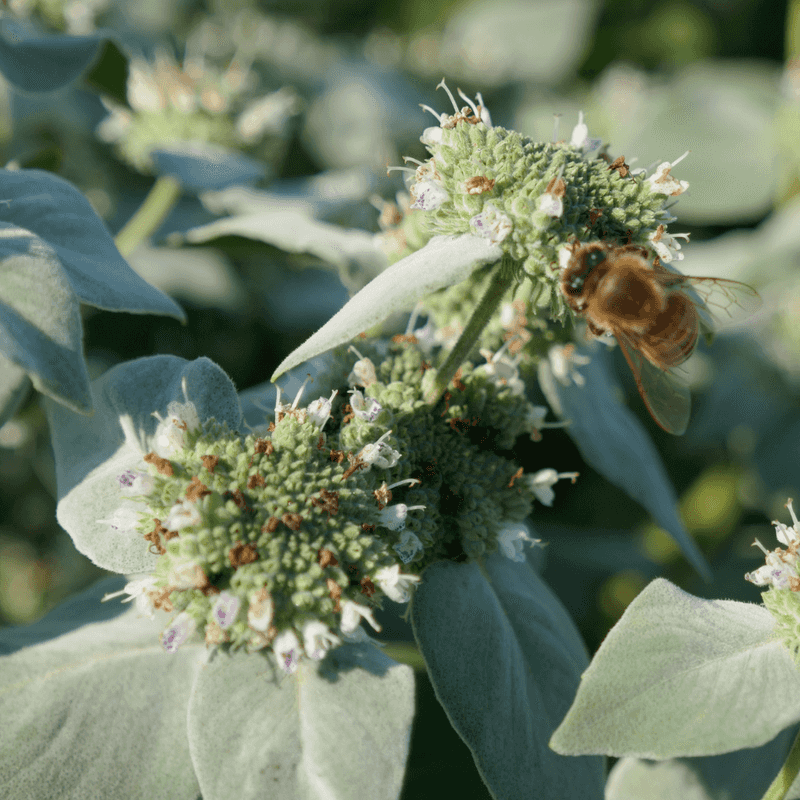
Few sights in a summer garden are as satisfying as watching a single plant practically vibrate with insect activity. Mountain mint has a well-documented reputation for drawing dense pollinator crowds.
Research and native plant sources consistently list Pycnanthemum species among the top native plants for attracting bees, wasps, butterflies, and other beneficial insects during midsummer, when many gardens have a bloom gap.
Native bees are especially drawn to mountain mint’s accessible, shallow flowers. Sweat bees, bumblebees, and small native bee species can all feed efficiently on the clustered blooms.
Wasps that prey on garden pests also visit regularly, which adds a layer of natural pest management to the plant’s value. Butterflies, including skippers and fritillaries, are frequent visitors when the plant is in full bloom.
To get the most from this pollinator value, plant several stems together rather than a single isolated plant. A small patch creates a more visible landing zone that pollinators can find easily.
Avoid using unnecessary pesticides near the planting, especially during bloom time.Keeping blooms available through midsummer and into early fall is one reason gardeners value mountain mint.
Those who care about local habitat often choose it over ornamental nonnative alternatives.
The density of activity around a blooming patch can be genuinely impressive and is one of the plant’s most memorable features.
4. Plant It In Sun For The Strongest Flower Show
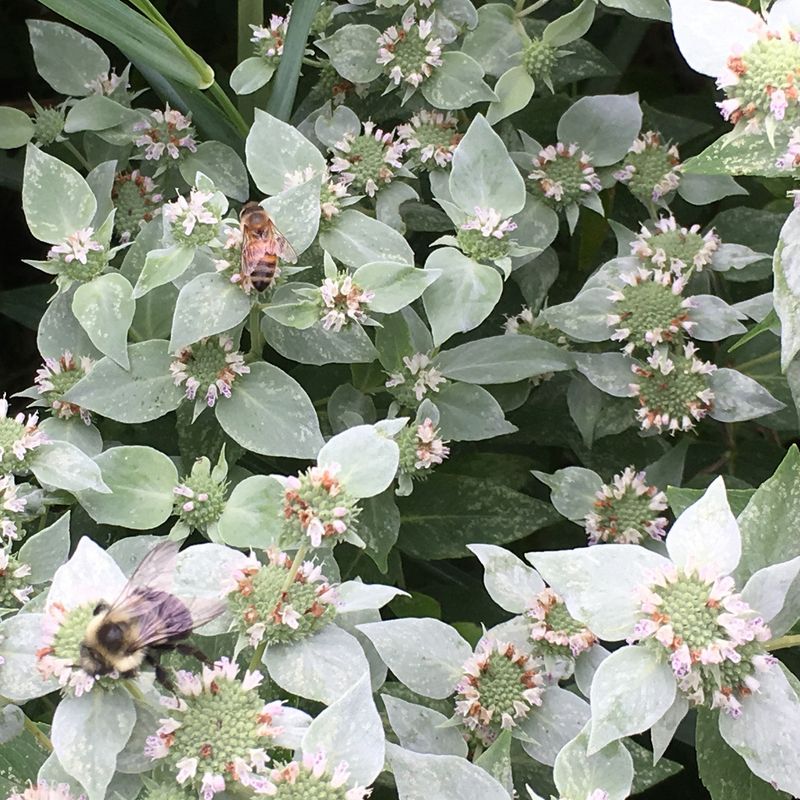
Picking the right spot before you plant saves a lot of frustration later. Mountain mint is a sun-loving perennial that generally performs best with six or more hours of direct sunlight each day.
University extension sources and native plant guidance consistently recommend full to part sun for Pycnanthemum muticum to achieve strong bloom and healthy growth.
Soil flexibility is one of mountain mint’s practical advantages. It can handle average to moderately moist soils and tolerates some clay, which is common in many central and northern parts of Ohio.
However, standing water and consistently waterlogged conditions are not ideal for most mountain mint species. Good drainage supports root health and reduces the risk of crown rot during wet seasons.
During the first growing season, water the plant regularly to help it establish a strong root system. Once settled in, mountain mint is generally resilient and does not need extra fertilizer to bloom well.
Rich, overly amended soils can actually push leafy growth at the expense of flowers. Spacing plants properly, usually around 18 to 24 inches apart depending on the species, allows good air circulation and reduces disease pressure.
Deep shade is the one condition to avoid if a reliable flower show is the goal. A sunny, well-drained spot gives mountain mint the best chance to bloom long and look its best through the season.
5. Use The Minty Foliage Without Planting Catmint
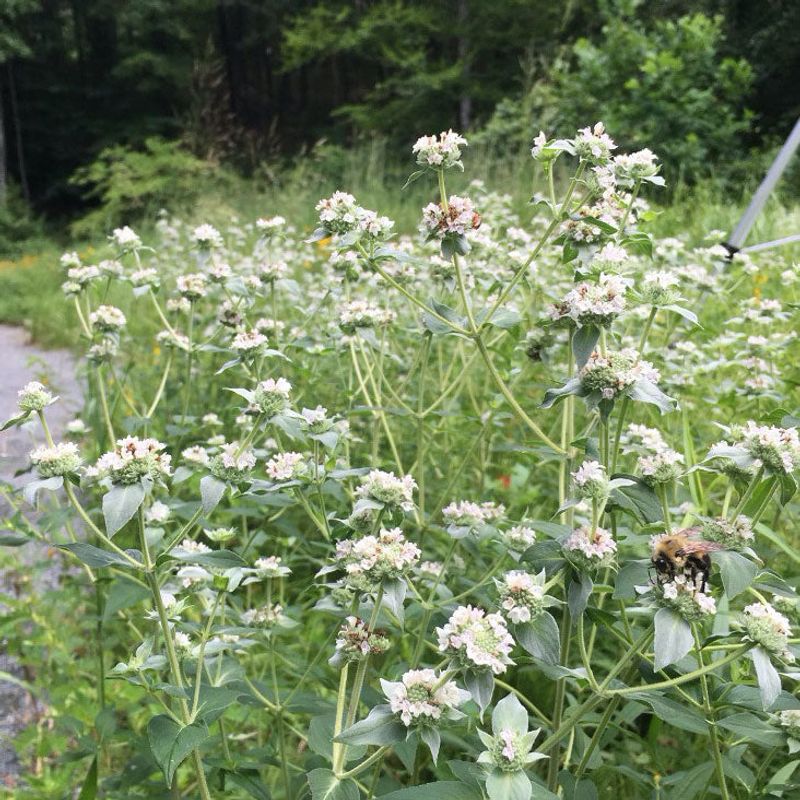
Rub a leaf of mountain mint between your fingers and the scent is immediate and unmistakable. The minty, herbal fragrance of Pycnanthemum muticum is one of its most appealing qualities.
It suits gardeners who love the aromatic character of catmint but want a native plant instead. The foliage is dense, textured, and silvery green, giving the plant a handsome presence even before the flowers open.
Placing mountain mint near a garden path, a seating area, or the edge of a pollinator bed makes the scent easier to enjoy. Visitors can brush against the foliage and release that pleasant fragrance naturally.
The aromatic quality also makes the plant feel intentional and herb-like, which suits both formal-leaning native gardens and relaxed meadow-style plantings equally well.
A note worth keeping honest: some sources suggest that strongly scented plants may be less appealing to deer or rabbits, but this is not a guarantee. Deer and rabbit browsing behavior varies by region, season, and individual animal pressure.
Do not plant mountain mint expecting it to be completely browse-proof. The real value of its foliage goes beyond scent.
The silvery bracts that develop around the flower clusters add visual brightness, and the upright stems hold their structure well through summer heat.
Native plant organizations point out that the whole plant, from root to bloom, contributes to local habitat in ways that no ornamental nonnative herb can replicate.
6. Give The Clump Room Before It Starts To Spread
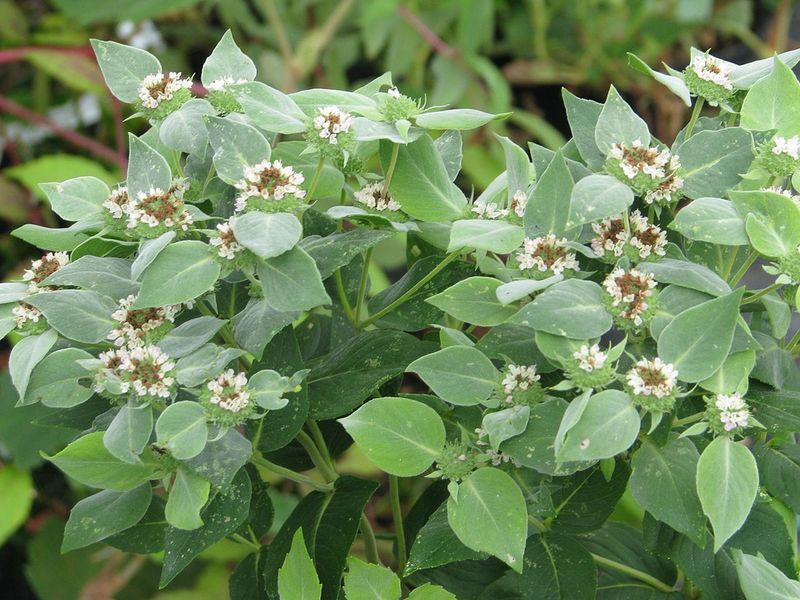
Vigorous and invasive are not the same thing, and that distinction matters when planning a spot for mountain mint. Pycnanthemum muticum spreads by rhizomes, meaning it sends out underground stems that produce new shoots over time.
In the right conditions, a single plant can expand into a wider clump within a few seasons. Native plant sources describe this as typical behavior for the species, not a warning sign.
For gardeners who want a tidy, contained border, this spreading habit is worth planning around. Placing mountain mint in a meadow-style bed, a naturalistic planting, or an area where some expansion is welcome makes the most of its habit rather than fighting it.
If you need cleaner edges, a simple annual edging with a spade keeps the clump in check without harming the plant.
Giving each plant enough room at the start, roughly 18 to 24 inches from neighboring perennials, reduces the need for frequent intervention later. Mountain mint is not listed as invasive by Ohio natural resource agencies or native plant organizations.
A plant that spreads enthusiastically in your garden is not the same ecological concern as a true invasive species that disrupts natural areas. Gardeners who embrace its spreading nature often find that mountain mint fills in beautifully.
It can create a lush, connected patch that pollinators and beneficial insects use like a neighborhood hub all summer long.
7. Pair It With Coneflowers For A Softer Meadow Look
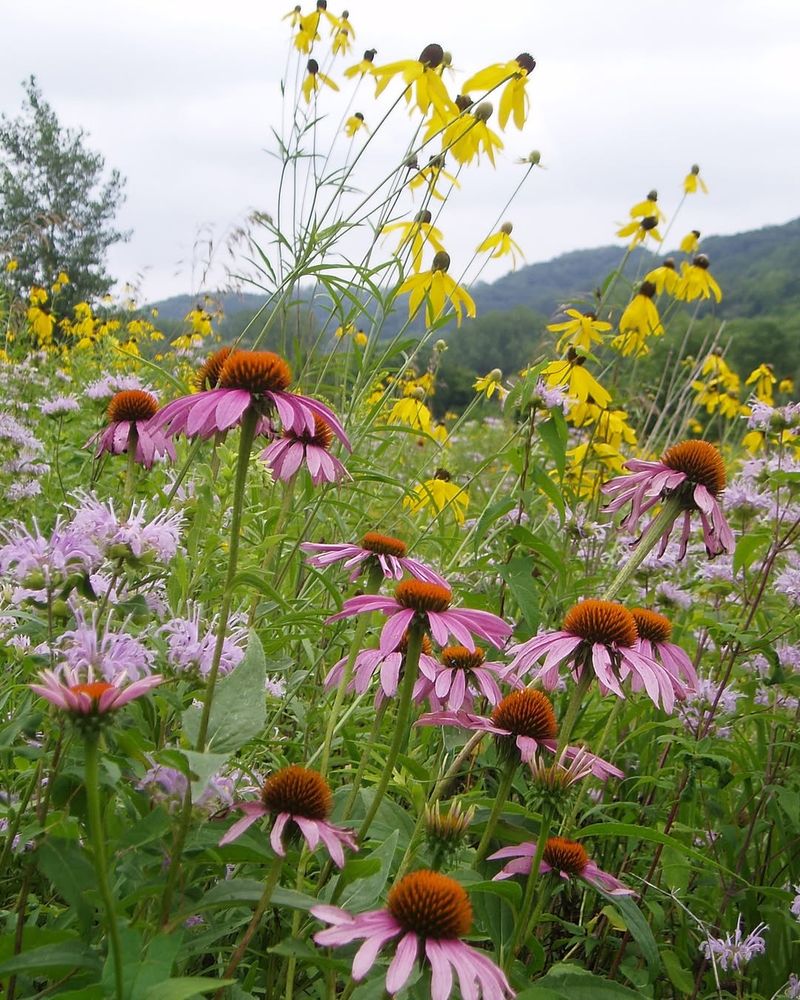
Bright colors are easier to live with when something pale and airy softens them. Mountain mint plays exactly that role in a sunny native border.
Its white flower clusters and silvery bracts act like a visual coolant next to bold coneflowers, golden black-eyed Susans, and warm-toned bee balm. The combination creates a layered, naturalistic effect that feels relaxed and intentional at the same time.
Native plant design sources suggest pairing mountain mint with plants that share similar sun and moisture needs.
Purple coneflower (Echinacea purpurea) is a natural companion because both thrive in sunny, average-moisture beds and bloom during overlapping periods in midsummer.
Black-eyed Susan (Rudbeckia hirta) adds warm yellow contrast that makes the pale mountain mint bracts pop. Native asters extend the season into fall after mountain mint finishes, keeping the bed active for late-season pollinators.
Height layering helps the combination look intentional rather than crowded. Mountain mint typically reaches two to four feet tall depending on site conditions.
Placing it behind shorter coneflowers or in front of taller grasses creates a natural tier effect. Mixing flower shapes, such as the daisy form of coneflowers against the clustered heads of mountain mint, adds texture that makes the border feel dynamic.
This kind of plant pairing is a practical way to replace a catmint edge. It creates a fully native, long-season planting that supports local wildlife from midsummer through fall.
8. Swap Catmint For A Native Pollinator Magnet
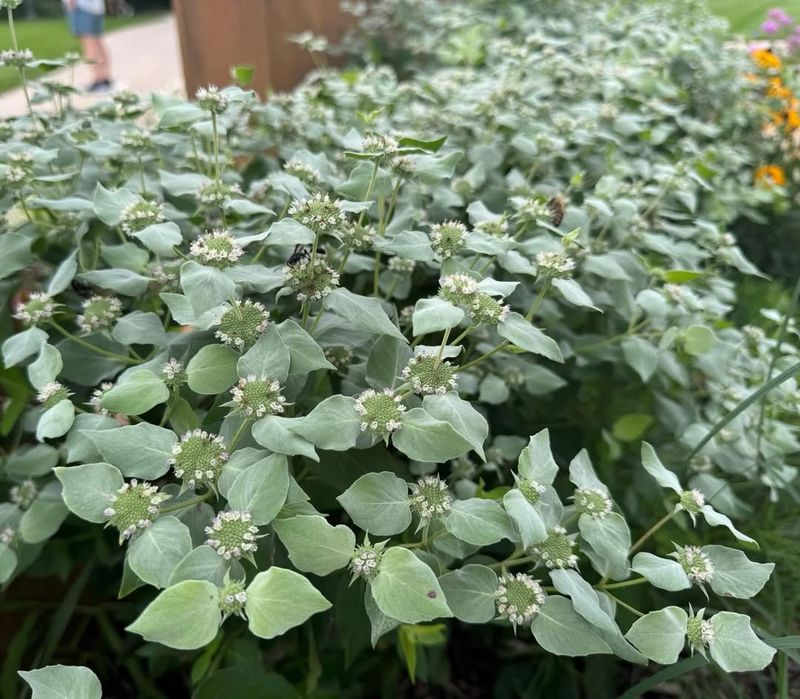
Catmint is not a bad plant. It earns genuine admiration for its long bloom, soft color, and easy care.
If your goal is to build a garden that supports Ohio native habitat, mountain mint is a swap worth making. It still delivers months of aromatic, pollinator-rich interest.
It is not catmint in disguise, and expecting an identical result will lead to disappointment. What it offers is something better suited to local ecology.
Before buying, confirm the botanical name on the tag. Look for Pycnanthemum muticum specifically, or another verified native mountain mint species appropriate for your part of the state.
Plant it in a sunny spot with decent drainage, water it through the first season, and give the clump room to develop. Skip the extra fertilizer and let the plant settle into its natural rhythm.
Once established, mountain mint can deliver a long stretch of midsummer to early fall bloom and dense pollinator traffic. It also brings silvery foliage texture and a minty fragrance that makes the garden feel alive.
Avoid unnecessary pesticides near the planting to protect the beneficial insects that make the whole system work. Pair it with Ohio native coneflowers, asters, or grasses for a border that keeps going long after the first flush of summer color fades.
Gardeners do not have to give up the catmint effect. Choosing a native plant simply means bringing more local habitat value to the same sunny, buzzing, aromatic garden space they already love.