The Simple Trick That Protects Arizona Stone Fruit From Sunburn
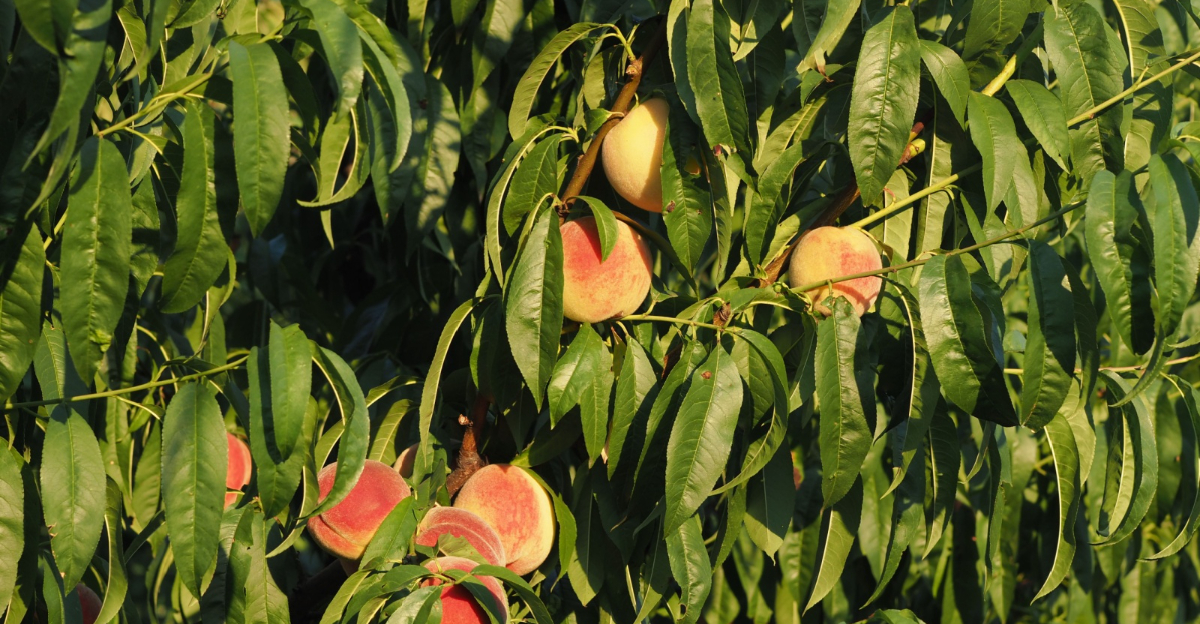
Growing stone fruit in Arizona is one of those deeply rewarding experiences right up until the afternoon sun decides to absolutely destroy your harvest.
You’ve watered carefully, watched those peaches and nectarines develop all season long, and then a string of 110 degree afternoons comes along and turns perfectly good fruit into something blistered, leathery, and completely disappointing.
It happens fast, and it happens more often than most Arizona home gardeners expect. The good news is that the fix is surprisingly simple, and you definitely don’t need any fancy equipment to pull it off.
Temporary afternoon shade placed directly over exposed fruit during the harshest part of the day can make a dramatic difference in how your peaches, apricots, plums, and nectarines come out at harvest time.
Simple idea, genuinely impressive results.
1. Use Temporary Afternoon Shade Over Exposed Fruit
Stepping outside on a July afternoon in Arizona and spotting a cluster of peaches with pale, dry patches already forming on one side is a moment most backyard growers recognize.
That kind of sun damage happens fast in the low desert, especially when temperatures climb past 105 degrees and humidity drops to almost nothing.
Exposed fruit on the outer branches has very little protection once the canopy thins out.
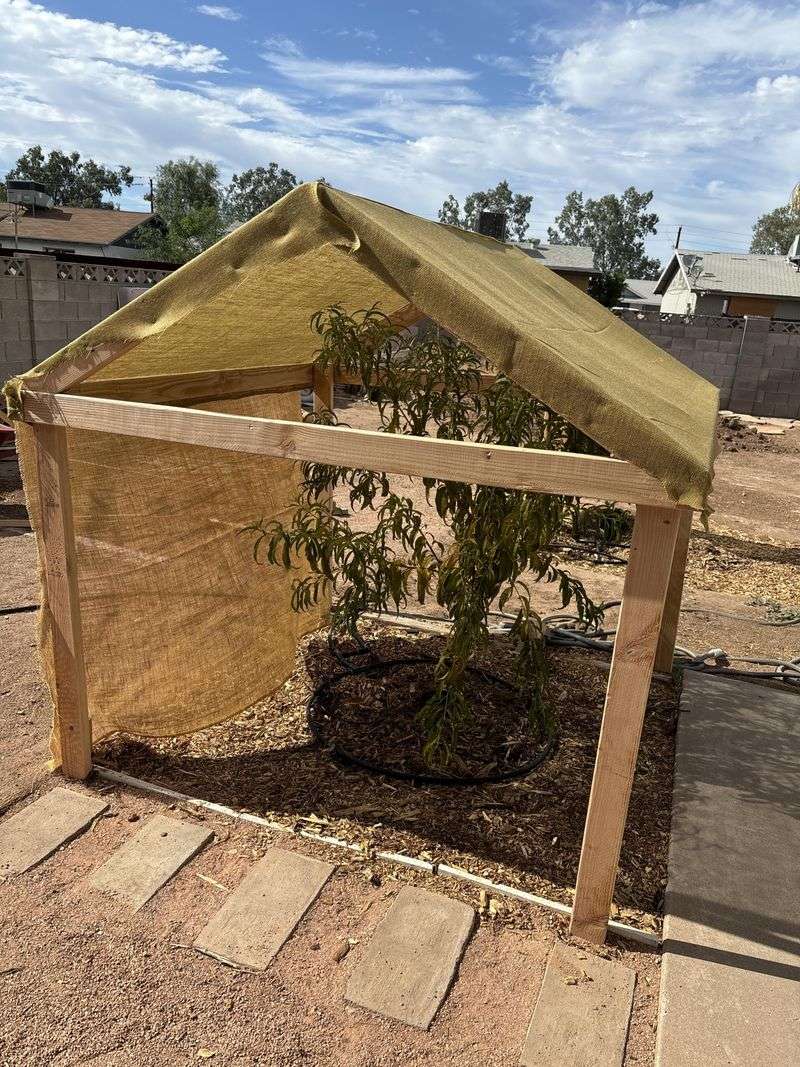
Temporary afternoon shade placed directly over vulnerable fruit is the main simple trick that can help reduce sunburn damage during the most intense part of the day.
The idea is straightforward: block direct sunlight from hitting exposed fruit between roughly noon and 4 p.m., when the sun is at its harshest angle.
A small piece of shade cloth, a section of orchard netting, or even a breathable fabric can be draped loosely over the exposed side of the tree or tied near fruit clusters.
In Arizona, the west and southwest sides of a tree tend to catch the worst afternoon sun, so that is usually the best place to start. Temporary shade is not meant to cover the whole tree or stay in place all day.
It works best as a targeted, flexible tool used during peak heat and removed when conditions ease. No method removes all sunburn risk, since fruit position, canopy density, and irrigation all play a role in how vulnerable each piece of fruit really is.
2. Focus First On The West And Southwest Side
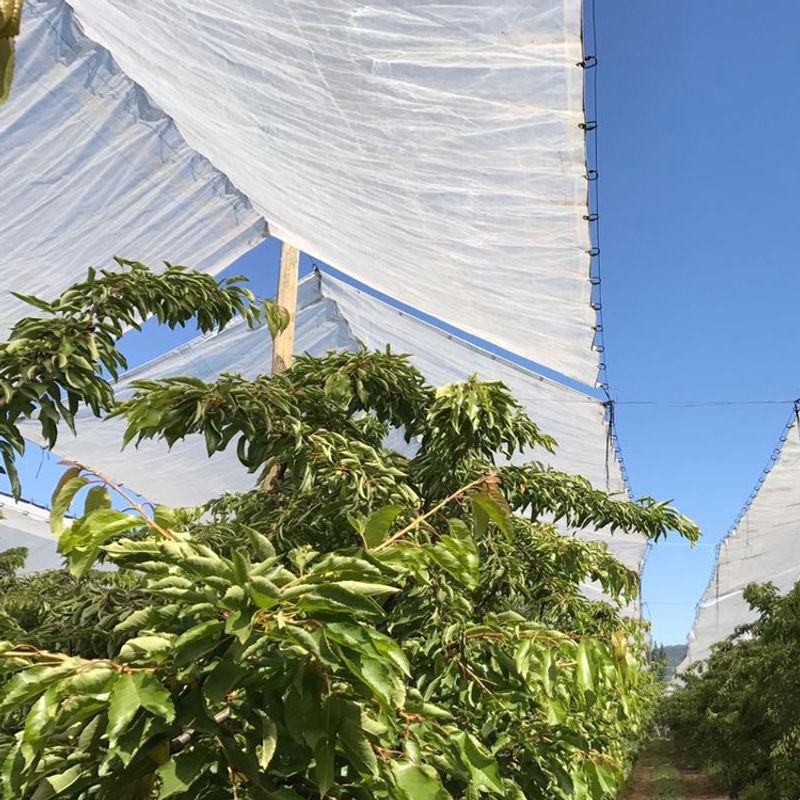
Walk around your stone fruit tree on any hot Arizona afternoon and you will quickly notice which side feels like it is sitting next to a furnace.
The west and southwest-facing branches catch the most direct sun during the late afternoon hours, and that prolonged exposure is exactly when fruit skin temperatures can spike well above the air temperature.
Fruit surface temperature matters more than air temperature when it comes to sunburn risk.
Peaches, nectarines, apricots, and plums growing on the west and southwest side of the tree are often the first ones to show sun damage. The skin may fade to a pale tan or develop a rough, dry texture on the side facing the afternoon sun.
Your Arizona Garden Changes Every Week. Your Plan Should Too.
Gardening in Arizona changes quickly throughout the season. Every Friday you’ll receive a simple weekly plan showing exactly what to plant, prune, fertilize, harvest, and protect so you never miss the right timing.
In some cases, the affected area becomes sunken or papery, which reduces the quality and appeal of the fruit significantly.
Focusing shade efforts on the west and southwest side first makes practical sense for Arizona backyard growers working with limited shade cloth or netting.
Rather than trying to cover every branch, targeting the most exposed side gives you the biggest benefit for the least amount of effort.
A small section of breathable shade cloth secured loosely over the southwest-facing fruit clusters during afternoon hours can make a noticeable difference.
Keep in mind that every tree is different, and factors like nearby walls, fences, or reflected heat from paving can shift which side ends up most exposed on any given day.
3. Choose Breathable Shade Cloth Or Orchard Netting
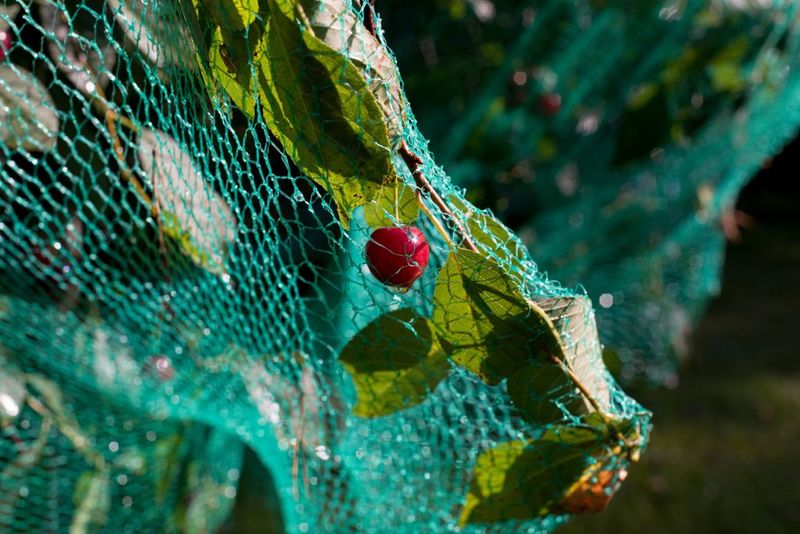
Not every material works well as a sunburn shield for stone fruit in Arizona heat. Solid tarps, plastic sheeting, or heavy fabric can trap heat around the fruit and actually make conditions worse on a 110-degree afternoon.
The material you choose matters almost as much as how you position it.
Breathable shade cloth rated between 30 and 50 percent shade density tends to work well for stone fruit in Arizona. It filters enough sunlight to reduce surface heating on exposed fruit while still allowing air to move through.
Orchard netting designed for fruit protection offers similar benefits and can also help deter birds and insects from reaching ripening fruit. Both materials are lightweight, easy to drape over branches, and simple to remove when temperatures ease later in the season.
White or light-colored shade cloth reflects more heat than dark cloth, which can be a real advantage during Arizona summers when reflected heat from walls, concrete, and soil already adds to the overall temperature around the tree.
Look for materials specifically labeled for horticultural or orchard use, since those are designed to hold up under intense sun without degrading quickly.
Avoid materials that feel stiff or plastic-like, since those tend to block airflow more than they help.
A breathable, lightweight choice gives you flexibility to reposition the shade as the sun angle shifts throughout the afternoon without worrying about overheating the very fruit you are trying to protect.
It can also help to test the material on one exposed branch before covering several fruit clusters, especially during a severe heat spell. That gives you a chance to see whether the setup reduces harsh sun without creating a hot, stagnant pocket around the fruit.
4. Avoid Trapping Heat Around The Fruit
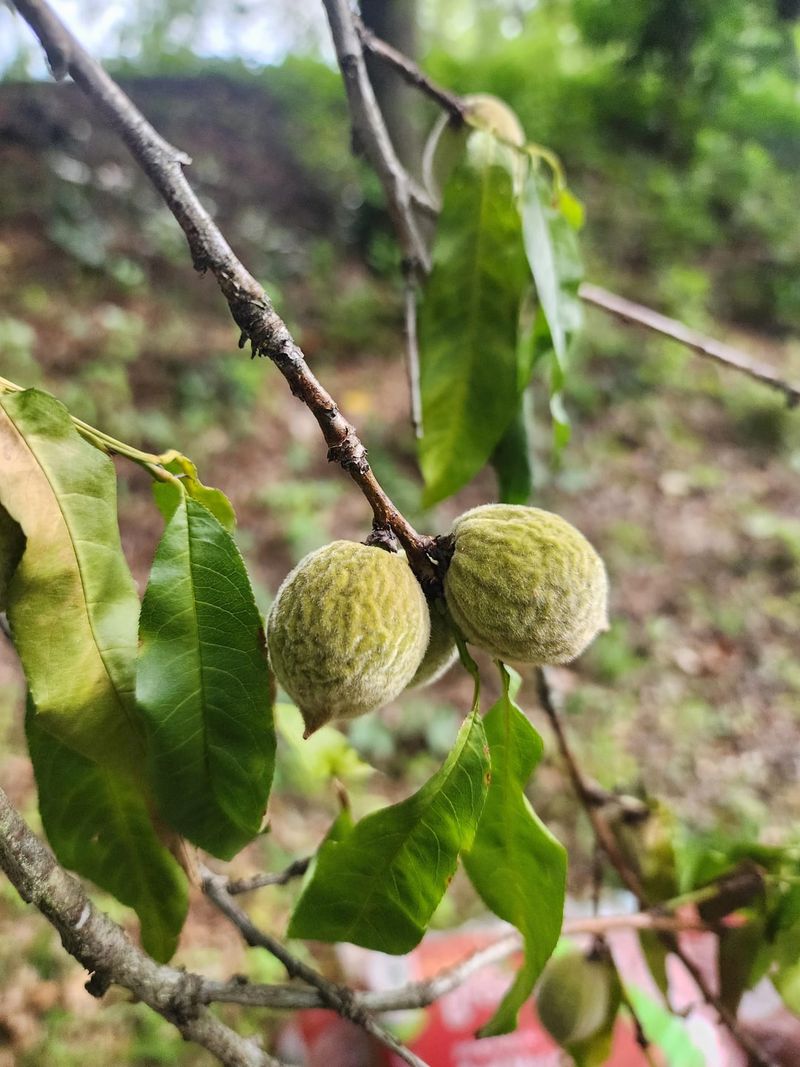
One of the most common mistakes backyard growers make when trying to protect fruit from the sun is wrapping branches or fruit clusters too tightly with fabric or netting.
It seems like more coverage would mean more protection, but sealed or poorly ventilated shade setups can trap hot air directly against the fruit.
In Arizona, where ambient temperatures are already extreme, trapped heat around stone fruit can cause just as much damage as direct sun exposure.
Fruit surface temperatures rise quickly when airflow is cut off. A peach or nectarine sitting under a tightly wrapped cover on a 108-degree afternoon may actually experience higher skin temperatures than one left in open shade.
Keeping any shade material loose and slightly elevated above the fruit clusters allows heat to escape naturally rather than building up underneath the fabric.
When setting up temporary shade, leave open gaps along the bottom or sides so warm air can rise and move away from the fruit. Avoid pressing netting or cloth directly against the fruit, since contact can cause localized heat damage on the skin.
Think of the shade as a filter rather than a tent. The goal is to soften the intensity of direct sunlight without creating a trapped, airless pocket around the fruit.
A loosely draped piece of 30 to 40 percent shade cloth with open edges on the bottom tends to strike a reasonable balance between sun reduction and ventilation in most Arizona backyard settings.
5. Keep Shade Light Enough For Airflow
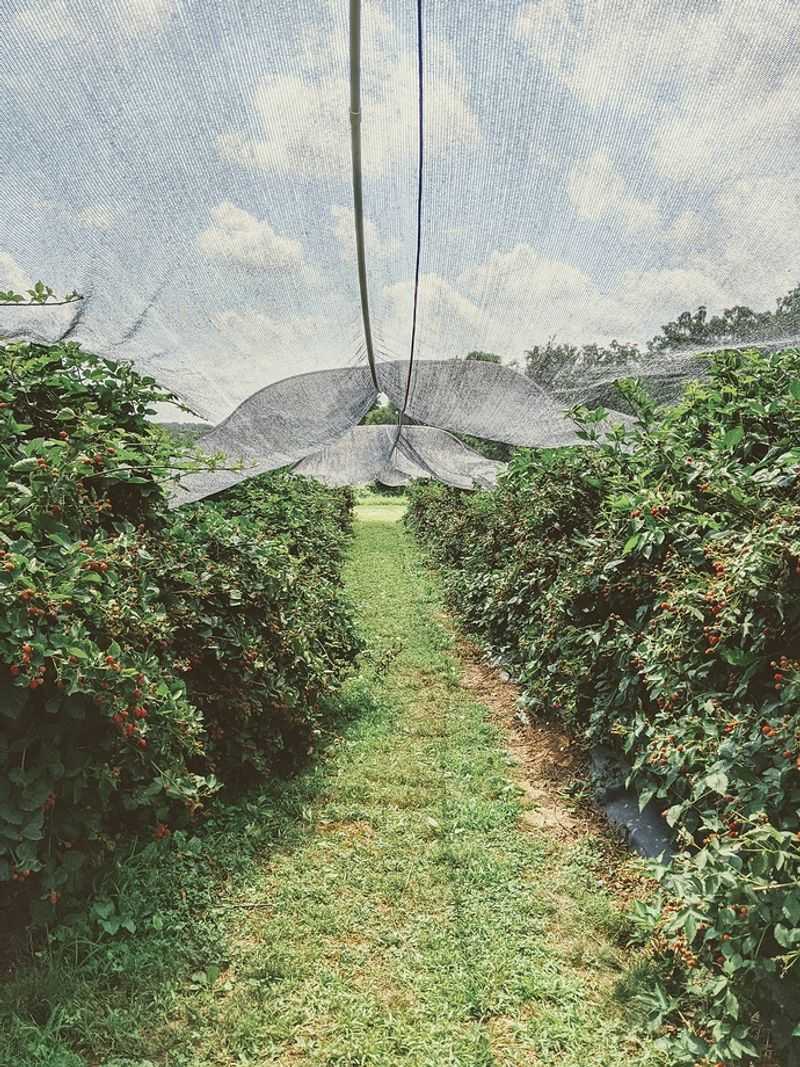
Good airflow around stone fruit is not just about keeping the fruit cool. It also helps reduce the humidity that can build up under dense cover, which matters even in Arizona where the air is usually dry.
During monsoon season, humidity levels rise enough that poor ventilation under shade cloth can create conditions that encourage fungal issues on ripening fruit.
Keeping shade light enough to allow airflow means choosing materials with open weave structures rather than solid or tightly woven fabrics.
A 30 percent shade cloth lets roughly 70 percent of air pass through freely, which is usually enough to prevent stagnant heat pockets from forming around the fruit.
Heavier shade ratings, like 70 or 80 percent, block too much light and airflow for most stone fruit applications in a residential Arizona backyard.
When draping shade cloth over branches, avoid pressing it flat against the foliage or fruit. Even a few inches of space between the cloth and the fruit surface makes a meaningful difference in how well air circulates underneath.
Some Arizona backyard growers use lightweight bamboo stakes or small hoops to hold the cloth slightly above the branch line, creating a loose canopy effect rather than a tight wrap.
This approach helps sunlight filter in at softer angles while still allowing warm air to escape upward.
Matching the shade density to your specific tree size, canopy coverage, and afternoon sun exposure is worth experimenting with over one or two seasons to find what works best.
6. Protect Fruit Without Blocking The Whole Tree
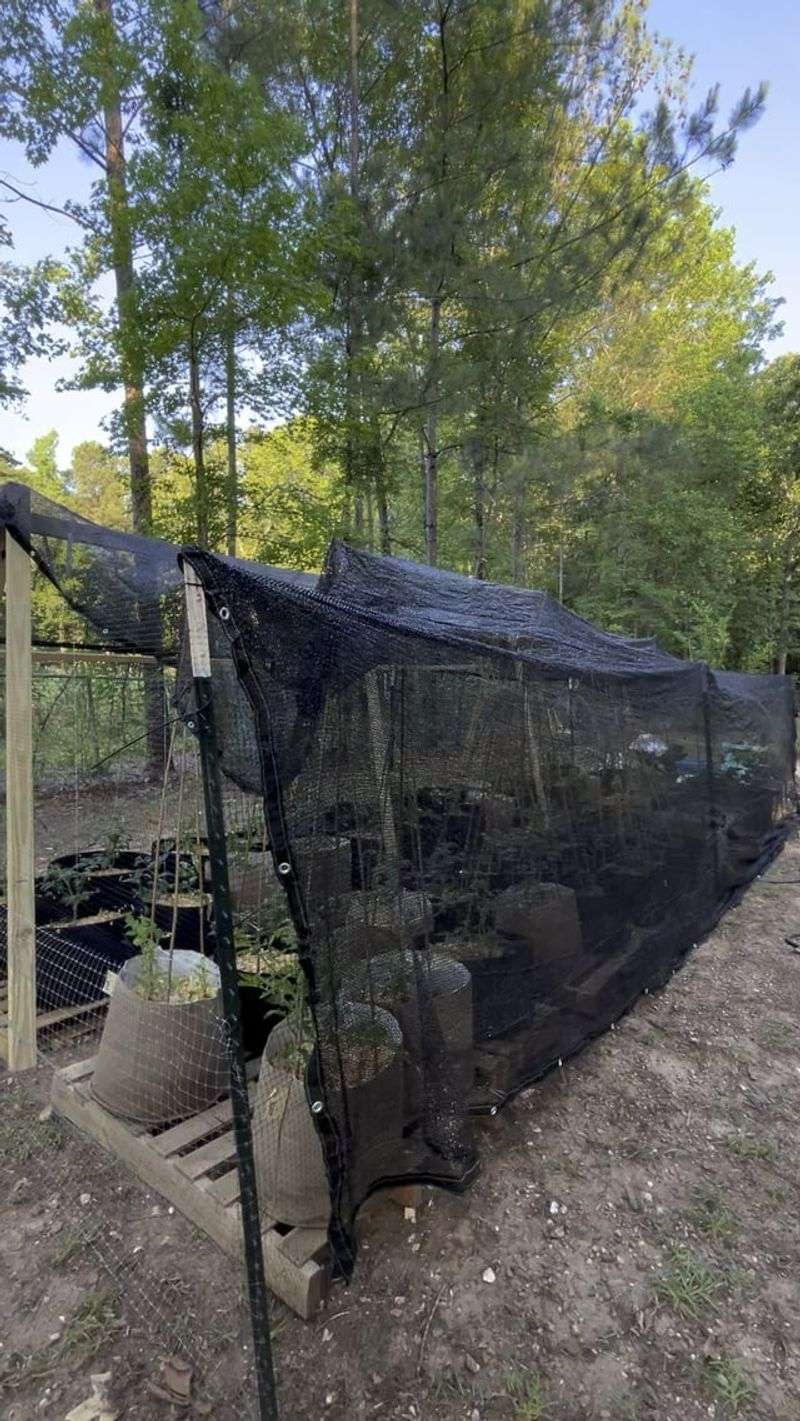
Covering an entire stone fruit tree with shade cloth from top to bottom might seem like the safest approach during an Arizona heat wave, but it often creates more problems than it solves. Stone fruit trees need adequate sunlight to ripen properly.
Blocking too much light for extended periods can slow sugar development, affect fruit color, and reduce the overall quality of the harvest even if the skin stays smooth and unblemished.
A more targeted approach works better for most home orchards in Arizona. Identify which fruit clusters or branches are most exposed to afternoon sun, and focus shade coverage on those specific areas rather than the whole canopy.
This way, the rest of the tree continues to receive the sunlight it needs while the most vulnerable fruit gets some afternoon relief during peak heat hours.
Partial shading also makes it much easier to monitor the fruit as it ripens. When only a portion of the tree is covered, you can check color, firmness, and overall condition without having to remove and replace the shade cloth every time.
For patio fruit trees or dwarf varieties growing in containers, targeted shading is especially practical because the smaller size makes it easier to drape just one side of the canopy during the afternoon and leave the rest open.
Protecting specific fruit rather than the whole tree keeps the approach simple, flexible, and easy to adjust as summer conditions shift across the season.
It also helps preserve airflow through the canopy, which matters when shade cloth is used during hot, still weather.
Use clips, stakes, or a light frame so the fabric shades the exposed fruit without pressing directly against branches or trapping heat around the canopy.
7. Remove Temporary Shade When Heat Eases
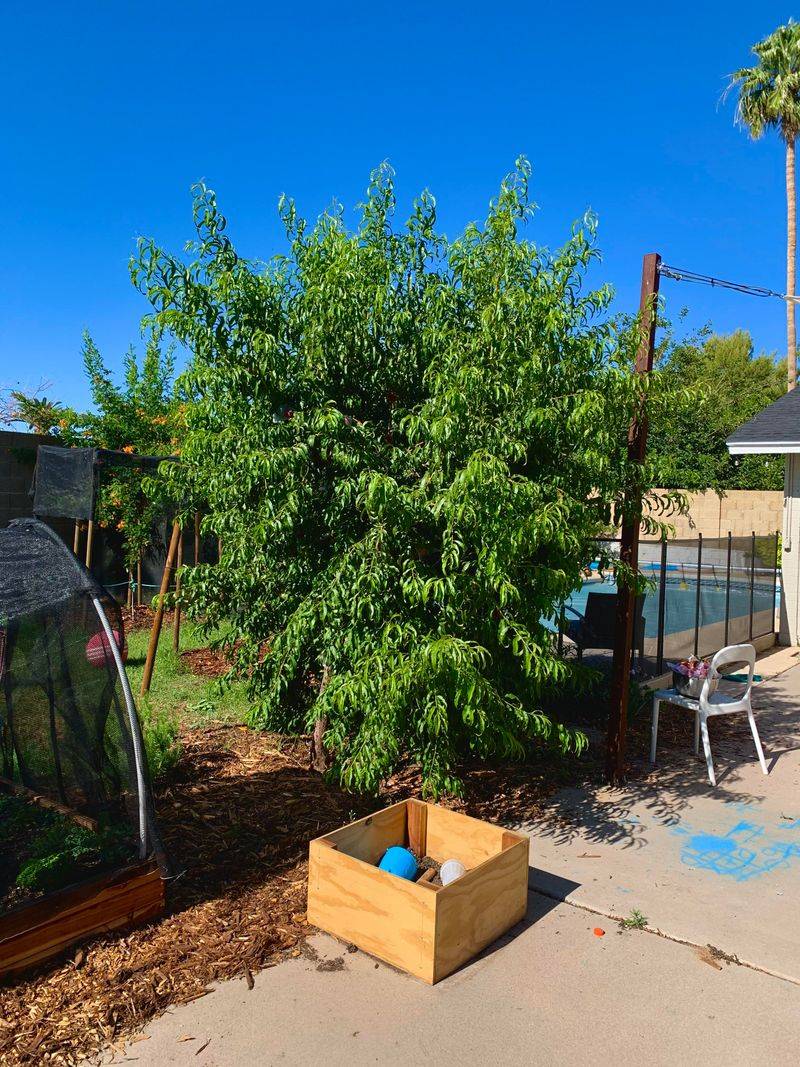
Leaving shade cloth in place long after the afternoon heat has passed is a habit worth breaking early in the season.
Temporary shade is most useful during the peak sun window, roughly from late morning through mid-afternoon, when direct sun intensity is highest and fruit surface temperatures are most likely to spike.
Once the sun moves lower in the sky and afternoon temperatures begin to ease, removing the shade allows the tree to benefit from better light and airflow through the evening hours.
In Arizona, that transition often happens somewhere between 4 and 5 p.m. during the height of summer, though it varies depending on the time of year, cloud cover, and local conditions.
Leaving shade cloth on overnight or through cooler morning hours is generally unnecessary and can interfere with morning dew, pollinator activity, and natural light exposure that the tree benefits from early in the day.
Removing the shade on a consistent schedule also makes it easier to inspect the fruit regularly for ripeness, pest activity, or early signs of sunburn that might indicate the cloth needs repositioning.
Getting into a routine of putting the shade up in late morning and taking it down in the early evening keeps the process manageable without adding a lot of extra effort to your regular orchard care.
As Arizona summers shift into fall and afternoon temperatures gradually drop, you can reduce shade use and eventually stop once the heat is no longer intense enough to pose a serious sunburn risk to ripening fruit.