10 Garden Tasks To Skip In Virginia During July Heatwaves
Ten o’clock in the morning and the thermometer already reads ninety degrees. Virginia gardens do not ease into summer, they get thrown straight into it, and every leaf, root, and blade of grass feels the difference within hours.
Certain habits that work perfectly fine in April turn into liabilities once the heat locks in for weeks at a time. A handful of small missteps, repeated day after day, can quietly wear a garden down long before anyone notices the damage.
The fix is not more effort, it is different timing, different tools, and a willingness to break a few old routines. Ten mistakes stand between a struggling yard and one that holds its color straight through August
1. Planting Trees And Shrubs In Virginia Clay Soil
Cracked clay baking in July heat is basically a plant prison. Trying to establish new trees or shrubs in these conditions sets them up for almost certain failure.
Virginia clay soil is already notorious for poor drainage and compaction. In July, that same clay turns rock-hard and nearly impossible to work with any real precision.
New transplants need loose, moist soil to spread their roots outward. Bone-dry clay offers neither of those things, and roots simply cannot push through the hardened ground.
Heat stress compounds transplant shock dramatically. A newly planted tree fighting both scorching sun and compacted soil burns through its energy reserves fast.
Watering heavily to compensate often leads to pooling on the surface rather than deep absorption. The clay repels water instead of welcoming it when it gets this dry.
Wait until late September or October to plant new trees and shrubs. Cooler soil temperatures and fall rains give roots a fighting chance to anchor before winter arrives.
Skipping this task during July heatwaves is one of the smartest moves a Virginia gardener can make. Your future self will be grateful you waited.
2. Pruning Boxwoods And Hydrangeas During Peak Heat
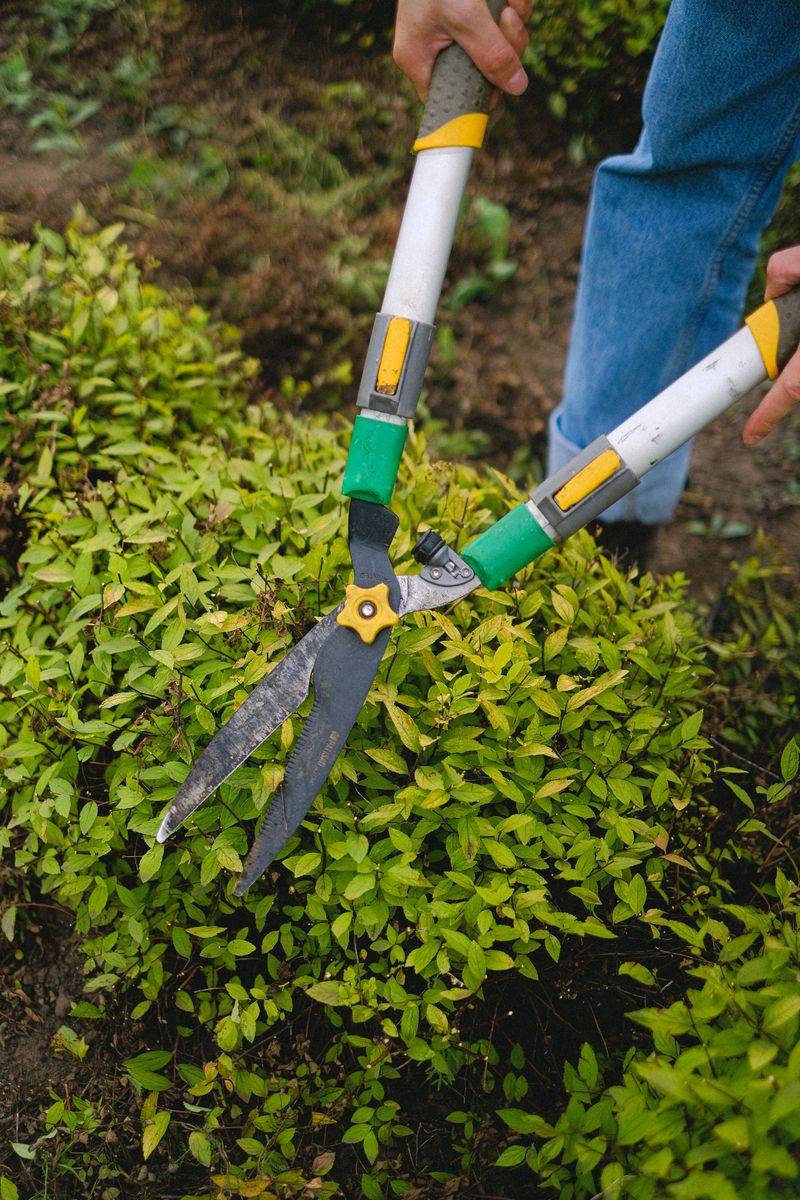
Grabbing your pruning shears on a 98-degree afternoon feels productive, but it is actually harmful. Cutting boxwoods or hydrangeas during peak heat opens fresh wounds on already-stressed plants.
Plants lose moisture rapidly through fresh cuts in summer sun. That moisture loss hits hardest when temperatures are soaring and humidity offers no real relief.
Boxwoods are especially vulnerable to boxwood blight, a fungal disease that spreads faster in hot, humid conditions. Fresh pruning cuts create easy entry points for that pathogen.
Hydrangeas need their energy focused on surviving the heat, not on healing wounds. Cutting them back now redirects resources away from root stability and toward wound repair.
Many gardeners also accidentally remove next year’s bloom buds when pruning hydrangea varieties that flower on old wood, such as bigleaf or oakleaf types.
The best window for pruning most shrubs in this region is late winter or early fall. Both seasons offer cooler temps and lower disease pressure across the board.
During July heatwaves, put the pruners down and step back. Let your boxwoods and hydrangeas simply rest and survive until the calendar flips to a kinder month.
Your Virginia Garden Changes Every Week. Your Plan Should Too.
Gardening in Virginia changes quickly throughout the season. Every Friday you’ll receive a simple weekly plan showing exactly what to plant, prune, fertilize, harvest, and protect so you never miss the right timing.
3. Fertilizing Fescue Lawns In Virginia Summer Conditions
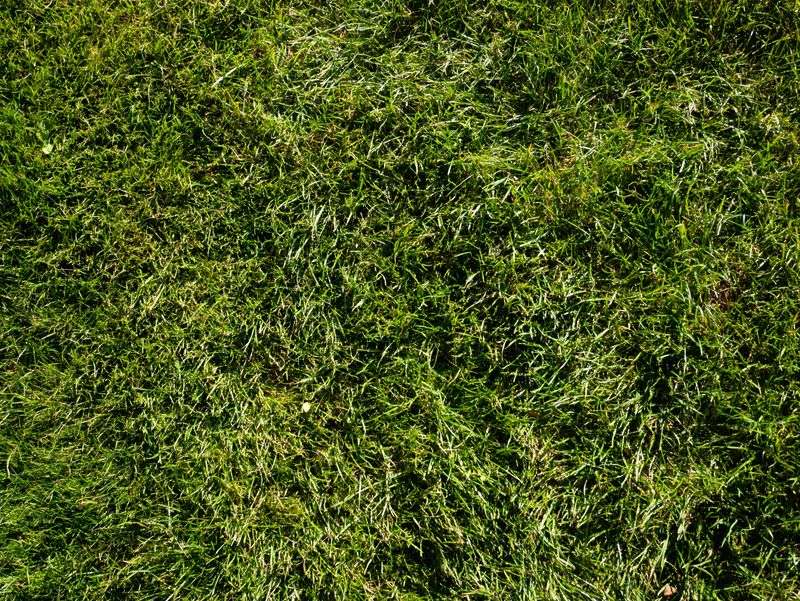
Fescue lawns across the region enter a natural dormancy during July heat. Pushing fertilizer onto a dormant lawn is like feeding someone who is already asleep at the table.
Nitrogen-heavy fertilizers applied in summer heat can literally burn fescue blades. The chemical reaction combined with high soil temperatures scorches the grass from the roots upward.
Fertilizer salts draw moisture out of soil when conditions are hot and dry. That moisture loss accelerates stress in grass that is already struggling to survive the season.
Many homeowners see brown fescue and assume the lawn needs feeding urgently. What it actually needs is patience, shade where possible, and occasional deep watering instead.
Applying fertilizer now also encourages new, tender growth that cannot handle the intensity of July sun. That soft new grass burns almost immediately after emerging from the soil.
Fescue responds best to fertilization in September and October, once temperatures drop below 75 degrees consistently. Fall feeding supports root development rather than forcing weak top growth.
Skipping the fertilizer bag during July heatwaves protects your lawn far better than any product could. Hold off, and your fescue will bounce back strong once autumn arrives.
4. Watering Tomato Plants With Overhead Sprinklers At Midday
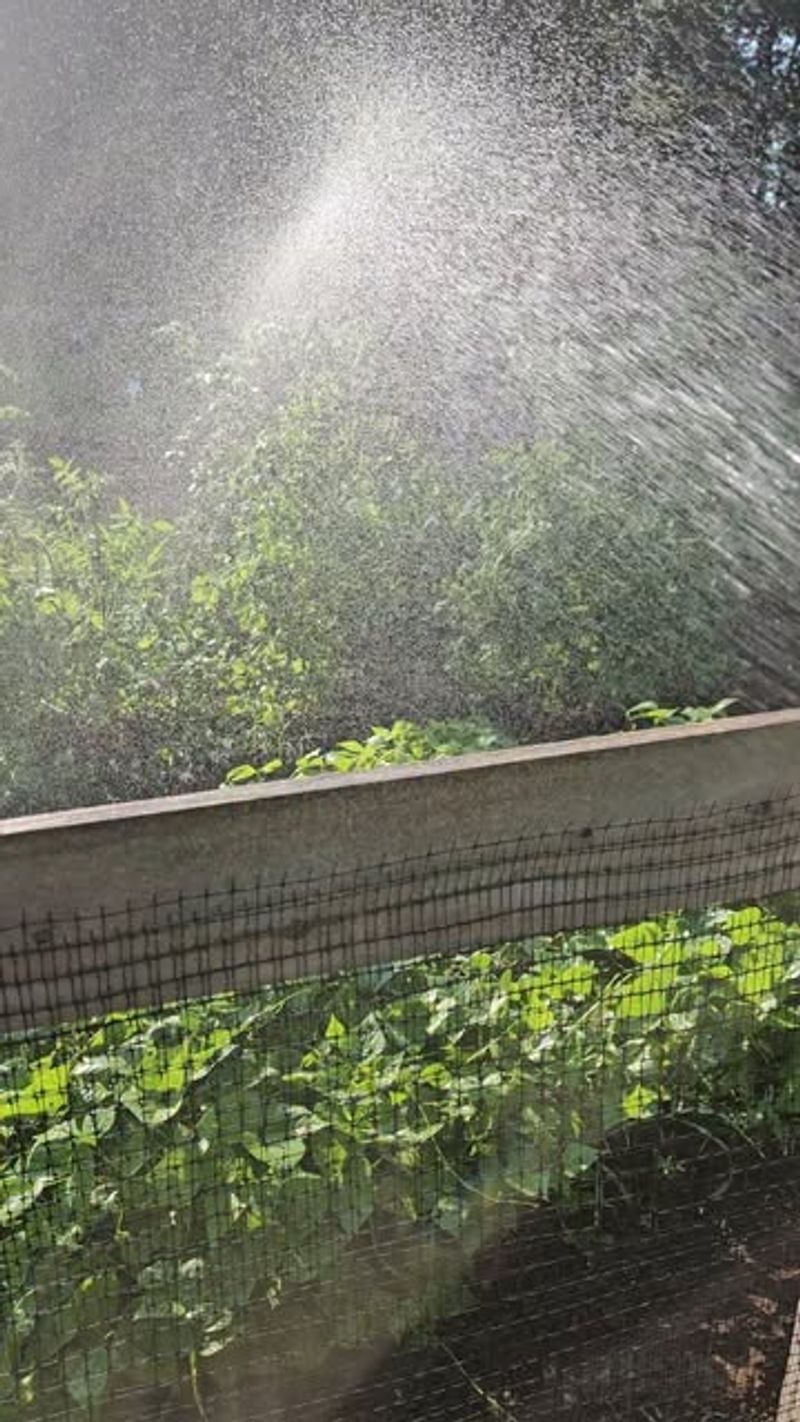
Midday overhead watering on tomatoes sounds helpful, but it creates a surprising list of problems. Wet foliage sitting under intense afternoon sun loses water fast and becomes an easy target for fungal issues.
That extra surface moisture combined with heat stresses the leaf tissue directly. Brown patches appear within hours, and the damage is permanent once it sets in.
Overhead watering also keeps foliage wet during the hottest, most humid part of the day. That combination is a perfect recipe for fungal diseases like early blight and septoria leaf spot.
Tomatoes are already prone to these diseases throughout the growing season. Adding excess moisture to the equation in July basically invites those problems to take hold faster.
Inconsistent watering from overhead sprinklers also causes blossom end rot, a calcium deficiency triggered by irregular moisture levels. That condition ruins fruits right before they are ready to pick.
The smart approach is drip irrigation or soaker hoses delivered at the base of each plant. Water early in the morning so foliage stays dry throughout the day.
During July heatwaves, how and when you water matters as much as how much you use. Protecting tomato foliage from overhead moisture is a simple shift with a big payoff.
5. Dividing Hostas And Daylilies In Piedmont Gardens
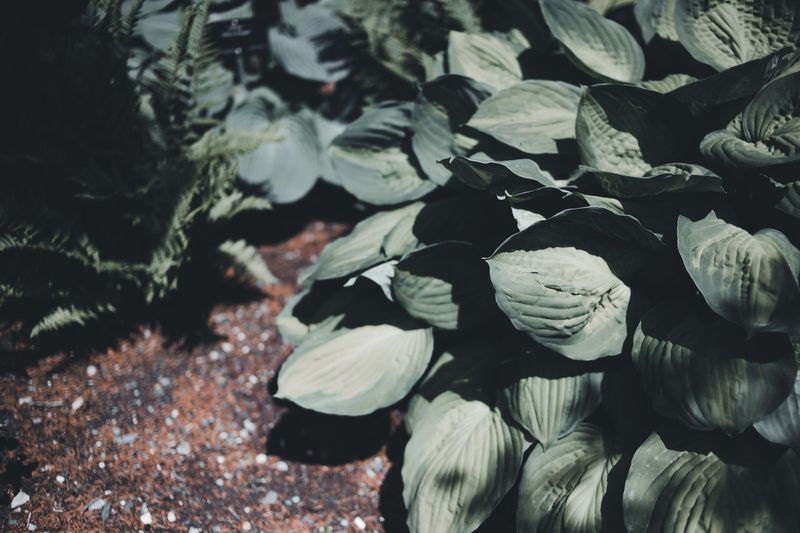
Hostas look tempting to divide when they are sprawling and overcrowded in midsummer. But splitting plants during a heatwave puts them through double stress they simply cannot handle well.
Division exposes root systems to scorching air and soil temperatures almost immediately. Without established roots to draw moisture, divided sections wilt within hours of being separated.
Daylilies are slightly tougher, but even they struggle when divided in peak heat. The energy they need to settle new roots is being pulled in every direction at once.
Piedmont gardens face intense radiant heat during July, especially where clay soil holds warmth. That clay-heavy soil holds heat long after sunset, giving divided plants no real overnight recovery window.
Replanting freshly divided clumps into hot, dry soil creates a tough environment for root regeneration. Even with heavy watering, survival rates drop noticeably compared to fall divisions.
The ideal time for dividing hostas and daylilies is early September through mid-October. Cooler soil and gentler sun give divided clumps a genuine opportunity to establish before frost.
Mark your overcrowded clumps now with a small flag or stake so you remember where to return in fall. Patience here pays off with healthier, fuller plants next season.
6. Mowing Fescue Lawns Too Short In Humid Weather
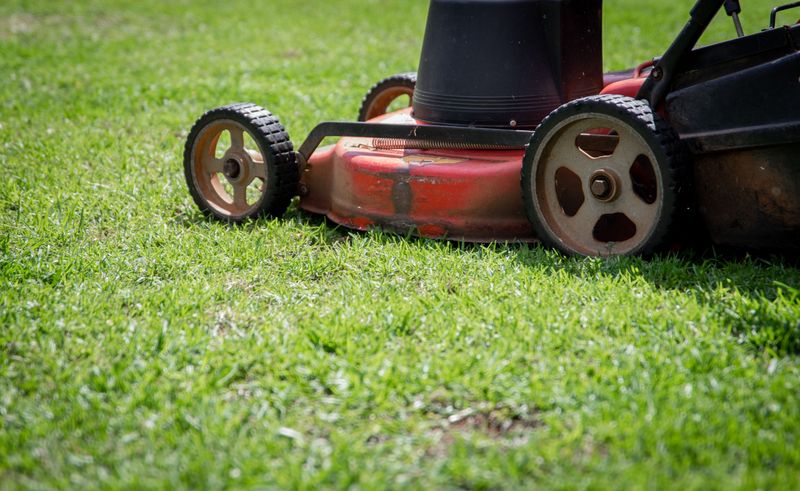
Scalping your fescue lawn in July feels like a good idea until you see it turn brown within days. Cutting cool-season grass too short during humid summer weather is one of the fastest ways to wreck a lawn.
Fescue needs taller blades in summer to shade its own root zone. Those longer blades trap moisture near the soil surface and reduce evaporation throughout the day.
Mowing below three inches in July exposes soil directly to sun and heat. That exposed soil heats up fast and essentially cooks the shallow root system from below.
Humid weather also makes fescue more vulnerable to fungal issues like brown patch disease. Short-cut lawns spread that disease faster because airflow at the soil level drops significantly.
Dull mower blades tear grass rather than cutting it cleanly, adding injury to an already stressed lawn. Ragged cuts create open wounds that struggle to heal in heat and humidity.
Keep fescue at three and a half to four inches during July and August. That extra height acts as a natural shield against both heat and disease pressure.
During July heatwaves, raise your mower deck and mow less frequently. Your lawn will stay greener, stay healthier, and look far better heading into fall recovery season.
7. Tilling Heavy Clay Soil In The Virginia Piedmont
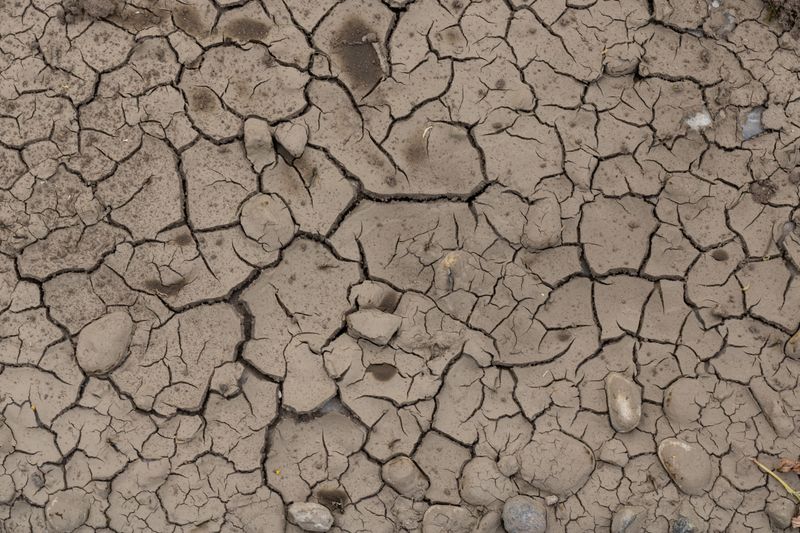
Running a rototiller through Virginia Piedmont clay in July sounds like productive garden prep. In reality, it destroys the soil structure you spent seasons trying to build up.
Tilling dry clay breaks it into fine particles that harden into a concrete-like layer when they dry out again. That layer is called a hardpan, and it blocks both water and roots.
July heat causes tilled soil to lose moisture almost instantly after being turned over. The exposed soil surface bakes in the sun, sealing into a crust within hours of tilling.
Beneficial soil organisms like earthworms and mycorrhizal fungi live in the top several inches of undisturbed ground. Tilling in extreme heat collapses their habitat and sets back soil health significantly.
Weeds also love freshly tilled soil, and they germinate faster than any vegetable you plant in summer. Tilling in July basically rolls out a welcome mat for unwanted plants.
If bed preparation is necessary, try sheet mulching or adding compost on top without turning it in. Let it sit until fall when cooler temperatures make tilling far less damaging.
During July heatwaves, your tiller should stay parked in the shed. Protecting soil structure now means better growing conditions for every season that follows.
8. Direct Sowing Seeds In Coastal Plain Gardens
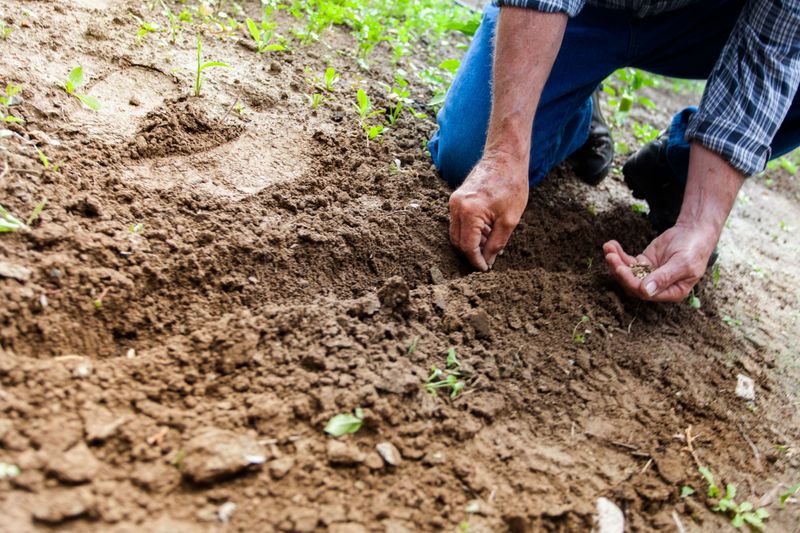
The sandy soils of the Virginia Coastal Plain drain fast even in cooler months. In July, that same soil can dry out completely between waterings within just a few hours.
Direct sowing seeds into this environment gives them almost no chance of consistent germination. Seeds need steady moisture in the top inch of soil to sprout reliably.
Soil surface temperatures on a Coastal Plain bed in July can climb well past 100 degrees at midday. Those temperatures cook seeds before they ever have a chance to germinate properly.
Even seeds that do sprout face brutal conditions as tiny seedlings. Young plants with undeveloped roots cannot pull moisture fast enough to survive that kind of surface heat.
Coastal breezes can help lower temperatures slightly, but they also dry out soil even faster. That trade-off makes germination conditions even less predictable than in other parts of the state.
Wait until late August or early September to direct sow fall crops like kale, spinach, and carrots. Soil temperatures drop quickly after summer, and germination rates improve dramatically with that shift.
During July heatwaves, skip the seed packets and focus on maintaining what is already growing. Your fall garden will be far more successful when you start it at the right time.
9. Spraying For Japanese Beetles In Afternoon Sun
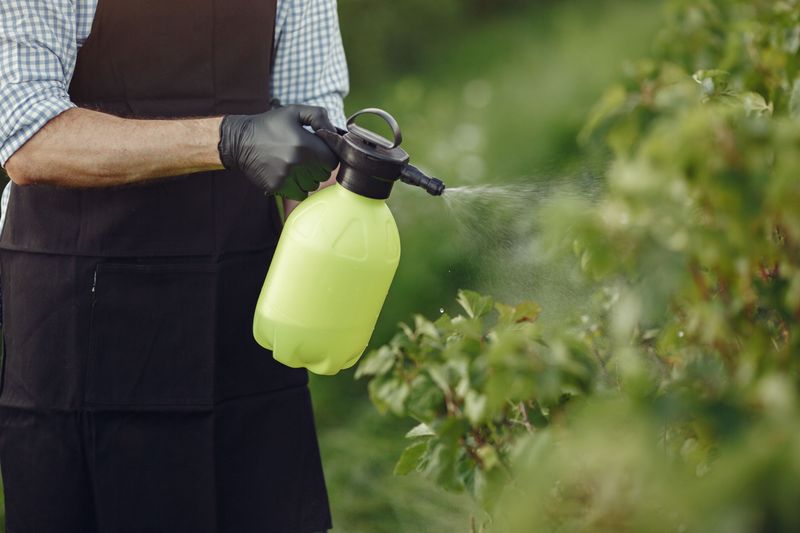
Japanese beetles are genuinely infuriating, and the urge to spray them on sight is completely understandable. But applying pesticides during afternoon sun in July creates more problems than it solves.
High temperatures cause many pesticide formulas to volatilize rapidly, meaning they evaporate before they can work effectively. You end up using more product for far less actual beetle control.
Oil-based sprays and certain contact pesticides can also cause phytotoxicity on plant leaves when applied in heat. That means the spray itself burns foliage that was already under heat stress.
Spraying during peak sun hours also exposes beneficial insects like bees and predatory wasps to pesticide drift. Those insects are most active in afternoon warmth and take the biggest hit.
The most effective window for beetle spraying is early morning, before temperatures climb above 80 degrees. Beetles are sluggish in cooler morning air and less likely to fly away before the spray contacts them.
Hand-picking beetles into soapy water in the early morning is also surprisingly effective on smaller plants. It sounds old-fashioned, but it works without any chemical risk to the garden.
During July heatwaves, timing your pest control correctly matters as much as the product you choose. Smart scheduling protects your plants, your pollinators, and your results all at once.
10. Spreading Fresh Mulch Over Dry Shenandoah Valley Beds
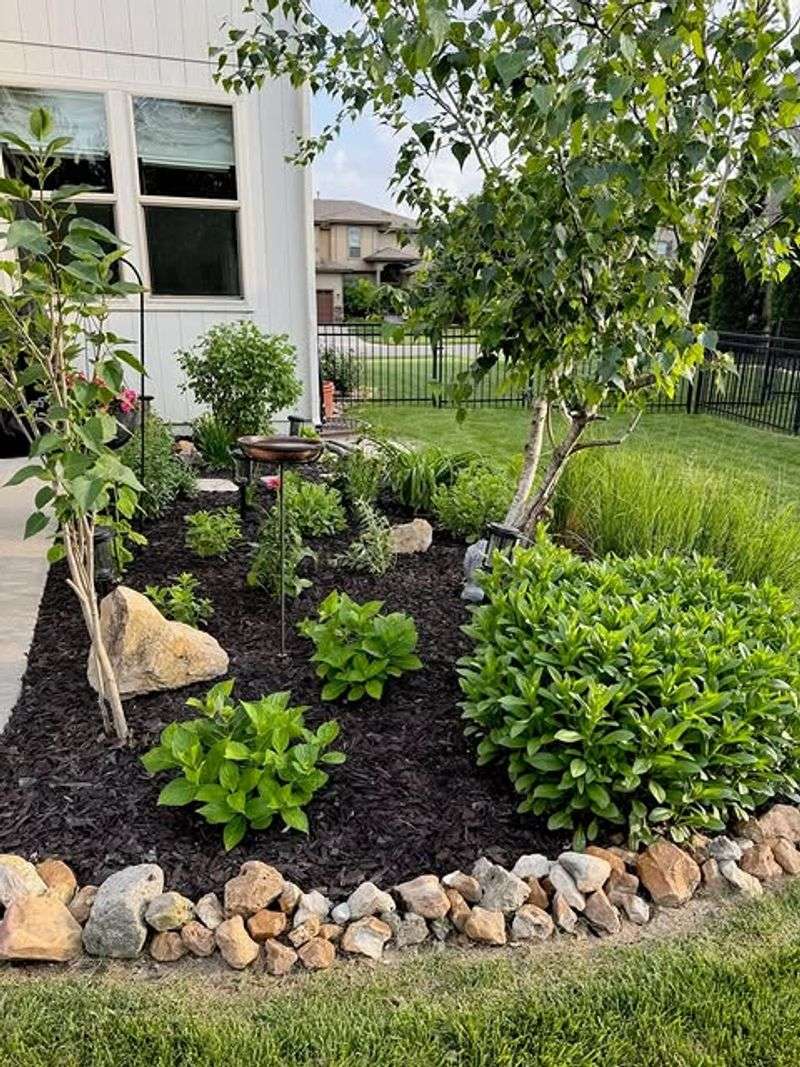
Fresh mulch in the Shenandoah Valley during July seems like a great moisture-saving move. Spreading it over bone-dry beds, however, actually traps that dryness in and keeps water from reaching roots.
When soil is already parched, a thick layer of new mulch acts as a barrier rather than a benefit. Rain and irrigation water bead off fresh wood chips before soaking into the ground below.
Freshly chipped wood mulch also pulls nitrogen from the soil as it begins breaking down. That nitrogen draw happens fastest in warm weather, leaving already-stressed plants with even fewer nutrients.
The Shenandoah Valley experiences intense temperature swings in July, with hot days and cooler nights. Fresh mulch holds daytime heat close to the soil surface and disrupts that natural overnight cooling.
Mulch piled against plant stems in summer humidity also encourages crown rot and fungal issues. That moisture-trapping effect near the base of plants is especially damaging during prolonged heat spells.
If mulch is necessary, water the bed deeply first and let it absorb fully before spreading. Apply no more than two inches and keep it pulled back a few inches from each stem.
During July heatwaves, timing mulch application thoughtfully makes all the difference. A well-timed layer protects your Shenandoah Valley garden, but a poorly timed one quietly works against it.