7 Plants That Will Transform Your New Jersey Yard Into A Lush Jungle Retreat
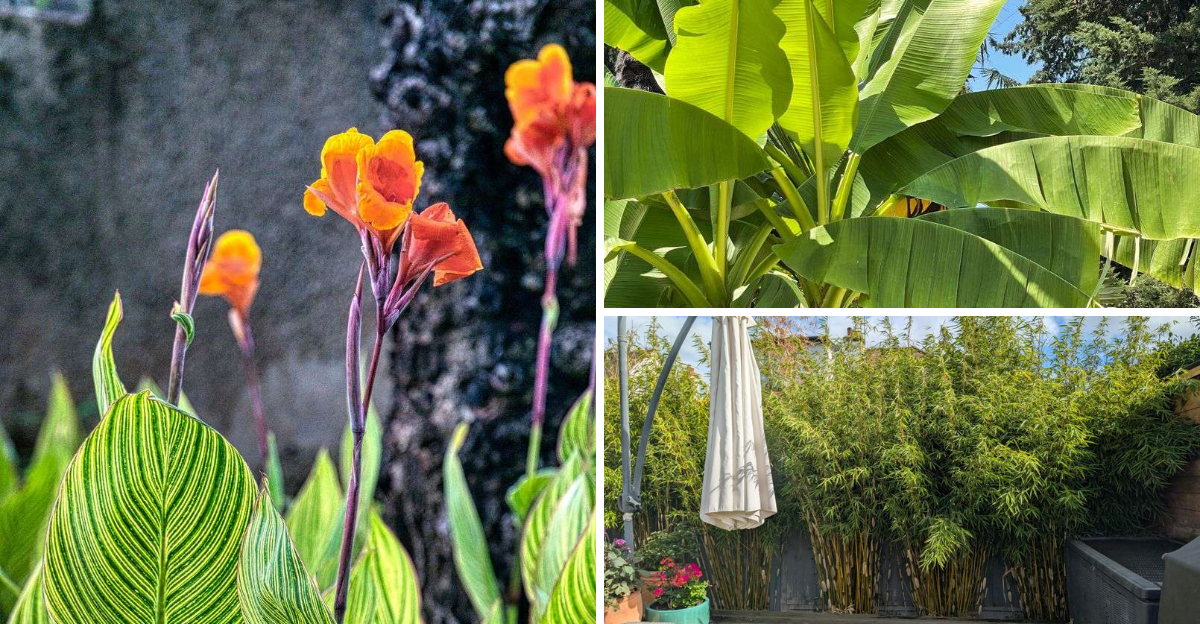
Picture a backyard that stops conversations before they even start. Neighbors slow their cars, kids abandon their phones, and someone usually ends up barefoot in the grass by sunset.
None of this requires a plane ticket or a landscaping loan. Seven plants thrive right here in Northeast soil and still manage to look like they wandered in from somewhere far more exotic.
Some spread fast enough to fill a bare corner in a single season. Others tower over fences and turn a plain yard into something with actual presence.
A cramped balcony and a half-acre lot both have room for at least one of these. Container gardeners and lawn owners alike will find something worth digging into.
Expect thick foliage, unexpected color, and textures that make people stop and ask what exactly they’re looking at. Backyard gardening in New Jersey is about to look a lot less predictable.
1. Hardy Hibiscus
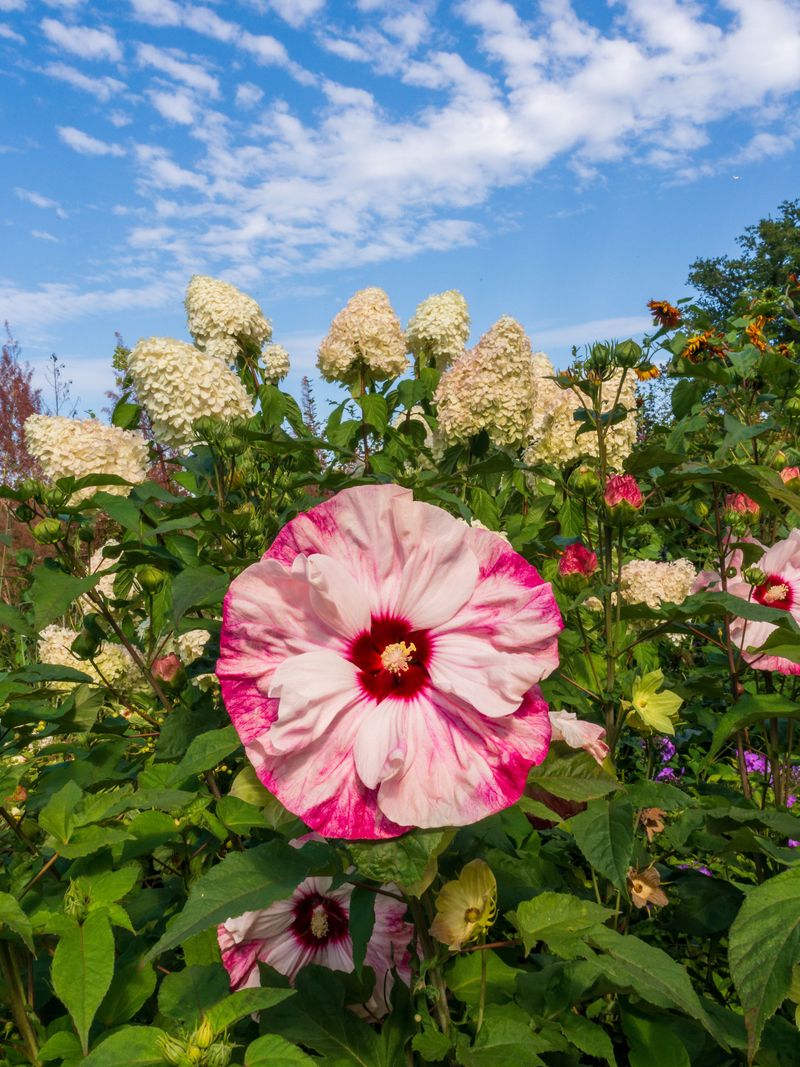
Picture a flower so big it stops people mid-conversation. Hardy Hibiscus blooms can reach a jaw-dropping twelve inches across, making it one of the most dramatic plants you can grow in your yard.
Unlike its tropical cousins, this tough beauty handles cold winters without complaint. It goes dormant in fall and bounces back with serious energy each spring, even in zone 6 conditions common across the Garden State.
Planting is straightforward and beginner-friendly. Choose a sunny spot with moist, well-draining soil, and your Hibiscus will reward you with blooms from midsummer straight through early fall.
Colors range from deep crimson to soft white to candy pink. Each individual flower only lasts a day or two, but the plant produces so many buds that the show continues for weeks at a time.
Butterflies and hummingbirds absolutely love this plant. Adding it to your yard instantly creates a little wildlife sanctuary right outside your window.
Hardy Hibiscus grows between three and seven feet tall depending on the variety. That height gives your garden a layered, lush jungle retreat feel without overwhelming smaller spaces.
Water regularly during dry spells and feed with a balanced fertilizer once a month. These simple steps keep the blooms massive and the foliage looking full and healthy.
One pro tip worth knowing: do not panic when spring arrives and nothing appears above ground. Hardy Hibiscus is a very late riser, often not showing growth until late May or even June.
Once it starts though, it grows fast and furious. Your yard takes on a whole new character almost overnight.
2. Musa Basjoo Hardy Banana
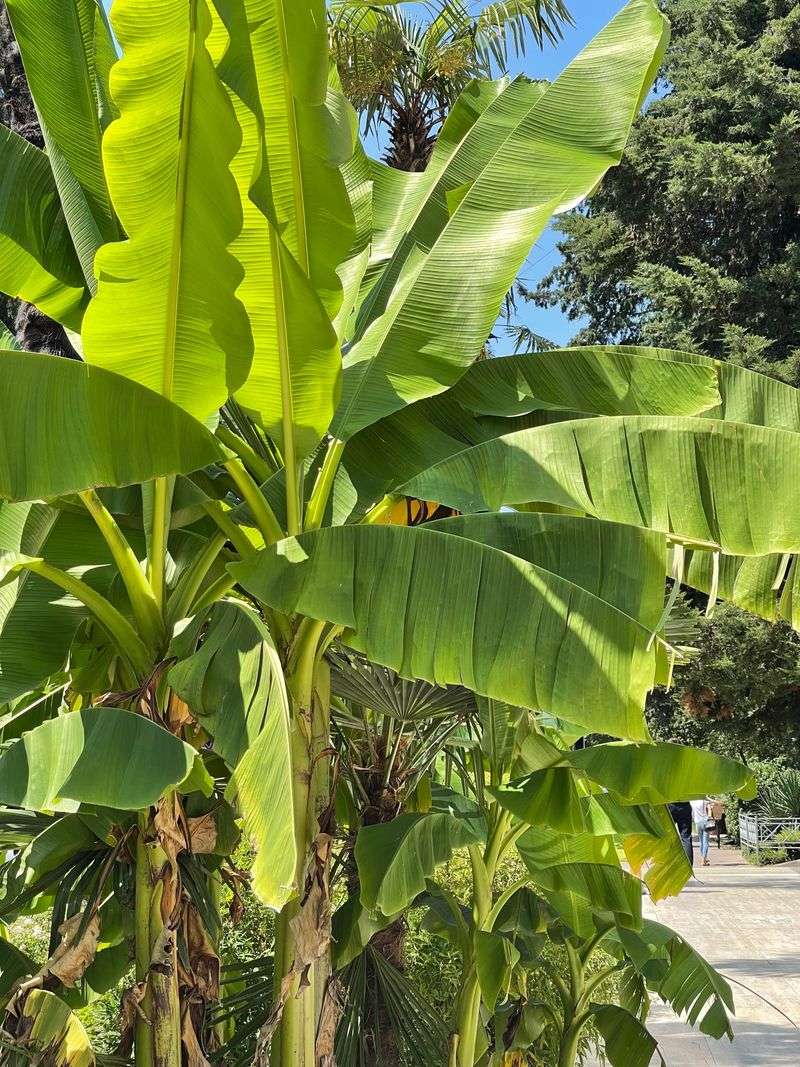
Nothing says tropical paradise quite like a banana tree waving its giant leaves in the summer breeze. Musa Basjoo is the cold-hardiest banana plant on Earth, surviving temperatures well below freezing with the right protection.
This plant grows fast and it grows tall. Under good conditions, Musa Basjoo can shoot up eight to fourteen feet in a single growing season, giving your yard instant jungle scale.
The leaves are enormous, sometimes reaching six feet long. That kind of bold foliage creates shade, texture, and a dramatic tropical backdrop that no other plant can quite match.
Your New Jersey Garden Changes Every Week. Your Plan Should Too.
Gardening in New Jersey changes quickly throughout the season. Every Friday you’ll receive a simple weekly plan showing exactly what to plant, prune, fertilize, harvest, and protect so you never miss the right timing.
Planting in full sun with rich, moist soil gives the best results. Musa Basjoo is a heavy feeder, so mix compost into the planting hole and fertilize regularly throughout the growing season.
When fall arrives and temperatures drop, cut the stalks down to about two feet. Then mulch heavily over the base to protect the roots through winter.
Come spring, new shoots will emerge from the ground and the whole spectacular show starts over again. Many gardeners say watching that first green tip push through the soil is one of gardening’s most satisfying moments.
Grouping three or more plants together creates a dense, layered canopy effect. That clustering strategy is the secret to achieving a true lush jungle retreat feel in your backyard.
Musa Basjoo does produce small bananas, though they are not edible. The real payoff is the unbeatable tropical drama it brings to any outdoor space, season after season.
3. Elephant Ears
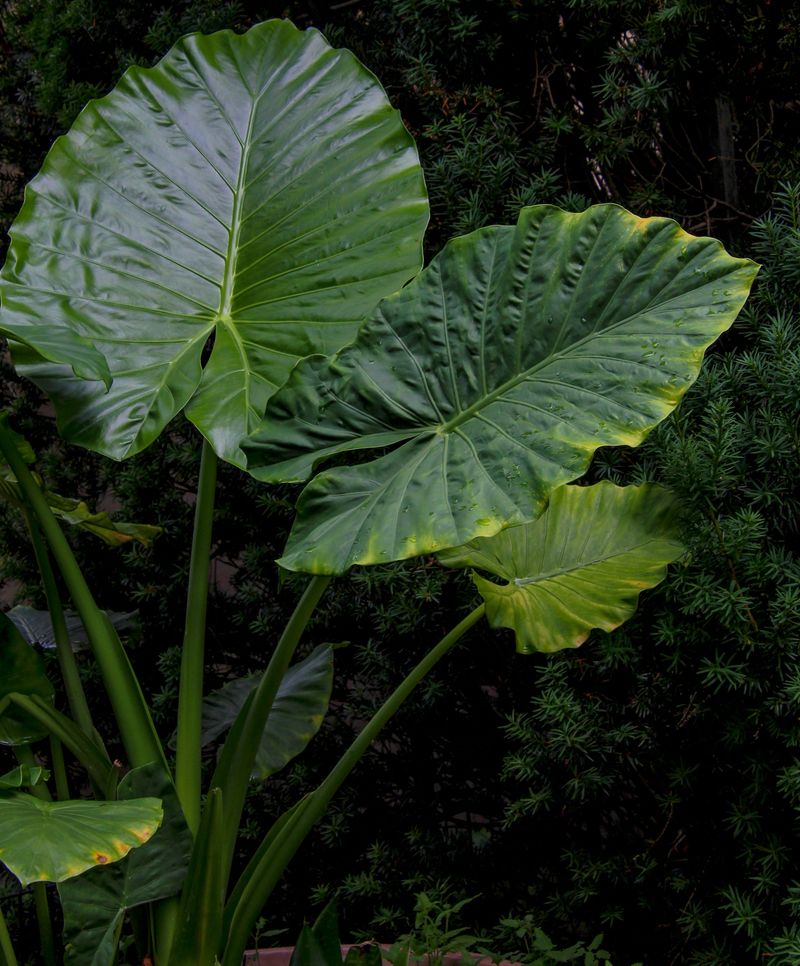
Elephant Ears earn their name the moment you see them in person. Those massive, heart-shaped leaves can grow three feet wide and make most other plants in your garden look like a footnote.
There are two main types to know about: Colocasia and Alocasia. Colocasia loves wet soil and can even grow at the edge of a pond, while Alocasia prefers slightly drier conditions and works great in containers.
Both bring that unmistakable jungle energy to any space. The sheer size of the foliage creates instant drama and a sense of lush, layered abundance that transforms even the most ordinary backyard.
Plant the bulbs after your last frost date, which ranges from mid-April in southern parts of the state to mid-May farther north. Full sun to part shade works well, and these plants are not picky about soil as long as it stays moist.
Elephant Ears are also fantastic container plants. A single large pot filled with one of these beauties can anchor a patio and make it feel like a different destination altogether.
Varieties come in a stunning range of colors. You can choose deep purple-black leaves, bright lime green, or striking two-toned patterns that add artistic flair to your outdoor space.
In fall, dig up the bulbs before the first hard freeze and store them indoors in a cool, dry spot. Replanting them each spring is a small effort for a massive seasonal payoff.
Pair Elephant Ears with ferns and ornamental grasses for a layered, textured garden bed. That combination creates the kind of lush jungle retreat that makes your yard the talk of the neighborhood.
4. Clumping Bamboo
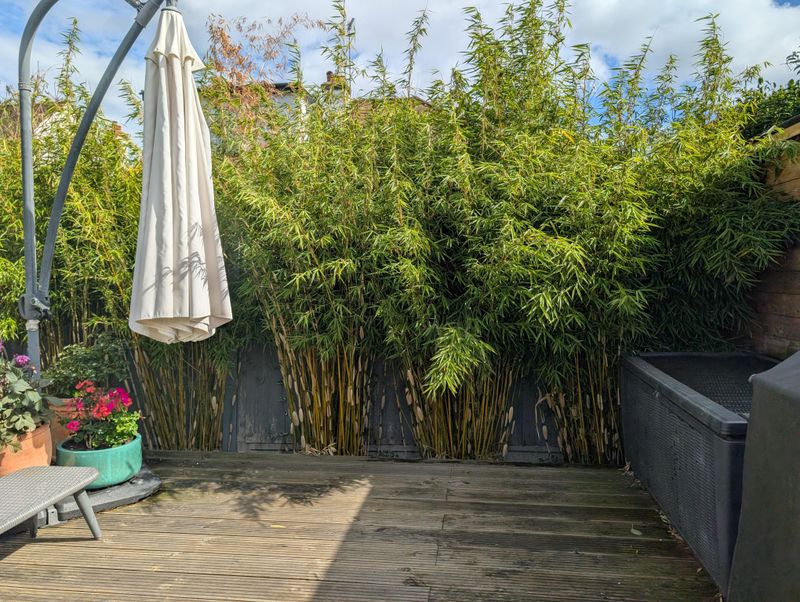
Bamboo gets a bad reputation, and honestly, running bamboo deserves every bit of it. Clumping bamboo, though, is a completely different story and a smart pick for privacy-loving gardeners.
Unlike its invasive cousin, clumping bamboo stays close to where you plant it. The roots grow in a tight, contained circle that expands slowly outward, rarely sending shoots into your neighbor’s yard.
It grows steadily, making it one of the best natural privacy screens available. Depending on the variety, you can expect canes reaching ten to fifteen feet over several years.
The sound bamboo makes in a breeze is genuinely calming. That soft rustling creates a peaceful, immersive atmosphere that turns your backyard into a lush jungle retreat you rarely want to leave.
Fargesia is the most popular cold-hardy clumping genus for the Northeast. These varieties handle zone 5 and 6 winters without protection, making them reliable performers in most of the state.
Plant in a spot with morning sun and afternoon shade for best results. Good drainage matters too, as bamboo roots dislike sitting in waterlogged soil for extended periods.
Water deeply and consistently during the first two growing seasons. Once established, clumping bamboo becomes surprisingly drought-tolerant and low-maintenance compared to many other screening plants.
Fertilize in spring with a nitrogen-rich formula to encourage strong, tall cane production. Taller canes mean better privacy and a more convincing jungle canopy overhead.
Clumping bamboo also pairs beautifully with ferns and hostas at its base. That layered planting creates depth, texture, and a rich, immersive outdoor experience worth savoring every morning.
5. Ostrich Fern
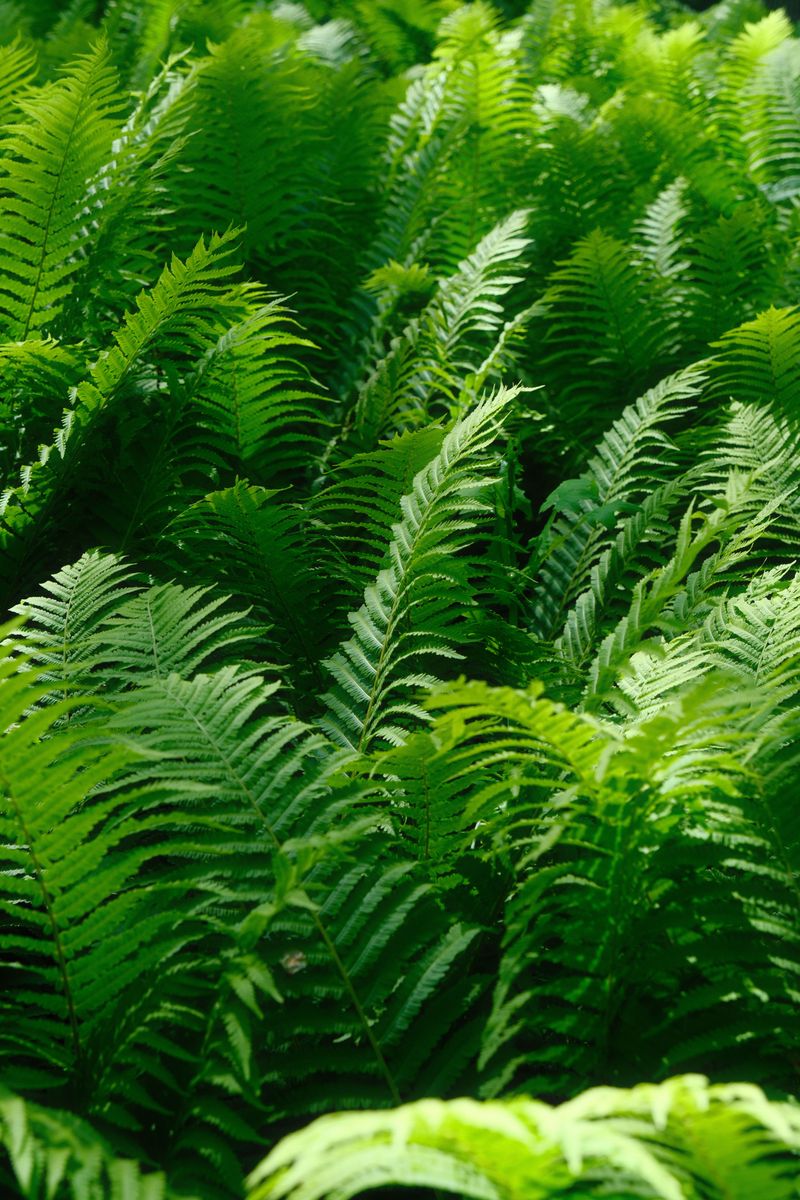
Walk into a shaded corner of your yard and imagine it carpeted in six-foot arching fronds. That is exactly what Ostrich Fern delivers, and it does so with zero fuss and maximum elegance.
This native plant thrives across the Northeast and is perfectly adapted to the wet, shaded conditions that stump so many other garden plants. Moist soil under a canopy of trees is basically its happy place.
Ostrich Fern spreads by underground runners, slowly filling in bare, shady spots over time. That spreading habit is actually a feature, not a flaw, because it creates a dense, forest-floor carpet that looks wildly lush.
The fronds unfurl from the center of each crown in a graceful, vase-shaped pattern. Watching them emerge in spring is one of the most satisfying sights in any garden, almost like watching nature do slow-motion choreography.
Plant in rich, consistently moist soil with good organic matter mixed in. Mulching around the base helps retain moisture and keeps the roots cool during summer heat waves.
Ostrich Fern pairs brilliantly with hostas, astilbe, and bleeding heart for a layered shade garden. Together those plants create a lush jungle retreat feel even in the most sunless corners of your property.
Come fall, the fronds turn a warm golden brown before going dormant for the winter. Cut them down in late autumn or early spring to make room for fresh new growth.
One fun detail: the young fiddlehead shoots that emerge in early spring are edible. Many foragers and food lovers consider them a seasonal delicacy worth celebrating every year.
6. Fatsia Japonica
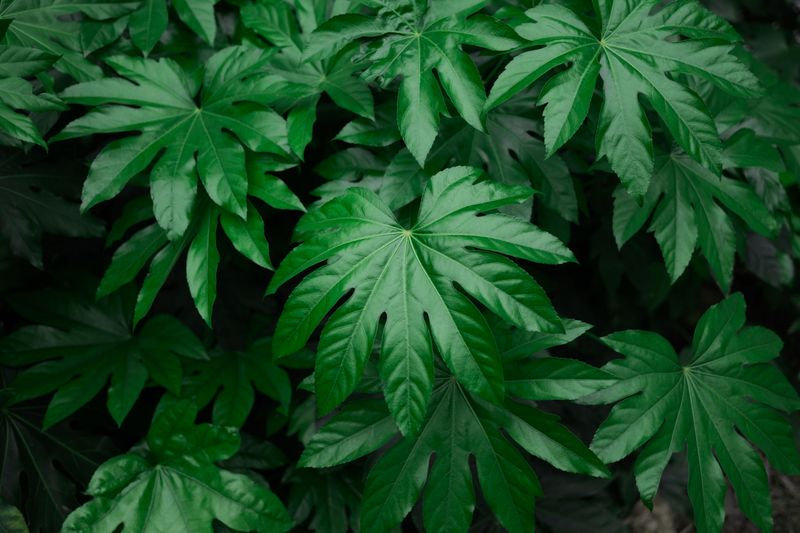
Fatsia Japonica looks like it belongs in a rainforest, with its enormous, deeply lobed leaves and glossy dark green surface. This plant is pure visual drama for any shaded corner of the yard.
Each leaf can span up to sixteen inches across. That bold, architectural foliage creates a striking focal point that anchors garden beds and makes surrounding plants look even more vibrant by contrast.
Originally from Japan and South Korea, Fatsia Japonica has been grown as an ornamental for centuries. Gardeners have long prized it for its ability to thrive in shaded spots where other bold-leaved plants simply refuse to grow.
In the Garden State, this plant does best as a container specimen that spends summers outdoors and winters in a bright, cool indoor spot. That flexibility makes it one of the most versatile tropical-looking plants available to Northeast gardeners.
A sheltered spot near a south-facing wall or fence can work in the mildest pockets of the state. Even then, the plant stays safest away from prolonged hard freezes rather than left to face a full New Jersey winter outdoors.
In late fall, it produces clusters of small white flowers that attract pollinators when most other plants have long gone dormant. That late-season bloom is a genuinely surprising and welcome bonus.
Water moderately and avoid soggy soil, as this plant is prone to root rot in poorly draining beds. Amending heavy clay soil with compost before planting makes a significant difference in long-term health.
Fatsia grows slowly but steadily, eventually reaching six to ten feet tall in favorable conditions. Patience pays off because a mature plant is one of the most jaw-dropping additions to any lush jungle retreat.
7. Canna Lily
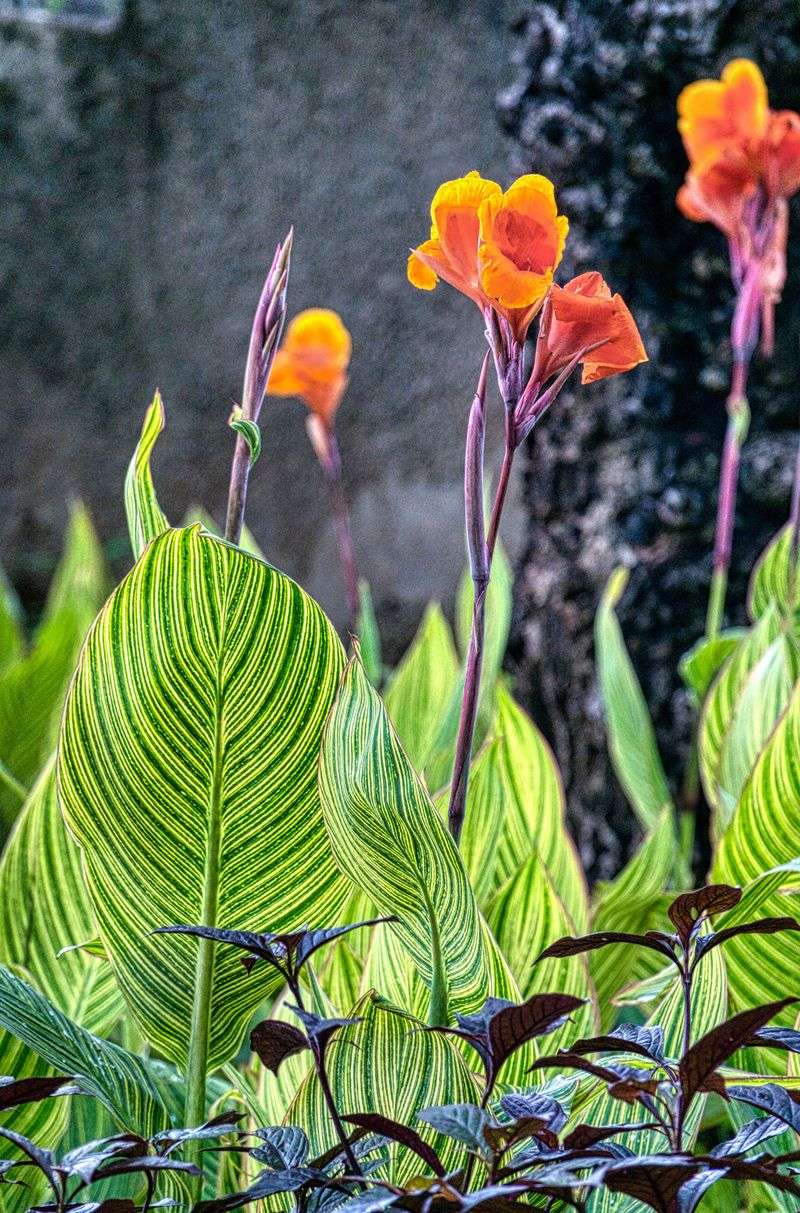
Canna Lily is basically the rock star of the summer garden. Bold striped leaves, towering stems, and flamboyant flowers in shades of red, orange, yellow, and pink make it impossible to ignore.
These plants grow fast and bloom from midsummer through the first frost. That long performance window means your yard stays colorful and exciting for months, not just a few fleeting weeks.
Canna foliage alone is worth the price of admission. Many varieties feature striped, bronze, or burgundy leaves that look stunning even when the plant is not actively blooming.
Plant the rhizomes in full sun after the last frost date, spacing them about two feet apart. Rich, well-draining soil and consistent moisture are the two biggest keys to getting the tallest, most impressive growth.
Heights vary by variety, ranging from two feet for compact types to a towering eight feet for the giant selections. Taller varieties make incredible backdrops that give any garden a layered, lush jungle retreat structure.
Cannas are heavy feeders that respond enthusiastically to regular fertilization. A balanced, slow-release fertilizer applied monthly keeps the foliage lush and the flower spikes coming in fast succession.
After the first fall frost blackens the leaves, cut the stems down and dig up the rhizomes. Store them in a cool, dry location over winter and replant each spring for another spectacular season.
Hummingbirds are obsessed with Canna blooms, and the feeling is mutual once you see one hovering at eye level in your own backyard. Planting Canna Lily is one of the fastest ways to transform your yard into a lush jungle retreat worth bragging about.