An Invasive Pest Is Quietly Defoliating New York’s Oak Trees This Summer
Drive through parts of upstate New York right now and you’ll notice something off. The canopy looks thin.
Branches that should be thick with green are showing sky through them, weeks before autumn has any business showing up.
Walk closer to an oak and you’ll hear it before you see it: a faint, constant patter, like light rain falling from a clear sky.
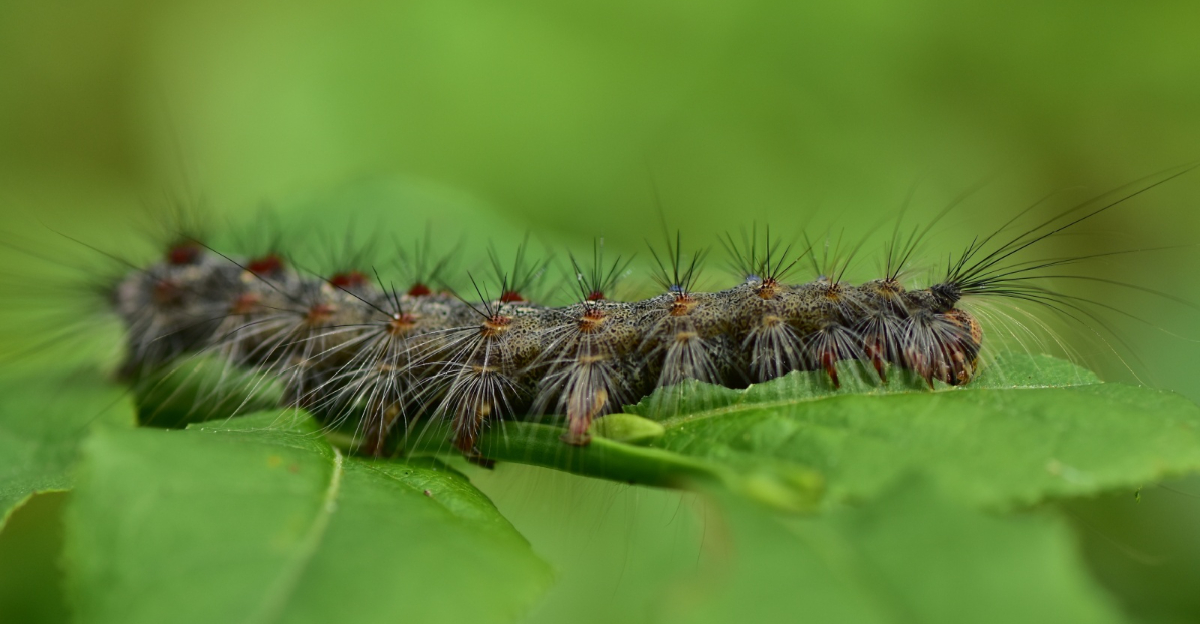
That’s frass, the droppings of thousands of hungry larvae feeding above your head. Nobody seems to know exactly when it started, but the damage is impossible to miss now.
What’s stripping these trees isn’t a single event, a storm, or a disease. It’s alive, and it’s multiplying fast.
New York’s oaks have weathered plenty over the decades. Drought, cold snaps, the occasional pest year.
But this feels different. A single tree can lose its entire leaf cover in under two weeks once things take hold, and homeowners are starting to notice their yards look wrong in a way they can’t quite explain.
The Overlooked Threat To New York’s Oak Trees
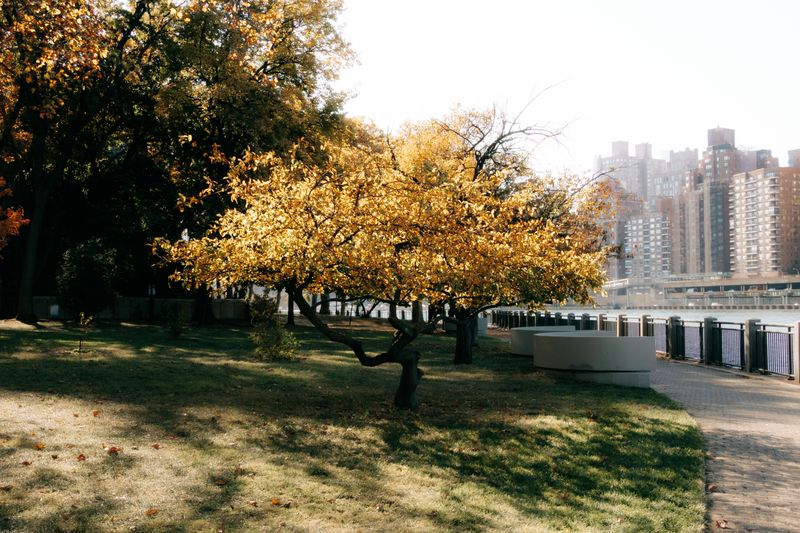
Oak trees are disappearing in plain sight. Across New York, homeowners are stepping outside and noticing their oaks visibly bare in the middle of summer.
The spongy moth is behind it all. This invasive insect arrived in the United States back in 1869, accidentally released in Massachusetts by a scientist who underestimated its appetite.
Since then, it has marched steadily south and west. New York has long been in its crosshairs, but this summer feels different in scale and speed.
Oak trees are the spongy moth’s favorite meal. A single caterpillar can consume a full leaf in minutes, and they travel in massive groups.
Most homeowners do not even notice the infestation until the canopy is already gone. By then, the tree is already under serious stress.
This damage is easy to miss because it produces no obvious sound or visible swarm, just slow and steady defoliation happening branch by branch.
Many people assume their tree is sick with a fungal problem or drought stress. They water more, fertilize, and wait, never suspecting an insect is responsible.
Understanding the real threat is the first step toward protecting your trees. Knowing what you are dealing with changes everything about how you respond.
Your oak trees have survived decades of storms and seasons. They deserve a fighting chance against this silent, creeping invader.
Why This Summer’s Outbreak Is Different
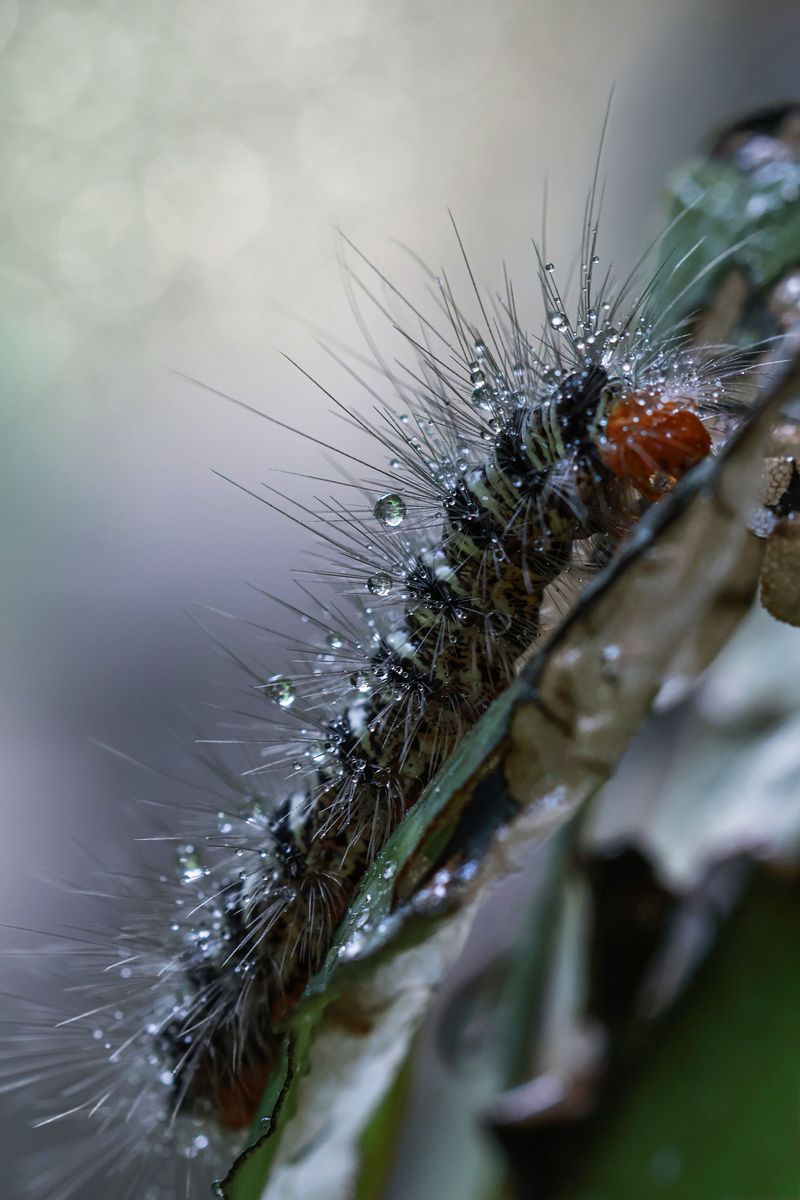
This summer hit differently for New York’s oak forests. Population counts from state forestry surveys show spongy moth numbers climbing to their highest levels in years.
Experts point to a combination of conditions. Last winter was mild, which allowed more eggs to survive than usual, and spring arrived early, giving caterpillars a longer feeding window.
The timing matters enormously. When caterpillars hatch before their natural predators are active, they get a head start that compounds into massive outbreaks.
Your New York Garden Changes Every Week. Your Plan Should Too.
Gardening in New York changes quickly throughout the season. Every Friday you’ll receive a simple weekly plan showing exactly what to plant, prune, fertilize, harvest, and protect so you never miss the right timing.
A naturally occurring fungus called Entomophaga maimaiga normally helps keep spongy moth populations in check. But dry spring weather this year reduced the fungus’s effectiveness significantly.
Without that biological brake, populations grew without natural suppression through May and June.
State officials have confirmed elevated egg mass counts across dozens of counties. Some areas are reporting defoliation rates that homeowners describe as the worst in years.
That kind of loss in a single season is notable. Trees can sometimes bounce back from one bad year, but repeated defoliation weakens them severely.
What makes this outbreak especially concerning is its geographic spread. Areas that rarely saw spongy moth pressure in past years are now reporting heavy infestations.
The window for intervention is narrow. Acting now, while the season is still active, gives your trees the best possible shot at recovery.
How Spongy Moths Defoliate Oak Canopies
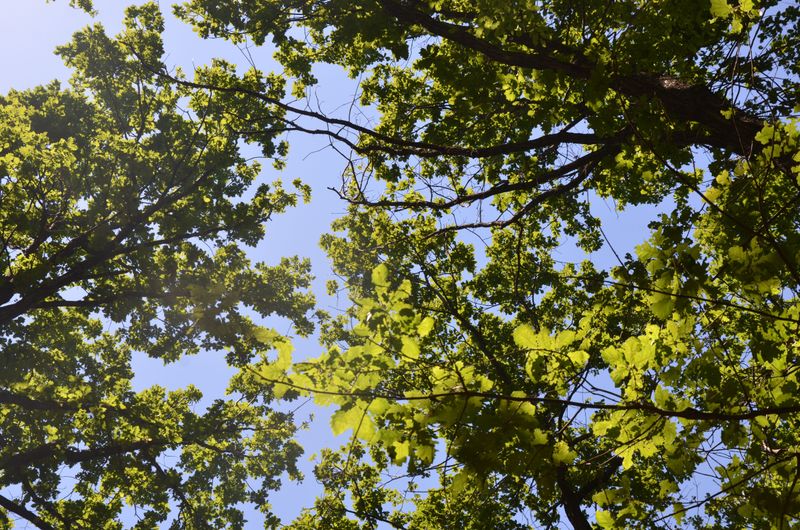
Picture a tree covered in leaves on Monday and nearly bare by Friday. That is not an exaggeration when spongy moth populations peak in late spring and early summer.
Each caterpillar eats relentlessly from the moment it hatches. A large outbreak colony can strip an entire mature oak in less than two weeks.
The feeding happens mostly at night, which is part of why so many homeowners miss it. You go to bed with a full canopy and wake up to something that looks like November in July.
Caterpillars start at the top of the tree and work downward. By the time damage is visible from the ground, significant feeding has already occurred higher up.
Frass, which is caterpillar droppings, rains down from the canopy like fine brown dust. If you notice gritty debris on your patio furniture, look up immediately.
Silk threads also hang from branches as caterpillars balloon, meaning they use wind to travel and spread to neighboring trees. This is how one infested tree becomes ten in a single season.
Oak trees respond to defoliation by pushing out a second flush of leaves, called lammas growth. This secondary growth costs the tree enormous energy reserves.
A tree that depletes its energy stores fighting off one infestation becomes far more vulnerable the following year. The cycle of damage accumulates over successive seasons.
Recognizing this feeding pattern early is your single best tool for limiting long-term harm to your landscape.
The Hidden Cost To Long-Term Forest Health
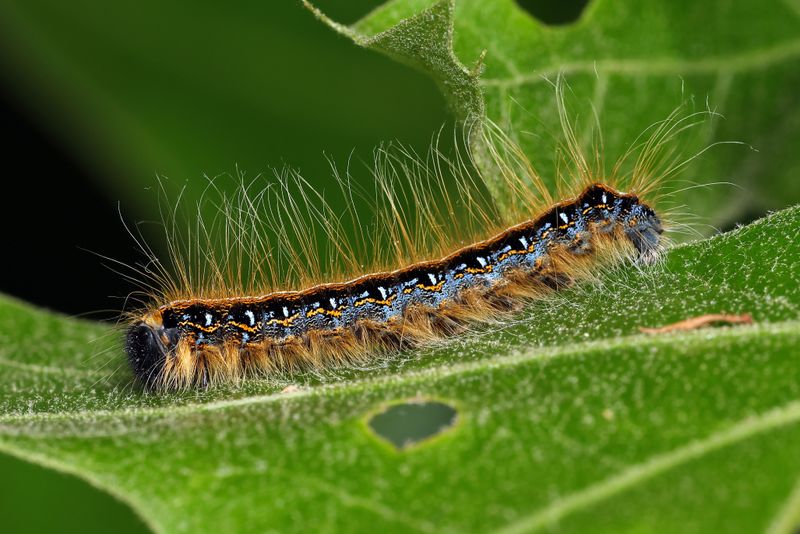
Losing leaves for one summer sounds bad but survivable. The real danger builds quietly beneath the surface over multiple seasons of repeated stress.
A healthy oak tree stores energy in its roots through summer photosynthesis. When caterpillars strip the canopy, that energy storage process stops completely.
Trees that cannot recharge their root reserves become easy targets for secondary threats. Bark beetles, fungal pathogens, and drought stress all move in quickly on weakened hosts.
Forestry research consistently shows that oaks defoliated two or more years in a row face significantly higher mortality rates. The compounding effect is severe and difficult to reverse.
Beyond individual trees, the ecosystem impact is enormous. Oak forests support hundreds of caterpillar species, along with countless birds, mammals, and native plants that depend on the canopy for shade and food.
When the oak canopy disappears, those dependent species lose critical habitat almost overnight. Bird populations that rely on oak-dependent insects for feeding their young suffer immediate consequences.
The economic cost is significant too. Mature oak trees add thousands of dollars in property value. Losing one means losing that investment along with decades of growth.
Municipal forests and state parks across New York are already budgeting for emergency treatments and tree removal, and officials expect these costs to rise as the outbreak continues.
Protecting your trees now is not just about aesthetics. It is about preserving a living, breathing ecosystem that took generations to grow.
Warning Signs Homeowners Are Missing
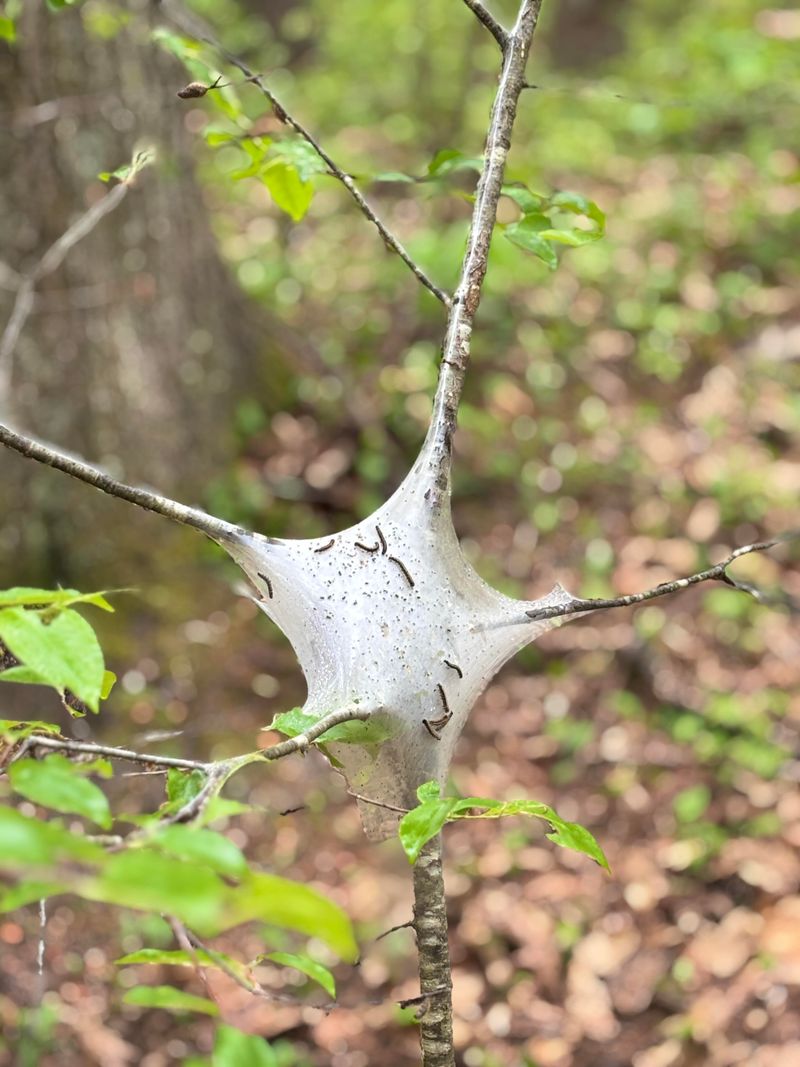
Most people notice the damage way too late. By the time an oak looks visibly stripped, the infestation has been active for weeks and the worst feeding is already done.
The earliest warning sign is egg masses on tree bark. These look like tan, fuzzy patches roughly the size of a quarter, often found on the lower trunk or under branches.
Egg masses overwinter on trees, fences, lawn furniture, and even firewood. If you find them in fall or winter, you have time to scrape them off and destroy them.
Come spring, watch for tiny black caterpillars no bigger than a pencil eraser. They appear around late April in warmer parts of the state and early May further north.
Silk threads hanging from your oak branches are another clear signal. Caterpillars use these threads to drop down and balloon to new host trees when populations get crowded.
Check your patio, deck, and outdoor furniture for frass, the brown gritty droppings that fall from feeding caterpillars above. A heavy frass shower means the infestation is active and dense.
Look at neighboring properties too. Spongy moths do not respect property lines, and an untreated tree next door can reinfest your yard repeatedly each season.
Bark banding with sticky tape or burlap wraps can trap caterpillars before they reach the canopy.
These simple tools are inexpensive and surprisingly effective as early-season barriers. Catching the signs early is genuinely the difference between saving a tree and losing one.
Protecting Your Oak Trees This Season
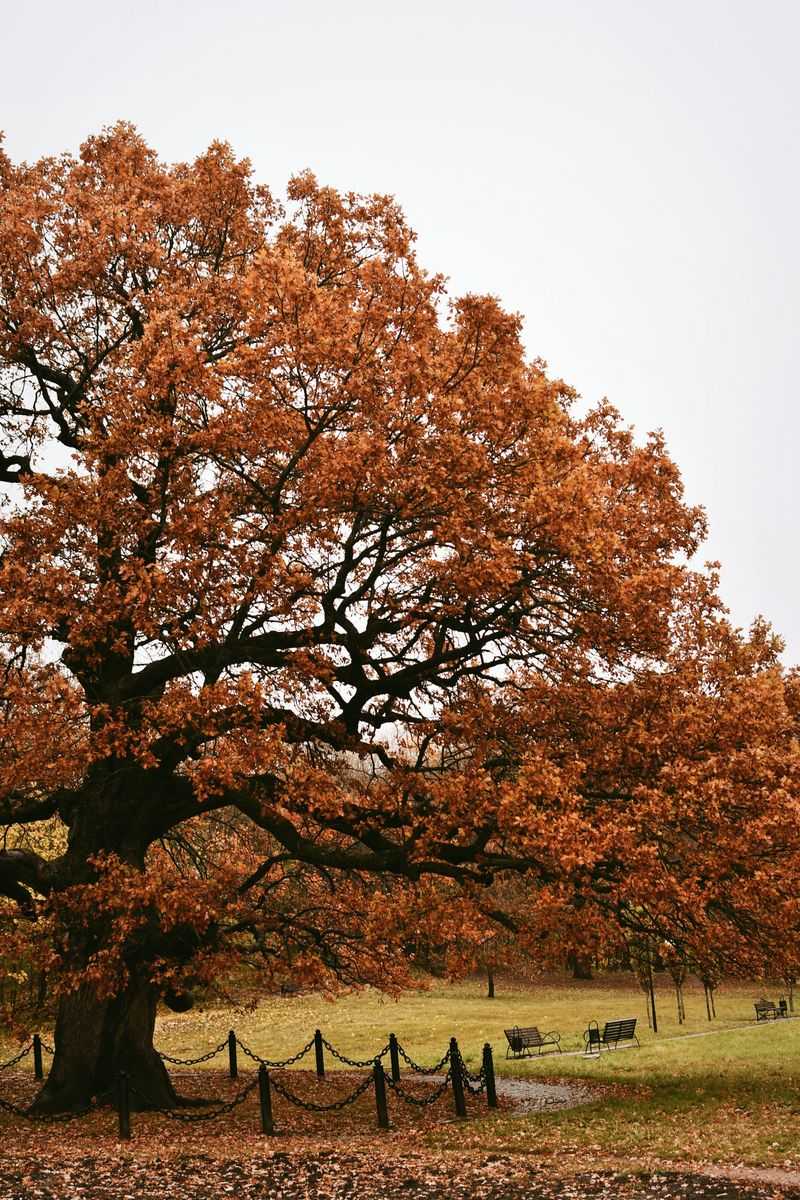
You do not need a forestry degree to protect your oak trees from the spongy moth. A few targeted actions taken at the right time can make a dramatic difference.
Start with a visual inspection of every oak on your property. Look for egg masses, silk threads, and frass as described in the previous section, and act on what you find.
Scraping egg masses into soapy water is one of the most effective low-tech methods available. Do this in fall or early spring before eggs hatch to stop the next generation cold.
Burlap banding is another proven approach. Wrap a strip of burlap around the trunk mid-spring and check it daily to collect and destroy caterpillars hiding in the folds.
For heavier infestations, a biological spray called Bacillus thuringiensis var. kurstaki, known as Btk, targets caterpillar species without harming birds, bees, or mammals, though it can affect non-target moth and butterfly caterpillars as well.
Spinosad is another organic-approved option that works well on larger caterpillars. Both products are widely available at garden centers across the state.
For trees showing signs of stress after defoliation, deep-root watering during dry spells helps replenish energy reserves. Avoid heavy fertilizing right after defoliation, as it can stress the tree further.
Contact your county cooperative extension office for local treatment timing and resources. Many counties offer free egg mass surveys and guidance for homeowners dealing with spongy moth damage this season.