8 Fragrant Michigan Balcony Plants That Make Small Spaces Smell Amazing
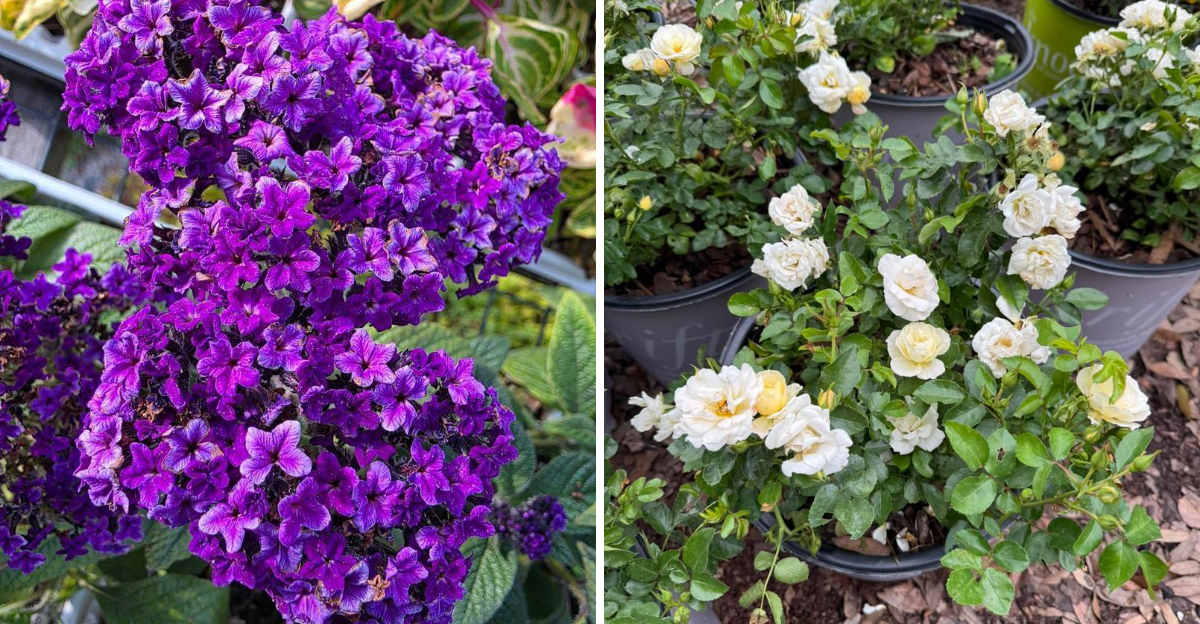
Your balcony might be small, but it does not have to smell ordinary.
Michigan summers are short and sweet, which makes every warm evening on your balcony feel like a gift worth savoring.
The right fragrant plant can turn a tiny outdoor space into something that stops you in your tracks the moment you step outside.
Some of these plants release their scent when the sun warms their leaves. Others wait until evening to really open up, filling the air with something that makes you want to stay outside longer than you planned.
A few smell like a bakery. One smells like a five-star resort. Another releases fragrance every single time you brush against it on your way through the door.
All of them are container-friendly, and all of them are worth growing in Michigan’s precious warm season.
The right combination on a small balcony creates something genuinely surprising, the kind of outdoor space that makes neighbors lean over the railing and ask what you are growing.
Eight plants that make small Michigan spaces smell amazing, and every one of them earns its spot.
1. English Lavender Loves A Sunny Pot
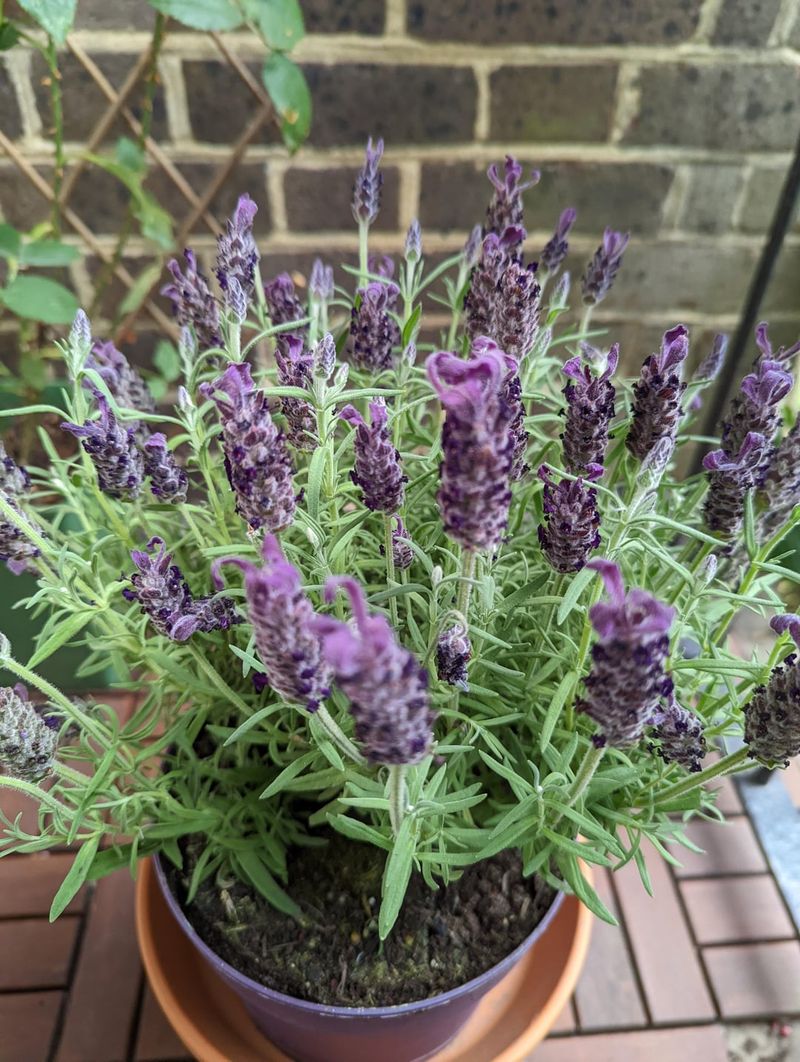
Few plants deliver that classic, calming fragrance quite like English lavender.
The moment warm air hits those silver-green leaves, the scent drifts across your entire balcony. For Michigan gardeners working with container space, lavender is one of the most rewarding choices you can make.
Sun is non-negotiable for this plant.
English lavender needs at least six to eight hours of direct sunlight daily, so place your pot on the sunniest corner of your balcony.
A south or west-facing spot works beautifully. Without enough sun, the plant gets leggy and the fragrance fades fast.
Drainage matters just as much as sunlight.
Use a well-draining potting mix, and never let water sit in the saucer beneath the container. Terracotta pots are a smart pick because they allow moisture to escape through the walls.
Root rot is the fastest way to lose this plant, so keep things on the dry side between waterings.
Michigan winters are too harsh for outdoor lavender survival in containers, so bring the pot indoors before the first hard frost.
Place it near a bright window and water sparingly through the cold months.
Munstead and Hidcote are two compact varieties that thrive in containers, staying under two feet tall and producing dense, fragrant flower spikes from early to midsummer.
2. Scented Geranium Rewards Every Brush
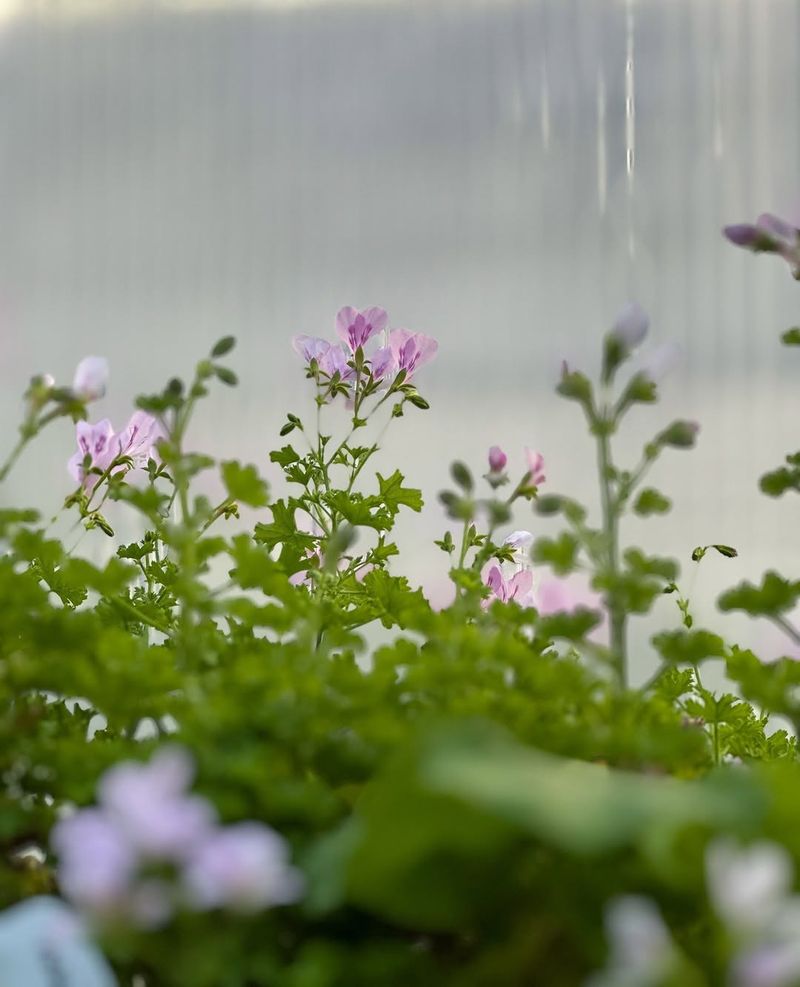
Walk past a scented geranium and brush your fingers along its leaves, and the payoff is immediate.
A burst of fragrance rises up from the foliage, ranging from rose and lemon to mint or nutmeg depending on the variety you choose. This plant is basically a scratch-and-sniff experience you can grow on your balcony.
Unlike regular geraniums grown for showy blooms, scented geraniums are all about the leaves.
The flowers are small and pretty but modest. The real attraction lives in the foliage, which releases its scent on contact or when warmed by afternoon Michigan sun.
Your Michigan Garden Changes Every Week. Your Plan Should Too.
Gardening in Michigan changes quickly throughout the season. Every Friday you’ll receive a simple weekly plan showing exactly what to plant, prune, fertilize, harvest, and protect so you never miss the right timing.
Place your pot near a walkway or doorway so you naturally brush past it throughout the day.
Container care is refreshingly simple.
Scented geraniums prefer well-draining soil and do not like soggy roots. Water thoroughly, then let the top inch of soil dry out before watering again.
They handle a little drought better than they handle overwatering, which makes them forgiving for busy gardeners.
These plants are tender perennials that cannot survive an outdoor Michigan winter.
Bring them inside before temperatures drop below 40 degrees Fahrenheit. Rose-scented varieties like Pelargonium graveolens are especially popular and widely available.
Pick two or three different scents and group them together for a fragrance experience that genuinely surprises every visitor who steps outside with you.
3. Sweet Alyssum Spills With Honey Scent
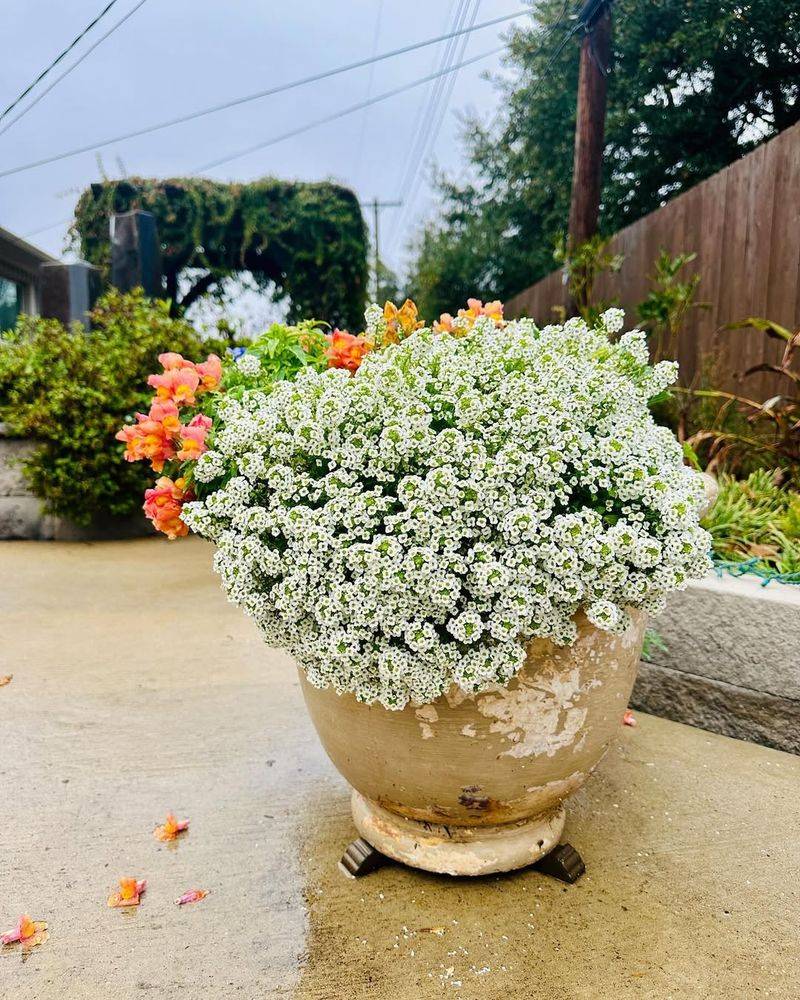
Tiny flowers, big fragrance. Sweet alyssum surprises people every single time.
The blooms are small and delicate, clustered together in little puffs of white, pink, or purple, but the honey-like scent they release is anything but subtle.
On a warm Michigan afternoon, the fragrance can fill an entire balcony from just one small pot.
Alyssum thrives in cool weather, which makes it a perfect fit for Michigan springs and falls. It performs at its absolute best when temperatures stay between 45 and 65 degrees Fahrenheit.
During the heat of July and August, blooming may slow down, but a light trim and some patience will bring it back strong when cooler temps return in late summer.
For containers, alyssum is practically made for spilling over the edges of window boxes, hanging baskets, and mixed planters.
It stays low, rarely exceeding six inches in height, and spreads outward in a soft, cascading habit. Pair it with taller plants in the same container for a layered look that smells just as good as it looks.
Full sun to part shade works fine, and the plant needs consistent moisture without waterlogged roots.
Start seeds directly in containers in early spring for the fastest results. Alyssum germinates quickly and blooms within a few weeks of planting.
Trim regularly to keep the honey scent rolling strong from spring all the way through the first Michigan frost.
4. Heliotrope Brings Vanilla Notes
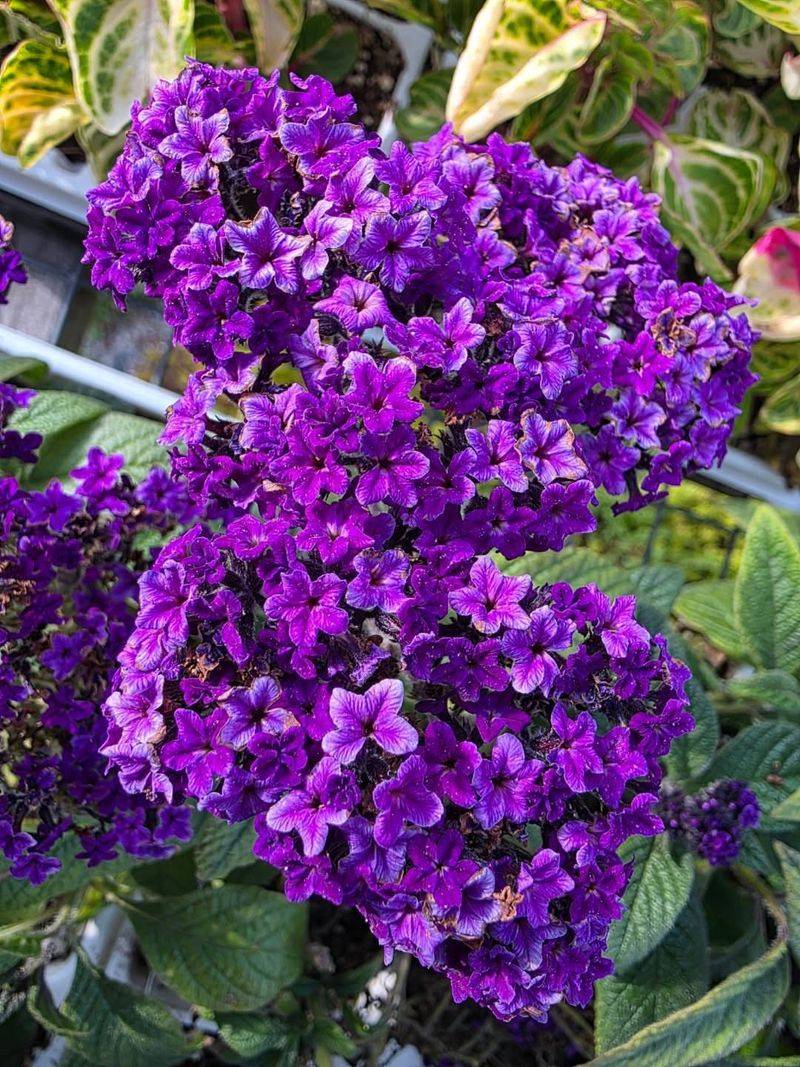
Old-fashioned and absolutely wonderful, heliotrope carries a warm vanilla and cherry-pie fragrance that feels almost edible.
Victorian gardeners were obsessed with this plant, and once you smell it blooming on a warm Michigan evening, you will understand exactly why. It has a richness that most modern annuals simply cannot match.
Heliotrope is a sun lover through and through.
Give it a spot with at least six hours of direct sunlight each day, and it will reward you with dense clusters of deep purple or lavender-blue flowers from late spring through early fall.
The darker the flower color, the stronger the fragrance tends to be, so seek out deep purple varieties for maximum vanilla impact.
In Michigan containers, heliotrope performs well as a warm-season annual.
It does not tolerate frost, so wait until late May to move it outside. Keep the soil consistently moist but never waterlogged. Fertilize every two weeks with a balanced liquid fertilizer to keep the blooms coming all season long.
The variety Marine is one of the most popular for containers, staying compact at around 18 inches tall.
Its deep violet blooms and powerful vanilla scent make it a standout performer in small Michigan spaces. Your balcony will smell like a bakery, and nobody is going to complain about that.
5. Rosemary Adds Clean Herbal Fragrance
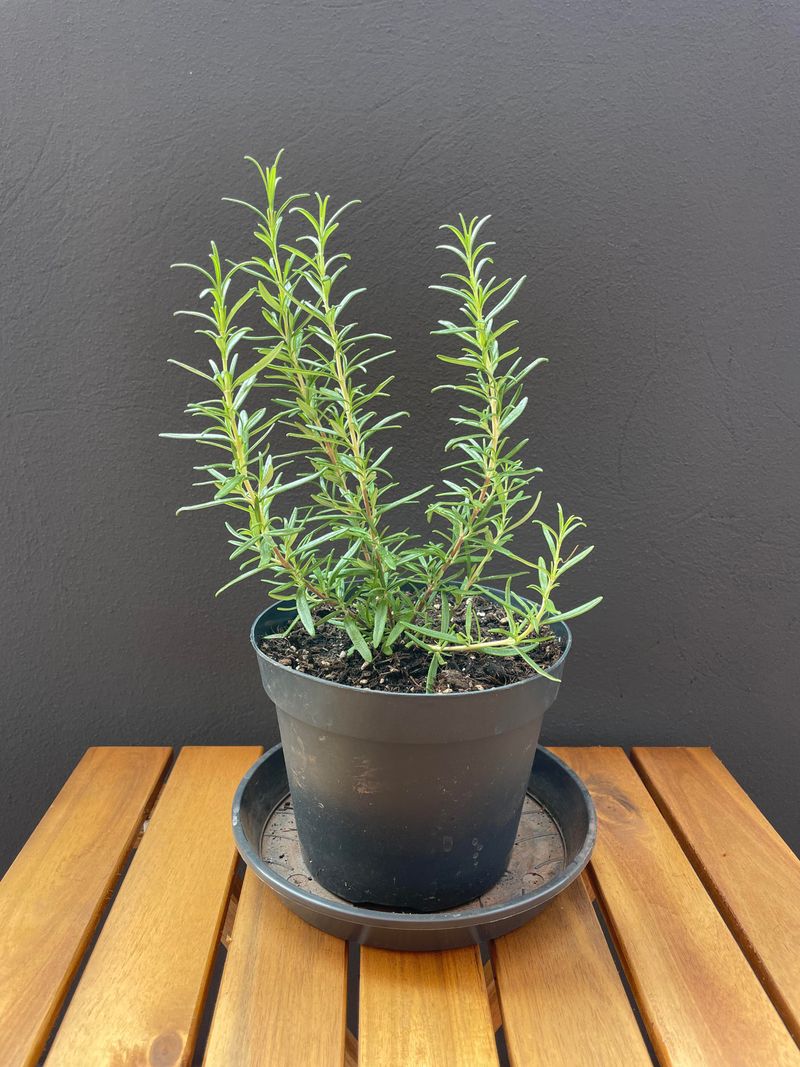
There is something grounding about the sharp, clean scent of rosemary drifting across a balcony on a warm Michigan afternoon.
It smells like a farmers market and a fresh meal all at once. Beyond fragrance, rosemary is a fully functional herb you can snip for cooking anytime you feel inspired in the kitchen.
Sun and drainage are the two things rosemary demands above everything else.
Place your container in a spot with at least six hours of direct sun daily. Use a fast-draining potting mix, ideally one formulated for herbs or cacti, to prevent the roots from sitting in moisture.
Overwatering is the most common mistake people make with this plant.
Terracotta pots work especially well for rosemary because they naturally wick away excess moisture.
Water deeply, then wait until the top two inches of soil feel completely dry before watering again. During hot Michigan summers, you may need to water every few days, but always check the soil first.
Michigan winters are a challenge for outdoor rosemary in containers.
The plant is cold-hardy only to about 10 to 20 degrees Fahrenheit, and container roots freeze faster than in-ground roots.
Bring it inside before the first hard frost and place it near your sunniest window. Upright varieties like Tuscan Blue stay manageable in containers and grow to about three feet tall.
6. Gardenia Makes Evenings Feel Fancy
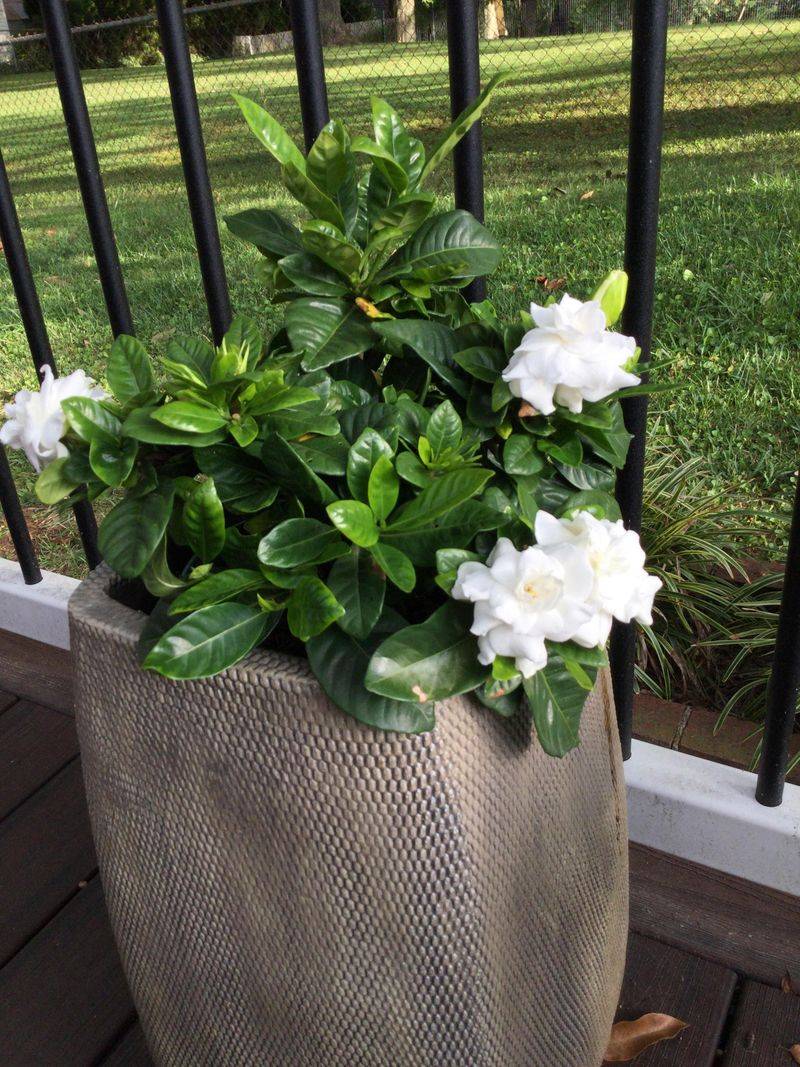
Stepping onto your balcony at dusk and catching the heavy, creamy scent of a gardenia in full bloom feels like a luxury that belongs somewhere considerably more expensive.
The good news is that you can bring that same experience to your Michigan balcony with a little know-how and the right container setup. Gardenias are fussy, but they are worth every bit of effort.
Gardenias need warmth, bright indirect light, and consistent humidity to truly thrive.
On a Michigan balcony, they perform best from late spring through early fall when temperatures stay above 60 degrees Fahrenheit.
Keep the pot in a spot that gets morning sun and afternoon shade to protect the delicate blooms from scorching heat.
Humidity is a real factor with gardenias.
If your balcony tends to be dry, mist the leaves lightly every few days or set the container on a tray filled with pebbles and water. Avoid wetting the flowers directly, as this causes browning.
Use an acidic potting mix formulated for camellias or azaleas, and fertilize with an acid-forming fertilizer during the growing season.
Before Michigan temperatures drop below 50 degrees Fahrenheit in fall, bring your gardenia indoors. A bright room with a humidifier nearby keeps it healthy through winter.
With the right care, your plant will bloom again next summer and fill your evenings with that unforgettable scent.
7. Star Jasmine Climbs In A Container
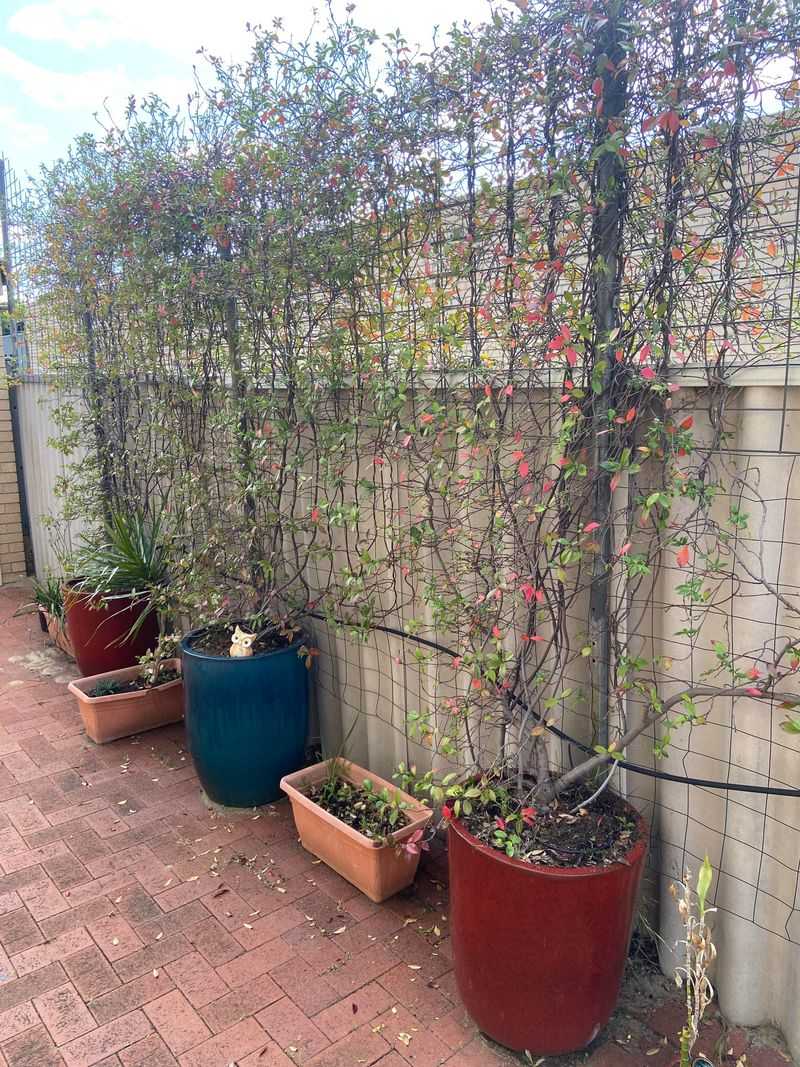
A container full of star jasmine covered in tiny white flowers is one of the most striking sights a balcony can offer.
The fragrance is sweet, slightly exotic, and powerful enough to drift through an open door. For Michigan gardeners who want vertical interest and serious scent in a small space, this plant delivers on both fronts.
Star jasmine grows as a vine and needs some support to climb.
A small trellis, bamboo poles, or a wire frame placed inside the container gives the plant something to work with.
As it grows, gently guide the stems upward and tie them loosely if needed. The blooms appear most heavily in early to midsummer, and the fragrance peaks in the evening hours.
This plant is sun-seeking and performs best with at least six hours of direct sunlight daily.
Warm Michigan nights become genuinely magical when this plant is in full bloom, which makes placing it near your seating area one of the smartest container decisions you can make.
Star jasmine is winter-hardy only in zones 8 through 10, so Michigan gardeners need to treat it as a tender perennial.
Bring the container indoors before the first frost and keep it in a bright, cool room through winter. Water consistently during the growing season and fertilize monthly with a balanced fertilizer.
8. Dwarf Roses Scent Small Corners
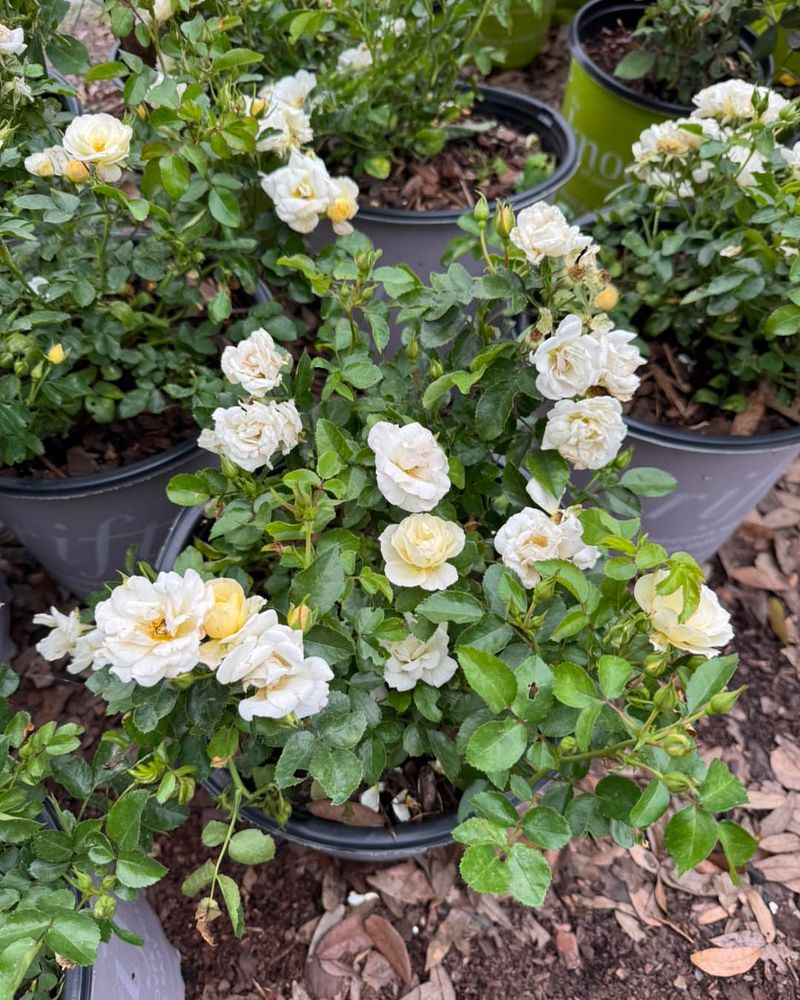
Not all roses need a sprawling garden bed to shine.
Compact dwarf roses bred specifically for container growing bring classic floral fragrance to even the smallest Michigan balcony.
The right variety gives you repeat blooms, manageable size, and a scent that feels timeless from the first warm day of summer through early fall.
Fragrance varies widely among rose varieties, so shop carefully.
Look for varieties labeled as strongly scented rather than relying on appearance alone. The Miniature Rose series and some Patio Rose varieties offer both compact size and genuine fragrance.
David Austin has also released smaller varieties with that rich, old-rose scent that serious fragrance lovers crave.
Airflow is critically important for roses in containers.
Good air circulation around the foliage reduces the risk of powdery mildew and black spot, which are the two most common problems for balcony roses in Michigan. Avoid crowding your rose container tightly against walls or other pots.
Use a rich, well-draining potting mix and fertilize every two to three weeks with a rose-specific fertilizer during the blooming season.
Water at the base of the plant rather than overhead to keep the foliage dry. Container roses need winter protection in Michigan.
Move pots into an unheated garage once temperatures drop consistently below freezing, water lightly once a month through winter, and bring them back outside in late April when frost risk decreases.