Keep Ticks Off Your Illinois Property With These Simple Yard Habits
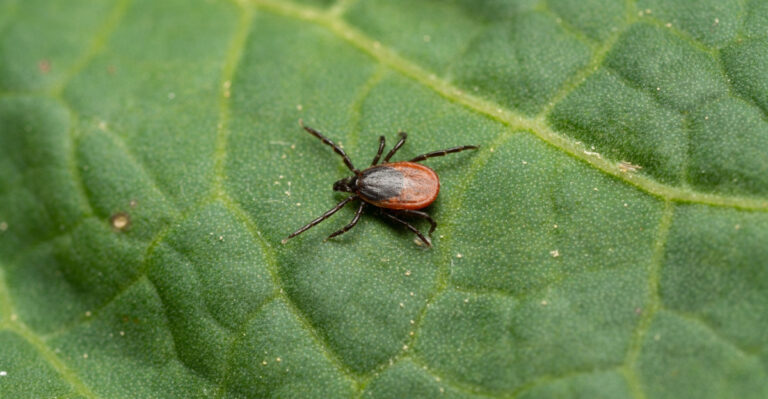
Ticks don’t wait for an invitation. They perch on grass tips and brush piles, front legs stretched out, ready to latch onto the first warm body that walks by.
In Illinois, backyards give them exactly what they want: shade, moisture, and plenty of foot traffic from kids, dogs, and unsuspecting adults mowing the lawn.
It only takes one short walk through overgrown grass to bring one home, and by the time you notice it, it may already be attached.
Here’s the part that surprises most homeowners: you don’t need pricey pest control or harsh sprays to keep them away. A handful of simple yard changes, most doable in a single weekend, can lower tick populations noticeably.
Illinois summers practically beg for outdoor time, so reclaiming your yard is worth the effort. Below are the habits that actually make a difference, no chemistry degree required.
Mow The Lawn Short And Often

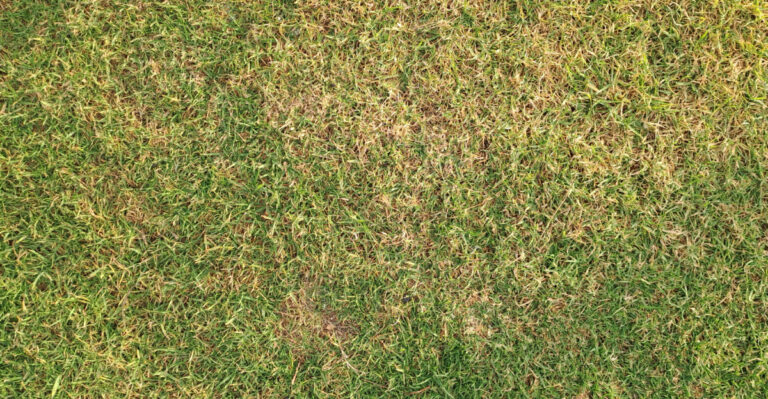
Short grass creates an unfavorable environment for ticks. Ticks love to hang out in tall, shady blades where moisture stays trapped and temperatures stay cool.
When you mow your lawn regularly, you strip away that comfortable hiding spot. Ticks cannot survive long in open, sun-baked turf because they dry out fast without shade and humidity.
Aim to keep your grass at or below three inches. That height might sound short, but it makes a real difference in how many ticks feel at home in your yard.
Mow regularly, roughly once a week, during the warmer months when ticks are most active, adjusting based on how fast your grass grows.
Skipping even one or two weeks can give them just enough cover to settle in. Do not leave grass clippings in thick piles along the edges of your lawn.
Clumped clippings hold moisture and create an environment ticks are drawn to.
Bag your clippings or spread them thin so they dry quickly. A dry lawn surface is one of the most underrated tools for keeping ticks off your Illinois property.
If you have a riding mower, overlap your passes slightly to avoid leaving taller strips between rows. Those little ridges of missed grass can become surprisingly popular tick hangouts.
Consistent mowing is one of the easiest habits to build, and the payoff is significant. A well-trimmed lawn sends a clear message: ticks are not welcome here.
Clear Leaf Litter Near The House

Picture a pile of damp leaves sitting right against your back door. That damp heap becomes an ideal habitat for ticks looking for a warm place to wait.
Leaf litter holds moisture like a sponge and stays shaded even on bright days. Ticks thrive in exactly those conditions, making leaf piles one of the biggest risk zones in any yard.
Clearing leaves regularly, especially in fall and early spring, removes one of their favorite habitats. You do not need to be obsessive about it, but staying on top of it matters.
Rake leaves away from the foundation of your home and from any areas where kids or pets spend time. The closer the litter is to your house, the closer ticks are to coming inside.
Your Illinois Garden Changes Every Week. Your Plan Should Too.
Gardening in Illinois changes quickly throughout the season. Every Friday you’ll receive a simple weekly plan showing exactly what to plant, prune, fertilize, harvest, and protect so you never miss the right timing.
Bag the leaves and set them out for collection rather than composting them near the house. A compost pile tucked against a fence or shed can become a tick breeding ground if left unmanaged.
Pay special attention to corners, along fences, and under decks where leaves tend to collect and go unnoticed for weeks. Those forgotten spots are exactly where ticks set up camp.
Wearing gloves when raking is a smart move since ticks can be lurking even in leaf piles you have not noticed yet. A quick body check after yard work is always a good habit.
Staying ahead of leaf buildup is a simple act with serious tick-prevention power. Clean edges and clear ground keep your yard far less inviting.
Add A Gravel Barrier Between Lawn And Woods

Your lawn and the woods behind it might look like neighbors, but they are actually two very different worlds. Ticks live in the woods and travel into your yard by hitching rides on animals or crawling along the ground.
A gravel barrier acts like a dry moat between those two zones. Ticks avoid crossing dry, open surfaces because they lose moisture quickly and struggle to survive the exposure.
Lay down a strip of wood chips or gravel that is at least three feet wide along the edge where your lawn meets any wooded or brushy area. That buffer zone creates a crossing point ticks are reluctant to travel.
Gravel is especially effective because it stays dry, heats up in the sun, and offers little shade or humidity. For a tiny creature that depends on moisture to survive, it is an almost impassable barrier.
You can also use cedar mulch, which has mild natural insect-repelling properties, though it’s less effective than concentrated cedar oil products.
It looks attractive and smells great to humans, adding another layer to your prevention routine.
Keep the barrier clear of leaves and debris so it stays dry and effective throughout the season. A mulch strip buried under fallen leaves loses most of its power as a deterrent.
This is a one-time installation that pays off for years with minimal upkeep. Once it is in place, you just need to refresh the material every season or two.
A well-placed barrier does not just look tidy. It provides ongoing protection for your family with minimal upkeep.
Stack Firewood Away From The House

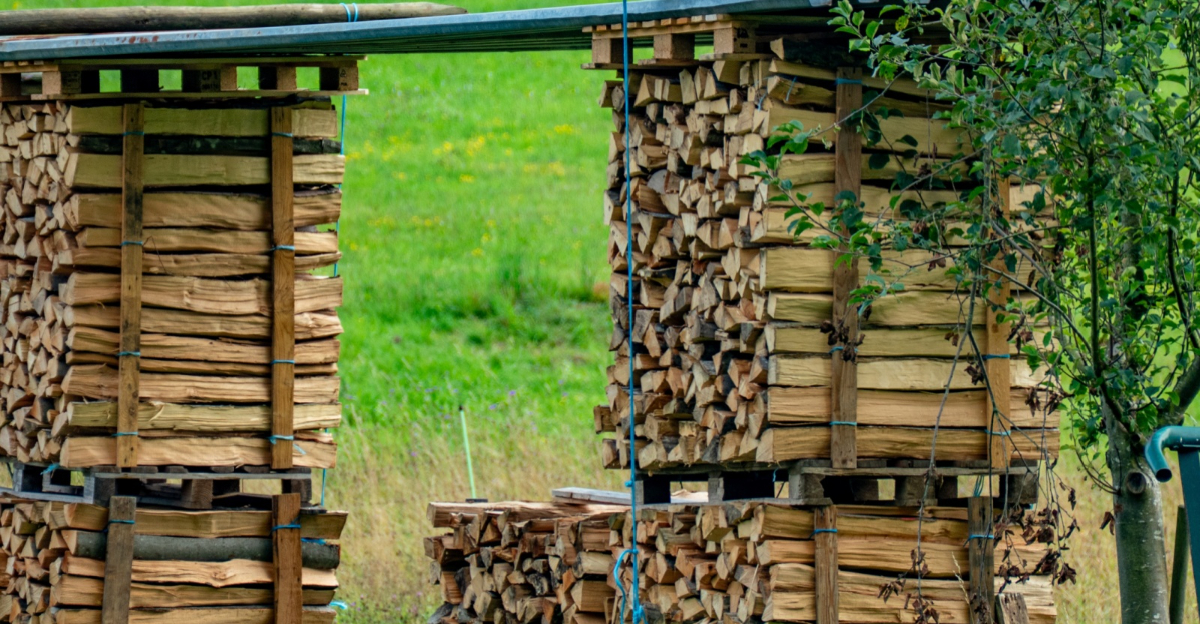
Firewood piles are warm, dark, and full of crevices. To a tick, that sounds like paradise. When you stack wood right against your home, you create a direct pathway for ticks to move from the pile to your siding and eventually inside.
Keeping that stack far from the house breaks that connection immediately. Choose a sunny, open spot in your yard for your woodpile, ideally at least 20 feet from any door or window.
Sun exposure keeps the wood dry and makes the surrounding ground inhospitable for ticks. Elevate the pile off the ground using a rack or pallets.
When wood sits directly on soil or grass, it creates a damp, sheltered base where ticks and their rodent hosts love to gather.
Mice and chipmunks are some of the most common tick carriers, and they love to nest in loosely stacked wood. By keeping piles neat, elevated, and far from the house, you reduce the appeal for those animals too.
Cover the top of your woodpile with a tarp to keep it dry without blocking airflow on the sides. A completely enclosed pile traps moisture, which is the opposite of what you want.
Bring in only as much wood as you need for a single fire rather than hauling in a big armload and leaving it indoors for days. Any tick hiding in that wood comes inside with it.
A little planning around where and how you store firewood can quietly eliminate one of the sneakiest tick entry points in your yard.
Remove Tall Weeds Along Fences

Fence lines are easy to ignore during yard cleanup, and ticks know it. Tall weeds and overgrown grass along fences create a shaded, humid corridor that ticks use like a highway.
Animals like mice, rabbits, and deer often travel along fence lines too. When ticks drop off those animals, the dense vegetation along the fence gives them a perfect place to wait for the next host.
Trimming weeds along your fence regularly removes that waiting area. Once the vegetation is gone, ticks have nowhere to cling and no shade to protect them from the drying sun.
Use a string trimmer to get close to the fence posts where a mower cannot reach. Those tight corners are exactly where weeds grow thickest and ticks hide most effectively.
After trimming, consider applying a layer of gravel or mulch along the base of the fence. That extra step keeps weeds from growing back as quickly and adds another dry zone ticks will avoid.
Check fence lines monthly during spring and summer since weeds can grow back surprisingly fast in warm, moist conditions. A quick pass with the trimmer every few weeks is all it takes.
If you have a chain-link fence with overgrown vines or creeping plants, those should be cleared too. Dense climbing plants hold moisture and create the same shaded hiding spots as tall weeds.
Keeping fence lines clean is a small habit that closes off one of the most overlooked tick zones on your entire property.
Keep Play Areas Away From Yard Edges

Kids run fast and ticks move slow, but that does not mean your children are safe near the edges of your yard. Play areas set up close to tree lines, tall grass, or shrubs put kids right in the tick zone.
Moving swing sets, sandboxes, and outdoor furniture toward the center of your lawn puts distance between playtime and the areas where ticks are most active. That simple shift in placement can cut exposure significantly.
Ticks do not jump or fly. They wait on the tips of plants and grab onto anything that brushes past, which means staying away from the edges keeps kids out of reach.
Place play equipment on wood chip mulch or rubber mats rather than bare grass near the yard’s border. That layer of material adds another barrier between children and the ground where ticks crawl.
Make it a habit to check kids thoroughly after outdoor play, especially around the hairline, behind the ears, and under the arms. Those warm, hidden spots are exactly where ticks prefer to attach.
If your yard backs up to woods or a field, consider marking a clear boundary with a low fence or visible landscaping. Children respond well to visual cues about where play zones begin and end.
Encourage kids to change clothes after coming inside from extended outdoor play. Ticks can ride in on clothing without attaching right away, so a quick clothing swap reduces the risk.
Smart placement of play areas is one of the most protective moves you can make for your family this season.
Discourage Deer With Fencing
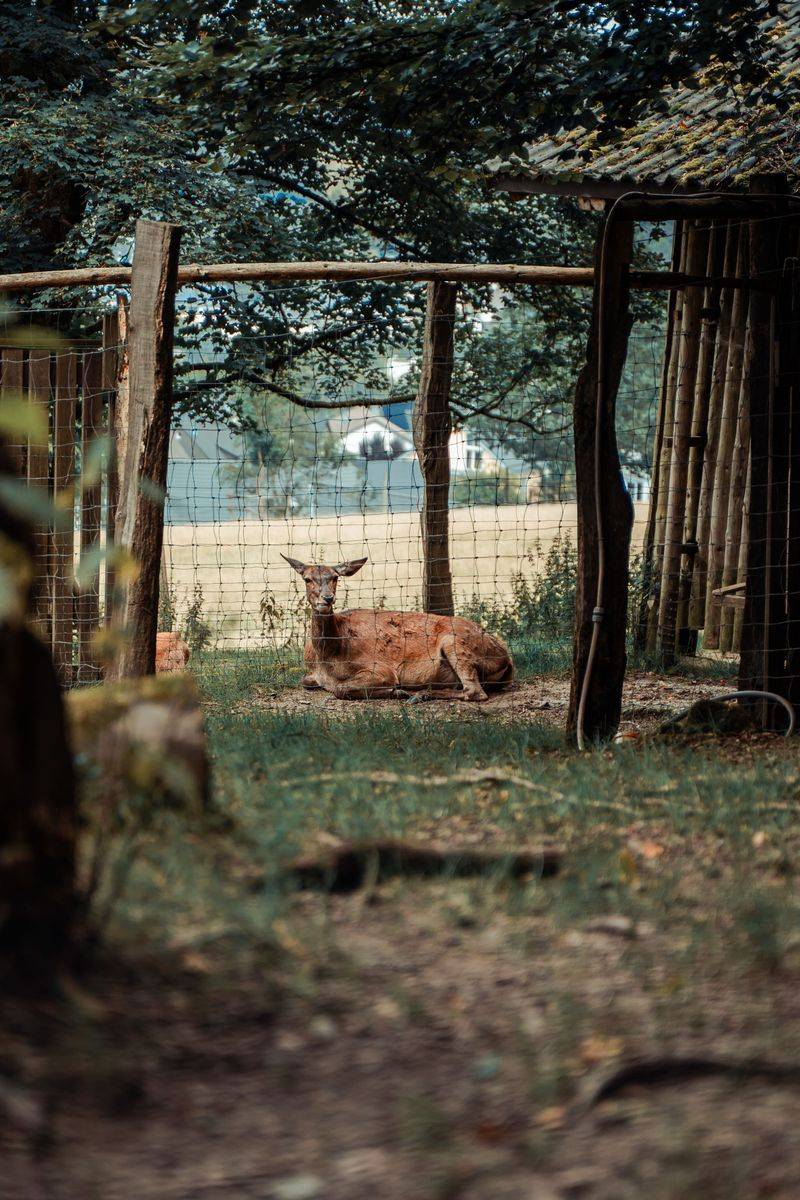
Deer are beautiful, but they are also common carriers of ticks. A single deer can carry a large number of ticks into your yard, dropping them off across your lawn, garden, and play areas.
Reducing deer access to your property is one of the most effective long-term strategies for cutting down tick populations. Fencing is the most reliable way to do that.
A fence that stands at least eight feet tall is generally effective at keeping deer out. Deer are excellent jumpers, so shorter fences often do not do the job.
If a full perimeter fence is not practical, consider protecting just the areas where your family spends the most time. A partial fence around a garden or patio can still make a meaningful difference.
You can also use deer-resistant plants along the edges of your yard as a softer deterrent. Deer tend to avoid yarrow and hardy lavender varieties, and those plants also happen to look great in a landscape.
Rosemary is deer-resistant too, but it won’t survive Illinois winters outdoors, so treat it as an annual or grow it in a pot you bring inside.
Motion-activated sprinklers are another option that surprises deer and encourages them to find easier grazing spots elsewhere. They are affordable, easy to install, and do not require ongoing effort.
Avoid planting fruit trees or berry bushes near the edges of your yard since those plants attract deer from a distance. Moving edible plants toward the center of your property reduces the temptation for deer to wander in.
Fewer deer means fewer ticks arriving on your property, and that alone can transform how safe your yard feels all season long.
Treat Shaded Spots With Tick Repellent

Shaded corners of your yard are prime tick territory, and no amount of mowing or raking fully eliminates them. That is where targeted tick repellent comes in as a powerful finishing move.
Products containing permethrin or bifenthrin are commonly used around yard perimeters, along fence lines, and in shaded garden beds. Applied correctly, they can dramatically reduce the number of ticks in treated areas.
Focus on the edges of your lawn, around landscaping, and anywhere that stays shaded and damp throughout the day. Those spots are where ticks linger longest and pose the highest risk to your family and pets.
Spray in the early morning or late afternoon when wind is calm and there is no rain in the forecast. Rain shortly after application can wash away the product before it has time to work.
Always read the label before applying any yard treatment and follow the directions carefully. Some products need to dry completely before pets or children should re-enter the treated area.
Natural options like cedar oil sprays or diatomaceous earth can also be used in areas where you want to avoid synthetic chemicals. These are less potent but still worth adding to a broader prevention routine.
Treating your yard two to three times per season, especially in late spring and late summer, targets ticks during their most active periods. Consistency is what makes this habit actually work over time.
Combining repellent treatment with all the other habits in this guide gives you a strong, layered defense for keeping ticks off your Illinois property.