How Oregon Gardeners Should Water Tomatoes In July To Prevent Splitting And Blossom End Rot
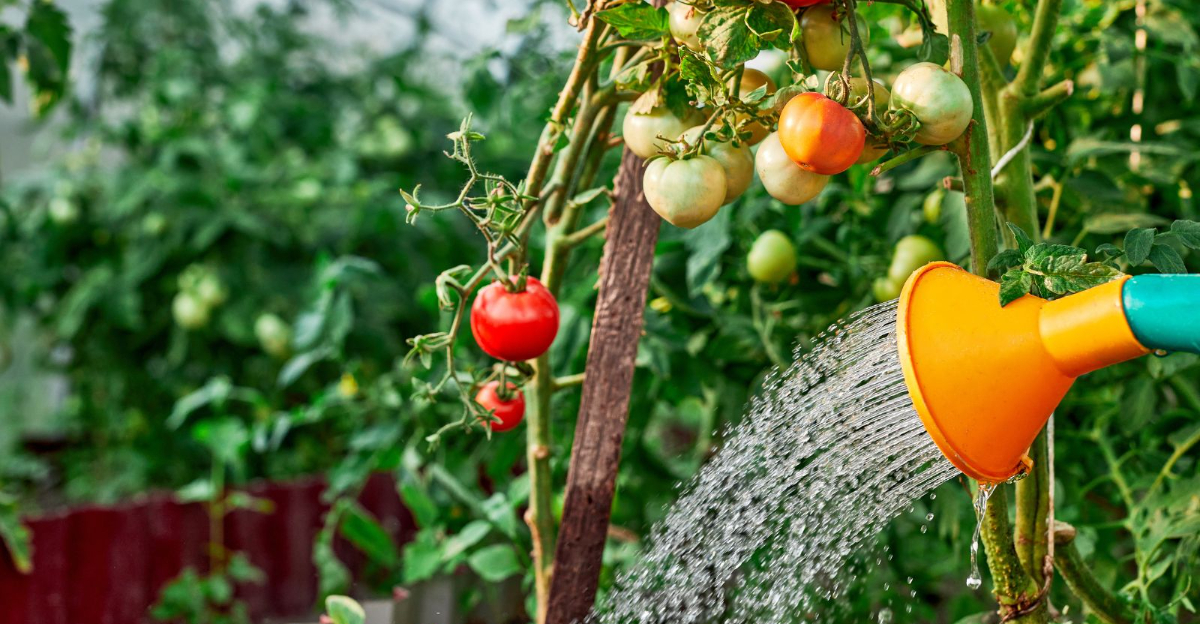
July tomato watering in Oregon sounds straightforward until you slice open a fruit that looked perfect on the vine and find cracked skin or a dark sunken patch on the bottom that definitely was not part of the plan.
Midsummer is when tomato growing gets real, and inconsistent soil moisture is one of the biggest contributors to the problems that show up at harvest time.
Soil that swings between bone dry and waterlogged puts serious stress on developing fruit, and Oregon’s hot dry July afternoons make that swing happen faster than most gardeners expect.
Deep watering, a good layer of mulch, and close attention to how raised beds and containers behave differently from in-ground plants can make a meaningful difference.
Thoughtful watering will not solve every problem, but it gives your tomatoes a genuinely better shot at making it to harvest in good shape.
1. Water Deeply And Regularly
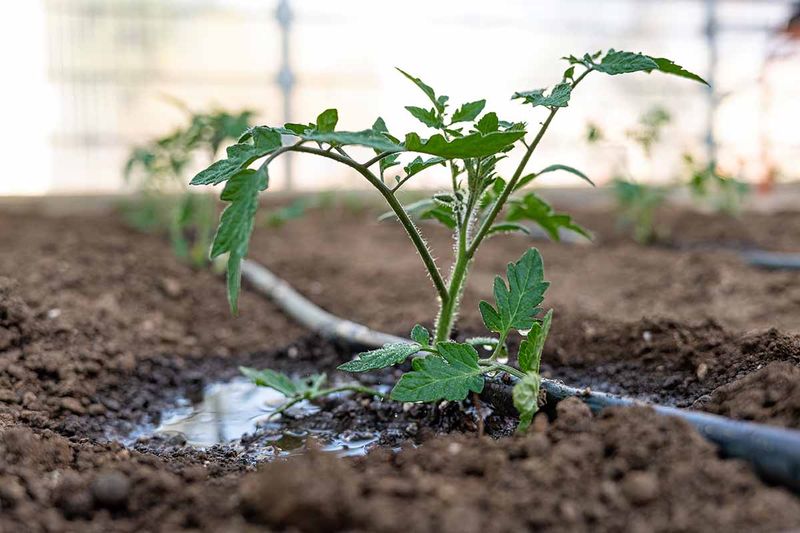
Steady deep watering is one of the most practical habits an Oregon tomato grower can develop in July. When fruit is actively forming and sizing up, the plant needs consistent soil moisture to keep that growth moving forward without sudden interruptions.
Shallow sprinkles that only wet the top inch or two of soil can leave the deeper root zone dry, even when the surface looks fine.
Deep watering means letting water soak down far enough to reach the roots where the plant is actually pulling moisture from the ground. In most Oregon backyard gardens, that means watering slowly and long enough for moisture to move several inches down.
How long that takes depends on soil type, whether the bed is raised or in-ground, and how dry things have gotten.
Watering regularly does not mean watering on a fixed daily schedule no matter what. It means checking in often and watering before the soil gets completely dry.
Keeping that moisture level more even through July helps reduce the stress that can lead to cracking and contributes to more stable conditions for fruit development throughout the growing season.
2. Avoid Dry-Then-Soak Cycles
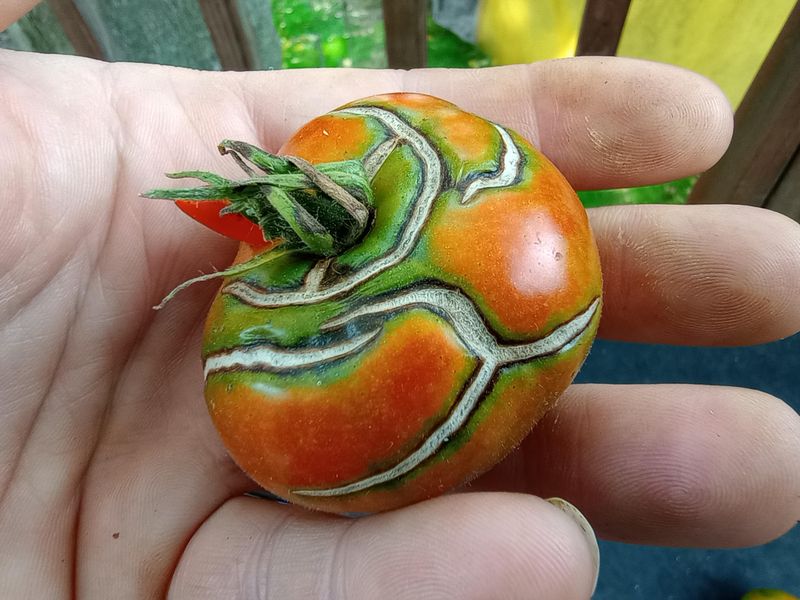
Cracked tomato skins after a heavy watering session are a frustrating sight, and the pattern often starts long before the crack appears.
When soil dries out significantly between waterings and then gets a heavy soaking, the tomato plant takes up water rapidly.
The fruit, which has been developing under dry conditions, can expand faster than the skin can stretch, and splitting follows.
That cycle of drought stress followed by sudden saturation is one of the conditions most often linked with both splitting and the calcium uptake issues connected to blossom-end rot.
The plant cannot move nutrients and water evenly when soil moisture swings dramatically from one extreme to the other.
Oregon gardeners dealing with hot, dry July stretches are especially vulnerable to this pattern when they skip watering for several days and then try to make up for it all at once.
The goal is not to water more overall, but to water more consistently. Smaller, more frequent waterings that keep the soil from drying out completely tend to create a more stable environment for fruit development.
Your Oregon Garden Changes Every Week. Your Plan Should Too.
Gardening in Oregon changes quickly throughout the season. Every Friday you’ll receive a simple weekly plan showing exactly what to plant, prune, fertilize, harvest, and protect so you never miss the right timing.
Avoiding those big swings in soil moisture is one of the more useful habits a home gardener can build during the height of summer.
3. Mulch To Keep Soil Moisture Even
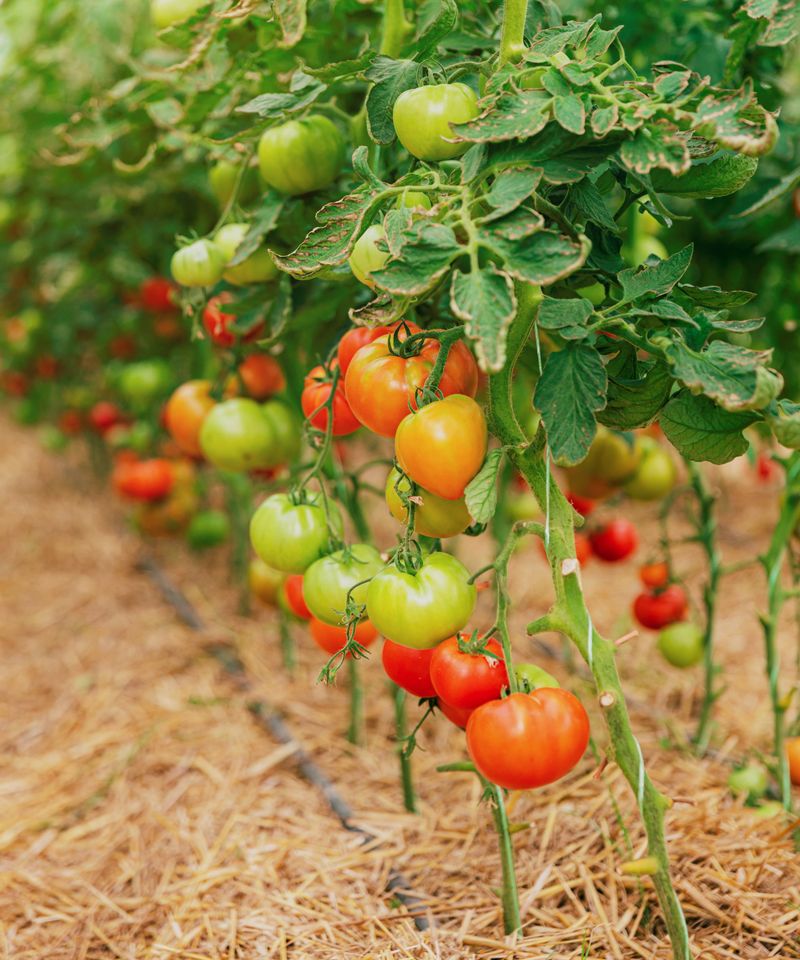
A few inches of mulch around tomato plants can make July watering much more manageable in Oregon.
Straw, shredded leaves, wood chips, or even grass clippings laid over the soil surface slow down evaporation, which means the soil holds onto moisture longer between waterings.
On hot Oregon July afternoons, unprotected soil can dry out surprisingly fast, even when it was watered just that morning.
Mulch also helps buffer soil temperature swings. When the surface layer of soil heats up and cools down repeatedly, it creates an uneven environment for roots.
Keeping the soil temperature more stable with mulch gives roots a more consistent place to work, which supports steadier water and nutrient uptake during the critical fruit-development weeks of July and into August.
One thing to watch is how the mulch is placed. Piling it tightly against the tomato stem can hold moisture against the base of the plant and create conditions where disease can take hold.
Leaving a small gap between the mulch and the stem, and spreading the mulch out a few inches beyond the plant’s base, gives the soil protection without creating problems at the stem.
Refreshing mulch that has thinned out mid-season helps it keep doing its job.
4. Water The Soil Instead Of The Leaves
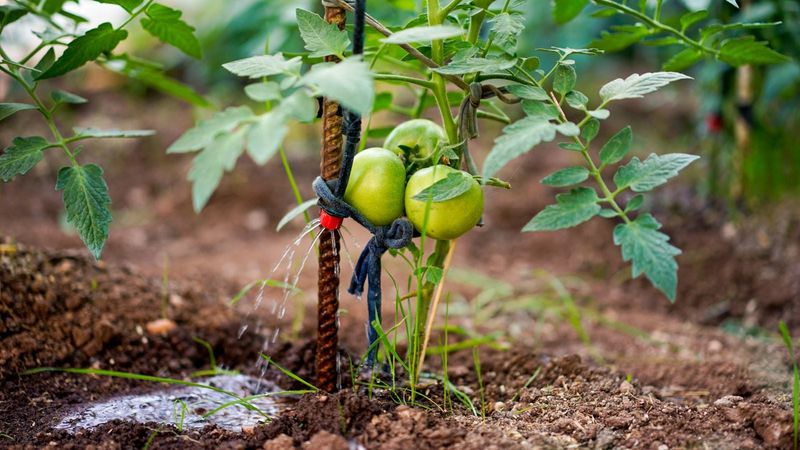
Drip lines, soaker hoses, and hand watering aimed at the soil rather than the plant are all solid choices for Oregon tomato beds in July. Putting water at ground level means it moves downward toward the roots, which is exactly where the plant needs it.
Overhead watering that wets the leaves and fruit does not deliver moisture any more effectively, and it can leave foliage wet during warm afternoons when fungal issues are more likely to develop.
Wet leaves are not always a crisis, but consistently wet foliage during July can create conditions that some common tomato diseases find favorable.
Keeping the leaves drier when possible is a low-effort habit that can contribute to overall plant health without requiring any special equipment or extra time.
Drip irrigation is popular in Oregon vegetable gardens for good reason.
It delivers water slowly and directly to the root zone, reduces evaporation compared to overhead sprinklers, and can be set up with a simple timer to run during early morning hours.
Even without drip irrigation, a watering wand or a hose set at low pressure and aimed at the base of the plant rather than the top does a reasonable job of keeping moisture where it belongs and leaves out of the equation.
5. Soak The Full Tomato Root Zone
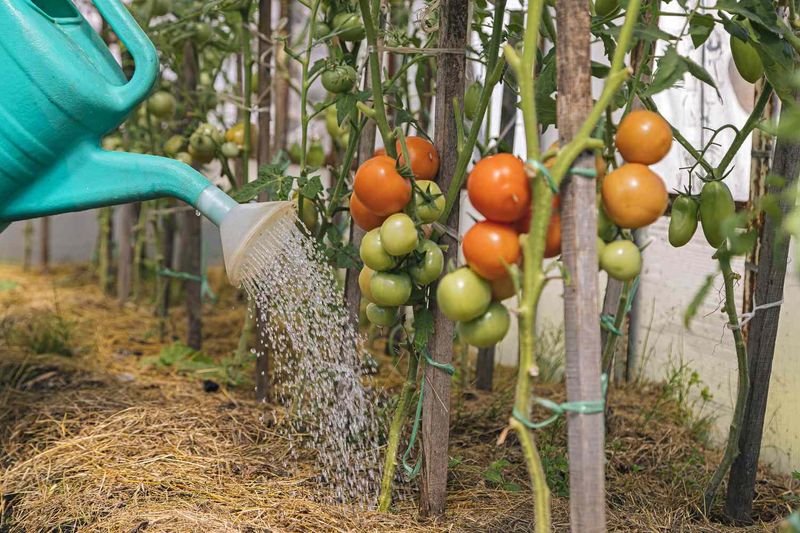
Small green tomatoes on the vine can be misleading. The plant looks healthy, the soil surface seems damp, and everything appears fine until a few days later when problems start showing up.
One reason this happens is that shallow watering wets only the top layer of soil while leaving deeper roots without enough moisture to keep the plant stable through a hot Oregon July afternoon.
Tomato roots in a well-established plant spread outward and downward beyond what most people expect. Watering only at the very base of the stem may not reach the outer edges of the root zone where a significant portion of moisture uptake happens.
Slow, steady watering that allows water to spread outward and soak down gives the full root zone a better chance of getting what it needs.
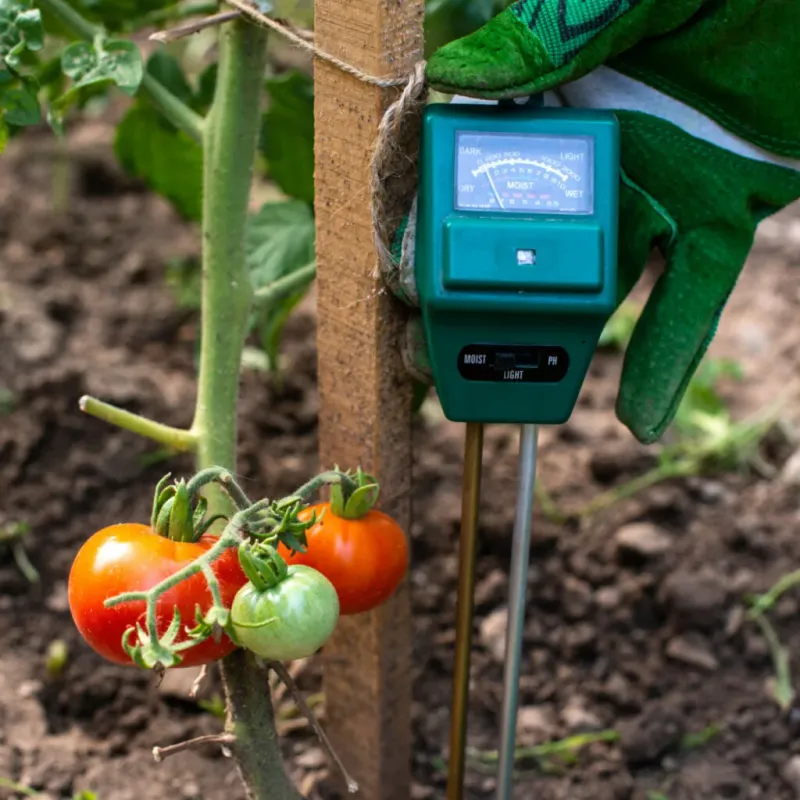
A simple way to check whether water has soaked deep enough is to push a finger or a thin probe several inches into the soil near the plant about an hour after watering.
If the soil is moist several inches down, the watering session was likely long enough.
If it is still dry just below the surface, the plant is probably getting less water than it looks like from the outside. Adjusting from there is straightforward once you know what to look for.
6. Check Soil Before Watering Again
Watering on a strict schedule without checking the soil first can lead to two different problems. If the schedule is too frequent, the soil stays soggy, which can stress roots and interfere with the plant’s ability to take up nutrients.
If the schedule is too infrequent, the soil dries out more than intended, especially during an unexpected heat spell that Oregon can serve up in July without much warning.
Checking the soil before watering again takes about ten seconds and gives much more useful information than any fixed calendar schedule. Push a finger two to three inches into the soil near the plant.
If it feels moist at that depth, the plant likely does not need water yet. If it feels dry at that depth, it is time to water.
Soil at the very surface can look and feel dry while still being moist a couple of inches down, so checking below the surface matters.
For gardeners with multiple tomato plants in different locations, like a few in raised beds and a few in pots on the patio, each spot may need to be checked separately.
Raised beds and containers often dry faster than in-ground plantings, and Oregon July afternoons can accelerate that considerably.
Building the checking habit into a regular morning routine makes it easier to stay ahead of moisture stress before it becomes a visible problem.
7. Watch Containers And Raised Beds Closely
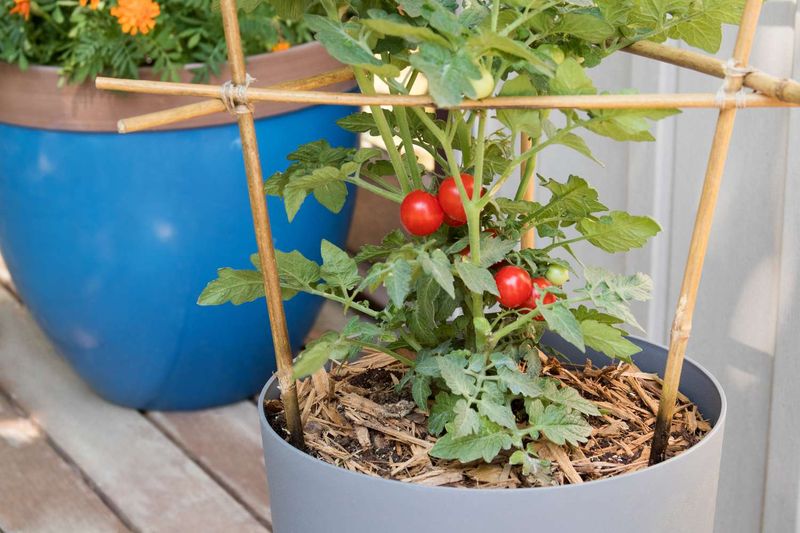
Raised beds and containers behave differently from in-ground garden soil, and Oregon July heat makes that difference even more noticeable. A five-gallon pot sitting in full afternoon sun can go from adequately moist to bone dry in a single day during a warm stretch.
Larger containers and grow bags give roots more room and hold moisture a bit longer, but they still dry faster than a garden bed planted directly in the ground.
Raised beds made of wood or galvanized metal warm up quickly in Oregon summer sun, and that warmth speeds up evaporation from the soil.
Plants in raised beds often need watering more frequently than the same variety growing in a traditional in-ground bed, especially during July when days are long and temperatures climb into the 80s or higher across much of the state.
Keeping a closer eye on raised beds and containers during July means checking them more often, not just assuming they are fine because they were watered yesterday.
Mulching the surface of raised beds and containers can help slow moisture loss.
For containers, grouping them together in a partially shaded spot during the hottest part of the afternoon can reduce how quickly they dry out, though tomatoes still need plenty of direct sun to set and ripen fruit well.
8. Water Early Before July Heat Builds
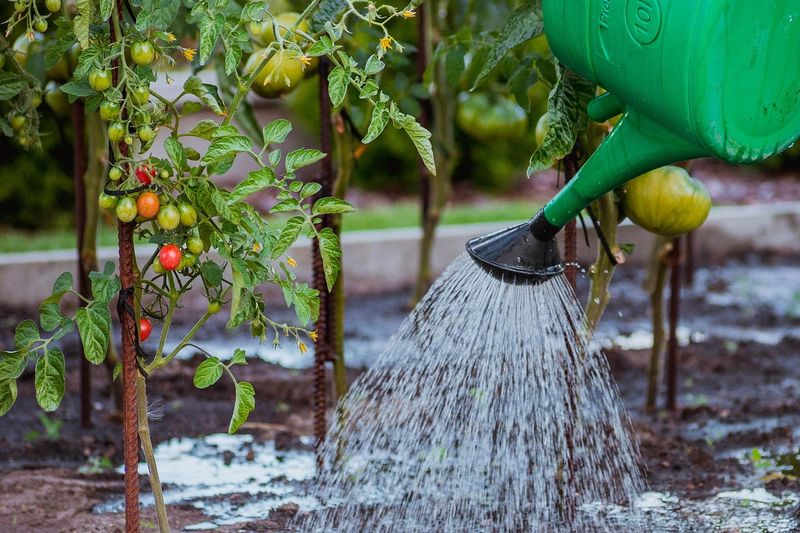
Morning is the most practical time to water tomatoes in Oregon during July, and the reasons are straightforward. When water goes into the soil early in the day, the plant has moisture available before afternoon temperatures climb.
Roots can take up water more efficiently when the surrounding soil is not already overheated from hours of direct sun, and the plant enters the hottest part of the day with a better moisture reserve.
Watering in the late afternoon or evening is not always harmful, but it can mean that water sitting on foliage stays wet overnight, which some gardeners prefer to avoid.
Morning watering gives any accidental leaf splash time to dry off before evening, which is a small but reasonable consideration during the months when tomato foliage diseases are more active.
For Oregon gardeners using drip irrigation or soaker hoses with a timer, setting the system to run in the early morning hours is one of the more convenient adjustments available.
It removes the need to remember to water before leaving for work or other morning activities.
Even without a timer, making watering the first task of the morning rather than something to get to later in the day tends to result in more consistent moisture delivery and fewer missed sessions during busy July weeks.
9. Avoid Panic Watering After Fruit Problems
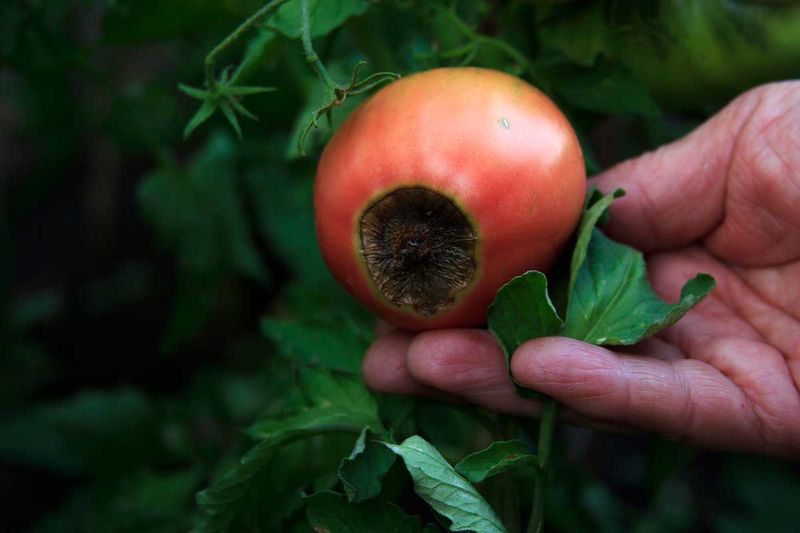
Seeing a dark, leathery spot on the bottom of a tomato or noticing cracks spreading across the skin of fruit that was fine just days ago can trigger a strong urge to water heavily right away.
That instinct makes sense, but flooding the soil after problems appear is unlikely to fix the fruit that is already damaged, and it can create new stress for the plant if the soil was not actually dry when the watering happened.
Blossom-end rot develops when calcium cannot move efficiently into forming fruit, and while uneven soil moisture contributes to that process, it is not the only factor.
Variety, root damage, fertilizer levels, drainage, and conditions earlier in the season all play a role.
Sudden heavy watering after rot appears does not reverse the damage in affected fruit and can sometimes make soil conditions less stable for fruit that is still developing.
The more useful response when problems appear is to check the soil moisture carefully, stabilize watering from that point forward, and give the plant time to recover.
New fruit forming after conditions improve may develop without the same issues, depending on what caused the problem in the first place.
Staying calm and focusing on steady moisture going forward is more productive than trying to fix things fast with a heavy soak.
10. Harvest Ripe Tomatoes Before Moisture Swings
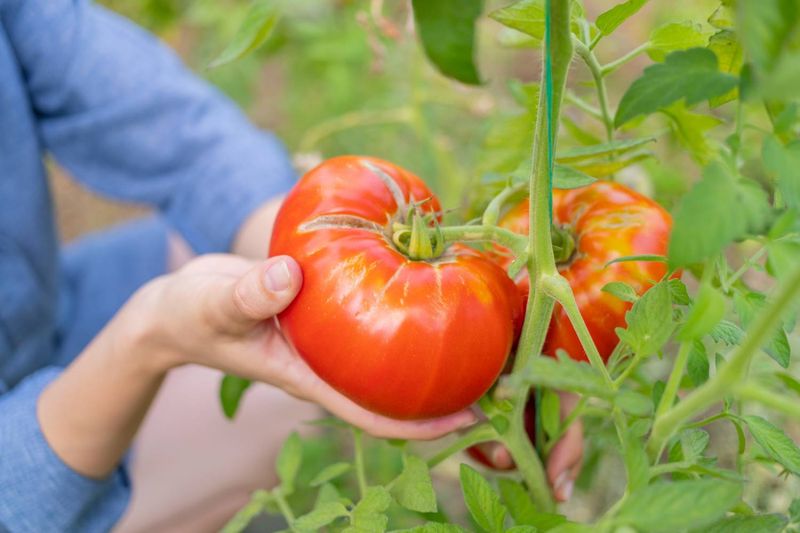
Fruit that has already colored up and is close to fully ripe can be more vulnerable to cracking than green fruit that is still far from harvest.
When a ripe or nearly ripe tomato absorbs a sudden rush of water, whether from heavy irrigation or an unexpected late-July rainstorm, the skin may split before the gardener even notices anything has changed.
Picking fruit at or near peak ripeness can help reduce that kind of loss.
Oregon occasionally sees summer rain events in July, though dry stretches are more common across much of the state during that month. When rain does come after a dry spell, already-ripe tomatoes sitting on the vine are among the first to show cracking.
Harvesting those fruits before a rain event, or right after one, keeps them out of harm’s way and off the plant where they might split further.
Tomatoes picked when they have reached their full color but are still slightly firm will continue to ripen indoors at room temperature without losing much flavor or texture.
Keeping an eye on the vine every day or two during July allows gardeners to catch fruit at the right moment.
Staying on top of harvesting also encourages the plant to put energy into developing the next round of fruit rather than holding onto overripe tomatoes that are past their best.