Common Container Garden Mistake That Attracts Mosquitoes In Arizona
Container gardening on an Arizona patio is one of life’s genuinely simple pleasures. Fresh herbs within arm’s reach, colorful flowers brightening up the space, maybe some leafy greens growing in a pot you’re unreasonably proud of.
It’s great. Until mosquitoes show up and ruin the whole vibe.
Here’s the part that surprises a lot of people though: the mosquito problem usually has nothing to do with which plants you’re growing. The real culprit is something much less obvious, and it’s been sitting right there in your container setup the whole time.
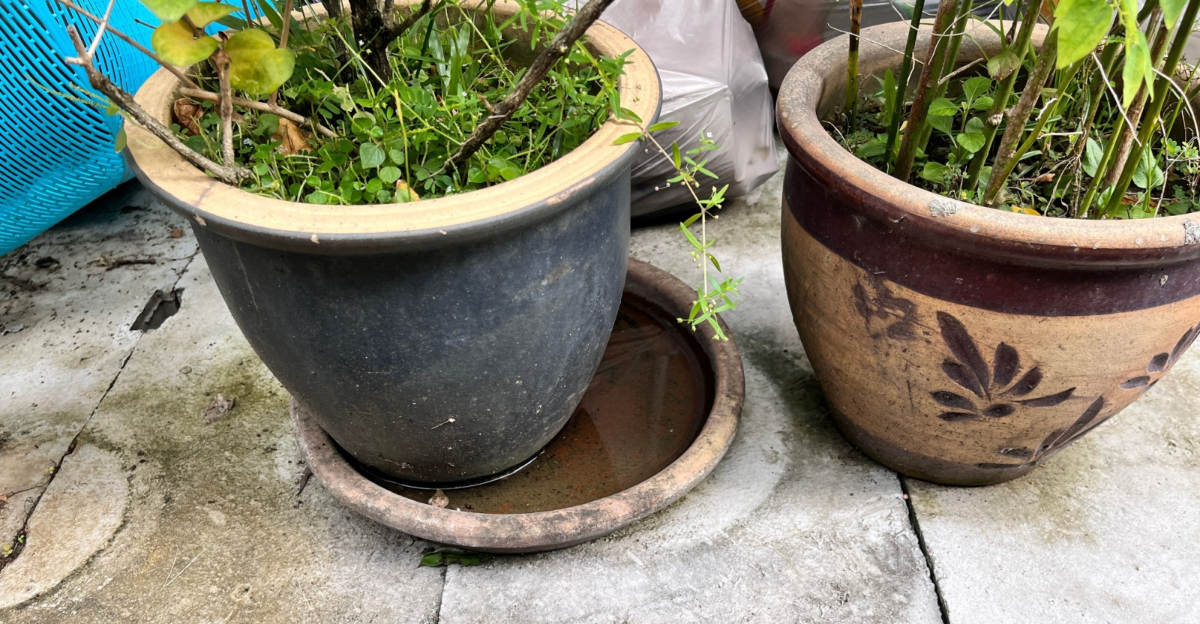
Standing water. It collects inside pots, under saucers, in trays, and in all kinds of spots that are easy to overlook after watering or a monsoon downpour.
A few days is genuinely all it takes. Knowing where water hides in your setup is half the battle.
1. Plant Saucers Hold Hidden Standing Water
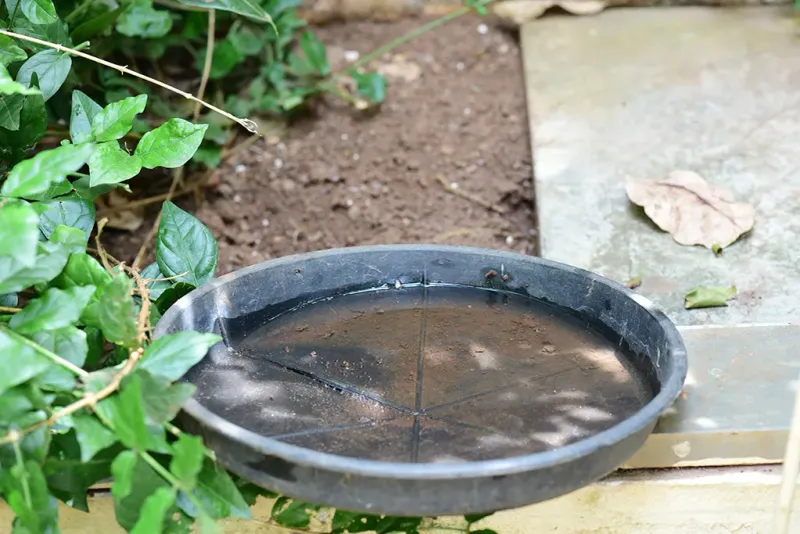
That shallow dish sitting quietly under your potted plant can hold more water than most Arizona gardeners ever think about.
Plant saucers are designed to catch runoff after watering, which sounds helpful, but the water that collects inside rarely evaporates fast enough during humid monsoon weeks.
Instead, it just sits there, warm and still, creating exactly the kind of environment that mosquitoes look for.
In Arizona, the problem gets more noticeable from July through September when monsoon storms drop rain quickly and saucers fill up overnight. A saucer that was dry in the morning can hold standing water by evening after a storm rolls through.
Many homeowners do not think to check saucers after rain because the pots themselves look fine from above.
The practical fix is simple. After watering your containers or after a monsoon storm, tip each saucer and pour out any collected water.
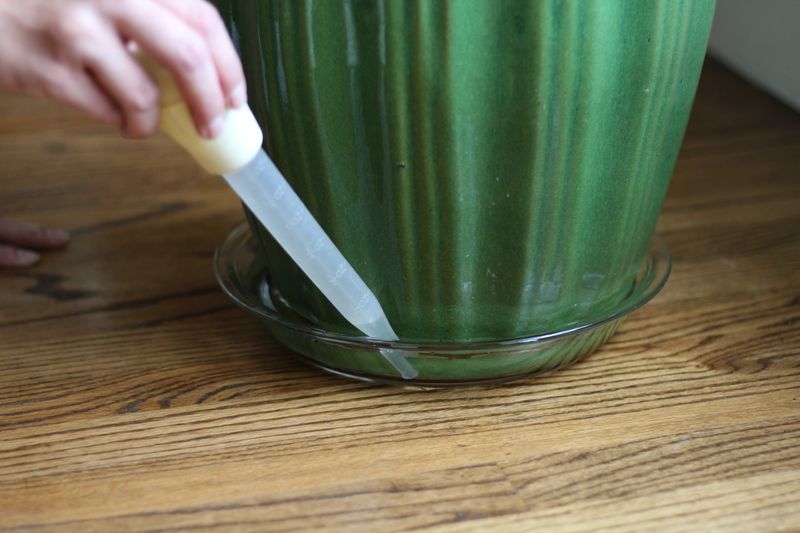
If you use large, heavy pots that are difficult to move, a turkey baster or small cup works well for scooping out the water.
Some Arizona gardeners choose to remove saucers entirely during monsoon season and place pots on elevated stands that allow water to drain freely away from the container base.
Keeping saucers clean and dry between waterings reduces the risk without requiring you to give up your patio garden setup.
2. Decorative Pots Can Trap Water Inside
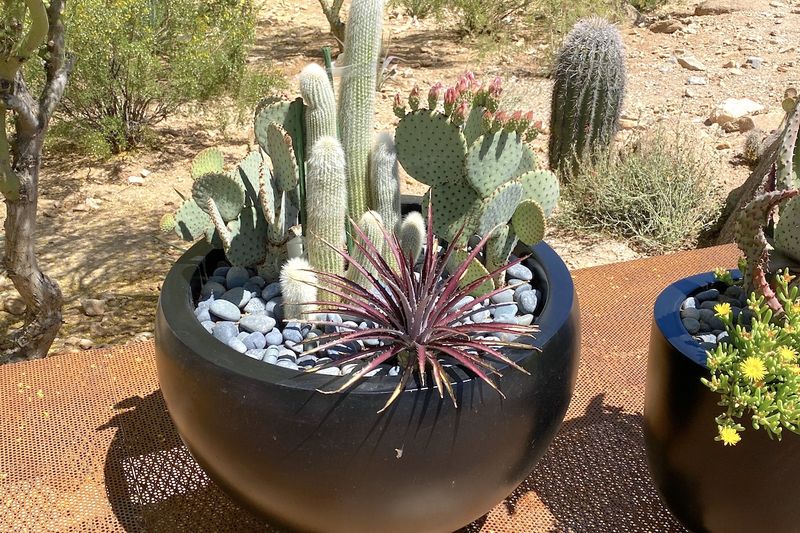
Gorgeous glazed ceramic pots and hand-painted decorative containers are a staple of Arizona patio design, but many of them share one hidden flaw: no drainage hole at the bottom.
Without a drainage hole, every drop of water you pour into the pot stays inside.
Roots sit in soggy soil, and the water that does not get absorbed just pools at the base of the container where it stays warm and undisturbed.
Mosquitoes do not need a pond or a puddle in the yard. A decorative pot holding even a small amount of water at the bottom is enough.
The warm Arizona climate speeds up the mosquito life cycle during summer months, so water that might seem harmless on Monday can become a problem by the weekend if left untouched.
Your Arizona Garden Changes Every Week. Your Plan Should Too.
Gardening in Arizona changes quickly throughout the season. Every Friday you’ll receive a simple weekly plan showing exactly what to plant, prune, fertilize, harvest, and protect so you never miss the right timing.
One option is to drill a drainage hole into the bottom of your favorite decorative pots using a ceramic or masonry drill bit. Another approach is to use decorative containers as outer sleeves and place a separate nursery pot with drainage holes inside them.
After watering, lift out the inner pot, let it drain fully, and then place it back. This two-pot method is popular among Arizona container gardeners who want stylish planters without sacrificing proper drainage.
Checking decorative pots regularly, especially after monsoon rain, keeps them beautiful and reduces their role as a mosquito source on your patio.
3. Drip Trays Need Emptying After Watering
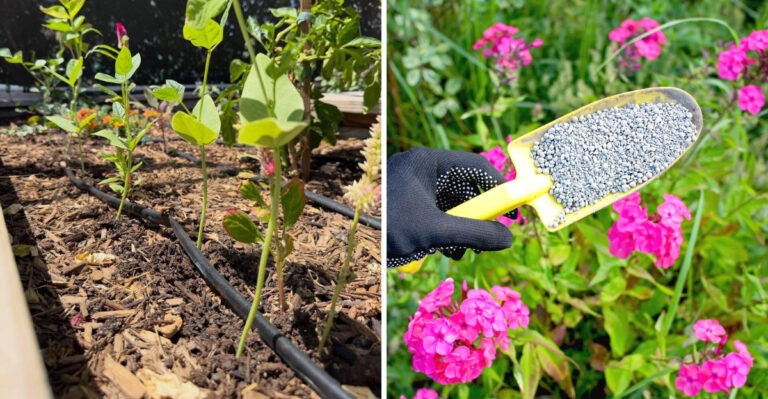
Drip irrigation is one of the most common watering methods used in Arizona container gardens, and it works really well for keeping plants healthy in the desert heat.
The problem is that drip systems deliver water slowly and steadily, which means the tray or saucer sitting under each pot gradually fills up over time without the homeowner noticing right away.
By the time the watering cycle finishes and the sun goes down, those drip trays can hold a surprising amount of still water. Left overnight or through a weekend, that water becomes warm and stagnant.
During Arizona summer months, temperatures stay elevated even at night, which means the water in drip trays does not cool down significantly and remains an attractive spot.
Getting into the habit of checking drip trays after each irrigation cycle is one of the most effective things an Arizona homeowner can do to reduce container garden mosquito problems.
A quick walk around the patio after the drip system runs takes only a few minutes.
Tip out any collected water, wipe the tray dry if possible, and replace it. Some gardeners set their irrigation timers to run in the morning so they can do a tray check before heading inside for the day.
Adjusting the drip output to match what the plant actually absorbs also helps reduce the amount of excess water that ends up sitting in trays in the first place.
4. Self-Watering Reservoirs Can Turn Stagnant
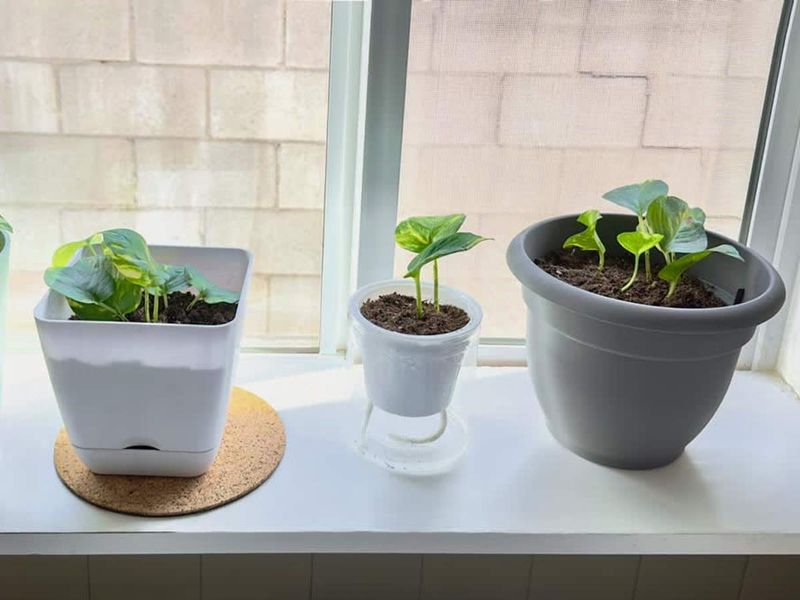
Self-watering planters have become a go-to choice for Arizona gardeners who want to keep herbs, vegetables, and flowers hydrated during the intense desert summer without watering every single day.
These containers include a built-in water reservoir at the base that feeds moisture upward to plant roots through a wicking system.
It is a smart design, but the reservoir can become a problem if it is not managed carefully.
When a self-watering planter is overfilled, water can sit in the reservoir longer than the plant needs. During cooler months or periods of lower plant activity, the reservoir may stay full for extended stretches.
That still, warm water inside an enclosed space is exactly the kind of environment that can attract mosquitoes, especially if there is any gap or opening where insects can reach the water inside.
Arizona homeowners using self-watering planters should check reservoir levels regularly rather than simply topping them off on a fixed schedule. If the reservoir still holds water from the previous fill, skip adding more until the plant draws it down.
Cleaning the reservoir thoroughly every few weeks removes organic buildup that can make the water less hospitable overall.
Some self-watering planter models include overflow holes, and keeping those holes clear ensures water does not pool around the outside base of the container.
Matching your refill routine to the actual needs of the plant through Arizona seasons keeps the reservoir functional without creating standing water issues.
5. Monsoon Rain Collects In Empty Containers
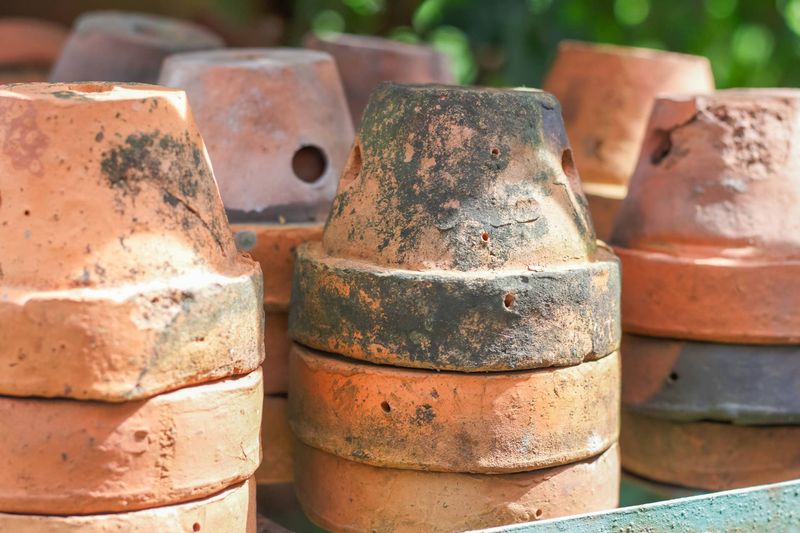
Empty pots scattered around an Arizona yard might seem harmless, but once monsoon season arrives, they become some of the most reliable water collectors on the property.
A single afternoon storm can dump enough rain to fill a medium-sized nursery pot in minutes.
If that pot is sitting right-side up with no plant and no drainage, the rainwater just stays inside with nowhere to go.
Many Arizona homeowners keep extra pots around the patio or in side yards waiting for the next planting season. During summer months, those pots get forgotten.
By the time the gardener walks past them again, the water inside has been sitting for days.
Monsoon rain is unpredictable in Arizona, arriving fast and sometimes repeatedly over several days, which means empty containers can refill before the first batch of water even has a chance to evaporate.
The simplest solution is to store empty containers upside down or stack them so rainwater cannot collect inside. Pots stored in a shed, garage, or covered storage area during monsoon season sidestep the problem entirely.
For containers that need to stay outside, drilling a small hole in the bottom ensures rain drains through rather than pooling inside.
Making a habit of walking the yard after a monsoon storm and flipping or emptying any containers that collected water is a quick and effective routine that keeps the patio from becoming an unintended mosquito source during Arizona rainy season.
6. Overwatering Keeps Patio Areas Too Wet
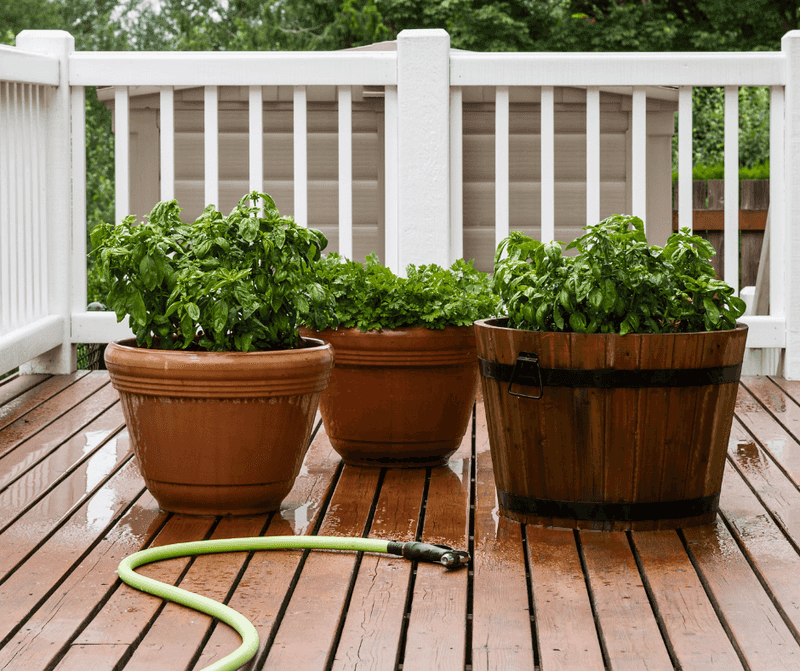
Puddles forming around the base of your containers after a watering session are a sign that more water is going in than the plant or soil can absorb.
Overwatering is one of the most common issues for Arizona container gardeners, partly because the heat makes it feel like plants need constant water and partly because drip systems are sometimes set to run more frequently than necessary.
When excess water spills out of pots and sits on patio concrete or pavers, it creates damp zones that take time to dry out, especially in shaded corners of a patio or courtyard.
Those wet surfaces around containers are not deep enough for mosquitoes to breed in, but they contribute to an overall wet environment that makes the patio more welcoming to insects in general.
The real concern is when that runoff water collects in low spots, gaps between pavers, or the edges of pots and saucers nearby.
Adjusting your watering schedule to match what Arizona plants actually need during each season reduces excess runoff significantly.
Container plants in the desert often need less water than gardeners expect during mild spring and fall months, and even during summer, the goal is to water deeply and then let the soil partially dry before watering again.
Using a moisture meter to check soil before watering helps take the guesswork out of the routine and prevents the kind of overwatering that keeps patio surfaces damp long after the irrigation cycle ends.
7. Drainage Holes Help Water Move Through
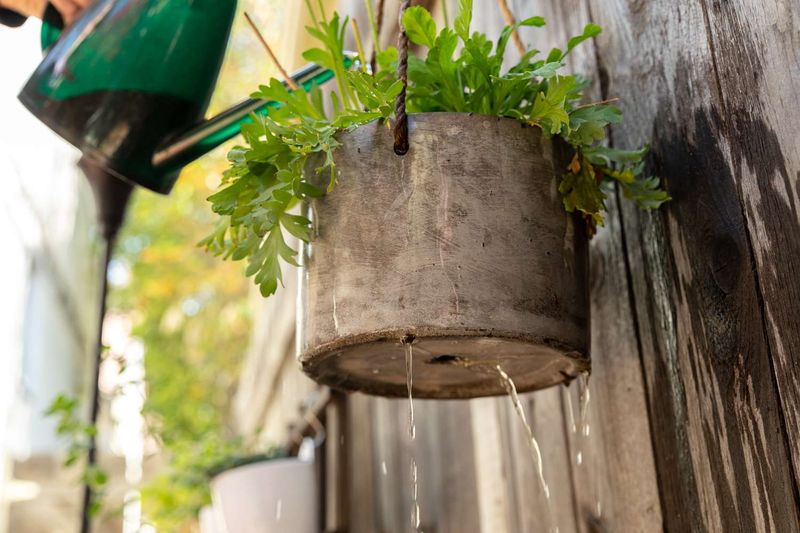
One of the most practical features a container can have in an Arizona garden is a clear, unobstructed drainage hole at the bottom.
When water moves through the soil and out the drainage hole after watering, it does not get a chance to pool and stagnate inside the pot.
Containers with good drainage support healthier root systems and reduce the risk of the pot becoming a standing water source.
The issue is that drainage holes can become blocked over time. Soil particles, roots, and mineral buildup from Arizona hard water can gradually clog the hole until water drains very slowly or stops draining at all.
A pot that drained well when it was new may behave more like a sealed container after a season or two of regular use. Gardeners do not often think to check drainage holes until they notice the soil staying wet for unusually long periods.
Placing a small piece of mesh screen or a broken pot shard over the drainage hole before adding soil helps keep the hole open while still containing the growing medium.
Checking drainage holes at the start of each planting season and clearing any blockages with a thin stick or skewer takes only a moment.
Repotting annually or every other year also gives you a chance to inspect the hole and refresh the soil mix.
In Arizona, where container gardens often run year-round, keeping drainage holes clean and functional is one of the most reliable ways to manage water movement through your pots.
8. Quick Checks Break The Mosquito Cycle
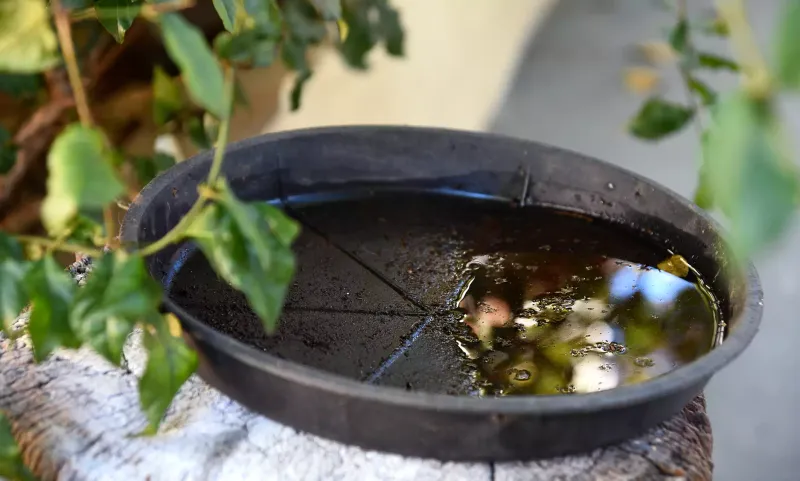
Walking around your patio and checking containers for standing water takes about five minutes, and that short routine can make a real difference during Arizona mosquito season.
Mosquitoes need standing water to complete part of their life cycle, and removing that water before it has had a chance to sit for several days disrupts the process before it gets started.
Regular checks are more effective than any single fix because conditions change after every watering session and every monsoon storm.
Building the check into an existing routine makes it easier to stick with. Some Arizona homeowners do a quick container scan every time they water, while others do it after each monsoon event or at the start of each weekend.
The goal is simply to catch any water that has collected in saucers, drip trays, decorative pots, self-watering reservoirs, or empty containers sitting nearby before it has a chance to become a problem.
During peak mosquito season in Arizona, which tends to run through the summer monsoon months, a twice-weekly check covers most situations. After a string of monsoon storms, a same-day check is worth the few extra minutes.
Pairing the water check with other garden tasks, like deadheading flowers or checking for pests, keeps the routine from feeling like extra work.
Over time, the habit becomes second nature, and your container garden stays a source of enjoyment rather than an unintended contribution to the local mosquito population.