How To Prune Fairy Duster In Arizona In June For More Summer Blooms
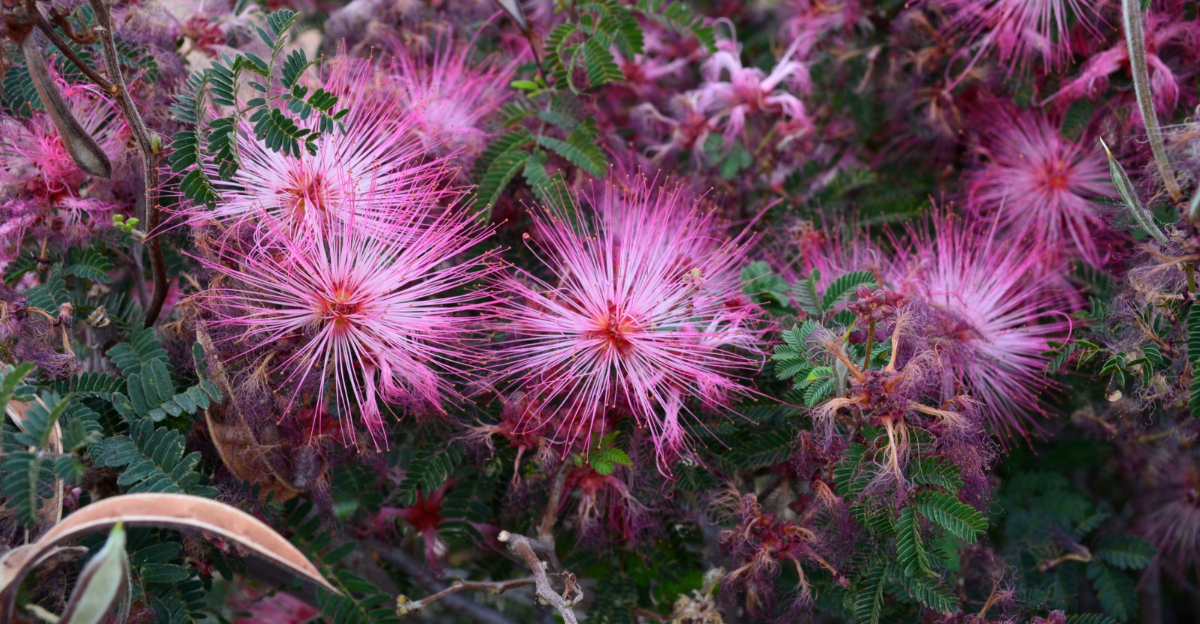
If your Arizona yard has a fairy duster in it, you already know what all the fuss is about.
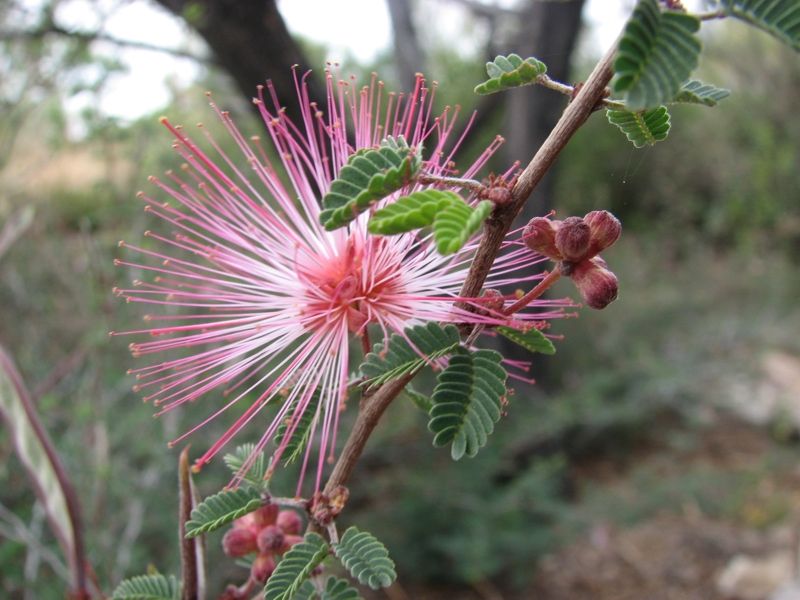
Those fluffy pink and red blooms are genuinely one of the most charming things the Sonoran Desert has to offer, and the hummingbirds and pollinators that show up for them are basically just a bonus at that point.
But June arrives fast in Arizona, and once the first main bloom starts winding down, a lot of homeowners are left wondering what to actually do next.
Do you prune it? Leave it alone? Wing it and hope for the best?
Valid questions, all of them.
The good news is that a little light, thoughtful pruning after peak bloom can make a real difference in how your fairy duster looks and performs through the rest of a demanding Arizona summer.
The key word being light.
1. Confirm Which Fairy Duster You Have
Not every fairy duster growing in an Arizona yard behaves the same way, and that matters when you are planning a June pruning session.
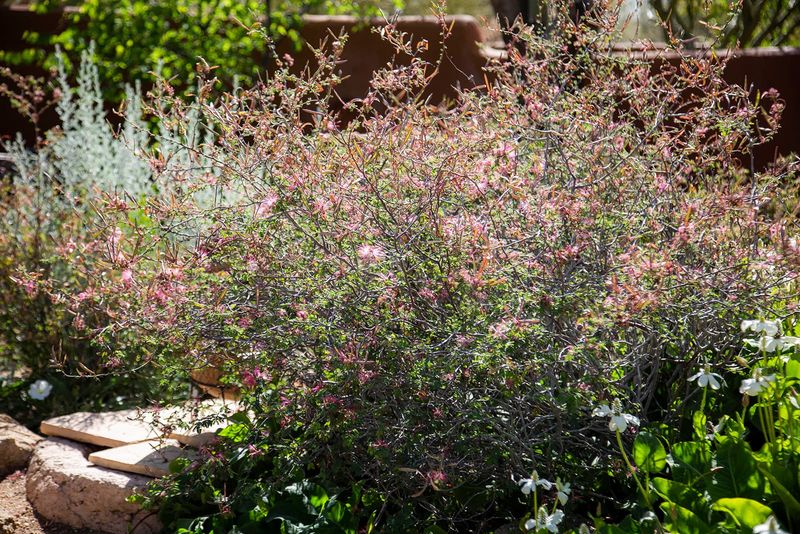
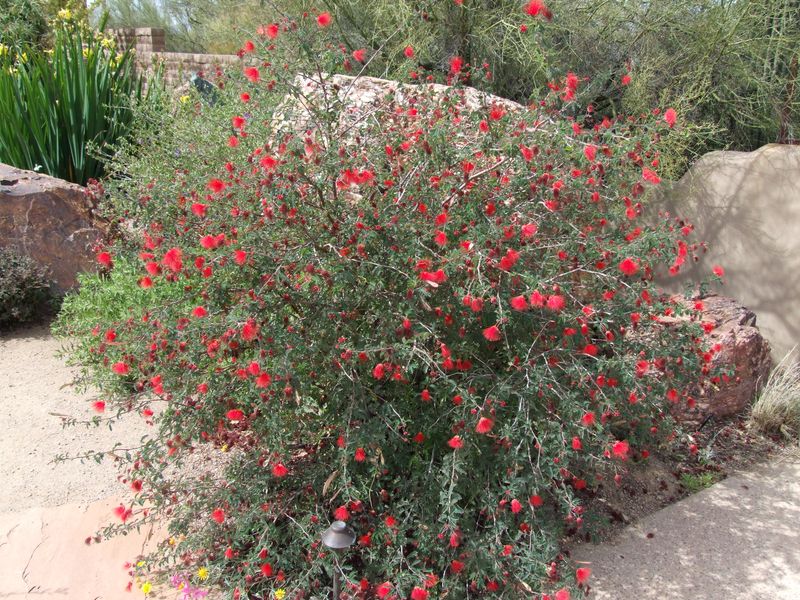
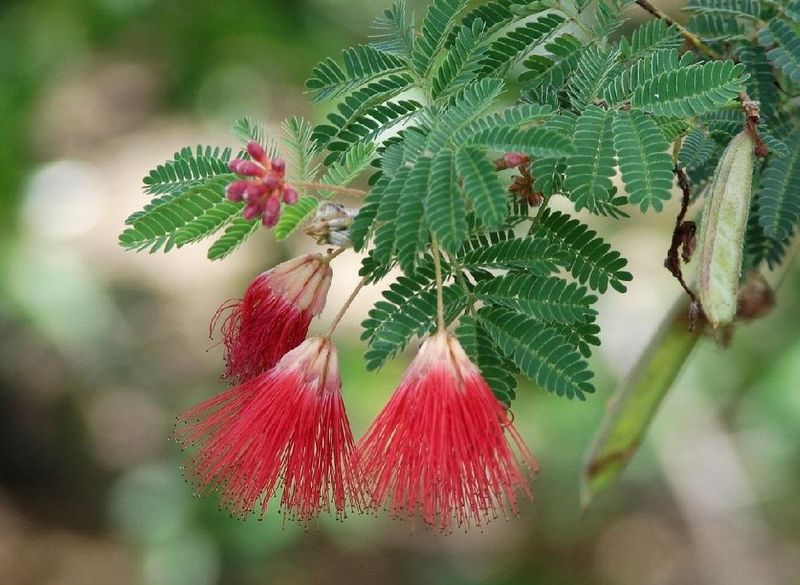
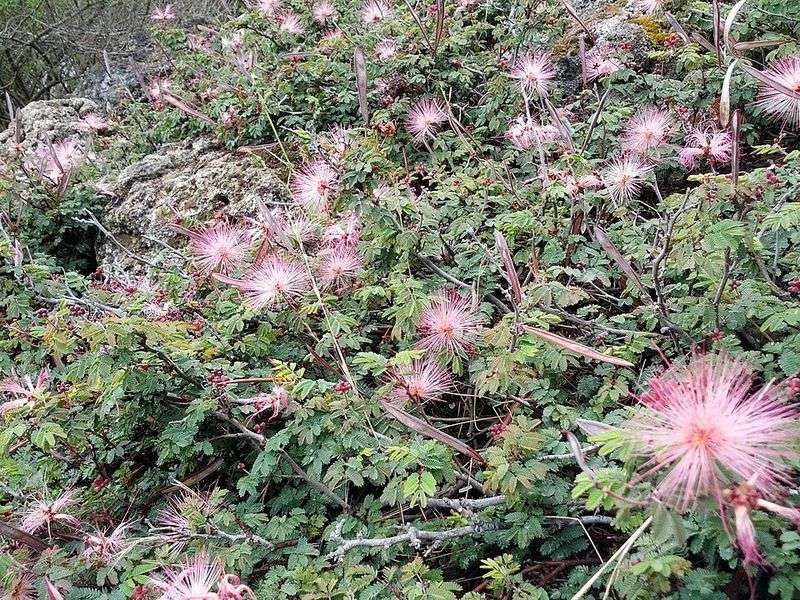
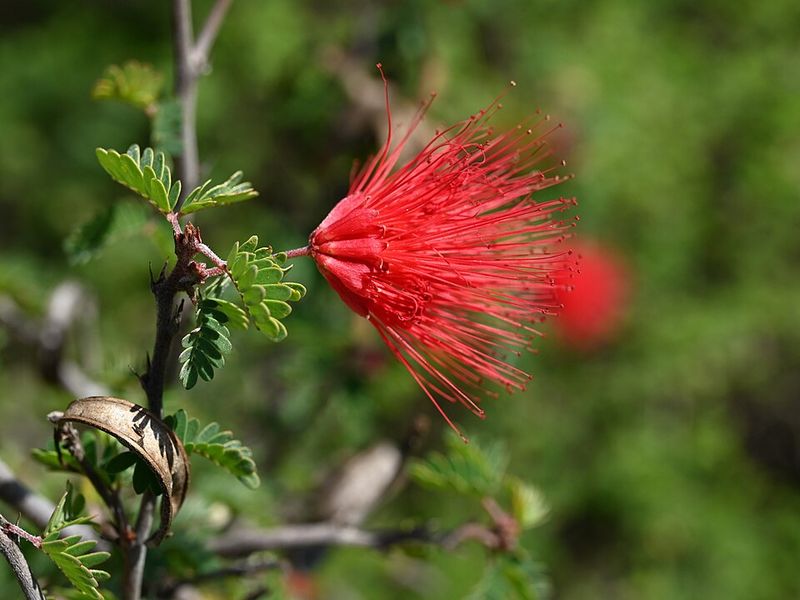
Two species show up most often in residential landscapes here: Calliandra eriophylla, the native fairy duster with soft pink blooms, and Calliandra californica, the Baja fairy duster with deeper red flowers and a somewhat larger growth habit.
Knowing which one you have helps you understand what to expect in terms of mature size, bloom timing, and how much light trimming is appropriate.
Calliandra eriophylla tends to stay smaller and more compact, often reaching two to three feet tall and wide. Calliandra californica can grow larger, sometimes reaching five feet or more under good conditions in Arizona.
Both are well-suited to low-water desert landscapes, but their slightly different habits mean pruning cuts that look minimal on one plant might feel more significant on the other.
Check the bloom color and overall shrub size before reaching for your pruning shears.
If you are unsure which species you have, a visit to a local Arizona native plant nursery or cooperative extension office can help you confirm the identification before you start trimming.
2. Wait Until The First Main Bloom Has Passed
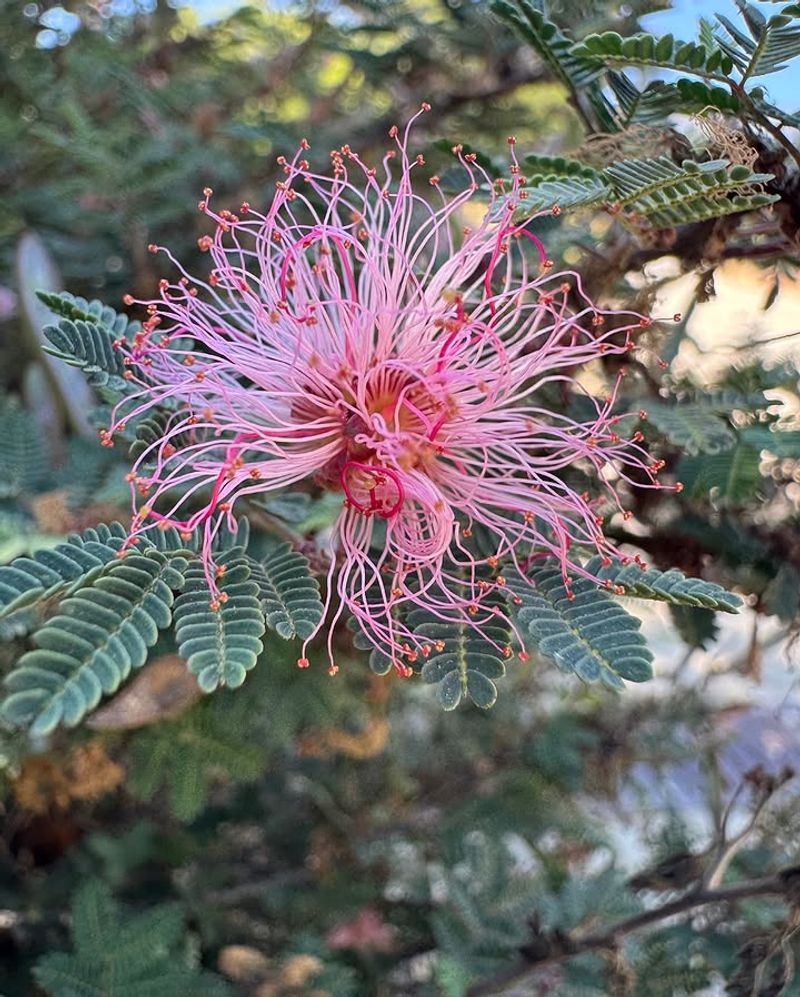
Spent blooms hanging from a fairy duster in late May or early June are a clear signal that the plant has moved through its first main flowering cycle. Waiting for that moment before you start pruning is one of the most practical things you can do for the shrub.
Cutting while blooms are still active removes flowers the plant has already invested energy into producing, and that is not the kind of trade-off that benefits the plant or the garden.
In Arizona, the timing of the first main bloom can shift slightly depending on elevation, microclimate, and how much warmth the plant received earlier in spring.
Low-desert yards in the Phoenix area often see fairy duster blooming earlier than gardens in Tucson or higher elevations.
Paying attention to your specific plant rather than following a fixed calendar date gives you a better starting point for when to begin light June pruning.
Your Arizona Garden Changes Every Week. Your Plan Should Too.
Gardening in Arizona changes quickly throughout the season. Every Friday you’ll receive a simple weekly plan showing exactly what to plant, prune, fertilize, harvest, and protect so you never miss the right timing.
Once the fluffy seed heads begin to dry and the color fades from the spent flower clusters, that is a reasonable window to start cleanup.
You are not rushing the plant or working against its natural rhythm when you time your pruning to follow the bloom rather than interrupt it.
3. Keep June Pruning Light And Natural
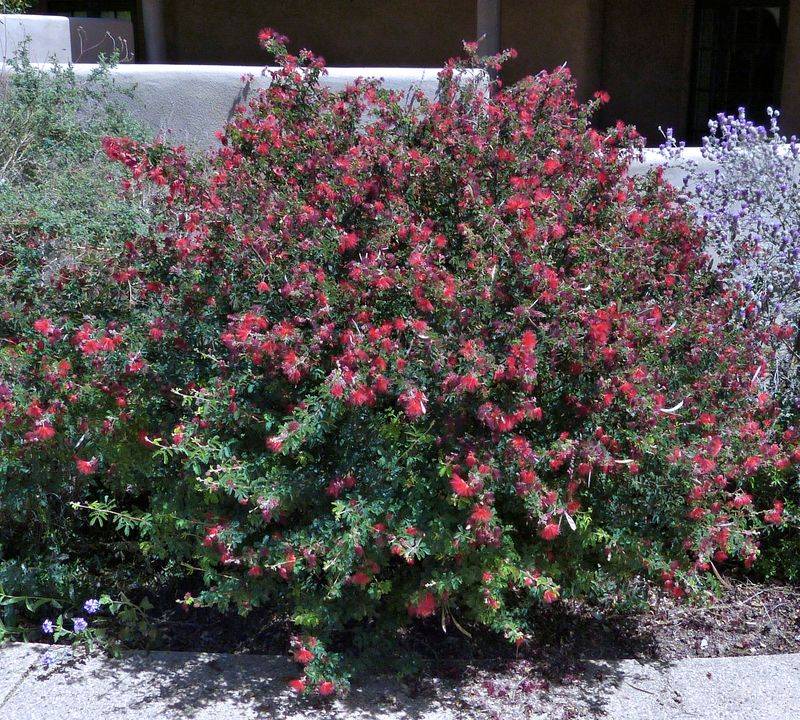
One of the most common mistakes homeowners make with fairy duster in Arizona is treating it like a hedge that needs to be squared off or heavily reduced.
Fairy duster has a naturally open, airy branching structure, and that form is part of what makes it attractive in desert landscapes.
Heavy shearing removes that character and can leave the plant looking stiff and unnatural for months.
June pruning should focus on maintaining the shrub’s existing shape rather than dramatically changing it. Removing about ten to fifteen percent of the growth at most is a reasonable guideline for light cleanup during this time of year.
The goal is a tidier version of what the plant already looks like, not a completely different silhouette.
Arizona summers are intense, and plants that have been pruned lightly recover more smoothly than those that have been cut back hard heading into triple-digit heat.
Keeping your cuts minimal gives the shrub enough foliage to manage heat and sun without unnecessary stress.
A light touch in June sets the plant up to respond well when summer monsoon moisture arrives and growth picks back up naturally across Arizona’s low and mid-elevation landscapes.
4. Use Selective Cuts Instead Of Shearing
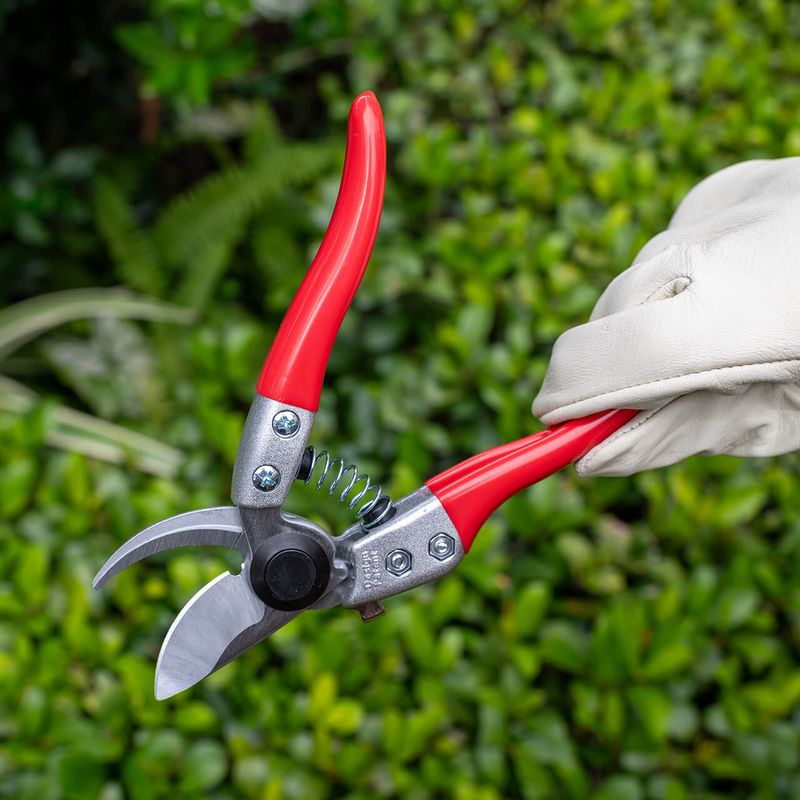
Grab a good pair of bypass hand pruners rather than hedge shears when you head out to work on your fairy duster in June.
Shearing cuts every branch at the same height, which creates a rounded or boxy shape that does not suit the natural growth habit of fairy duster at all.
Selective pruning, where you cut individual branches back to a natural junction or fork, preserves the open character that makes the plant appealing in the first place.
When making selective cuts, look for branches that are crossing through the center of the plant, growing at awkward angles, or extending well beyond the shrub’s natural outline.
Cutting those specific stems back to where they meet another branch or the main framework keeps the plant looking intentional without stripping away its personality.
Each cut should have a clear reason behind it rather than being made just to reduce overall size.
Clean, sharp pruners also matter more than most people realize. Dull blades crush stem tissue instead of cutting cleanly, which can make it harder for the plant to heal over during hot Arizona weather.
Wiping your blades with a clean cloth between plants is a simple habit that keeps your tools in good working order throughout the pruning season.
5. Remove Spent Flower Stems And Awkward Growth
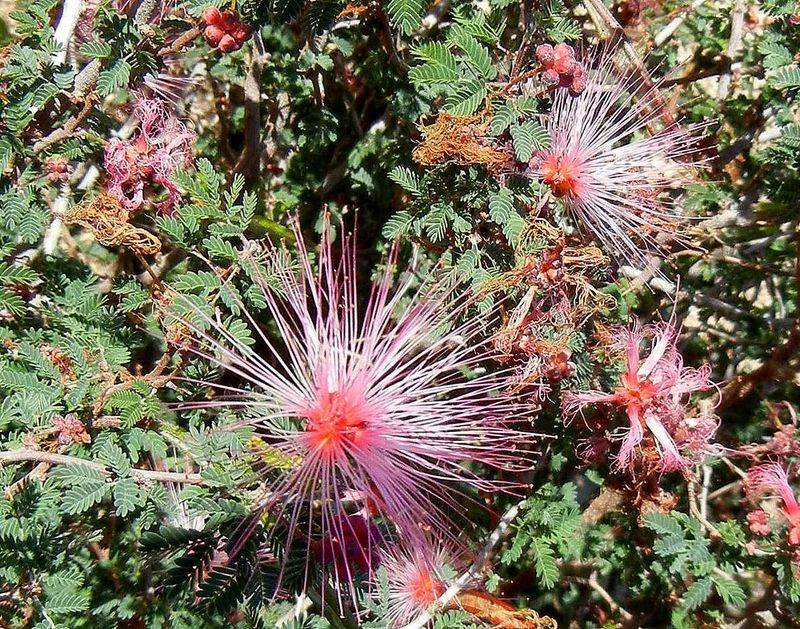
Dried flower stems left on the shrub after blooming do not serve the plant, and removing them during June cleanup is a straightforward task that improves the overall look without putting much stress on the plant.
These spent stems are easy to identify because they hold the dried, fuzzy seed heads that remain after the blooms fade.
Snipping them back to the nearest healthy leaf node or branch junction cleans up the silhouette quickly.
While you are working through the spent flower stems, it is a good time to notice any branches that are rubbing against each other, growing straight down toward the soil, or heading in a direction that clutters the center of the plant.
Removing one or two of those awkward stems during this session helps open up airflow slightly and keeps the shrub looking well-maintained without requiring a major pruning effort.
In Arizona’s residential landscapes, fairy duster often grows near walkways, patios, or low-water borders where an untidy appearance stands out more than it might in a naturalized area.
Cleaning up spent blooms and a handful of stray branches in June keeps the plant looking cared for during a season when many desert shrubs are transitioning between bloom cycles and may look a bit ragged otherwise.
6. Avoid Cutting Deep Into Older Woody Growth
Older woody stems near the base of a fairy duster plant are not the place to focus your June pruning efforts.
Those thick, gray-brown stems form the structural foundation of the shrub, and cutting deep into them during hot weather can leave large wounds that are slow to recover.
Unlike younger flexible growth, older wood does not push out new shoots reliably when cut hard, especially heading into Arizona’s intense summer heat.
Fairy duster is not a shrub that responds well to being cut back to a stump and asked to regrow from scratch.
Some desert shrubs handle that kind of treatment, but fairy duster tends to do better when its older framework is left intact and only the younger, current-season growth is lightly shaped.
Keeping your cuts in the green, flexible zone of the plant rather than working down into the woody base is a practical guideline for June pruning.
If you notice old woody stems that look damaged, split, or clearly struggling, that is worth addressing carefully and thoughtfully. But routine June cleanup does not need to involve those lower portions of the plant at all.
Focusing on the upper canopy and outer growth keeps your pruning session productive without putting unnecessary strain on the plant during one of Arizona’s most demanding seasons.
7. Do Not Remove Too Much Of The Plant At Once
There is a real temptation in June, when the garden looks a little wild after spring growth, to cut fairy duster back significantly and start fresh.
Removing a large portion of the plant at once during hot Arizona weather puts the shrub under considerable stress at a time when it needs its foliage to manage heat and sun exposure.
Keeping most of the canopy intact during summer pruning is a much safer approach.
A general reference point used in horticulture is to avoid removing more than about one-third of a shrub’s total growth in a single pruning session, and for fairy duster in June, staying well below that threshold is reasonable.
Removing ten to fifteen percent of the overall growth during a light cleanup session gives you a tidier plant without triggering the kind of stress response that heavy pruning can cause in warm desert conditions.
If the plant genuinely needs more significant reshaping, consider spreading that work across multiple seasons rather than doing it all at once.
Light pruning in June, followed by another gentle session in early fall after monsoon growth, gives the shrub time to adjust between each round of cuts.
That kind of patient, incremental approach tends to produce better long-term results in Arizona landscapes than aggressive one-time reductions.
8. Water Deeply Before Expecting Summer Growth
Pruning encourages a plant to put energy into new growth, and that process requires adequate soil moisture to happen smoothly.
In Arizona, June often arrives with little rainfall and rapidly climbing temperatures, so the soil around your fairy duster may be quite dry heading into the pruning window.
Giving the plant a deep, slow soak before and after your pruning session helps support the recovery process during hot weather.
Deep watering means letting moisture penetrate well into the root zone rather than just wetting the surface.
For established fairy duster shrubs in Arizona, that might mean running a drip emitter for an extended period or using a slow hose at the base of the plant to allow water to move down rather than run off.
Sandy soils common in many Arizona valleys drain quickly, so a longer, slower application tends to reach the roots more effectively than a short burst.
Keep in mind that fairy duster is a low-water plant adapted to Arizona’s desert conditions, and overwatering is a real concern. The goal is to provide enough moisture to support post-pruning recovery and early summer growth, not to keep the soil constantly wet.
Watching the plant and the soil over the following days gives you a better sense of what that balance looks like in your specific yard.
9. Skip Fertilizer Unless A Reliable Source Recommends It
Reaching for a bag of fertilizer right after pruning fairy duster in June might feel like a logical next step, but this is one situation where less is often more.
Fairy duster is a native and near-native plant well-suited to Arizona’s naturally lean desert soils, and it does not typically need supplemental fertilizer to perform well in residential landscapes.
Applying fertilizer during hot weather can push soft, tender new growth that may struggle in intense summer heat.
Nitrogen-heavy fertilizers in particular can stimulate rapid leafy growth at a time when the plant would benefit more from a gradual, steady recovery.
That kind of forced growth is more vulnerable to heat stress and may not develop the toughness needed to hold up through Arizona’s summer conditions.
Most native plant resources suggest that well-established desert-adapted shrubs like fairy duster rarely need fertilizing under normal landscape conditions.
If your fairy duster looks genuinely pale, stunted, or is growing in an area with poor or compacted soil, consulting with a local Arizona cooperative extension advisor or certified master gardener before applying anything is a worthwhile step.
They can help you assess whether a soil amendment or mild fertilizer application makes sense for your specific situation rather than guessing based on general product labels.
10. Watch The Plant After Pruning During Hot Weather
The days and weeks following a June pruning session are a good time to pay closer attention to how your fairy duster is responding.
Most established plants in Arizona handle light pruning without visible stress, but watching for signs that something is off gives you a chance to adjust your care routine before a small issue becomes a bigger one.
Fresh cuts should begin to show small signs of recovery within a few weeks as the plant settles into summer.
Wilting leaves during the hottest part of the afternoon can be normal for many desert plants in Arizona, especially after pruning removes some of the shading canopy.
If the plant perks back up in the evening after temperatures drop, that temporary wilting is likely just a heat response rather than a sign of trouble.
Consistent wilting that does not improve overnight is worth investigating further, often starting with a check of soil moisture around the root zone.
Also keep an eye out for any unusual discoloration, unusual pest activity, or stems that fail to push any new growth after a few weeks.
Arizona summers bring specific challenges including reflected heat from walls and pavement, intense sun exposure, and low humidity.
Staying observant after pruning helps you catch anything that needs attention early, giving your fairy duster the best chance to move smoothly through the season.