The Reason Wisconsin Beekeepers Encourage Keeping Dandelions Around
Wisconsin lawns often turn yellow by April, and most homeowners treat that as a signal to start the mower. A small but vocal group of neighbors does the opposite, and their reasoning has nothing to do with laziness.
Longtime beekeepers describe what happens inside a hive after winter in strikingly similar terms, and none of it sounds reassuring. Colonies emerge from the cold season running on fumes, with reserves stretched thin after months of huddling together just to stay warm.
Some lawns offer little of real use during this stretch. Others quietly become one of the busiest feeding grounds a colony finds that season.
The difference comes down to a plant most people yank out on sight. Find out what it’s actually feeding in early spring, and pulling it starts to feel like a mistake.
Dandelions Bloom Before Most Other Spring Flowers
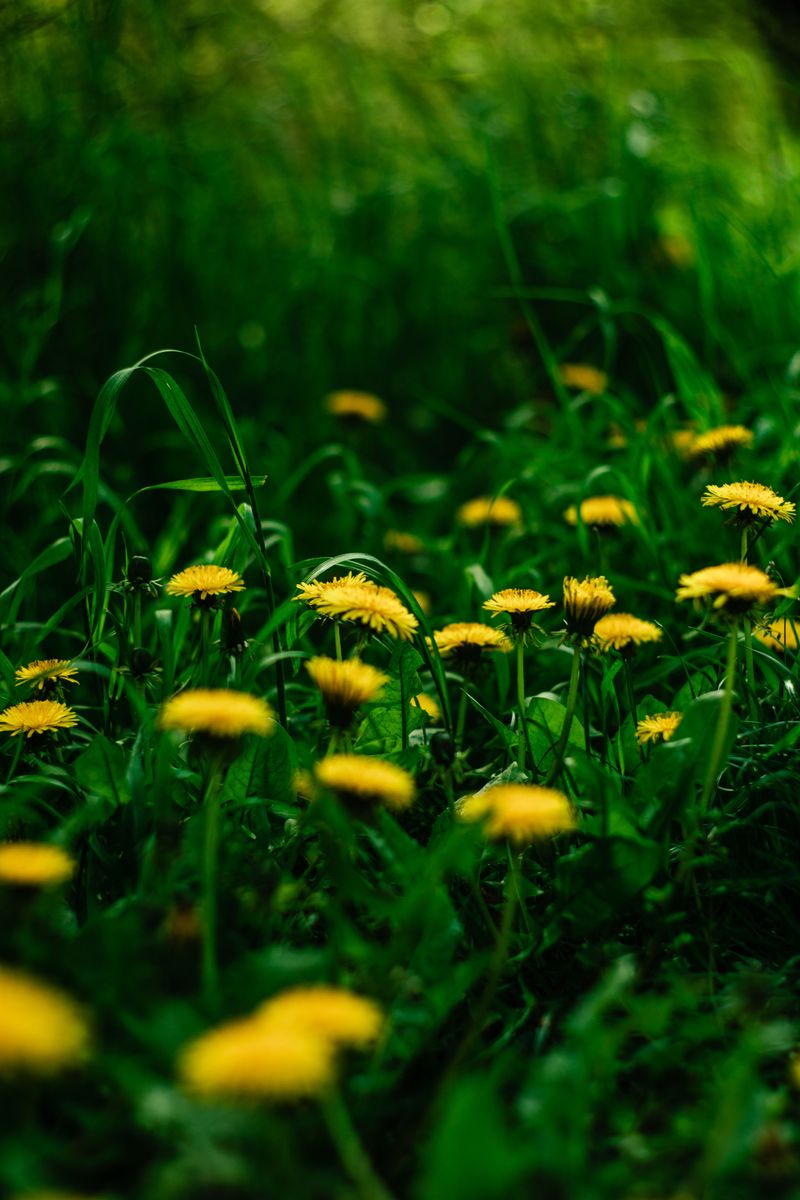
Yellow before anything else even tries. Dandelions are one of the earliest flowering plants to open in spring, often pushing through the soil while frost still lingers at night.
Most garden flowers need warmer soil and longer days before they even think about blooming. Fruit trees, clover, and wildflowers all take their time getting started.
Dandelions skip much of that waiting period. They can flower in temperatures that would keep other plants dormant, which makes them among the earliest bloomers of the season.
In Wisconsin, that window between snowmelt and the first real bloom of other flowers can stretch for several weeks. During that gap, the landscape looks mostly brown and bare.
Dandelions break that pattern fast. A single warm afternoon can trigger hundreds of them to open across a yard, a roadside, or a field all at once.
That rapid response to warmth is not just impressive. It is critical for pollinators that cannot afford to wait for more fashionable flowers to show up.
Beekeepers in the state have long noticed that their hives become more active right around the time dandelions start blooming. The connection is hard to ignore once you see it up close.
The flower itself is also well-designed for pollinators. Each dandelion head is actually a cluster of dozens of tiny individual flowers packed tightly together.
More flowers mean more nectar and pollen per visit. That efficiency matters when bees are covering large distances just to find food after a brutal winter.
Bees Relying On Them After A Long Winter
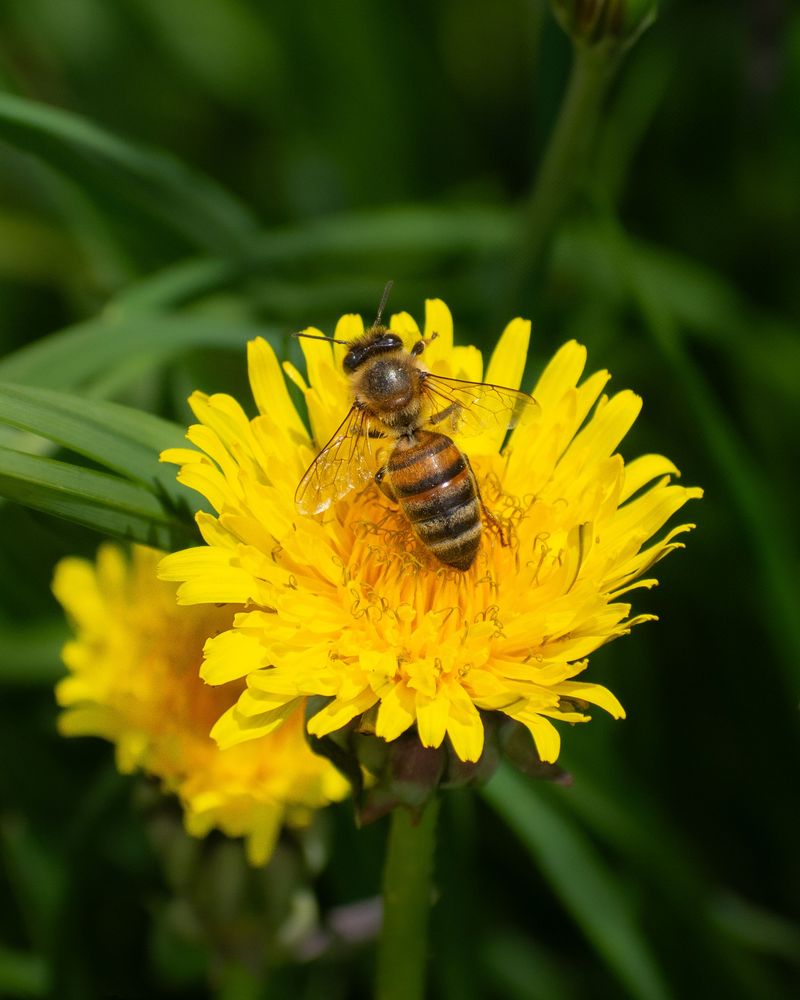
Picture a hive in late March. The bees have been huddled together for months, shivering to generate heat and slowly eating through their winter honey stores.
By the time temperatures start climbing, the colony is hungry, depleted, and desperate for fresh food. The queen is ramping up egg production, which means even more mouths to feed inside the hive.
Worker bees head out on the first warm days scanning every inch of the landscape for nectar or pollen. What they find in those early weeks shapes how strong the colony becomes that season.
Your Wisconsin Garden Changes Every Week. Your Plan Should Too.
Gardening in Wisconsin changes quickly throughout the season. Every Friday you’ll receive a simple weekly plan showing exactly what to plant, prune, fertilize, harvest, and protect so you never miss the right timing.
A hive that finds rich food sources early bounces back quickly. One that struggles to find anything risks losing population before summer even begins.
Wisconsin beekeepers watch this transition closely every spring. They know the difference between a colony that thrives and one that crashes often comes down to those first few weeks of foraging.
Dandelions give bees something immediate and reliable. The flowers open reliably, they produce both nectar and pollen generously, and they grow almost everywhere without any help from anyone.
For a bee flying out of a weakened hive, finding a yard full of dandelions is like stumbling onto a buffet. The energy cost of foraging drops when food is close and abundant.
Beekeepers who live near neighborhoods with dandelion-friendly lawns often report stronger spring colonies. That pattern tells a clear story about what these flowers actually mean to local pollinators after a long winter.
Nectar And Pollen Provide An Early Boost
Not all flowers are created equal when it comes to feeding bees. Some look beautiful but offer very little nutritional value to pollinators visiting them.
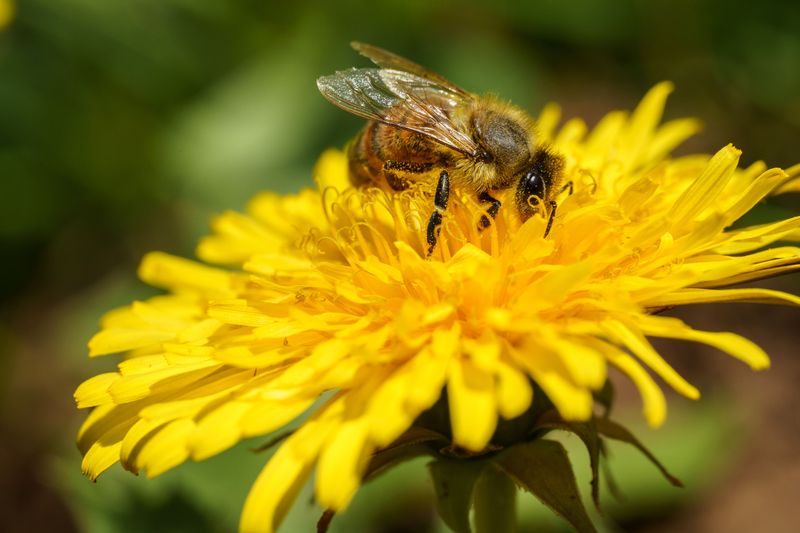
Dandelions punch well above their weight class. They produce generous amounts of both nectar and pollen, which cover two distinct nutritional needs for a hive.
Nectar gets converted into honey, which serves as the colony’s main energy source. Without steady nectar coming in, bees can struggle to maintain body heat, fly efficiently, or care for larvae.
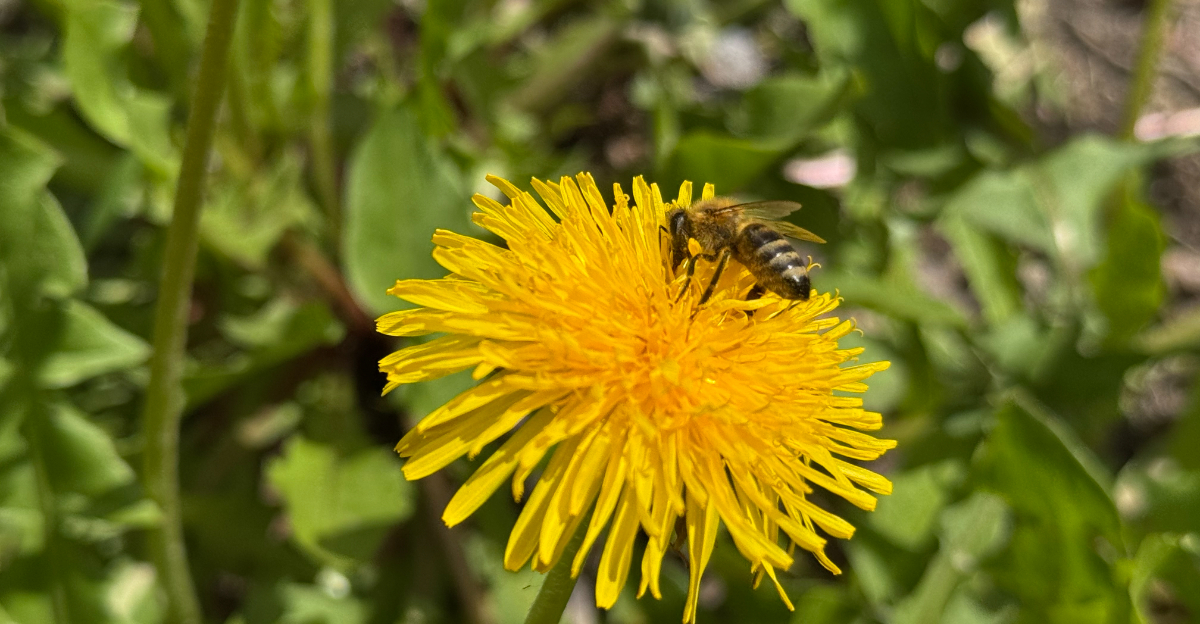
Pollen is the protein source. Bees pack it into their leg baskets and carry it back to the hive, where it gets fed to developing larvae and young nurse bees.
A colony rebuilding after winter needs both of these things in large quantities and fast. Dandelion pollen is bright yellow and easy to spot when you watch bees return to a hive loaded up.
Studies on bee nutrition have shown that dandelion pollen contains a solid range of amino acids. It is not the most complete pollen source available, but it is far better than nothing during a food desert.
The nectar flow from dandelions can be surprisingly strong on warm, sunny days. Beekeepers sometimes notice a slight increase in honey production during peak dandelion season.
That early boost matters more than most people realize. A colony that gets strong in April and May has time to build up enough workforce and stores to make it through the rest of the year with confidence.
Mowing Too Early Removes This Food Source
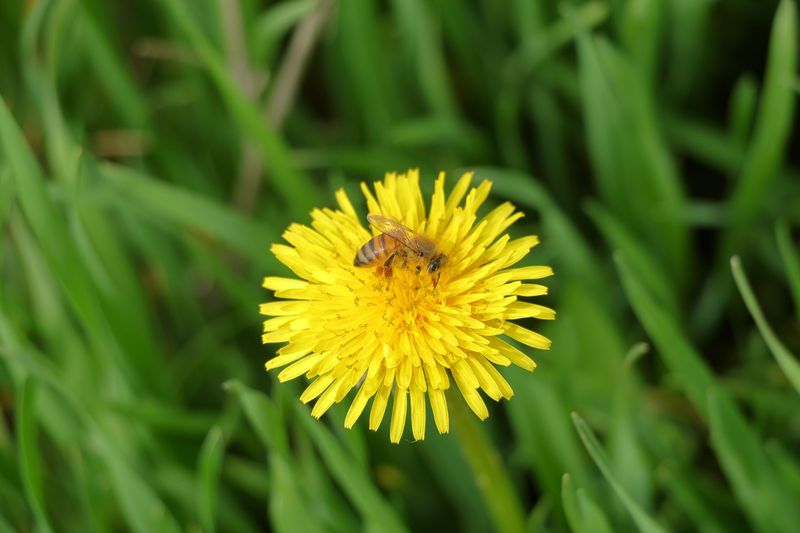
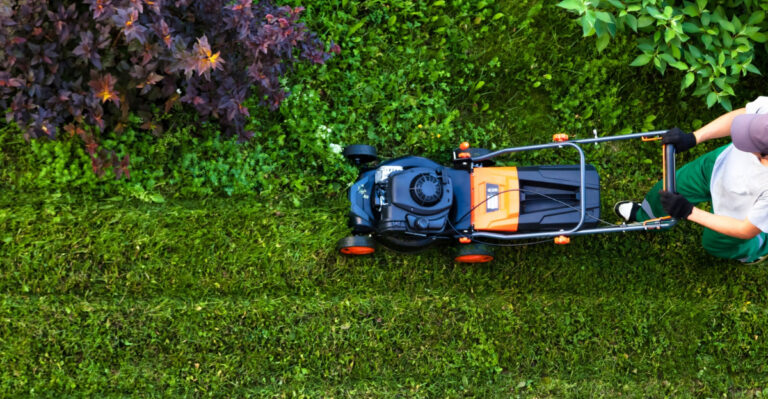
Here is the scenario that makes beekeepers cringe every spring. A warm Saturday rolls in, the lawn looks shaggy, and out comes the mower before the dandelions even finish their peak bloom.
In under an hour, thousands of open flowers get leveled. Every one of those blooms represented dozens of individual nectar sources that bees were actively visiting that morning.
Mowing during peak dandelion bloom is one of the most disruptive things a homeowner can do for local pollinators. The timing feels harmless, but the impact on nearby hives is real.
Bees operate on routine, learning where food sources are and returning to them repeatedly throughout the day. Removing that food source mid-season forces them to start searching all over again.
That search burns energy the colony cannot afford to waste in early spring. Every foraging flight that comes back empty is a small loss that adds up across thousands of bees.
Wisconsin beekeepers often ask their neighbors to hold off on mowing until mid to late May. That simple request can make a meaningful difference in how nearby hives develop that season.
Even waiting one extra week can allow dandelions to complete their bloom cycle. After the yellow flowers fade and turn to seed heads, bees have already moved on to other sources.
The seed heads look messy to some, but they signal that the flowers have already done their job. At that point, mowing causes little to no harm to foraging bees.
Dandelions Are Not A Perfect Nutrition Source
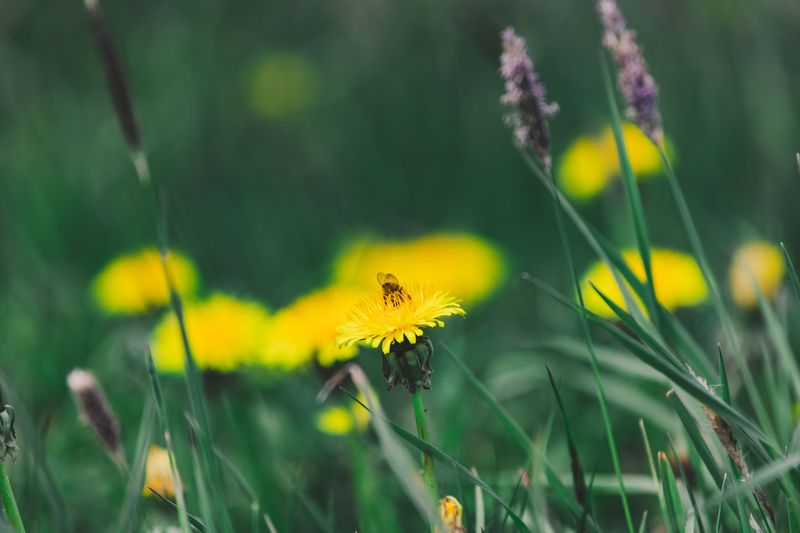
Dandelions are genuinely helpful, but beekeepers are careful not to oversell them. Treating them as a cure-all for bee nutrition would be missing the bigger picture.
The pollen from dandelions lacks some of the amino acids that bees need in higher quantities for peak colony health. It works well as a starter food but falls short as a long-term diet.
Think of it like eating crackers when you are starving. They help you get through the moment, but you are unlikely to build strength on crackers alone for weeks on end.
Healthy bee colonies need access to a wide variety of flowering plants throughout the season. Clover, fruit blossoms, wildflowers, and native plants each contribute different nutritional profiles to a balanced foraging diet.
Dandelions fill the early spring gap before those other sources come online. That role is important and specific, not a replacement for the broader diversity bees need later in the year.
Some beekeepers supplement their hives with pollen patties during early spring if dandelions are scarce or the weather keeps bees from foraging freely. That workaround helps but is not ideal long-term.
The best approach combines dandelion tolerance with intentional planting of other pollinator-friendly species. A yard that supports bees in April and continues supporting them through September is far more valuable than one that peaks early.
Keeping dandelions is step one. Building a diverse, bloom-rich landscape around them is the part that takes a yard from helpful to genuinely impactful for local bee populations.
Skipping A Mow In Spring Helps Local Bees
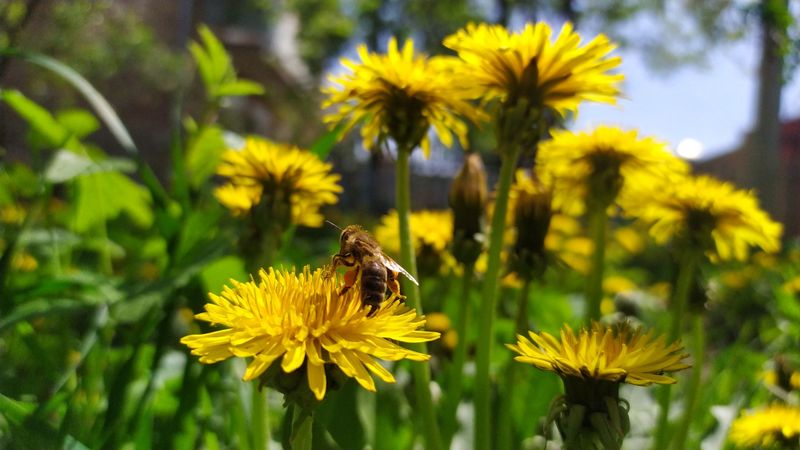
Skipping one mow in spring sounds like laziness. Wisconsin beekeepers will tell you it is one of the most productive things a neighbor can do for dandelions and the bees that depend on them.
The idea is simple. Hold off on your first or second mow of the season until dandelion blooms have peaked and started to fade naturally.
That window usually falls somewhere between late April and mid-May, depending on the year and your location in the state. It does not require any special equipment or effort.
You just wait. Your lawn might look a little wild for a week or two, but what is happening at ground level is genuinely worth it.
Bees from nearby hives are making dozens of trips daily to those flowers. Each visit brings food back to a colony that is still rebuilding its population after winter.
Neighborhoods where multiple homeowners delay mowing create something even more powerful than a single yard can. A connected corridor of dandelion blooms gives bees a much larger foraging range without burning extra energy.
Beekeepers in Wisconsin have started organizing informal campaigns asking communities to participate in no-mow April or no-mow May. The response has been growing each year as more people learn why it matters.
Keeping dandelions around costs you nothing but a little patience. For the bees working hard to survive and rebuild each spring, that patience is worth more than any supplement or intervention a beekeeper could offer.