How To Handle A Bee Swarm Found In Your Maryland Backyard
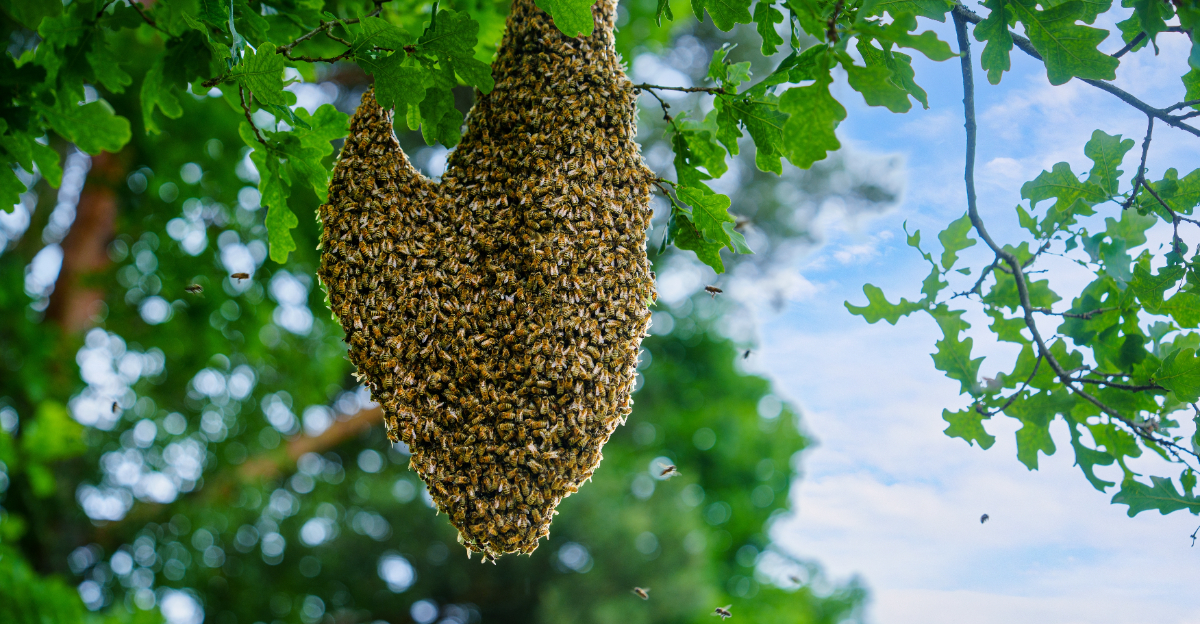
A low hum stops you halfway across your Maryland yard, and the sound seems to be coming from nowhere and everywhere at once. When you finally trace it to the base of your maple tree, a dense, shifting mass greets you instead of a single insect.
Thousands of honeybees have gathered into a single trembling cluster, and your first instinct might be to grab the phone or run inside. This kind of gathering happens for a reason, and it has almost nothing to do with aggression.
A growing colony splits apart each spring, sending part of its population off with a queen to search for fresh territory. The group settles temporarily while scouts scan the area, and during this pause the cluster tends to stay remarkably calm.
Most clusters relocate within a day or two on their own. Understanding a few practical steps can turn this backyard surprise into something you handle with steady confidence rather than alarm.
1. Stay Calm And Keep A Safe Distance
Bees can sense panic. When you spot a swarm in your backyard, your first job is simple: breathe and back away slowly.
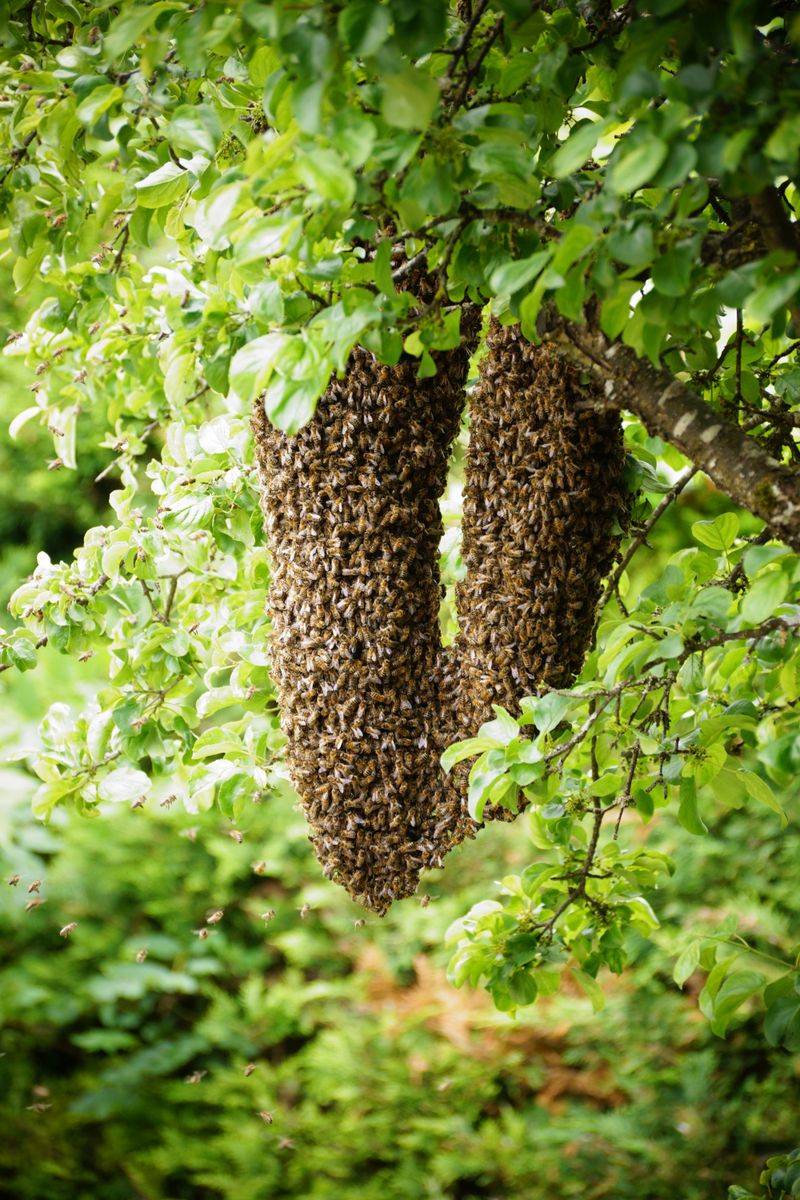
A bee swarm found in your Maryland backyard is not automatically an attack waiting to happen. Swarming bees are actually at their most docile because they have no hive to protect.
The colony is in transit mode, focused on finding a new home. Guard behavior is minimal, and unprovoked stinging is rare during this phase.
Your goal is to create distance without creating chaos. Aim for at least 20 to 30 feet between you and the cluster.
Do not run. Running triggers a chase response in bees, and that is a situation nobody wants.
Walk calmly, move indoors if possible, and resist the urge to stand close and stare. Curiosity is understandable, but proximity is risky.
Keeping a safe distance also gives you a better vantage point to observe the swarm without disturbing it. You can watch from a window or a far corner of the yard.
This calm observation phase is actually useful. You will gather important details about the swarm size, location, and behavior that will help any professional who later assists you.
Staying composed sets the right tone for everything that follows. A relaxed human equals a relaxed bee situation, and that tends to be the best starting point.
2. Avoid Water, Sprays, Or Sudden Movements
Reaching for the garden hose feels instinctive when bees show up uninvited. That instinct, however, is one of the worst moves you can make.
Water agitates bees fast. Spraying a swarm sends a stress signal through the entire cluster, and a stressed swarm is no longer a calm one.
The same rule applies to insect sprays and aerosols. Many homeowners grab a can of wasp spray without realizing that honeybees respond very differently than wasps.
Chemical sprays can trigger alarm pheromones in honeybees. Once those pheromones spread through the cluster, the defensive response kicks in quickly and affects the whole group.
Your Maryland Garden Changes Every Week. Your Plan Should Too.
Gardening in Maryland changes quickly throughout the season. Every Friday you’ll receive a simple weekly plan showing exactly what to plant, prune, fertilize, harvest, and protect so you never miss the right timing.
Sudden loud noises and fast movements carry similar risks. Slamming a door, revving a lawn mower, or dropping a trash can near the swarm can shift calm bees into defensive mode.
Even vibrations from power tools nearby can disturb the cluster. Try to keep activity in the yard minimal while the swarm is present.
Think of the swarm like a sleeping crowd. Quiet and stillness keep things peaceful, while noise and movement wake everyone up at once.
If you need to be in the yard, move slowly and deliberately. Wear light-colored clothing since dark colors can trigger a defensive response in bees.
Avoiding sprays and sudden actions costs you nothing and protects everyone. Patience here is genuinely your most powerful tool.
3. Identify If It Is A Swarm Or An Established Hive
Not every bee situation is the same, and knowing the difference changes everything about how you respond. A swarm and an established hive require completely different approaches.
A swarm looks like a hanging ball or teardrop shape made entirely of bees. It usually appears on a branch, fence post, or shrub and has no visible wax comb.
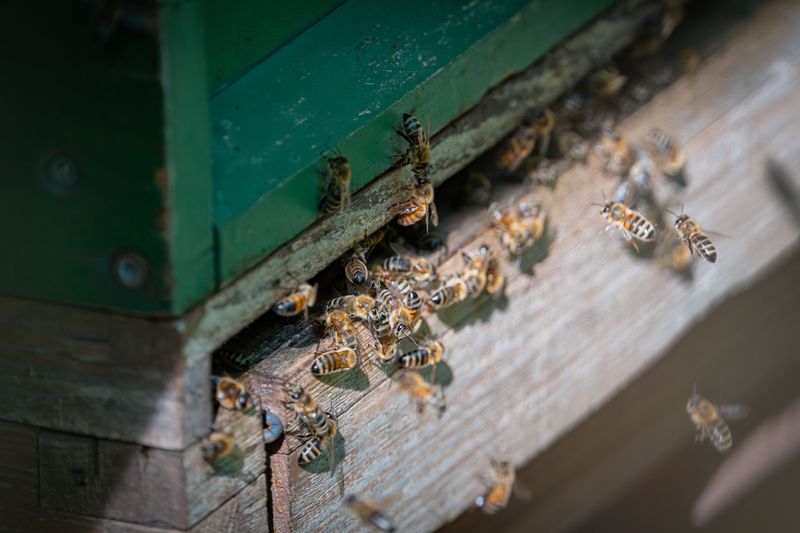
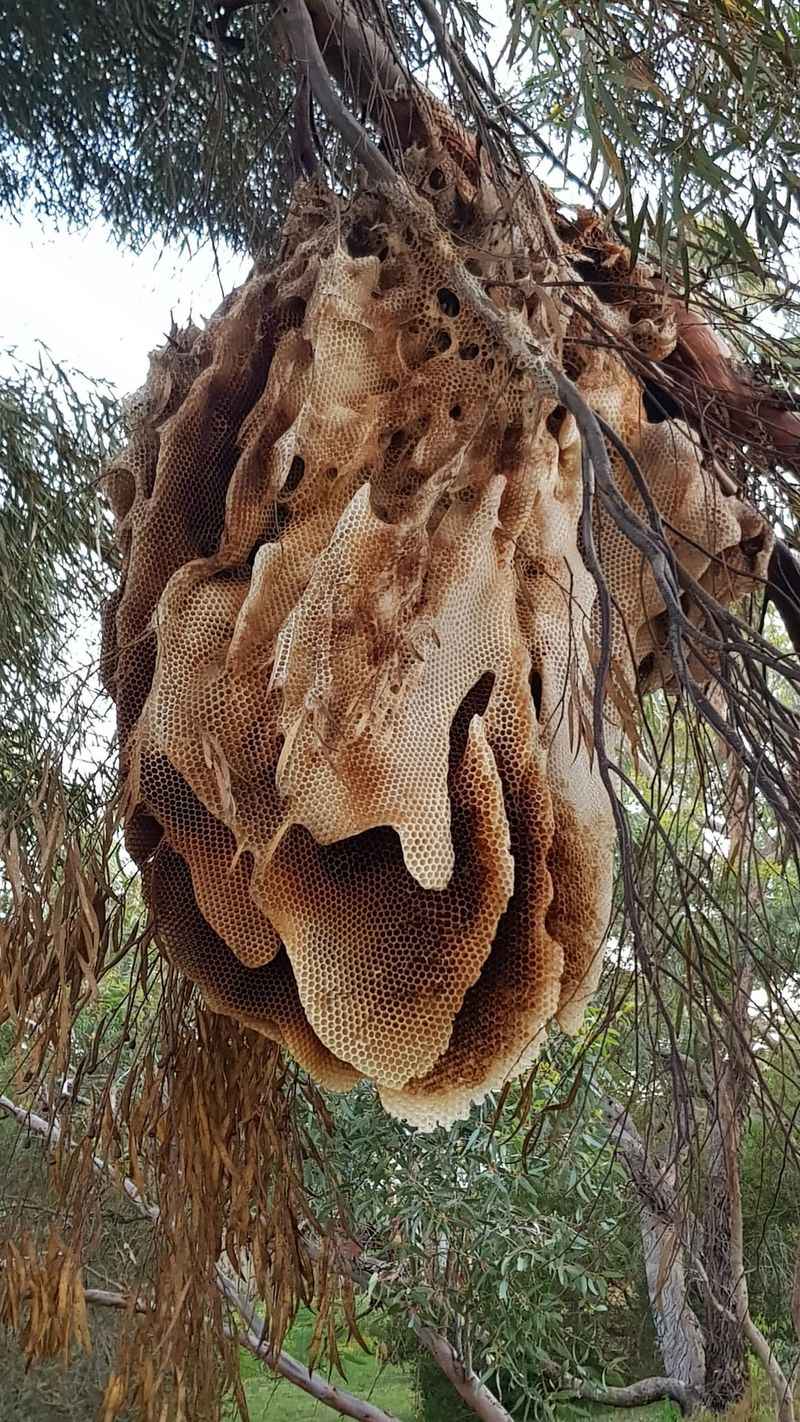
An established hive, on the other hand, has been built up over time. You will often see honeycomb, regular bee traffic in and out of a fixed opening, and a much more permanent setup.
Swarms are temporary and generally move on within 24 to 72 hours. Established hives are a longer-term situation that almost always requires professional removal.
Look for signs of construction. If you see bees entering a gap in your siding, a hollow tree, or a wall cavity, that is likely an established colony setting up shop.
Swarms tend to be quieter and cluster tightly without much flight activity. Established colonies show constant coming and going from a fixed entry point.
The size of the bee population also offers clues. A swarm may look enormous but is a one-time gathering, while a hive grows steadily over weeks and months.
Identifying what you are dealing with helps you communicate clearly when you contact a beekeeper or pest professional. Accurate information leads to faster, more effective help.
Getting this step right sets the entire situation on the right track from the start.
4. Watch Where The Bees Are Clustering
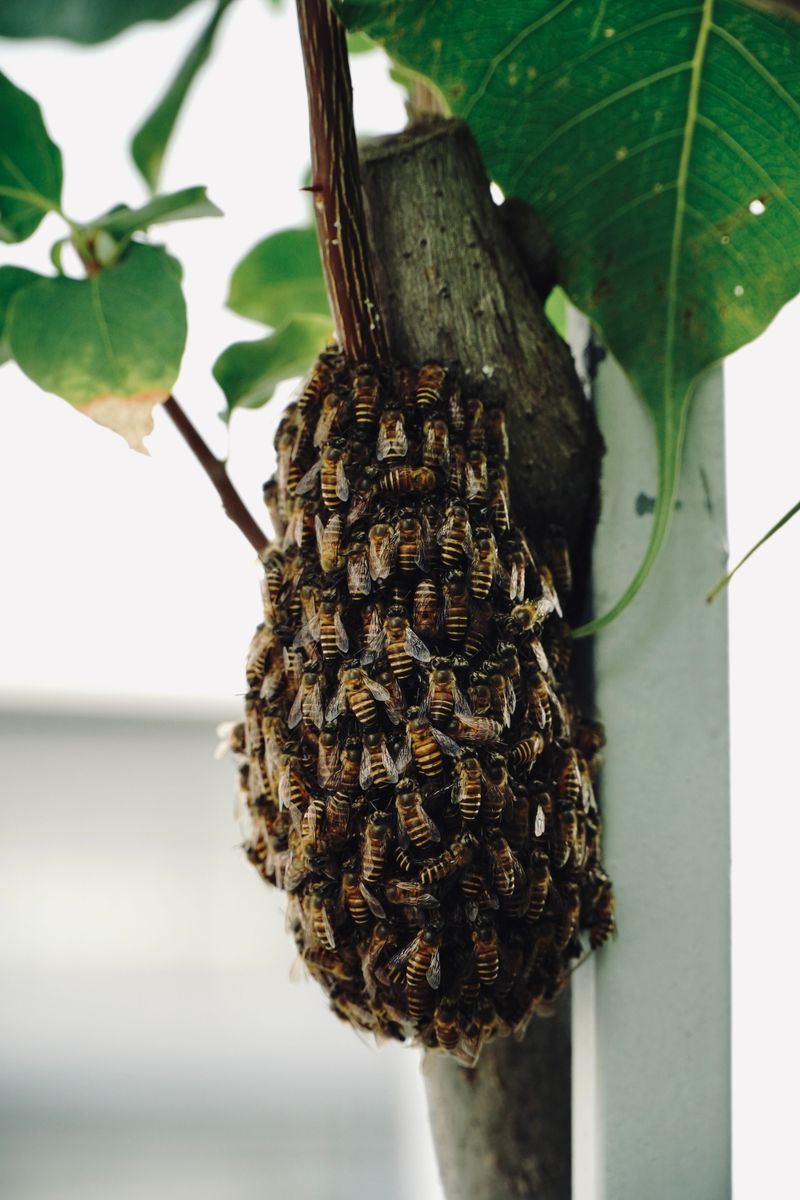
Location matters more than most people realize when a swarm appears. Where the bees choose to cluster tells you a lot about the urgency of the situation.
A swarm hanging from a high tree branch far from foot traffic is far less concerning than one resting on a low fence post near your back door. Proximity to human activity changes the risk level significantly.
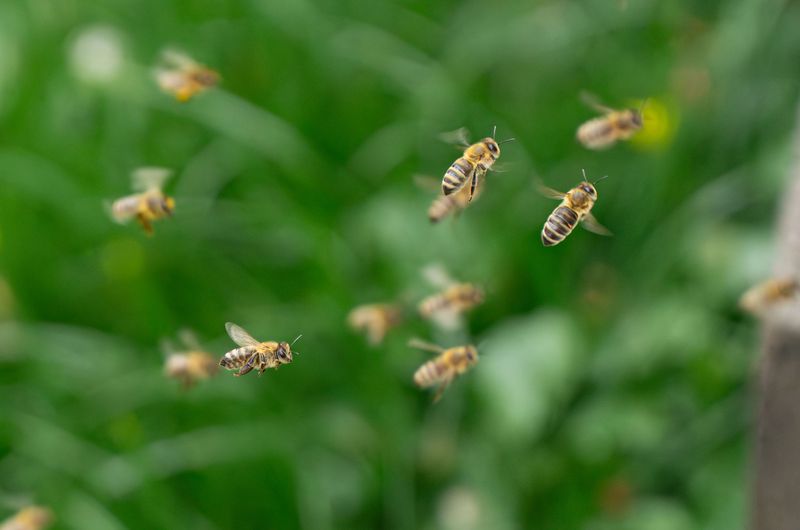
Scout bees will fly out from the cluster in small groups, searching for a permanent home. If you watch carefully, you can actually see them returning to the cluster with information.
This scouting behavior is a sign that the swarm has not yet committed to a location. It is still in the decision-making phase, which means it may leave on its own soon.
Pay attention to whether the cluster shifts position over time. A swarm that moves to a new spot on the same day is still actively searching and has not settled.
If the cluster stays in the same spot for more than two days, scout bees may have found a nearby permanent location. That is when professional help becomes more important.
Note if the bees are clustering in a sheltered spot like a hollow tree or inside a structure. That suggests they are already transitioning from swarm to colony.
Keeping an eye on cluster location helps you report accurate details to a beekeeper. Good information leads to a faster and safer resolution for everyone involved.
5. Contact A Local Beekeeper For Removal
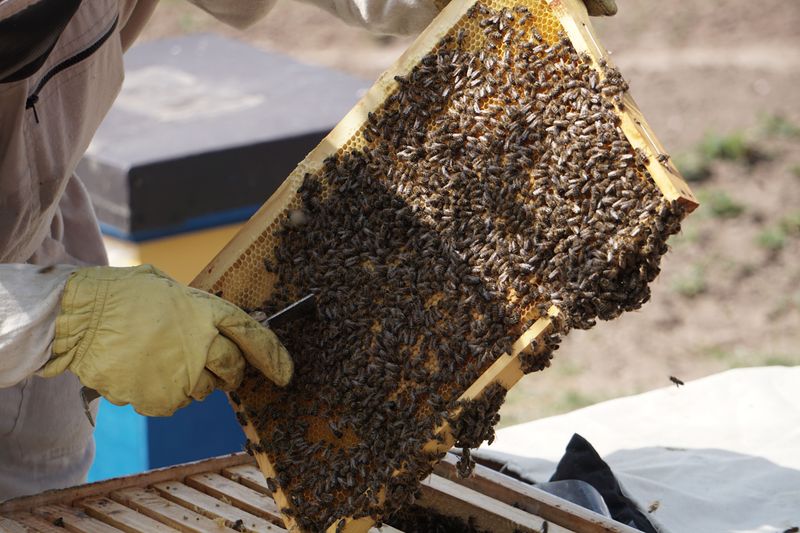
Here is something most people do not know: local beekeepers often remove swarms for free. They are thrilled to collect a healthy colony and will treat the bees with care.
Maryland has an active beekeeping community, and the Maryland State Beekeepers Association maintains a swarm removal list. A quick online search for your county can connect you with a local keeper fast.
When you call, be ready with specific details. The beekeeper will want to know the size of the cluster, how long it has been there, and exactly where it is located.
Most experienced beekeepers can assess a swarm situation quickly over the phone. They will let you know if it sounds like a straightforward collection or a more complex removal job.
Do not call an exterminator as your first move. Honeybees are vital pollinators, and many pest control companies are not equipped to handle live bee removal humanely or effectively.
A beekeeper brings the right tools, including a nucleus box or a simple container to collect the cluster safely. The process is often faster than people expect.
If the swarm is inside a wall or structure, the situation becomes more involved. In that case, the beekeeper may refer you to a bee removal specialist with construction experience.
Reaching out to a local beekeeper is one of the most responsible steps you can take when handling a bee swarm found in your Maryland backyard. It protects the bees and your family at the same time.
6. Share Photos And Details To Help With Assessment
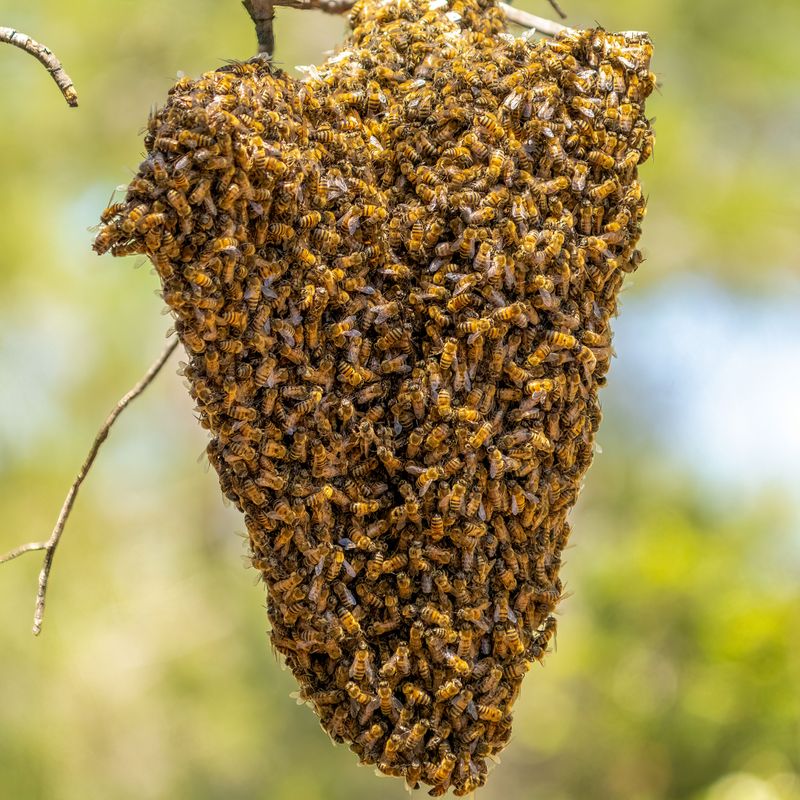
A picture really is worth a thousand words when it comes to bee swarms. Sending a clear photo to a beekeeper saves everyone time and leads to better preparation.
Use your smartphone’s zoom feature to get a close shot without stepping near the cluster. A good image shows the size of the swarm, the surface it is on, and any surrounding structures.
Take photos from multiple angles if you can do so safely. A side view, a shot from above, and a wide shot showing the surroundings all give the beekeeper useful context.
Beyond photos, write down a few key observations before you make the call. Note the approximate size of the cluster, the time you first spotted it, and whether the bees seem active or calm.
Mention any nearby structures like sheds, eaves, or hollow trees. These details help the beekeeper assess the risk of the swarm moving into a permanent structure.
If you have noticed bee activity in that area before, share that too. A recurring swarm spot may indicate a nearby established colony that has been splitting repeatedly.
Details about your yard layout also help. Knowing if the swarm is accessible by ladder, over a fence, or near a power line helps the beekeeper plan their approach before arriving.
Good documentation makes the whole removal process smoother and faster. A beekeeper who arrives prepared can collect the swarm efficiently and get your yard back to normal quickly.
7. Keep Children And Pets Away Until It Is Gone
Kids are naturally curious, and a buzzing ball of bees is basically a magnet for their attention. That curiosity needs a firm and immediate redirect.
Even a calm swarm can react defensively if a child throws something at it or gets too close. Children do not always understand the concept of provoked versus unprovoked bee behavior.
Bring kids inside and explain what is happening in simple terms. Telling them the bees are on a trip to find a new home makes it feel less scary and more like a nature story.
Dogs and cats present a different kind of risk. Pets may sniff, paw at, or bark near the cluster, triggering a defensive response from the bees.
A dog that disturbs a swarm can quickly receive multiple stings, which is painful and potentially dangerous depending on the animal’s size and sensitivity. Keep all pets indoors or on a short leash far from the area.
Set up a temporary barrier if needed. A simple rope or garden flag marking a perimeter around the swarm area helps remind everyone to stay back.
Check with neighbors who share your fence line. Their children or pets could wander into the swarm area without knowing there is a reason to avoid it.
Keeping everyone safely away is not overreacting. It is simply smart management of a situation that could escalate if the wrong curious creature gets too close too fast.
8. Let The Swarm Move On If It Is Not A Threat

Sometimes the best action is no action at all. If the swarm is in a low-traffic area and poses no immediate threat, waiting it out is a reasonably valid choice.
Most swarms leave on their own within one to three days. Scout bees eventually reach a consensus on a new home location, and the entire cluster takes flight together and moves on.
Watching this departure can be a memorable backyard moment. Thousands of bees lift off in a coordinated cloud and disappear into the sky within minutes.
Before you decide to wait, make sure the swarm is not clustering near a structure opening. A swarm that moves into your wall or attic becomes a much bigger problem quickly.
If the location is safe and accessible only to bees, give it 24 to 48 hours before escalating. Check on it once or twice a day from a comfortable distance.
Avoid the temptation to speed things along with noise or disturbance. Interfering often delays departure rather than encouraging it, leaving you with a longer wait and agitated bees.
Trust the process. Honeybees have been navigating swarm behavior for millions of years without human intervention, and their instincts are remarkably reliable.
Letting nature take its course, when it is safe to do so, is a respectful and practical response when handling a bee swarm found in your Maryland backyard. Patience pays off every time.