New Jersey Gardeners’ Next Steps For Blueberry Bushes After Harvest
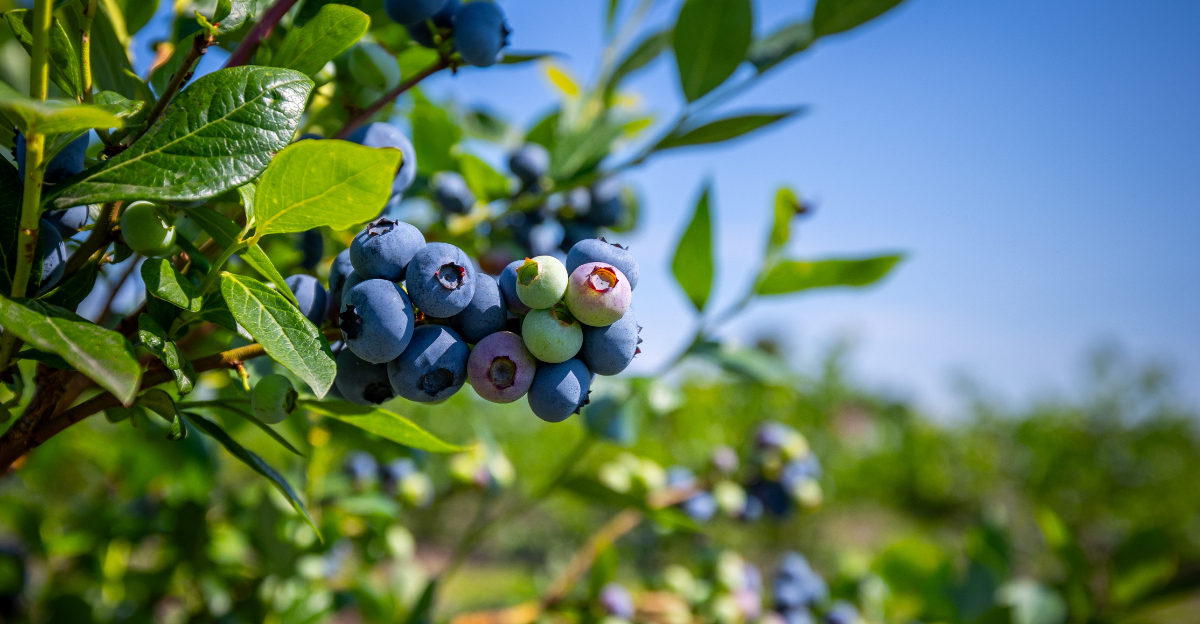
The last blueberry is gone, the bucket is empty, and your fingers still carry that telltale purple stain. There is a quiet satisfaction in finishing a harvest, but the real work for New Jersey blueberry growers is only starting.
Late summer heat sticks around longer than most gardeners expect, and that lingering warmth changes how your bushes behave underground. Roots are still active, pests are still hunting, and the soil chemistry that shaped this year’s berries is already setting the stage for next year’s.
Ignore this window and you risk thinner yields come July. Pay attention now, and you give your plants the recovery period they need to store energy, strengthen roots, and prepare buds for a stronger season ahead.
New Jersey’s sandy pockets and humid stretches add their own twist to the process. Your bushes already gave you the berries, and now they are asking for something back.
1. Giving Bushes A Second Round Of Fertilizer
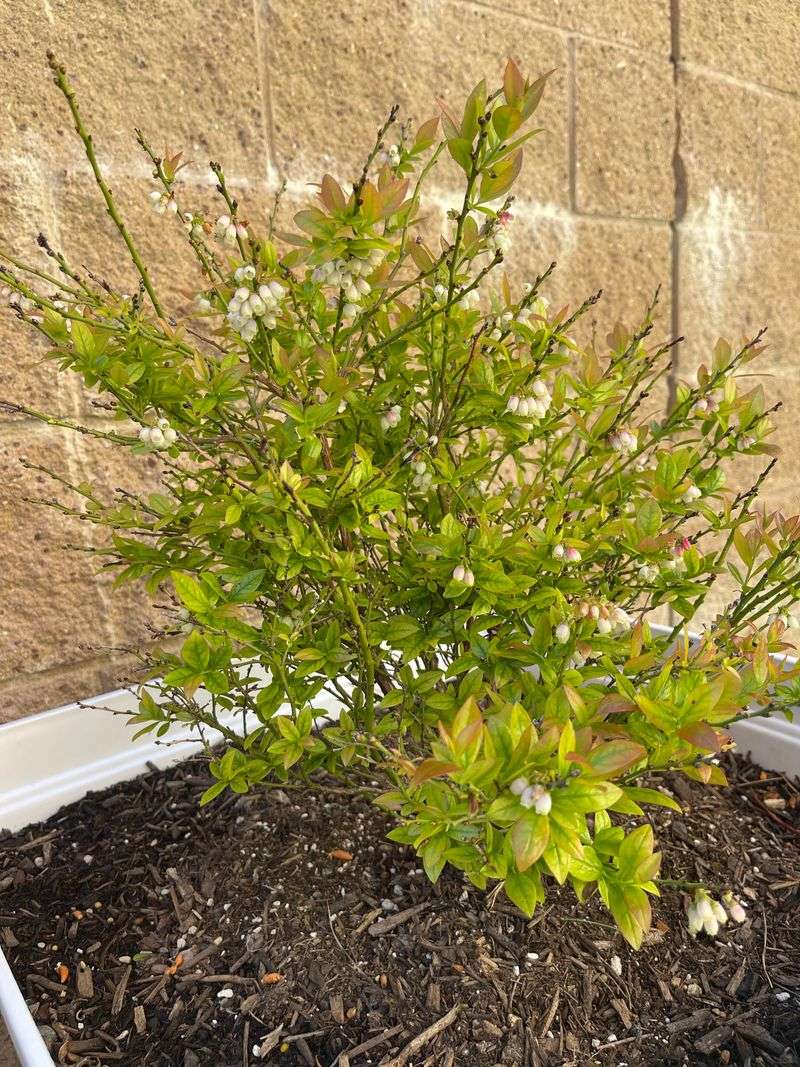
Your blueberry bushes just ran a marathon. They pushed out leaves, grew canes, and produced pounds of fruit all in one season.
After harvest, the plants shift their energy toward root development and storing nutrients for next year. A second round of fertilizer helps them do exactly that.
Blueberries love acidic soil, so choosing a fertilizer made for acid-loving plants is a smart move. Look for products labeled for azaleas, rhododendrons, or blueberries specifically.
Apply the fertilizer in late July or early August in New Jersey. Timing matters because feeding too late in the season can push new growth that will not survive the first frost.
Spread the granules evenly around the drip line of each bush, not right against the stem. Watering after application helps the nutrients move down into the root zone where they are actually needed.
Avoid high-nitrogen fertilizers at this stage of the season. Too much nitrogen now encourages leafy growth instead of the root strengthening your plants actually need.
Some gardeners also use a soil acidifier like sulfur alongside their fertilizer. This keeps the pH in that sweet spot between 4.5 and 5.5 that blueberries crave.
Testing your soil every couple of years is a smart habit. A simple test kit from a garden center can tell you exactly where your pH stands and what adjustments to make.
Feeding your bushes now is one of the kindest things you can do for next year’s harvest.
2. Refreshing Mulch To Hold In Moisture
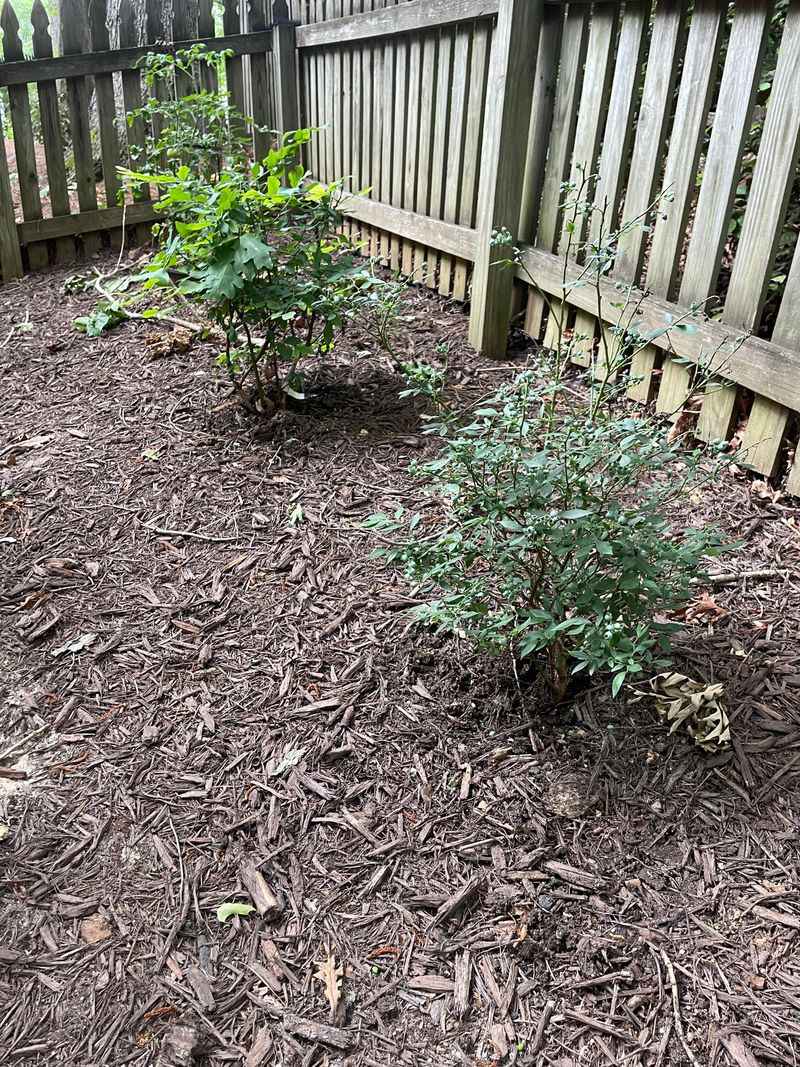
Mulch is one of those underrated garden tools that does a whole lot of quiet, steady work. After harvest season winds down, checking and refreshing your mulch layer is a simple step with big payoffs.
Blueberry roots grow shallow and wide, sitting close to the surface of the soil. That makes them especially vulnerable to moisture loss and temperature swings in late summer and fall.
A fresh layer of mulch acts like a cozy blanket for those roots. It slows down evaporation, keeps the soil cooler on hot days, and buffers against sudden temperature drops as autumn approaches.
Your New Jersey Garden Changes Every Week. Your Plan Should Too.
Gardening in New Jersey changes quickly throughout the season. Every Friday you’ll receive a simple weekly plan showing exactly what to plant, prune, fertilize, harvest, and protect so you never miss the right timing.
Pine bark, pine needles, or wood chips all work beautifully around blueberry bushes. These materials break down slowly and actually help lower soil pH over time, which is a bonus for acid-loving plants.
Aim for a mulch layer about three to four inches deep around each bush. Pull it back slightly from the main stem to prevent moisture buildup against the bark, which can lead to rot.
Check whether your existing mulch has compacted or thinned out from the summer months. If it looks flat and sparse, add a fresh top layer to bring it back up to the right depth.
Weed seeds love bare soil, and mulch is your best defense against them. Fewer weeds mean less competition for the water and nutrients your blueberry plants need right now.
A well-mulched bush is a happy bush heading into the cooler months.
3. Keeping Up With Consistent Watering
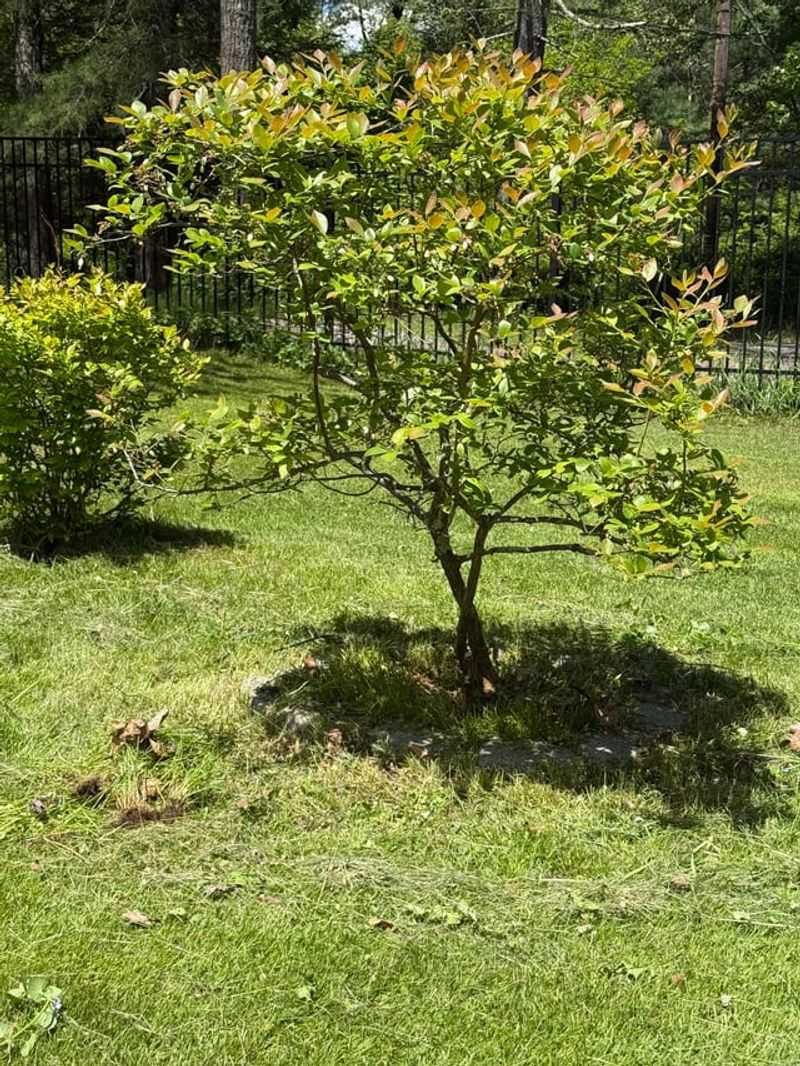
Just because the berries are gone does not mean the watering can goes away. Blueberry bushes still need steady moisture through late summer and into fall to stay healthy and strong.
After harvest, the plant focuses on recharging its root system and building up energy reserves. Without enough water, that recovery process slows down significantly.
Aim for about one to two inches of water per week, either from rain or from you. Sandy soils common in parts of New Jersey drain quickly, so you may need to water more often than gardeners in heavier clay regions.
Drip irrigation or a soaker hose works especially well for blueberries. These methods deliver water slowly and directly to the root zone without splashing the foliage, which can encourage fungal problems.
Stick your finger about two inches into the soil near the base of a bush. If it feels dry at that depth, it is time to water, no matter what the calendar says.
Morning watering tends to be the smarter choice. It gives foliage time to dry out before evening, cutting down on the conditions that allow mold and mildew to take hold.
Avoid overwatering just as much as underwatering. Soggy roots can develop rot, which is a serious problem for blueberry plants that is hard to reverse once it sets in.
Consistent watering now sets the foundation for a stronger, more productive bush come spring.
4. Trimming For Height Where The Season Allows
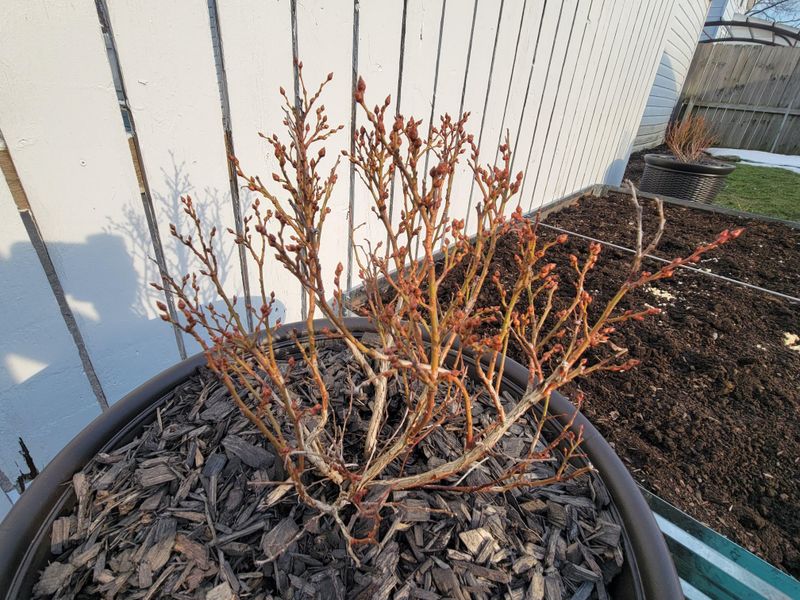
Blueberry bushes can get leggy and tall if left completely unchecked season after season. Light height trimming after harvest is a practical way to manage their shape without stressing the plant.
The goal here is not a heavy prune. Major pruning is best saved for late winter or early spring when the bush is fully dormant and you can see its structure clearly.
What you can do now is snip back any canes that have grown significantly taller than the rest of the bush. Bringing those outliers into line improves airflow and makes the plant easier to manage and net next season.
Use clean, sharp pruning shears for any cuts you make. Dull blades crush rather than cut, leaving ragged wounds that take longer to heal and can invite disease into the plant.
Focus on any growth that looks awkward, overcrowded at the top, or heading in the wrong direction. A few strategic cuts can open up the canopy without removing productive wood.
Avoid cutting into thicker, established canes right now. These carry the shoots that will produce next year’s fruit buds, and removing them too early can reduce your yield.
In New Jersey, the window for post-harvest light trimming is roughly late July through mid-August. After that, new cuts can struggle to callous over before cold weather arrives.
A little shaping now saves you a lot of wrestling with overgrown bushes next spring.
5. Removing Weak Or Overcrowded Canes
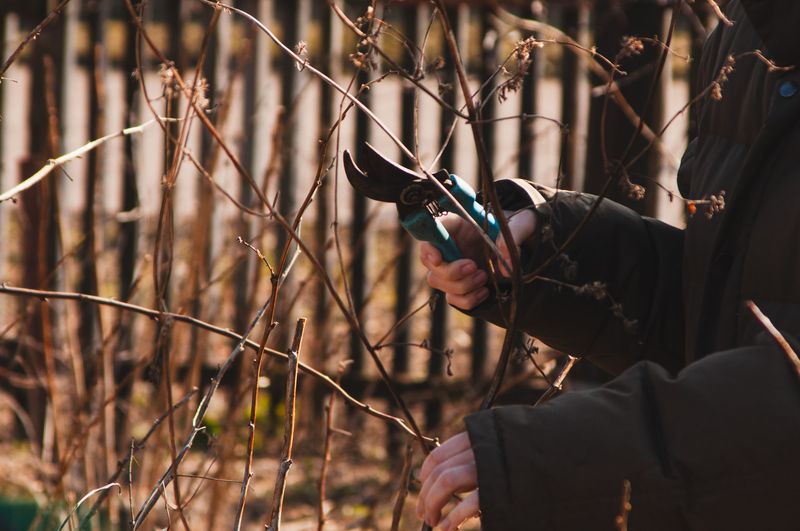
Picture trying to breathe in a packed elevator. That is what a blueberry bush feels like when it is full of weak, crowded canes fighting for light and air.
After harvest is a good time to walk through your bushes and identify the weakest players. Thin, spindly canes that produced little or no fruit this season are prime candidates for removal.
Overcrowded centers are a common problem in established blueberry plantings. When canes rub against each other or block sunlight from reaching the interior, the whole plant becomes less productive over time.
Look for canes that are pencil-thin or thinner. These weak stems rarely produce quality fruit and often serve as entry points for disease and pest activity instead.
Cut them out at or near the base using clean bypass pruners. Bypass pruners make a clean scissor-style cut that heals faster than the crushing cut of anvil-style tools.
Also remove any canes that are crossing over others or growing horizontally toward the ground. These awkward growers take up space without contributing much to the plant’s overall productivity.
Be conservative with how much you remove at this stage of the season. Taking out more than about twenty percent of the plant’s cane structure now can stress it heading into fall.
Save the deeper renovation pruning for late winter when you can see the full skeleton of the bush without leaves in the way.
Thinning out weak canes now gives the stronger ones room to truly shine.
6. Checking Leaves For Stress Or Disease Signs
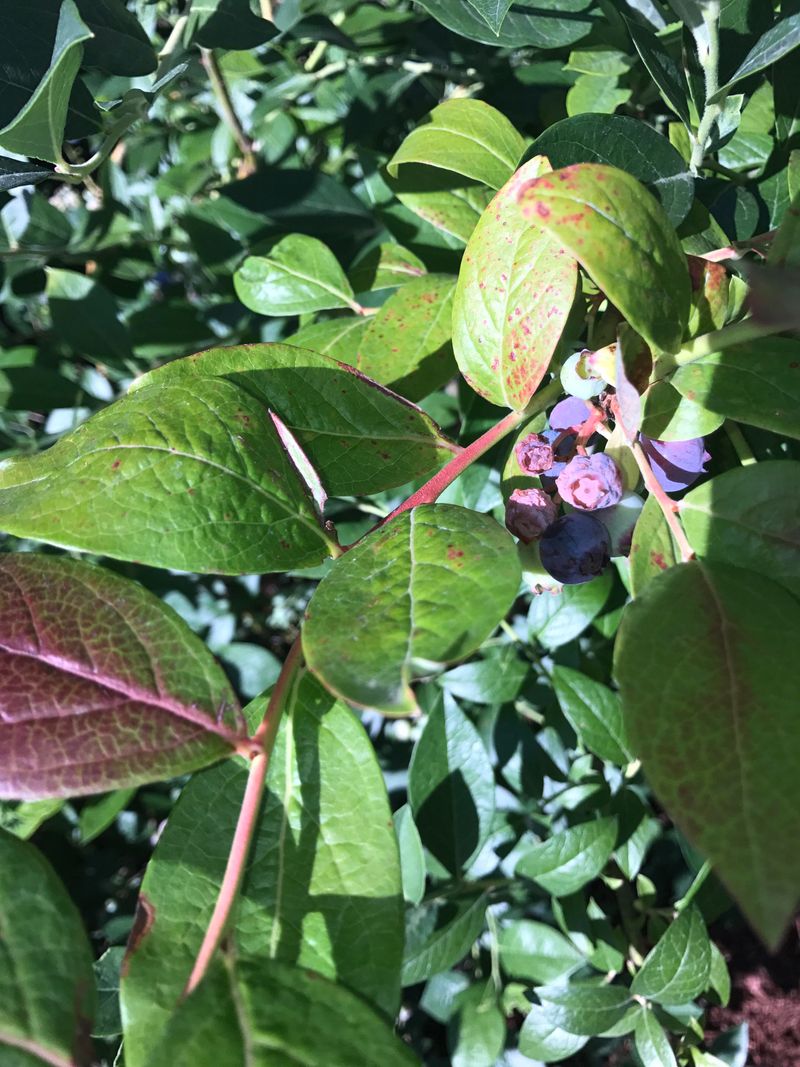
Your blueberry leaves are basically a report card for the whole plant. After the season’s hard work, those leaves can tell you a lot about what is going on beneath the surface.
Take a slow walk through your garden and look carefully at the foliage on each bush. You are hunting for anything that looks off: spots, yellowing, unusual coloring, or curling edges.
Mummy berry is a fungal disease that shows up as brown, shriveled fruit and wilted shoot tips. If you noticed it during the season, the spores are still hanging around in the soil and leaf litter.
Blueberry leaf rust causes orange or yellow powdery spots on the undersides of leaves. It thrives in humid conditions, which New Jersey summers deliver in abundance.
Botrytis blight looks like a gray, fuzzy mold on stems and leaves. It spreads quickly in wet weather and can linger on plant debris through the winter if not dealt with.
Remove and bag any infected leaves rather than composting them. Composting diseased material can spread problems to other parts of your garden next season.
Yellowing between the veins on otherwise green leaves often signals iron deficiency from high soil pH. Getting your pH back into the right range usually clears this up over time.
Catching problems early means smaller solutions and a much healthier start when spring rolls around again.
7. Watching For Late Season Pests
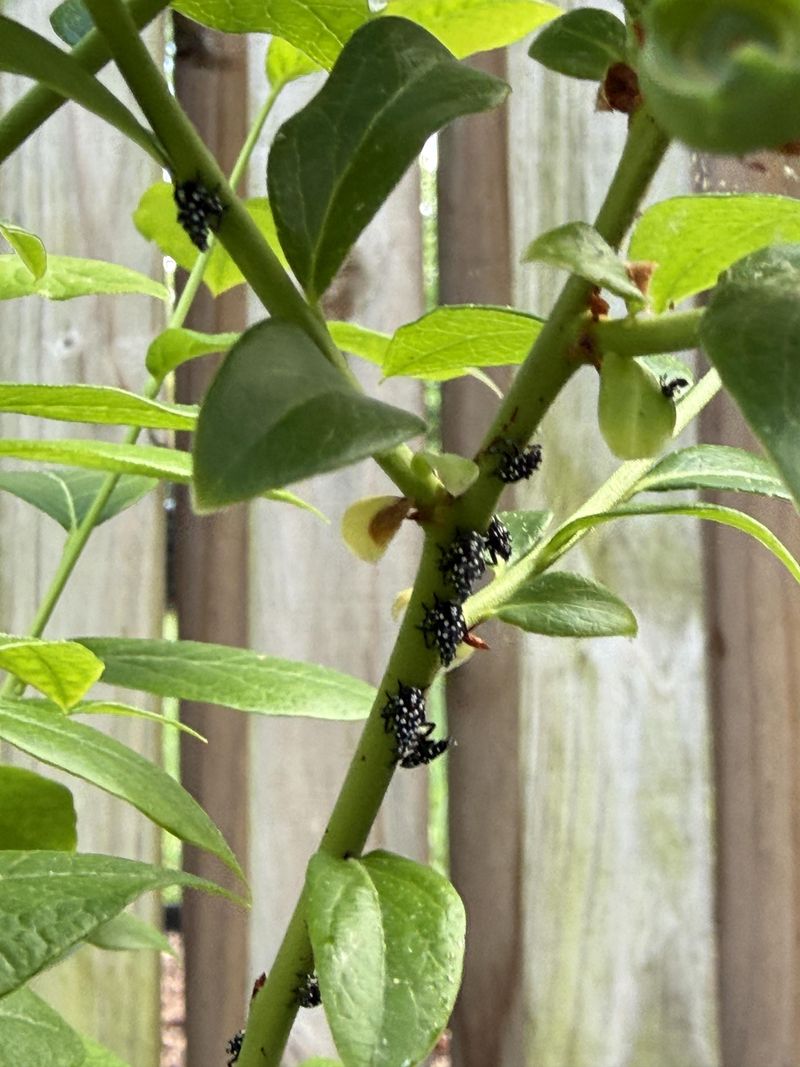
Harvest might be over, but some pests did not get the memo. Late summer is actually prime time for several insects that target blueberry bushes even after the fruit is gone.
Spotted wing drosophila is one of the most frustrating pests for blueberry growers in the Northeast. After the berries are picked, these tiny flies can still lay eggs in any fruit left on the bush or on the ground.
Blueberry stem borers are another threat to watch for in late summer. These beetles lay eggs on canes, and the larvae burrow inside, causing sections of the stem to wilt and go dormant.
Look for wilted cane tips, sawdust-like frass near stem holes, or tunneling damage when you prune. Cutting out affected canes and disposing of them away from the garden stops the cycle.
Japanese beetle populations usually peak in July but can linger into August in New Jersey. They skeletonize leaves, leaving behind lacy, damaged foliage that weakens the plant heading into fall.
Hand-picking beetles in the early morning is surprisingly effective when populations are manageable. Drop them into soapy water while they are still sluggish and easy to catch.
Aphids sometimes move in on new post-harvest growth, clustering on tender shoot tips. A strong spray of water from the hose knocks most of them off without needing any chemical intervention.
Staying alert now protects the investment you made all growing season long.
8. Planning Ahead For Next Year’s Pruning
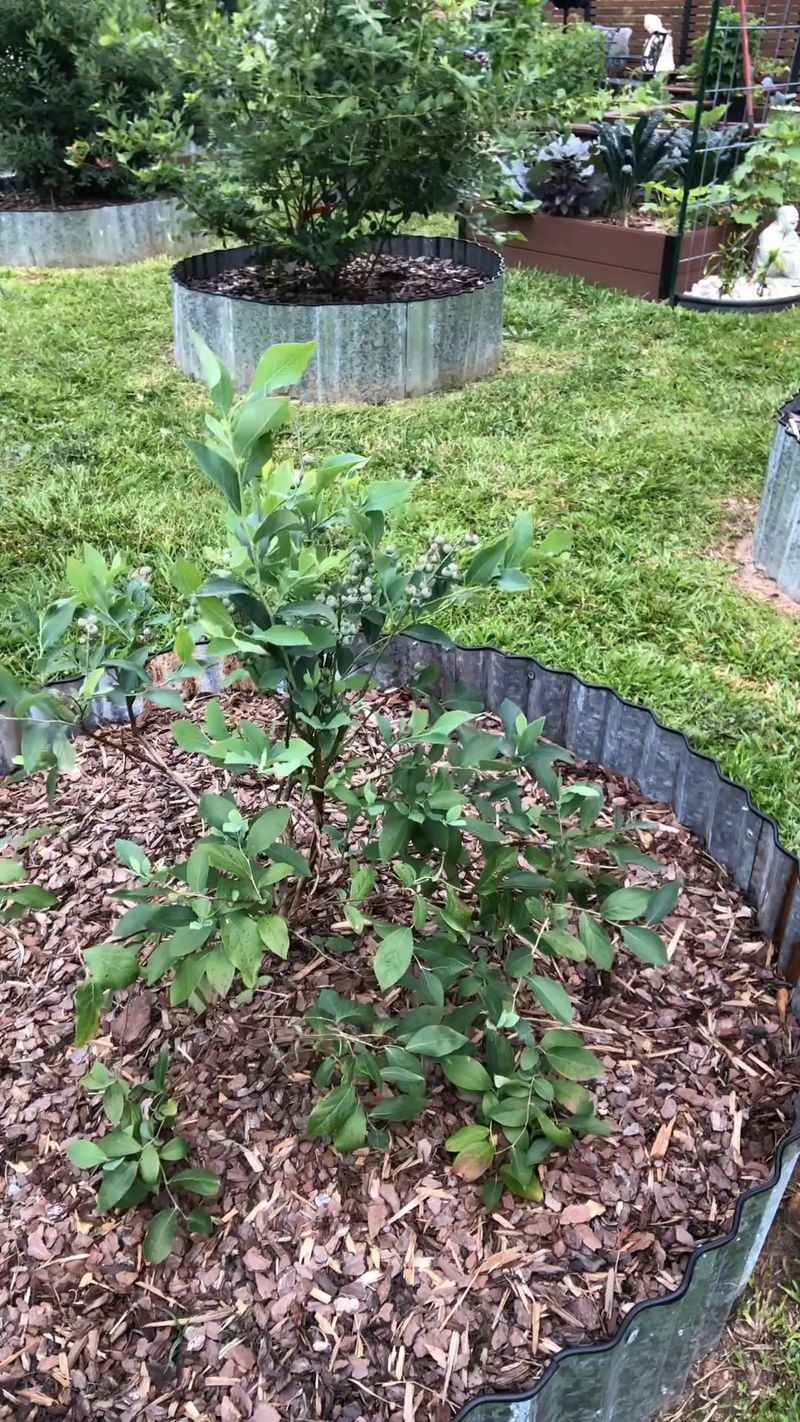
Smart gardeners treat late summer like a scouting mission for the following year. Walking your blueberry patch now, while leaves are still on and canes are visible, gives you a head start on spring planning.
Take notes or even snap photos of each bush. Note which plants looked crowded, which canes seemed weak, and where you saw the most fruit production this season.
Blueberry bushes follow a predictable pattern. The most productive canes are usually between three and six years old, and knowing which ones fall into that range helps you plan smarter cuts in late winter.
Mark any canes you already know need to come out next spring. A simple piece of bright surveyor’s tape or a twist tie on the target cane makes it easy to find later when the plant is dormant.
Think about the overall shape you want for each bush. Blueberries do best with an open, vase-like structure that allows light and air to move freely through the center of the plant.
Research the specific variety you are growing, since pruning needs can vary between highbush and half-high types. Knowing your variety helps you set the right expectations for height, spread, and production cycles.
Set a reminder to order any new pruning tools before the spring rush hits. Good bypass pruners and a quality pruning saw make the whole job faster and cleaner when the time comes.
Post-harvest planning for blueberry bushes after harvest is the secret weapon most casual gardeners tend to overlook.