The Reason Blue Jays Keep Returning To Iowa Backyards
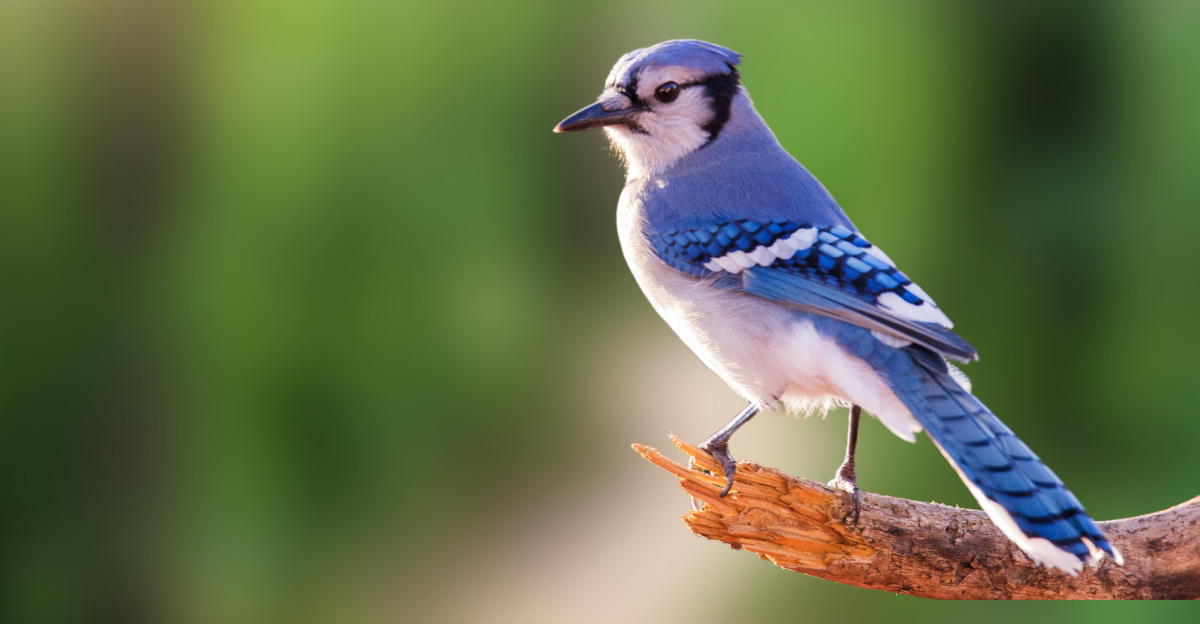
That streak of cobalt darting between the maple branches is not a coincidence. Blue jays in Iowa are creatures of habit, and once they find a yard worth remembering, they treat it like home base for years.
They notice things most homeowners never think twice about: the crunch of a peanut left on a rail, the shape of a shrub that hides them from hawks, the steady drip of water on a quiet afternoon.
Get those details right, and you stop being just another stop on their route. You become the place they circle back to, season after season, sometimes bringing their whole noisy family along.
Iowa backyards have a knack for checking these boxes without homeowners even realizing it, thanks to native oaks, scattered feeders, and the kind of layered greenery jays love to hide in.
Your Yard Has Something Blue Jays Can’t Resist
Blue jays rarely visit at random. They scout locations carefully and return to yards that consistently offer what they need.
Your outdoor space may be sending out signals you do not even realize. Food sources, tree cover, and fresh water are the top three draws for these sharp-eyed birds.
Blue jays keep returning to Iowa backyards because those yards pass a kind of invisible checklist. The bird flies in, finds something good, and files that address away in its impressive memory.
Studies show blue jays can remember food cache locations for months. That same memory works on your yard, tagging it as a reliable stop.
A yard with even one strong attractant, like a loaded feeder or a mature oak, becomes a regular destination. Add two or three attractants and you have basically built a five-star resort for jays.
Neighbors who wonder why jays never visit their yard often lack just one key element. Sometimes a single missing piece, like shade or water, is what separates a quiet yard from a busy one.
Most Iowa yards already have the bones of a great jay habitat. Small adjustments can tip the scale quickly and bring those brilliant blue wings your way.
Once a blue jay decides your space is worth visiting, it tends to stick around. That loyalty is one of the most rewarding things about attracting them in the first place.
Oak Trees Turn Your Backyard Into A Blue Jay Magnet
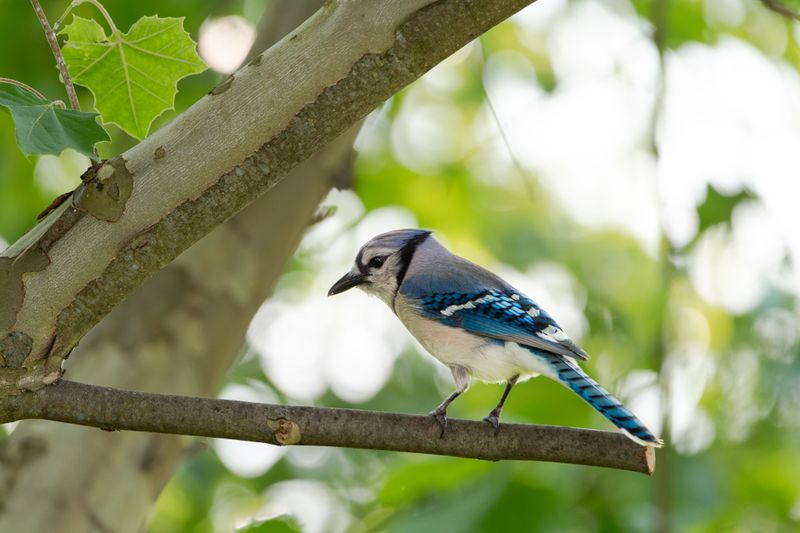
Acorns are basically blue jay currency. Few food sources pull these birds in faster than a mature oak tree loaded with fresh mast.
Blue jays are one of the most important oak tree planters in North America. They carry acorns in a special throat pouch and bury caches across wide areas, often forgetting some, which then sprout into new trees.
A single jay can transport up to five acorns at once in that expandable pouch. Over a season, one bird can move thousands of acorns across a neighborhood.
Iowa is home to several native oak species, including bur oak and red oak, both of which produce acorns blue jays absolutely love. If your yard has even one mature oak, you are sitting on prime jay territory.
Your Iowa Garden Changes Every Week. Your Plan Should Too.
Gardening in Iowa changes quickly throughout the season. Every Friday you’ll receive a simple weekly plan showing exactly what to plant, prune, fertilize, harvest, and protect so you never miss the right timing.
The relationship between oaks and blue jays goes back thousands of years. Scientists believe jays helped spread oak forests northward after the last ice age ended.
When acorn season peaks in late summer and early fall, jay activity around oaks spikes dramatically. You may notice more noise, more movement, and more bold landings than at any other time of year.
Planting a young oak today is a long-term investment in backyard wildlife. Within a decade, even a modest-sized oak can start producing enough mast to keep blue jays coming back season after season.
Your yard does not need a forest. One good oak tree can do the job beautifully.
The Role Feeders And Water Sources Play In Keeping Them Around
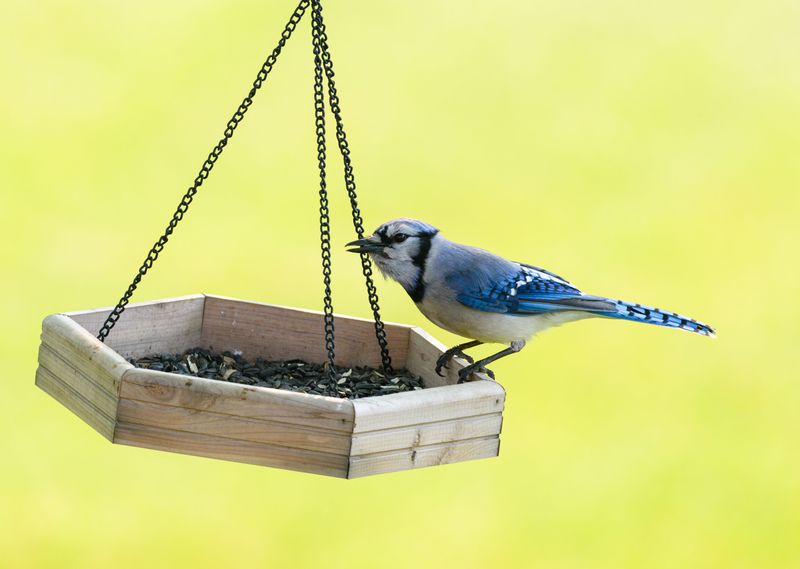
Put out the right food and fresh water, and blue jays will treat your yard like a reliable diner they never want to leave. Consistency is the key ingredient here.
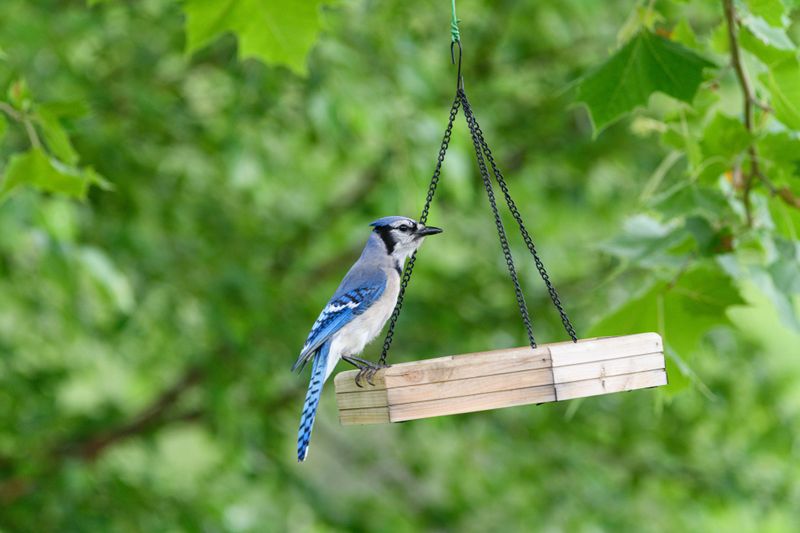
Platform feeders work best for blue jays because they are large birds that do not like to squeeze into small caged feeders. A wide, open tray gives them room to land, grab a seed, and feel comfortable.
Shelled peanuts and sunflower seeds are the top two crowd-pleasers. Blue jays will also go for corn, whether cracked or whole, making it one of the most budget-friendly options available.
Water matters just as much as food, especially during dry Iowa summers. A birdbath with clean, shallow water draws jays in for both drinking and bathing, two activities they engage in daily.
Moving water is even more effective than a still bath. A simple solar-powered dripper or small fountain creates sound and movement that birds can detect from a surprising distance.
Keeping your feeder stocked on a regular schedule trains jays to expect food at your location. Once that expectation forms, they often add your yard to their daily route.
Clean feeders matter too, since blue jays are observant and will avoid dirty or moldy stations. A quick rinse every week or two keeps things fresh and welcoming.
They keep returning to Iowa backyards largely because of dependable food and water. Remove that reliability and they may start looking elsewhere for a steadier source.
Mature Trees And Layered Landscaping Seal The Deal
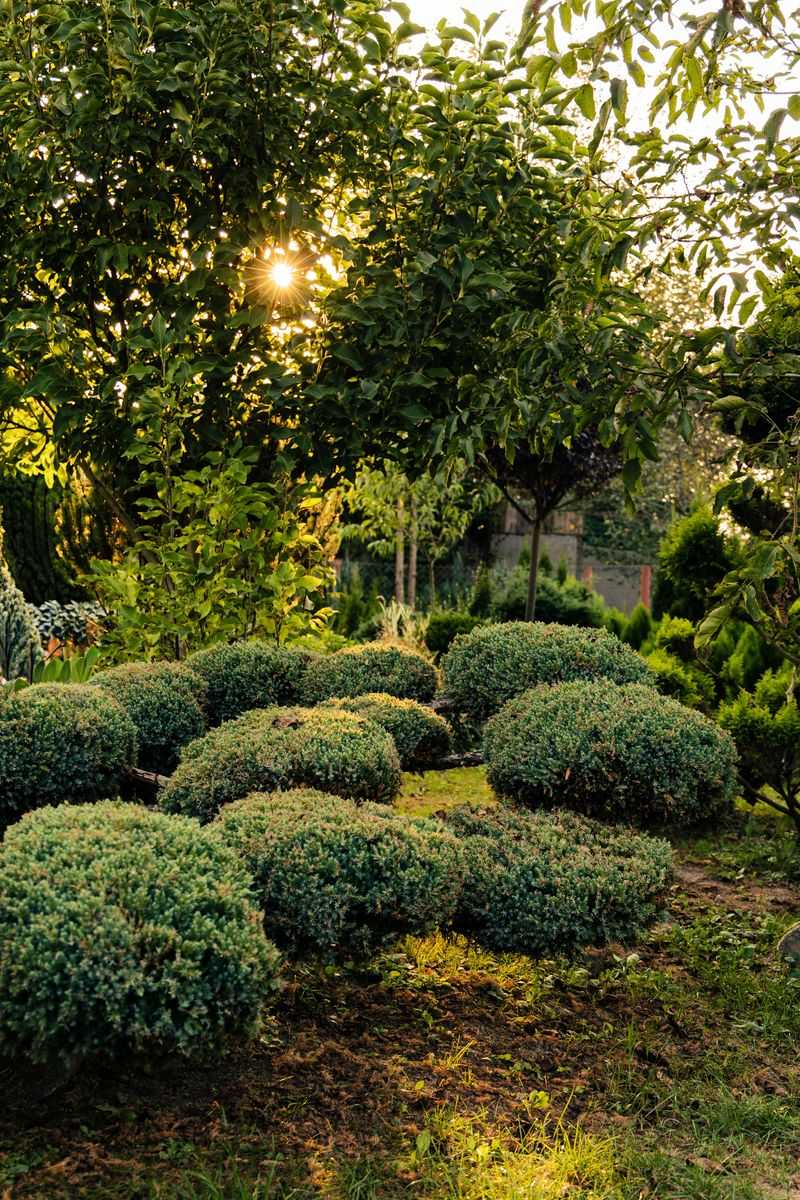
Structure matters more than most people realize. Blue jays are not just looking for food when they scout a yard, they are looking for safety and a place to feel at home.
Layered landscaping means having tall trees overhead, medium shrubs in the middle, and low ground cover below. That variety mimics the natural woodland edge habitat where blue jays thrive in the wild.
A yard with only a lawn and a single tree feels exposed to a blue jay. One with multiple canopy levels feels like cover, and cover equals security for a bird that has predators to watch for.
Evergreen shrubs and dense hedgerows are especially valuable because they provide shelter in winter when deciduous trees go bare. Blue jays that stay through Iowa winters need protected roosting spots to survive the cold.
Native plantings like elderberry, serviceberry, and wild grape add both food and structure. These plants produce berries that supplement the jay diet while also filling in that crucial middle layer of your yard.
Brush piles are another underrated option that costs nothing. A loose stack of branches in a back corner creates low cover where jays and other wildlife can duck in quickly when a hawk passes overhead.
The more varied your yard structure, the more uses a blue jay can find for it. A bird that can eat, drink, bathe, roost, and hide in one place has little reason to look elsewhere.
Mature trees and smart planting choices make your space feel like home, not just a pit stop.
What It Means When The Same Jays Keep Coming Back
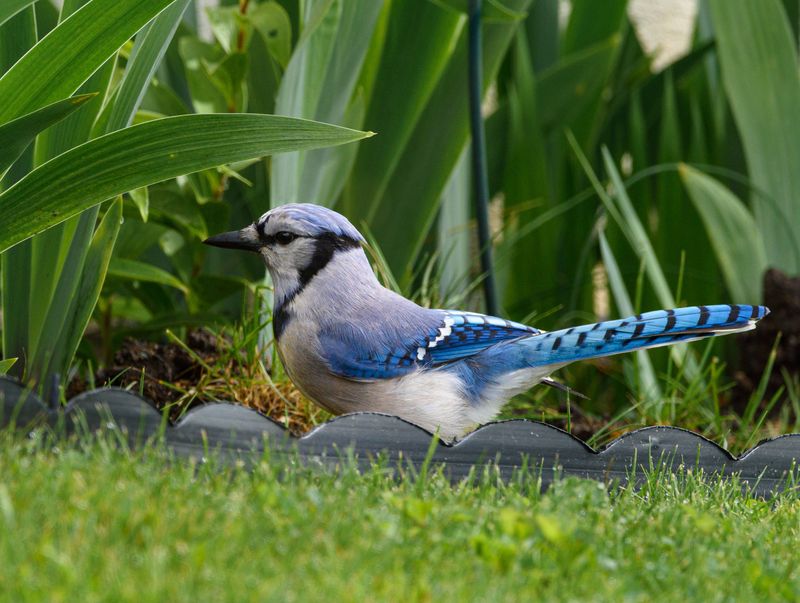
Spotting the same blue jay over and over is rarely random. Blue jays are highly territorial and develop strong site fidelity, meaning they bond to locations that have treated them well.
Researchers have found that blue jays often return to the same nesting territories year after year. A pair that raised young in your yard one summer is likely to come back the next spring and try again.
You can sometimes identify individual jays by their unique markings. Small differences in the black necklace pattern or slight variations in feather arrangement can help you recognize a familiar face in the flock.
When a jay brings a mate or offspring to your yard, that is a sign of deep trust. The bird is signaling that your yard is safe enough to share with its mate or young.
Blue jays also communicate with each other about food sources through calls and behavior. A jay that finds your feeder reliably stocked may draw others simply by being seen feeding there.
Young jays raised in a neighborhood tend to set up territories nearby as adults. So one pair nesting in your yard could lead to several jays claiming nearby spots within just a few seasons.
That sense of continuity is part of what makes backyard birding so satisfying. You are not just watching random wildlife, you are watching a community of individuals with histories and habits.
Simple Ways To Make Your Iowa Yard Even More Inviting
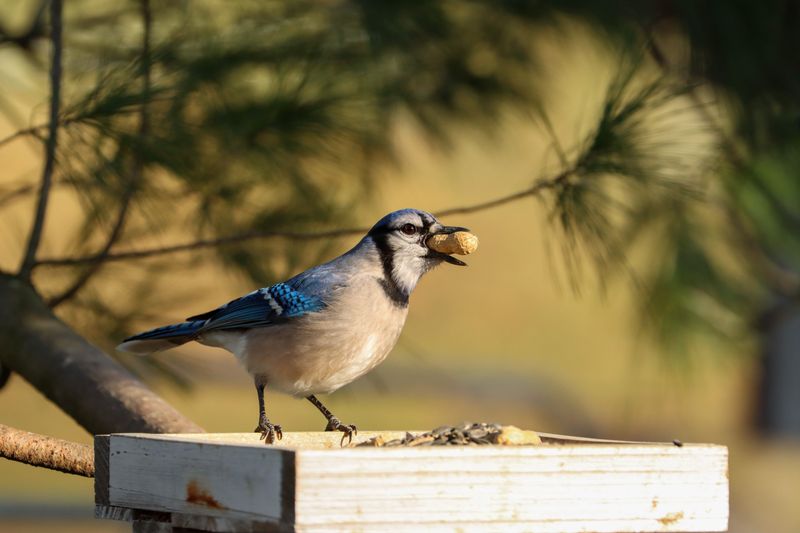
Making your yard a blue jay favorite does not require a big budget or a landscaping degree. A few targeted changes can make a noticeable difference in just a few weeks.
Start with food placement. Position your feeder near tree cover so jays feel safe approaching, but not so buried in branches that they cannot see predators coming from above.
Add shelled peanuts to your feeder mix if you have not already. Jays will pick peanuts over almost anything else, and the sight of one jay grabbing a peanut often pulls in others from nearby.
Install a birdbath within about ten feet of a tree or shrub. Jays like to perch and scan before they commit to landing, so nearby cover makes the bath feel much safer.
Plant at least one native oak, hawthorn, or serviceberry if your yard has space. These plants take time to mature but pay off in wildlife activity for decades to come.
Reduce pesticide use wherever possible, since chemicals can affect the insects and grubs that blue jays occasionally forage for on the ground. A chemical-free lawn is a healthier foraging zone.
Keep a brush pile or dense shrub cluster in a low-traffic corner of your yard. That kind of undisturbed space gives jays a retreat when the yard gets busy with human activity.