Skip Rose Of Sharon In North Carolina Backyards And Plant These Native Summer Bloomers Instead
Rose of Sharon has coast-to-coast name recognition and a long history in Southern gardens that makes it feel like a safe, familiar choice for North Carolina backyards.
The problem is that it self-seeds with a persistence that turns one intentional planting into dozens of unwanted seedlings showing up across the yard, the fence line, and into neighboring properties within a few seasons.
North Carolina has better options for summer bloom that deliver comparable visual impact without the aggressive reseeding, the ecological drawbacks, or the ongoing management burden that established Rose of Sharon consistently creates.
Several native summer bloomers outperform it in every category that actually matters for a yard that is meant to be enjoyed rather than constantly edited.
1. Swamp Rose Mallow
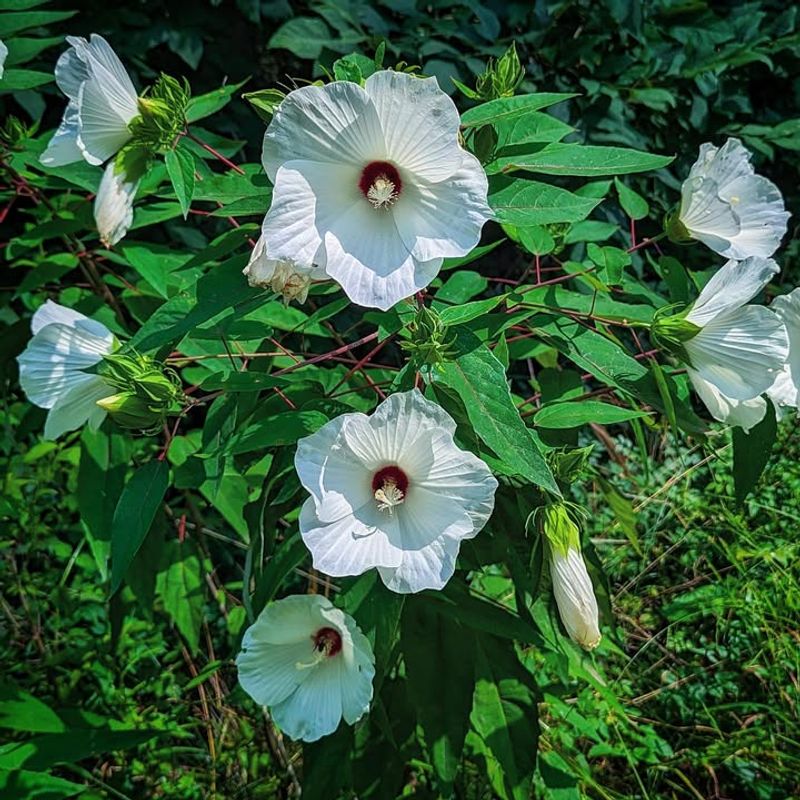
Picture a flower so bold and showy it stops you in your tracks every single time you walk past it. That is exactly what swamp rose mallow delivers, and it does it while being completely native to North Carolina.
Found across all regions of the state, this stunning plant produces enormous hibiscus-like blooms that can stretch up to ten inches wide, making it one of the most dramatic native flowers you can grow in your yard.
Swamp rose mallow blooms from midsummer through early fall, filling that long stretch of warm weather with nonstop color.
The flowers come in shades of white, pink, and deep rosy red, often with a contrasting dark center that makes each bloom look almost painted.
Pollinators absolutely love it, and you will notice bees and butterflies visiting regularly from the moment the first flower opens.
This plant thrives in moist sites, which makes it a perfect fit for rain gardens, pond edges, and stream banks. Sunny beds that receive steady moisture also work really well.
If your yard has a low spot that tends to hold water after heavy rain, swamp rose mallow will feel right at home there.
It gives you that same bold tropical summer feeling that Rose of Sharon is known for, but with far more ecological value for North Carolina wildlife.
Growing swamp rose mallow is straightforward. Plant it in a spot with full sun and keep the soil consistently moist.
Once established, it comes back reliably each year, growing taller and more impressive every season.
2. Summersweet
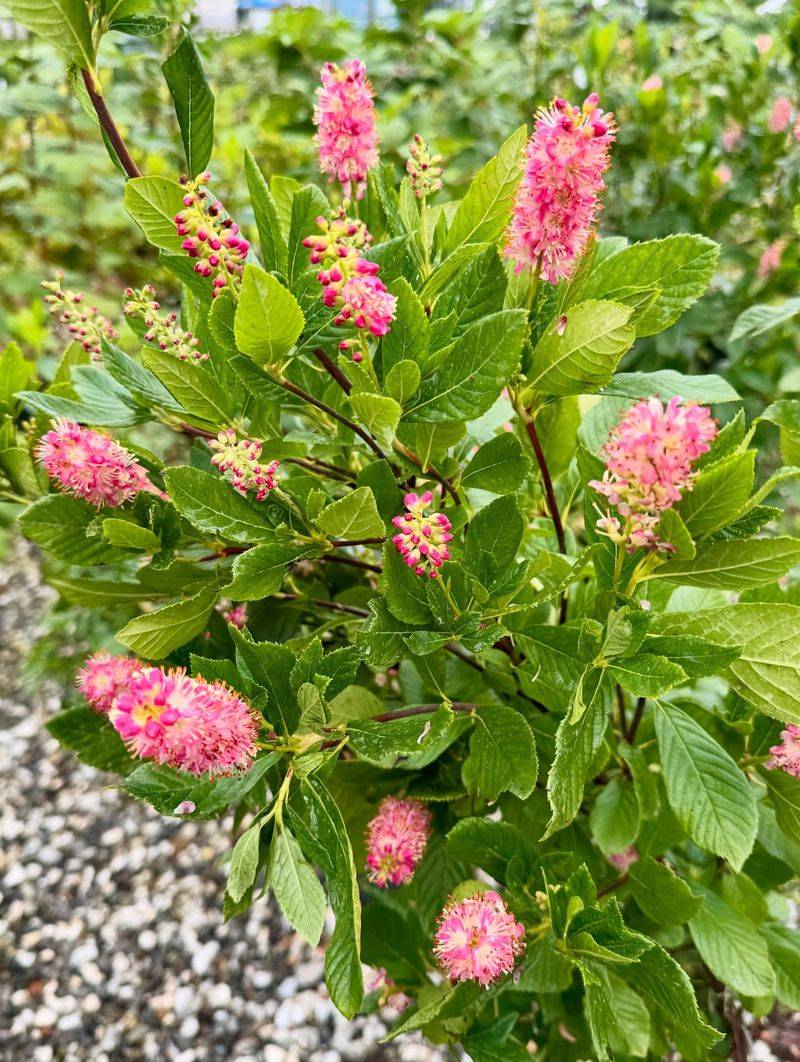
Some plants earn their place in a garden through sheer reliability, and summersweet is one of those plants.
Native to North Carolina and the broader eastern United States, this shrub has a special talent that most flowering shrubs simply cannot match: it blooms beautifully in the shade.
When late summer arrives and most flowering shrubs have already finished for the year, summersweet is just getting started.
The flowers appear as slender white spikes that rise above the foliage from July into September. Their fragrance is genuinely wonderful, sweet and clean with a hint of spice, strong enough to catch your attention from several feet away.
Hummingbirds, butterflies, bees, and other pollinators flock to the blooms, turning your shady corner into a buzzing, fluttering little wildlife hub during the hottest weeks of summer.
Your North Carolina Garden Changes Every Week. Your Plan Should Too.
Gardening in North Carolina changes quickly throughout the season. Every Friday you’ll receive a simple weekly plan showing exactly what to plant, prune, fertilize, harvest, and protect so you never miss the right timing.
Beyond its blooming season, summersweet offers attractive fall foliage in shades of golden yellow, giving it multi-season appeal that makes it worth every inch of space it takes up.
The shrub typically grows four to six feet tall and spreads gradually over time, making it a reliable choice for natural screens, native borders, and moist woodland edges.
Summersweet works especially well in pollinator gardens and shaded beds where other shrubs struggle to perform. It prefers moist, slightly acidic soil, which is very common across North Carolina.
If you have a shady spot near a fence or along a woodland edge that needs some life and fragrance, summersweet is exactly the plant you have been looking for.
3. Buttonbush
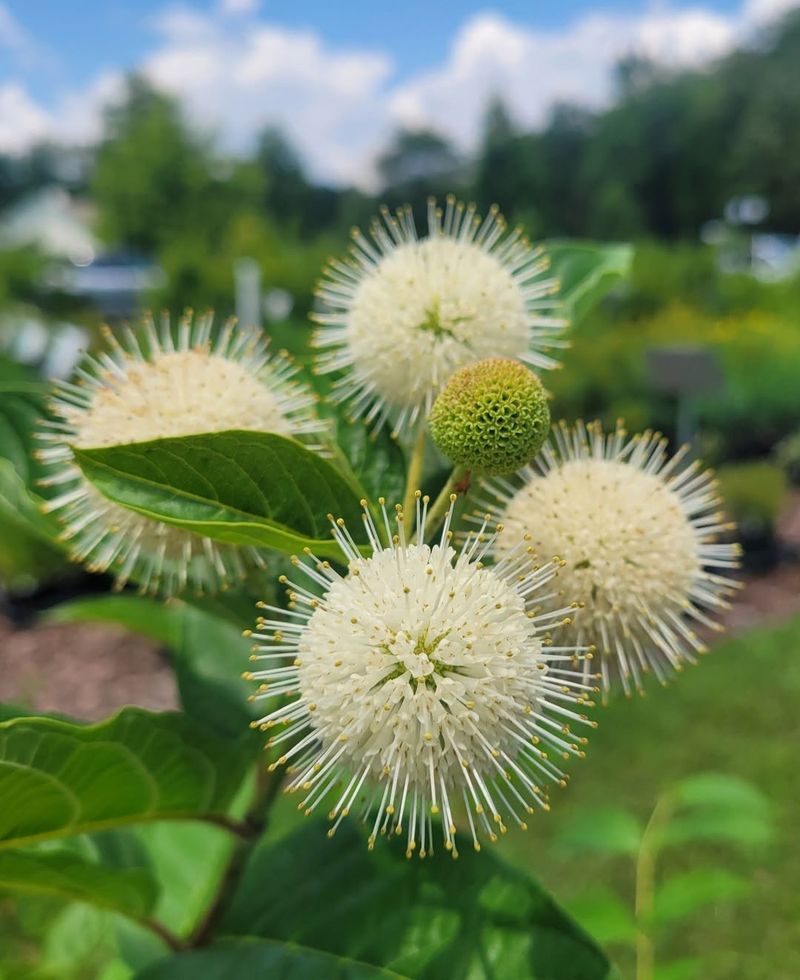
Buttonbush gets its name from those perfectly round, white flower balls that look like something a garden designer dreamed up just for fun.
Native to North Carolina and widespread across much of North America, this shrub is one of the most ecologically generous plants you can add to a wet backyard area.
From June all the way through September, it produces fragrant, globe-shaped blooms that are basically irresistible to pollinators of every kind.
Bees absolutely swarm buttonbush when it is in full bloom, and that is not an exaggeration. Butterflies, native bees, and long-tongued insects all seek it out.
After flowering, the round seed heads attract songbirds and waterfowl that feed on the seeds through fall and winter.
Wood ducks, mallards, and other wetland birds are especially fond of it, making buttonbush a genuine four-season contributor to backyard wildlife habitat.
The key to growing buttonbush successfully is placing it where the soil stays consistently moist or even wet. It thrives at pond edges, along stream banks, in rain gardens, and in low-lying spots that collect water after storms.
Trying to grow it in dry or well-drained soil will lead to disappointment, so match it carefully to the right location and it will reward you generously for years.
Buttonbush grows into a large, multi-stemmed shrub that can reach six to twelve feet tall, so give it room to spread.
For North Carolina gardeners dealing with soggy low spots, this native is one of the most practical and wildlife-friendly solutions available anywhere.
4. Smooth Hydrangea
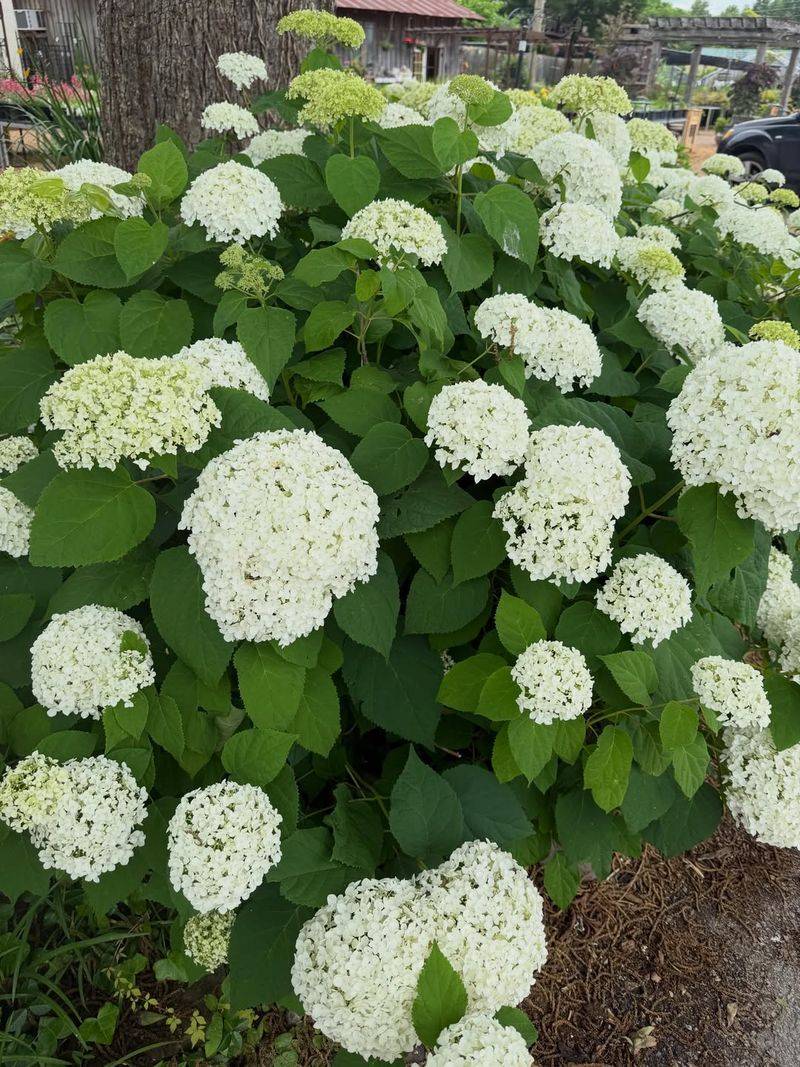
There is a reason smooth hydrangea has become one of the most beloved native shrubs in eastern North America.
Big, rounded clusters of creamy white flowers appear in late spring and carry into summer, creating a soft, lush look that fits beautifully into almost any backyard setting.
Unlike the imported hydrangea varieties you often see at big box stores, smooth hydrangea is genuinely native to North Carolina and brings real ecological value along with its good looks.
The flower clusters on smooth hydrangea can grow impressively large, sometimes reaching a foot across on well-established plants.
They start out greenish white, brighten to a clean white as they mature, and then slowly fade to a warm tan as summer winds down.
That dried seed head structure persists into fall and winter, adding texture to the garden even after the blooming season ends.
Smooth hydrangea fits naturally into woodland edges, part-shade beds, native gardens, and pollinator-friendly borders. It prefers moist, well-drained soil and genuinely appreciates some afternoon shade during the hottest parts of a North Carolina summer.
In hotter, sunnier locations, the leaves can look a little stressed by late afternoon without that shade protection, so placement really matters with this one.
Pollinators visit the flowers regularly, and the plant supports a range of beneficial insects throughout the season. Smooth hydrangea typically grows three to five feet tall and wide, making it a manageable size for most yards.
It is one of those plants that looks both elegant and completely at home in a naturalistic North Carolina garden.
5. Shrubby St. Johns Wort
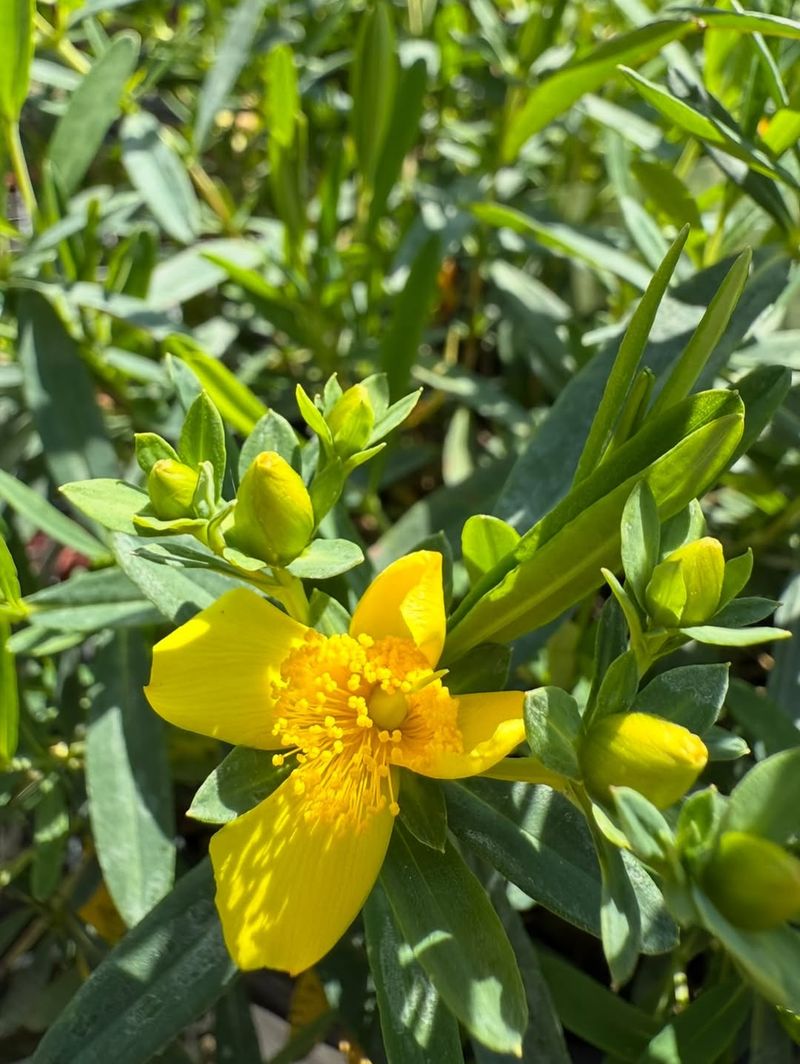
Bright yellow flowers from June all the way through October? That is not a promise most shrubs can keep, but shrubby St. Johns Wort delivers on it consistently.
This cheerful native shrub brings a lighter, more relaxed energy to a North Carolina yard than the stiff, formal look of Rose of Sharon, and it does it while supporting pollinators through some of the hottest months of the year.
The flowers are small but produced in great abundance, covering the plant in golden yellow color for months at a stretch.
Native bees are particularly drawn to them, and you will notice a steady parade of pollinators working the blooms on warm sunny days.
The plant also has attractive bluish-green foliage that gives it a clean, tidy appearance even when it is not actively flowering, which makes it easy to work into a variety of garden styles.
Shrubby St. Johns Wort grows well in sunny sites with average to dry, well-drained soil, which means it handles conditions that some other native shrubs find challenging.
It is a great fit for native borders, foundation beds, pollinator plantings, and low-maintenance mixed gardens where you want something that looks good without a lot of fussing.
Once established, it is quite tolerant of dry spells, which is a real bonus during North Carolina summers.
The shrub typically stays compact, reaching about two to four feet tall and wide, so it works well in smaller spaces too.
If you want a long season of cheerful color with minimal effort, shrubby St. Johns Wort is one of the smartest choices you can make for your yard.
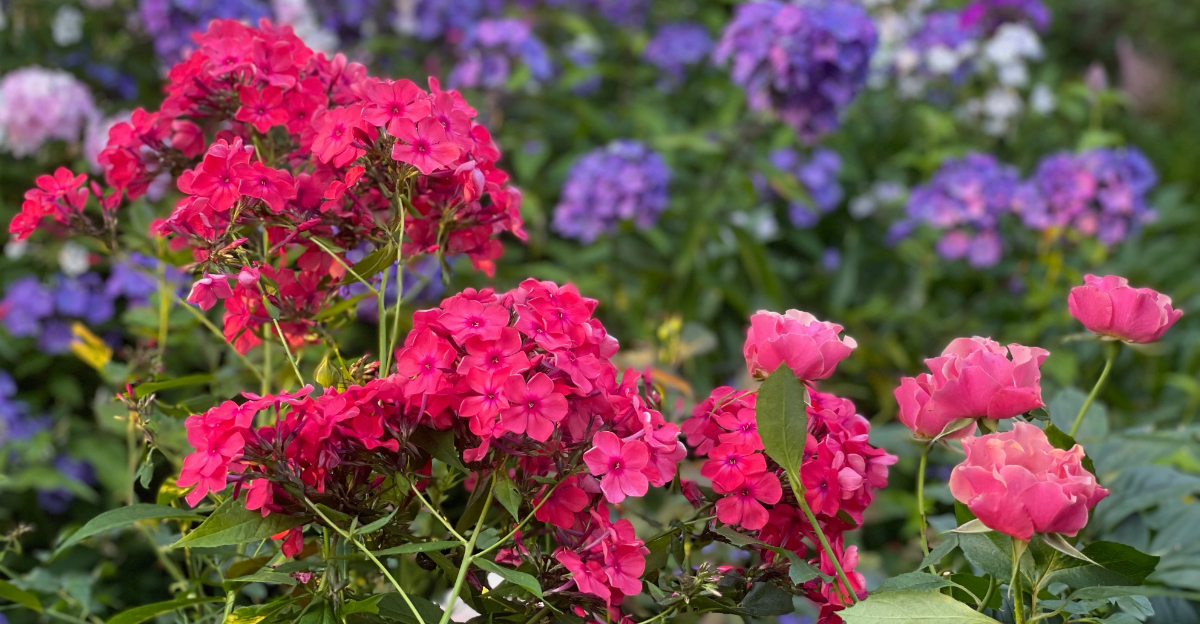
6. Summer Phlox
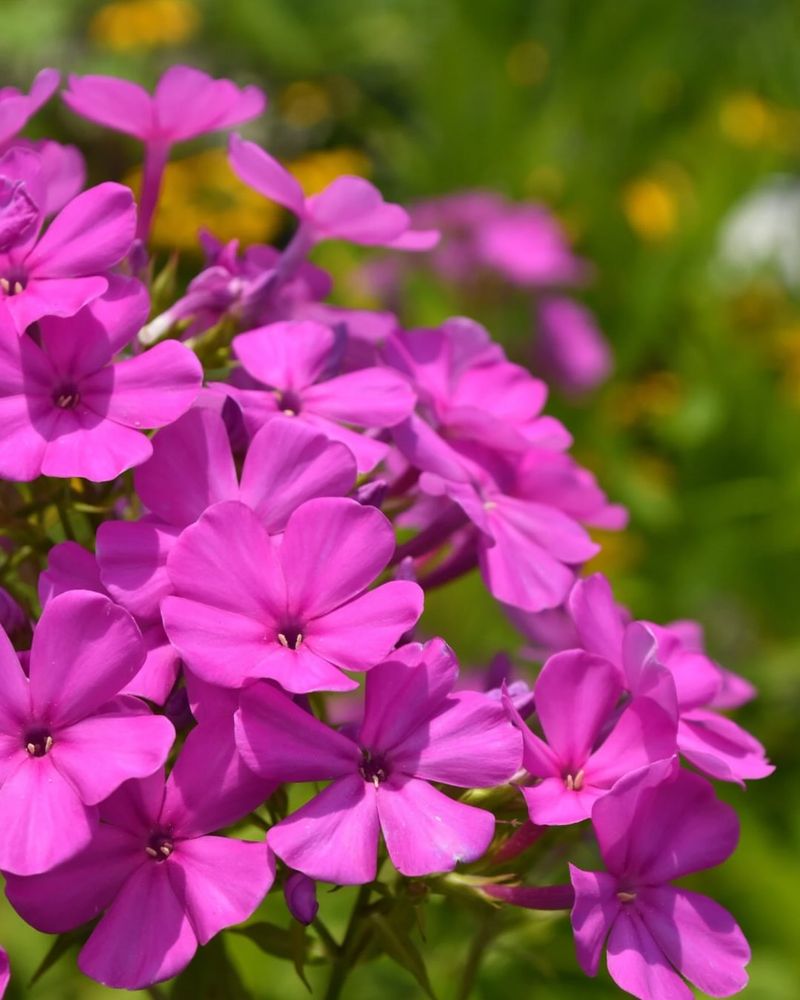
Few native perennials match summer phlox for sheer visual impact in a sunny garden border.
When it hits its stride in midsummer, the large flower clusters in shades of pink, purple, white, and lavender create a display that is genuinely hard to look away from.
Native to eastern North America including North Carolina, summer phlox brings that sought-after cottage garden look while giving local pollinators and hummingbirds exactly what they need.
Hummingbirds are especially fond of summer phlox, hovering from cluster to cluster as the blooms open throughout summer and into early fall.
Butterflies and native bees work the flowers constantly on warm days, making a well-placed clump of summer phlox one of the most active wildlife spots in the garden.
The fragrance is a bonus too, sweet and noticeable on calm evenings when the air is still.
Powdery mildew can be a challenge with summer phlox, but the solution is simpler than most people think. Good air movement around the plants keeps moisture from sitting on the foliage, which is where the problem starts.
Planting in an open, breezy spot rather than tucking phlox against a wall or fence makes a significant difference. Choosing mildew-resistant native varieties also helps a lot.
Summer phlox works beautifully in sunny perennial borders, cottage gardens, and native plant beds. It grows two to four feet tall and pairs naturally with other native summer bloomers like coneflowers and black-eyed Susans.
Cut the spent flower heads back after blooming to encourage a fresh flush of new flowers and keep the plant looking its very best.
7. Wild Bergamot
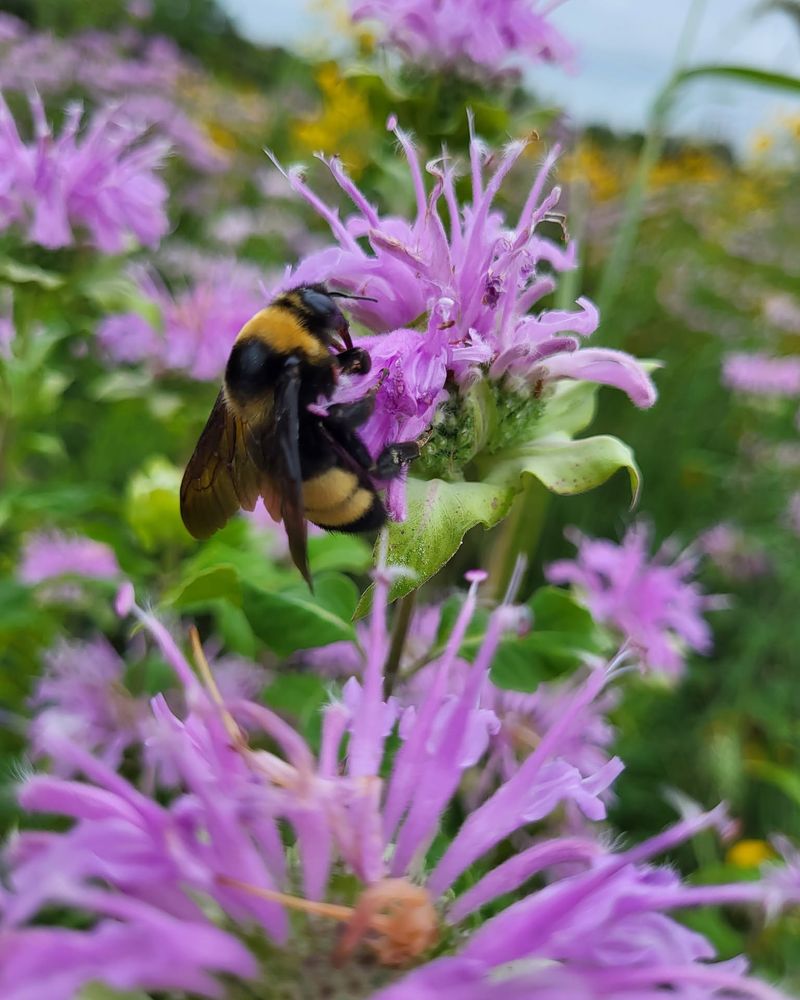
Wild bergamot has a personality all its own. The lavender-purple flower heads are a little wild-looking, a little whimsical, and completely magnetic to native bees.
Three distinct varieties of wild bergamot occur naturally in North Carolina, which means this plant has deep roots in the state’s ecology and a proven track record of thriving in local conditions.
If you have ever wanted a garden that hums with bee activity all summer long, this is the plant that makes it happen.
Native bees are the biggest fans of wild bergamot, and some specialist bee species depend on plants in the mint family, which bergamot belongs to, as a primary pollen source. Butterflies and hummingbirds visit regularly too.
The blooms appear from late spring through midsummer and carry into late summer depending on conditions, giving the garden a long window of color and pollinator activity that few other perennials can match.
Wild bergamot fits naturally into meadow gardens, native borders, rain gardens, herb gardens, and naturalized areas where a relaxed, slightly informal look is welcome.
It prefers full sun and good air movement, which helps keep the foliage looking healthy through the season.
Soil that stays overly wet is not a good fit, so well-drained or average soil works best for this plant.
The aromatic foliage is a bonus that adds sensory interest to the garden even when the plant is not in bloom. Brushing against the leaves releases a pleasant herbal scent that gardeners tend to love.
Wild bergamot spreads gently over time, gradually filling in a sunny border with reliable, low-maintenance color year after year.